Michigan Interrogatories to Defendant for Motor Vehicle Accident
Overview of this form
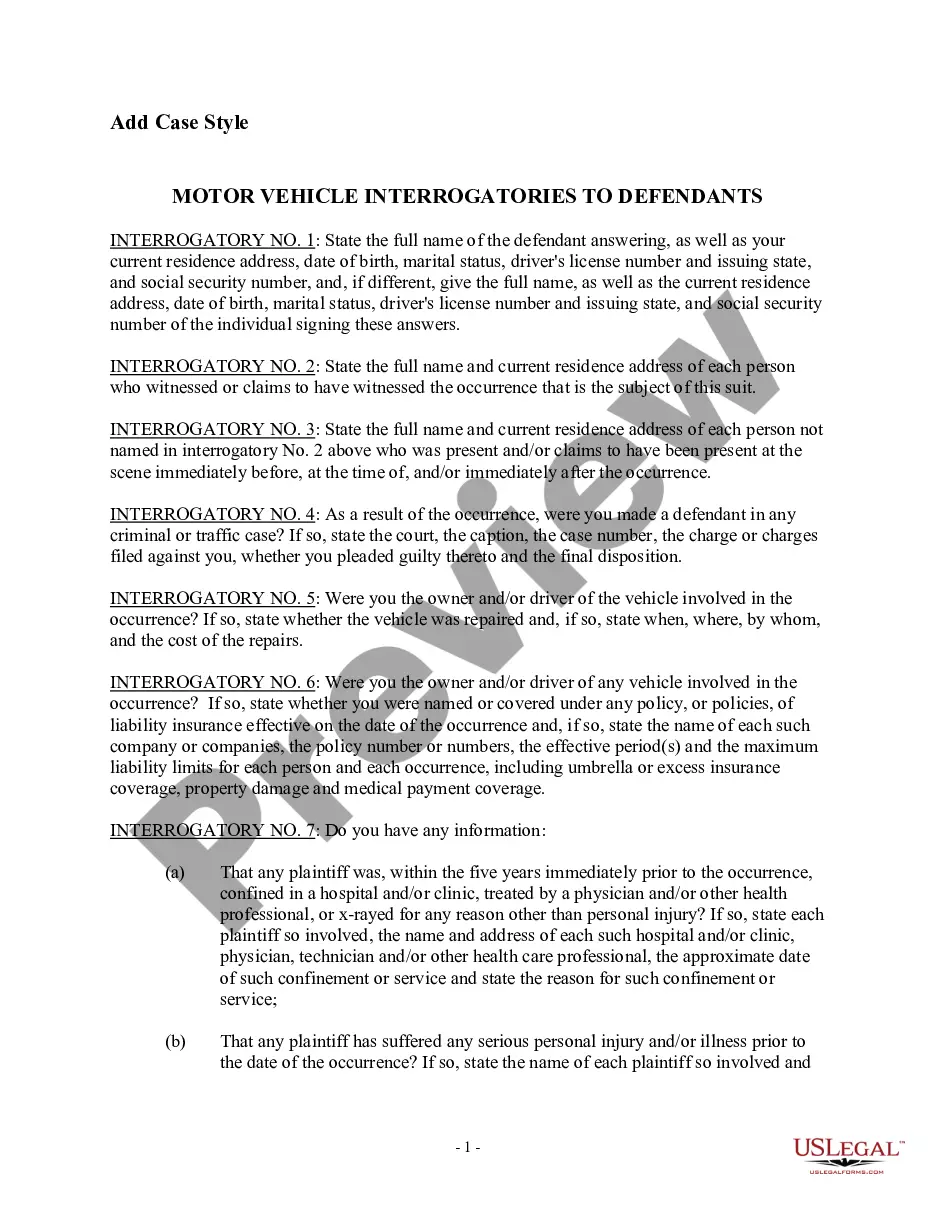
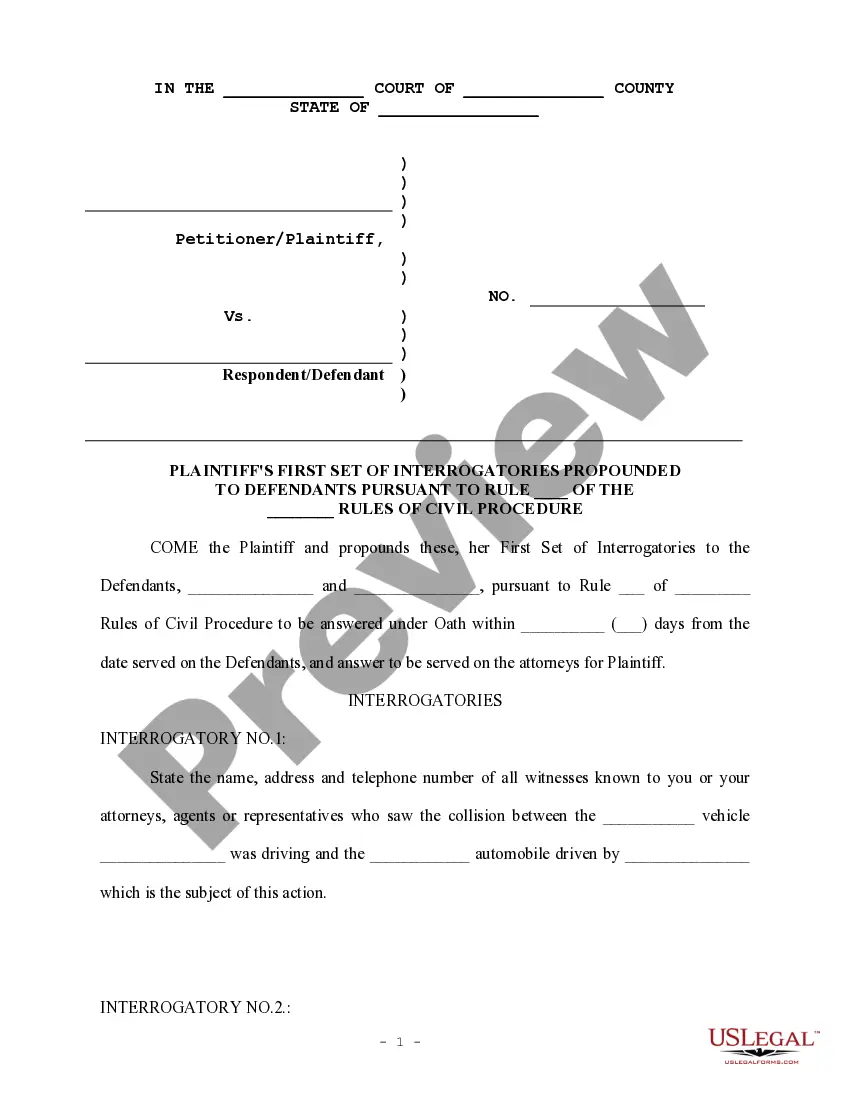
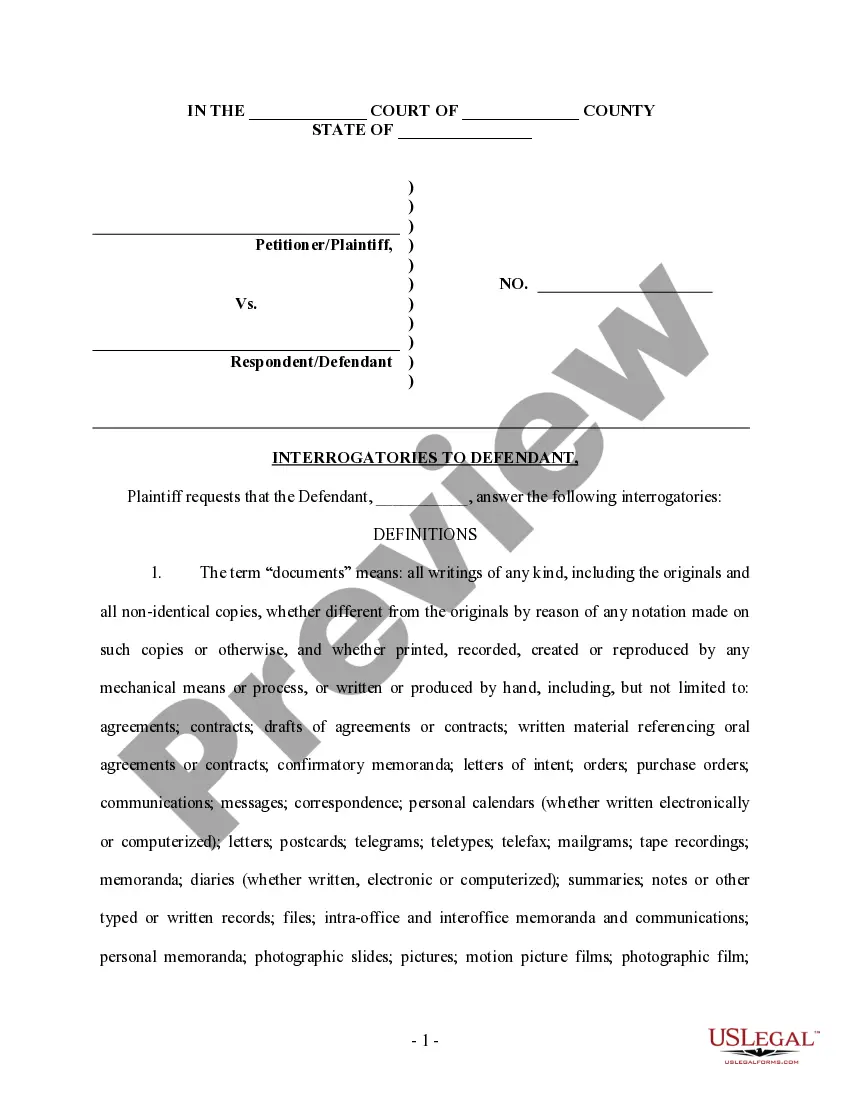
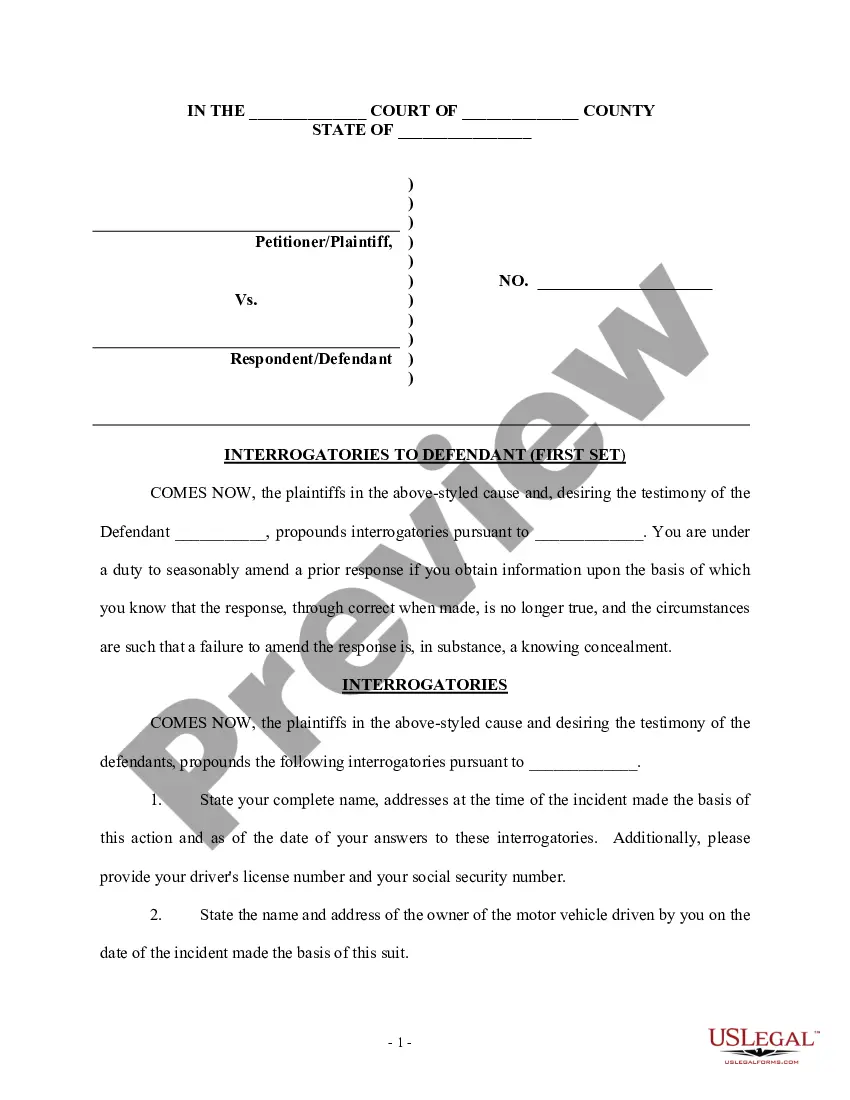
The Interrogatories to Defendant for Motor Vehicle Accident is a formal set of questions designed for the defendant in a vehicle incident case. This form is essential for gathering detailed information about the accident and the parties involved. It differs from other legal forms by focusing specifically on interrogatories that help establish facts related to motor vehicle accidents, crucial for preparing a legal case.
What’s included in this form
- Identification of the defendant: Full name, address, and personal details of the defendant.
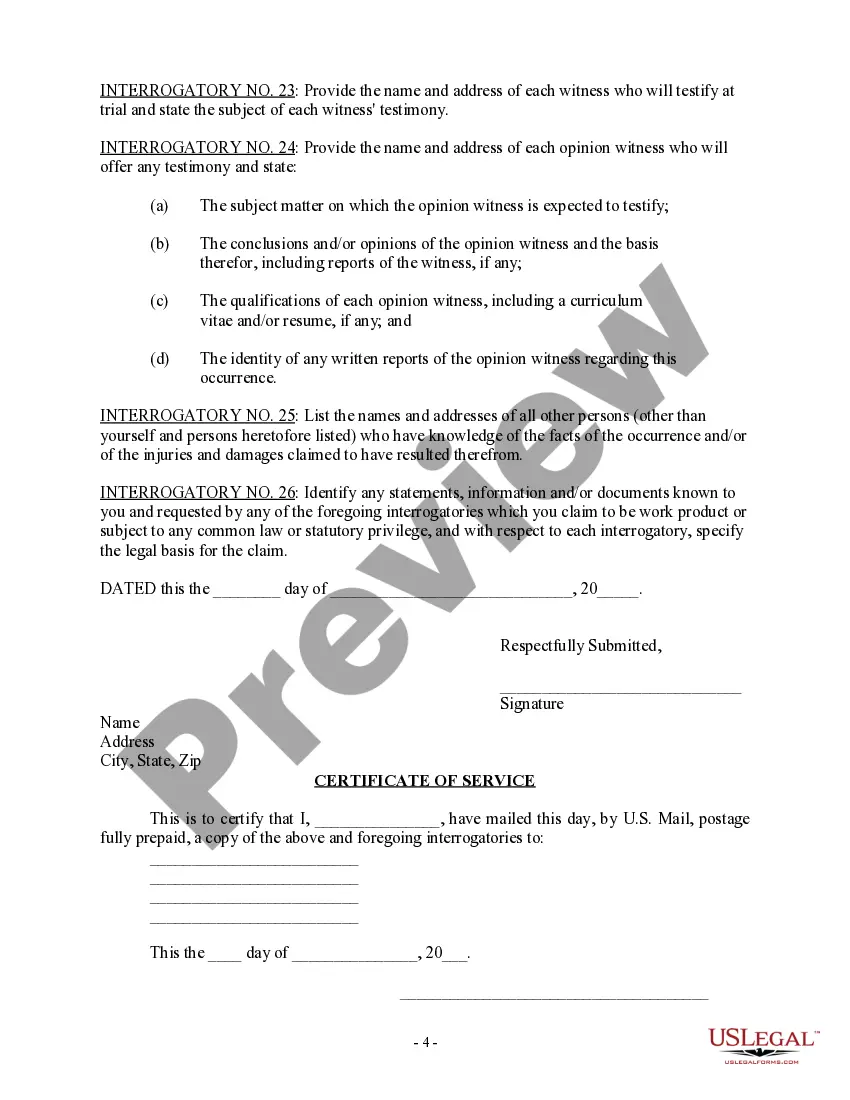
- Witness information: Names and contact information of people who witnessed the incident.
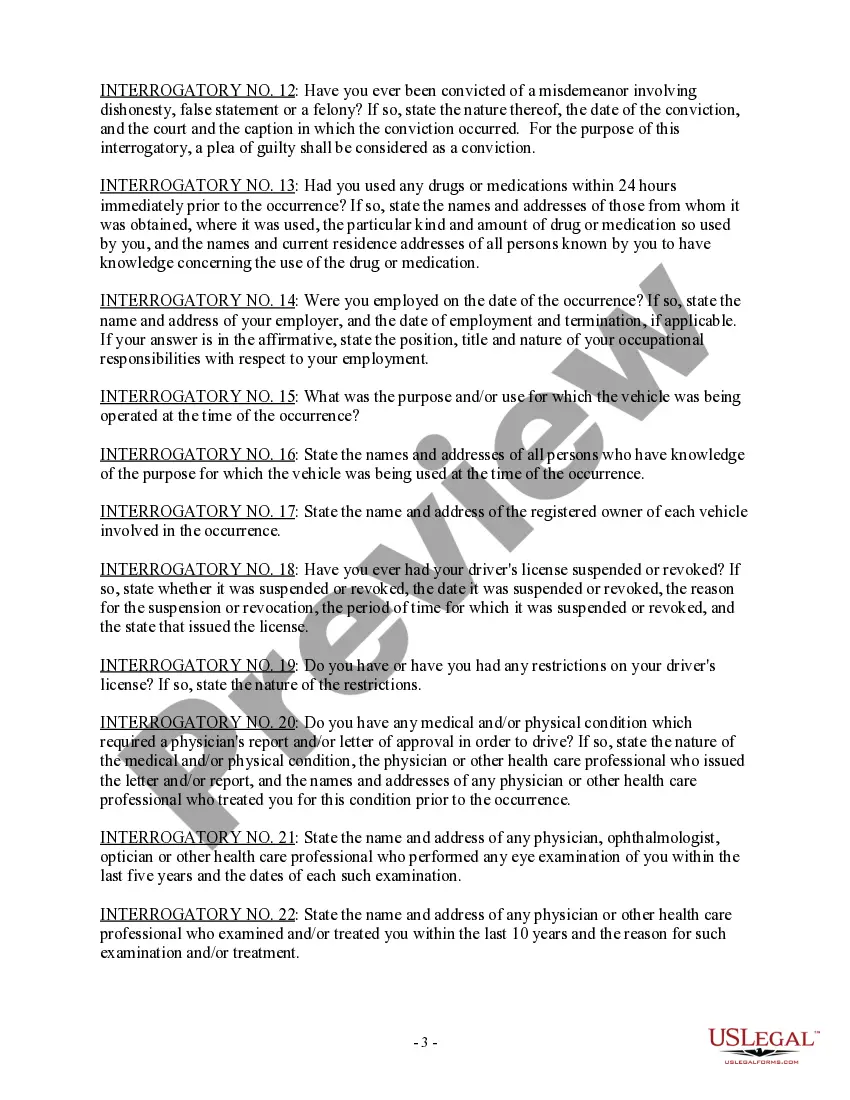
- Vehicle details: Information on the vehicle's ownership, insurance policy, and repairs.
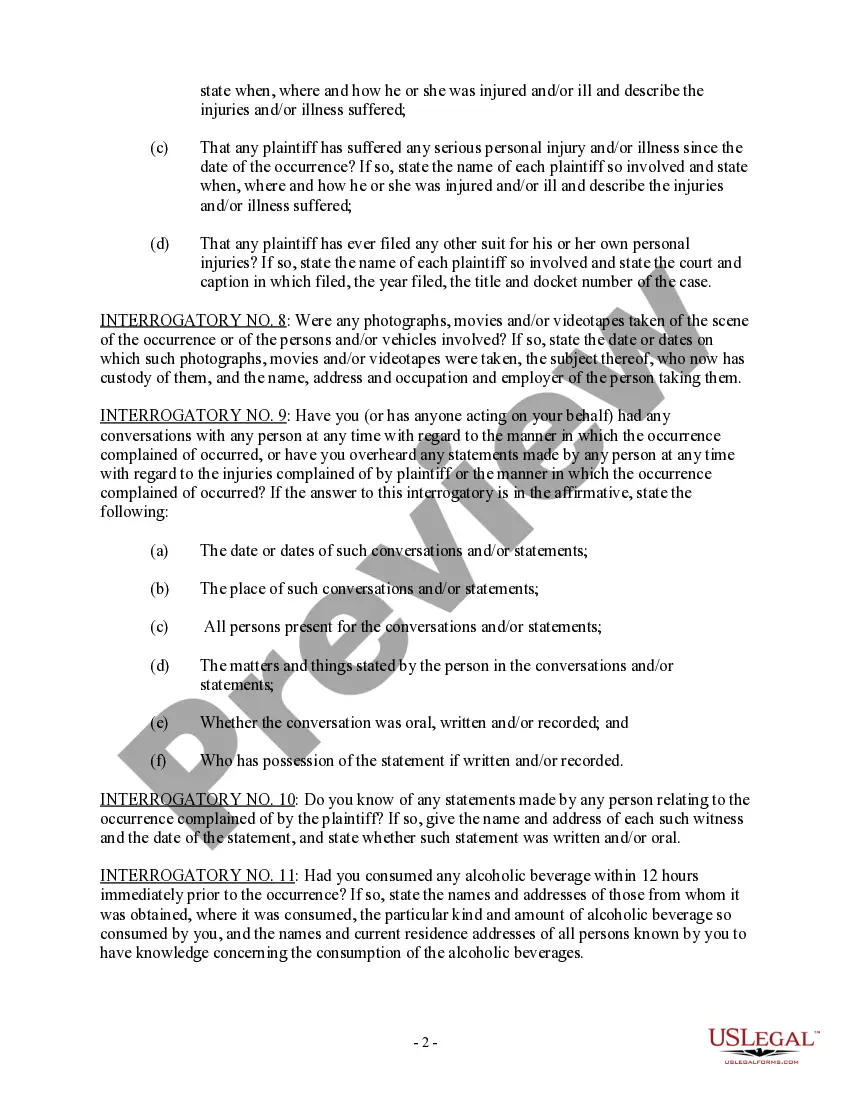
- Previous injuries: Disclosure of any prior injuries or health issues of the plaintiffs.
- Evidence documentation: Information regarding any photographs, videos, or additional statements related to the accident.

When to use this document
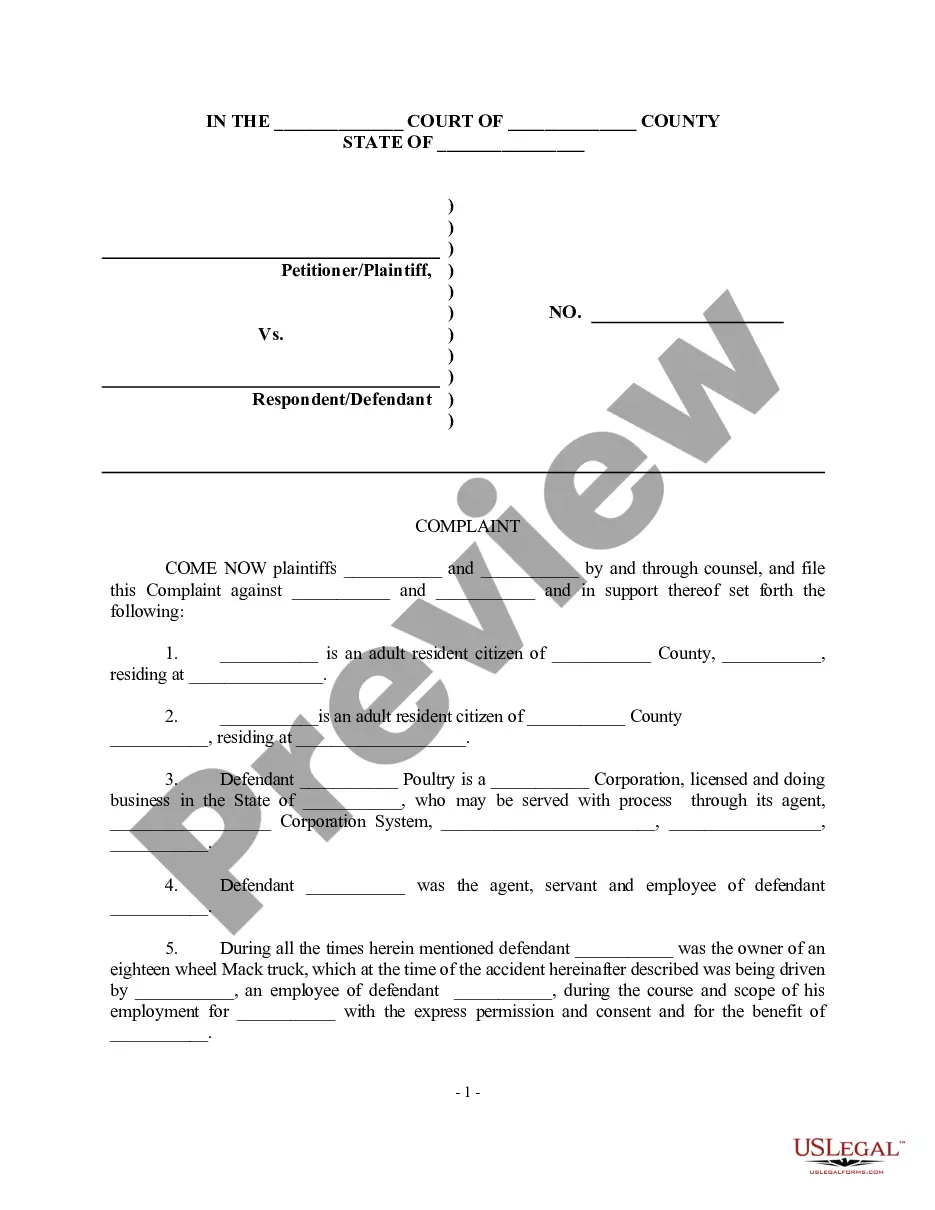
This form should be utilized during the discovery phase of a motor vehicle accident lawsuit. It is particularly relevant when a plaintiff has filed a complaint against a defendant for alleged negligence or wrongdoing associated with a vehicle incident. The interrogatories help to clarify the facts surrounding the accident, providing essential information needed for trial preparation or settlement negotiations.
Intended users of this form
- Defendants in a motor vehicle accident case.
- Legal representatives or attorneys managing vehicle accident claims.
- Insurance companies involved in settling claims related to vehicle incidents.
Instructions for completing this form
- Begin by identifying the defendant's personal details, including name and address.
- List all witnesses who observed the incident, providing their contact information.
- Detail the vehicleâs ownership and insurance coverage related to the accident.
- Provide any information regarding prior medical issues of the plaintiffs that may affect the case.
- Document any evidence such as photographs or recordings related to the incident.
Does this form need to be notarized?
This form does not typically require notarization unless specified by local law. Ensuring that all responses are accurate and properly signed is essential for legal validity.
Get your form ready online
Our built-in tools help you complete, sign, share, and store your documents in one place.
Make edits, fill in missing information, and update formatting in US Legal Forms—just like you would in MS Word.
Download a copy, print it, send it by email, or mail it via USPS—whatever works best for your next step.
Sign and collect signatures with our SignNow integration. Send to multiple recipients, set reminders, and more. Go Premium to unlock E-Sign.
If this form requires notarization, complete it online through a secure video call—no need to meet a notary in person or wait for an appointment.
We protect your documents and personal data by following strict security and privacy standards.

Make edits, fill in missing information, and update formatting in US Legal Forms—just like you would in MS Word.

Download a copy, print it, send it by email, or mail it via USPS—whatever works best for your next step.

Sign and collect signatures with our SignNow integration. Send to multiple recipients, set reminders, and more. Go Premium to unlock E-Sign.

If this form requires notarization, complete it online through a secure video call—no need to meet a notary in person or wait for an appointment.

We protect your documents and personal data by following strict security and privacy standards.
Common mistakes to avoid
- Failing to accurately identify all witnesses or evidence related to the incident.
- Providing incomplete or incorrect information about vehicle ownership or insurance.
- Not answering all questions thoroughly, which can lead to delays in the case.
- Overlooking timelines associated with submitting the interrogatories.
Benefits of using this form online
- Convenience: Easily download and print the form at your leisure.
- Editability: Customize the interrogatories to fit your specific needs.
- Reliability: Access forms prepared by licensed attorneys, ensuring legal accuracy.
Legal use & context
- Interrogatories are a formal method of discovery in many personal injury and liability cases, aimed at obtaining truthful responses under oath.
- Responses to interrogatories must be provided within a specified time frame and can be used in court as part of the evidence.
- Failure to respond adequately may expose the responding party to further legal actions or adverse rulings.
Quick recap
- The Interrogatories to Defendant for Motor Vehicle Accident is a crucial tool for gathering information in personal injury cases.
- Complete and accurate responses are essential for the validity of the interrogatories.
- Understanding the local rules regarding interrogatories can enhance compliance and effectiveness in legal proceedings.
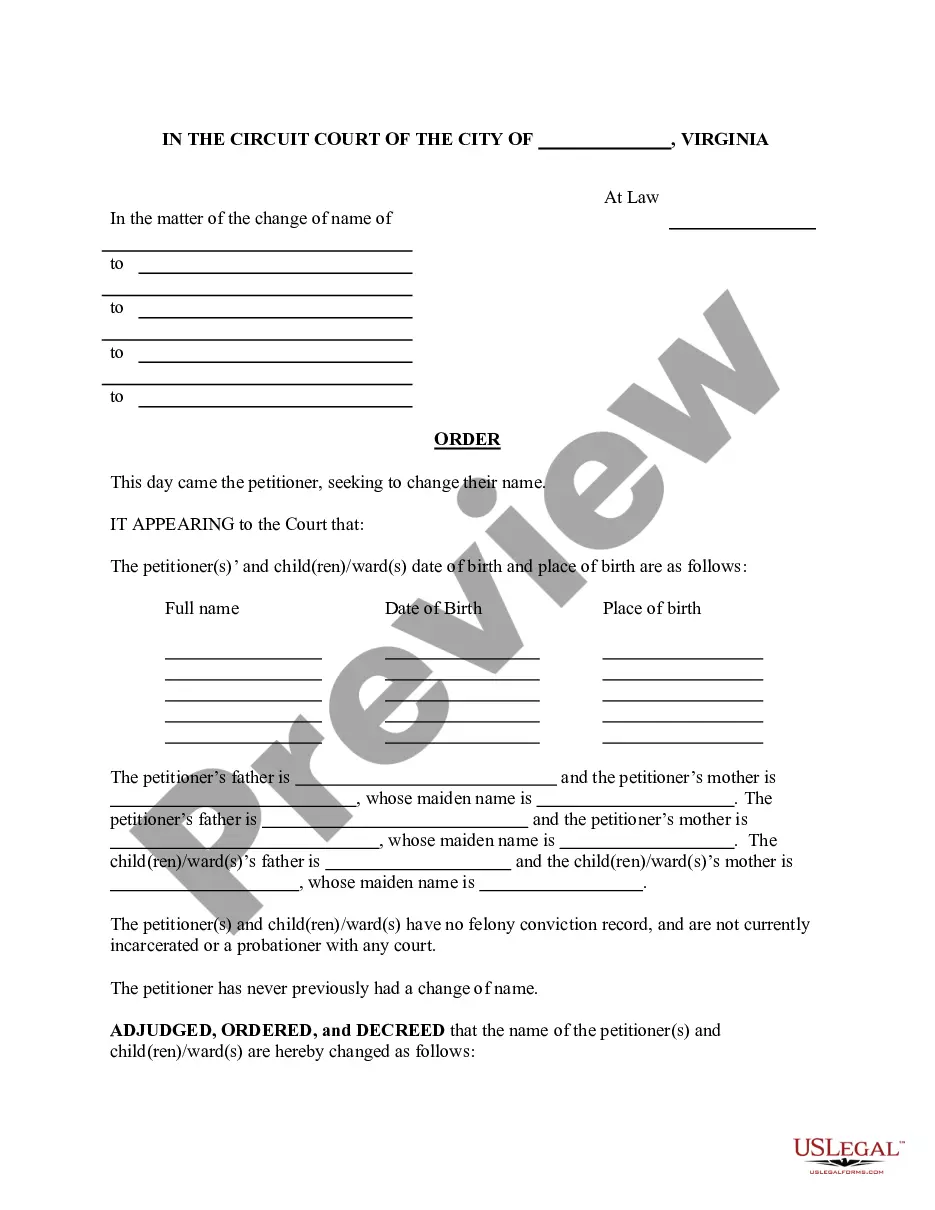
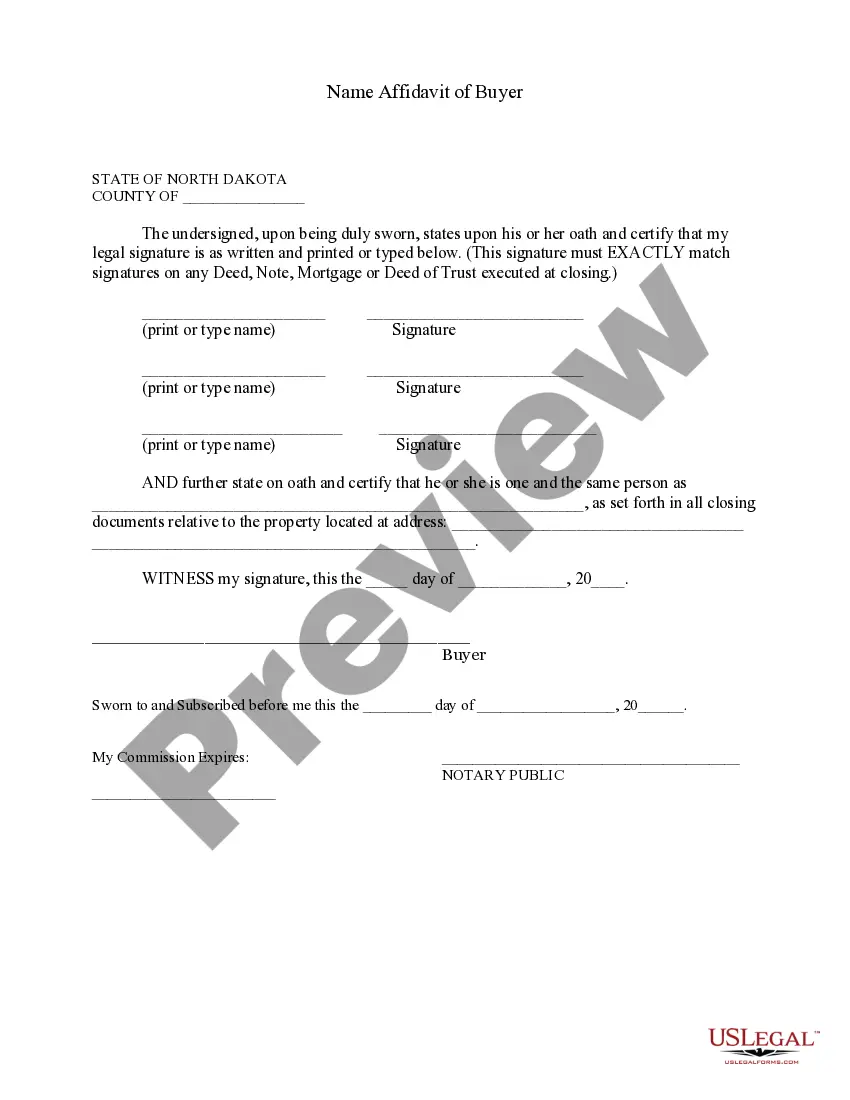
Looking for another form?
Form popularity
FAQ
Rule 45 of the Michigan Court Rules addresses subpoenas, outlining how documents and testimony can be obtained from non-parties. This rule can be crucial for gathering evidence that supports your case. If you're utilizing Michigan Interrogatories to Defendant for Motor Vehicle Accident, it's important to understand how Rule 45 can complement your discovery efforts by enabling you to include third-party evidence.
MCR 2.309(A)(2) Availability; Procedure for Service; Limits Each separately represented party may serve no more than 20 interrogatories on each party.
After discovery has concluded, if the case does not settle and is not resolved by a motion for summary disposition or judgment, the case will go to trial. Trial requires extensive preparation on the part of attorneys. In a jury trial, the jury is the fact-finder; in a bench trial, the judge decides the facts.
During the discovery phase, both parties learn what the other knows about the evidence by asking for certain documents, asking for answers to interrogatories, and taking depositions of witnesses who are under oath.
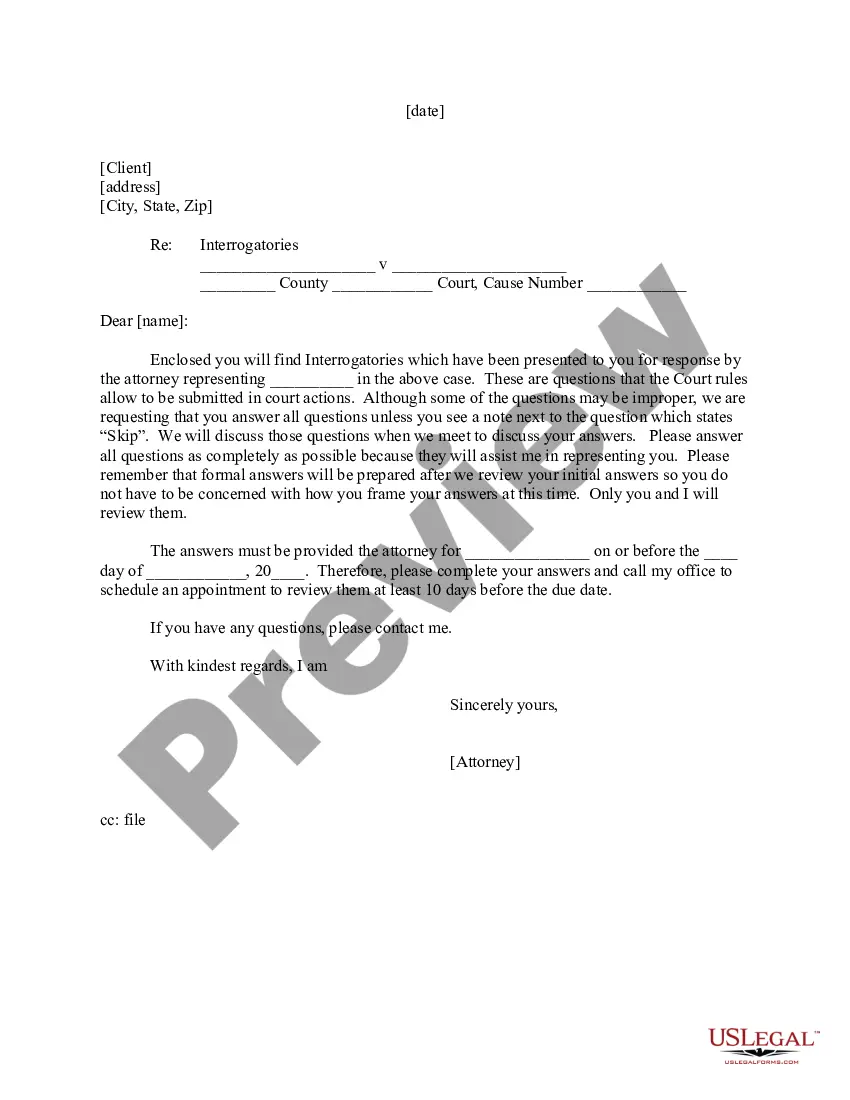
Interrogatories Interrogatories are written questions that are sent by one party to another. Generally speaking, the party who receives these questions has 30 days to answer them.If the other party fails to respond on time, within 30 days, then the questions are deemed admitted.
The purpose of interrogatories is to learn a great deal of general information about a party in a lawsuit. For example, the defendant in a personal injury lawsuit about a car accident might send you interrogatories asking you to disclose things like: Where you live.
Your answers to the interrogatories should usually be short, clear, and direct and should answer only the question that is being asked. This is not the time to set out your entire case or defense to the other side. Take the time to make sure your answers are correct and truthful.
Discovery in a criminal case refers to the exchange of evidence and statements between opposing sides of a case.Typically, a defense attorney will file a Notice of Appearance, informing the Court and the prosecutor of his or her role in the case, and a Discovery Demand requesting particular information.
In short, the Examination for Discovery is a legal term for fact finding. This step is also known simply as discovery. It can also be described as a deposition or as an oral interrogatory. The discovery process allows both parties to gather important information to assess the validity of a claim.
But the usual cases will settle after intensive (and expensive) discovery is concluded, usually a few months before the actual trial, sometimes literally on the steps of the court house or in the first few days of trial if parties are willing to push the settlement envelope as far as they can.