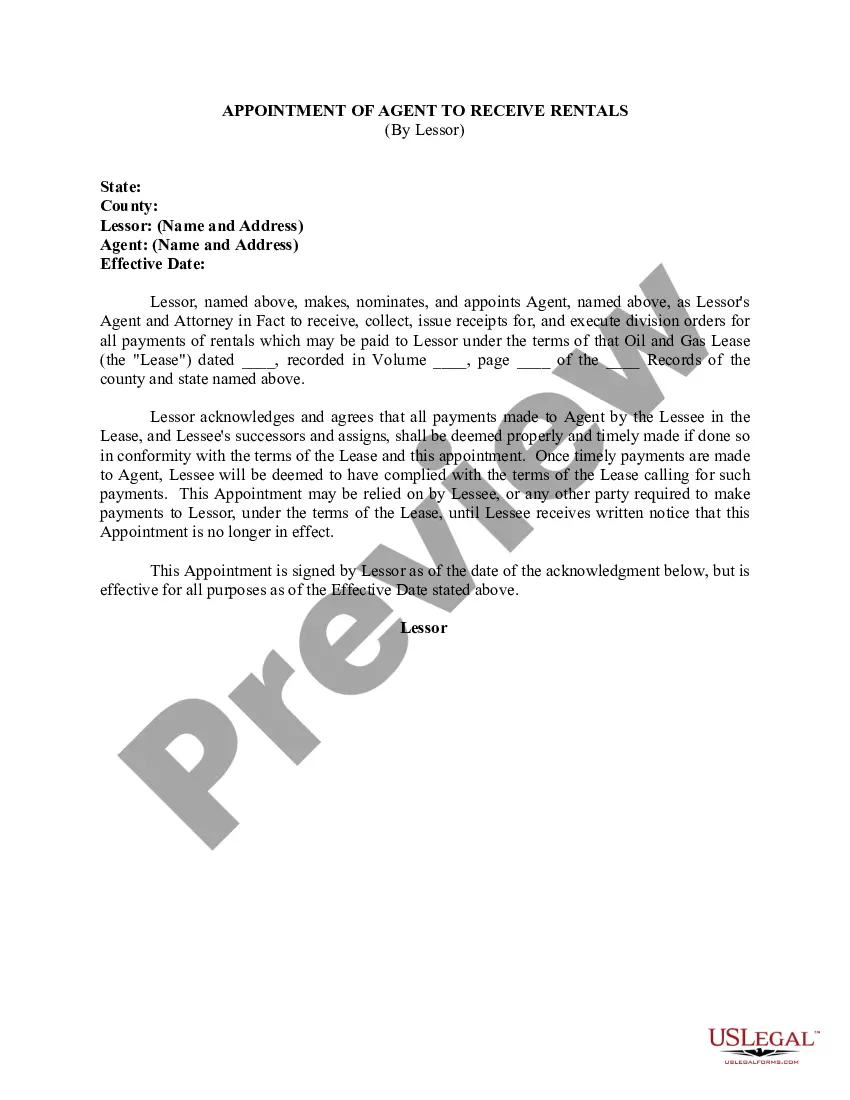
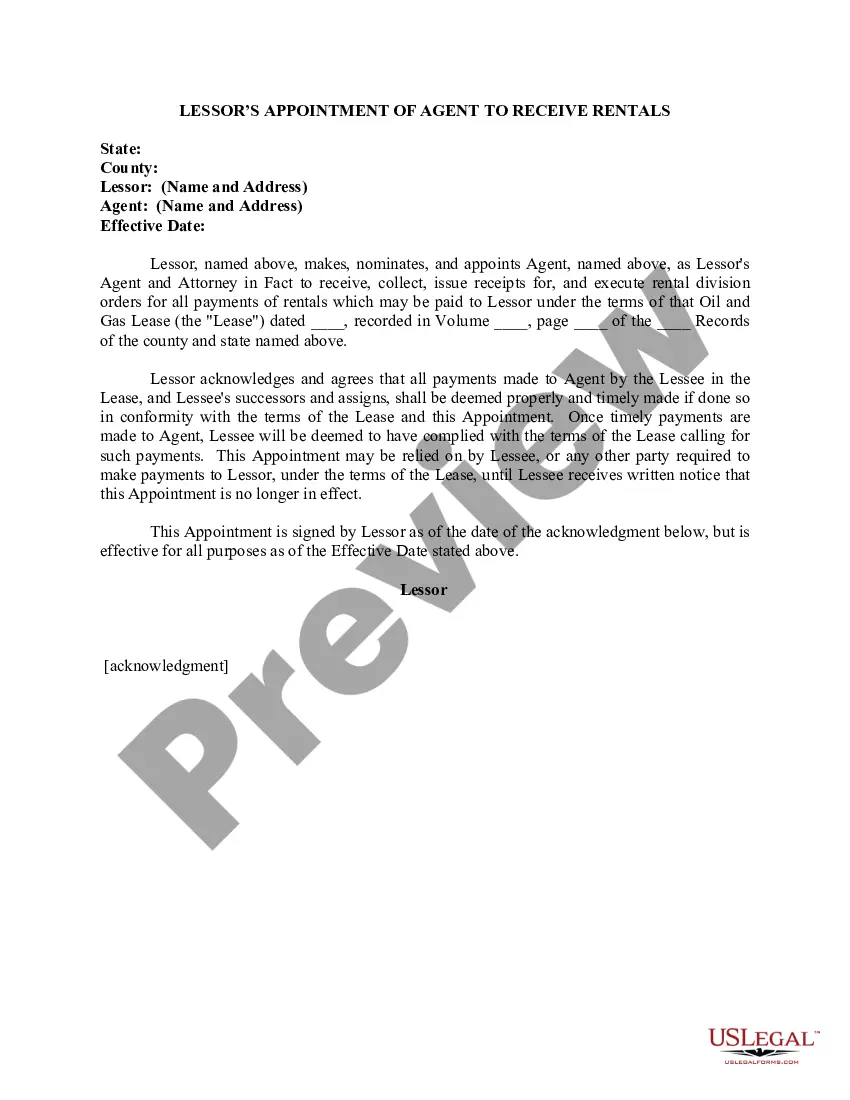
Appointment of Agent to Receive Rentals by Lessor
Description
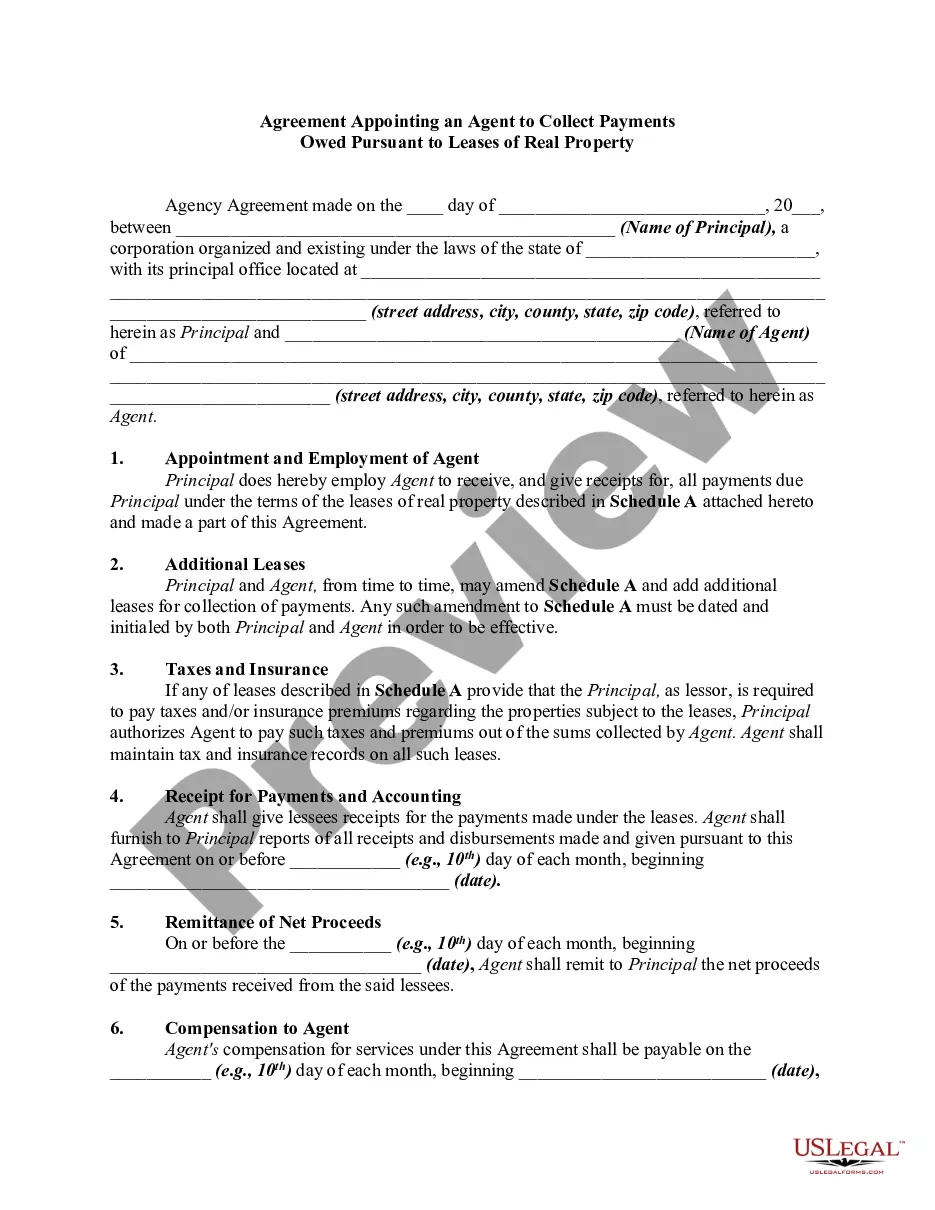
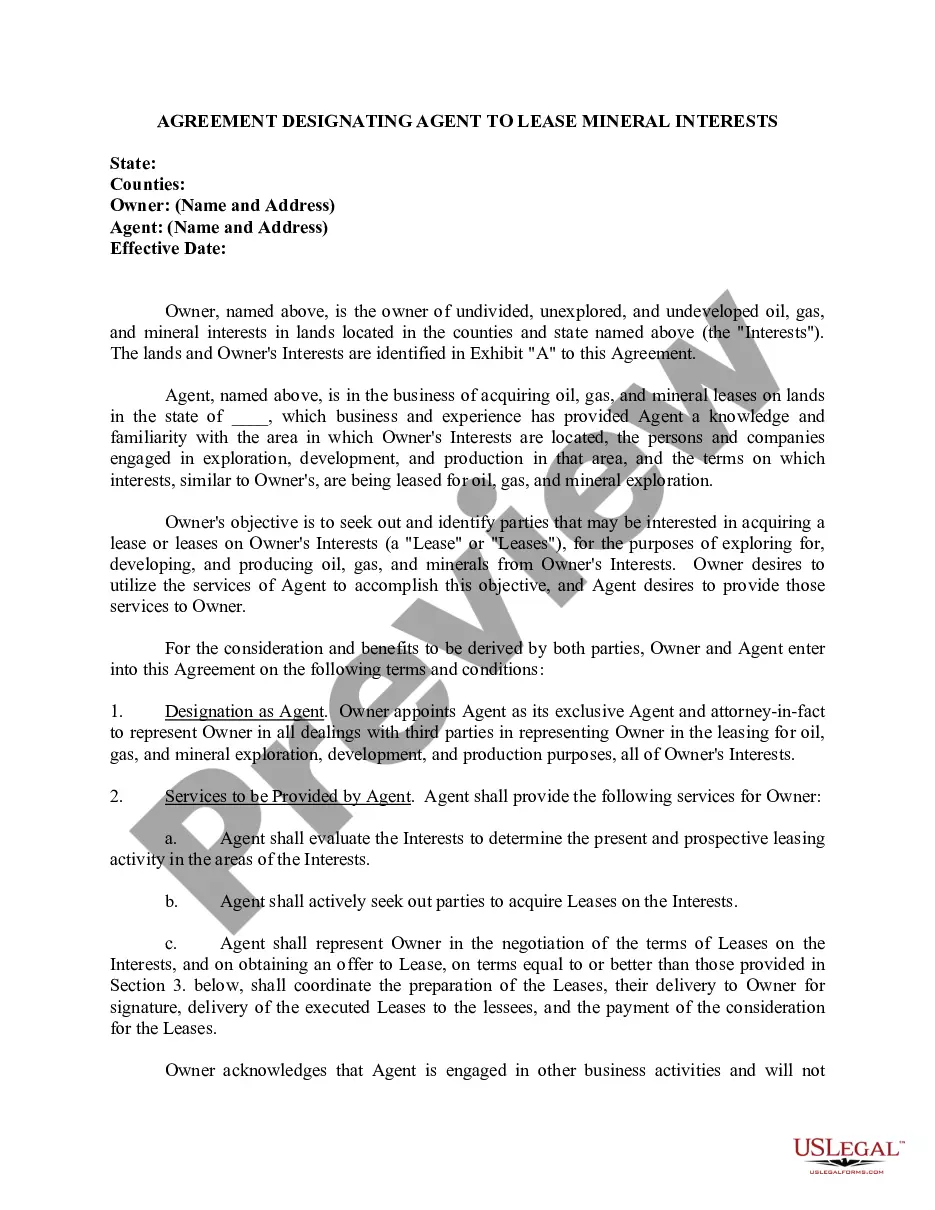
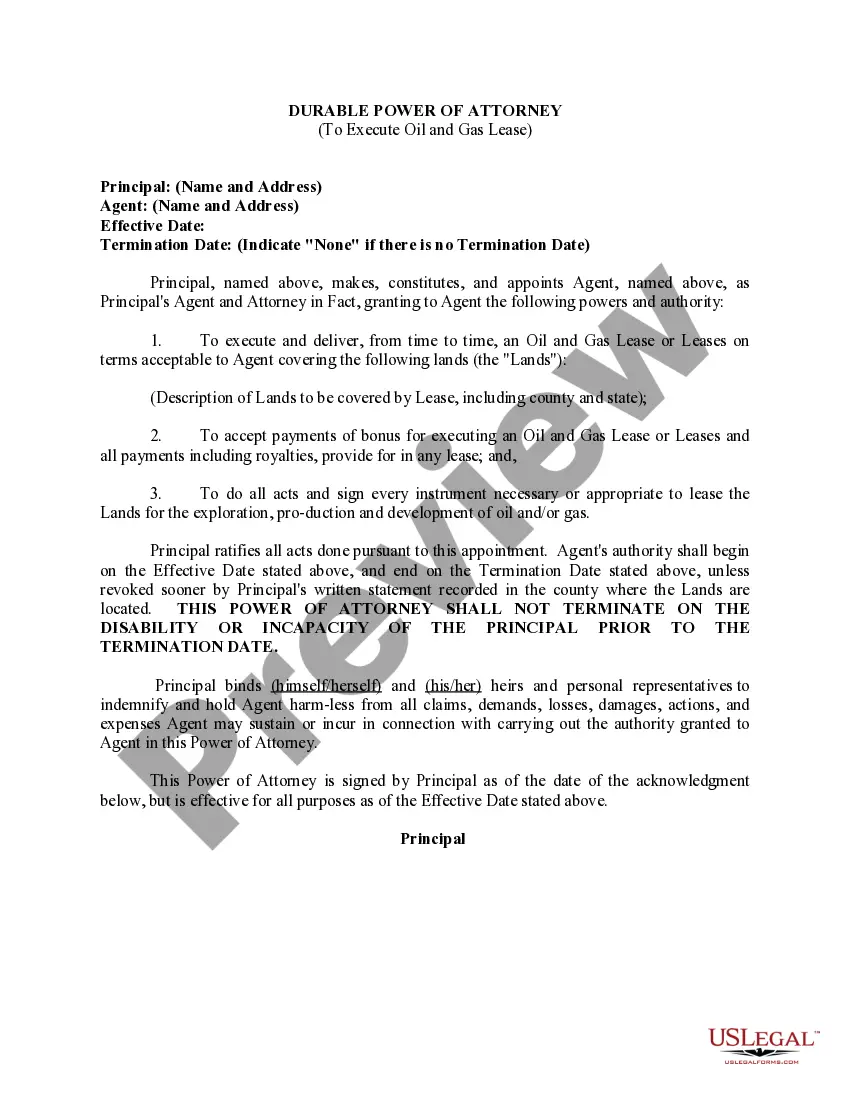


How to fill out Appointment Of Agent To Receive Rentals By Lessor?
When it comes to drafting a legal document, it is easier to delegate it to the experts. Nevertheless, that doesn't mean you yourself can’t find a sample to use. That doesn't mean you yourself can not find a template to utilize, however. Download Appointment of Agent to Receive Rentals by Lessor right from the US Legal Forms site. It provides numerous professionally drafted and lawyer-approved documents and samples.
For full access to 85,000 legal and tax forms, users simply have to sign up and choose a subscription. As soon as you’re signed up with an account, log in, search for a certain document template, and save it to My Forms or download it to your gadget.
To make things much easier, we have provided an 8-step how-to guide for finding and downloading Appointment of Agent to Receive Rentals by Lessor fast:
- Make confident the form meets all the necessary state requirements.
- If available preview it and read the description before purchasing it.
- Press Buy Now.
- Select the appropriate subscription for your requirements.
- Make your account.
- Pay via PayPal or by debit/credit card.
- Select a needed format if a few options are available (e.g., PDF or Word).
- Download the file.
As soon as the Appointment of Agent to Receive Rentals by Lessor is downloaded it is possible to complete, print and sign it in any editor or by hand. Get professionally drafted state-relevant papers within a matter of minutes in a preferable format with US Legal Forms!
Form popularity
FAQ
An estate agent is a person or business that arranges the selling, renting, or management of properties and other buildings. An agent that specialises in renting is often called a letting or management agent.
What Is A Landlord Responsible For? Landlord responsibilities include an obligation to their tenant's to keep a warranty of habitability. This is accomplished by making sure the rental is livable, safe and clean for your tenant. A landlord is also responsible for financials, taxes, utilities and property maintenance.
To be specific, the landlord is liable for everything done by the agent so long as this comes within the ambit of his 'ostensible authority'. Here's a nice blog over at the Landlord Law blog which explains it in more detail. Rent arrears & problem tenants yup, same as above!
A letting agent is responsible for managing properties for private landlords. Depending on the level of service acquired, the agent's responsibilities can include finding tenants, collecting rent, and fully managing the tenancy.
The landlord owns the property and an agent is someone who normally acts on behalf of the landlord and may do more of the day to day running of the property. They are usually the main point of contact for you as a tenant.The agent has to give you the landlord's details within 21 days of your request.
Nurture a relationship with your local newspaper so that you are the 'go-to' letting agent when it comes to an expert view on the local rental market. Network at industry events. Write blogs for your website and social media. Attend landlord meetings and local council forums.
The landlord owns the property and an agent is someone who normally acts on behalf of the landlord and may do more of the day to day running of the property. They are usually the main point of contact for you as a tenant.The agent has to give you the landlord's details within 21 days of your request.
Decide on the services you need. Research local letting agents. Compare letting agent fees. Check memberships. Review money protection schemes. Look at marketing strategies. Ask about your future relationship.
Lessor is a participant of the lease who takes possession of the property and provides it as a leasing subject to the lessee for temporary possession. For example, in leasehold estate, the landlord is the lessor and the tenant is the lessee.