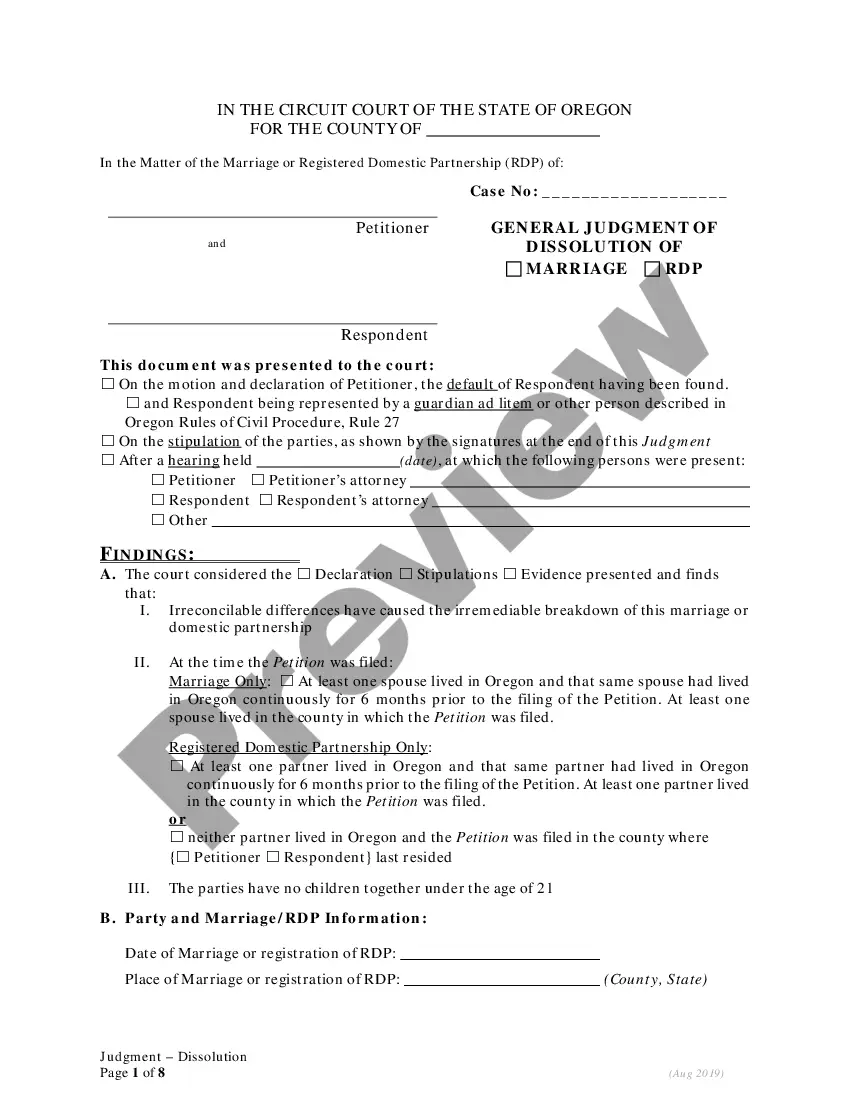
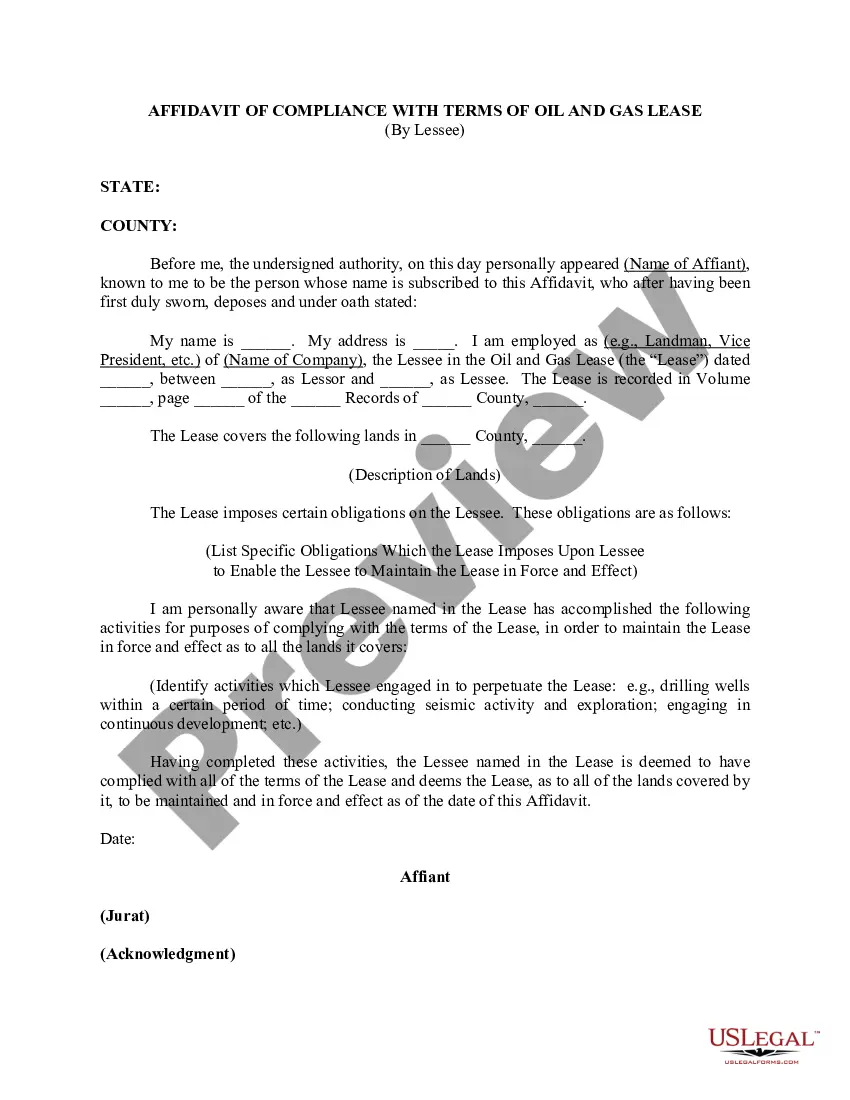
Affidavit of Compliance with Terms of Oil and Gas Lease by Lessee
Understanding this form
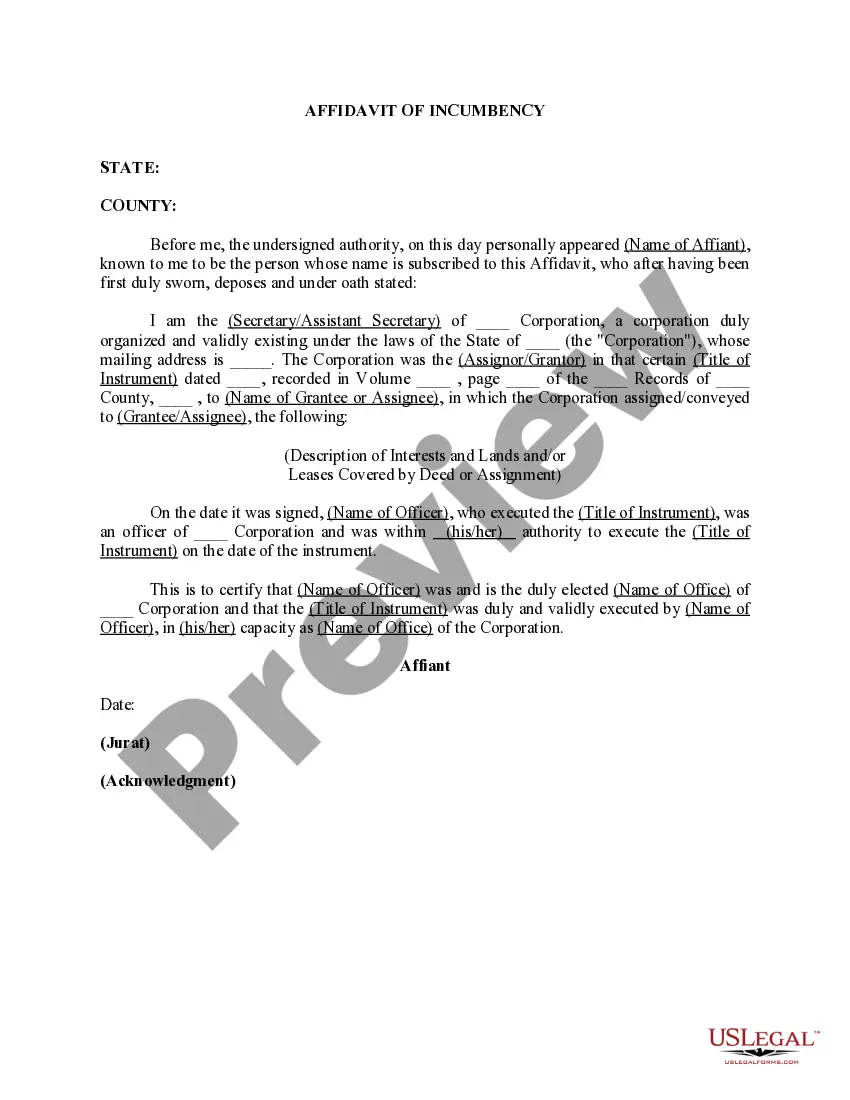
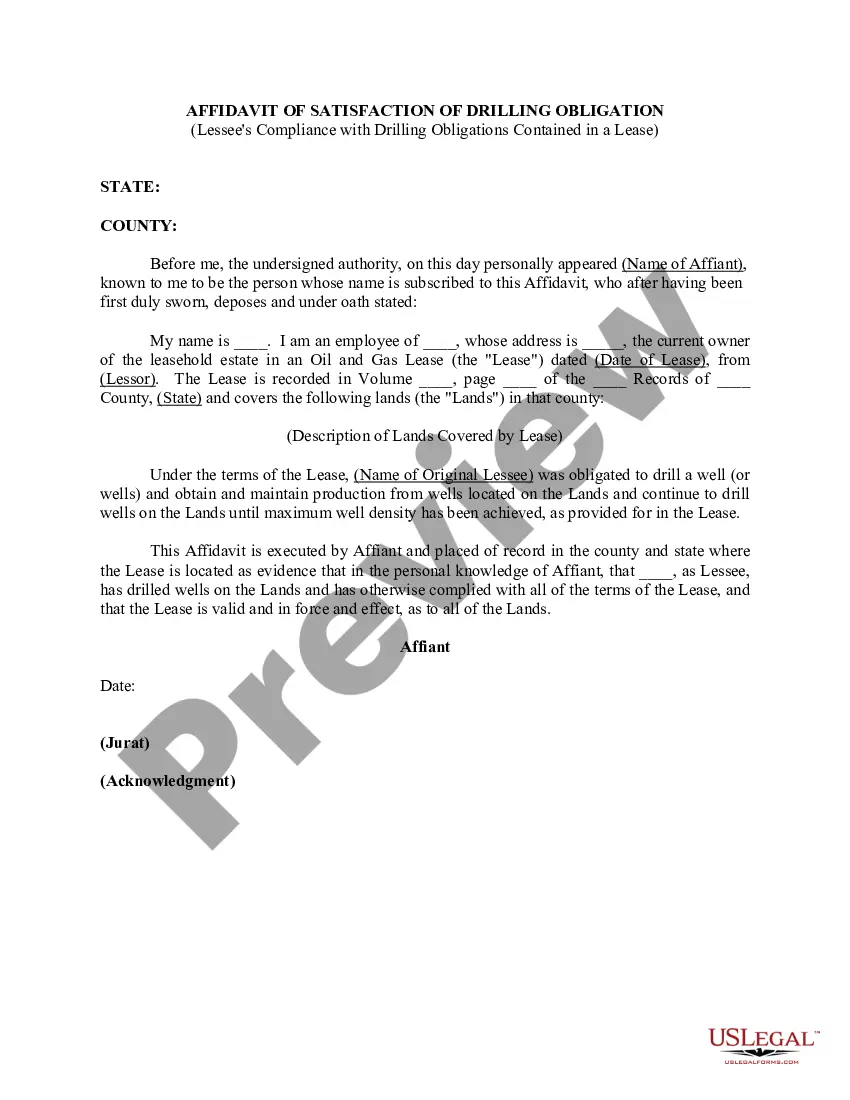
The Affidavit of Compliance with Terms of Oil and Gas Lease by Lessee is a legal document in which the lessee formally declares that they have fulfilled all obligations specified in an oil and gas lease. This affidavit serves as proof that the lease remains active and in force, ensuring that all terms are met as of the date of signing. It is important to note that this form differs from other affidavits by specifically addressing compliance with lease terms, making it essential for maintaining the validity of oil and gas leases.
What’s included in this form
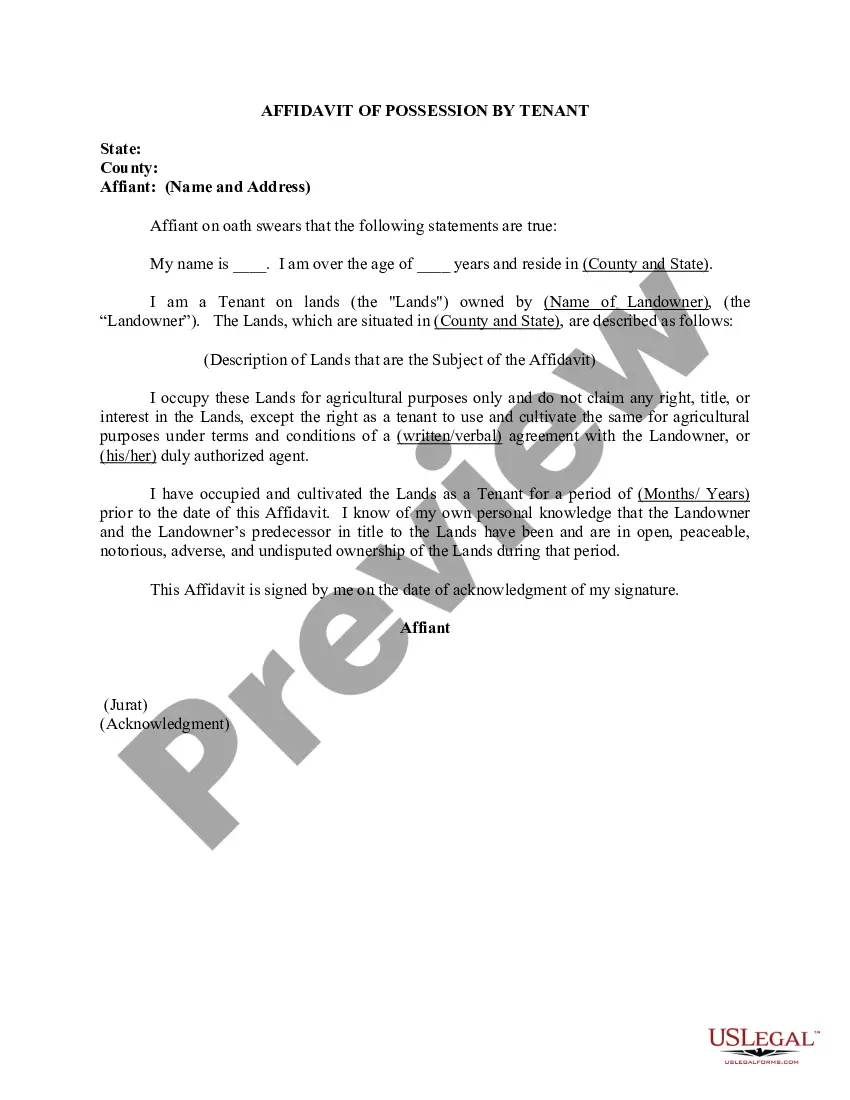
- Name and address of the affiant, confirming their identity.
- Details of the oil and gas lease, including the date and parties involved.
- Description of the lands covered by the lease.
- Specific obligations of the lessee as outlined in the lease.
- Activities conducted by the lessee to demonstrate compliance with said obligations.
- Signature and notarization section to validate the affidavit.
When this form is needed
This affidavit is used when a lessee needs to confirm compliance with the terms of an oil and gas lease. It is typically required when the lessee wants to ensure the lease remains valid after fulfilling specific contractual duties, such as drilling or conducting exploratory activities. Using this form helps protect the lessee's rights under the lease and provides necessary documentation for any legal or business proceedings related to the leased property.
Who can use this document
This form is intended for:
- Lessees in an oil and gas lease agreement.
- Landmen or company executives responsible for lease compliance.
- Legal professionals advising clients in the oil and gas sector.
- Any party needing to substantiate compliance with lease terms before proceeding with activities covered by the lease.
How to complete this form
- Identify and fill in the name and address of the affiant.
- Provide the details of the oil and gas lease, including effective date and parties involved.
- Clearly describe the lands covered by the lease.
- Detail the obligations imposed on the lessee and list activities completed to maintain lease compliance.
- Sign the affidavit in the presence of a notary to validate the document.
Notarization guidance
This form needs to be notarized to ensure legal validity. US Legal Forms provides secure online notarization powered by Notarize, allowing you to complete the process through a verified video call, available anytime.
Get your form ready online
Our built-in tools help you complete, sign, share, and store your documents in one place.
Make edits, fill in missing information, and update formatting in US Legal Forms—just like you would in MS Word.
Download a copy, print it, send it by email, or mail it via USPS—whatever works best for your next step.
Sign and collect signatures with our SignNow integration. Send to multiple recipients, set reminders, and more. Go Premium to unlock E-Sign.
If this form requires notarization, complete it online through a secure video call—no need to meet a notary in person or wait for an appointment.
We protect your documents and personal data by following strict security and privacy standards.
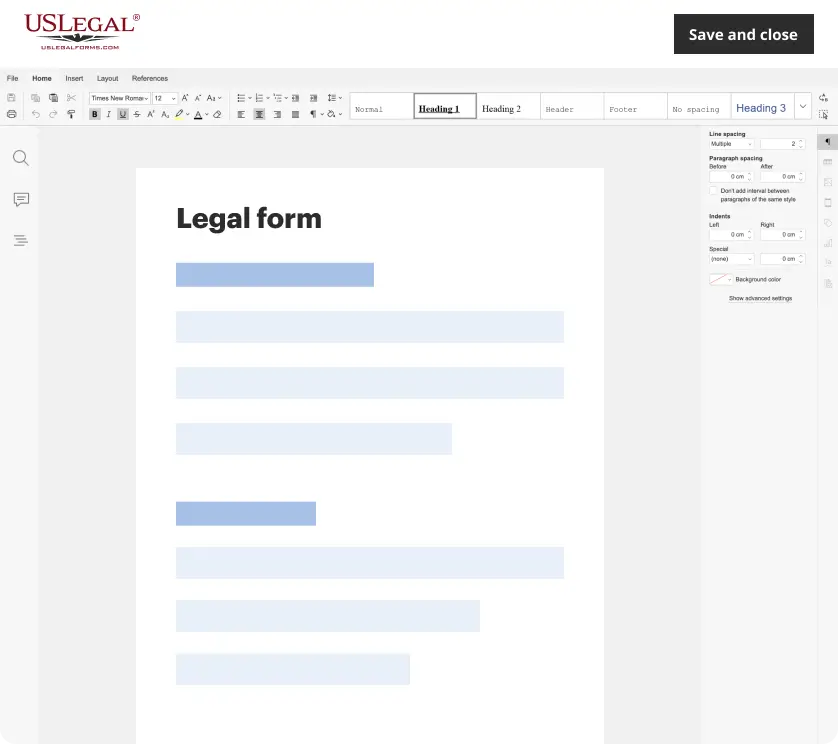
Make edits, fill in missing information, and update formatting in US Legal Forms—just like you would in MS Word.
Download a copy, print it, send it by email, or mail it via USPS—whatever works best for your next step.
Sign and collect signatures with our SignNow integration. Send to multiple recipients, set reminders, and more. Go Premium to unlock E-Sign.

If this form requires notarization, complete it online through a secure video call—no need to meet a notary in person or wait for an appointment.
We protect your documents and personal data by following strict security and privacy standards.
Mistakes to watch out for
- Failing to list all specific obligations imposed by the lease.
- Providing inaccurate details about the lease or lands covered.
- Not having the affidavit notarized, if required by local regulations.
- Omitting the date, which can affect the validity of the affidavit.
Benefits of using this form online
- Convenience of easily downloading the form at any time.
- Editable fields to customize the affidavit based on specific lease terms.
- Access to professionally drafted templates ensuring legal accuracy.
- Ability to securely notarize the form online for added efficiency.
Quick recap
- The affidavit is essential for confirming compliance with oil and gas lease terms.
- Accurate details and notarization are critical for legal validity.
- Using this form helps protect the lessee's rights under the lease.
- Being aware of state-specific requirements is important for proper legal compliance.
Looking for another form?
Form popularity
FAQ
What should not be included in an affidavit? Generally, an affidavit should not set out the opinion of the person making the affidavit; that is, it must be based on facts not your beliefs or views. The exception is where the person is giving evidence as an expert; for instance, a psychologist or licensed valuer.
Step 1: Name Your Document. Step 2: Identify the Deponent / Affiant. Step 3: Write a Statement of Truth. Step 4: State the Facts. Step 5: Sample Notary Public Statements for an Affidavit.
Full name of the deponent and their signature. Statement indicating whether the affidavit has been sworn or not. Date and place where the affidavit is being signed. Designation and full name of the Notary or Magistrate (person attesting the affidavit)
After your affidavit has been filed, the court clerk will give your case file to the judge for review.The judgment will state that it is a default judgment and it will be signed and dated by the judge. The court clerk will mail copies of the judgment to you and the defendant.
Affidavit of Compliance means the affidavit submitted by the owner seeking issuance of a certificate of compliance under Subsection 38-11-110(1)(a)(ii).
I am _____ and my name _______, appearing on the enclosed ID proof, is single name.Both names denote one and the same person. I solemnly state that the contents of this affidavit are true to the best of my knowledge and belief and that it conceals nothing and that no part of it is false.
In the sentence, the person writing the statement must state that he or she is stating that the information is accurate. (Example: I, Jane Doe, solemnly swear that the contents of this document are true and correct, and that I agree to abide by the terms in this affidavit.)
Title the affidavit. First, you'll need to title your affidavit. Craft a statement of identity. The very next section of your affidavit is what's known as a statement of identity. Write a statement of truth. State the facts. Reiterate your statement of truth. Sign and notarize.