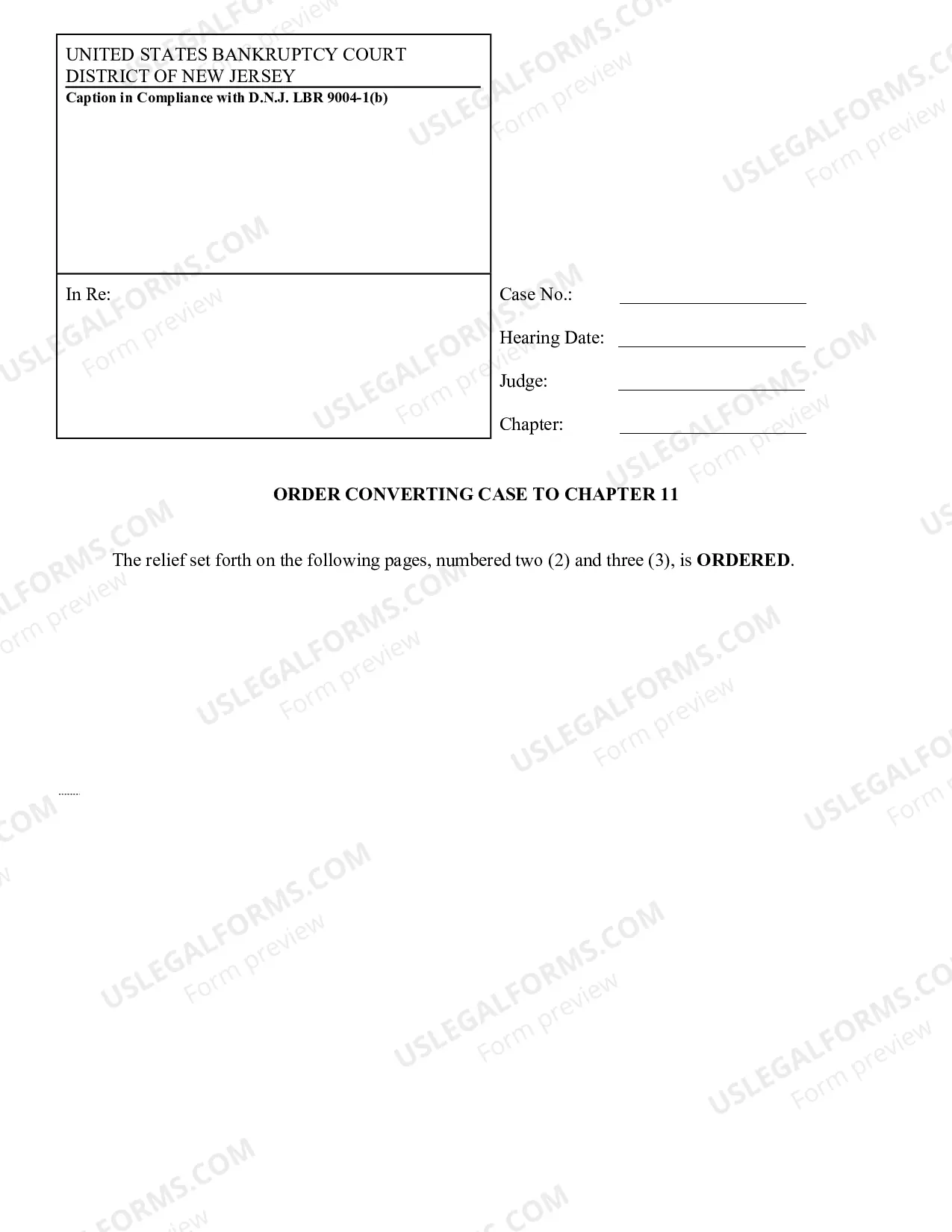
Trade Secrets - Affirmative Defense - Statute of Limitations
What this document covers
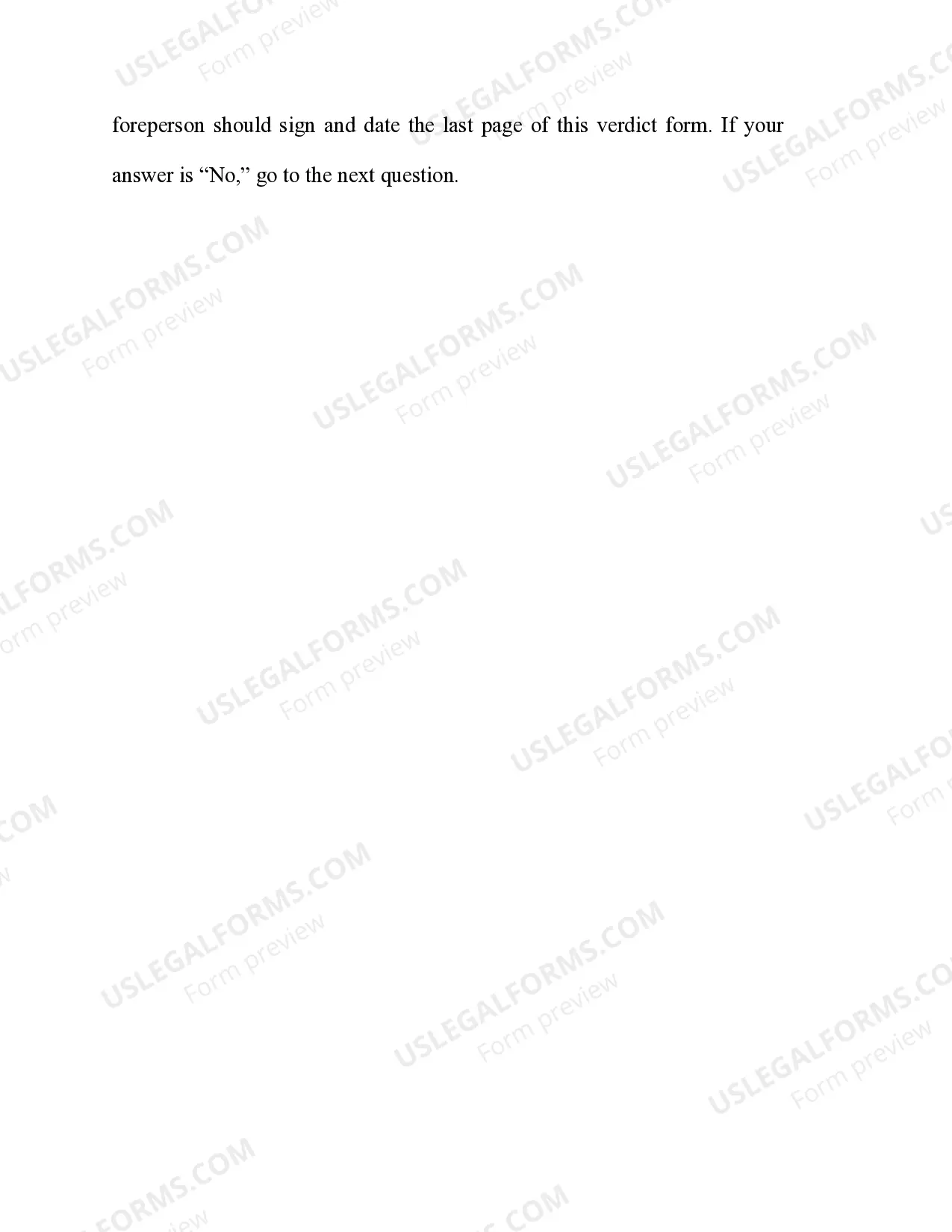
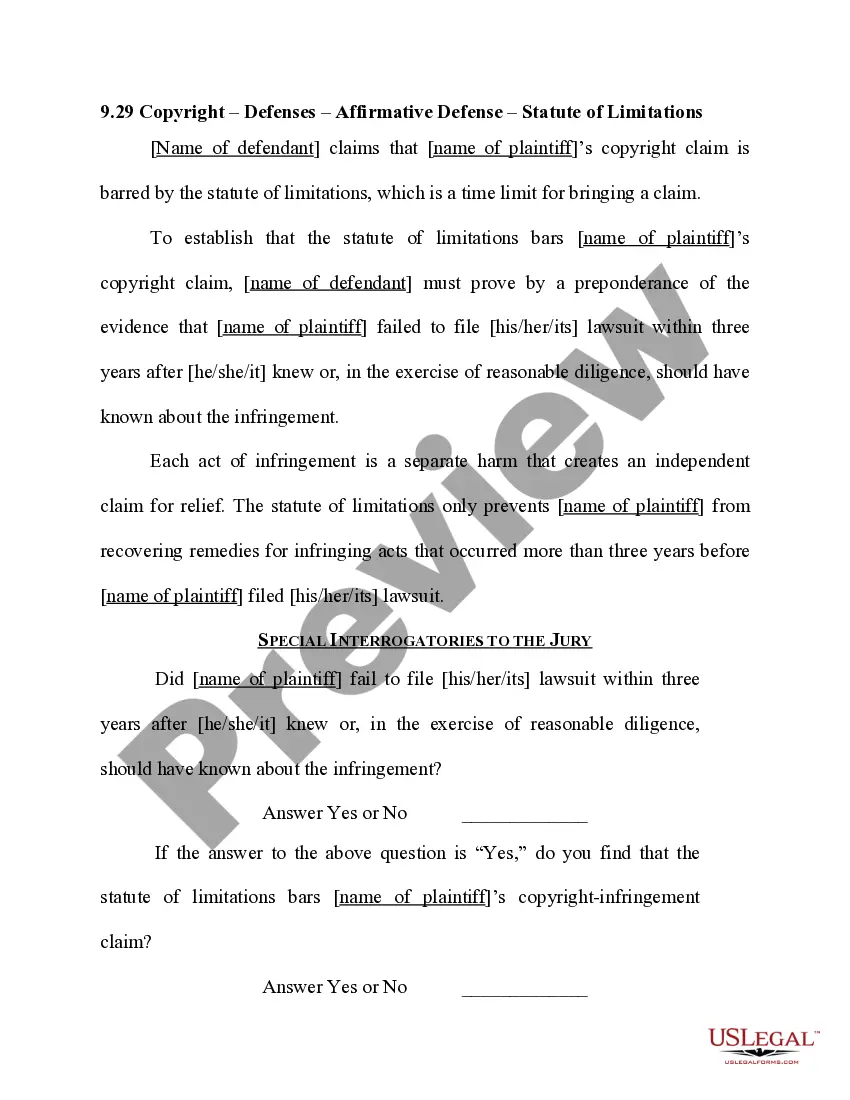
This form is the Trade Secrets - Affirmative Defense - Statute of Limitations, which serves as a legal defense tool in cases involving misappropriation of trade secrets. It outlines the timeframe within which a lawsuit must be filed, specifically stating that it must be filed within three years from the date the alleged misappropriation occurred. This form is distinct from other legal forms as it focuses primarily on the statute of limitations aspect in trade secret litigation, helping defendants assert that a lawsuit was not timely filed.
Key parts of this document
- Identification of the plaintiff and defendant
- Claim that the lawsuit was filed beyond the statutory period of three years
- A requirement for the defendant to prove when the misappropriation occurred
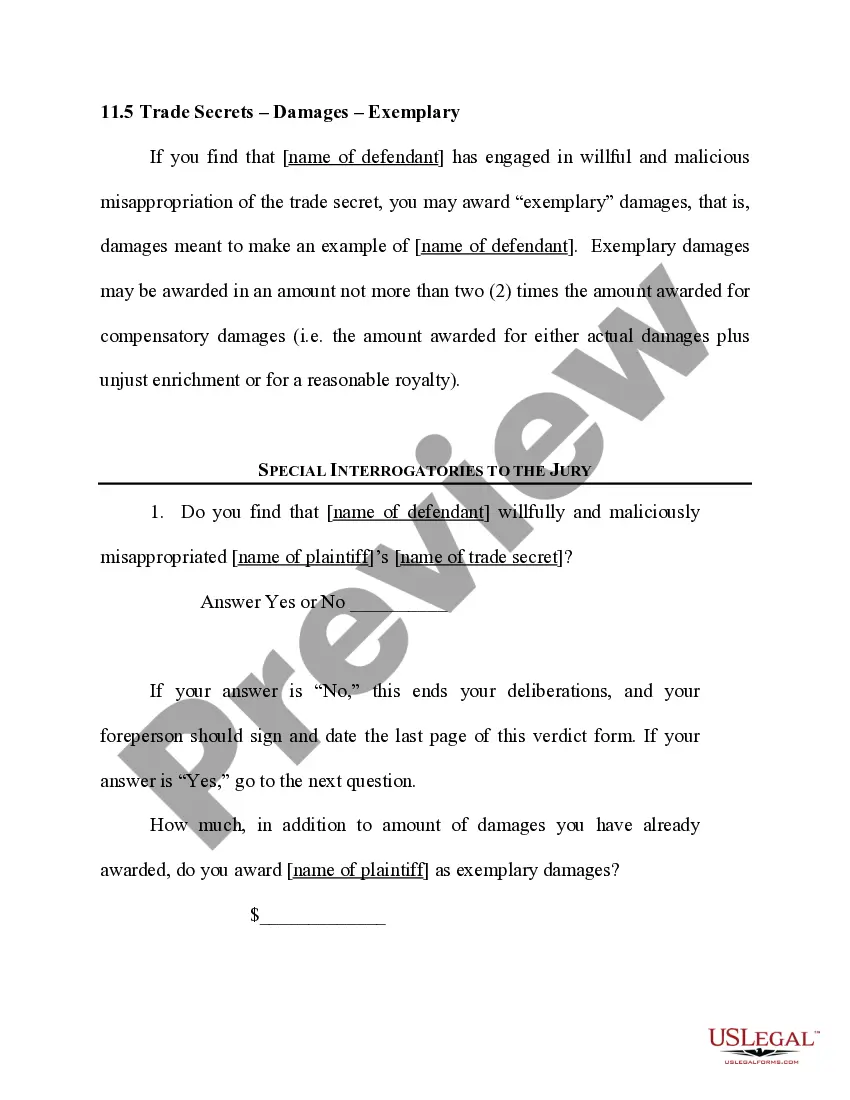
- Special interrogatories for the jury to answer regarding discovery of misappropriation
When to use this document
This form should be used in legal cases where the defendant wishes to challenge the timeliness of a trade secrets lawsuit. It is applicable when the defendant believes that the plaintiff did not file the lawsuit within the legally required period or when the misappropriation of trade secrets occurred prior to the cutoff date established by law.
Who needs this form
- Defendants involved in trade secrets litigation
- Attorneys representing clients in cases involving alleged misappropriation of trade secrets
- Parties seeking to assert a defense based on the statute of limitations
Completing this form step by step
- Enter the names of the plaintiff and defendant in the designated fields.
- Specify the date when the lawsuit was filed.
- Determine and insert the date three years prior to the filing date.
- Outline the facts regarding the alleged misappropriation of trade secrets.
- Ensure all parties involved are aware of the claims being made and provide any necessary evidence.
Notarization guidance
This form does not typically require notarization unless specified by local law. It is recommended to check your jurisdiction's requirements to ensure full legal validity.
Get your form ready online
Our built-in tools help you complete, sign, share, and store your documents in one place.
Make edits, fill in missing information, and update formatting in US Legal Forms—just like you would in MS Word.
Download a copy, print it, send it by email, or mail it via USPS—whatever works best for your next step.
Sign and collect signatures with our SignNow integration. Send to multiple recipients, set reminders, and more. Go Premium to unlock E-Sign.
If this form requires notarization, complete it online through a secure video call—no need to meet a notary in person or wait for an appointment.
We protect your documents and personal data by following strict security and privacy standards.

Make edits, fill in missing information, and update formatting in US Legal Forms—just like you would in MS Word.

Download a copy, print it, send it by email, or mail it via USPS—whatever works best for your next step.

Sign and collect signatures with our SignNow integration. Send to multiple recipients, set reminders, and more. Go Premium to unlock E-Sign.

If this form requires notarization, complete it online through a secure video call—no need to meet a notary in person or wait for an appointment.

We protect your documents and personal data by following strict security and privacy standards.
Typical mistakes to avoid
- Failing to accurately calculate and insert the three-year statute of limitations date.
- Not providing sufficient evidence or details regarding the alleged misappropriation.
- Missing signatures or required approvals from involved parties.
Benefits of completing this form online
- Convenient access to downloadable legal forms at any time.
- Editability allows for customization specific to your case.
- Reliability and assurance that forms are drafted by licensed attorneys.
Legal use & context
- This form helps defendants argue against trade secret claims based on timing, which is crucial for a fair trial.
- Understanding the statute of limitations can significantly influence the outcome of trade secret litigation.
- Using this form correctly can help protect against unjust claims resulting from outdated accusations.
What to keep in mind
- This form aids in asserting a statute of limitations defense in trade secret cases.
- It is essential to prove the dates of alleged misappropriation accurately.
- Special interrogatories guide jurors on key considerations regarding awareness of misappropriation.
Looking for another form?
Form popularity
FAQ
secret defendant's best strategy is to show it only used its own or public information. Independent development is a complete defense to misappropriation because it destroys the plaintiff's third required showing.
The statute of limitations for a claim under the DTSA is three years from the date of discovery of the misappropriation (18 U.S.C. § 1836(d)). Until the DTSA, trade secret misappropriation was governed by state law.
This important new legislation creates a federal, private, civil cause of action for trade-secret misappropriation in which ?an owner of a trade secret that is misappropriated may bring a civil action . . . if the trade secret is related to a product or service used in, or intended for use in, interstate or foreign
The primary remedy in a trade secrets case is injunctive relief ? "stop the bleeding" or "plug the dike" to prevent the continued misappropriation of trade secrets. Monetary damages can then be assessed for the wrongful misconduct that occurred before the injunctive relief was entered.
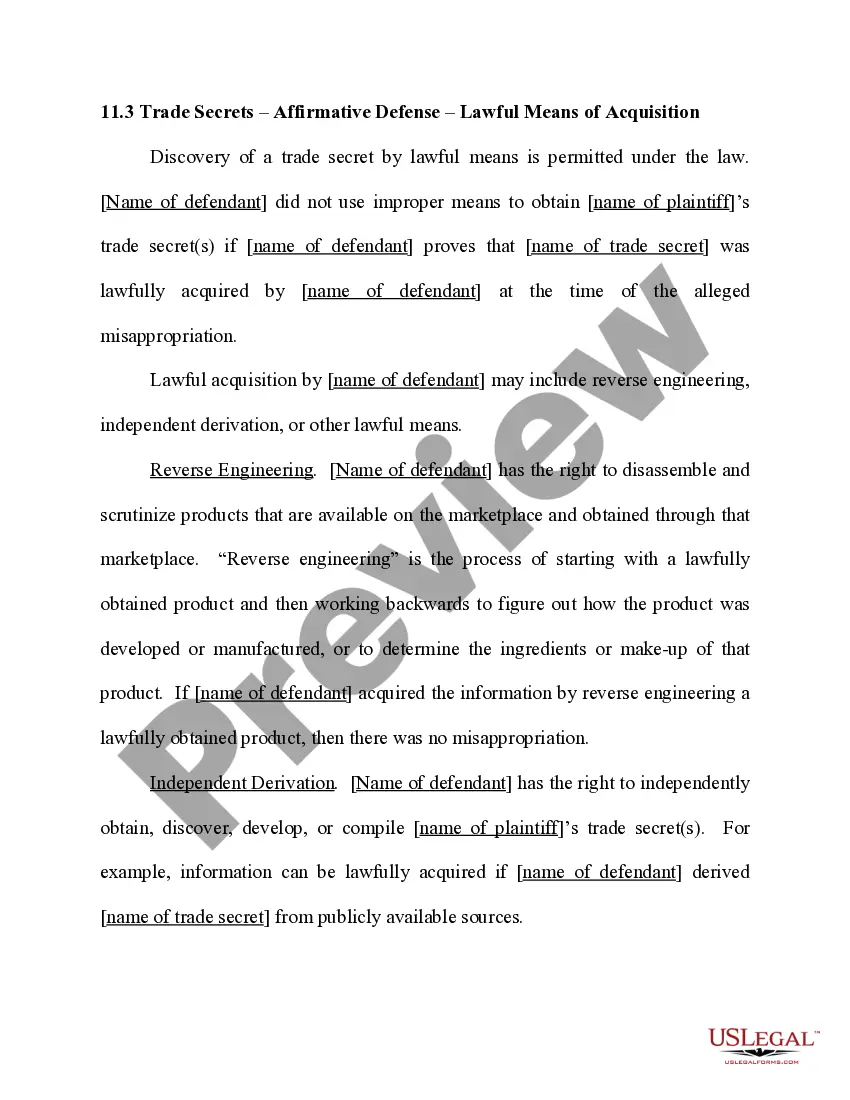
To assert an affirmative defense against trade secrets theft or misappropriation, the defendant has to show that the trade secret information was not acquired through improper means but by either independent invention or reverse engineering.
Statute of Limitations for Trade Secrets In California, a party has three years to bring a theft of a trade secret claim. The three year period starts when the misappropriation is discovered or if the exercise of reasonable diligence should have been discovered.
Preemption issues? DTSA Section 2(f) states that DTSA does not preempt any law. Specifically, it states- ?Nothing in the amendments made by this section shall be construed to modify the rule of construction under section 1838 of title 18, United States Code, or to preempt any other provision of law.?