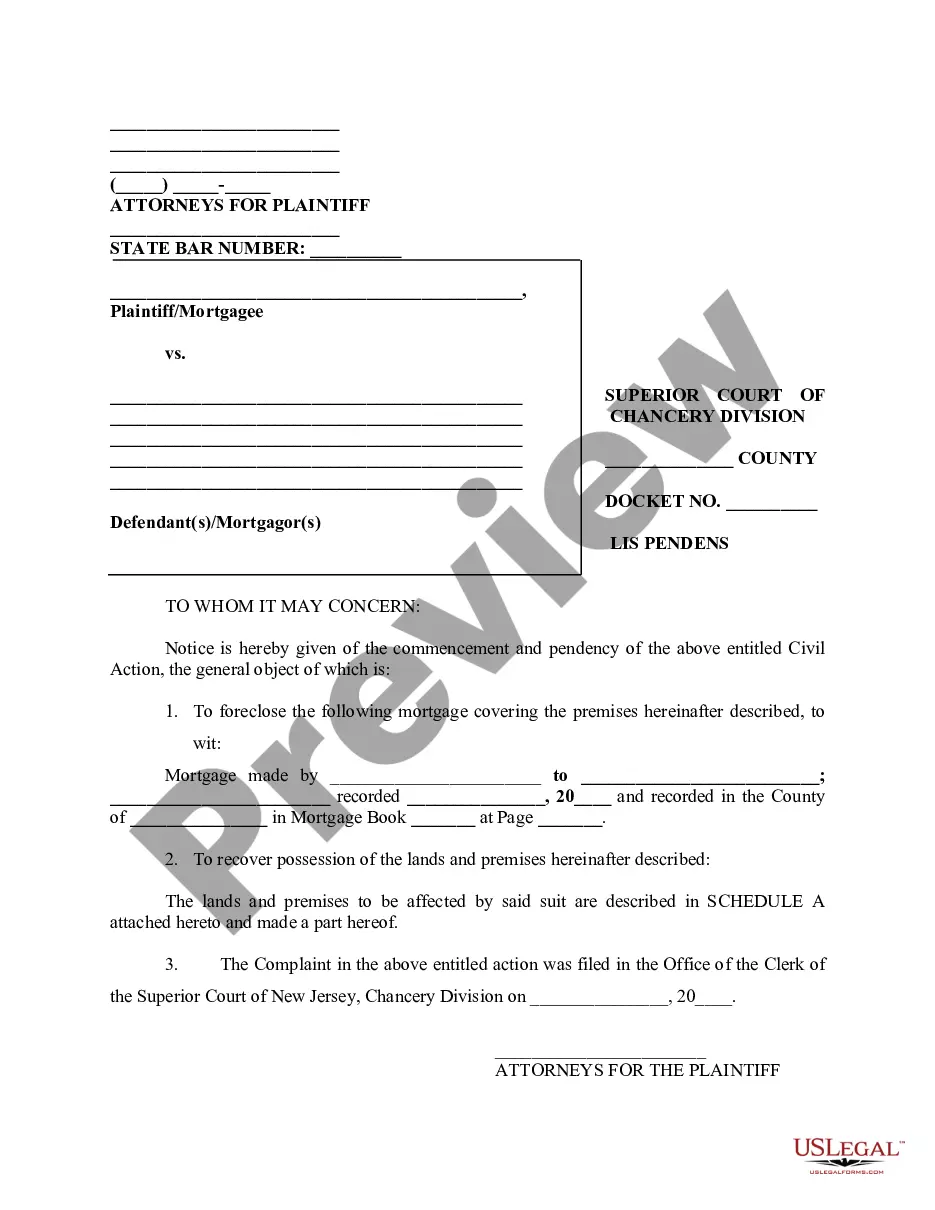
HIGH PUBLIC OFFICIALS
Understanding this form
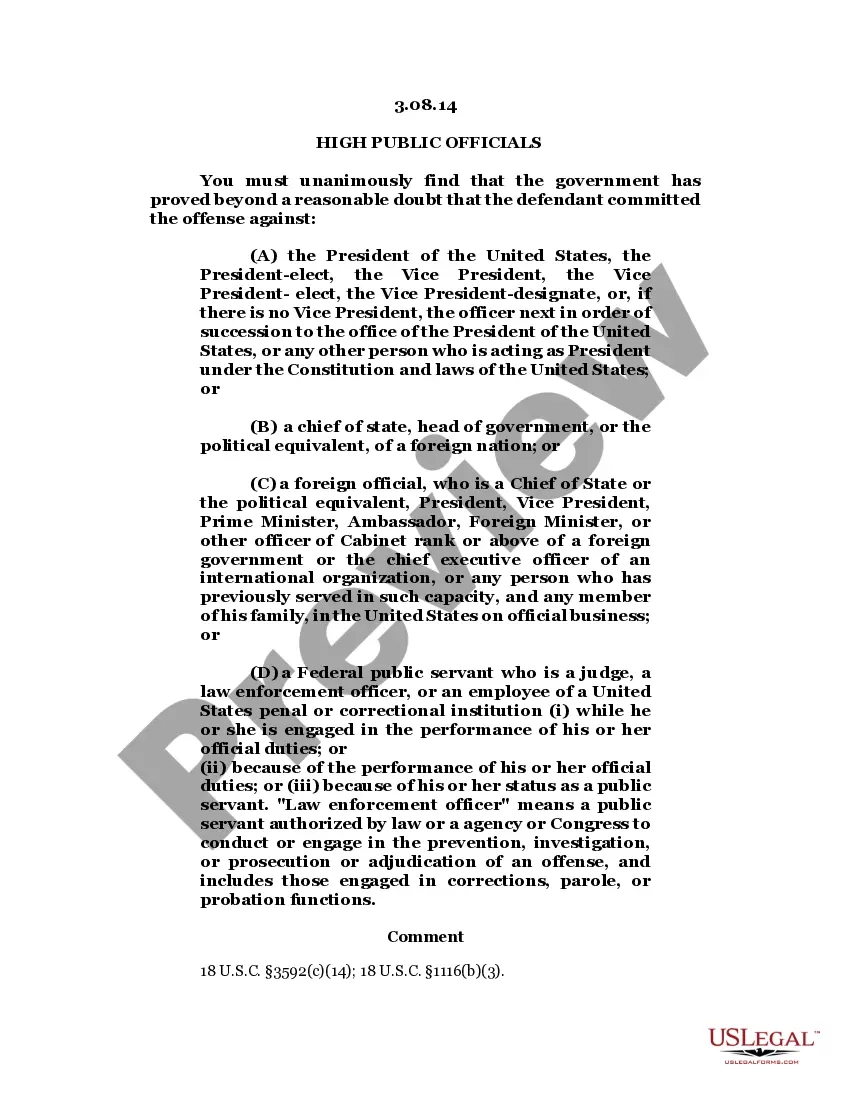
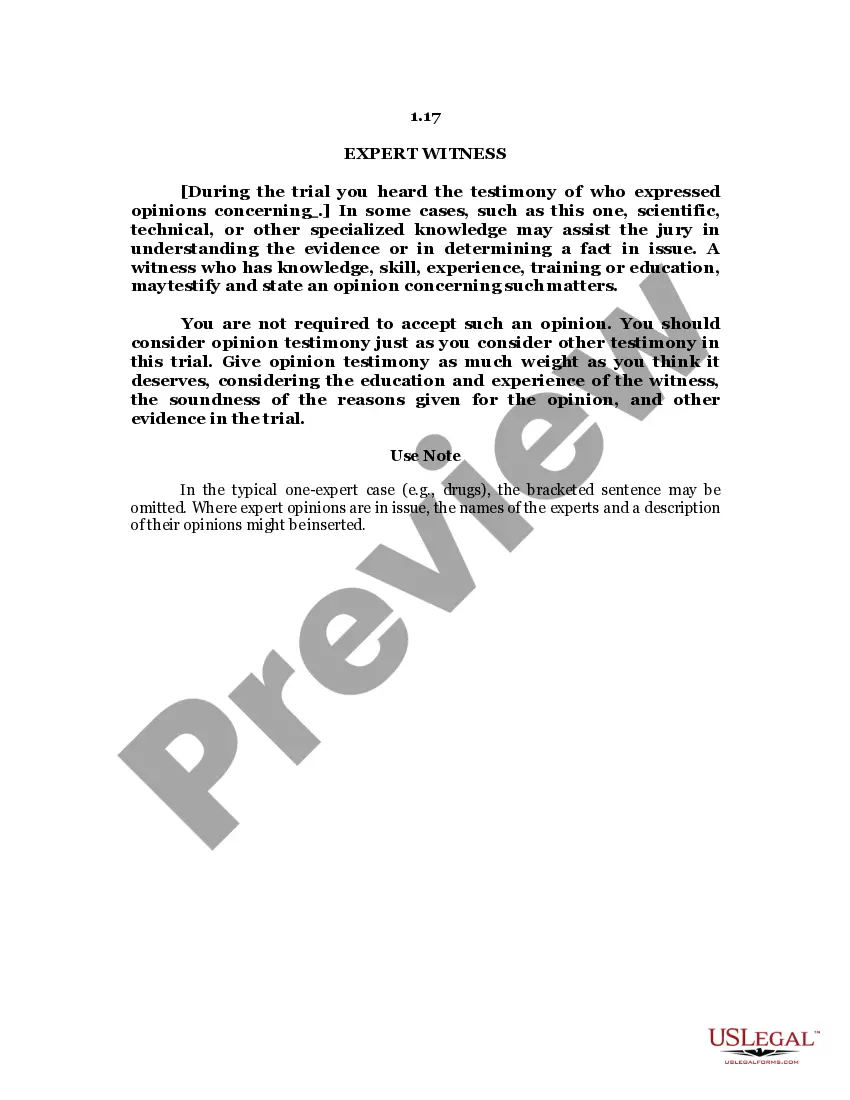
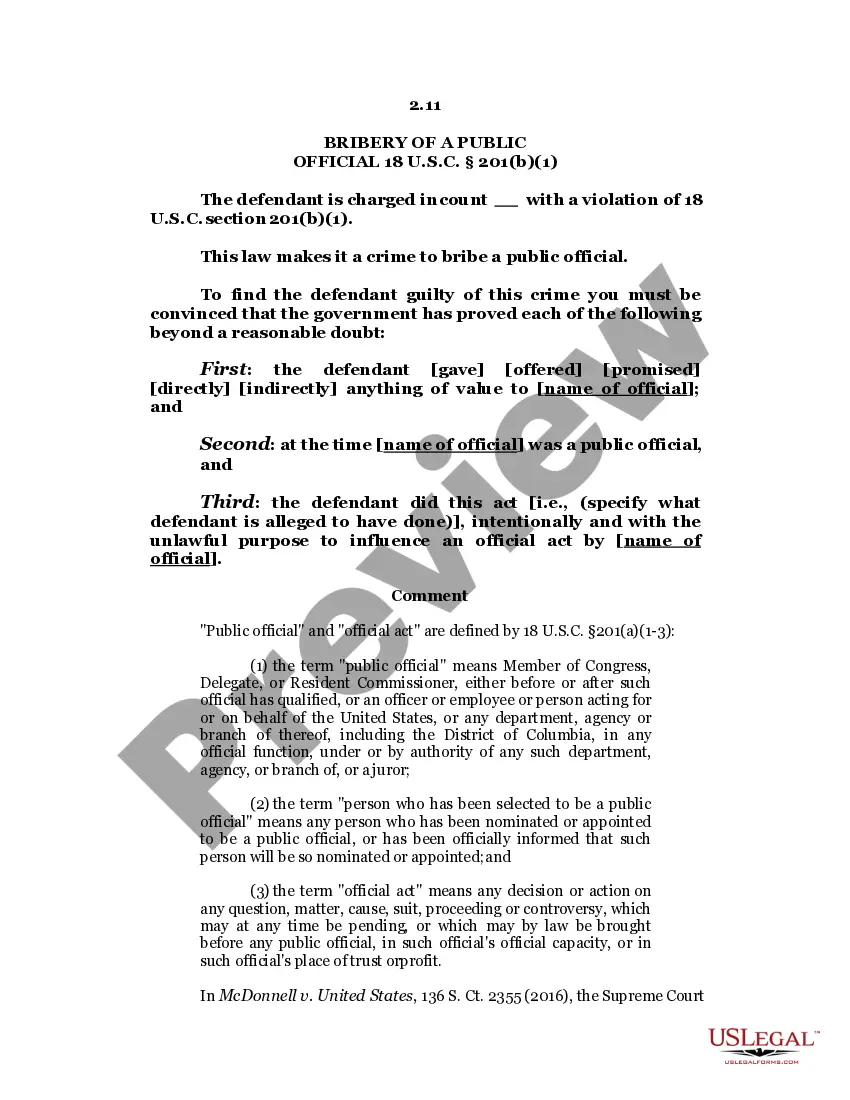
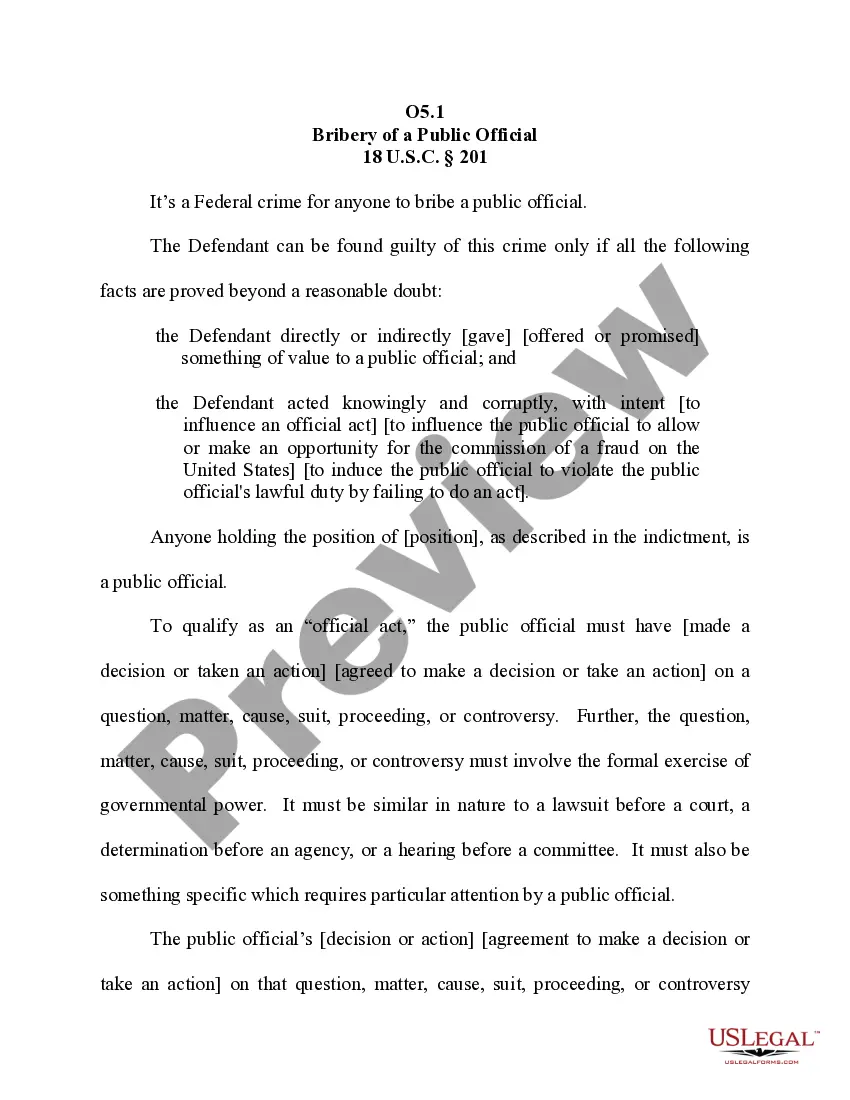
The High Public Officials form is a legal document used in cases where charges are brought against individuals holding high public office. This can include not only the President of the United States and Vice Presidents but also other foreign dignitaries and federal public servants. This form serves a crucial purpose in ensuring that there is clear understanding and application of the laws governing actions against those in significant positions of authority, distinguishing it from other legal documentation related to general offenses.
Main sections of this form
- Definitions related to high public officials, including specific titles and roles covered by the law.
- Criteria for establishing charges against these officials, emphasizing the need for a unanimous decision by jurors.
- Clarifications on the status of foreign officials and their protections under U.S. law.
- Provisions related to federal public servants, including judges and law enforcement officers, in the context of their official duties.
- Legal references for further guidance on enforcement and relevant statutes.

Situations where this form applies
This form is essential when criminal charges are brought against high public officials for specific offenses. Scenarios may include cases of corruption, misconduct, or other criminal activities that involve individuals in power, both domestically and internationally. It's used during court proceedings to guide jurors on the legal criteria necessary to determine guilt or innocence regarding these serious allegations.
Who this form is for
The High Public Officials form is intended for the following audiences:
- Legal professionals representing cases involving high-ranking officials.
- Prosecutors determining the applicability of charges against public figures.
- Defendants accused of crimes involving their capacities as public officials.
- Court officials tasked with instructing juries on specific legal definitions and requirements.
How to prepare this document
- Identify the specific high public official involved in the case.
- Determine the nature of the offense and ensure it meets the criteria outlined in the form.
- Specify the relevant legal references and statutes supporting the charges.
- Prepare jury instructions tailored to the particular facts of the case.
- Ensure all instructions are reviewed for clarity and compliance with legal standards.
Does this document require notarization?
Notarization is generally not required for this form. However, certain states or situations might demand it. You can complete notarization online through US Legal Forms, powered by Notarize, using a verified video call available anytime.
Get your form ready online
Our built-in tools help you complete, sign, share, and store your documents in one place.
Make edits, fill in missing information, and update formatting in US Legal Forms—just like you would in MS Word.
Download a copy, print it, send it by email, or mail it via USPS—whatever works best for your next step.
Sign and collect signatures with our SignNow integration. Send to multiple recipients, set reminders, and more. Go Premium to unlock E-Sign.
If this form requires notarization, complete it online through a secure video call—no need to meet a notary in person or wait for an appointment.
We protect your documents and personal data by following strict security and privacy standards.

Make edits, fill in missing information, and update formatting in US Legal Forms—just like you would in MS Word.

Download a copy, print it, send it by email, or mail it via USPS—whatever works best for your next step.

Sign and collect signatures with our SignNow integration. Send to multiple recipients, set reminders, and more. Go Premium to unlock E-Sign.

If this form requires notarization, complete it online through a secure video call—no need to meet a notary in person or wait for an appointment.

We protect your documents and personal data by following strict security and privacy standards.
Typical mistakes to avoid
- Failing to clearly define the specific role of the high public official involved.
- Not specifying the legal basis for the charges adequately.
- Omitting necessary references to federal statutes.
- Using vague terms that could lead to misunderstandings in jury instructions.
Advantages of online completion
- Convenience of downloading and filling out the form at your own pace.
- Editability allows for precise adjustments based on case specifics.
- Access to professionally drafted templates ensuring legal reliability.
Looking for another form?
Form popularity
FAQ
In most states, state offices include: Governor, Lieutenant Governor, Secretary of State, and Attorney General, State Supreme Court Justices, Comptroller, Treasurer, State Senators, and State Legislators. These officials are elected by the voters of the districts they serve.
The Senate has exceptionally high authority, sometimes higher than the President or the House of Representatives. The Senate can try cases of impeachment, which can dismiss a President for misconduct.
Executive branch President - The president is the head of state, leader of the federal government, and Commander in Chief of the United States armed forces. Vice president - The vice president supports the president.The Cabinet - Cabinet members serve as advisors to the president.
The head of government is the highest or the second-highest official in the executive branch of a sovereign state, a federated state, or a self-governing colony, autonomous region, or other government who often presides over a cabinet, a group of ministers or secretaries who lead executive departments.
The President is both the head of state and head of government of the United States of America, and Commander-in-Chief of the armed forces. Under Article II of the Constitution, the President is responsible for the execution and enforcement of the laws created by Congress.
No one part of government dominates the other. The Constitution of the United States provides checks and balances among the three branches of the federal government. The authors of the Constitution expected the greater power to lie with Congress as described in Article One.
In every state, the Executive Branch is headed by a governor who is directly elected by the people. In most states, other leaders in the executive branch are also directly elected, including the lieutenant governor, the attorney general, the secretary of state, and auditors and commissioners.
Our federal government has three parts. They are the Executive, (President and about 5,000,000 workers) Legislative (Senate and House of Representatives) and Judicial (Supreme Court and lower Courts).