Employee Evaluation Form for Graphic Designer
Overview of this form
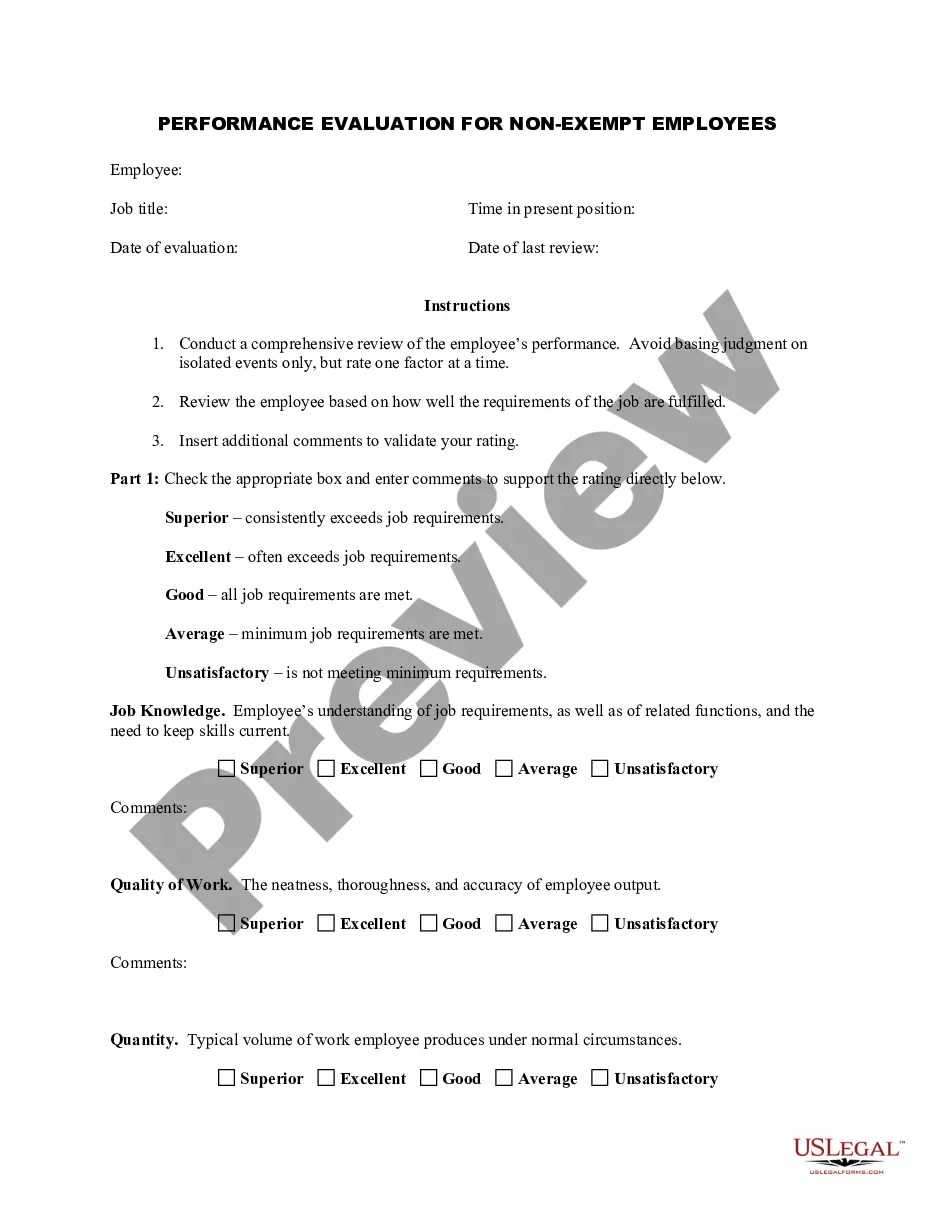
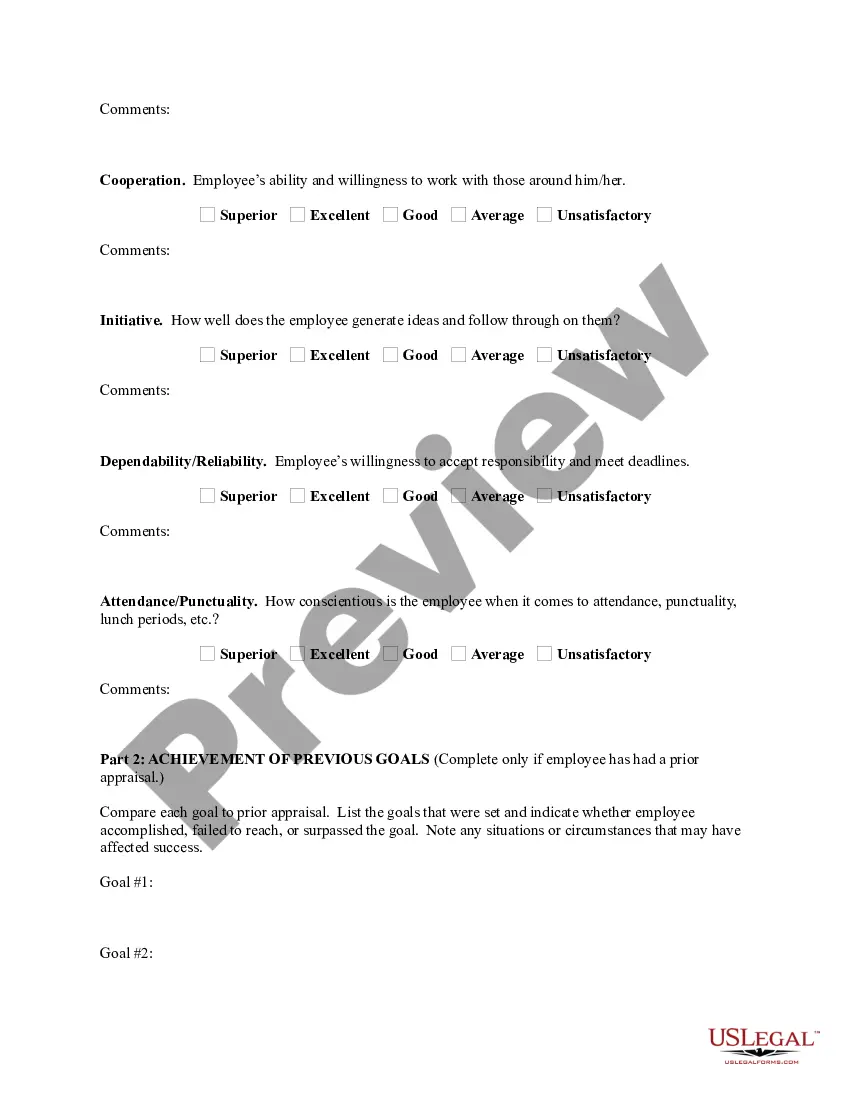
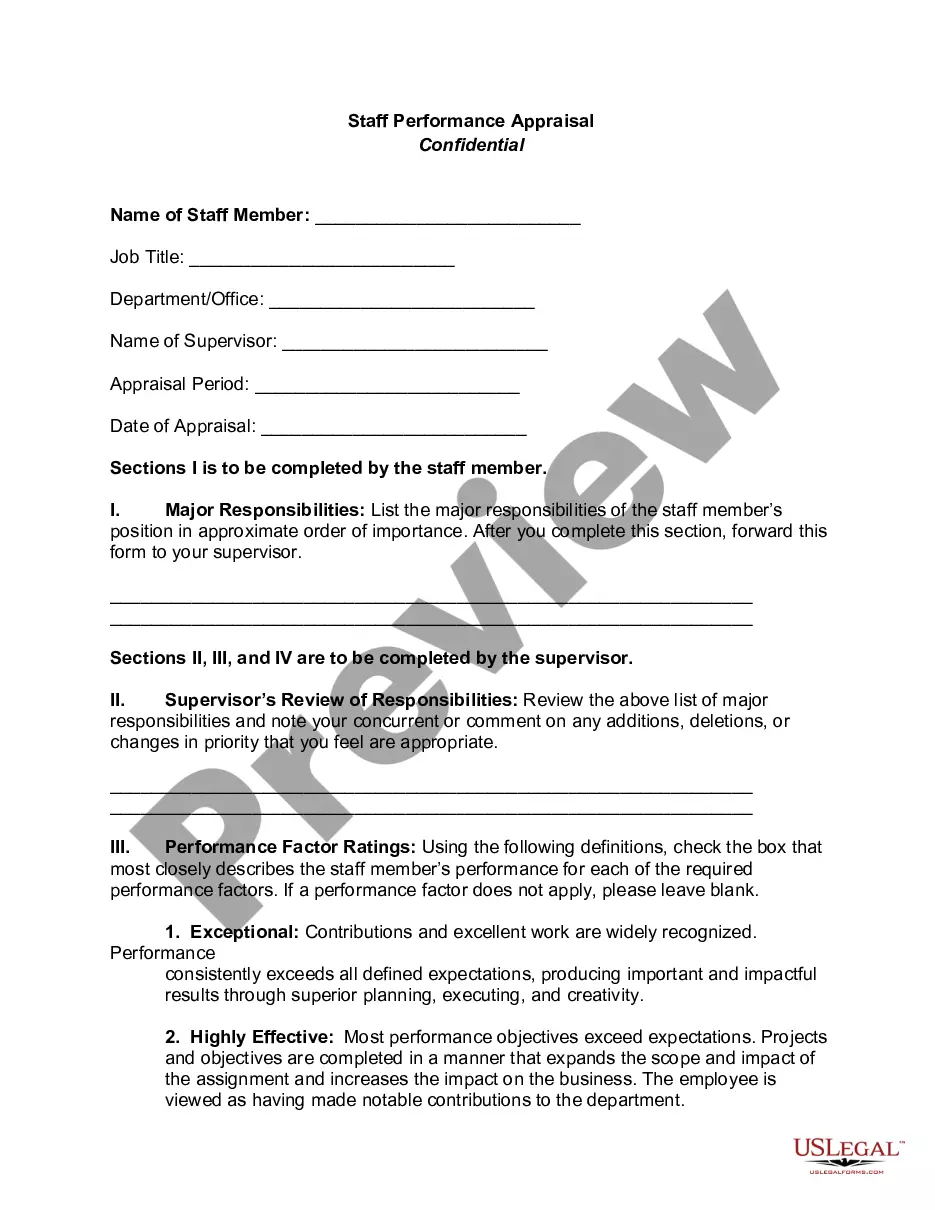
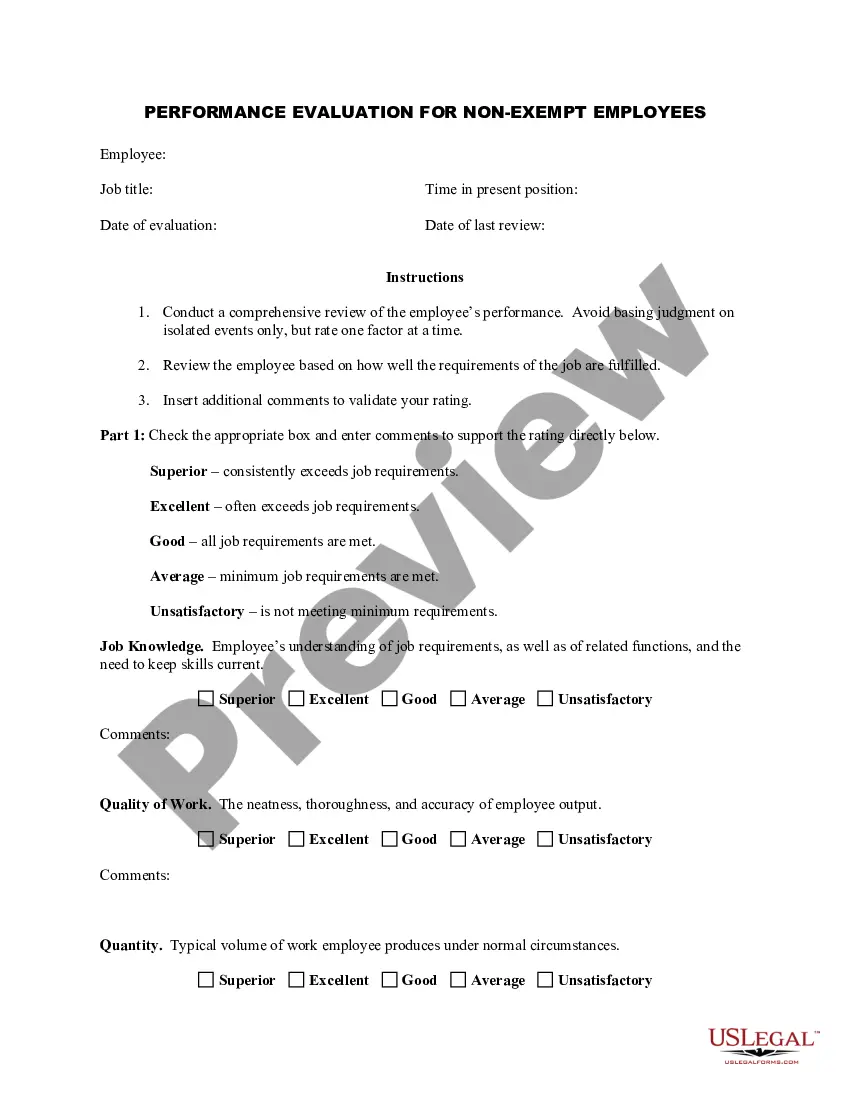
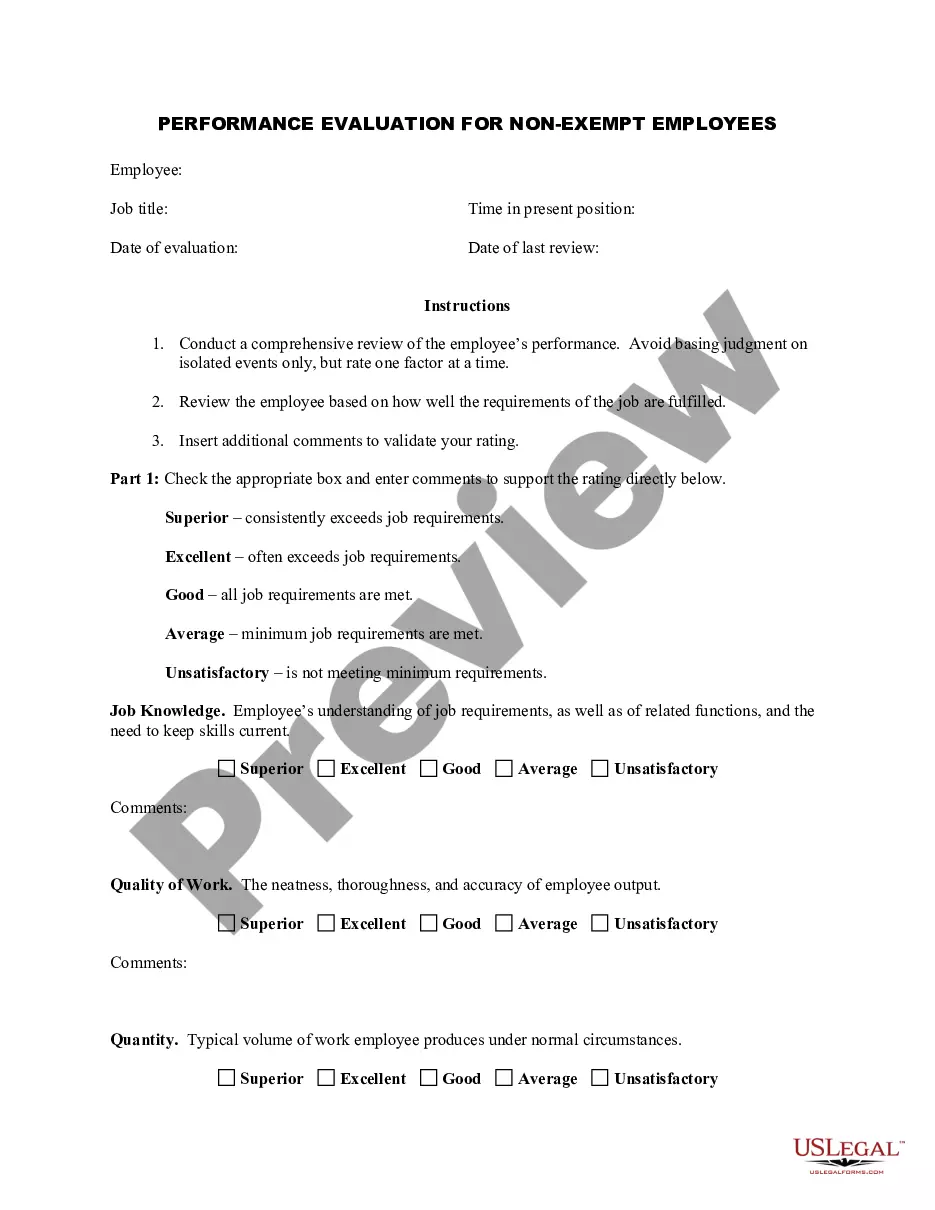
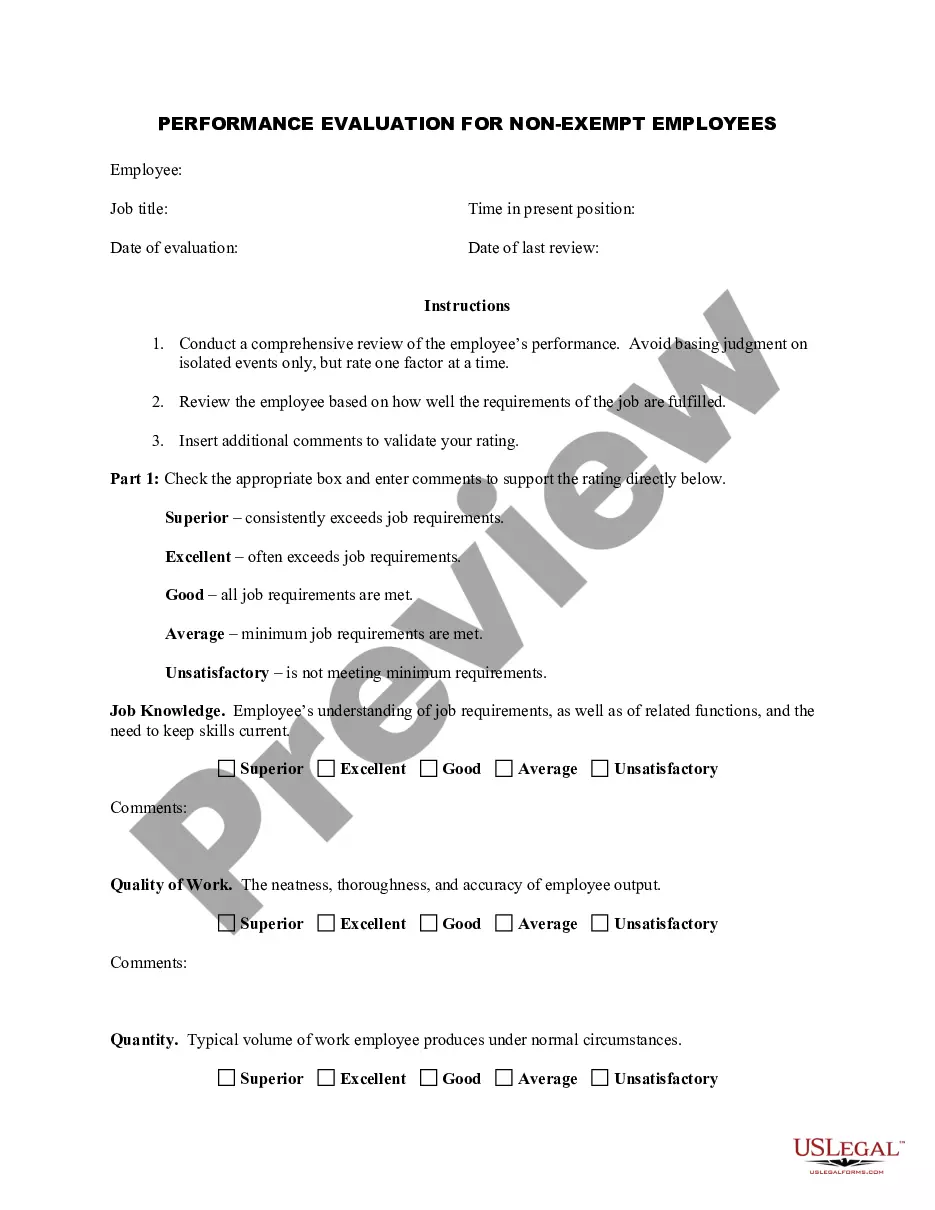
The Employee Evaluation Form for Graphic Designer is a performance review document specifically designed for assessing non-exempt employees in the field of graphic design. This form helps managers evaluate how well the designer meets job requirements and supports their professional development by documenting strengths and areas for improvement.
Form components explained
- Employee details: Includes job title and dates relevant to the evaluation.
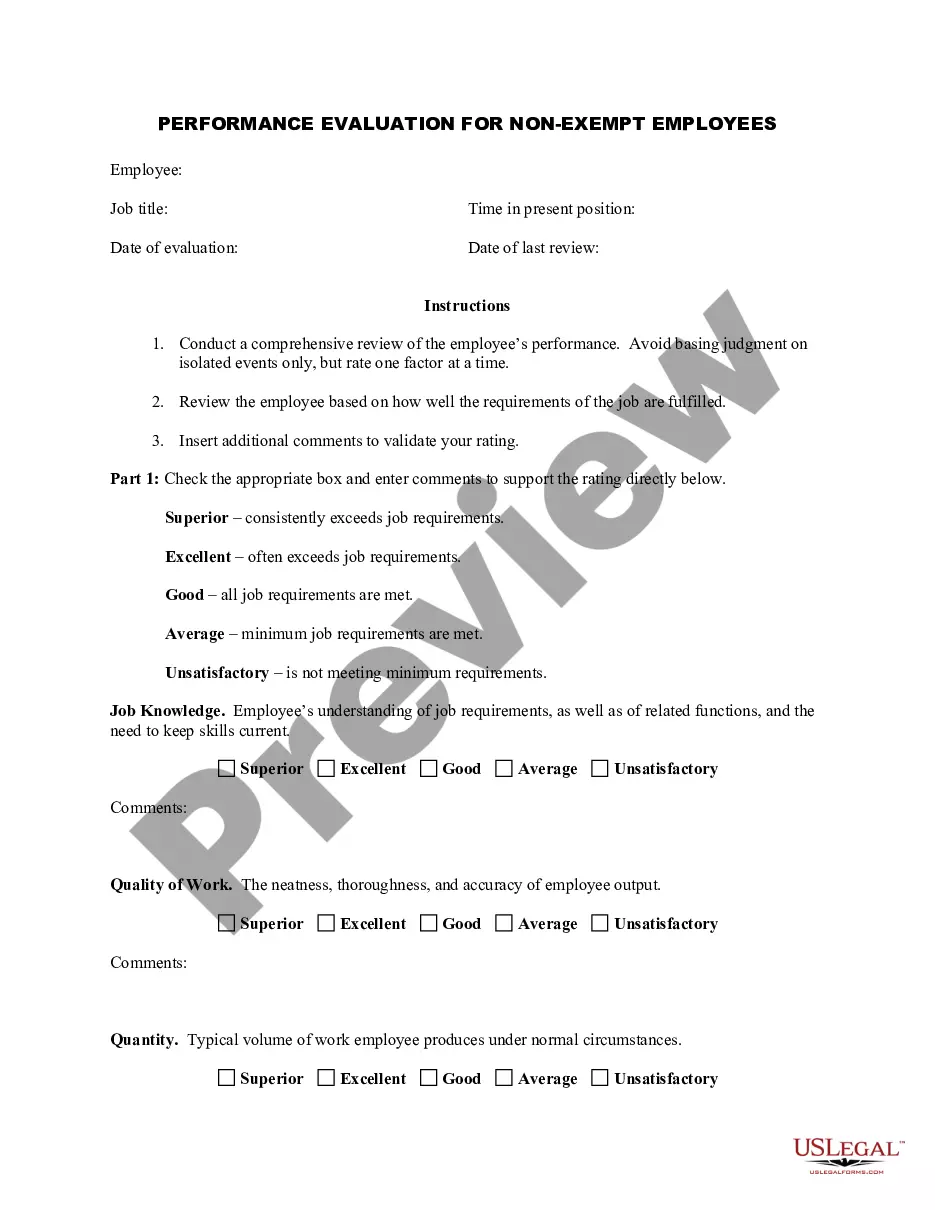
- Job knowledge: Evaluation of the employee's understanding of their role and the skills required.
- Quality of work: Assessment of the neatness, thoroughness, and accuracy of the employee's output.
- Quantity: Review of the volume of work produced under normal circumstances.
- Dependability: Examination of the employee's reliability in meeting deadlines and accepting responsibility.
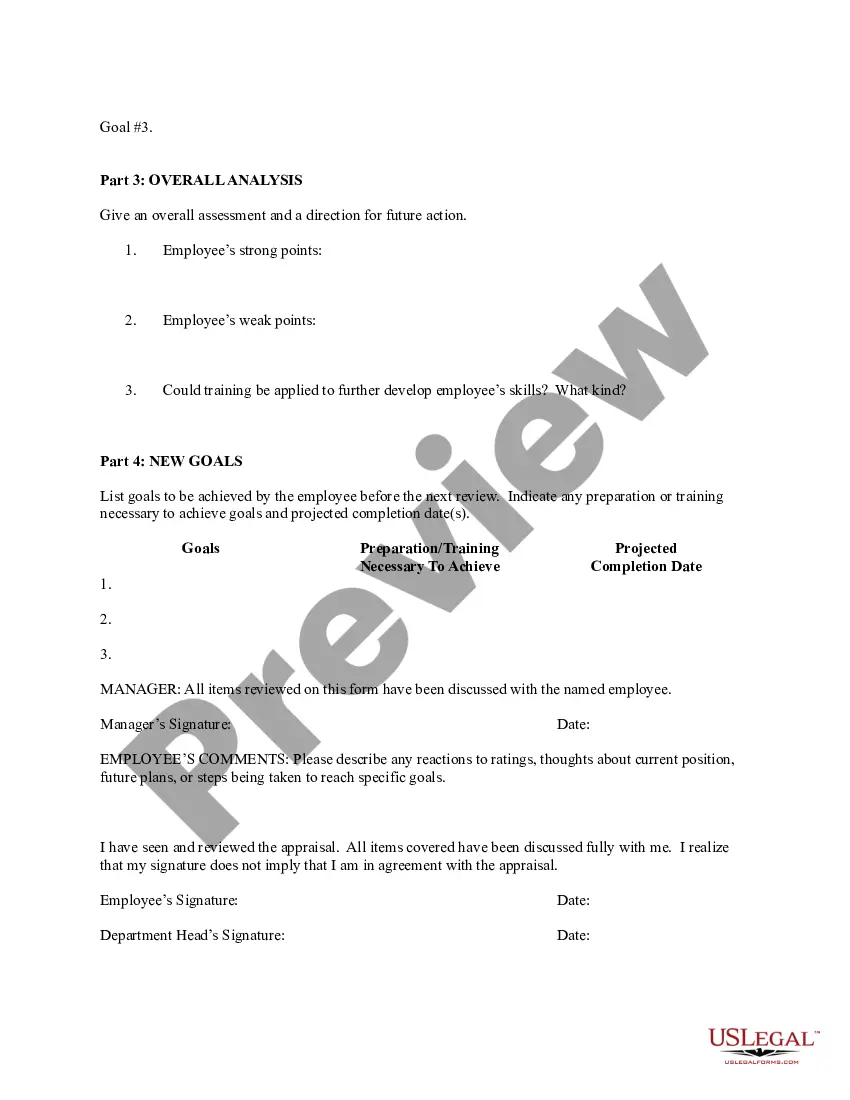
- Overall analysis: Provides a summary of strengths, weaknesses, and potential training recommendations.
Situations where this form applies
This form should be used during regular performance evaluations, typically conducted annually or biannually. It is also appropriate for use following significant projects or at the end of a probationary period, providing an opportunity for feedback on an employee's performance and setting future development goals.
Who this form is for
- Managers and supervisors responsible for evaluating the performance of graphic designers.
- Human resources personnel involved in employee assessments and record-keeping.
- Team leads who oversee projects involving graphic design to provide targeted feedback.
How to prepare this document
- Begin by filling in the employee's name, job title, and dates relevant to the review.
- Evaluate each assessment category, checking the box that best fits the employee's performance.
- Provide comments and examples to support ratings in each category.
- Summarize the overall performance analysis and future goals.
- Obtain signatures from both the manager and the employee to confirm the review has been discussed.
Does this form need to be notarized?
This form does not typically require notarization unless specified by local law. It is important to follow your company's policies or state regulations regarding performance evaluations.
Get your form ready online
Our built-in tools help you complete, sign, share, and store your documents in one place.
Make edits, fill in missing information, and update formatting in US Legal Forms—just like you would in MS Word.
Download a copy, print it, send it by email, or mail it via USPS—whatever works best for your next step.
Sign and collect signatures with our SignNow integration. Send to multiple recipients, set reminders, and more. Go Premium to unlock E-Sign.
If this form requires notarization, complete it online through a secure video call—no need to meet a notary in person or wait for an appointment.
We protect your documents and personal data by following strict security and privacy standards.

Make edits, fill in missing information, and update formatting in US Legal Forms—just like you would in MS Word.

Download a copy, print it, send it by email, or mail it via USPS—whatever works best for your next step.

Sign and collect signatures with our SignNow integration. Send to multiple recipients, set reminders, and more. Go Premium to unlock E-Sign.

If this form requires notarization, complete it online through a secure video call—no need to meet a notary in person or wait for an appointment.

We protect your documents and personal data by following strict security and privacy standards.
Typical mistakes to avoid
- Focusing only on recent events rather than the employee's overall performance.
- Failing to provide specific examples to support evaluations.
- Neglecting to give the employee a chance to share their feedback.
Why complete this form online
- Convenience of accessing the form from any device at any time.
- Ability to easily edit and update information without printing multiple copies.
- More reliable record-keeping with digital storage options.
Looking for another form?
Form popularity
FAQ
Use proper words and expressions. When discussing design, it is important to use the right words and expressions that define and describe the visuals. Search for C.R.A.P. Pay attention to colour. Find emphasis. Analyze typography. Take a look at images. Ask about target group. Define clear messages.
Make it easy to use. Ensure that the information your evaluation form seeks is clear and concise. Determine the focus of the form. There needs to be a clear purpose. Establish a clearly defined rating scale.
Decide on the review process up front. Focus the review. Keep it constructive. Frame all feedback in actionable directives. Ask questions of the designer.
Creativity. A great graphic designer must be imaginative and they must be able to apply that imagination into their work. Consistency. Problem solving. Always learning. Able to take criticism. Patience.
1 - keep your audience in mind. When presenting feedback to your designer, it is important that first and foremost, you keep your audience top of mind. 2 - Design is a collaboration (Don't micro-manage) Chances are, you chose your designer for a reason. 3 - Don't be afraid to Ask Questions. 4 - Be Nice (but honest)
Develop an evaluation form. Identify performance measures. Set guidelines for feedback. Create disciplinary and termination procedures. Set an evaluation schedule.
1 Know how the self-evaluation is going to be used. 2 Write out a list of your accomplishments. 3 Gather analytics if you can. 4 Write out a list of your struggles. 5 Narrow your accomplishments list down. 6 Don't forget to align your review with your manager's or team's goals.
1 Know how the self-evaluation is going to be used. 2 Write out a list of your accomplishments. 3 Gather analytics if you can. 4 Write out a list of your struggles. 5 Narrow your accomplishments list down. 6 Don't forget to align your review with your manager's or team's goals.