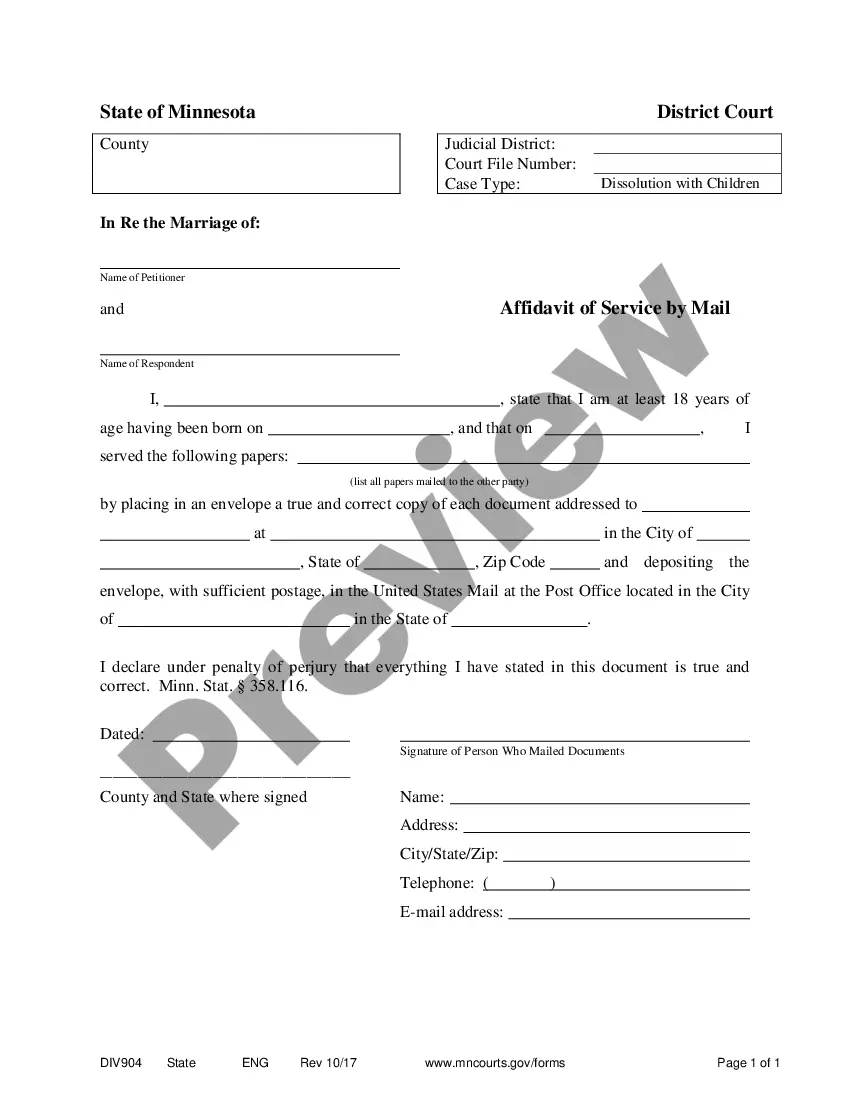
Employee Evaluation Form for Artist
What is this form?
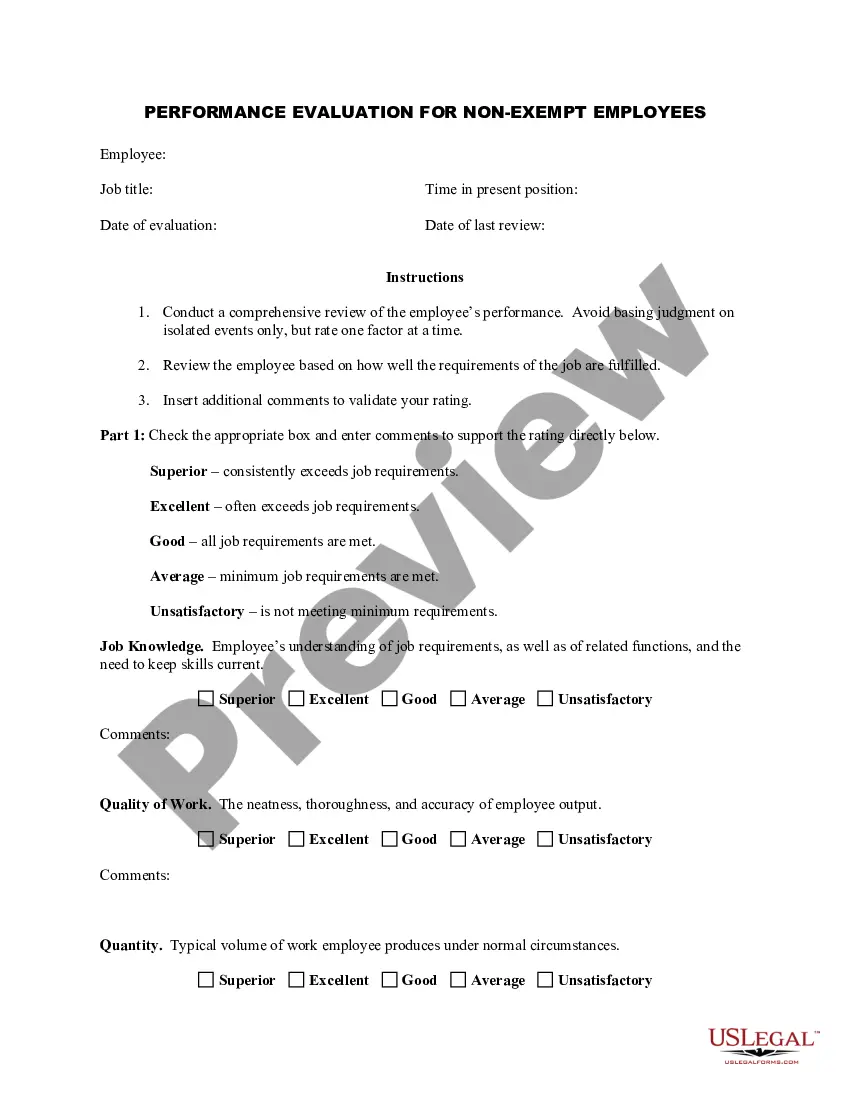
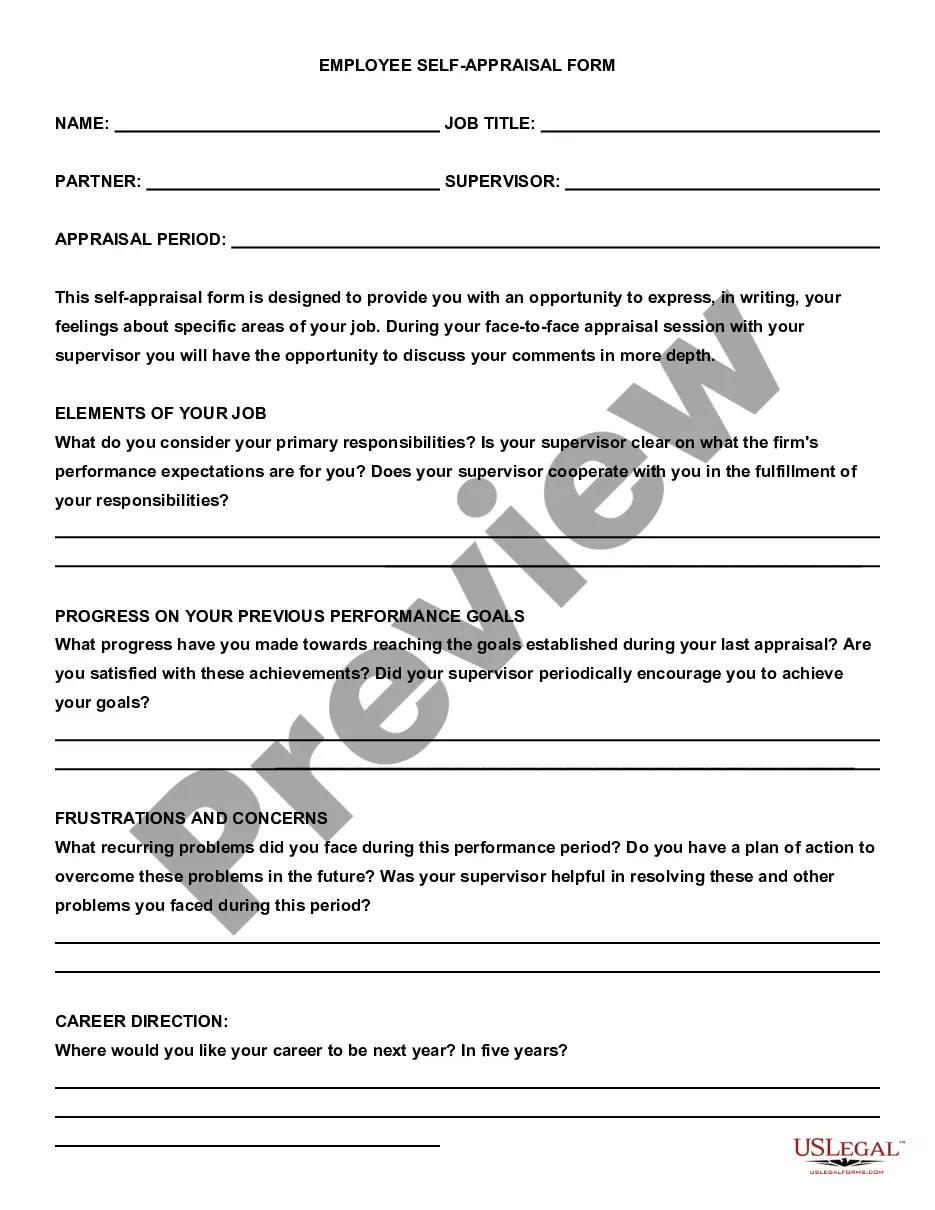
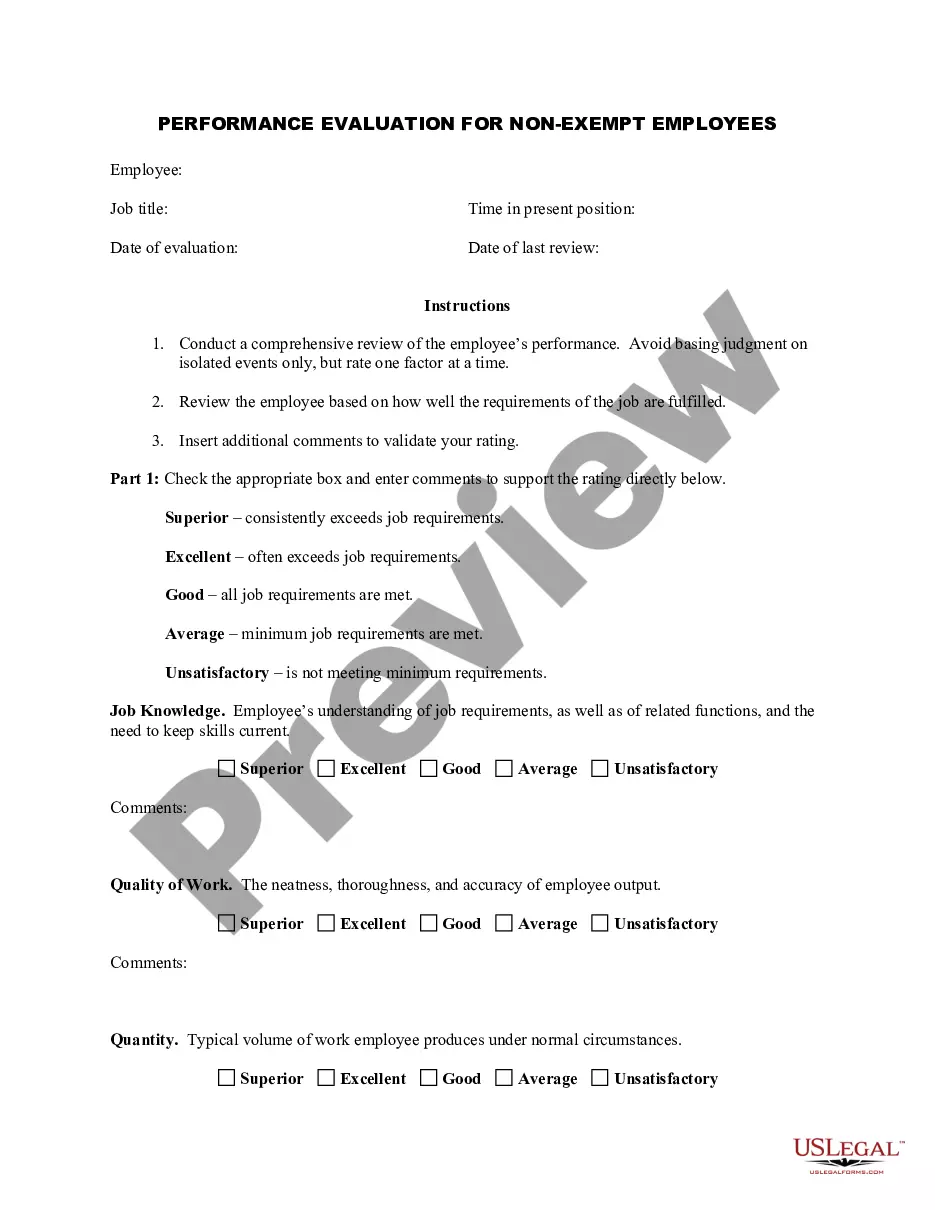
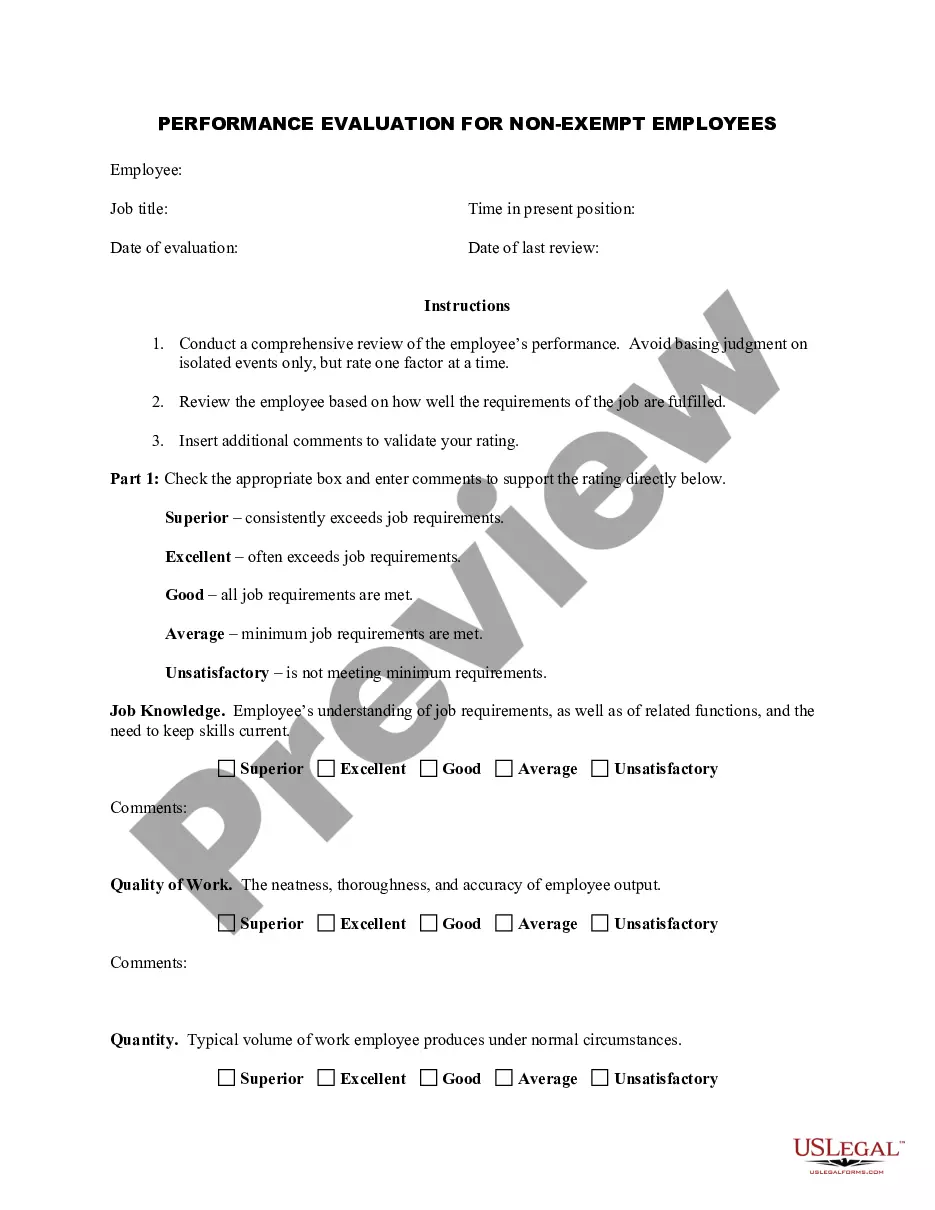
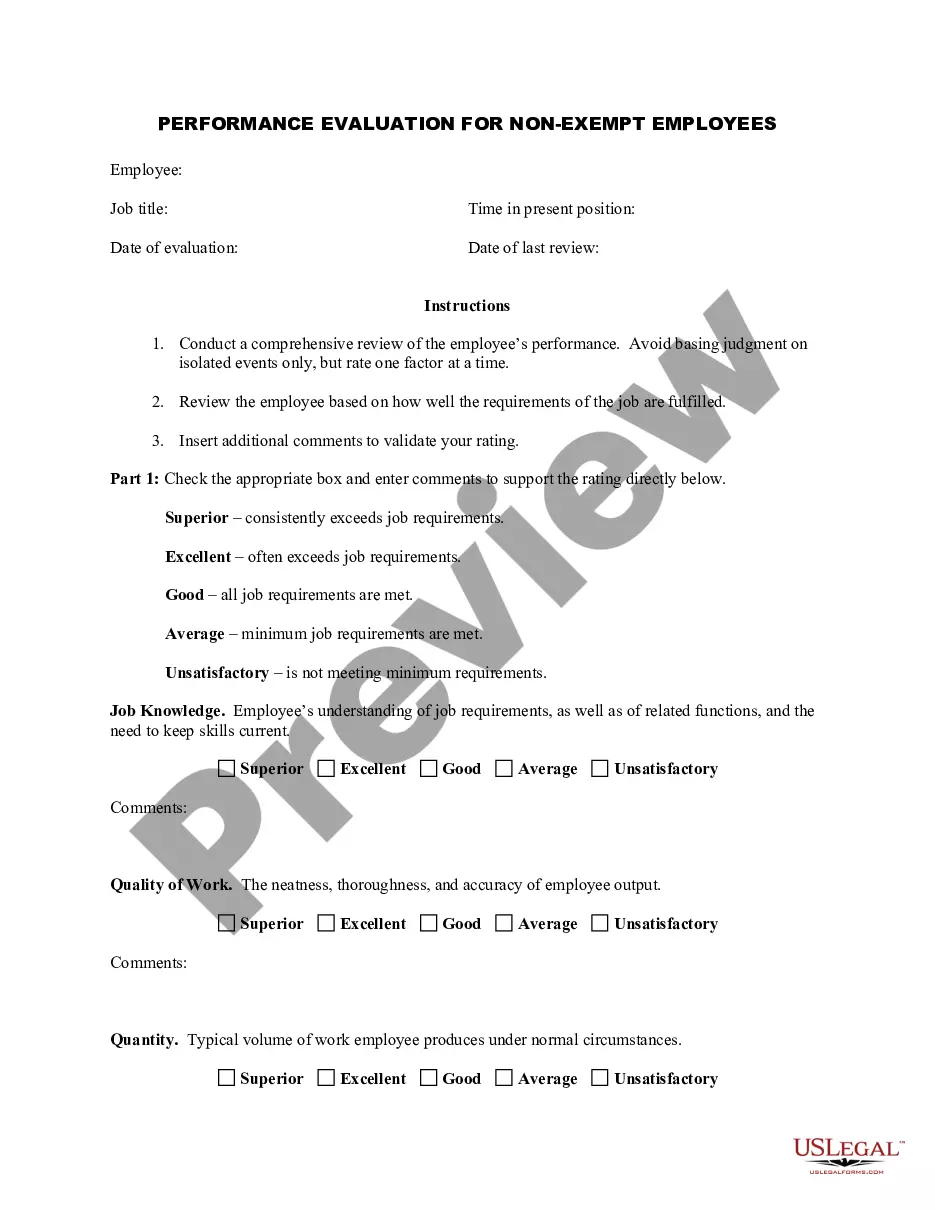
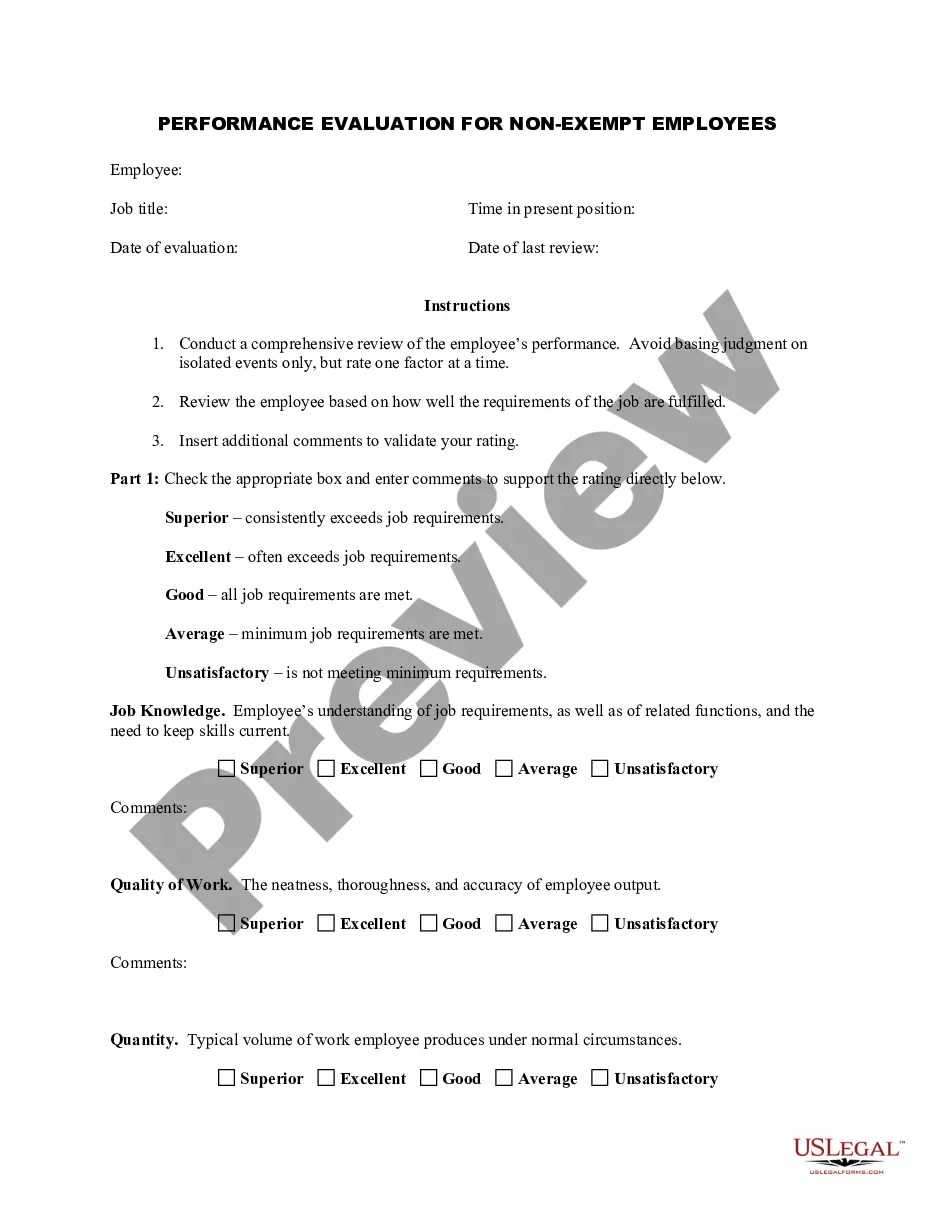
The Employee Evaluation Form for Artist is a performance review document designed specifically for assessing the work and performance of non-exempt employees in artistic roles. This form is utilized to evaluate how well an employee meets their job requirements and to provide constructive feedback. Unlike generic evaluation forms, this version focuses on the unique aspects of artistic contributions, ensuring more relevant and detailed assessments.
Key parts of this document
- Employee Information: General details about the employee being evaluated, including job title and time in the position.
- Date of Evaluation: The date when the evaluation is conducted.
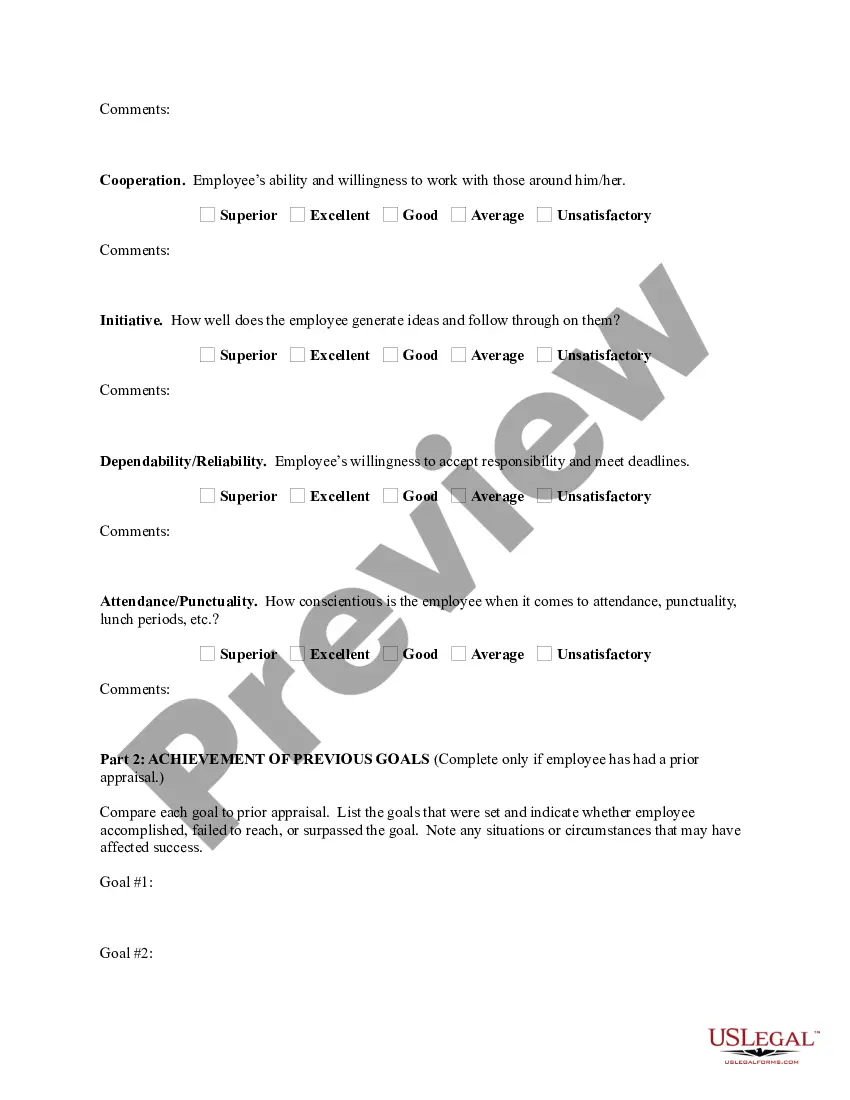
- Performance Ratings: A structured section allowing evaluators to rate employees on categories such as job knowledge, quality of work, cooperation, and dependability.
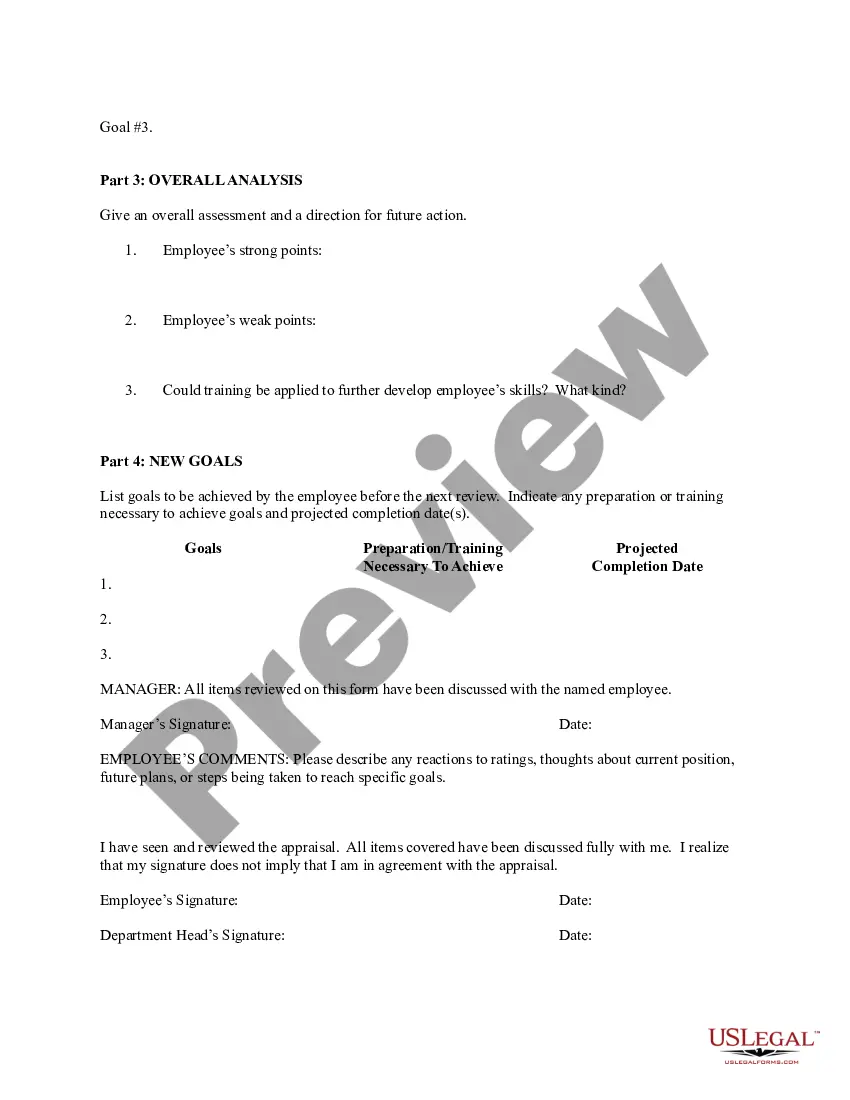
- Goals Assessment: A section for evaluating previous goals set during past performance reviews.
- Future Goals: Space to set new goals or training plans with completion timelines for the employee's development.
- Signatures: Signature fields for the employee and evaluator to acknowledge the evaluation discussion.
Situations where this form applies
Who should use this form
The following individuals should use this form:
- Managers overseeing artistic employees.
- Human Resources personnel managing employee evaluations.
- Team leaders in creative departments needing to assess team membersâ contributions.
Instructions for completing this form
- Identify the employee being evaluated and fill in their job title and current position duration.
- Enter the date of evaluation and the date of the last review, if applicable.
- Rate the employee's performance in specific categories such as job knowledge and quality of work, providing comments for validation.
- Review any previously set goals and assess the employee's success in achieving them.
- Set new performance goals for the upcoming evaluation period, noting any required training or preparation.
- Ensure both the evaluator and employee sign the form to acknowledge that the review has been discussed.
Does this form need to be notarized?
This form does not typically require notarization unless specified by local law. It is advisable to check state regulations regarding employee evaluation forms.
Get your form ready online
Our built-in tools help you complete, sign, share, and store your documents in one place.
Make edits, fill in missing information, and update formatting in US Legal Forms—just like you would in MS Word.
Download a copy, print it, send it by email, or mail it via USPS—whatever works best for your next step.
Sign and collect signatures with our SignNow integration. Send to multiple recipients, set reminders, and more. Go Premium to unlock E-Sign.
If this form requires notarization, complete it online through a secure video call—no need to meet a notary in person or wait for an appointment.
We protect your documents and personal data by following strict security and privacy standards.

Make edits, fill in missing information, and update formatting in US Legal Forms—just like you would in MS Word.

Download a copy, print it, send it by email, or mail it via USPS—whatever works best for your next step.

Sign and collect signatures with our SignNow integration. Send to multiple recipients, set reminders, and more. Go Premium to unlock E-Sign.

If this form requires notarization, complete it online through a secure video call—no need to meet a notary in person or wait for an appointment.

We protect your documents and personal data by following strict security and privacy standards.
Mistakes to watch out for
- Failing to provide specific examples to support ratings.
- Neglecting to complete all sections of the form.
- Relying solely on recent performance without considering the entire review period.
- Not discussing the evaluation with the employee before submitting.
Benefits of using this form online
- Convenience: Access the form from anywhere at any time.
- Editability: Easily make changes or updates to evaluations without paperwork hassles.
- Reliability: Secure storage of completed forms ensures important records are always available.
Looking for another form?

Form popularity
FAQ
Review the employee's job description. Get a current copy of each person's job description and review the requirements. Highlight areas of improvement. Compare strengths and weaknesses. Recommend actionable goals. Provide constructive feedback. Welcome employee input.
1) Attendance. 2) Innovation and Creativity. 3) Leadership. 4) Communication Skills. 5) Collaboration and Teamwork. 6) Time Management. 7) Customer Experience. 8) Problem Solving.
Be proud. One major goal of the self-evaluation is to highlight your accomplishments and recollect milestones in your professional development. Be honest and critical. Continuously strive for growth. Track your accomplishments. Be professional.
Level of execution. Quality of work. Level of creativity. Amount of consistent improvement. Customer and peer feedback. Sales revenue generated. Responsiveness to feedback. Ability to take ownership.
Develop an evaluation form. Identify performance measures. Set guidelines for feedback. Create disciplinary and termination procedures. Set an evaluation schedule.
1 Know how the self-evaluation is going to be used. 2 Write out a list of your accomplishments. 3 Gather analytics if you can. 4 Write out a list of your struggles. 5 Narrow your accomplishments list down. 6 Don't forget to align your review with your manager's or team's goals.
Employee evaluation forms are used to formally review and document an employee's performance and get their acknowledgment that the evaluation took place. This is important in establishing a paper trail to support important HR decisions.
Make it easy to use. Ensure that the information your evaluation form seeks is clear and concise. Determine the focus of the form. There needs to be a clear purpose. Establish a clearly defined rating scale.
Communication. Collaboration and teamwork. Problem-solving. Quality and accuracy of work. Attendance, punctuality and reliability. The ability to accomplish goals and meet deadlines.