Collateral Assignment of Lease
Understanding this form
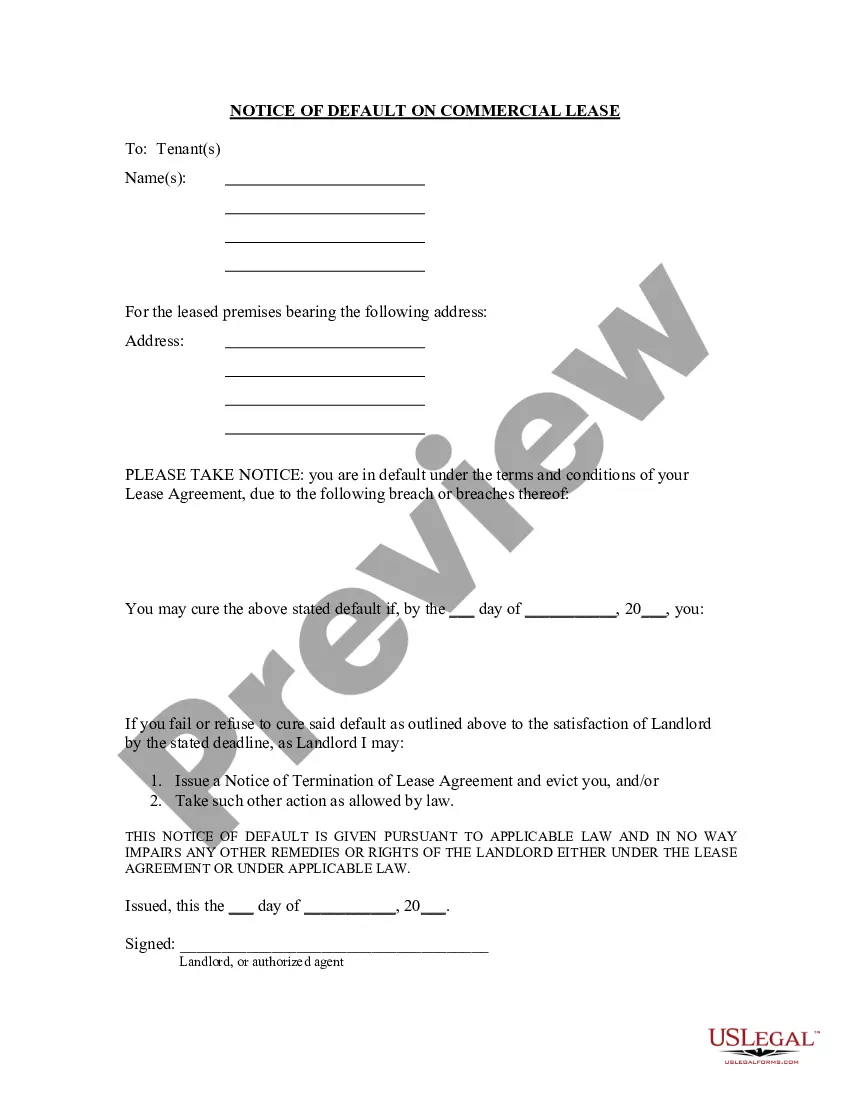
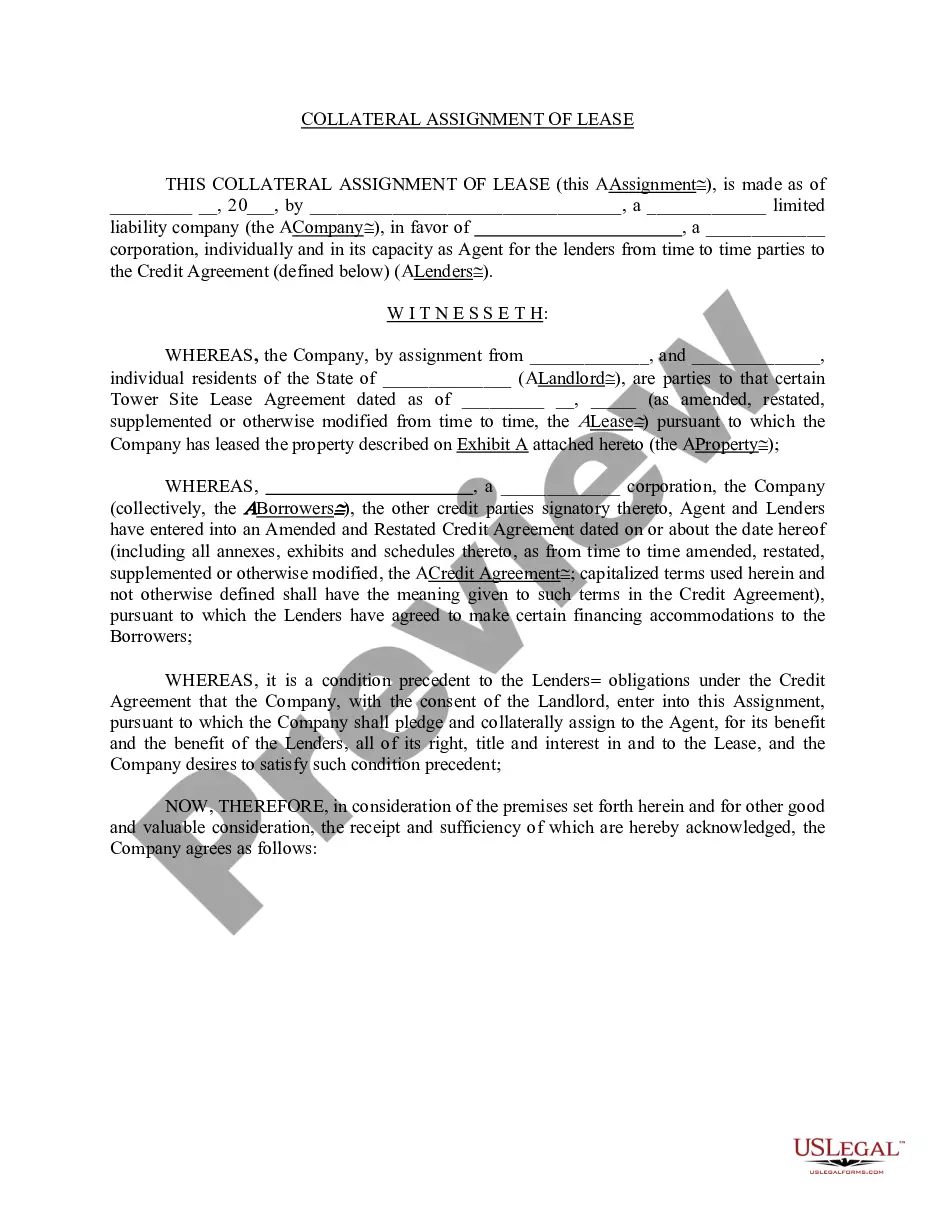
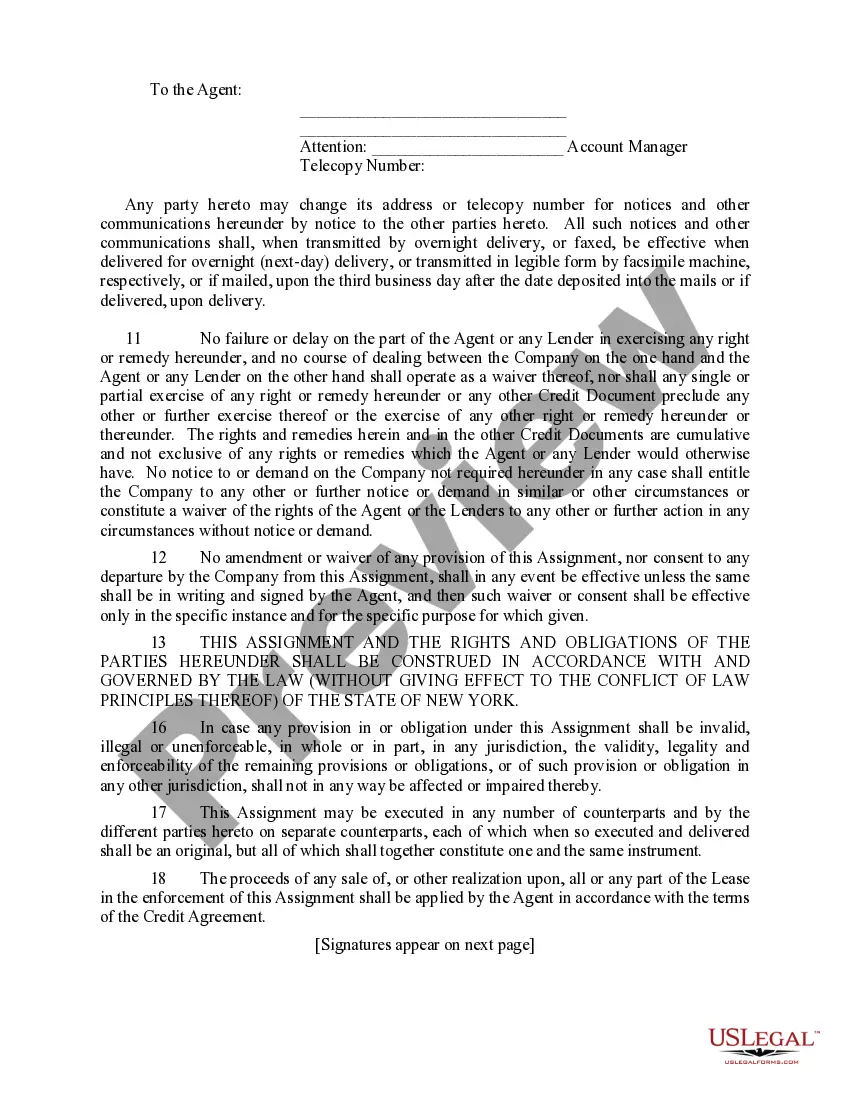
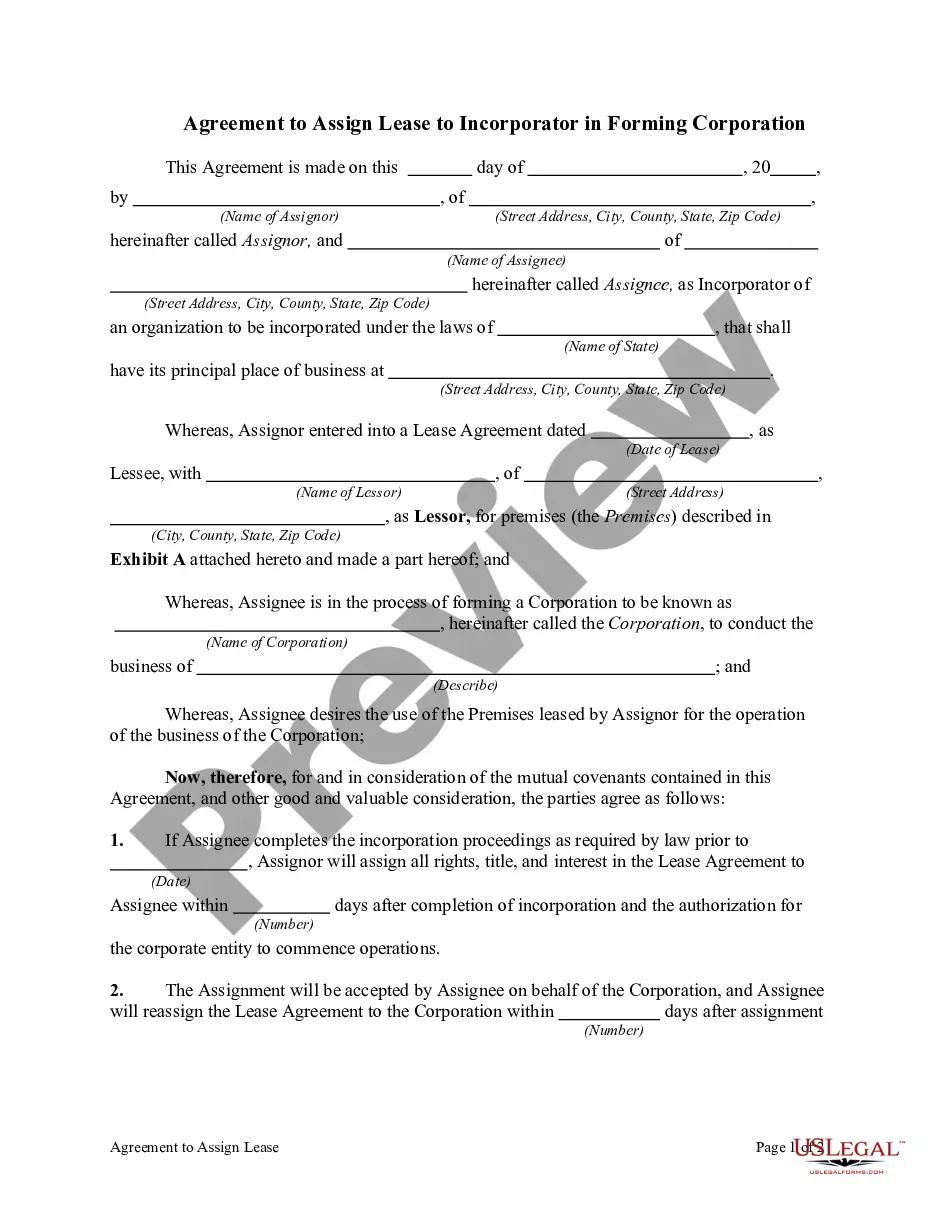
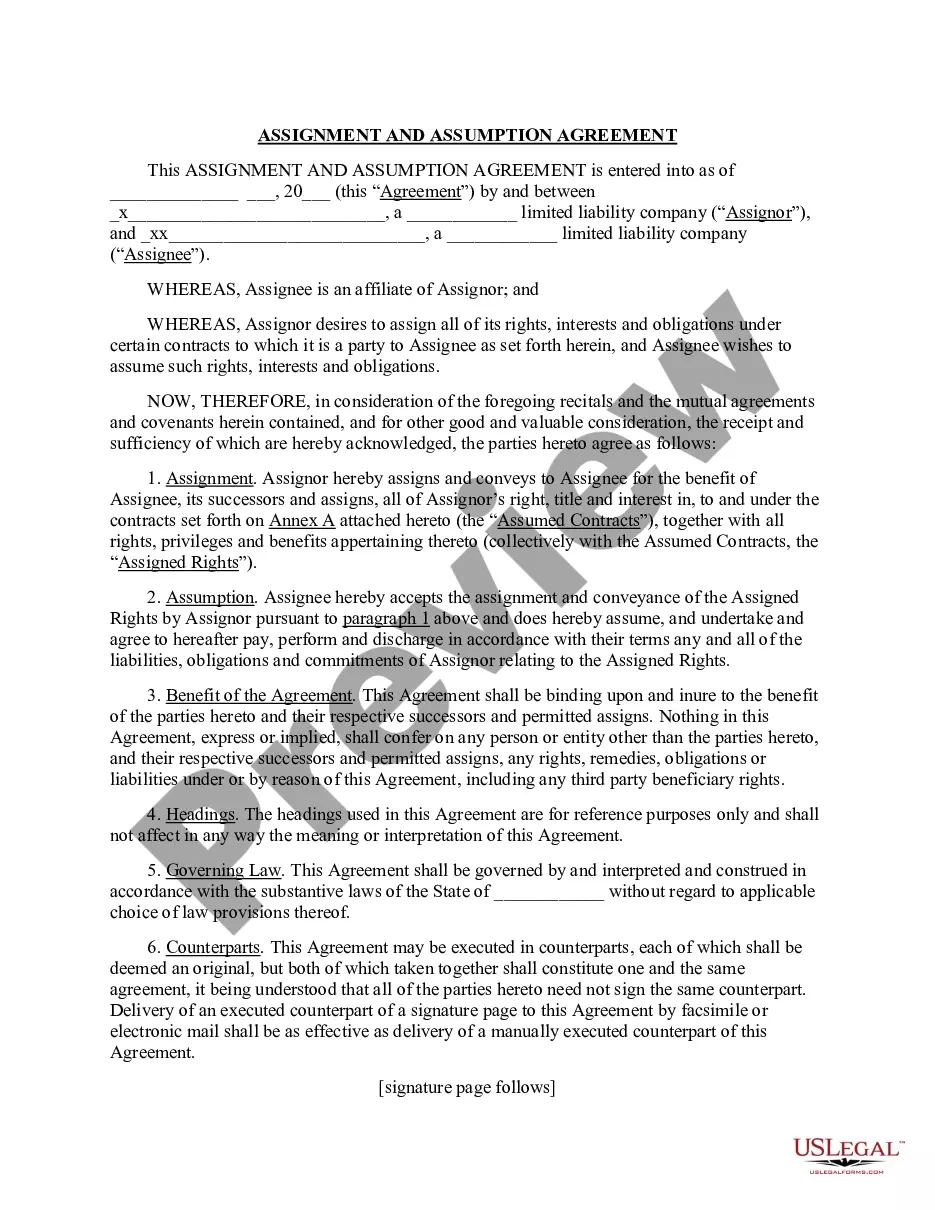
The Collateral Assignment of Lease is a legal document that enables a company to pledge its lease rights as collateral for securing financing. This form is distinct from standard lease agreements as it specifically allows the assignment of rights to a lender or agent, ensuring that the lender can enforce these rights in case of default. It effectively protects the lender's interests while providing the borrower with access to necessary financing.
Main sections of this form
- Identification of parties: Details regarding the company, lenders, and landlord involved in the assignment.
- Property description: An attachment (Exhibit A) describing the leased property being assigned.
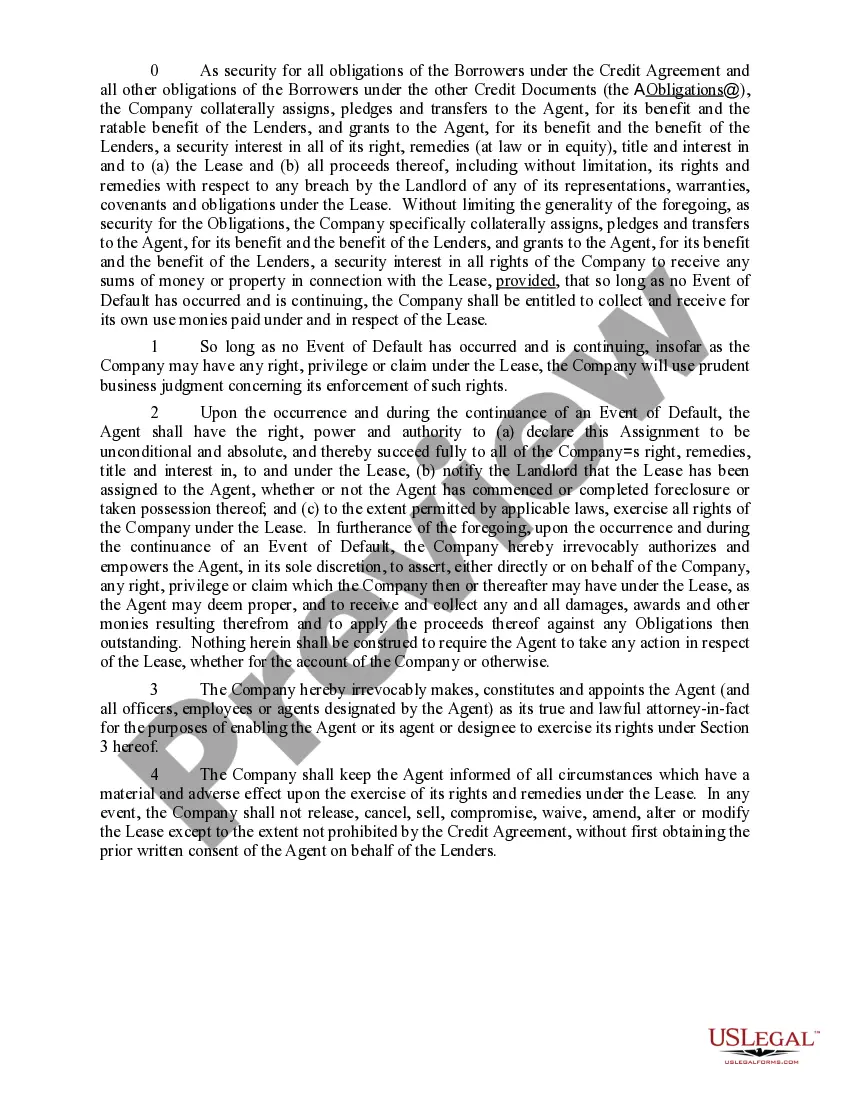
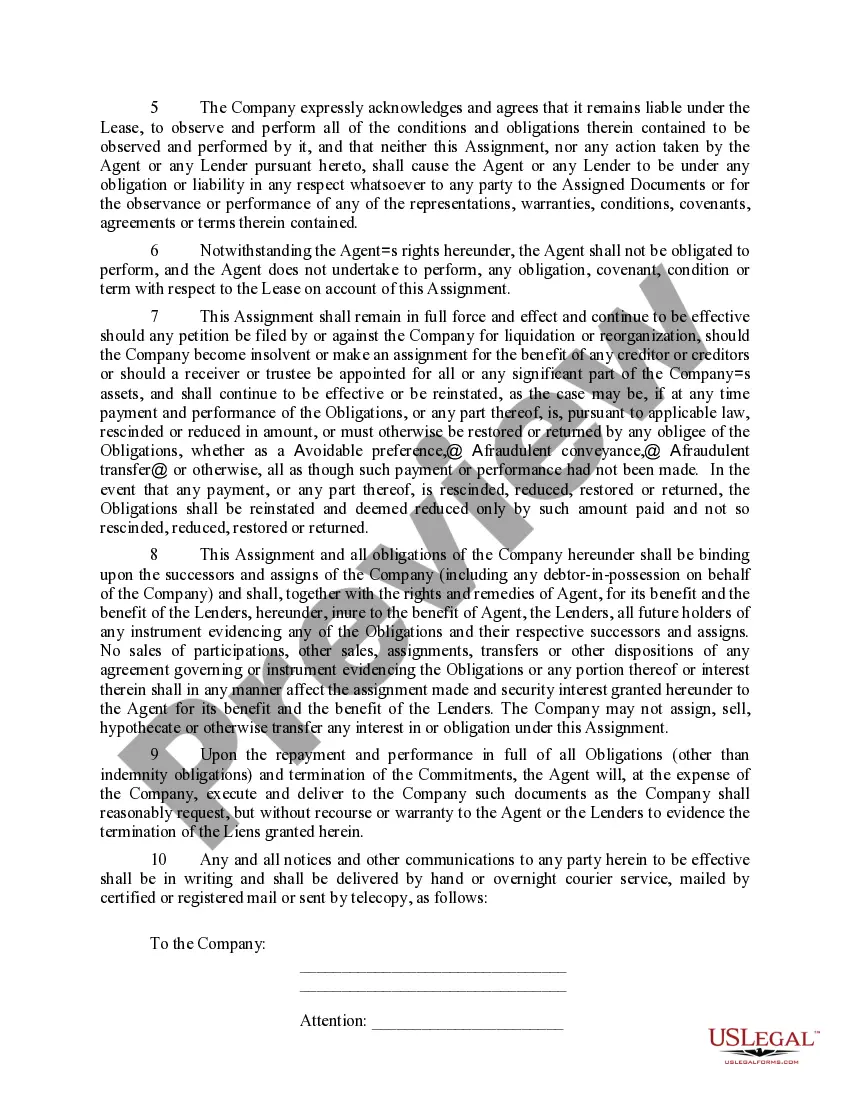
- Security interest: Clauses that outline the lender's security interest in the lease rights and related proceeds.
- Conditions of default: Provisions that address the events of default and the actions the lender may take.
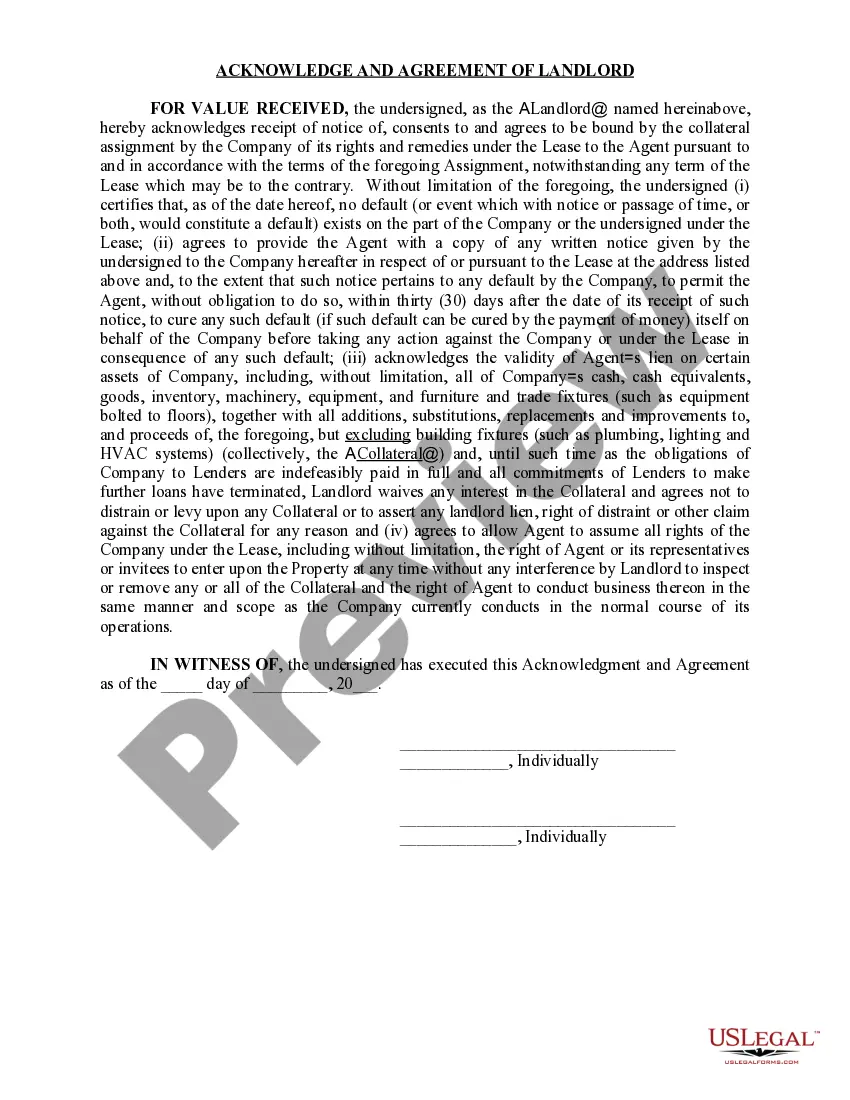
- Consent of landlord: A section where the landlord acknowledges and agrees to the assignment of lease rights.
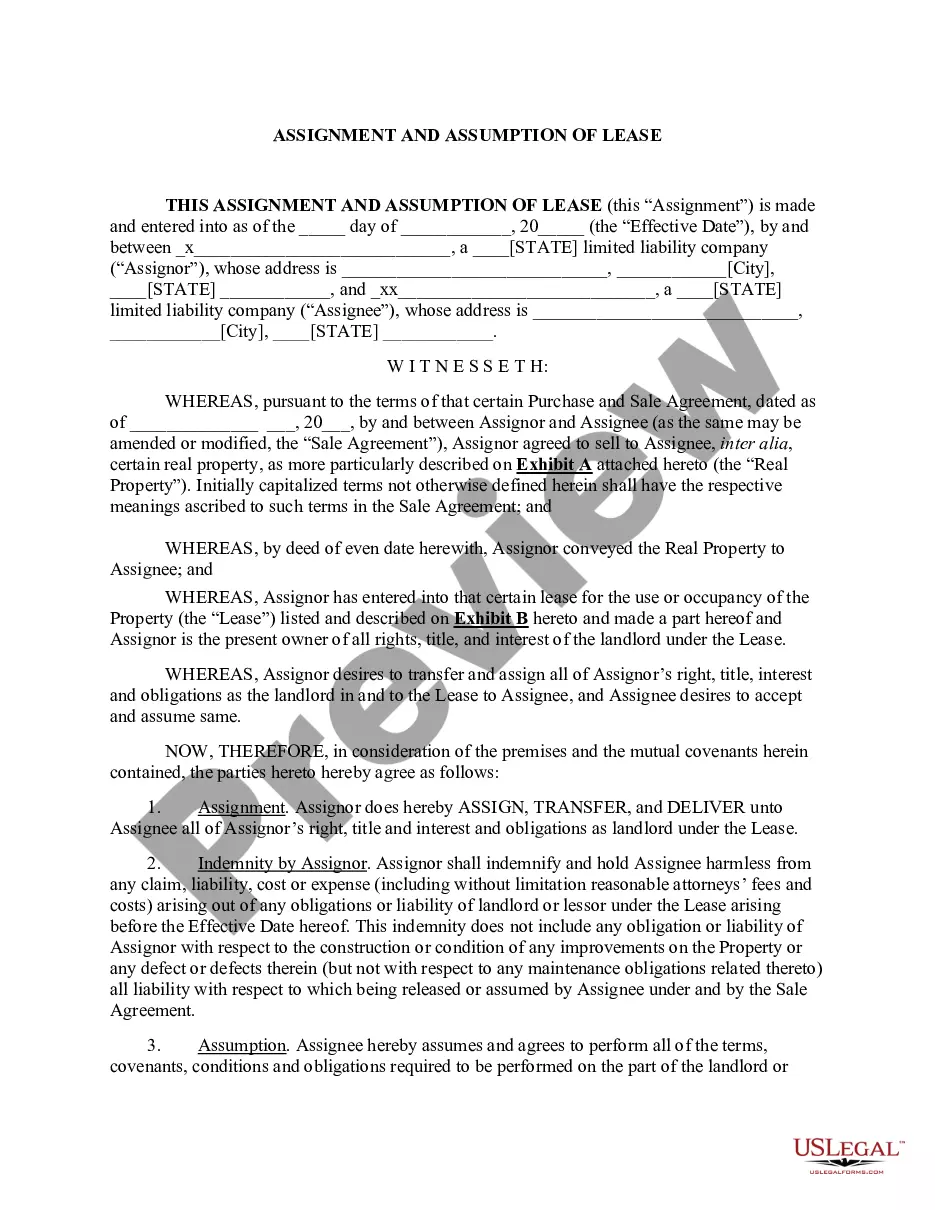
When to use this form
This form is typically used when a company seeks financing and needs to provide a lease as collateral. It is relevant in scenarios such as obtaining bank loans, negotiating credit agreements, or when a company enters a financial restructuring process and requires additional security for its obligations.
Intended users of this form
- Businesses that lease property and require financing.
- Limited liability companies involved in lending or borrowing agreements.
- Lenders seeking to secure their interests in a lease as part of the credit agreement.
- Landlords who need to review and consent to lease assignments.
Completing this form step by step
- Identify the parties involved: Provide names and details of the company, lenders, and landlord.
- Specify the property: Include the address and description of the leased property attached in Exhibit A.
- Enter relevant dates: Fill in the date of the assignment and any other pertinent timelines.
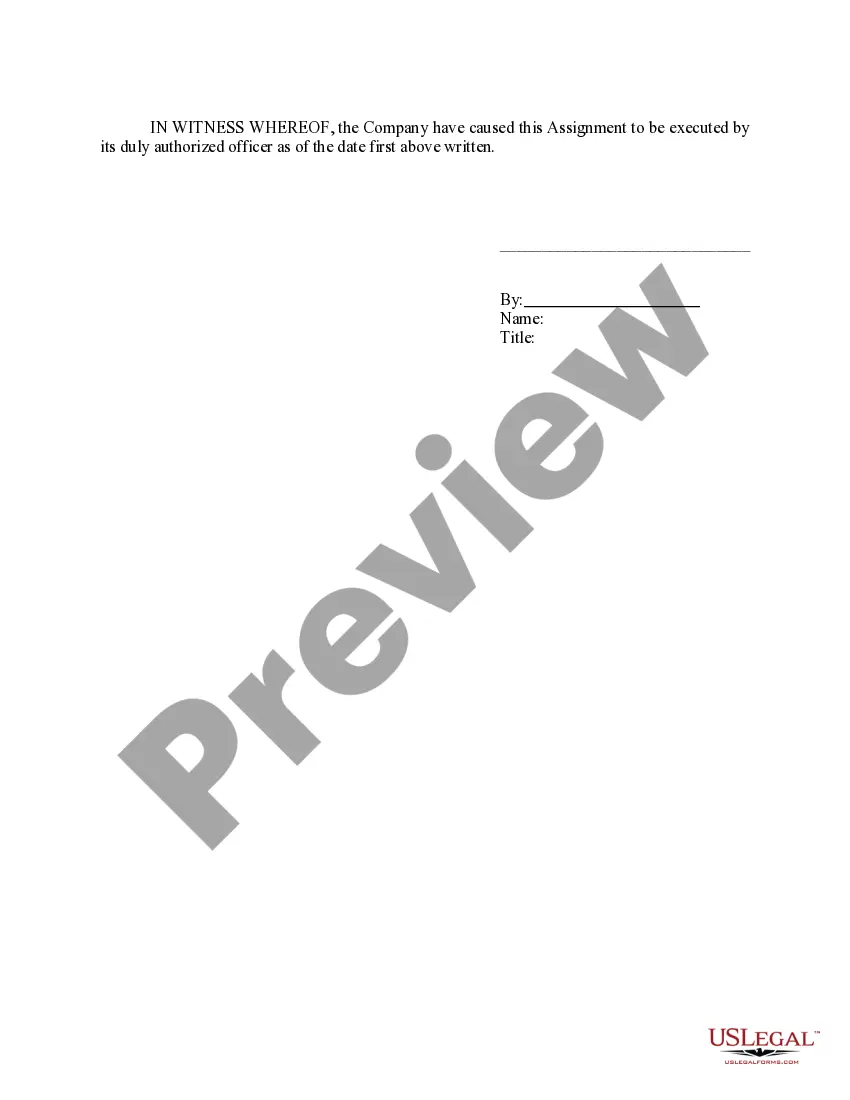
- Sign and date: Have authorized representatives of the company, lenders, and landlord execute the document.
- Review for completeness: Ensure all fields and conditions are addressed before finalizing the form.
Is notarization required?
This form does not typically require notarization to be legally valid. However, some jurisdictions or document types may still require it. US Legal Forms provides secure online notarization powered by Notarize, available 24/7 for added convenience.
Get your form ready online
Our built-in tools help you complete, sign, share, and store your documents in one place.
Make edits, fill in missing information, and update formatting in US Legal Forms—just like you would in MS Word.
Download a copy, print it, send it by email, or mail it via USPS—whatever works best for your next step.
Sign and collect signatures with our SignNow integration. Send to multiple recipients, set reminders, and more. Go Premium to unlock E-Sign.
If this form requires notarization, complete it online through a secure video call—no need to meet a notary in person or wait for an appointment.
We protect your documents and personal data by following strict security and privacy standards.

Make edits, fill in missing information, and update formatting in US Legal Forms—just like you would in MS Word.

Download a copy, print it, send it by email, or mail it via USPS—whatever works best for your next step.

Sign and collect signatures with our SignNow integration. Send to multiple recipients, set reminders, and more. Go Premium to unlock E-Sign.

If this form requires notarization, complete it online through a secure video call—no need to meet a notary in person or wait for an appointment.

We protect your documents and personal data by following strict security and privacy standards.
Common mistakes
- Failing to include the landlord's consent, which is essential for the assignment to be valid.
- Not providing a complete description of the leased property, which can lead to ambiguity.
- Overlooking signatures from all parties, including witnesses if required.
Why complete this form online
- Convenience of accessing and completing the form from anywhere at any time.
- Editability allowing for adjustments before finalizing the document.
- Reliability of using templates created by licensed attorneys to ensure legal validity.
Summary of main points
- The Collateral Assignment of Lease secures the lender's rights in a lease agreement.
- Use this form when seeking financing and pledging lease rights as collateral.
- Ensure all parties review, sign, and consent to the assignment to avoid legal issues.
Looking for another form?
Form popularity
FAQ
A collateral assignment of lease is a legal document that pledges a company’s lease rights as security for financing. It gives a lender or agent a security interest in the lease and allows enforcement of those rights if the borrower defaults. Use this form when seeking bank loans, credit agreements, or financial restructuring that relies on the lease for security.
This form creates a security interest in the leasehold rights—the borrower's rights to occupy and benefit from the leased property—and ties them to a loan or obligation. The lender’s rights would be described as the security interest and would be enforceable if default occurs, with landlord consent and Exhibit A describing the property.
In this form, collateral assignment means the borrower pledges lease rights as security for a loan, not merely transferring them. The lender gains a security interest and can enforce the lease rights if default occurs. The document also contemplates landlord consent, a defined security interest, and default provisions.
The form itself doesn’t fix a timetable. Completion depends on negotiations, landlord consent, and signing by all parties. To facilitate faster execution, prepare Exhibit A with the property description and ensure all party details and identifications are complete before signing.
Generally, the tenant remains liable for lease obligations unless the landlord releases them or the assignee assumes those duties. The form requires landlord consent and outlines default remedies, but does not automatically absolve the tenant from ongoing lease obligations.
This form creates a lender’s security interest in the lease rights and includes sections for security interest, conditions of default, and landlord consent, enabling enforcement by the lender if the borrower defaults. A standard assignment typically transfers rights; collateral assignment adds financing security while preserving borrower financing access.