Health Insurance for Summer Interns
What is this form?
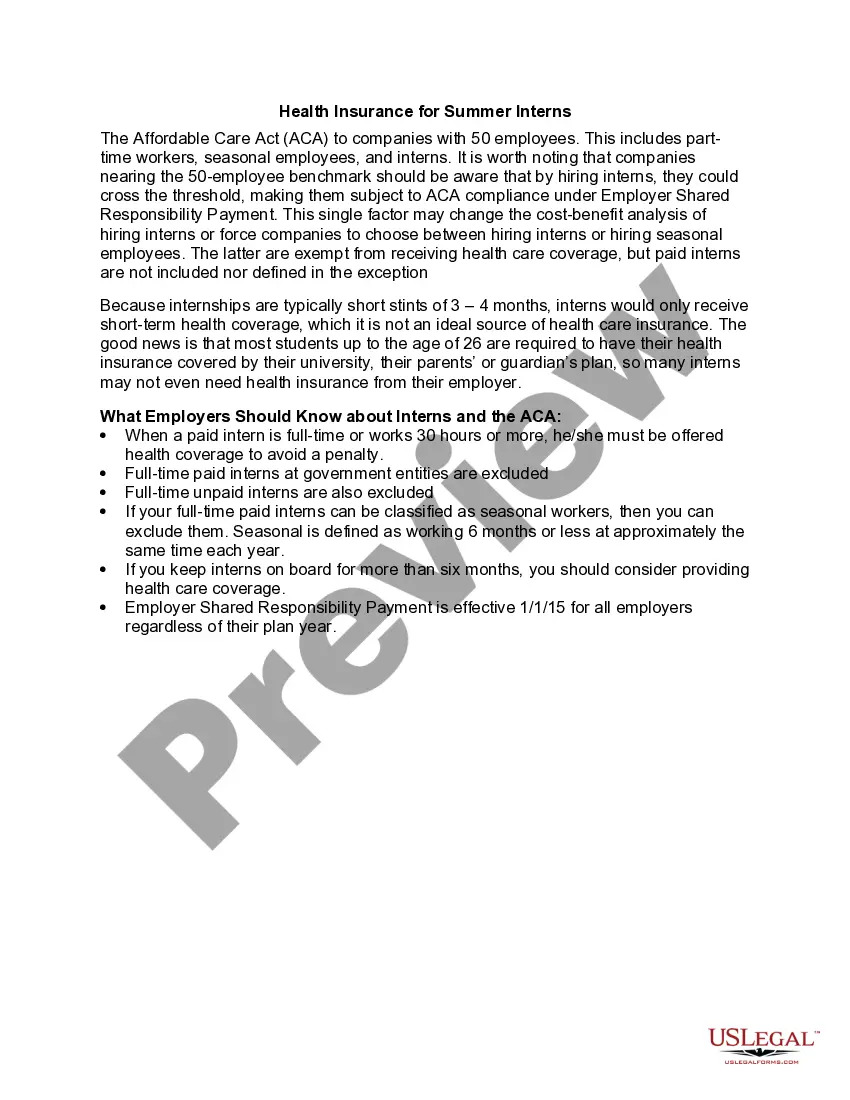
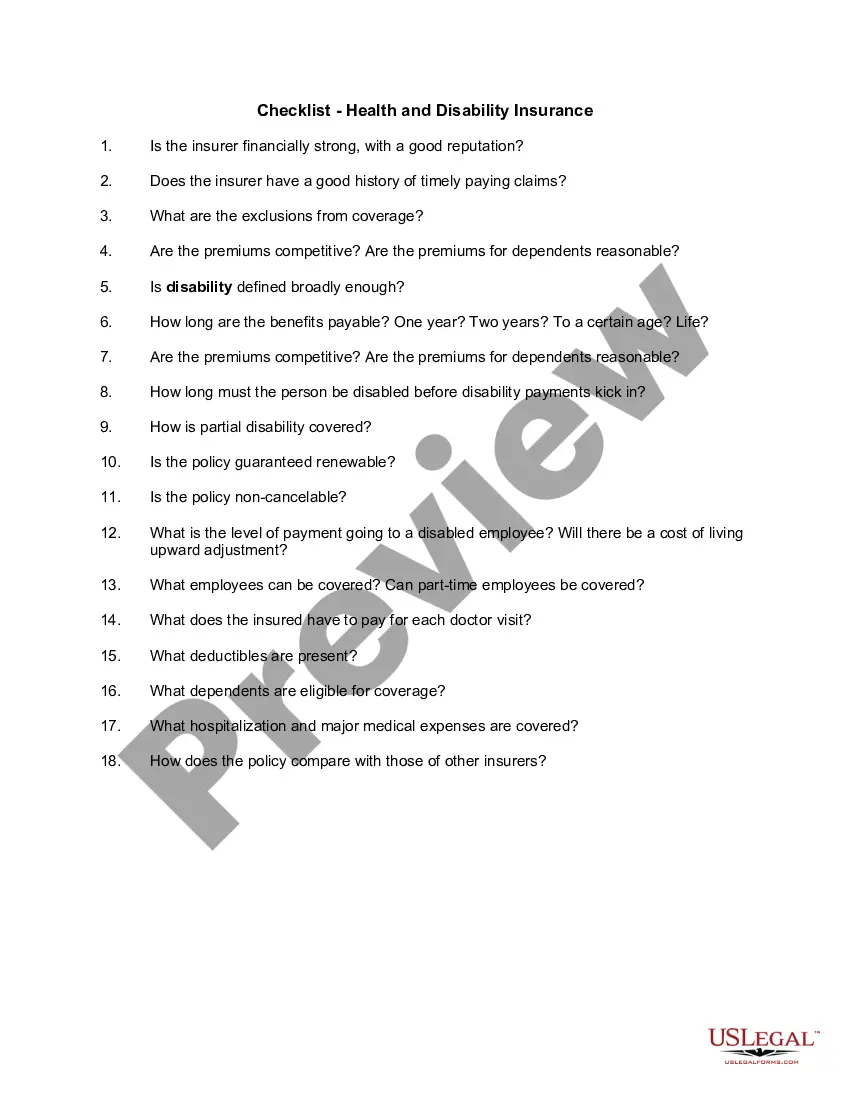
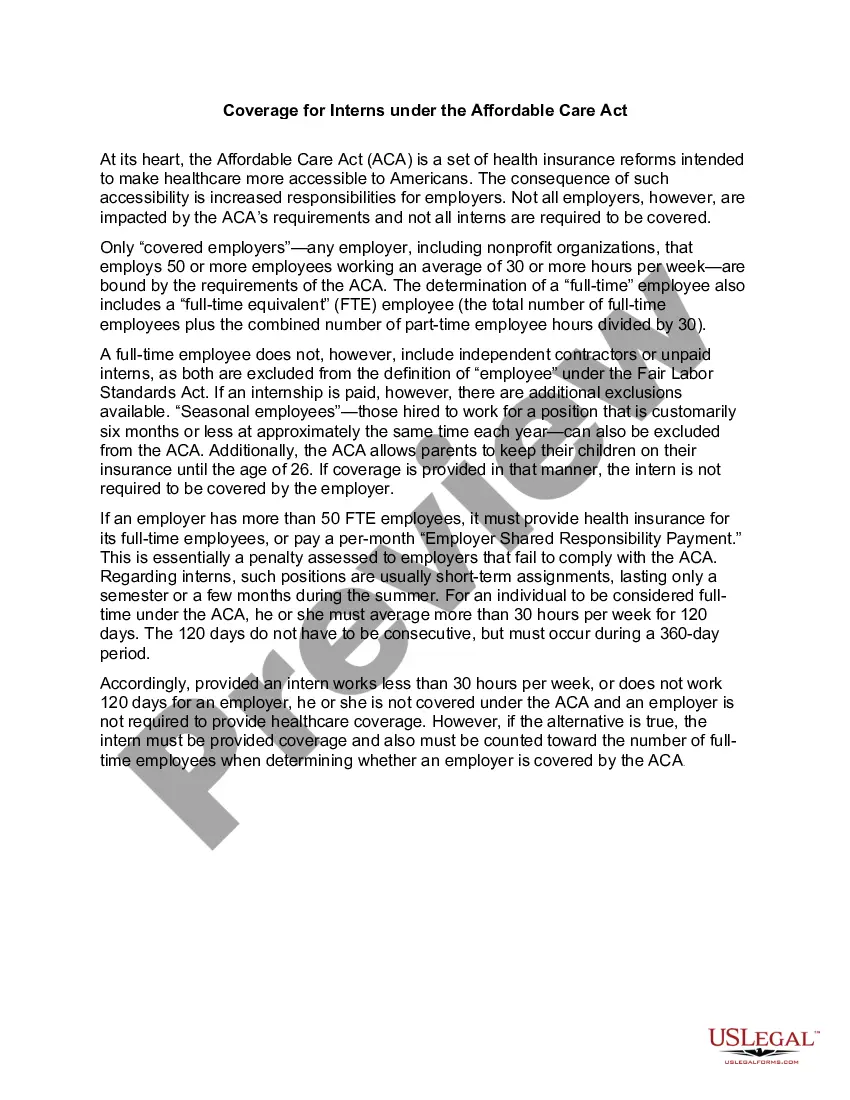
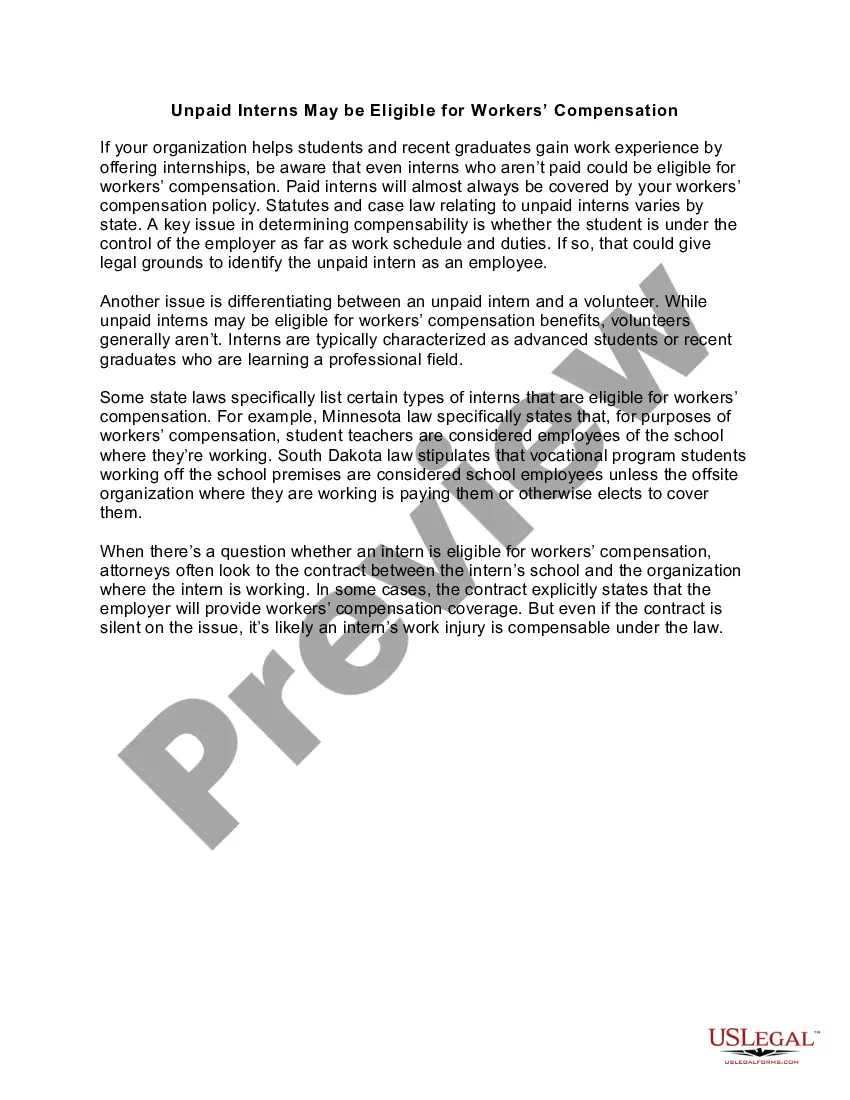
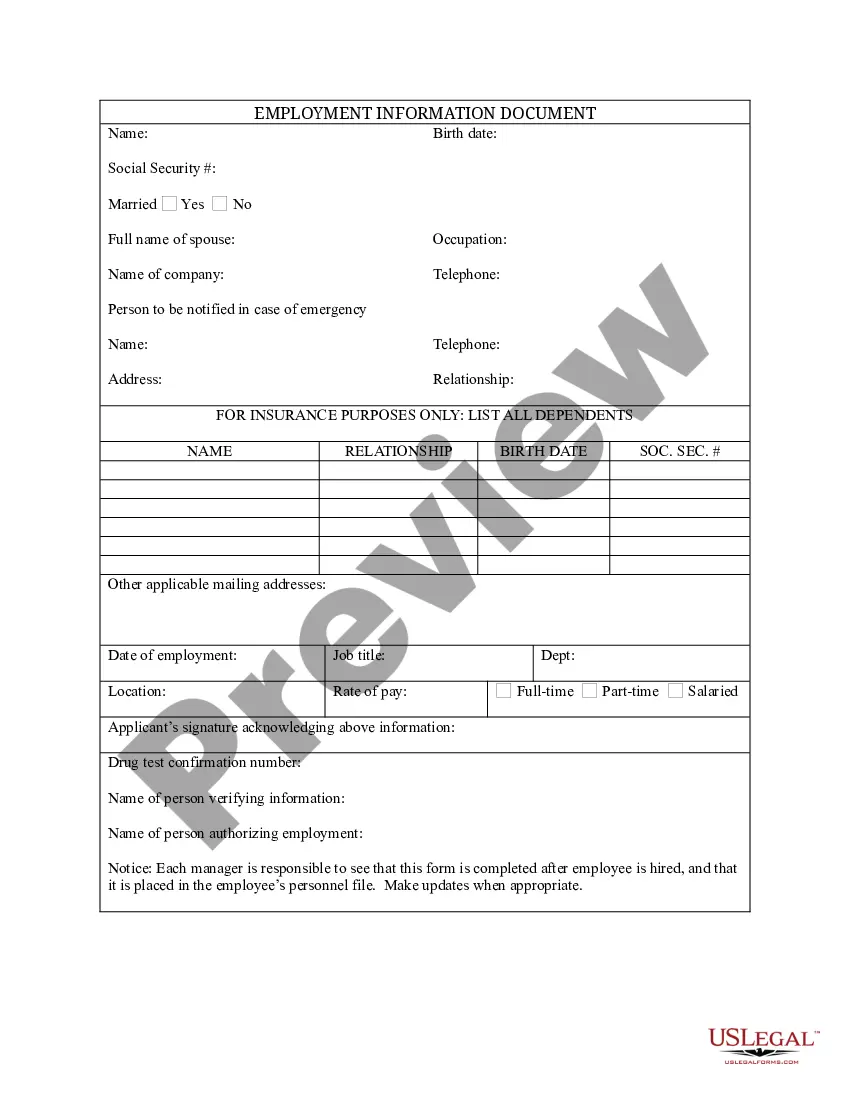
The Health Insurance for Summer Interns form is a legal document designed to clarify the obligations of employers regarding health insurance coverage for paid interns. This form outlines details related to the Affordable Care Act (ACA) and compliance for companies that hire interns, ensuring they understand whether these interns require health insurance. By completing this form, employers can navigate legal complexities and avoid penalties while supporting their interns effectively.
Key parts of this document
- Definitions of paid interns and their eligibility for health coverage
- Obligations under the Affordable Care Act for employers
- Guidelines for classifying interns as seasonal employees
- Clarification of health coverage requirements for full-time interns
- Considerations for interns' existing health insurance coverage through parents or educational institutions
When to use this form
This form should be used whenever a nonprofit or business is considering onboarding summer interns, particularly if those interns will be receiving payment. It is important to ensure that the company meets ACA requirements, especially if hiring arrangements could impact employee count or insurance obligations. Using this form helps streamline the process of addressing health insurance coverage effectively.
Who needs this form
- Nonprofits and businesses planning to hire paid summer interns
- HR managers responsible for employee benefits and compliance
- Business owners evaluating the implications of hiring interns
- Legal professionals advising companies on ACA requirements
How to prepare this document
- Identify the intern's status as paid or unpaid.
- Determine if the intern will work full-time (30 hours or more) or part-time.
- Outline any existing health insurance coverage options for the intern.
- Decide on the classification of the intern (seasonal, if applicable).
- Fill in all relevant sections accurately and submit in accordance with your company's policy.
Does this form need to be notarized?
Notarization is generally not required for this form. However, certain states or situations might demand it. You can complete notarization online through US Legal Forms, powered by Notarize, using a verified video call available anytime.
Get your form ready online
Our built-in tools help you complete, sign, share, and store your documents in one place.
Make edits, fill in missing information, and update formatting in US Legal Forms—just like you would in MS Word.
Download a copy, print it, send it by email, or mail it via USPS—whatever works best for your next step.
Sign and collect signatures with our SignNow integration. Send to multiple recipients, set reminders, and more. Go Premium to unlock E-Sign.
If this form requires notarization, complete it online through a secure video call—no need to meet a notary in person or wait for an appointment.
We protect your documents and personal data by following strict security and privacy standards.

Make edits, fill in missing information, and update formatting in US Legal Forms—just like you would in MS Word.

Download a copy, print it, send it by email, or mail it via USPS—whatever works best for your next step.

Sign and collect signatures with our SignNow integration. Send to multiple recipients, set reminders, and more. Go Premium to unlock E-Sign.

If this form requires notarization, complete it online through a secure video call—no need to meet a notary in person or wait for an appointment.

We protect your documents and personal data by following strict security and privacy standards.
Avoid these common issues
- Assuming unpaid interns do not require health coverage without verifying their status.
- Failing to classify interns correctly which can lead to miscompliance with ACA.
- Not considering existing health insurance options available to interns.
- Overlooking the intern's work hours when determining the health coverage obligation.
Benefits of completing this form online
- Convenience of downloading and customizing the form to fit your needs.
- Quick access to updates on compliance requirements related to interns.
- Reliable templates drafted by licensed attorneys to ensure legal soundness.
Legal use & context
- This form ensures compliance with federal laws governing health insurance for interns.
- Employers may face penalties for failing to provide required coverage to eligible interns.
- It is essential to review state-specific laws regarding intern employment and health insurance obligations.
Main things to remember
- Understand the classification of interns and their implications for health insurance.
- Employers with 50 or more employees must comply with ACA regulations.
- Interns generally should already have health insurance covered through other entities.
- Organizations must assess whether to provide health insurance for long-term paid interns.
Looking for another form?
Form popularity
FAQ
A seasonal employee is an employee who is hired into a position for which the customary annual employment is six months or less. Customary means an employee who typically works each calendar year in approximately the same part of the year, such as summer or winter.
Directly hired temporary workers, including seasonal workers, often don't receive any benefits. Some employers may offer certain basic benefits to temporary workers, but other benefits, such as retirement plans and pensions, may only be available to permanent employees.
There are no legal requirements, so health insurance plans on temporary contracts are typically short-term. If you intend to work for a staffing company longer than a year, consider purchasing an individual policy.
A seasonal employee is an employee who is hired into a position for which the customary annual employment is six months or less. The reference to the term customary means the seasonal employees normally work around the same time each calendar year, such as during summer months or the holiday season.
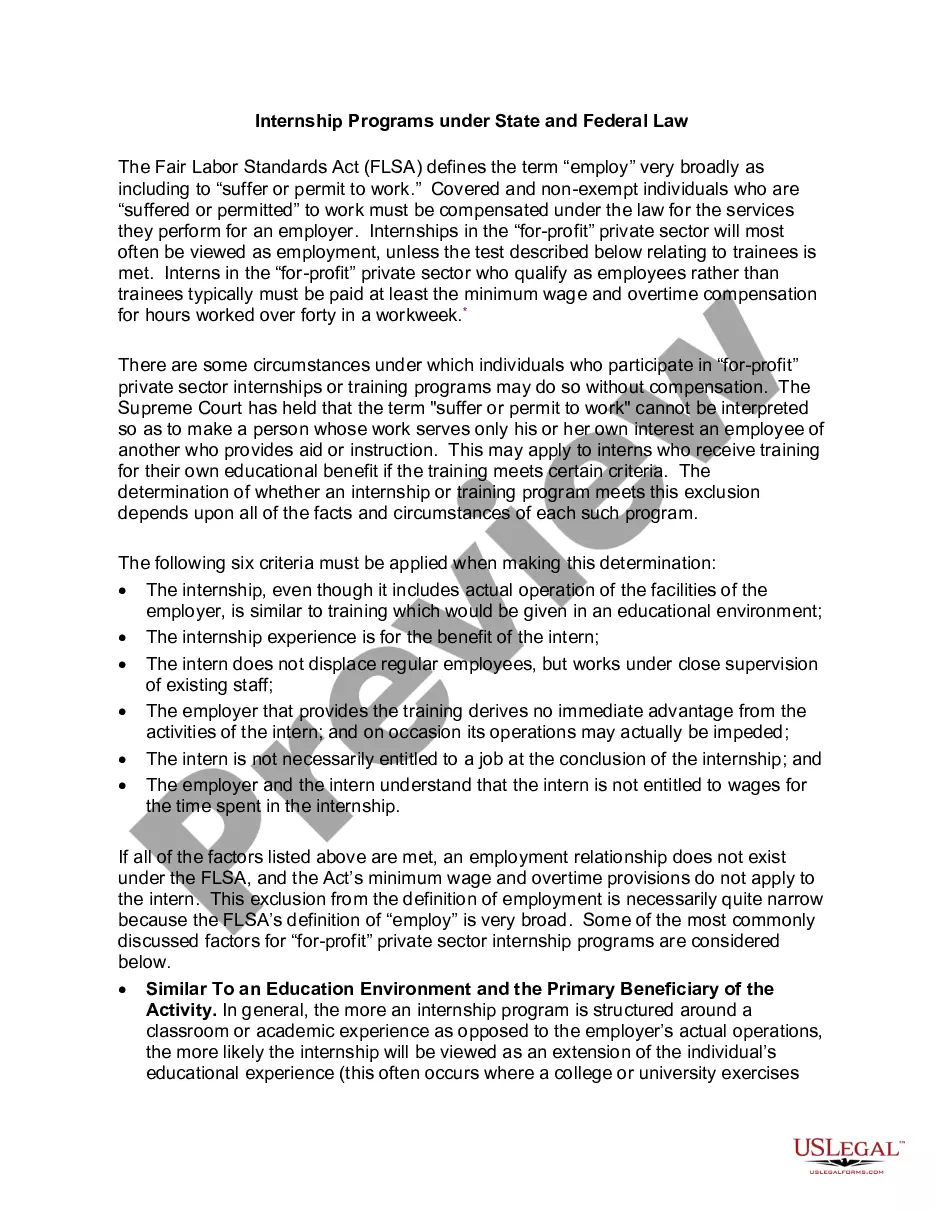
Unless all of the following criteria are met, the intern is legally an employee, who must be paid the minimum wage, earn overtime, and receive all of the other protections guaranteed by state and federal employment laws: Interns cannot displace regular employees.
Seasonal internships give students the chance to work at an establishment and leave once the internship has been completed.
Gain valuable work experience. Explore a career path. Give yourself an edge in the job market. Develop and refine skills. Receive financial compensation. Network with professionals in the field. Gain confidence. Transition into a job.
All of your full-time workers, seasonal or not, would be eligible for health insurance in any month in which they average at least 30 hours per week. (That comes out to 130 hours worked per month.)Under the law, you have a responsibility to provide her with insurance coverage or pay a penalty in June and August.
If you hire summer interns at the same time each year, it is a good sign they are seasonal employees. This is usually done because your company needs work completed during the summer or because of the employees' availability. They are only seasonal employees if they do not work longer than 6 months.