Contract for Design and Construction of Manufacturing Facility
Understanding this form
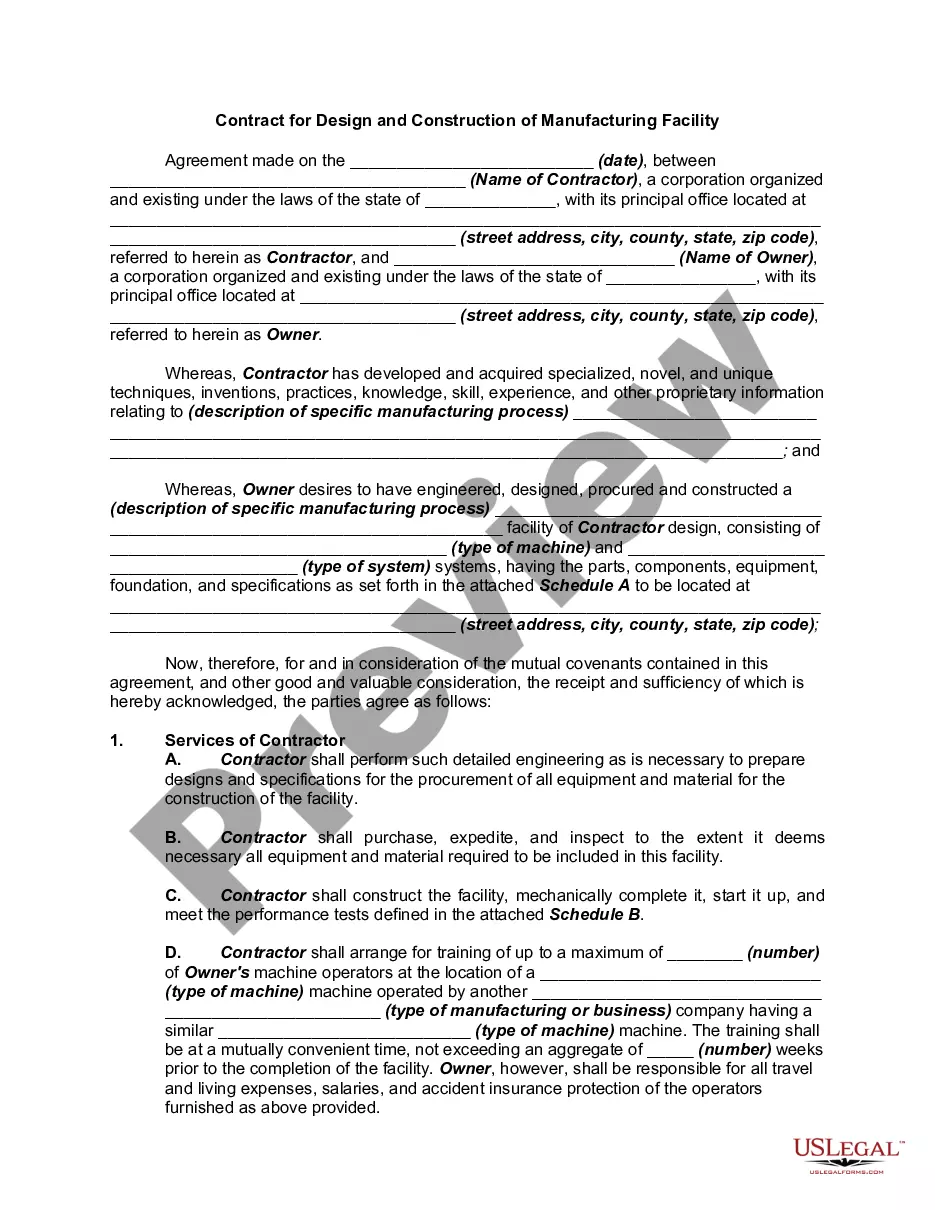
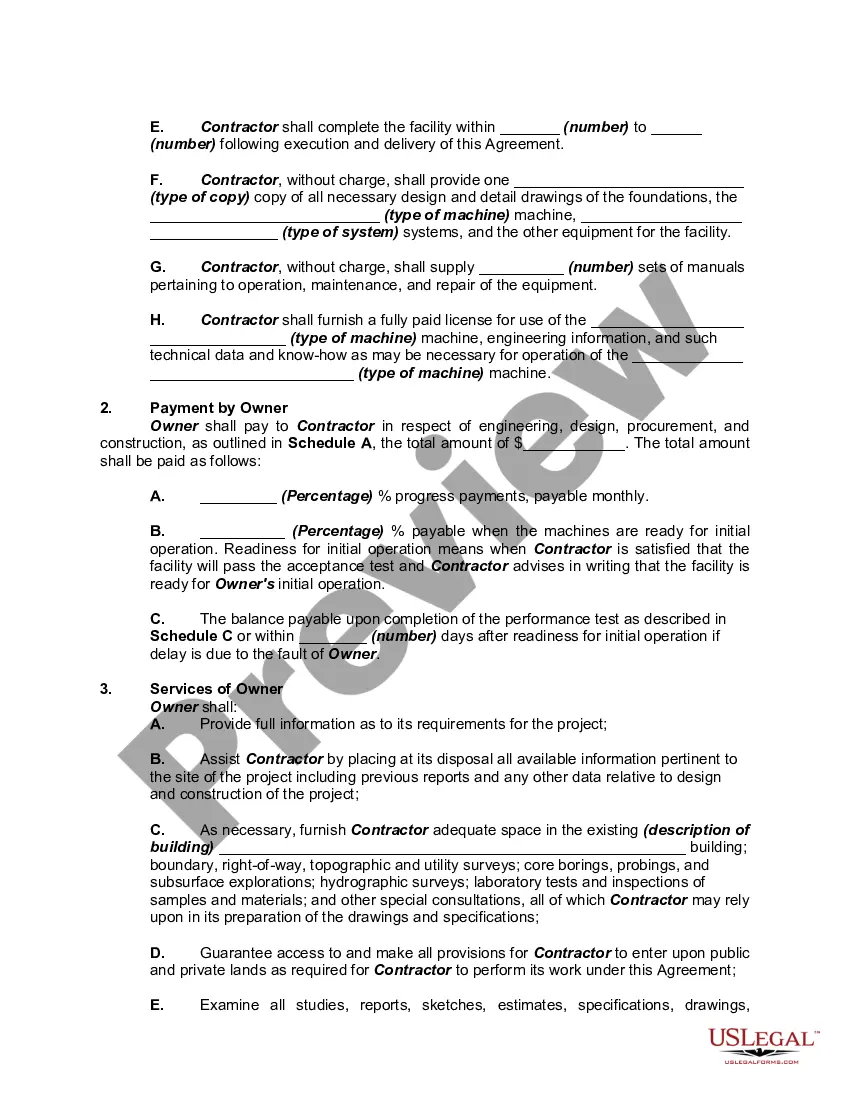
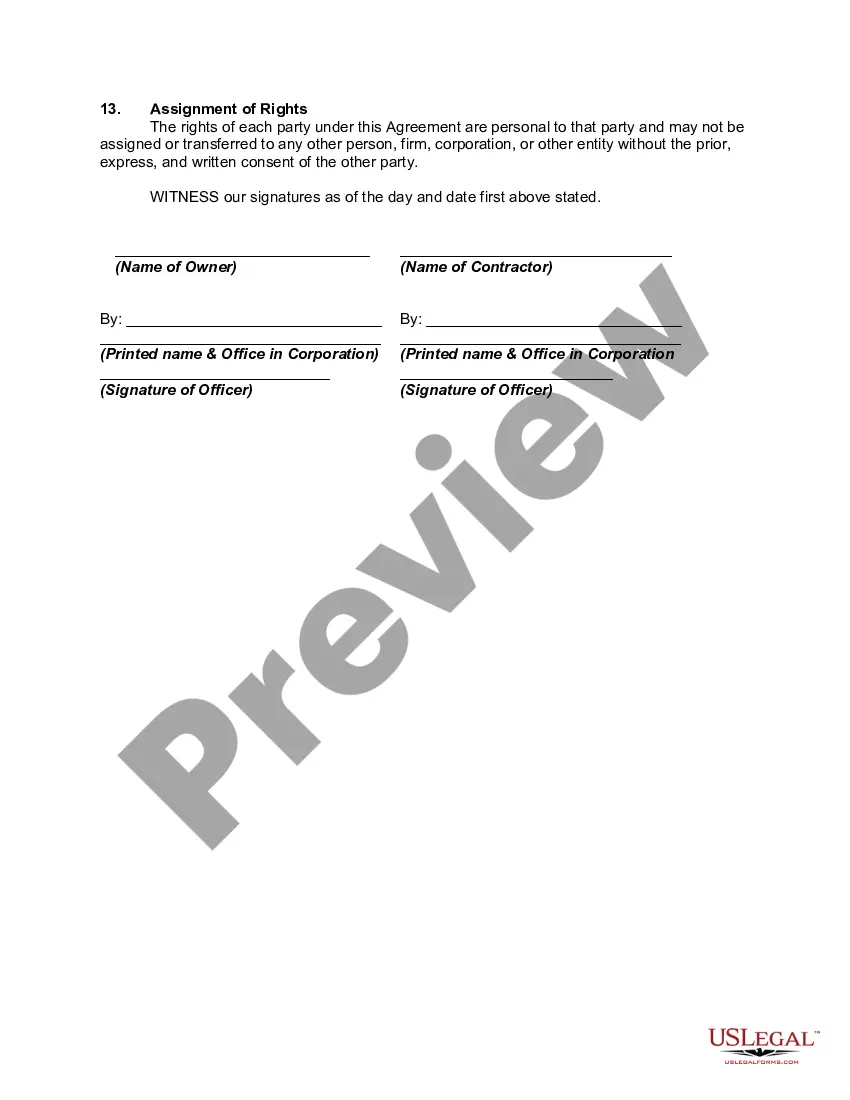
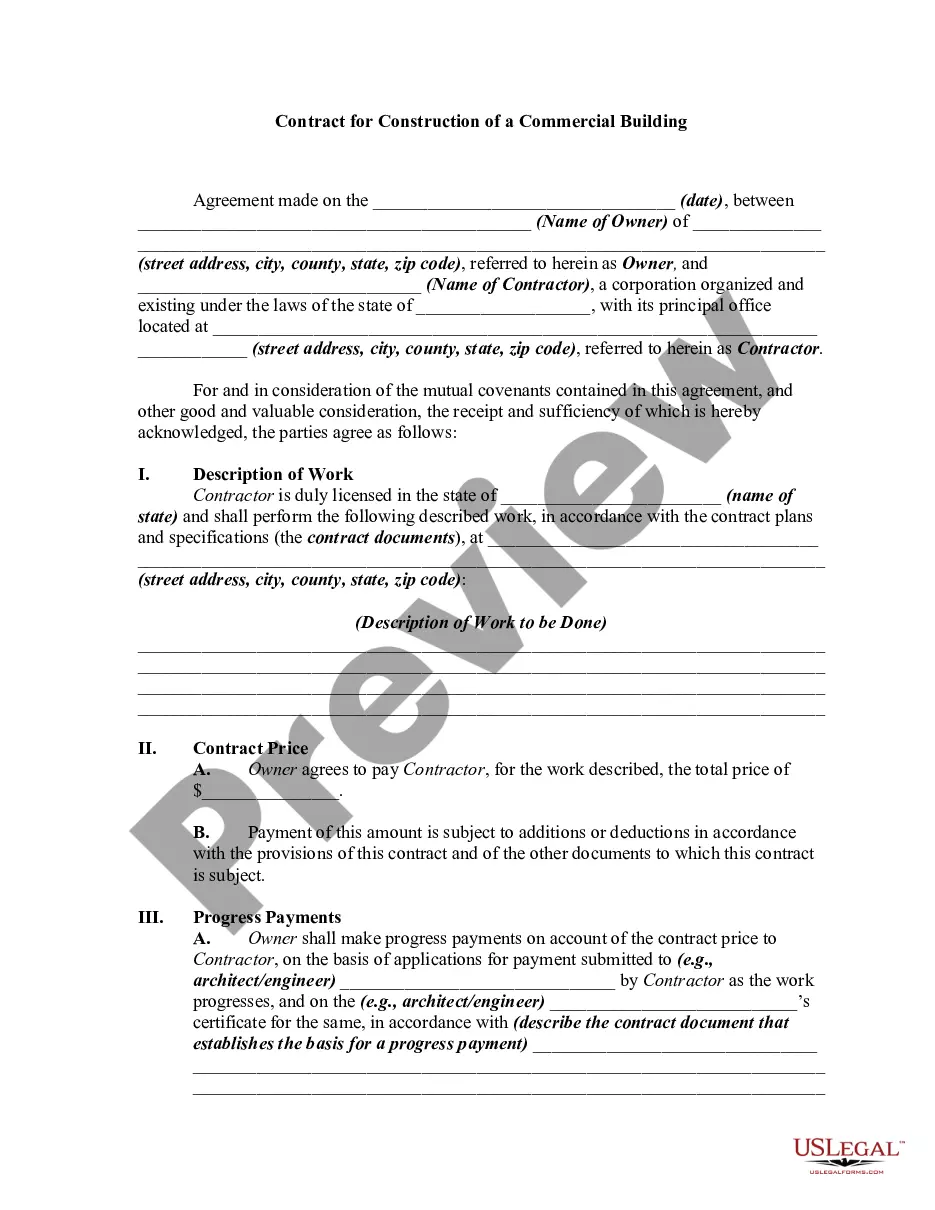
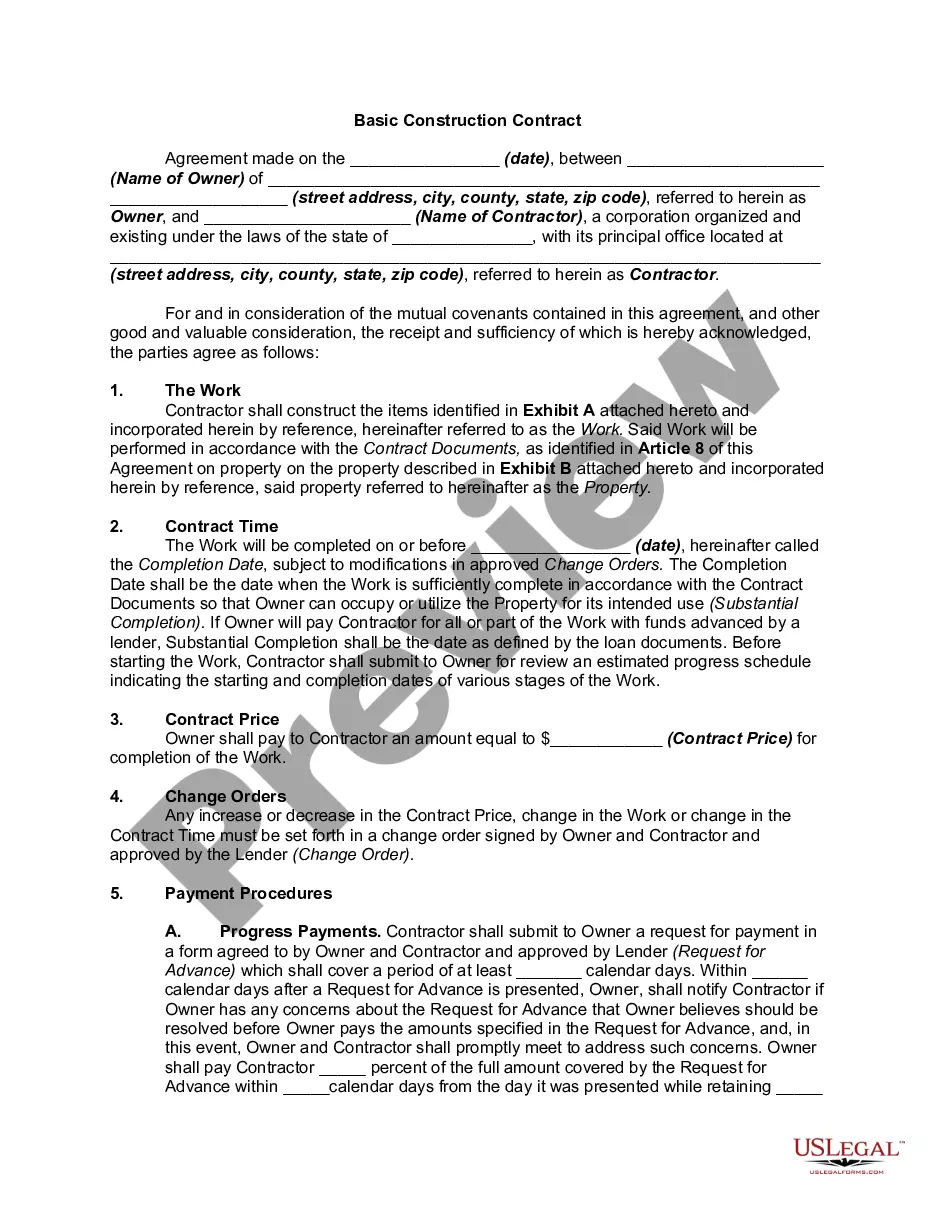
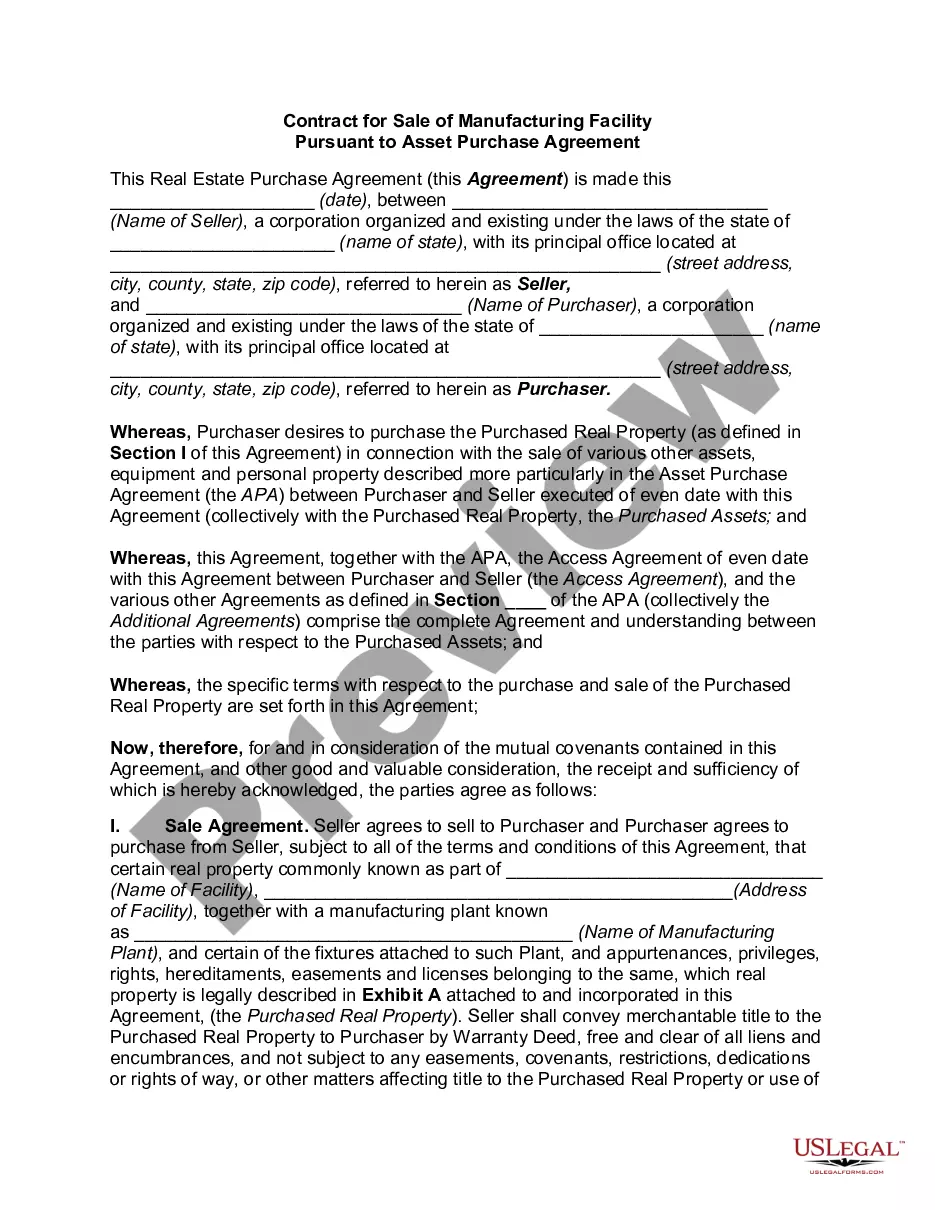
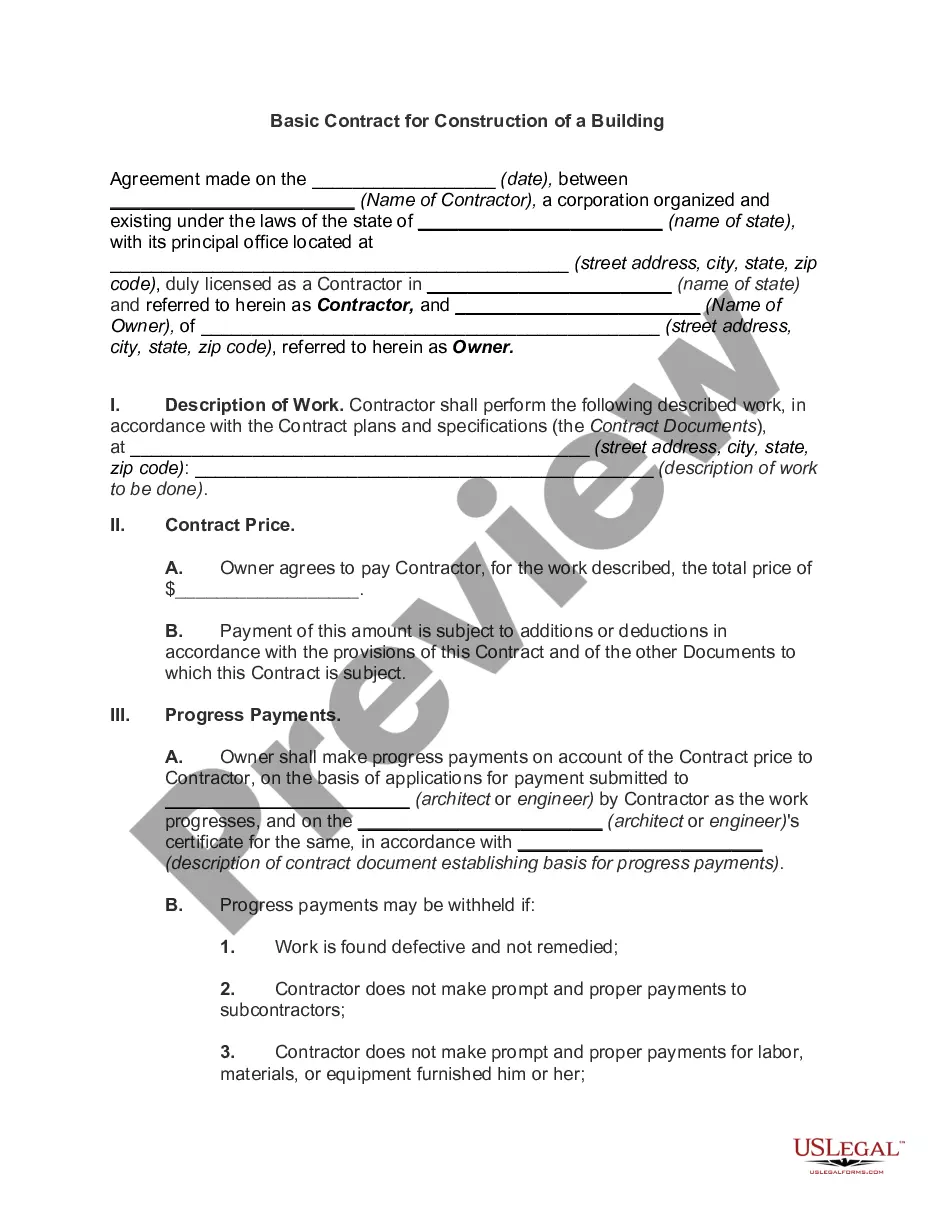
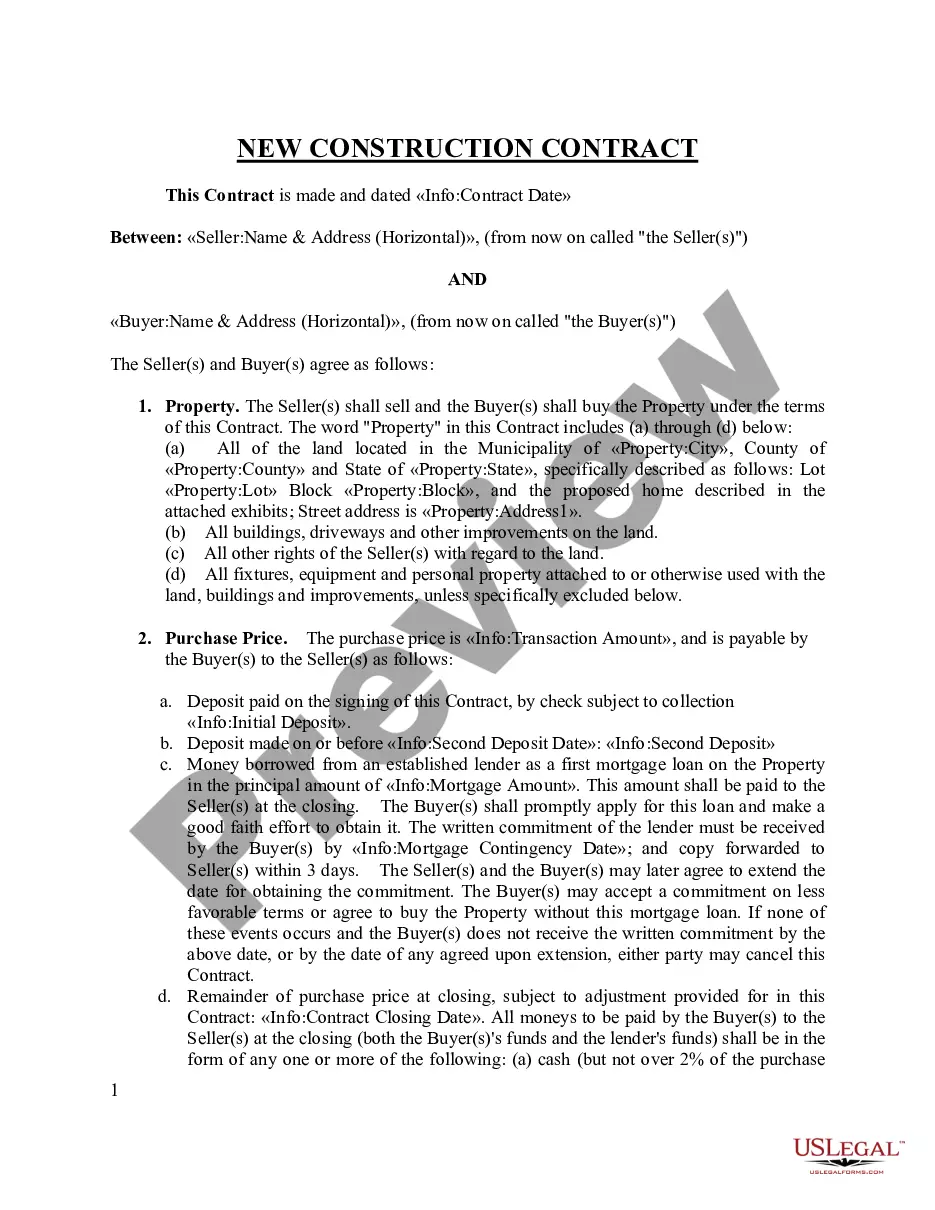
This form is a Contract for Design and Construction of Manufacturing Facility. It establishes the agreement between a contractor and an owner regarding the design and construction process for a manufacturing facility. Specifically tailored for the manufacturing sector, this contract ensures that all parties understand their commitments, responsibilities, and the scope of work involved in the project.
Form components explained
- Date of the agreement
- Name and address of the contractor and owner
- Description of the manufacturing process and facility to be constructed
Common use cases
You should use this form when entering into a contractual relationship for the design and construction of a manufacturing facility. This includes scenarios such as starting a new manufacturing operation, expanding an existing facility, or implementing new production technologies. The contract helps clarify expectations and provides a legal framework for the project, protecting both partiesâ interests.
Who should use this form
This form is ideal for:
- Manufacturing companies seeking to engage contractors for facility construction
- Contractors with expertise in building manufacturing facilities
- Project managers responsible for overseeing construction projects
- Owners needing to secure detailed agreements with contractors
Steps to complete this form
Follow these steps to complete the contract:
- Identify the parties involved by entering their legal names and addresses.
- Fill in the date of agreement and describe the specific manufacturing process and facility.
- Clearly outline the services the contractor will provide and the payment schedule.
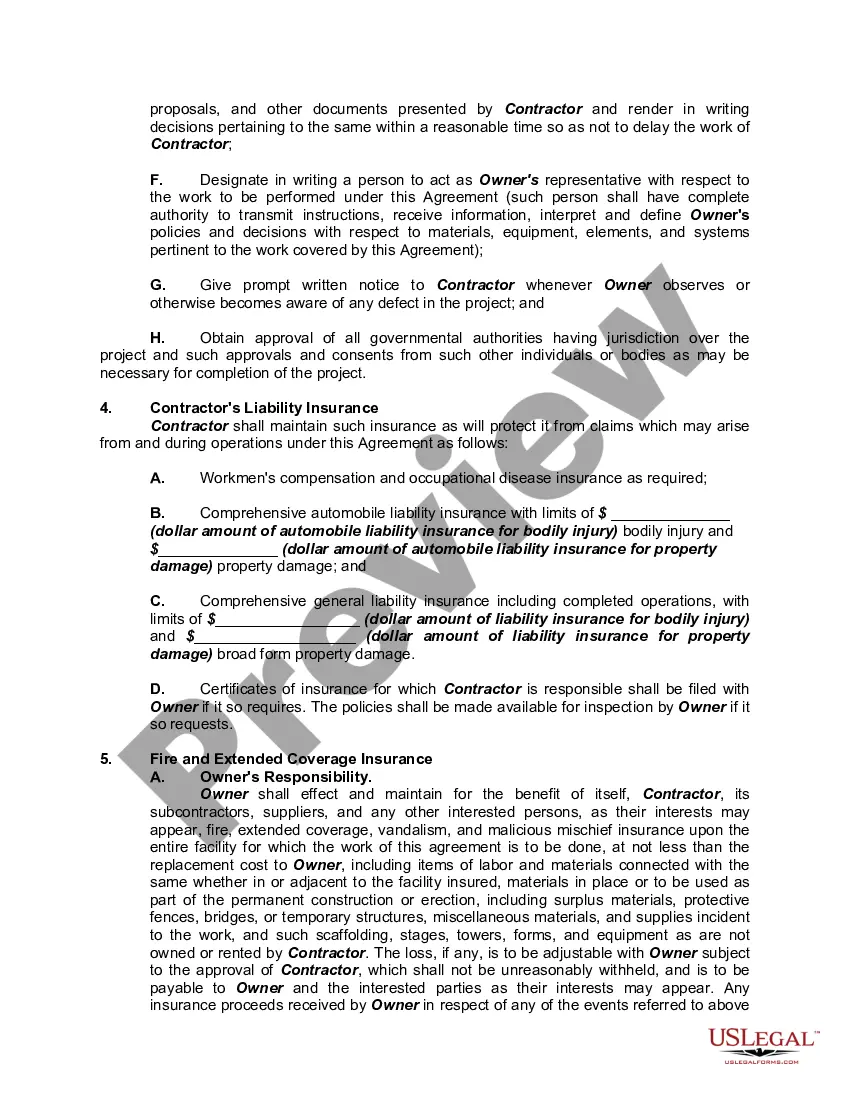
- Specify the liability insurance requirements for the contractor.
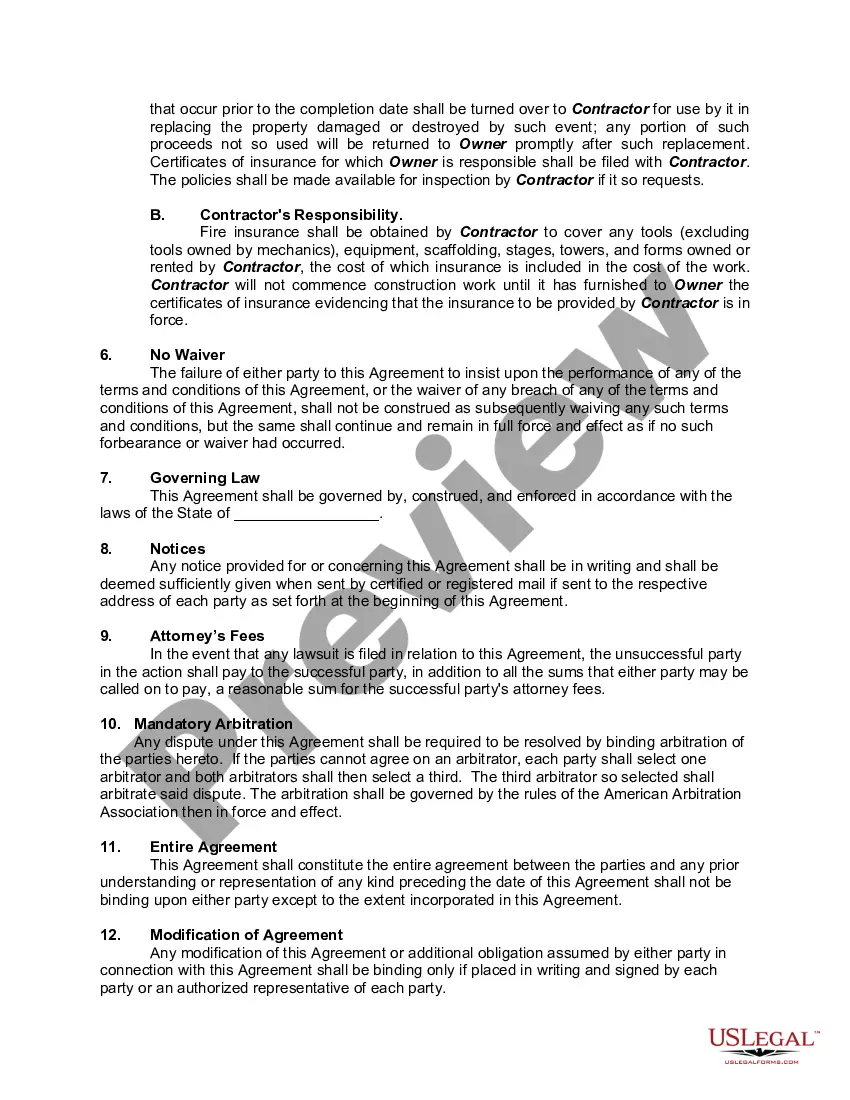
- Include the governing law and any terms regarding dispute resolution and arbitration.
Notarization guidance
Notarization is not commonly needed for this form. However, certain documents or local rules may make it necessary. Our notarization service, powered by Notarize, allows you to finalize it securely online anytime, day or night.
Get your form ready online
Our built-in tools help you complete, sign, share, and store your documents in one place.
Make edits, fill in missing information, and update formatting in US Legal Forms—just like you would in MS Word.
Download a copy, print it, send it by email, or mail it via USPS—whatever works best for your next step.
Sign and collect signatures with our SignNow integration. Send to multiple recipients, set reminders, and more. Go Premium to unlock E-Sign.
If this form requires notarization, complete it online through a secure video call—no need to meet a notary in person or wait for an appointment.
We protect your documents and personal data by following strict security and privacy standards.

Make edits, fill in missing information, and update formatting in US Legal Forms—just like you would in MS Word.

Download a copy, print it, send it by email, or mail it via USPS—whatever works best for your next step.

Sign and collect signatures with our SignNow integration. Send to multiple recipients, set reminders, and more. Go Premium to unlock E-Sign.

If this form requires notarization, complete it online through a secure video call—no need to meet a notary in person or wait for an appointment.

We protect your documents and personal data by following strict security and privacy standards.
Common mistakes
- Failing to specify the exact details of the manufacturing process.
- Not clearly defining payment schedules or milestones.
- Omitting necessary insurance or liability clauses.
- Neglecting to obtain proper approvals from governing bodies.
Why complete this form online
- Access to professionally drafted legal forms that comply with industry standards.
- Convenience of downloading and customizing the form to meet your specific needs.
- Clear structure that guides you through the necessary components, reducing the risk of errors.
- This contract form is enforceable in a court of law, provided it is filled out correctly and signed by both parties.
- Parties should keep copies of the signed agreement for their records and future reference.
What to keep in mind
- This contract is essential for any manufacturing facility design and construction project.
- It's important to understand the roles and responsibilities of both parties involved.
- Ensuring compliance with local laws can prevent legal disputes.
Looking for another form?
Form popularity
FAQ
Identifying/Contact Information. Title and Description of the Project. Projected Timeline and Completion Date. Cost Estimate and Payment Schedule. Stop Work Clause and Stop Payment Clause. Act of God Clause. Change Order Agreement. Warranty.
Design and build is a term describing a procurement route in which the main contractor is appointed to design and construct the works, as opposed to a traditional contract, where the client appoints consultants to design the development and then a contractor is appointed to construct the works.
Design-build is a project delivery method in which the owner contracts directly with one entity to provide both the design and construction of the project. It is important to recognize that a design-builder assumes responsibility and liability for both the design services and construction work.
Typically, the direct labor and overhead costs are combined into the burdened labor rate. The average burdened labor rate for North America is about $40. If a widget has $500 of materials and takes 1 hour of labor, the cost is $540 ($500 plus 1 hour at $40 per hour). A profit margin will then be added to the $540.
Contract manufacturing involves outsourcing a product's manufacturing process to a trusted manufacturer. Engineers from the company seeking service will provide complete drawings and documentation and the CM will then manufacture the product from start to finish therefore taking the production burden off of companies.
The short answer: The difference is very subtle. The main difference being that contract manufacturing is a form of outsourcing to practice when you don't have access to the necessary resources to produce products. And outsourcing is usually a tactic to redistribute resources and reduce costs.