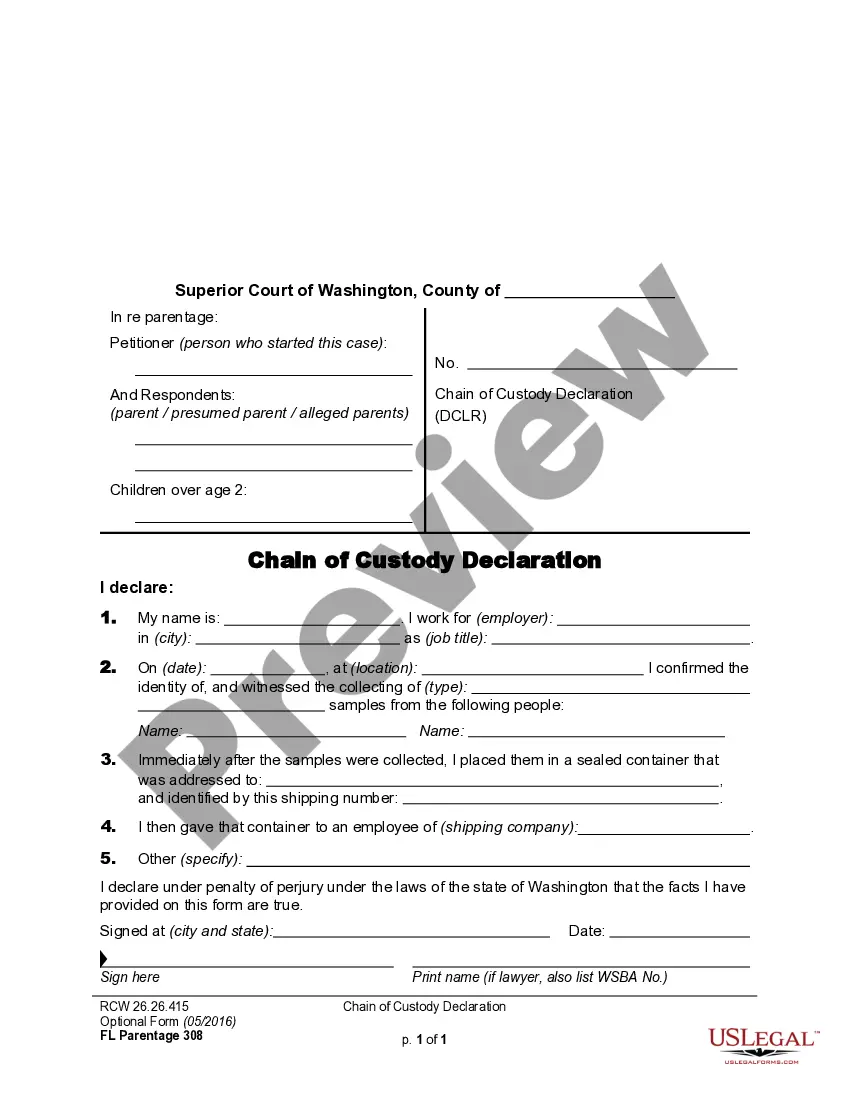
Instructions to Clients - Short
What this document covers
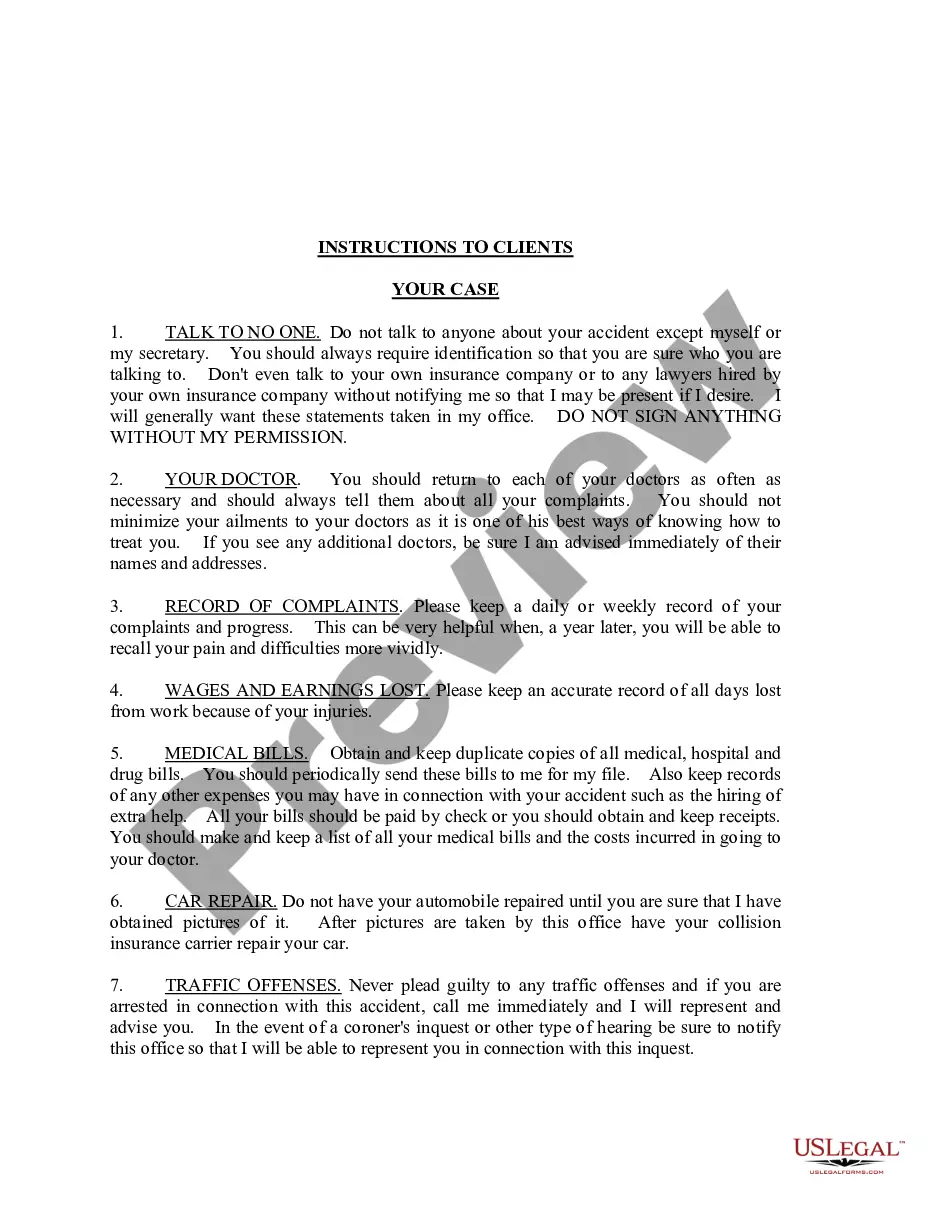
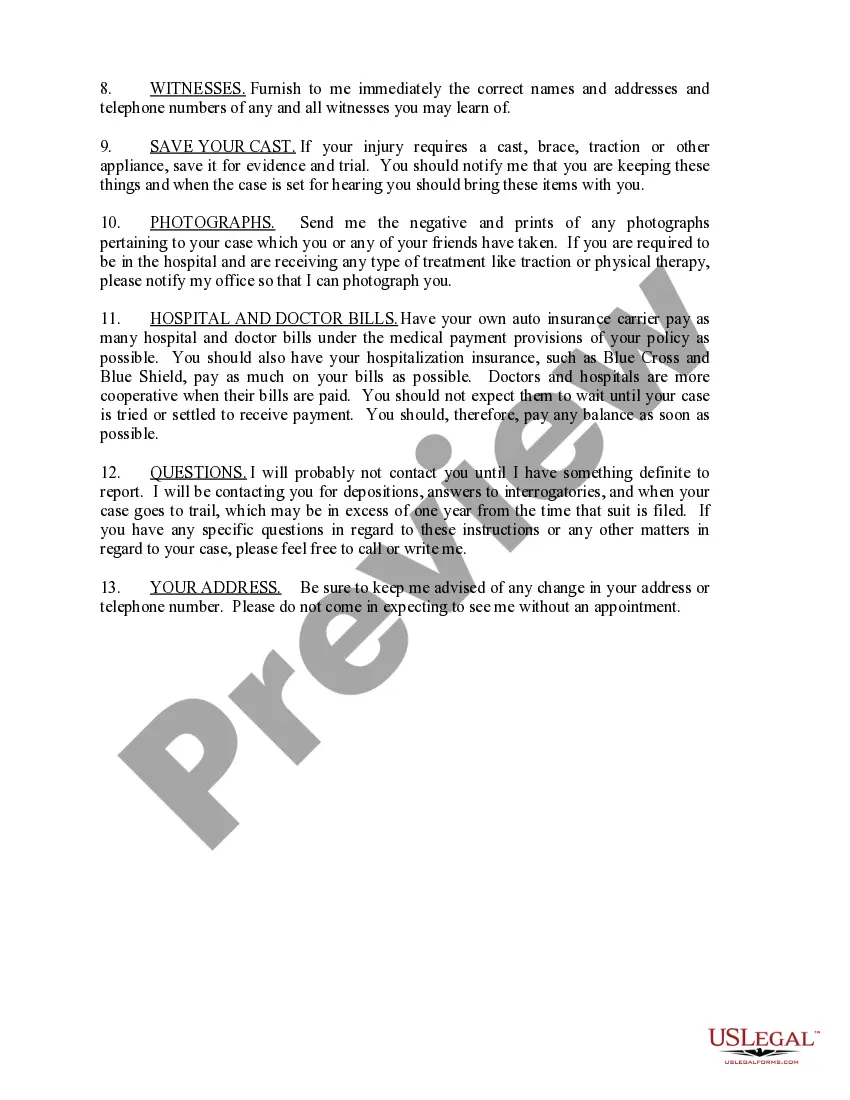
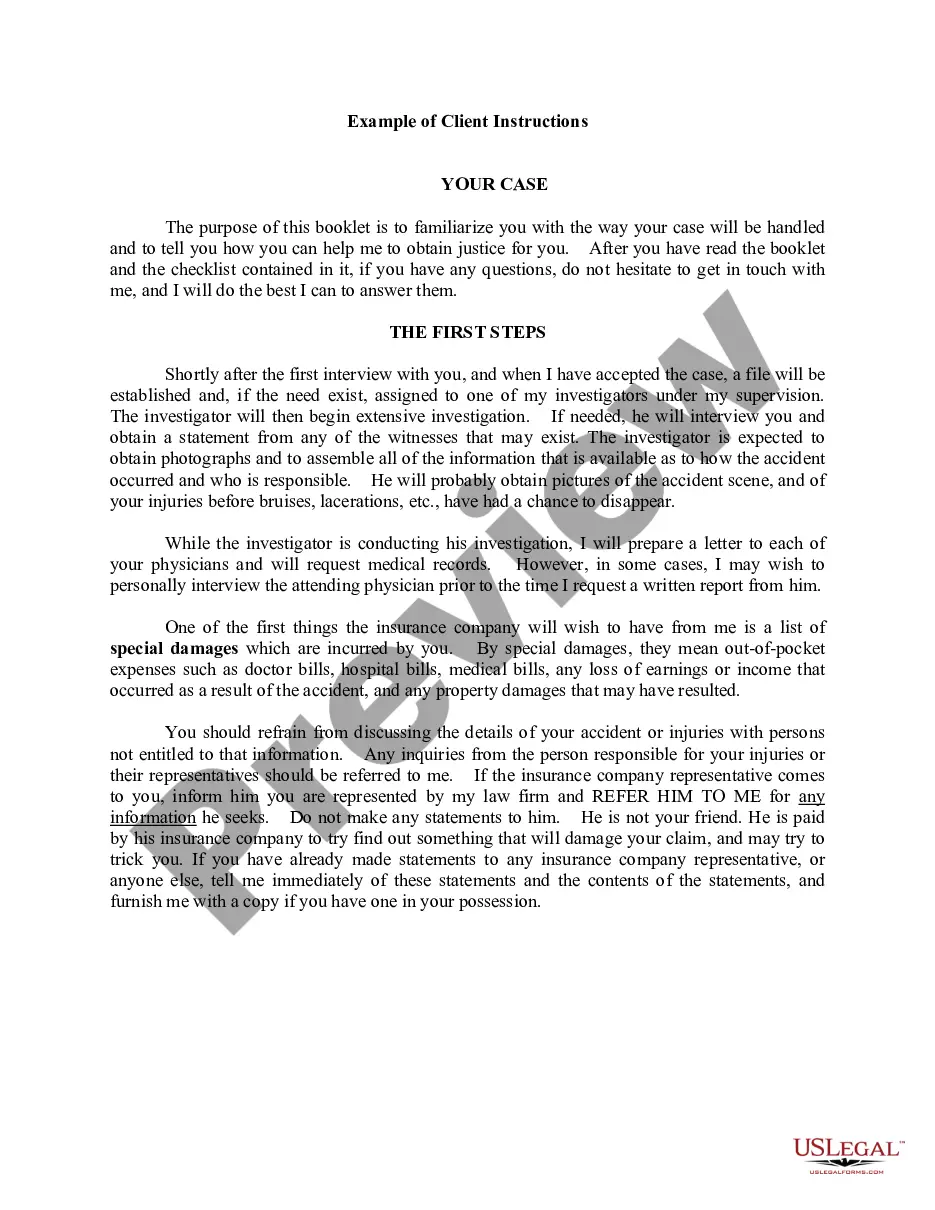
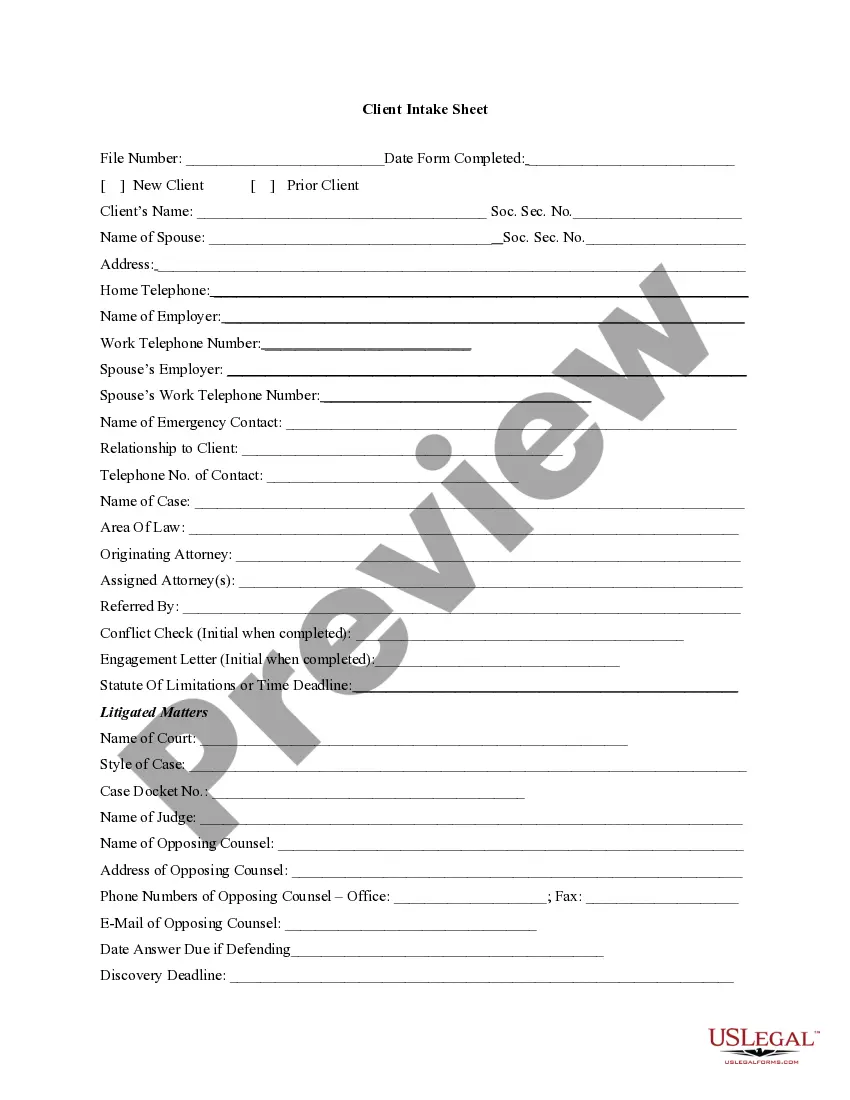
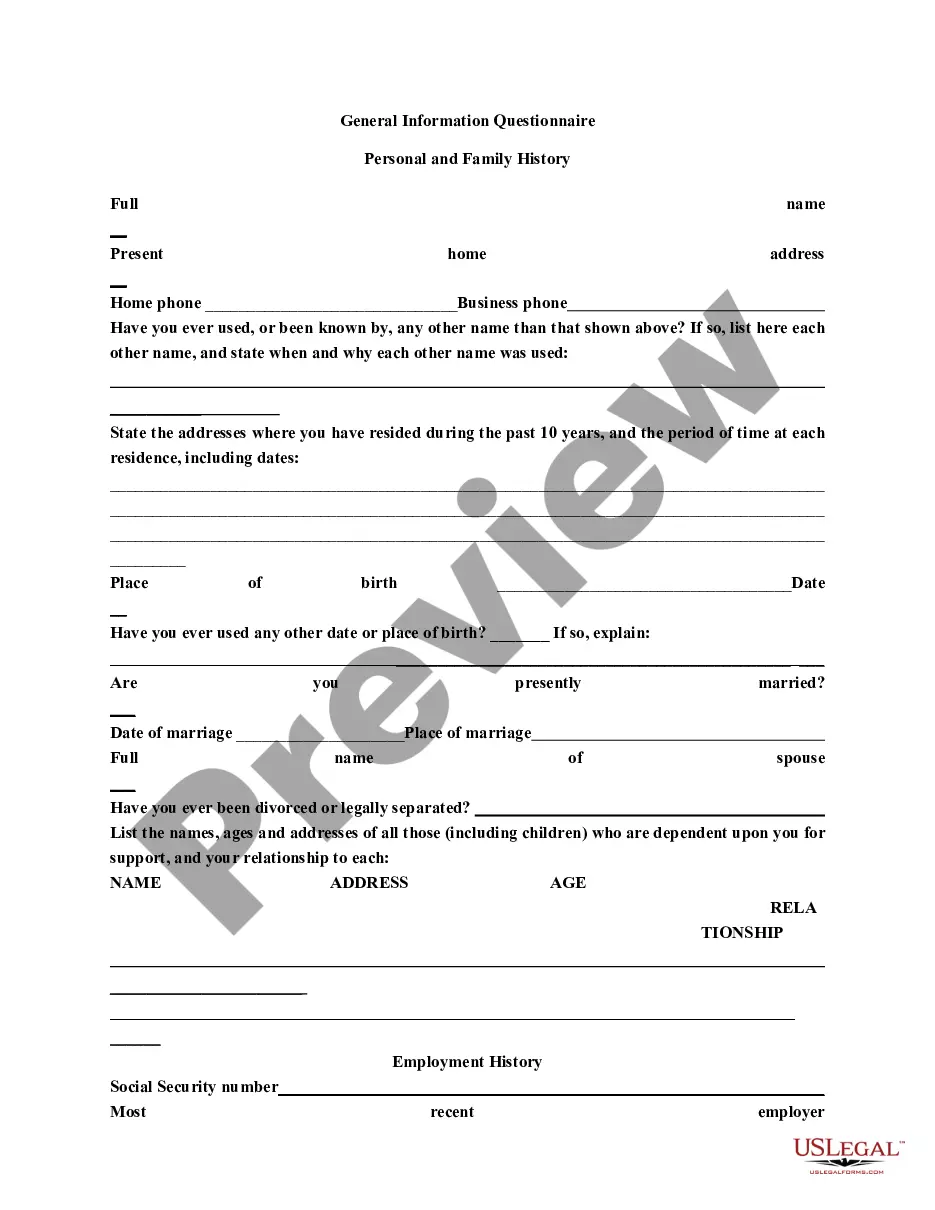
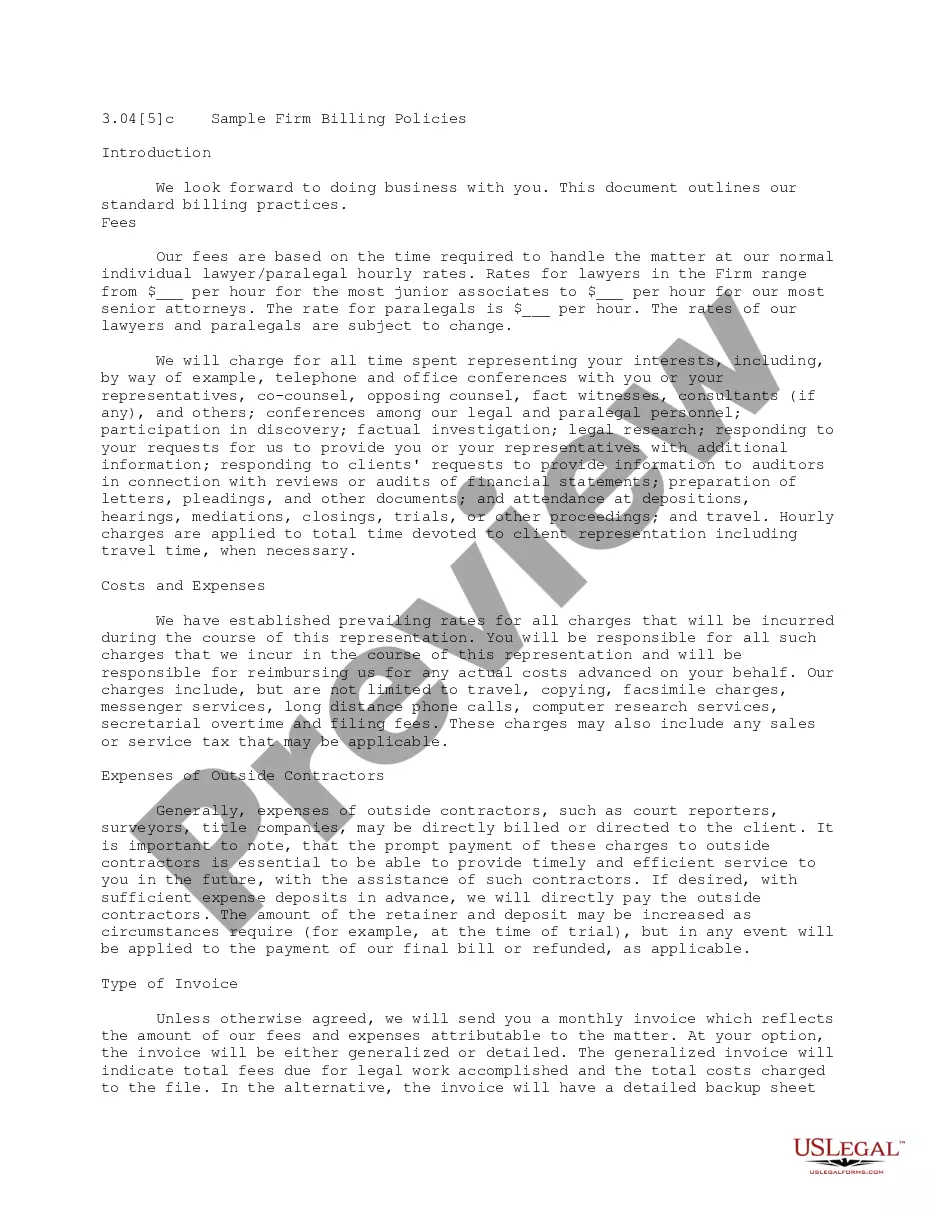
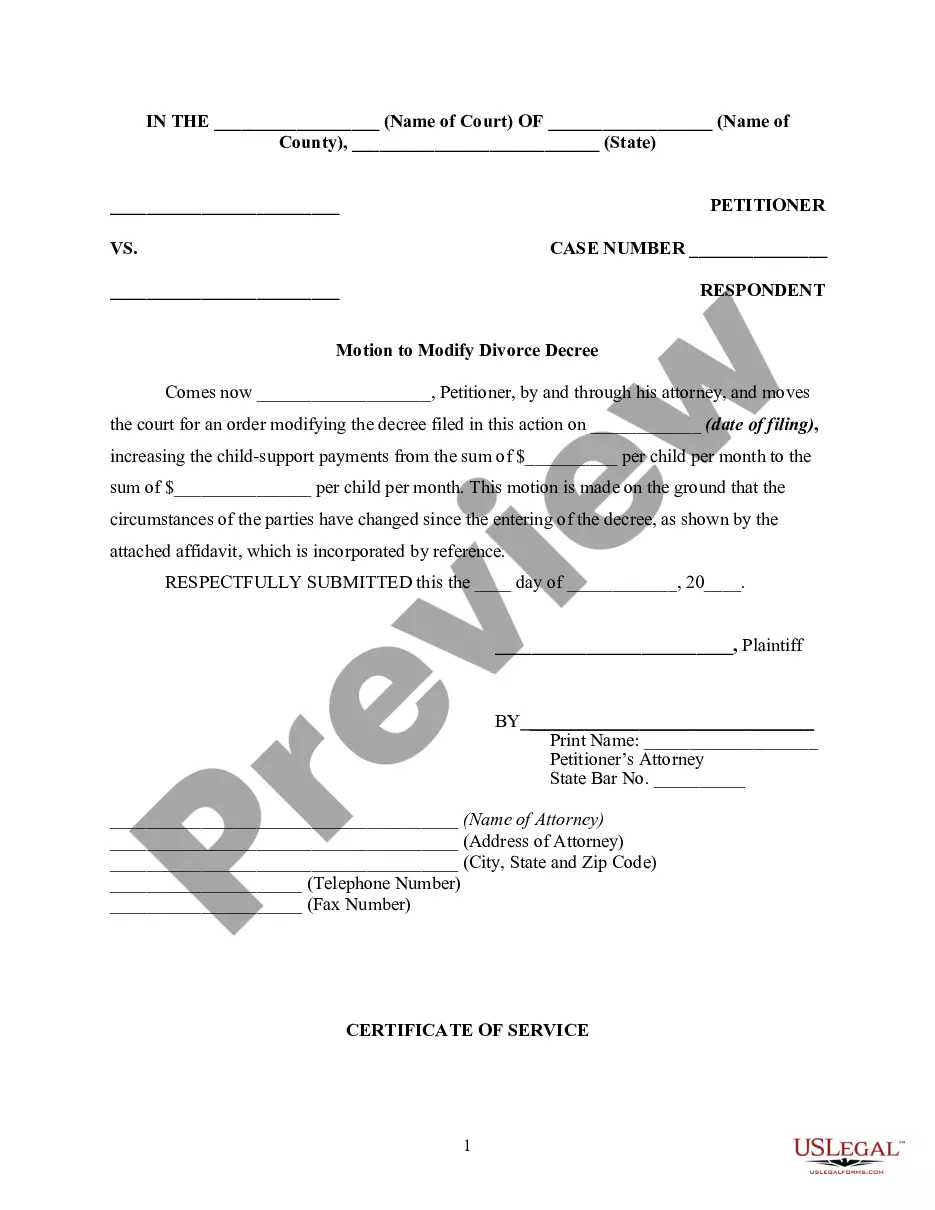
The Instructions to Clients - Short form is a crucial document designed to guide clients through the steps necessary for managing their legal cases effectively. This instruction sheet outlines essential topics such as medical care, record-keeping, and communication with insurance companies, ensuring clients understand their responsibilities and what is needed for a successful outcome. Unlike other generic legal forms, this document is tailored to address the specific concerns that may affect the trajectory of a client's case.
Form components explained
- Guidelines on communication with lawyers and insurance representatives
- Recommendations for follow-up medical care
- Instructions for maintaining a record of complaints and progress
- Advice on documenting lost wages and expenses
- Requirements for handling vehicle repairs and insurance claims
- Contact information for witnesses and methods for preserving evidence
Common use cases
This form is essential for clients involved in legal cases, especially those related to accidents or injuries. Use this document when you need clear guidance about interactions with medical providers and insurance companies, or when you want to document your experiences effectively to support your legal case. Following these instructions helps streamline communication with your attorney and boosts your chances of a favorable resolution.
Who should use this form
- Individuals involved in accident claims or litigation
- Clients who have sustained personal injuries
- Anyone seeking guidance on managing medical and insurance aspects of their case
- Legal representatives who wish to provide comprehensive instructions to their clients
Completing this form step by step
- Review each section carefully to understand your responsibilities and tasks.
- Document your medical visits, complaints, and progress consistently.
- Maintain a record of lost wages and any additional expenses related to your injury.
- Store any evidence, such as photographs or physical items, securely for your attorney.
- Keep your attorney informed about any updates to your contact information.
Is notarization required?
This form does not typically require notarization unless specified by local law. Always check with your attorney to ensure you meet all legal requirements related to your specific case.
Get your form ready online
Our built-in tools help you complete, sign, share, and store your documents in one place.
Make edits, fill in missing information, and update formatting in US Legal Forms—just like you would in MS Word.
Download a copy, print it, send it by email, or mail it via USPS—whatever works best for your next step.
Sign and collect signatures with our SignNow integration. Send to multiple recipients, set reminders, and more. Go Premium to unlock E-Sign.
If this form requires notarization, complete it online through a secure video call—no need to meet a notary in person or wait for an appointment.
We protect your documents and personal data by following strict security and privacy standards.

Make edits, fill in missing information, and update formatting in US Legal Forms—just like you would in MS Word.

Download a copy, print it, send it by email, or mail it via USPS—whatever works best for your next step.

Sign and collect signatures with our SignNow integration. Send to multiple recipients, set reminders, and more. Go Premium to unlock E-Sign.

If this form requires notarization, complete it online through a secure video call—no need to meet a notary in person or wait for an appointment.

We protect your documents and personal data by following strict security and privacy standards.
Mistakes to watch out for
- Not maintaining accurate or up-to-date records of medical visits and expenses.
- Discussing the case with unauthorized individuals or before notifying your attorney.
- Failing to notify your attorney about additional doctors or treatments.
- Not preserving evidence, such as photographs or physical items related to the injury.
Advantages of online completion
- Convenience of instant access to essential legal instructions at any time.
- Editable in a format that allows you to personalize your records easily.
- Reliable source of information drafted by licensed attorneys to ensure accuracy.
- Quickly downloadable and printable for your records.
Quick recap
- Follow the guidelines provided to enhance your case management.
- Consistency in documenting your progress is crucial.
- Maintain clear communication with your attorney throughout the process.
- Be proactive about preserving and submitting evidence related to your case.
Looking for another form?


Form popularity
FAQ
Stay calm, rational and polite. Give reasons for terminating the relationship, but keep emotion and name-calling out of the conversation. Follow-up with a phone call. You can start the process with an email, but you should follow-up with a phone call to talk your client through the process and answer any questions.
Say No without actually saying No When you break negative news to clients you want to soften the blow and show them you understand their concerns. Clarify things before you say No Begin with empathy. Explain things carefully. Offer alternatives. Listen to your customers. Do your best to solve the issue. Follow up.
My personal preference is that the client brief is not the creative brief, rather it's a clear statement of the business problem they want to solve. Ideally the client brief includes as much context, product understanding, market dynamics, competitive insight, and customer insight as they can muster.
Check your contract. This is an important first step that's far too easy to miss. Provide plenty of notice. Clearly explain that you're moving on. Give a brief reason. Provide an end date. Express gratitude. Offer a referral. Keep in touch.
E-mail. Website. Phone Technology. Text Messaging. Web Chat. Social Media. Video Messaging. Handwritten Notes.
It's not necessary, or suggested, to include a reason for the termination. Tell the client what they need to do to move forward without you and what could happen if they don't. Termination means it's the end. Send the letter via a traceable delivery method. Be wary of terminating a client right before a deadline.
Establish a human connection. Be sensitive to your client's comfort zone. Leverage your company brand. Understand communication channels2026 and when to use them. Prioritise quality over quantity. Use your marketing team wherever possible. Add a personal touch. Use your knowledge to everyone's advantage.
"Explain the problem, propose an amicable parting and offer to aid the client in the transition," Dopkiss added. "Sometimes, they'll accept your offer. Other times, the client might just surprise you by recommitting to the relationship." If you do end up parting ways, be sure to remain polite and professional about it.
Have a clear agreement. Value their inputs. Don't overpromise. Transparency is key. A well-scheduled plan goes a long way. Get friendly. Share updates regularly.