Building Maintenance Service Agreement
Overview of this form
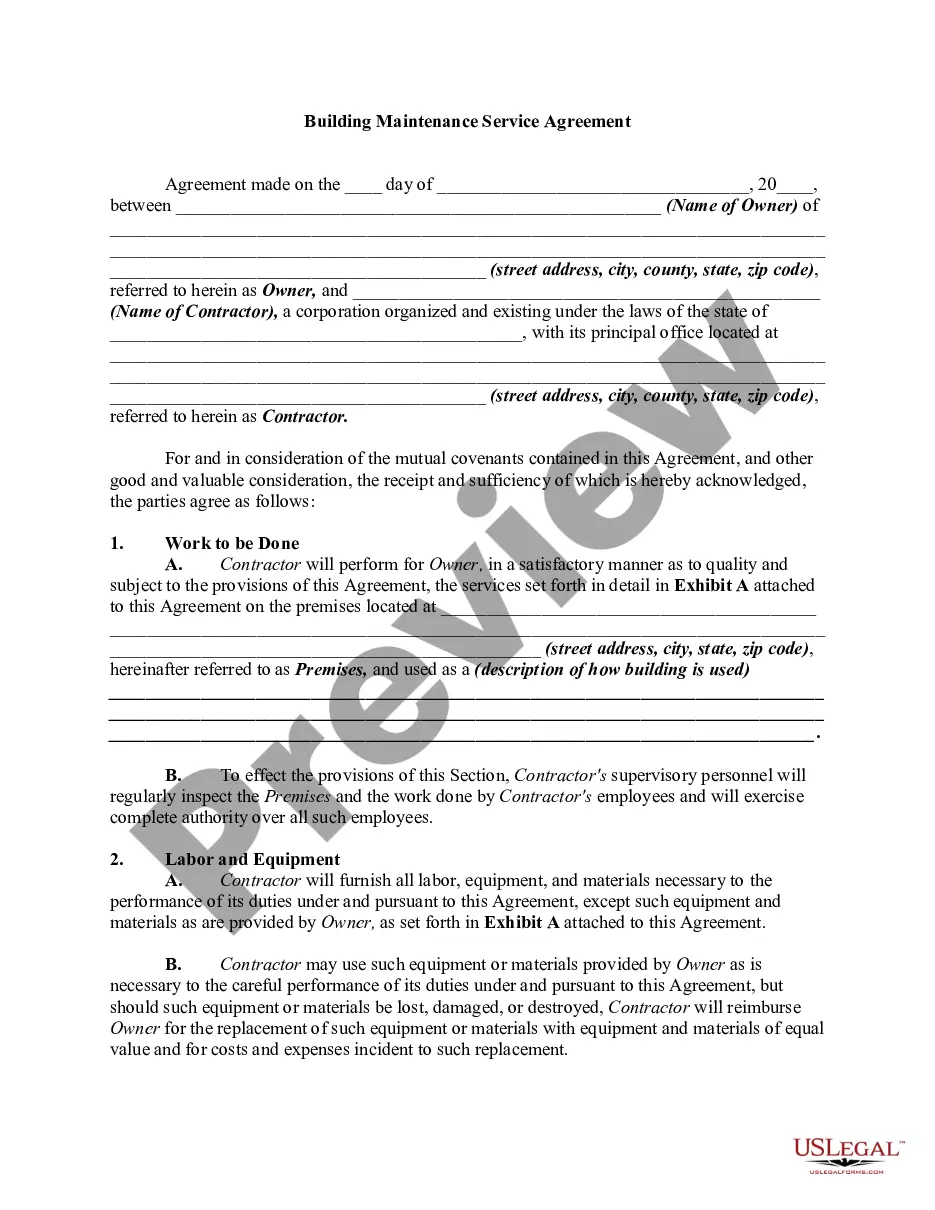
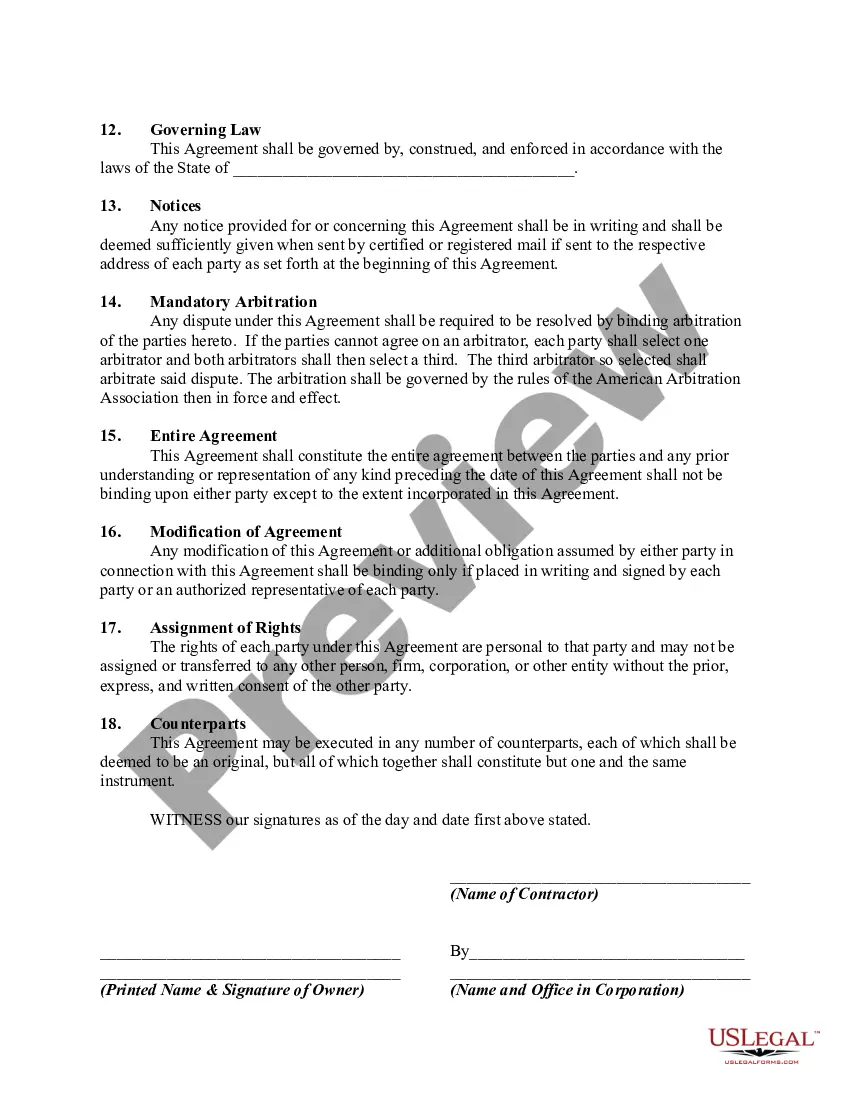
The Building Maintenance Service Agreement is a legal document outlining the terms and conditions under which a contractor will provide maintenance services to a property owner. This agreement details the specific services to be performed, responsibilities of both parties, and compliance with local laws. Unlike other service agreements, this form explicitly addresses the scope of work, payment terms, and liability issues, ensuring clarity and legal protection for both the contractor and the owner.
Form components explained
- Parties involved: Defines the Owner and Contractor, including their addresses.
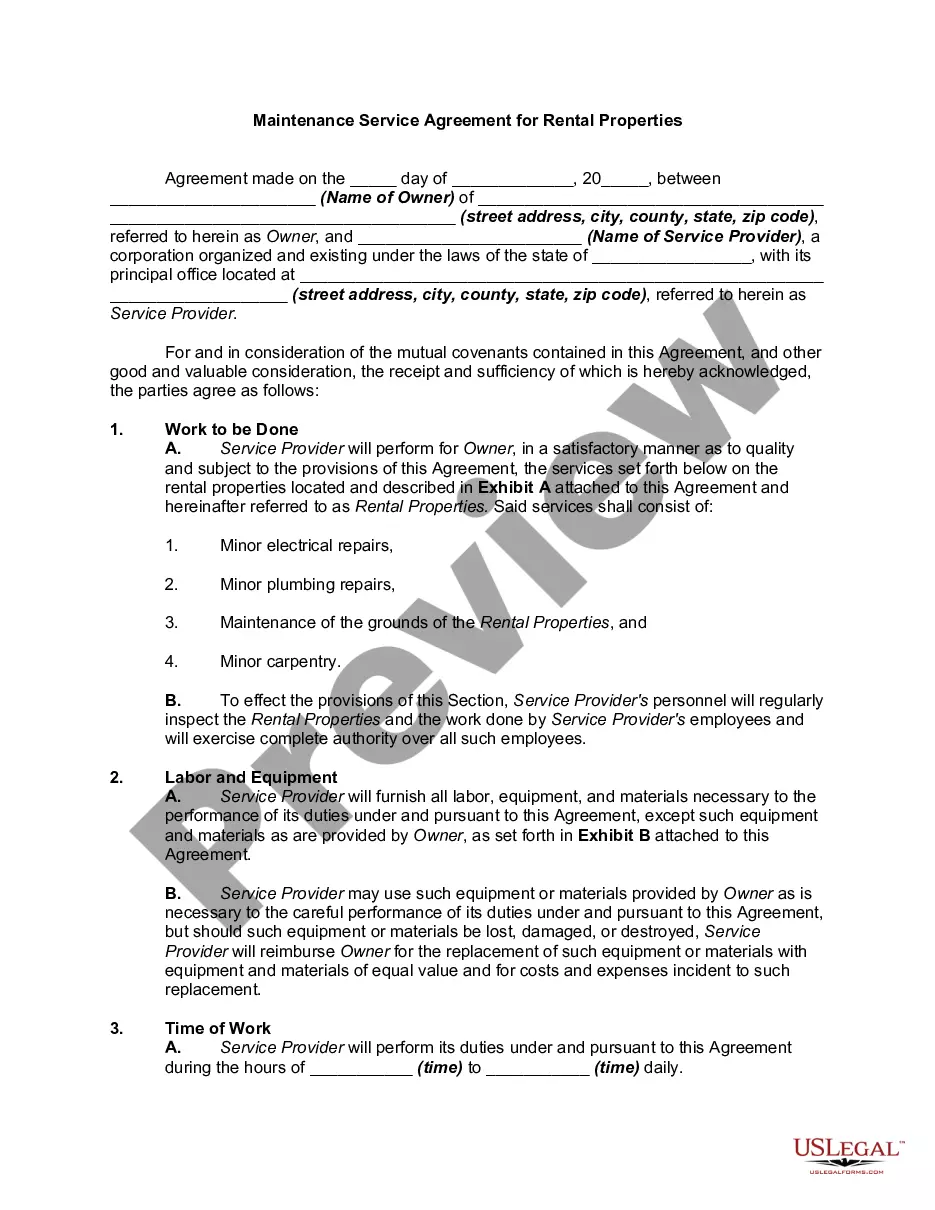
- Work to be done: Specifies the services to be performed as detailed in Exhibit A.
- Labor and equipment: Outlines the responsibilities for providing labor, materials, and equipment.
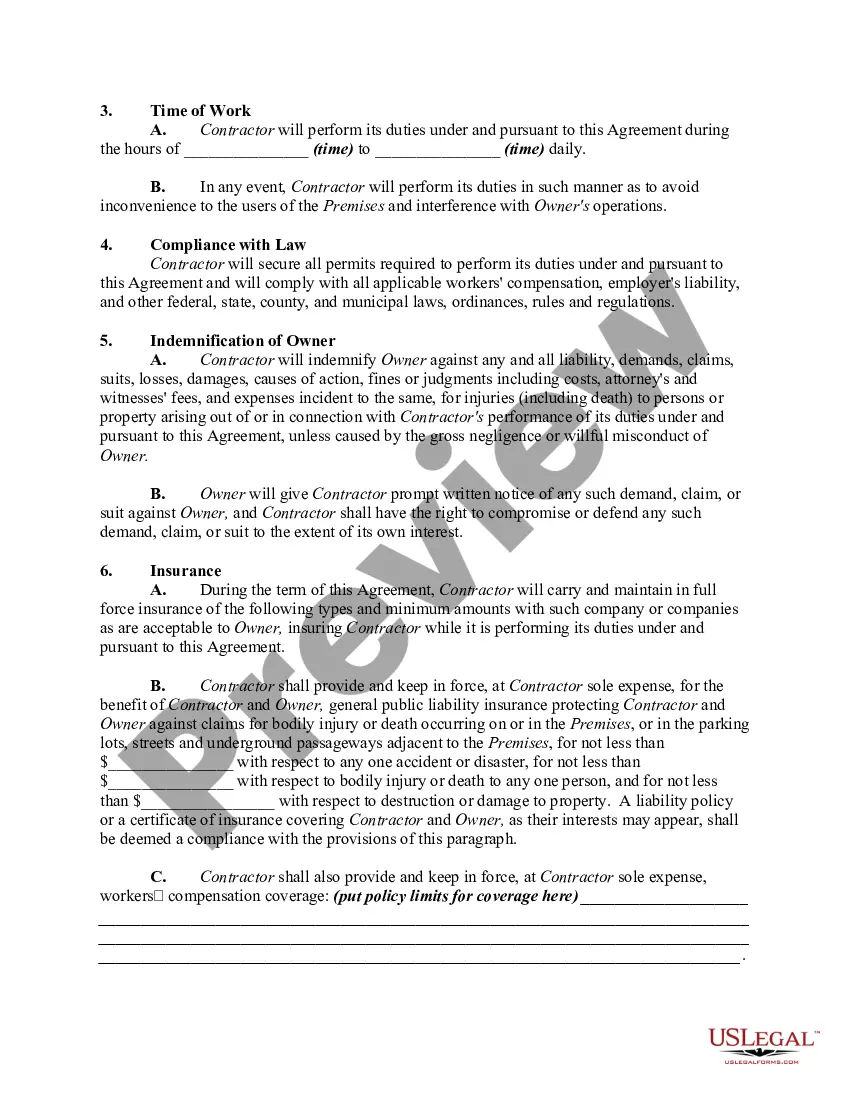
- Compliance with law: Ensures that all work complies with relevant legal regulations.
- Indemnification: Clarifies liability and protection for the Owner against claims related to the work.
- Insurance requirements: Details the insurance coverage the Contractor must maintain.
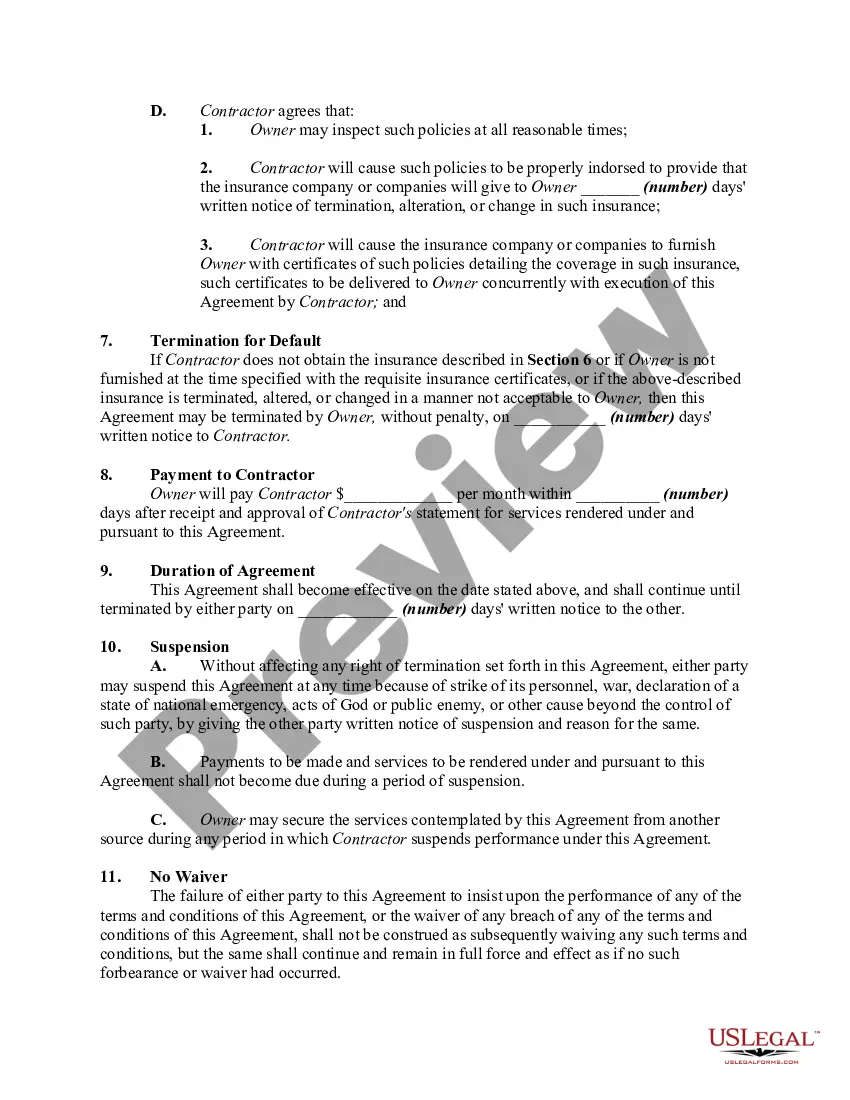
- Payment terms: Specifies fees and payment schedule for services rendered.
- Termination and suspension clauses: Describes the terms under which the agreement can be terminated or suspended.


Situations where this form applies
This form should be used when a property owner needs to establish a formal agreement with a contractor for maintenance services. It is suitable for both residential and commercial properties where regular maintenance is necessary, such as landscaping, cleaning, or repairs. The agreement defines responsibilities, ensuring that both parties have a clear understanding of their commitments and the quality of service expected.
Who can use this document
- Property Owners who require maintenance services for their properties.
- Contractors offering maintenance services to ensure clear terms of agreement.
- Property management firms overseeing multiple properties needing scheduled maintenance.
How to prepare this document
- Identify the parties: Enter the names and addresses of the Owner and Contractor at the beginning of the agreement.
- Specify the work: Detail the exact maintenance services required in Exhibit A.
- Fill in payment details: State the agreed monthly payment and the timeline for payments.
- Review liability clauses: Ensure the indemnification and insurance sections reflect your needs and local law.
- Obtain signatures: Ensure both parties sign the agreement to make it legally binding.
Is notarization required?
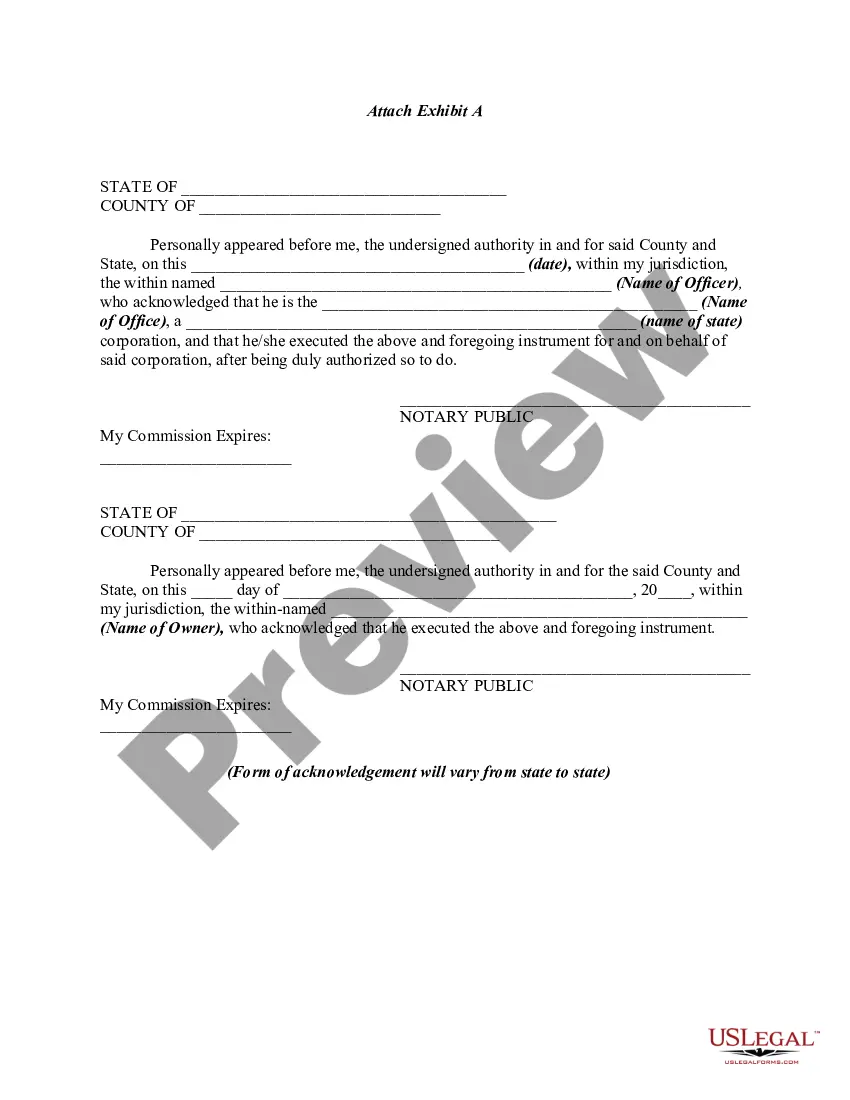
This form does not typically require notarization unless specified by local law. However, ensuring that all parties have a clear understanding and agreement on the terms can alleviate future disputes. For added security, consider notarizing the document to enhance its validity.
Get your form ready online
Our built-in tools help you complete, sign, share, and store your documents in one place.
Make edits, fill in missing information, and update formatting in US Legal Forms—just like you would in MS Word.
Download a copy, print it, send it by email, or mail it via USPS—whatever works best for your next step.
Sign and collect signatures with our SignNow integration. Send to multiple recipients, set reminders, and more. Go Premium to unlock E-Sign.
If this form requires notarization, complete it online through a secure video call—no need to meet a notary in person or wait for an appointment.
We protect your documents and personal data by following strict security and privacy standards.

Make edits, fill in missing information, and update formatting in US Legal Forms—just like you would in MS Word.

Download a copy, print it, send it by email, or mail it via USPS—whatever works best for your next step.

Sign and collect signatures with our SignNow integration. Send to multiple recipients, set reminders, and more. Go Premium to unlock E-Sign.

If this form requires notarization, complete it online through a secure video call—no need to meet a notary in person or wait for an appointment.

We protect your documents and personal data by following strict security and privacy standards.
Common mistakes
- Failing to specify services in Exhibit A, leading to misunderstandings.
- Not including payment timelines and amounts, which can result in disputes.
- Overlooking the insurance requirements, leaving parties exposed to liability.
Advantages of online completion
- Convenient access: Download and complete the agreement at your own pace.
- Editability: Customize the form to fit specific needs and requirements.
- Legal reliability: Ensure compliance with standard legal requirements for service agreements.
Legal use & context
- The agreement safeguards the interests of both the contractor and the owner.
- Failure to comply with the terms could lead to legal disputes or financial loss.
- Local regulations may impose additional requirements, emphasizing the need for due diligence.
Summary of main points
- The Building Maintenance Service Agreement outlines essential terms for property maintenance services.
- Clear definitions of responsibilities help prevent conflicts and ensure smooth operations.
- Understanding local laws and customization of the agreement are crucial for effective use.
Looking for another form?
Form popularity
FAQ
The Building Maintenance Service Agreement is a legal contract that sets the terms under which a contractor will perform maintenance services for a property owner. It specifies the scope of work (Exhibit A), responsibilities, compliance with law, indemnification, insurance, payment terms, and termination provisions, and is used to formalize maintenance arrangements for residential or commercial properties.
It should clearly identify the parties and addresses, describe the work to be performed (Exhibit A), specify labor and equipment responsibilities, require compliance with applicable laws, outline indemnification and insurance terms, set payment terms, and include termination or suspension clauses. This structure helps prevent disputes and defines duties up front.
An MSA (master services agreement) provides overarching terms for ongoing or multiple projects, while this Building Maintenance Service Agreement is a stand-alone contract that details the specific maintenance work, duties, and conditions for a given project (as described in Exhibit A). It can be used with other documents as needed.
A maintenance service agreement is a contract that spells out the services, schedule, and terms for ongoing maintenance. This Building Maintenance Service Agreement uses Exhibit A to define the specific tasks, assigns labor and equipment responsibilities, sets payment terms, and then provides termination and suspension provisions to manage performance.
The purpose is to establish a formal, enforceable arrangement for maintenance services on a property, clarifying duties, payment terms, liability, insurance, and termination. It protects both the Owner and Contractor by detailing responsibilities and expectations before work begins.
This form differentiates itself by tying the scope of work to Exhibit A, and by including explicit provisions for labor and equipment, compliance with law, indemnification, insurance requirements, payment terms, and termination/suspension in a single standardized template.