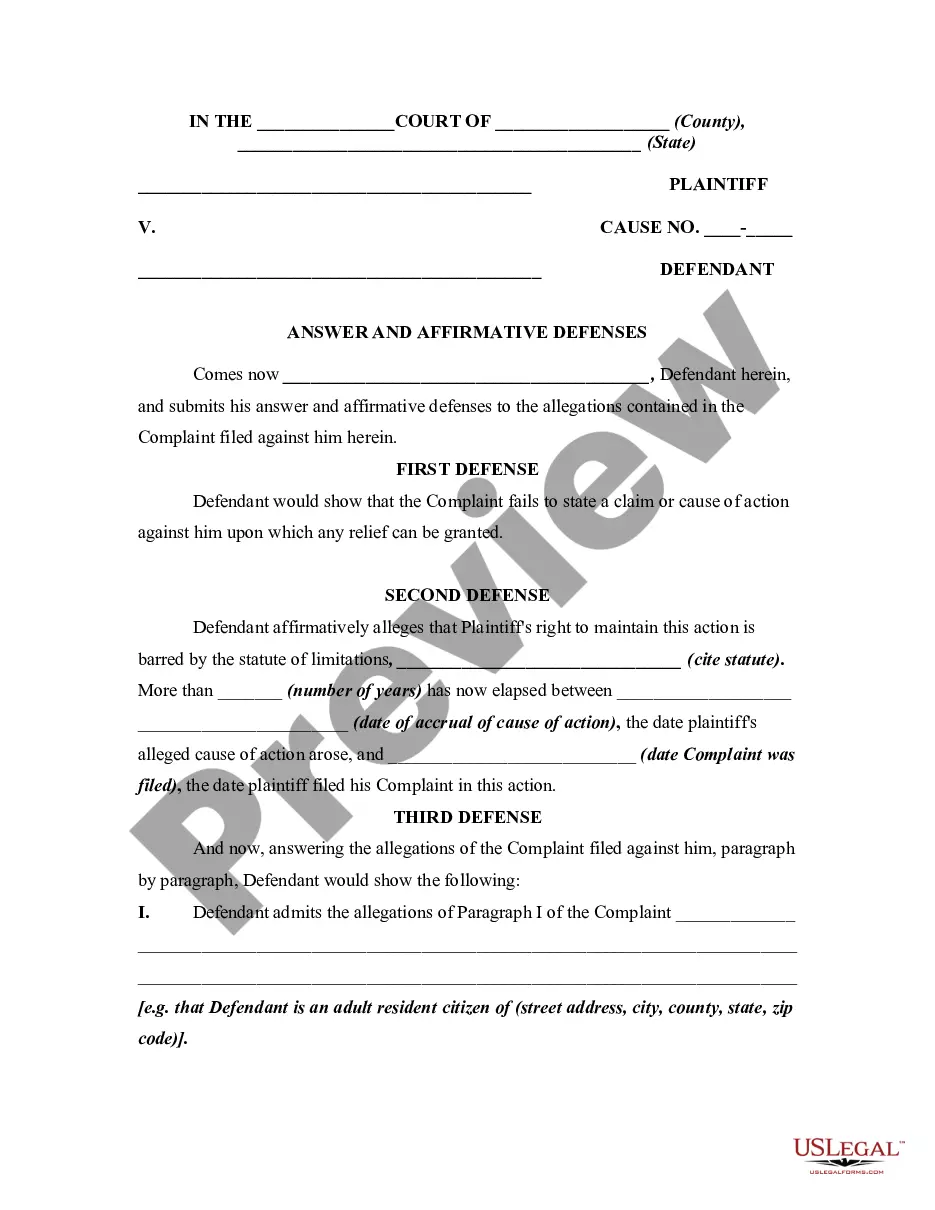
Texas Confidentiality Agreement for Therapists
Description
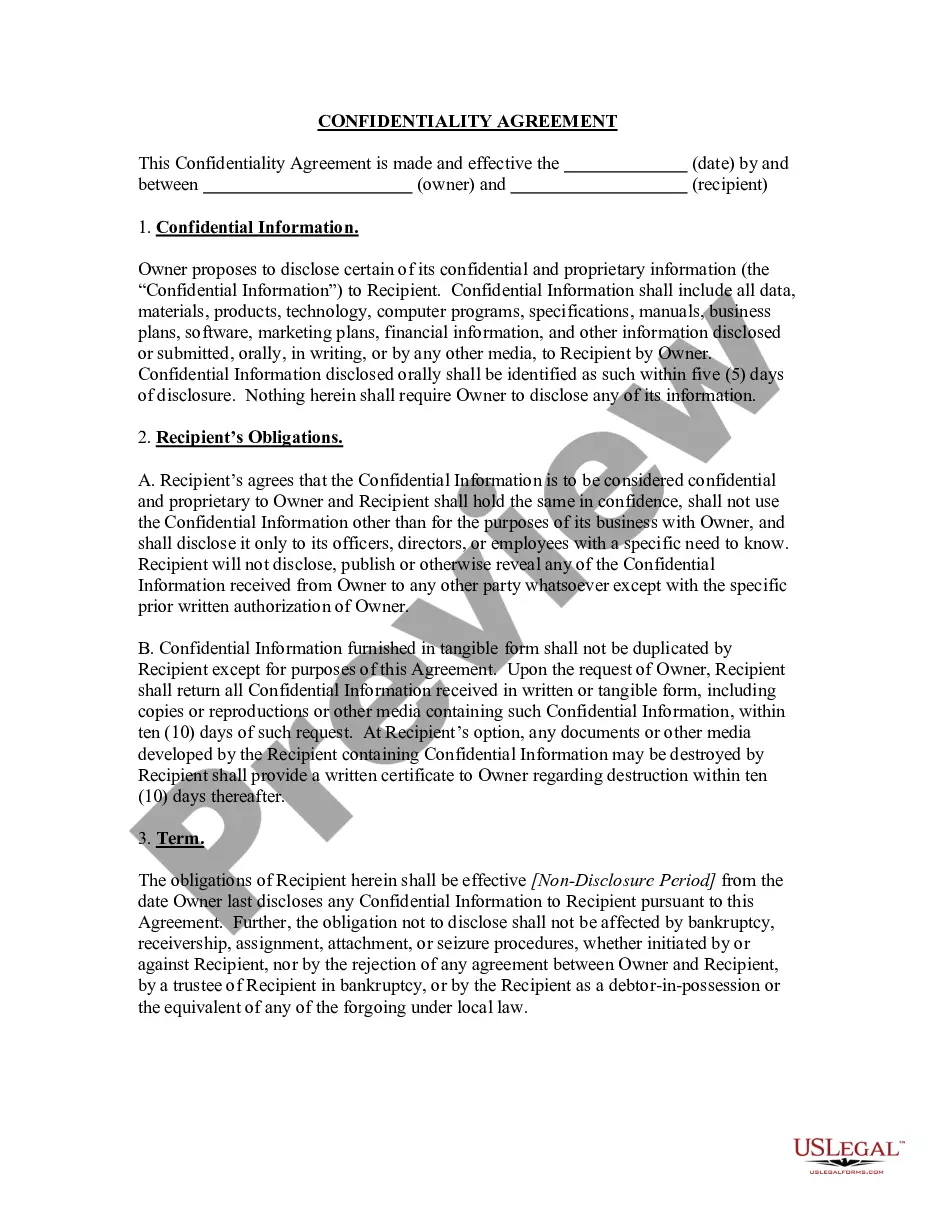
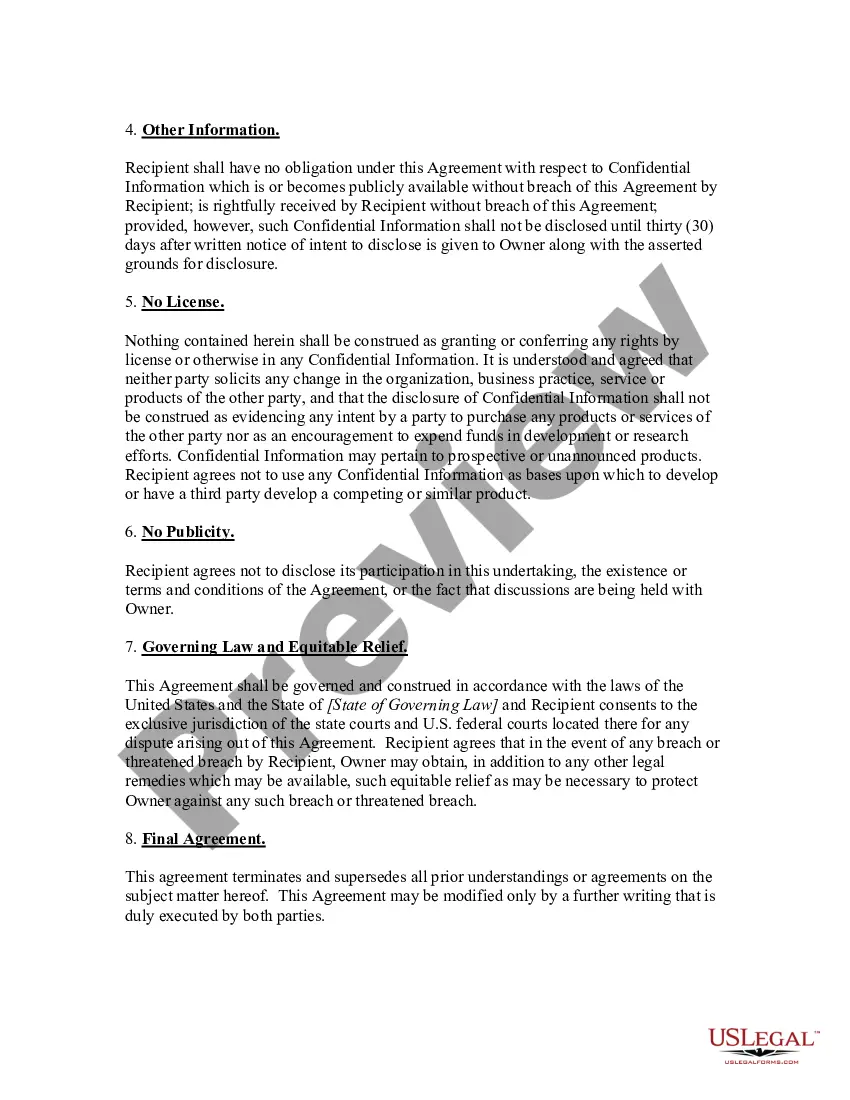
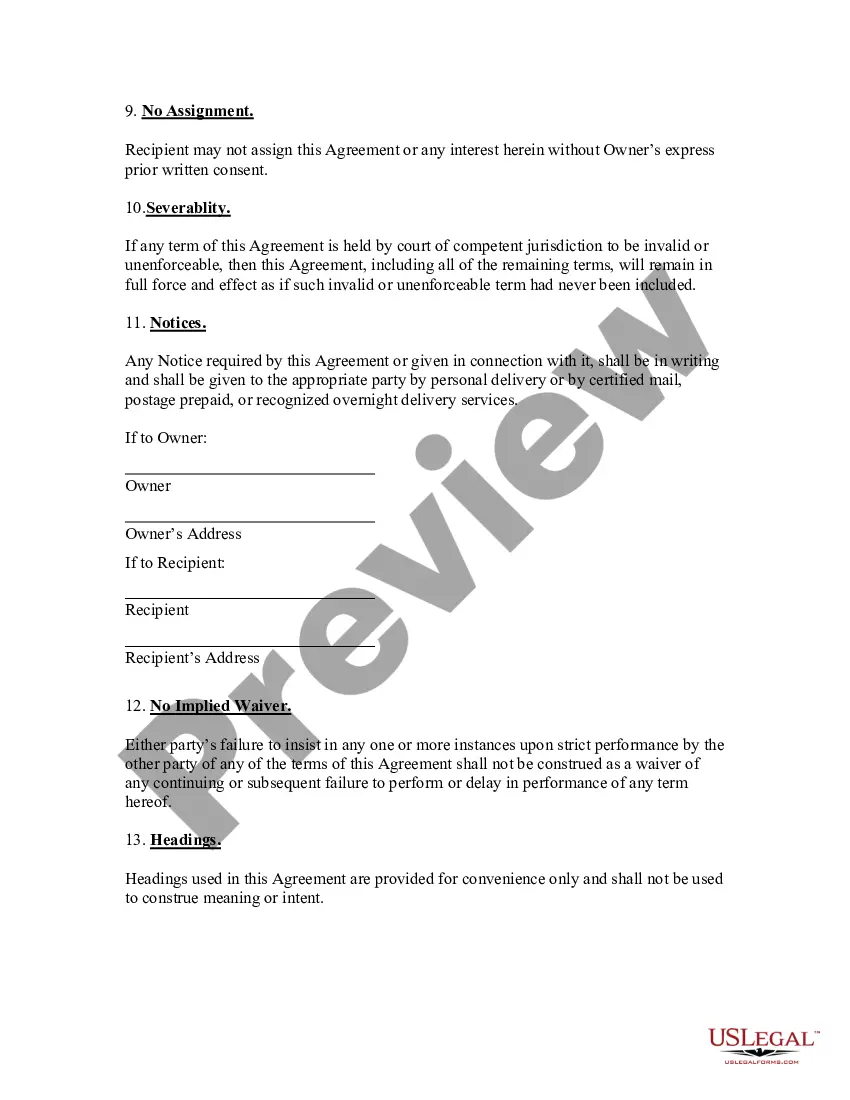
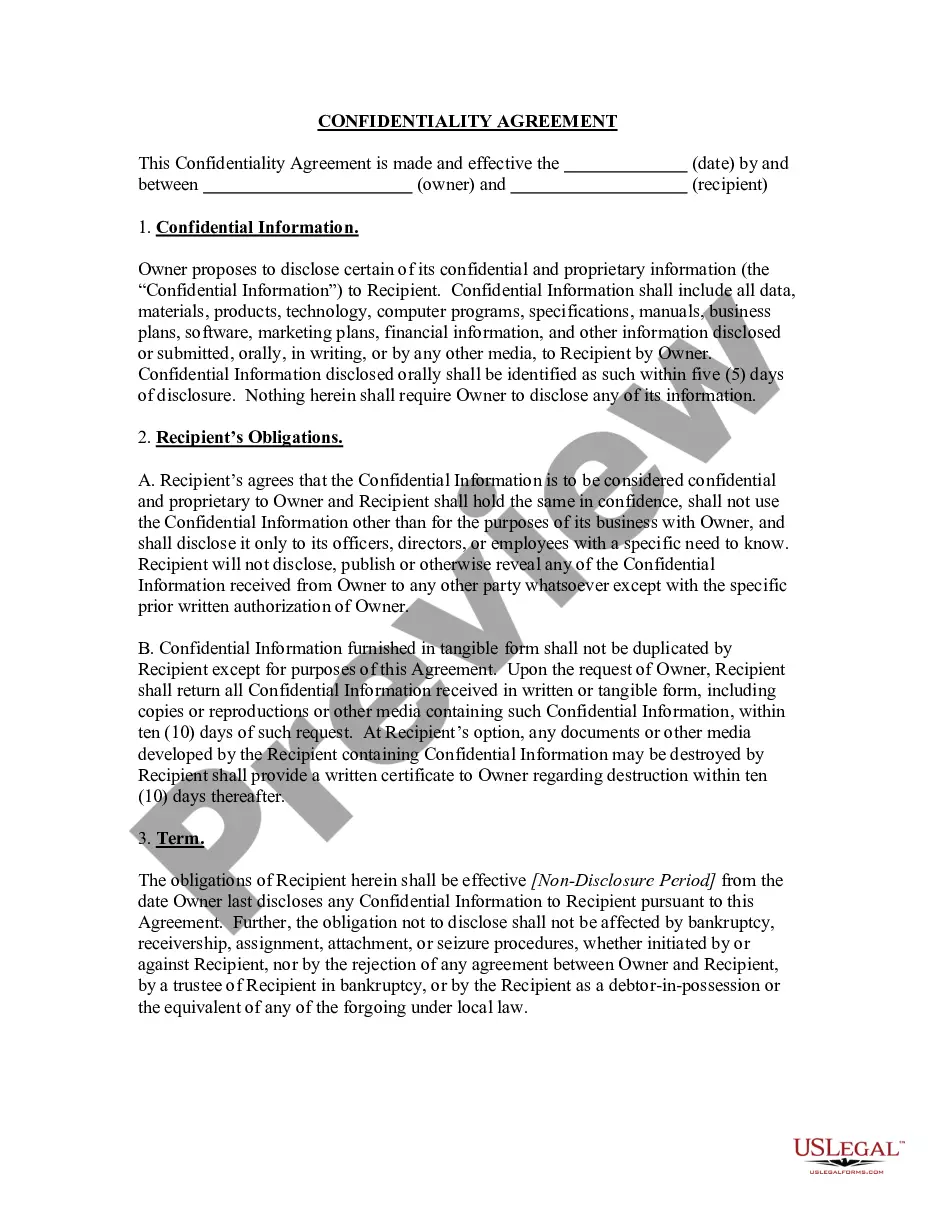
Get your form ready online
Our built-in tools help you complete, sign, share, and store your documents in one place.
Make edits, fill in missing information, and update formatting in US Legal Forms—just like you would in MS Word.
Download a copy, print it, send it by email, or mail it via USPS—whatever works best for your next step.
Sign and collect signatures with our SignNow integration. Send to multiple recipients, set reminders, and more. Go Premium to unlock E-Sign.
If this form requires notarization, complete it online through a secure video call—no need to meet a notary in person or wait for an appointment.
We protect your documents and personal data by following strict security and privacy standards.

Make edits, fill in missing information, and update formatting in US Legal Forms—just like you would in MS Word.

Download a copy, print it, send it by email, or mail it via USPS—whatever works best for your next step.

Sign and collect signatures with our SignNow integration. Send to multiple recipients, set reminders, and more. Go Premium to unlock E-Sign.

If this form requires notarization, complete it online through a secure video call—no need to meet a notary in person or wait for an appointment.

We protect your documents and personal data by following strict security and privacy standards.
Looking for another form?
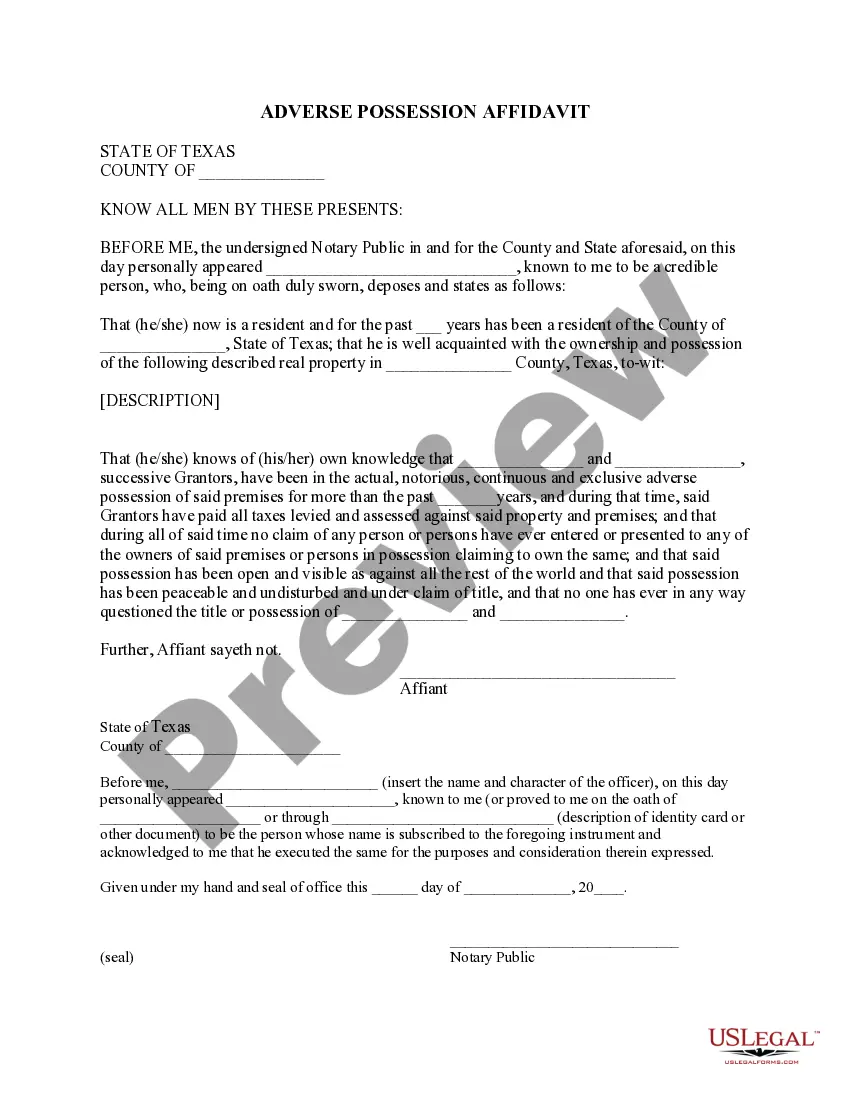

How to fill out Confidentiality Agreement For Therapists?
Selecting the optimal legal document template can be quite challenging. Naturally, there are countless templates accessible online, but how can you find the precise legal type you require? Utilize the US Legal Forms website. This service offers a vast array of templates, including the Texas Confidentiality Agreement for Therapists, suited for both professional and personal purposes. All templates are vetted by experts and comply with state and federal regulations.
If you are already registered, Log In to your account and click the Acquire button to access the Texas Confidentiality Agreement for Therapists. Leverage your account to browse through the legal documents you have previously purchased. Navigate to the My documents section of your account and download another copy of the document you need.
If you are a new user of US Legal Forms, here are straightforward instructions to follow: First, ensure that you have selected the correct form for your city/region. You can review the form by clicking the Review button and examine the form details to confirm it meets your needs. If the form does not satisfy your requirements, use the Search field to locate the appropriate form. Once you are confident that the form is suitable, click the Acquire now button to retrieve the form. Choose the pricing plan you require and enter the necessary information. Create your account and pay for the order using your PayPal account or credit card. Select the file format and download the legal document template to your device. Finally, complete, revise, print, and sign the completed Texas Confidentiality Agreement for Therapists.
- US Legal Forms is the largest repository of legal documents, offering various document templates.
- Utilize the service to download professionally crafted paperwork that adheres to state regulations.
Form popularity
FAQ
An example of a confidentiality statement in therapy might state, 'All conversations during our sessions will remain confidential unless there is a risk of harm to you or someone else.' This statement reassures clients that their privacy is respected, with mentioned exceptions. It’s wise to align such statements with a Texas Confidentiality Agreement for Therapists for comprehensive protection.
When the client poses an imminent danger to themselves or others, and breaking confidentiality is necessary to resolve the danger. When the therapist suspects child, elder, or dependent adult abuse. When the client has directed the therapist to share information about their case.
Mandatory Exceptions To Confidentiality They include reporting child, elder and dependent adult abuse, and the so-called "duty to protect." However, there are other, lesserknown exceptions also required by law.
The following situations typically legally obligate therapists to break confidentiality and seek outside assistance:Detailed planning of future suicide attempts.Other concrete signs of suicidal intent.Planned violence towards others.Planned future child abuse.Formerly committed child abuse.Experiencing child abuse.More items...?
Exceptions to the general rule of confidentialityA client tells you they have committed a serious crime Serious crime covers offences such as drug trafficking, serious assaults, sexual assaults, murder and manslaughter. It does not include minor possession offences or any offences under public health legislation.
The only exceptions to confidentiality are in cases mandated by Texas law. These exceptions include: Imminent danger to self or others, in which case staff contact medical and/or police personnel.
The 'limits of confidentiality', it is argued, are set by the wishes of the client or, where these are not known, by reference to those whose right and need to know relate to the care of the client.
The following situations typically legally obligate therapists to break confidentiality and seek outside assistance:Detailed planning of future suicide attempts.Other concrete signs of suicidal intent.Planned violence towards others.Planned future child abuse.Formerly committed child abuse.Experiencing child abuse.More items...?15-Jan-2019
When to Break ConfidentialityIf the client may be an immediate danger to themself or another. If the client is endangering another who cannot protect themself, as in the case of a child, a person with a disability, or elder abuse. When required to obtain payment for services. As required by state or federal laws.
You have the right not to disclose any confidential communications between you and your psychotherapist in a California criminal jury trial; and. You have the right to prevent your therapist from disclosing any such confidential communications.