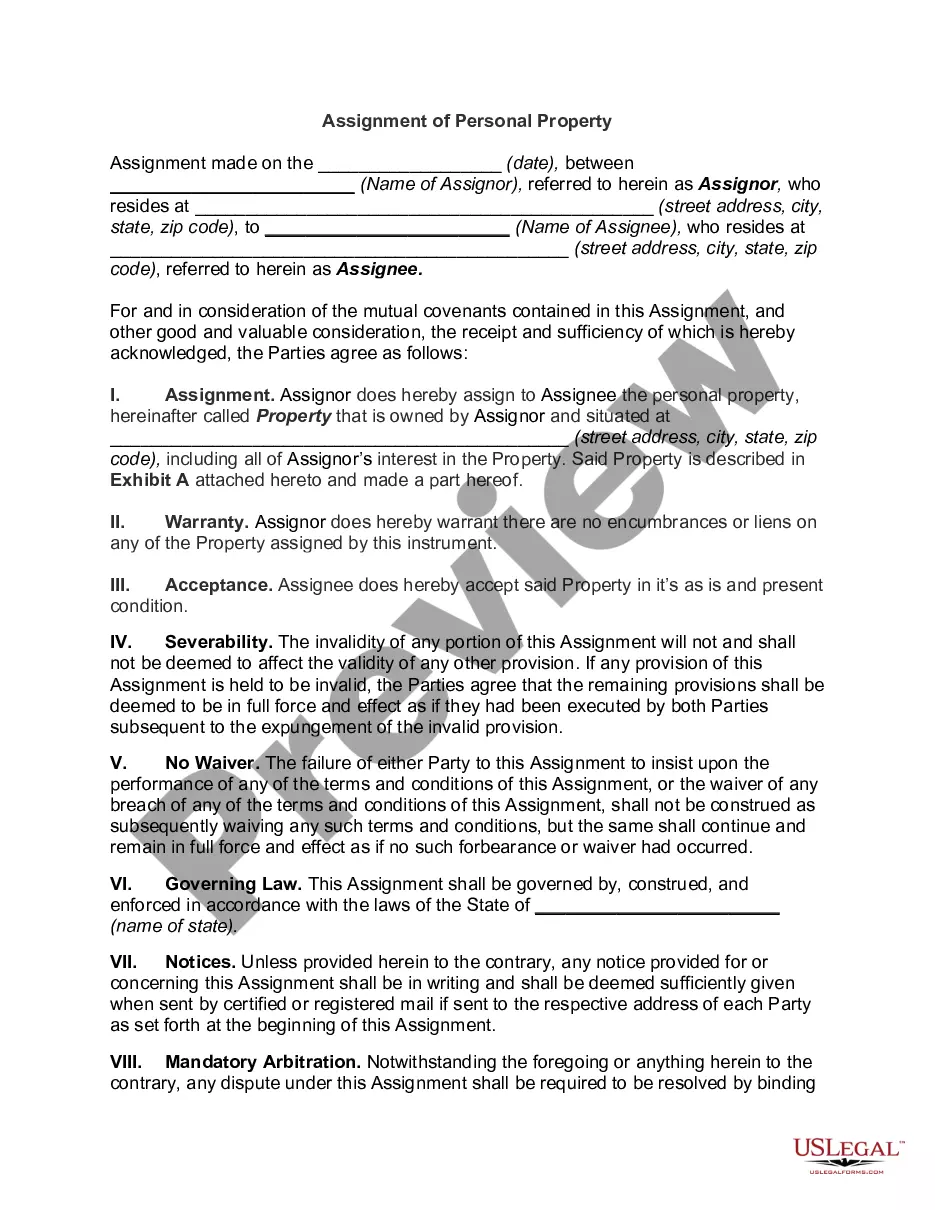
Texas Assignment of Personal Property
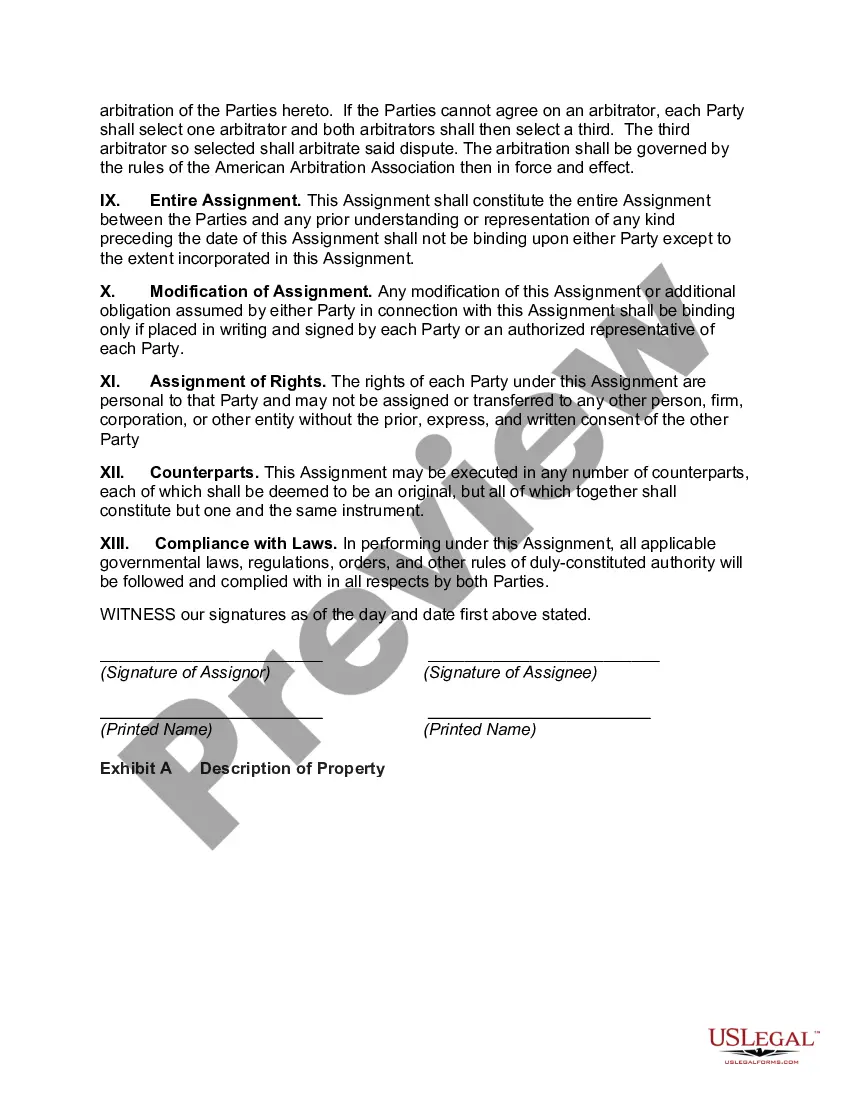
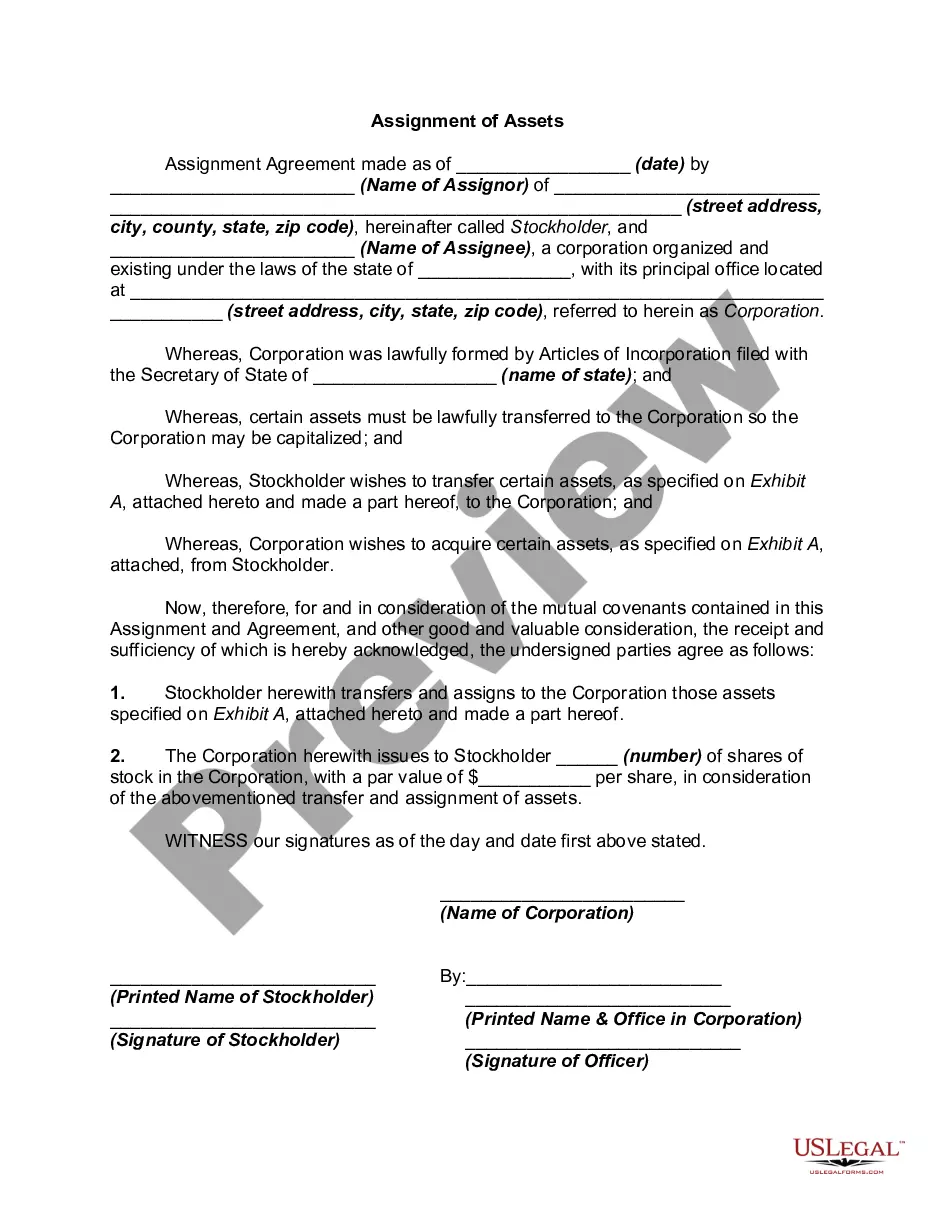
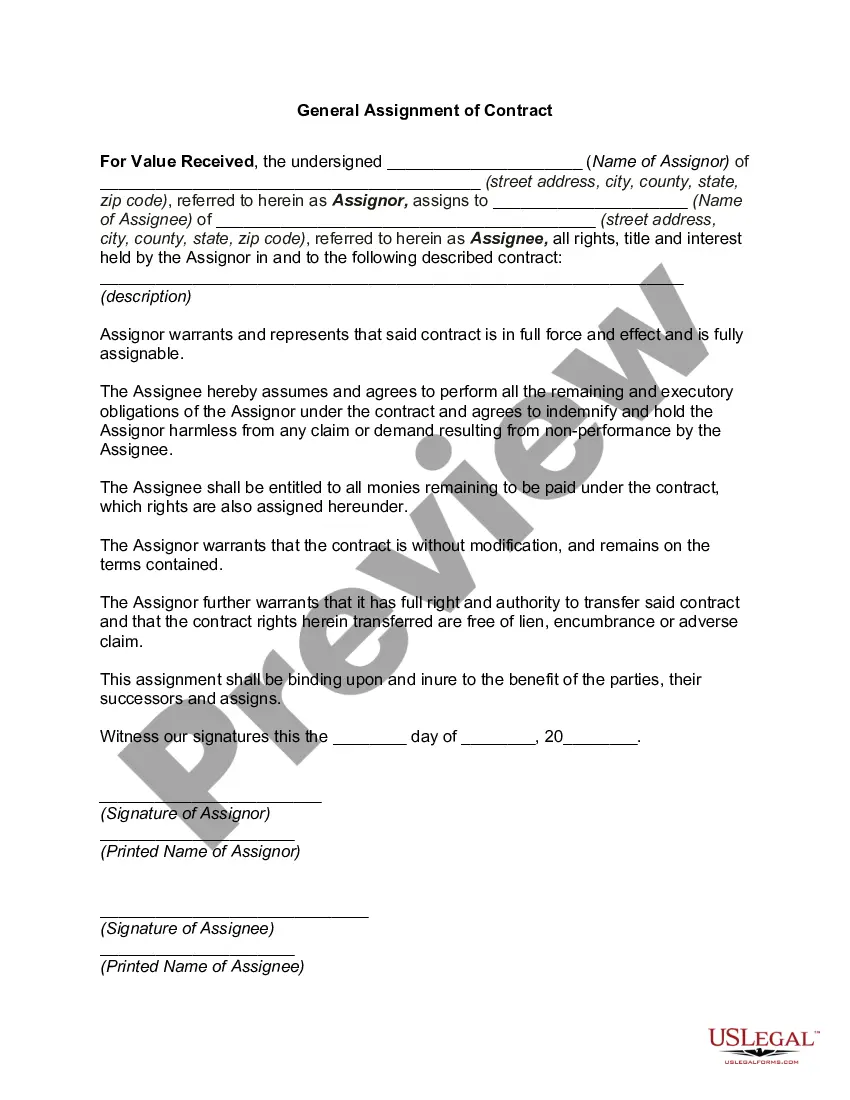
Description
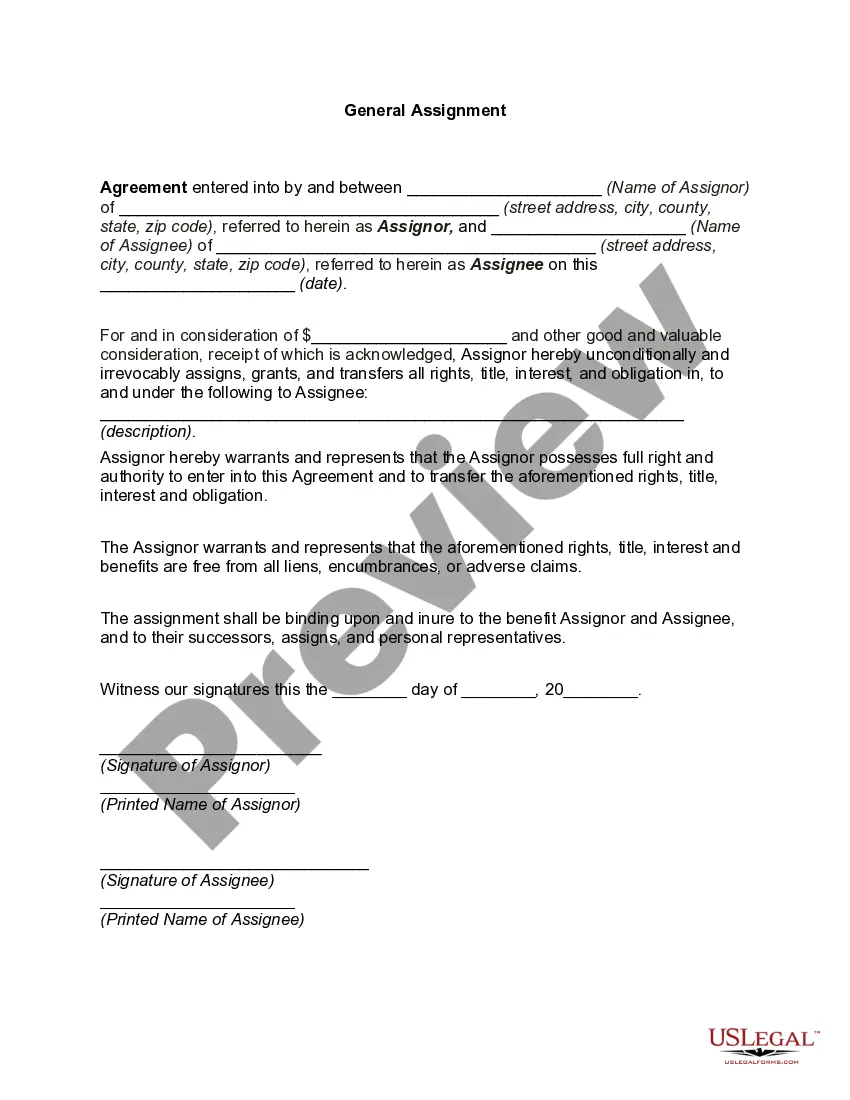
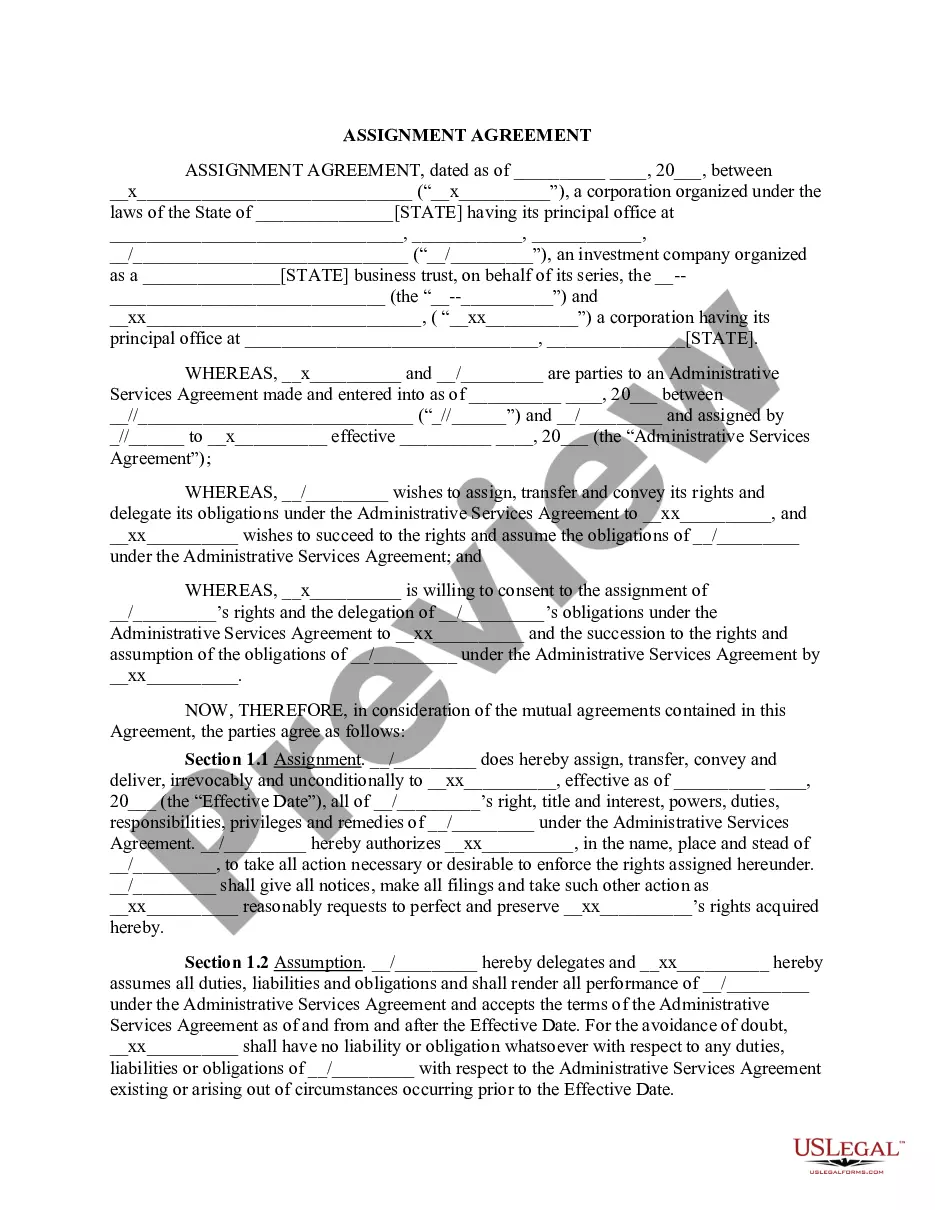
Get your form ready online
Our built-in tools help you complete, sign, share, and store your documents in one place.
Make edits, fill in missing information, and update formatting in US Legal Forms—just like you would in MS Word.
Download a copy, print it, send it by email, or mail it via USPS—whatever works best for your next step.
Sign and collect signatures with our SignNow integration. Send to multiple recipients, set reminders, and more. Go Premium to unlock E-Sign.
If this form requires notarization, complete it online through a secure video call—no need to meet a notary in person or wait for an appointment.
We protect your documents and personal data by following strict security and privacy standards.

Make edits, fill in missing information, and update formatting in US Legal Forms—just like you would in MS Word.

Download a copy, print it, send it by email, or mail it via USPS—whatever works best for your next step.

Sign and collect signatures with our SignNow integration. Send to multiple recipients, set reminders, and more. Go Premium to unlock E-Sign.

If this form requires notarization, complete it online through a secure video call—no need to meet a notary in person or wait for an appointment.

We protect your documents and personal data by following strict security and privacy standards.
Looking for another form?
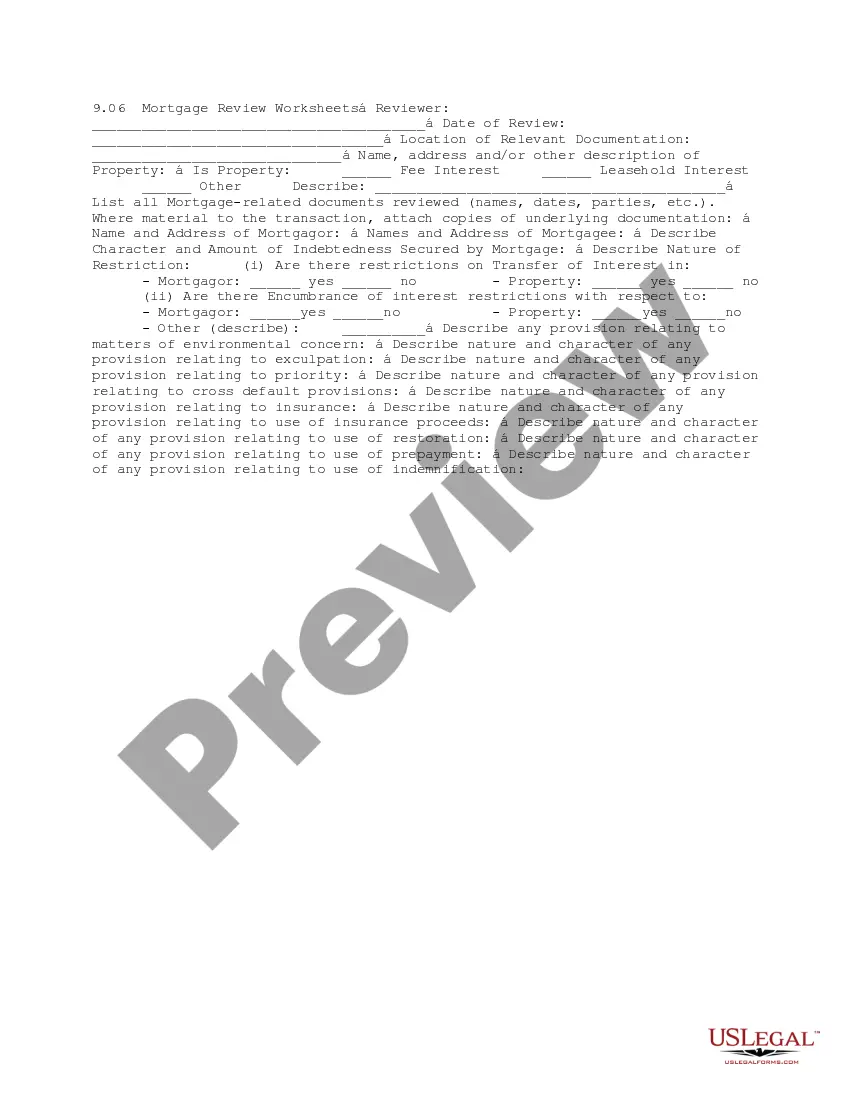
How to fill out Assignment Of Personal Property?
US Legal Forms - one of the largest collections of legal documents in the United States - offers a variety of legal document templates that you can download or print.
By using the site, you can access thousands of forms for business and personal needs, categorized by types, states, or keywords. You can find the latest versions of forms like the Texas Assignment of Personal Property in moments.
If you already have an account, Log In and download the Texas Assignment of Personal Property from the US Legal Forms library. The Download button will be visible on every form you view. You can access all previously downloaded forms in the My documents section of your account.
Every template you add to your account does not expire and is yours indefinitely. Therefore, if you wish to download or print another version, simply return to the My documents section and click on the form you need.
Access the Texas Assignment of Personal Property with US Legal Forms, the most extensive collection of legal document templates. Utilize thousands of professional and state-specific templates that cater to your business or personal needs and requirements.
- Make sure to choose the correct form for your city/state. Click the Preview button to review the form's details. Check the form summary to confirm you have selected the right one.
- If the form does not meet your requirements, use the Search box at the top of the page to find one that does.
- If you are happy with the form, confirm your selection by clicking the Purchase now button. Then, choose your preferred pricing plan and provide your details to register for an account.
- Complete the transaction. Use your credit card or PayPal account to finalize the purchase.
- Choose the format and download the form to your device.
- Make modifications. Fill out, edit, and print, then sign the downloaded Texas Assignment of Personal Property.
Form popularity
FAQ
Assignment is a legal term whereby an individual, the assignor, transfers rights, property, or other benefits to another known as the assignee. This concept is used in both contract and property law. The term can refer to either the act of transfer or the rights/property/benefits being transferred.
The takeaway here is that the answer to the question of whether a beneficiary can stop the sale of property is generally no. Property sale is indicated in a will, and the provisions of that will are carried out by an executor. As such, the beneficiary can't go against these instructions.
If assets have to be sold to produce funds to pay Joan's debts, the Executors must agree which assets are to be sold. They cannot make unilateral decisions and act on them just because they think it is the sensible thing to do; or because some of the beneficiaries are pressurising them to do it.
Conducting wholesaling business transactions is legal throughout the entire state of Texas.
Can An Executor Sell Estate Property Without Getting Approval From All Beneficiaries? The executor can sell property without getting all of the beneficiaries to approve. However, notice will be sent to all the beneficiaries so that they know of the sale but they don't have to approve of the sale.
Once the assets of the estate have been distributed, the personal representative must issue a final accounting with the court, which must also be sent to each beneficiary.
While it is not legal in all states, under Texas law, contracts are assignable unless there is a specific clause in the contract that prohibits it. There are some sellers who become upset when they discover that the person buying their property is not really the person buying their property.
Bank accounts are considered personal property under Texas law. The February 6, 2020 Texas Appeals Court, in In Re Estate of Hunt v. Vargas, dealt with the question of whether bank accounts are personal property under the terms of the decedent's will and Texas law.
Clearly under new Section 145C an independent executor or independent administrator may sell real property if necessary to pay expenses, allowances and claims (Section 341(1)) regardless of whether the will contains a power of sale and so long as the terms of the will do not limit the power of sale.
An executor can sell the property alone if it is in the deceased's sole name. Selling a deceased's property owned in their sole name will require probate. Only an executor can sell a property in probate.