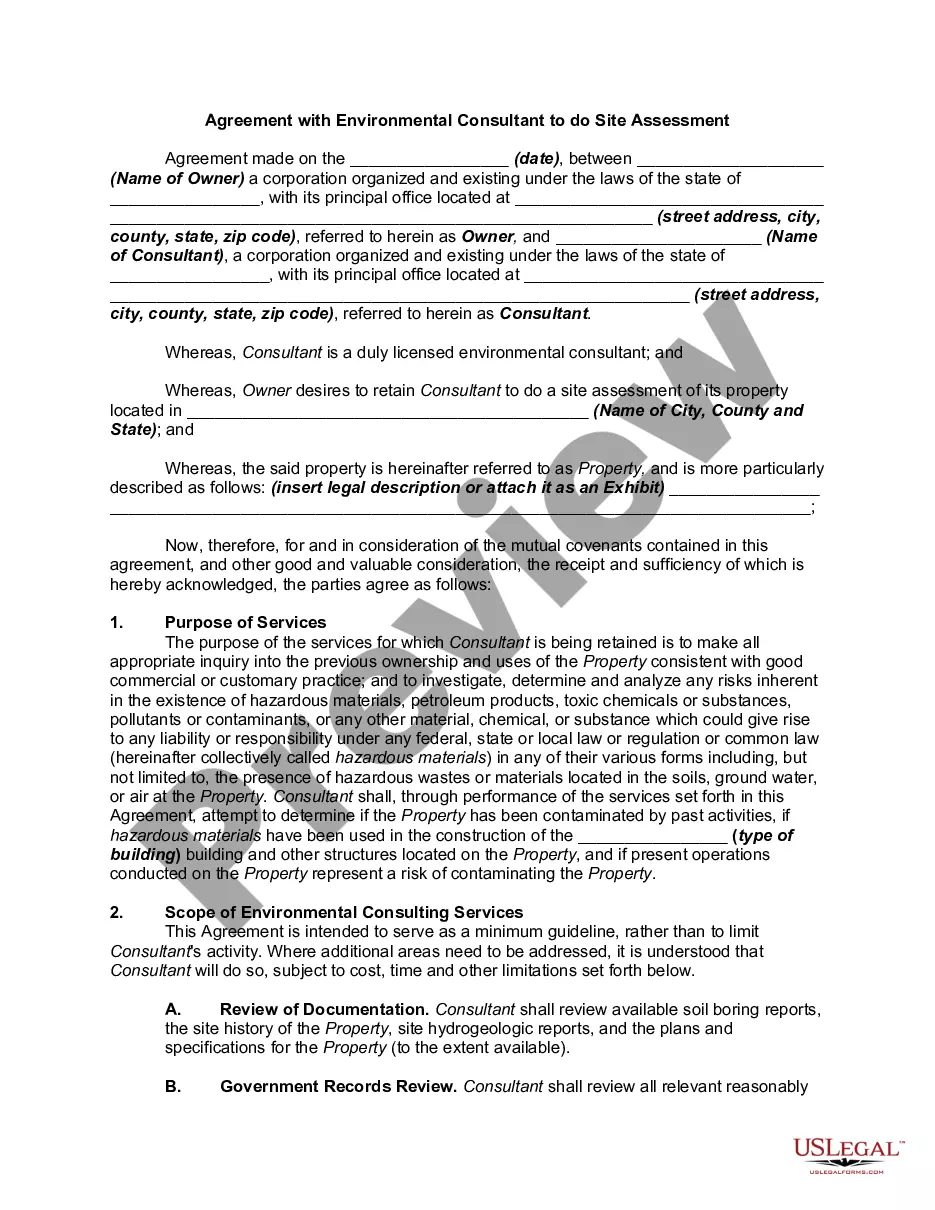
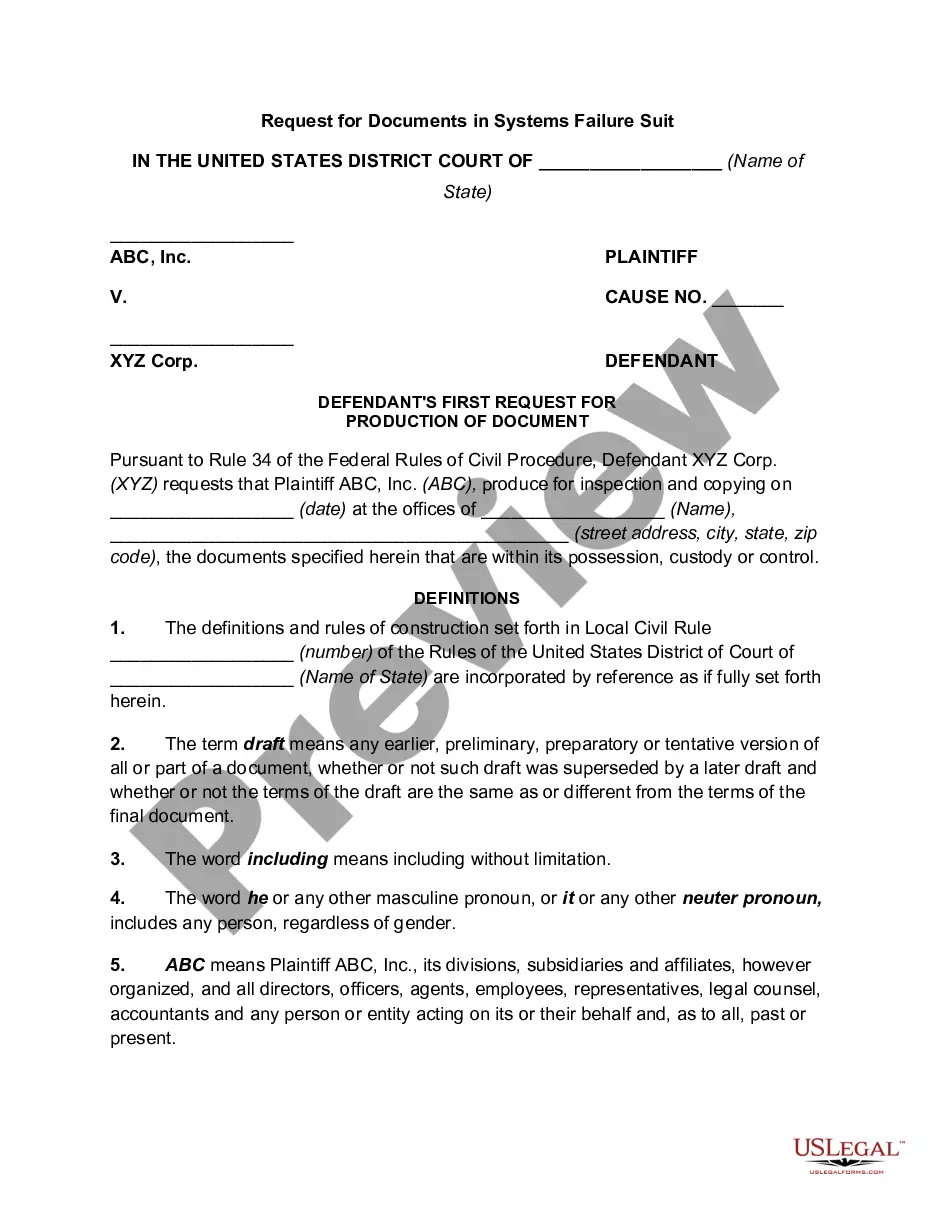
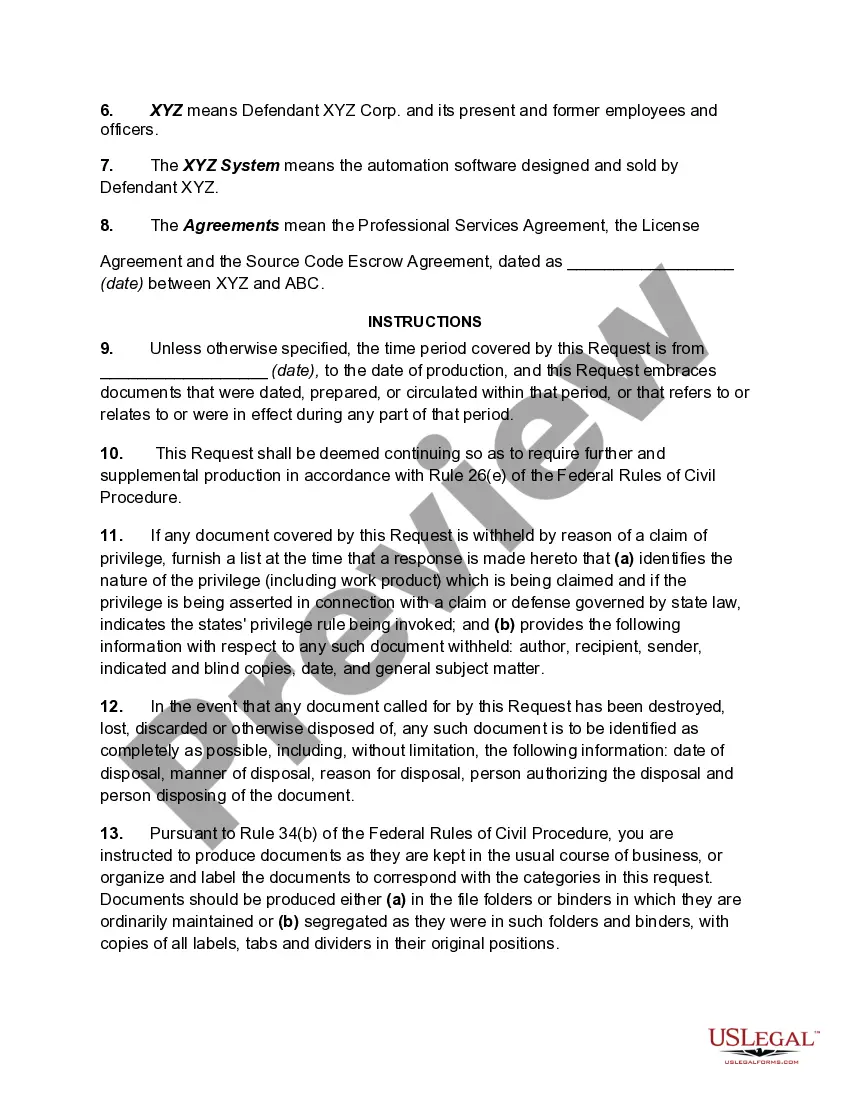
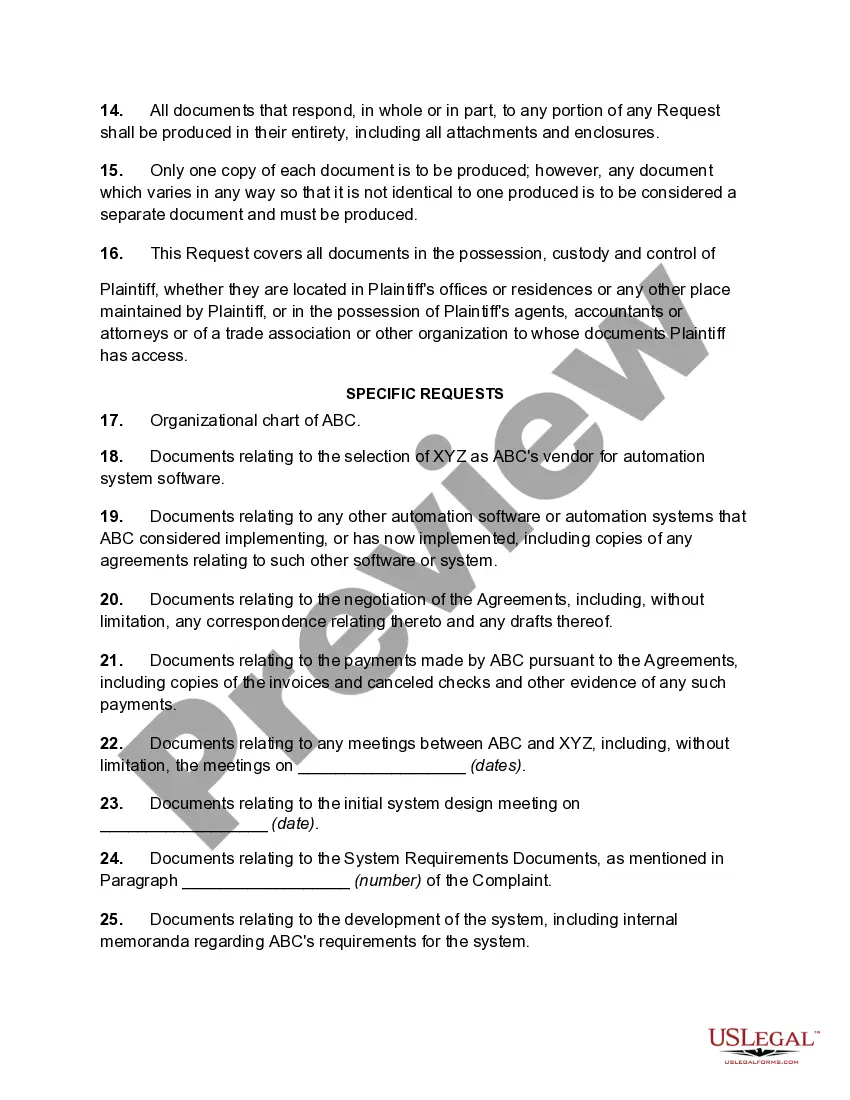
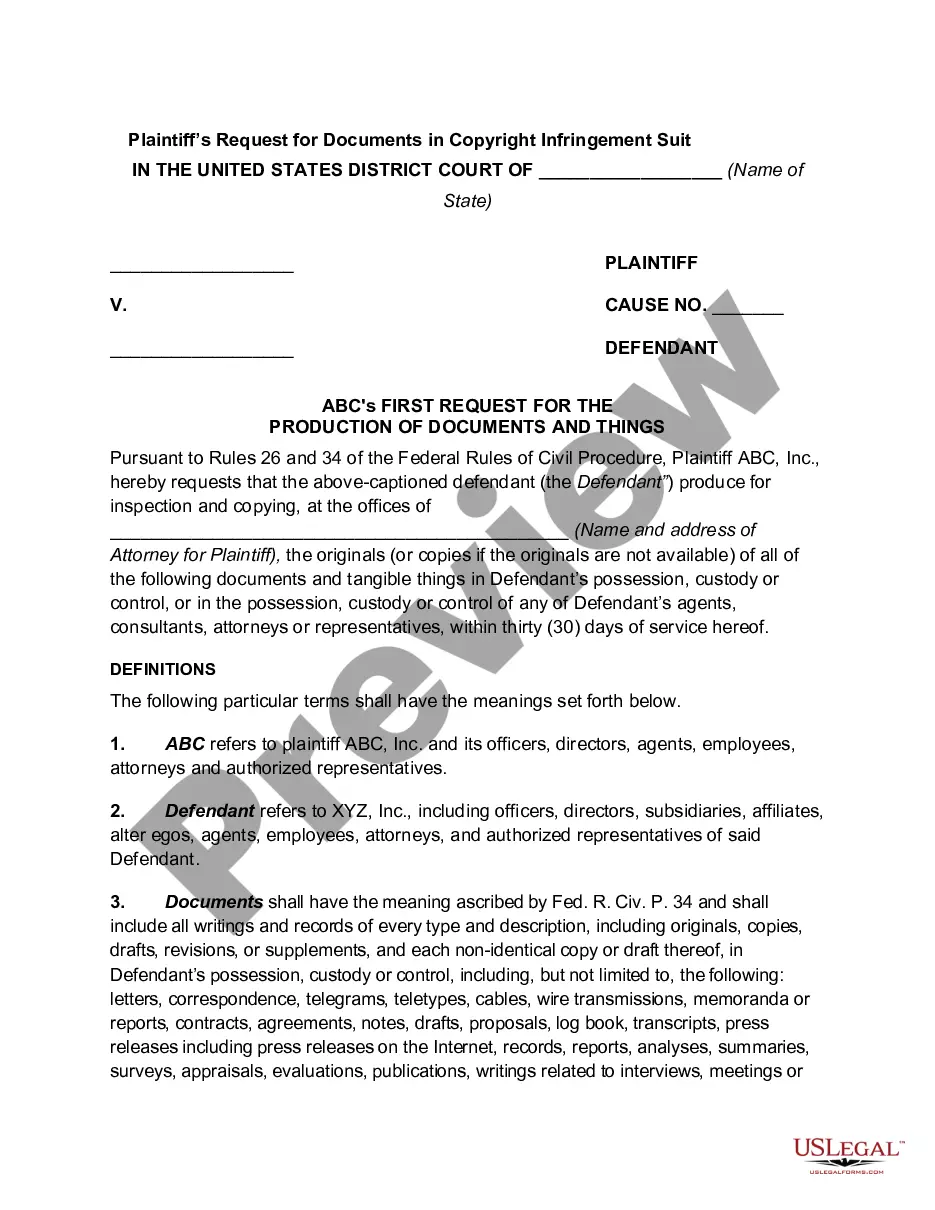
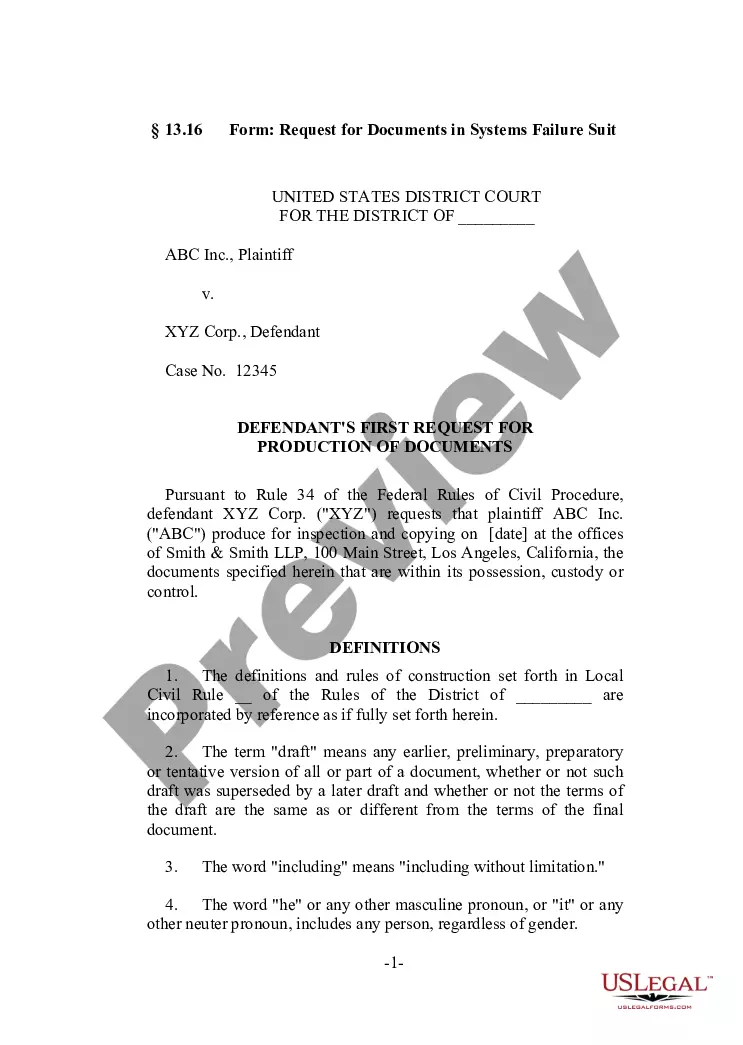
Texas Request for Documents in Systems Failure Suit
Description
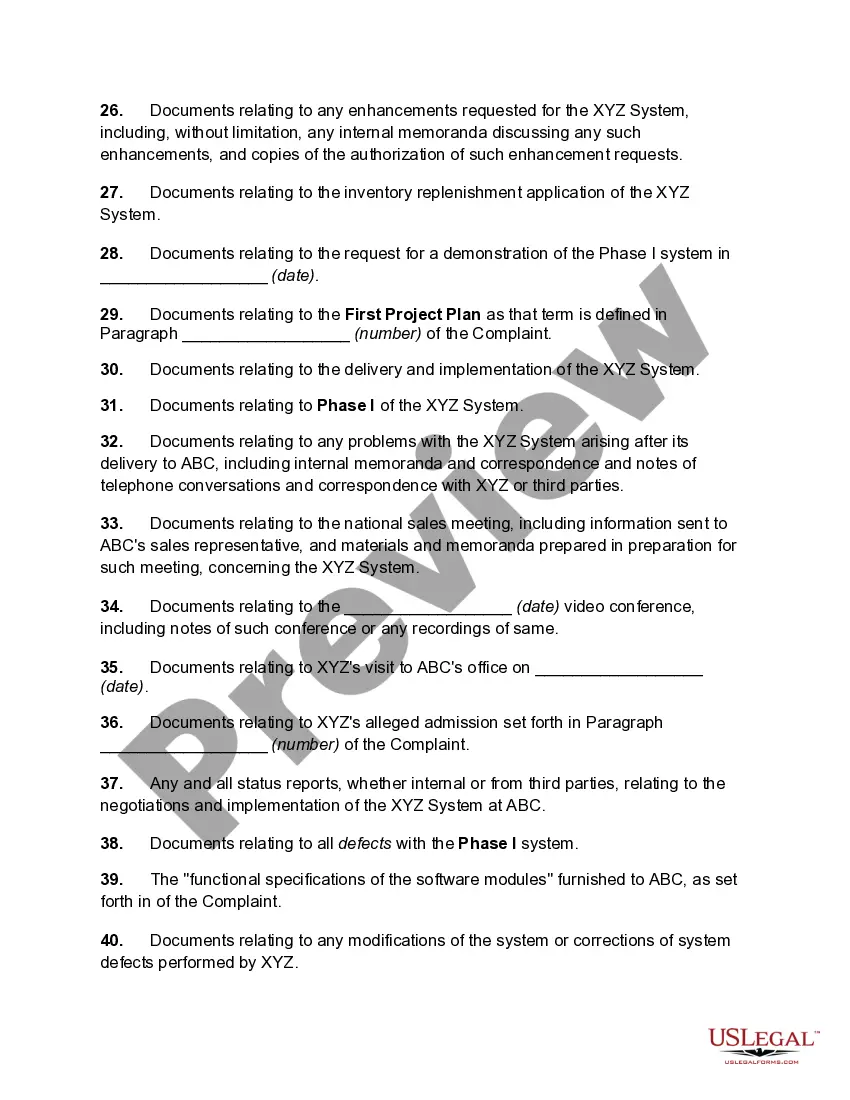
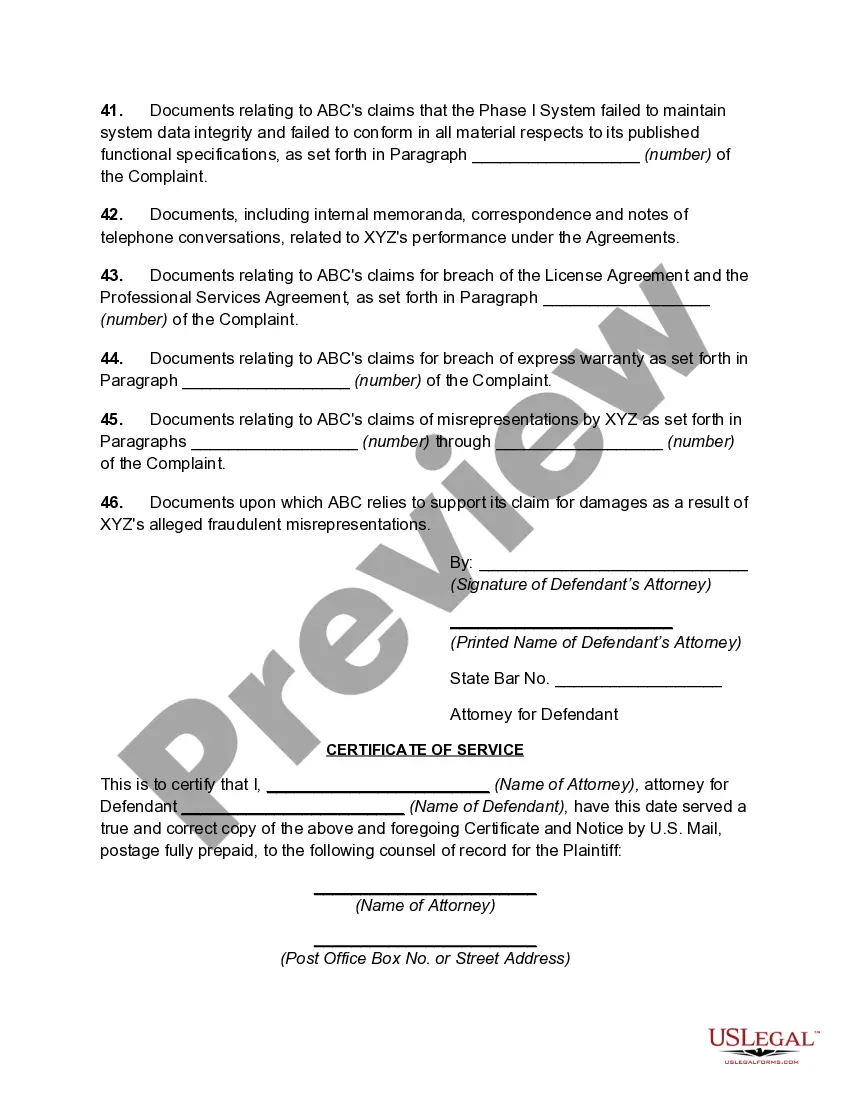
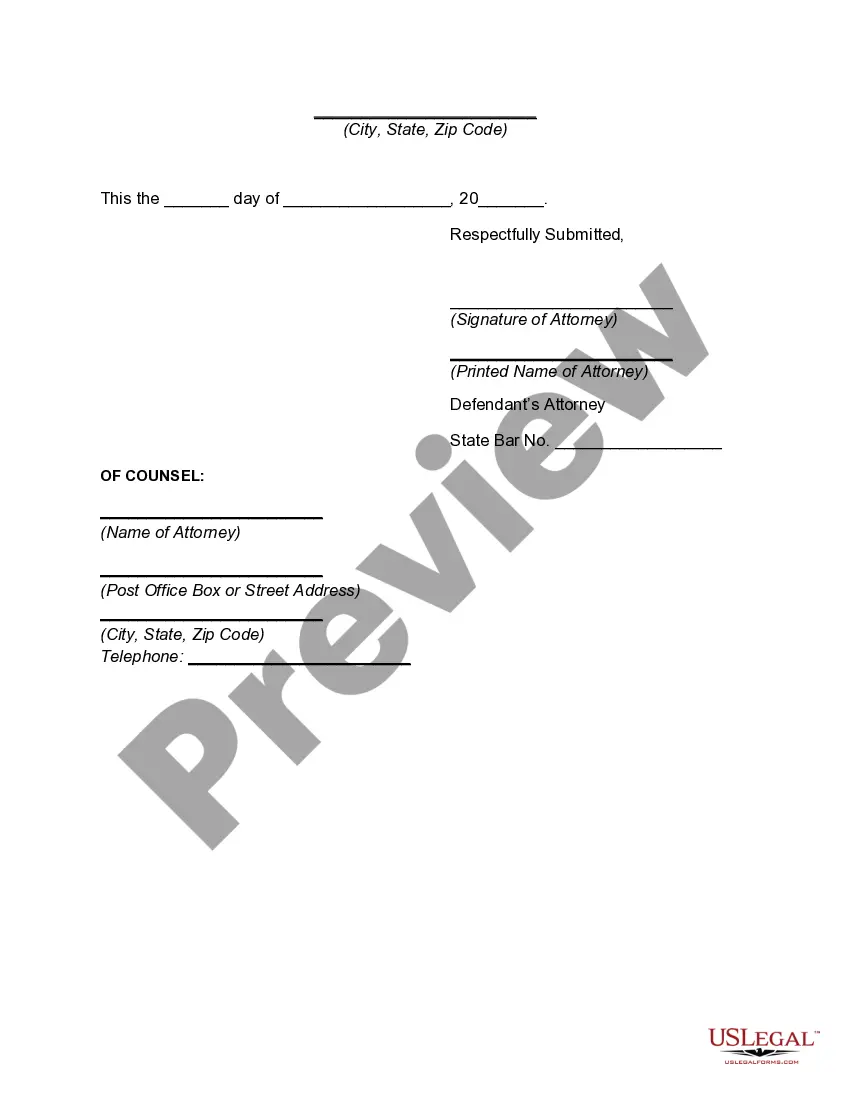
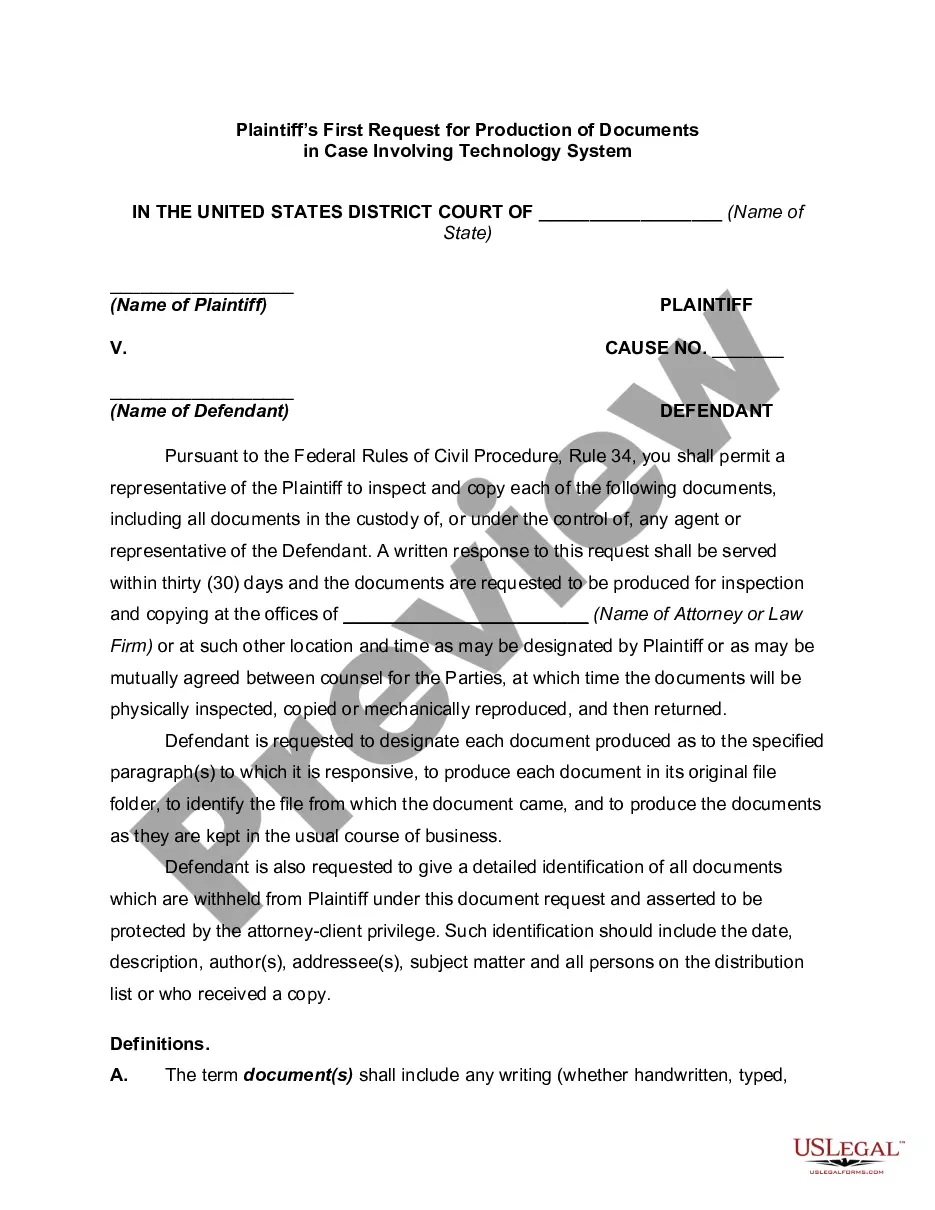
Get your form ready online
Our built-in tools help you complete, sign, share, and store your documents in one place.
Make edits, fill in missing information, and update formatting in US Legal Forms—just like you would in MS Word.
Download a copy, print it, send it by email, or mail it via USPS—whatever works best for your next step.
Sign and collect signatures with our SignNow integration. Send to multiple recipients, set reminders, and more. Go Premium to unlock E-Sign.
If this form requires notarization, complete it online through a secure video call—no need to meet a notary in person or wait for an appointment.
We protect your documents and personal data by following strict security and privacy standards.

Make edits, fill in missing information, and update formatting in US Legal Forms—just like you would in MS Word.

Download a copy, print it, send it by email, or mail it via USPS—whatever works best for your next step.

Sign and collect signatures with our SignNow integration. Send to multiple recipients, set reminders, and more. Go Premium to unlock E-Sign.

If this form requires notarization, complete it online through a secure video call—no need to meet a notary in person or wait for an appointment.

We protect your documents and personal data by following strict security and privacy standards.
Looking for another form?





How to fill out Request For Documents In Systems Failure Suit?
It is feasible to allocate time online trying to locate the proper legal document template that complies with the state and federal requirements you need.
US Legal Forms offers thousands of legal templates that have been reviewed by experts.
You can easily download or print the Texas Request for Documents in Systems Failure Suit from their service.
If desired, utilize the Preview button to review the document template as well.
- If you currently possess a US Legal Forms account, you may Log In and press the Obtain button.
- Following that, you may complete, modify, print, or sign the Texas Request for Documents in Systems Failure Suit.
- Each legal document template you obtain is yours indefinitely.
- To get another copy of any form you have acquired, visit the My documents tab and click on the relevant button.
- If you are using the US Legal Forms website for the first time, follow the straightforward instructions below.
- First, ensure that you have selected the correct document template for the area/region of your choice.
- Refer to the form description to confirm you have chosen the suitable form.
Form popularity
FAQ
Rule 76 in Texas pertains to the production of documents in legal proceedings, which is essential in a Texas Request for Documents in Systems Failure Suit. This rule outlines the obligations parties have to disclose documents that might support their case or contain information relevant to the issues at hand. As such, it helps ensure a fair discovery process by allowing parties to prepare adequately for litigation. If you're navigating a systems failure suit, understanding this rule can facilitate better compliance and strengthen your case.