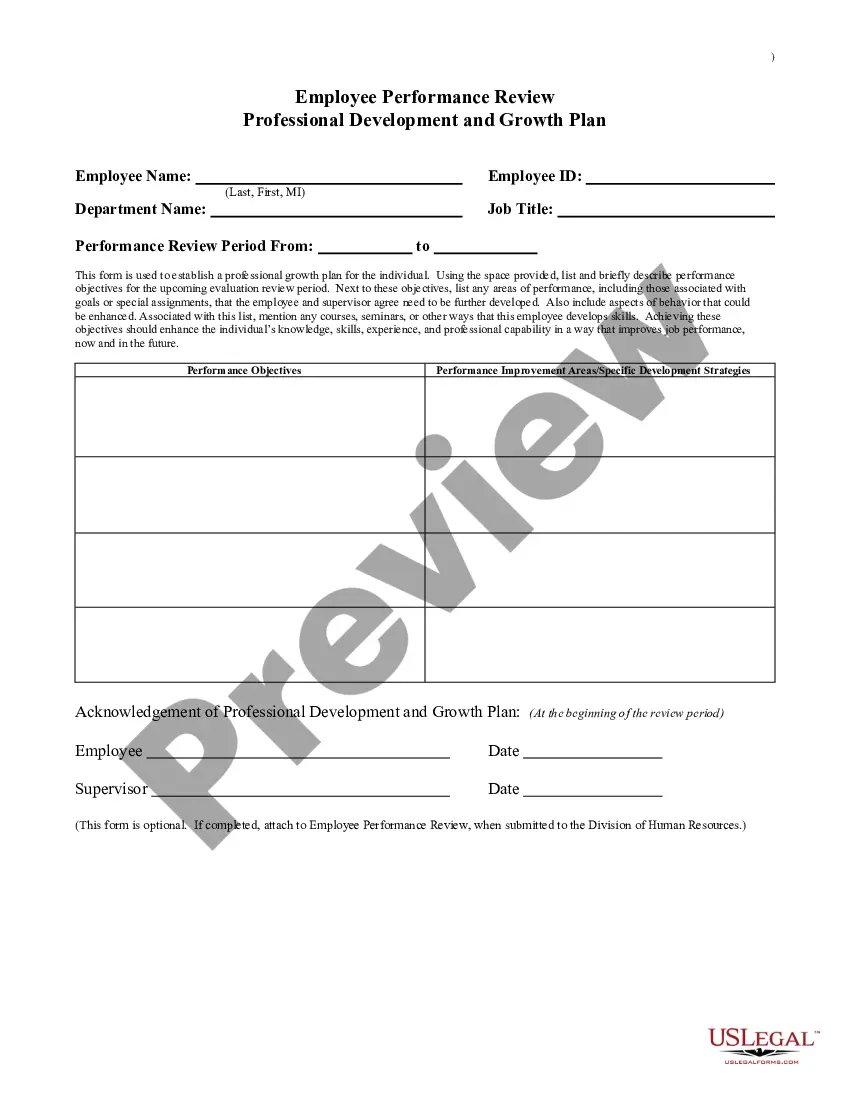
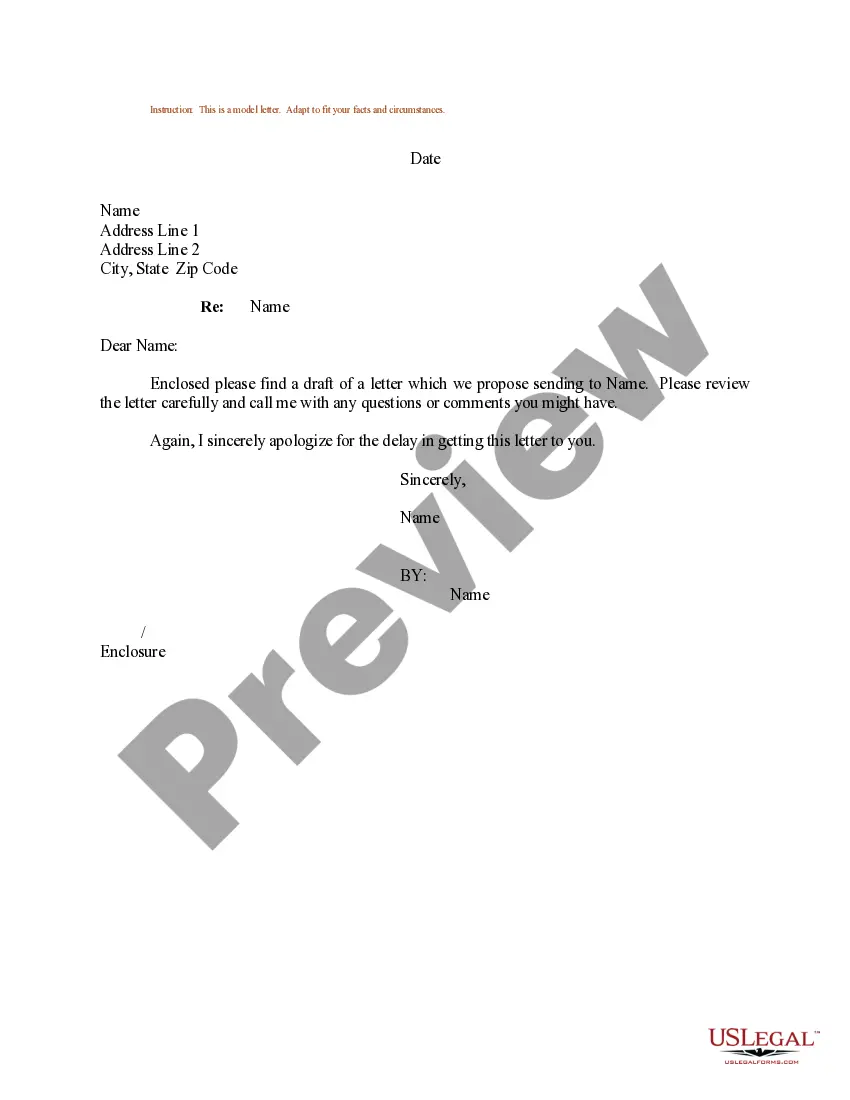
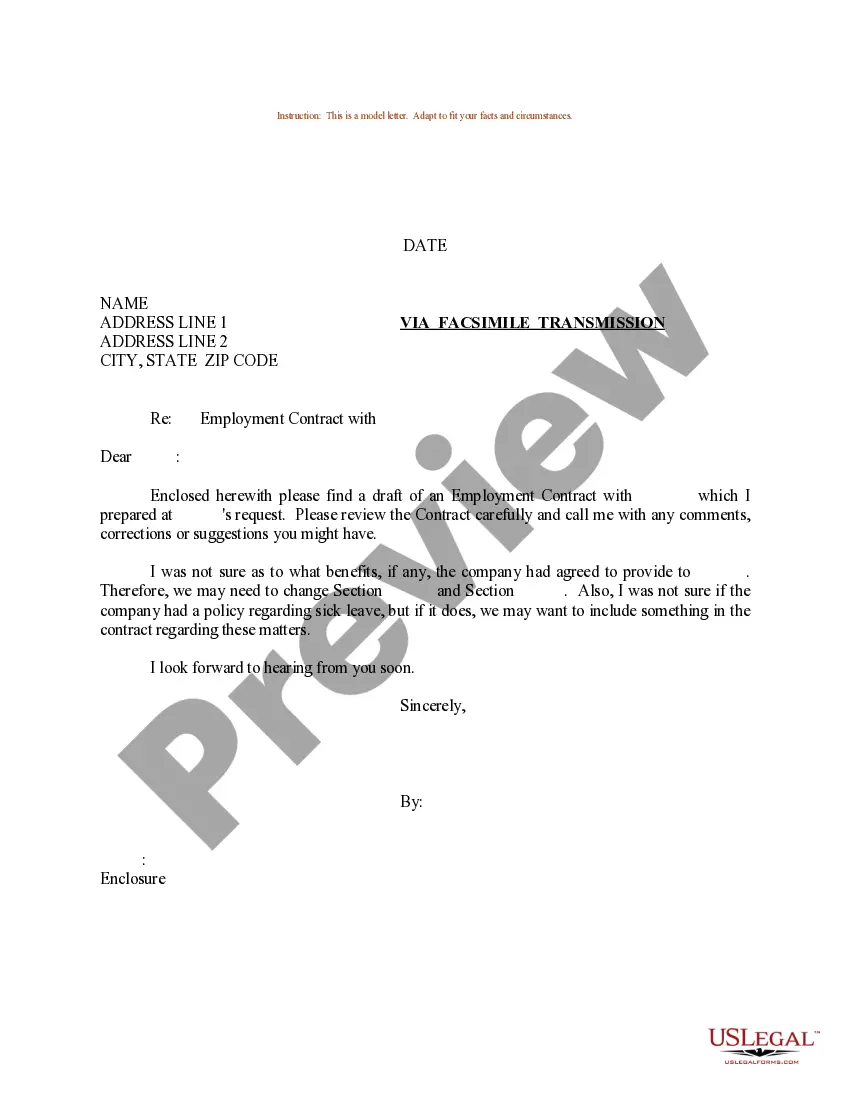
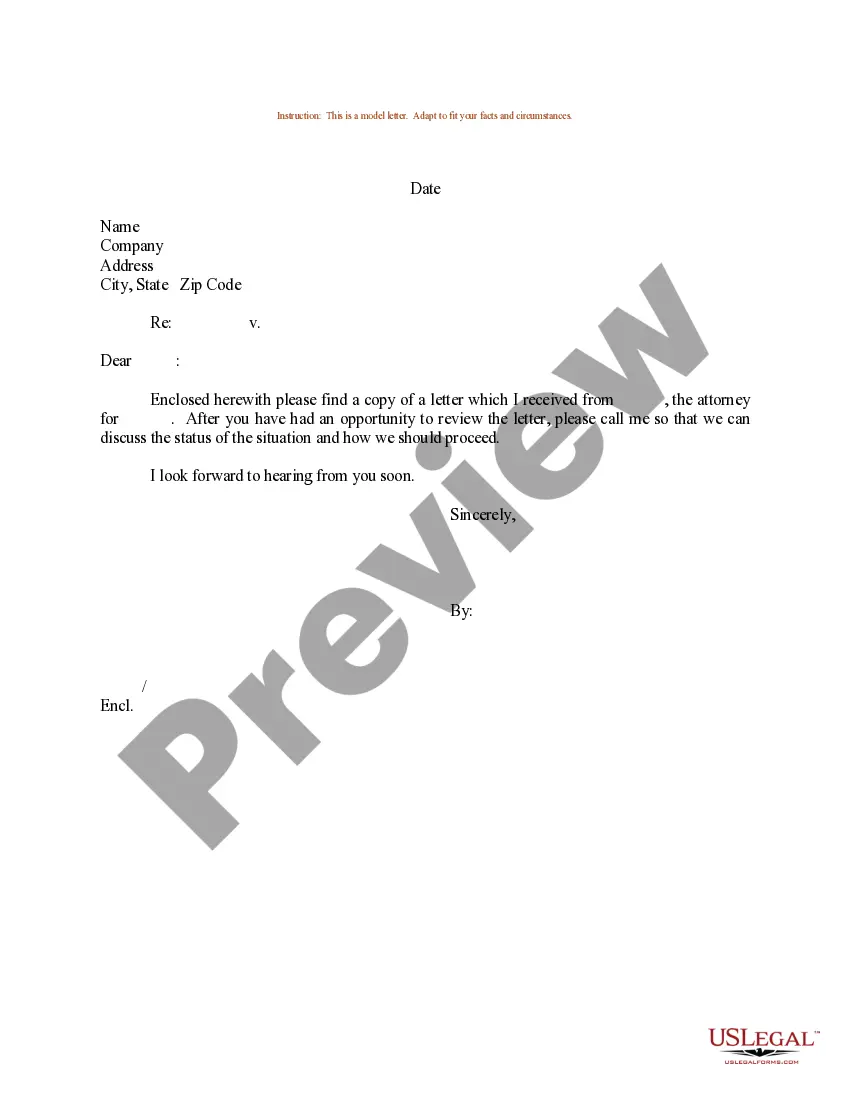
Texas Sample Letter for Review of Draft
Description
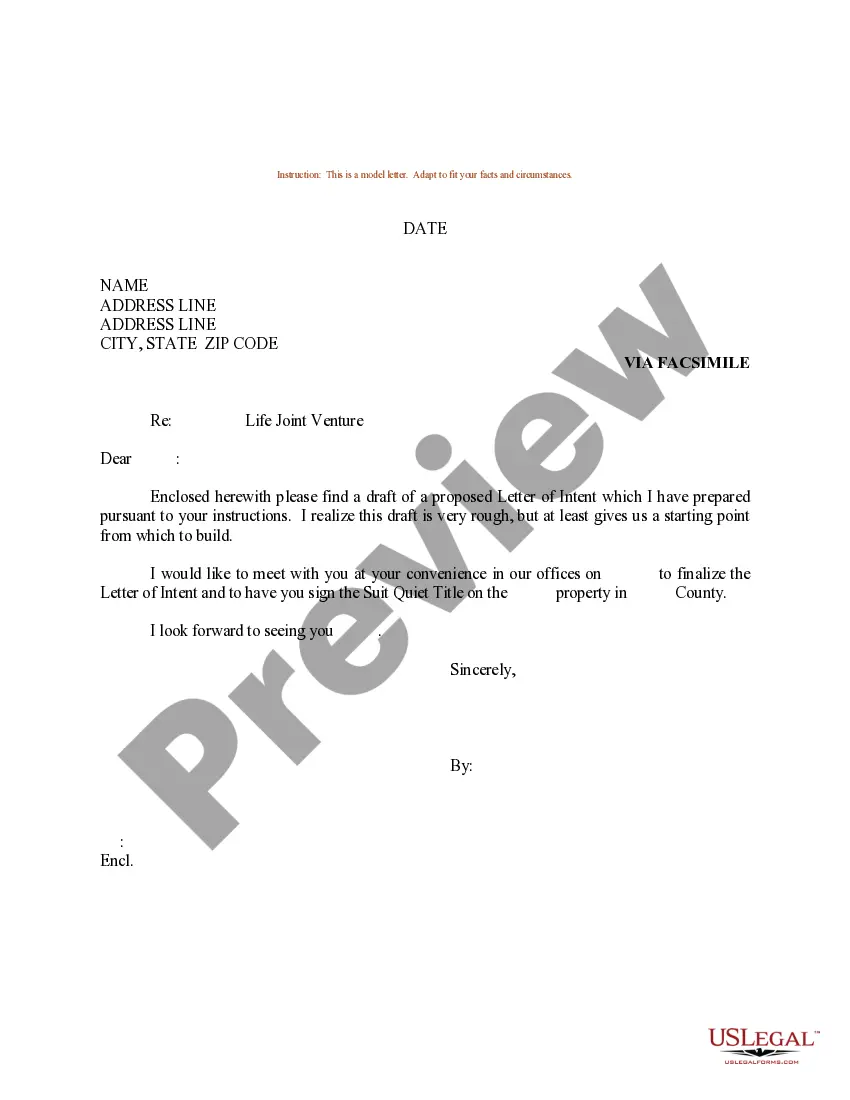
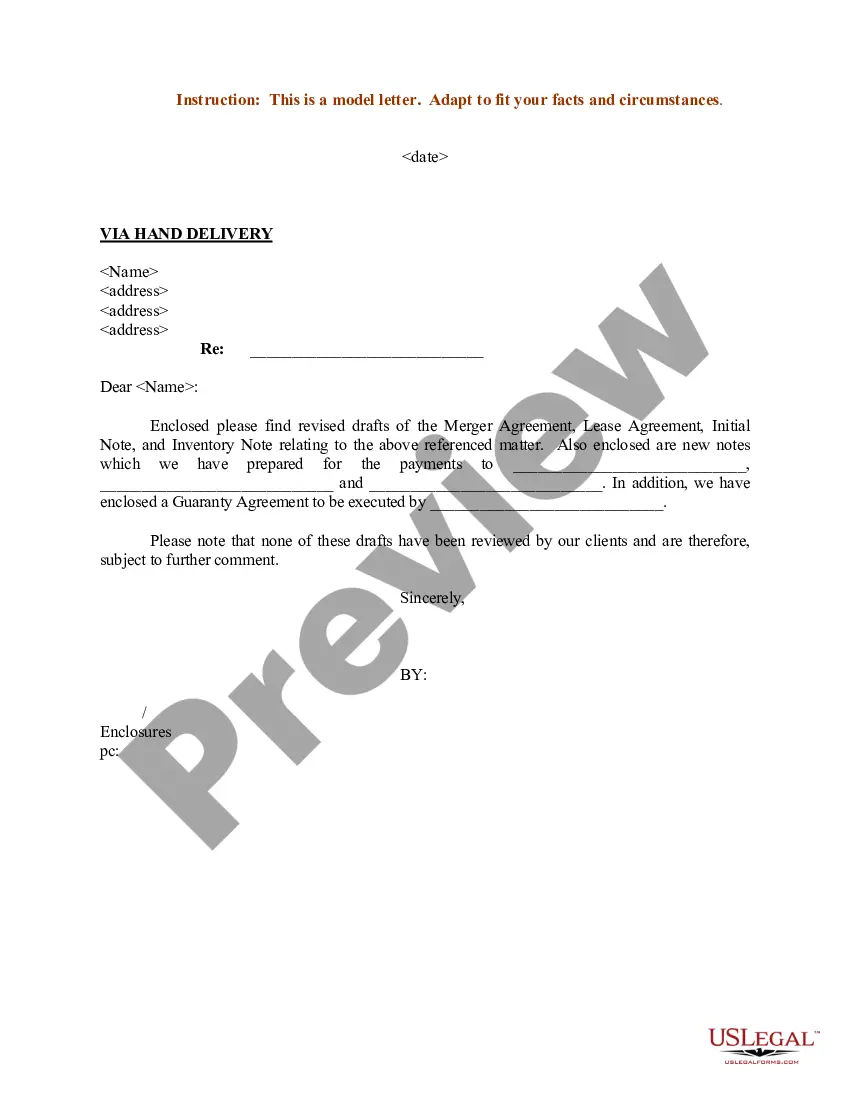
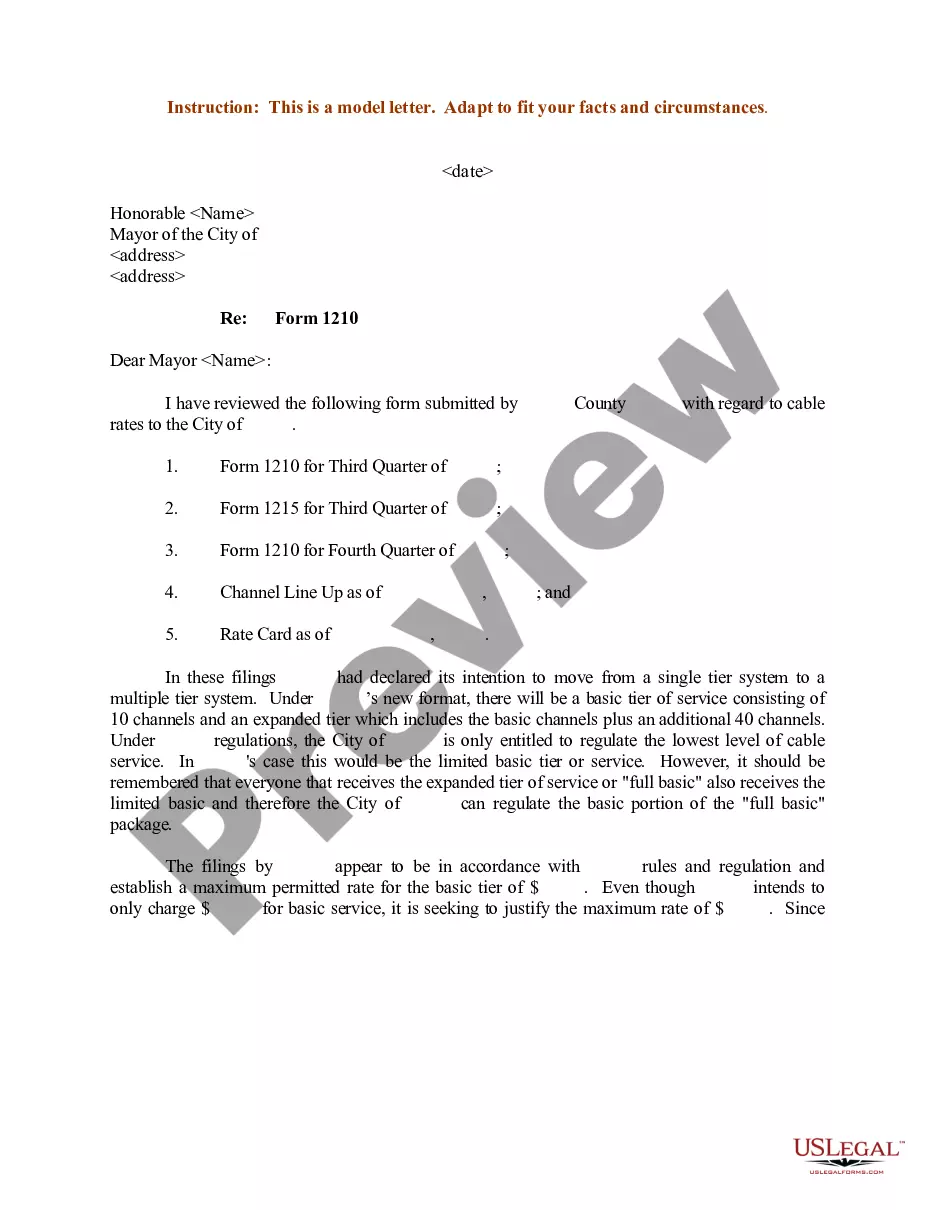
Get your form ready online
Our built-in tools help you complete, sign, share, and store your documents in one place.
Make edits, fill in missing information, and update formatting in US Legal Forms—just like you would in MS Word.
Download a copy, print it, send it by email, or mail it via USPS—whatever works best for your next step.
Sign and collect signatures with our SignNow integration. Send to multiple recipients, set reminders, and more. Go Premium to unlock E-Sign.
If this form requires notarization, complete it online through a secure video call—no need to meet a notary in person or wait for an appointment.
We protect your documents and personal data by following strict security and privacy standards.

Make edits, fill in missing information, and update formatting in US Legal Forms—just like you would in MS Word.

Download a copy, print it, send it by email, or mail it via USPS—whatever works best for your next step.

Sign and collect signatures with our SignNow integration. Send to multiple recipients, set reminders, and more. Go Premium to unlock E-Sign.

If this form requires notarization, complete it online through a secure video call—no need to meet a notary in person or wait for an appointment.

We protect your documents and personal data by following strict security and privacy standards.
Looking for another form?
How to fill out Sample Letter For Review Of Draft?
Choosing the right authorized record format could be a have difficulties. Of course, there are tons of templates available on the Internet, but how would you obtain the authorized form you want? Utilize the US Legal Forms internet site. The assistance gives a large number of templates, including the Texas Sample Letter for Review of Draft, which you can use for company and personal requirements. All the forms are checked out by professionals and fulfill federal and state needs.
In case you are presently registered, log in to the bank account and click on the Acquire key to get the Texas Sample Letter for Review of Draft. Use your bank account to appear from the authorized forms you might have bought previously. Proceed to the My Forms tab of the bank account and get one more duplicate of your record you want.
In case you are a new consumer of US Legal Forms, here are straightforward guidelines that you should follow:
- Initial, make certain you have selected the correct form for your personal city/area. It is possible to examine the form while using Review key and look at the form information to ensure this is basically the right one for you.
- When the form does not fulfill your preferences, utilize the Seach discipline to discover the proper form.
- When you are positive that the form is suitable, select the Get now key to get the form.
- Select the prices plan you desire and type in the essential information and facts. Design your bank account and pay for your order utilizing your PayPal bank account or Visa or Mastercard.
- Opt for the file format and acquire the authorized record format to the device.
- Total, edit and produce and signal the obtained Texas Sample Letter for Review of Draft.
US Legal Forms will be the greatest catalogue of authorized forms that you can discover different record templates. Utilize the service to acquire skillfully-made papers that follow condition needs.
Form popularity
FAQ
An appeal to the Texas Supreme Court is initiated by filing a ?petition for review,? in which a party has an extremely limited number of words in which to convince the Supreme Court to allow a more lengthy filing (which is called a ?brief on the merits?) and ultimately to grant review of a court of appeals decision of ...
When must a petition for review be filed? You must file your petition for review no later than forty-five days after the court of appeals issues its judgment.
In usual practice the Texas Supreme Court grants a petition and sets the cause for oral argument. Four justices must agree to grant the case. Of more than 1,000 petitions most years, the Court grants between 80 and 90 and sets them for argument. The Court hears all causes en banc ? as a whole and not in panels.
If the California Supreme Court denies the petition for review, the appeal decision becomes final immediately and then the Court of Appeal issues a remittitur. If the California Supreme Court agrees to review the case, then the case moves from the Court of Appeal to the Supreme Court and a new briefing process begins.
The Supreme Court of Texas has discretionary jurisdiction, which means the Court can choose which cases to grant or deny. When the Court denies a Petition for Review, there is no reason given for the denial and no opinion is written.