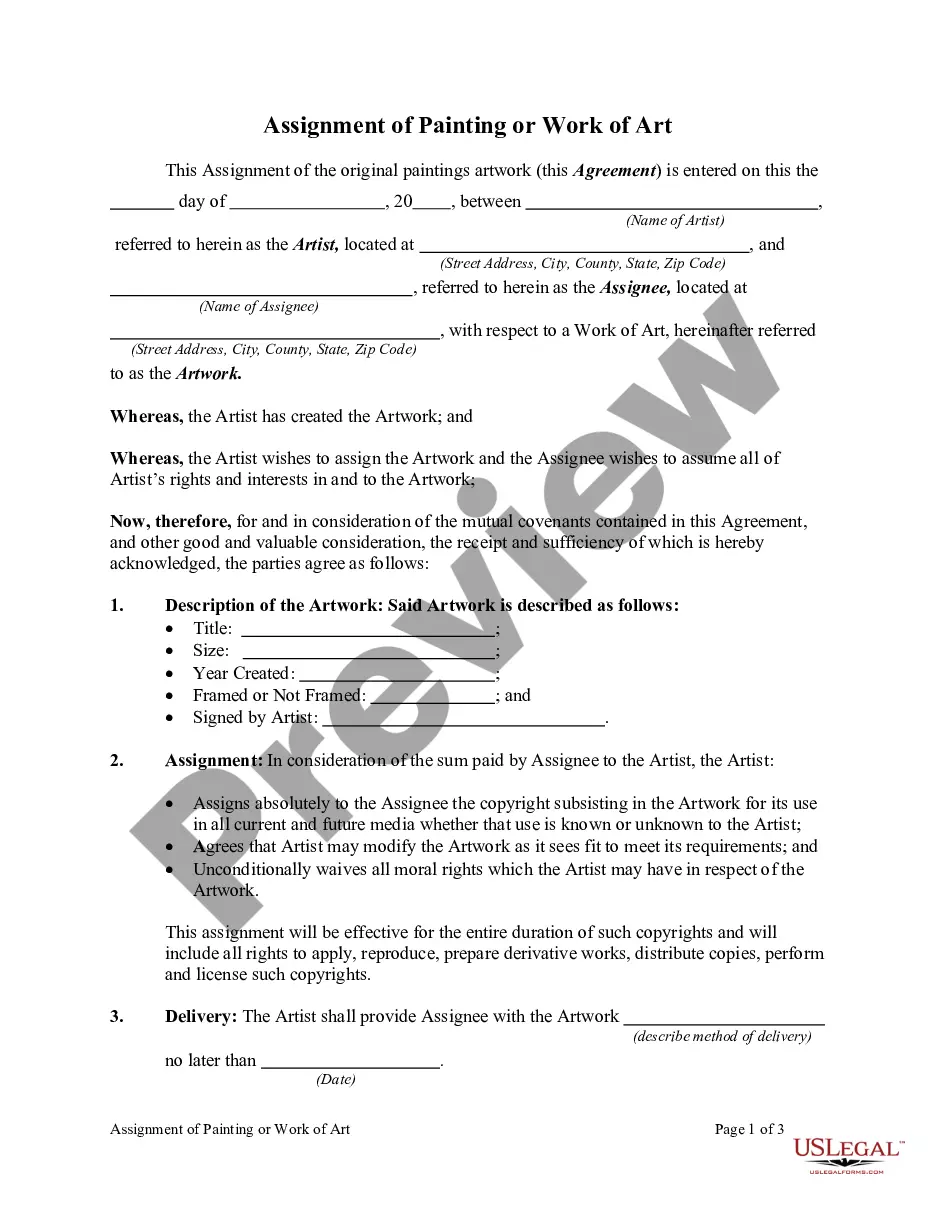
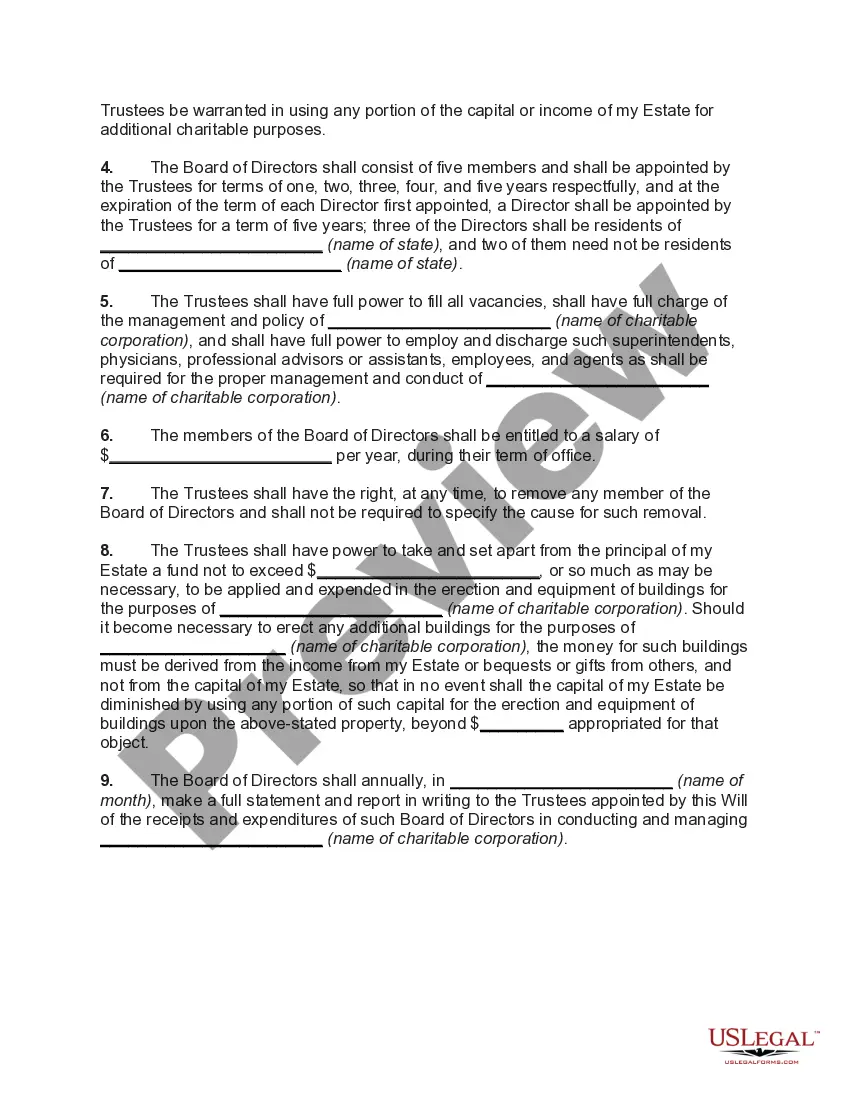
Texas Testamentary Trust Provision for the Establishment of a Trust for a Charitable Institution for the Care and Treatment of Disabled Children
Description
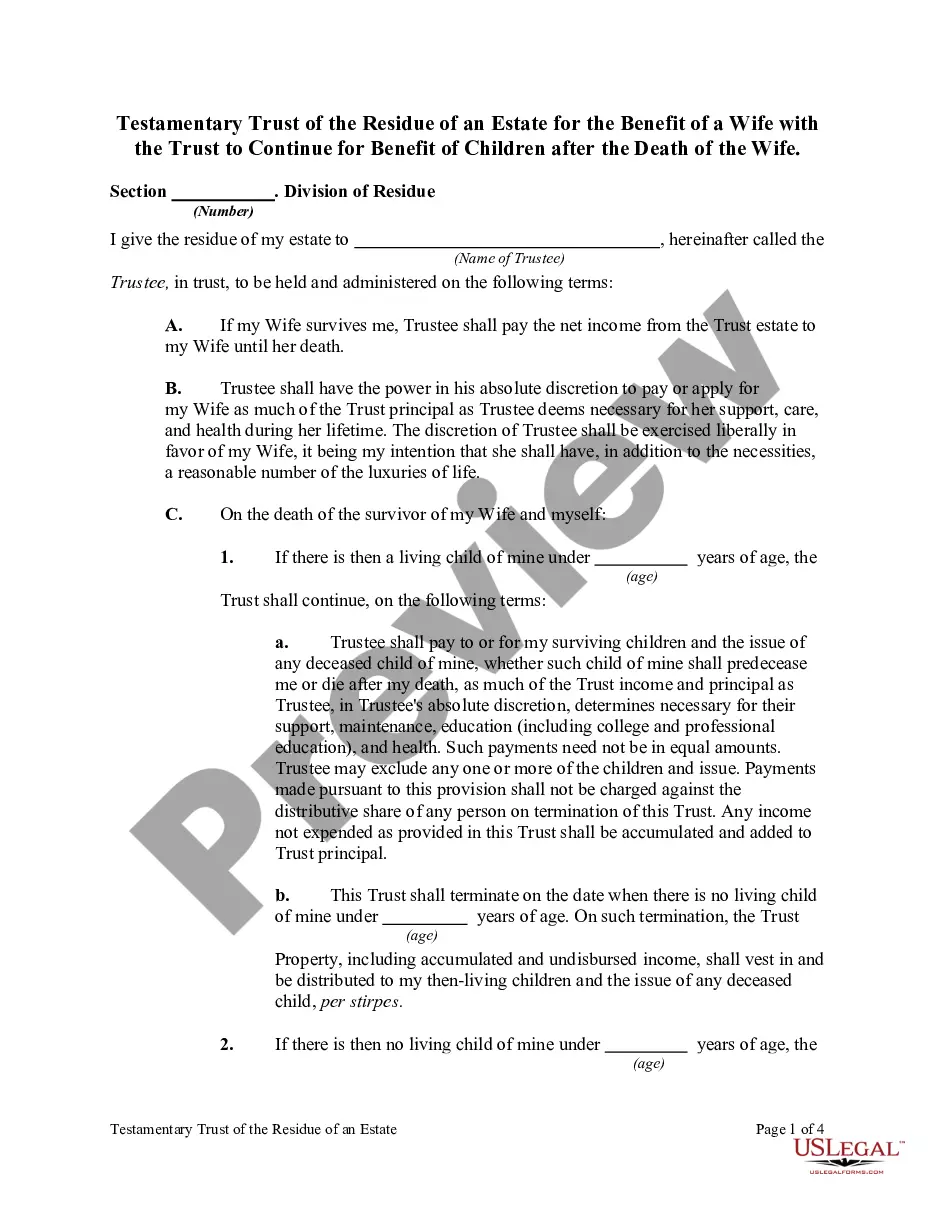
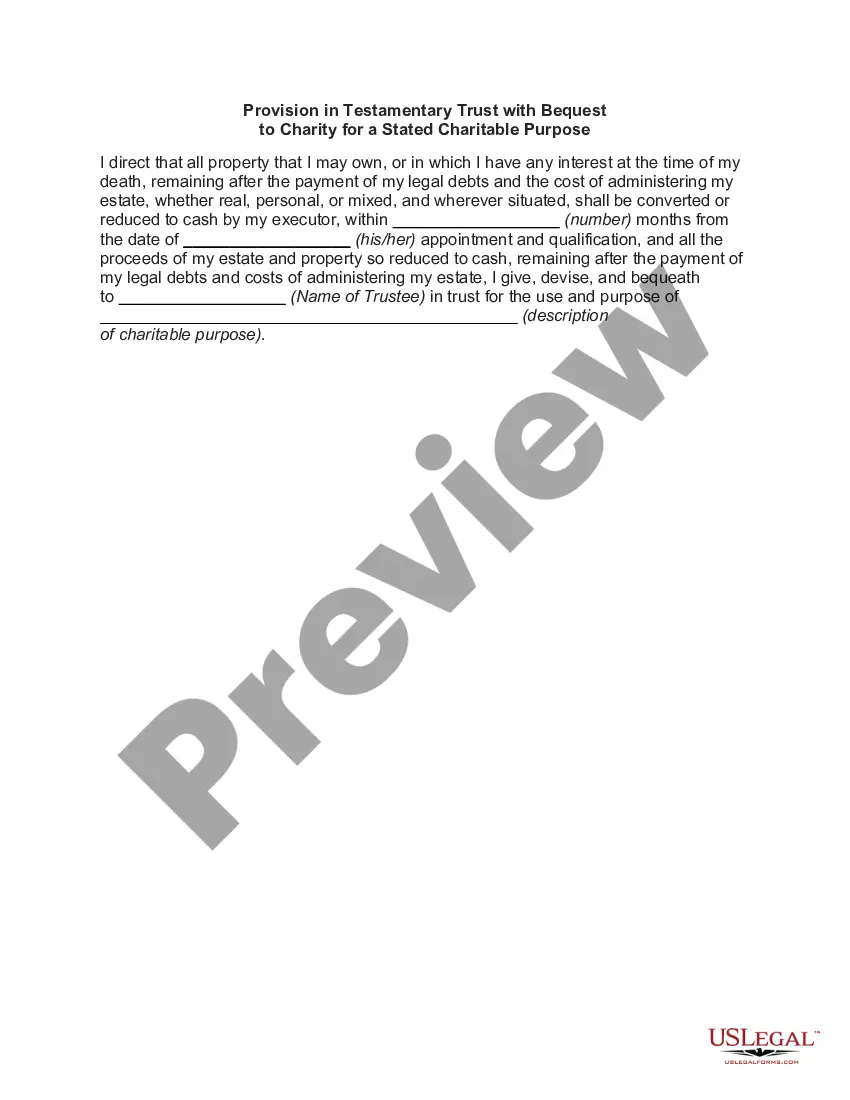
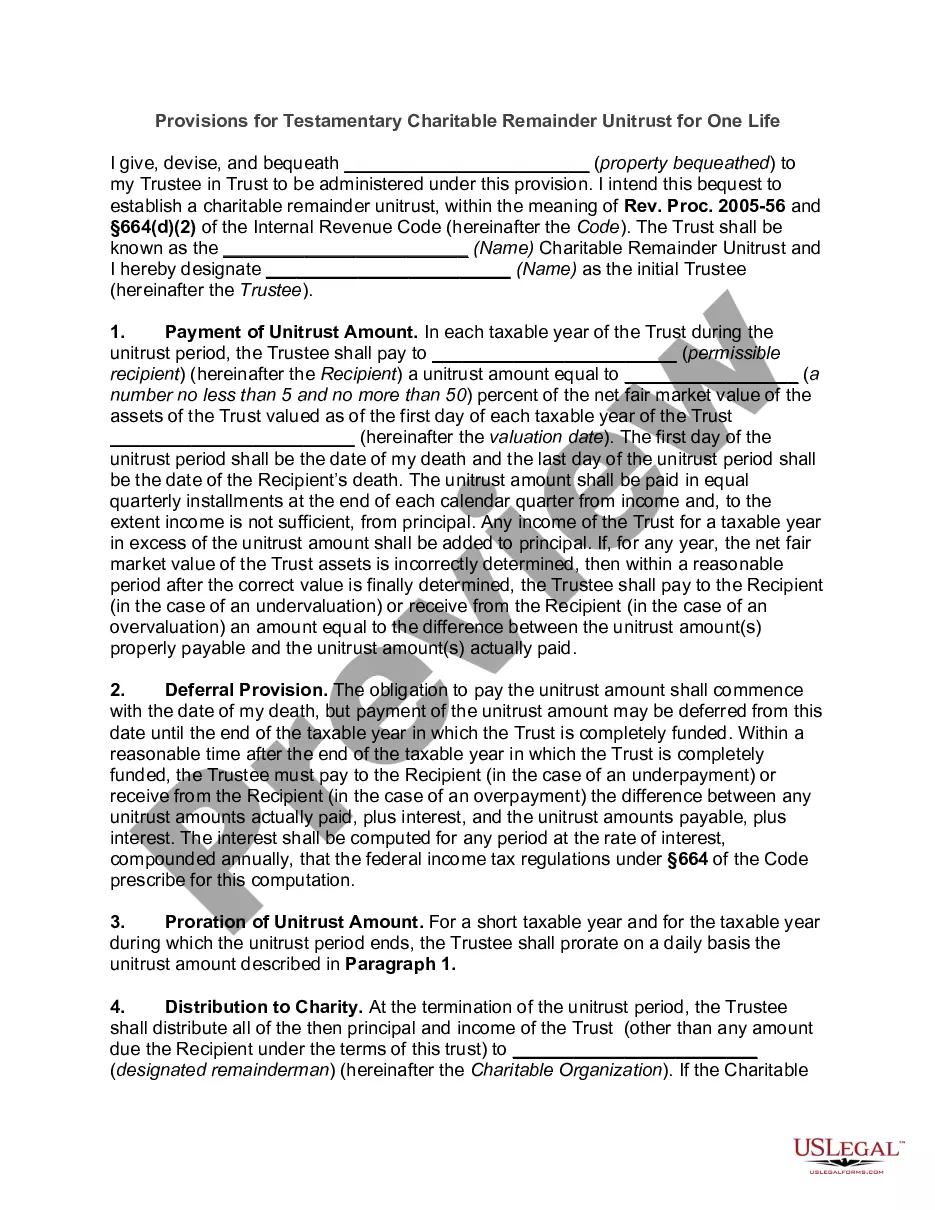

Get your form ready online
Our built-in tools help you complete, sign, share, and store your documents in one place.
Make edits, fill in missing information, and update formatting in US Legal Forms—just like you would in MS Word.
Download a copy, print it, send it by email, or mail it via USPS—whatever works best for your next step.
Sign and collect signatures with our SignNow integration. Send to multiple recipients, set reminders, and more. Go Premium to unlock E-Sign.
If this form requires notarization, complete it online through a secure video call—no need to meet a notary in person or wait for an appointment.
We protect your documents and personal data by following strict security and privacy standards.

Make edits, fill in missing information, and update formatting in US Legal Forms—just like you would in MS Word.

Download a copy, print it, send it by email, or mail it via USPS—whatever works best for your next step.

Sign and collect signatures with our SignNow integration. Send to multiple recipients, set reminders, and more. Go Premium to unlock E-Sign.

If this form requires notarization, complete it online through a secure video call—no need to meet a notary in person or wait for an appointment.

We protect your documents and personal data by following strict security and privacy standards.
Looking for another form?
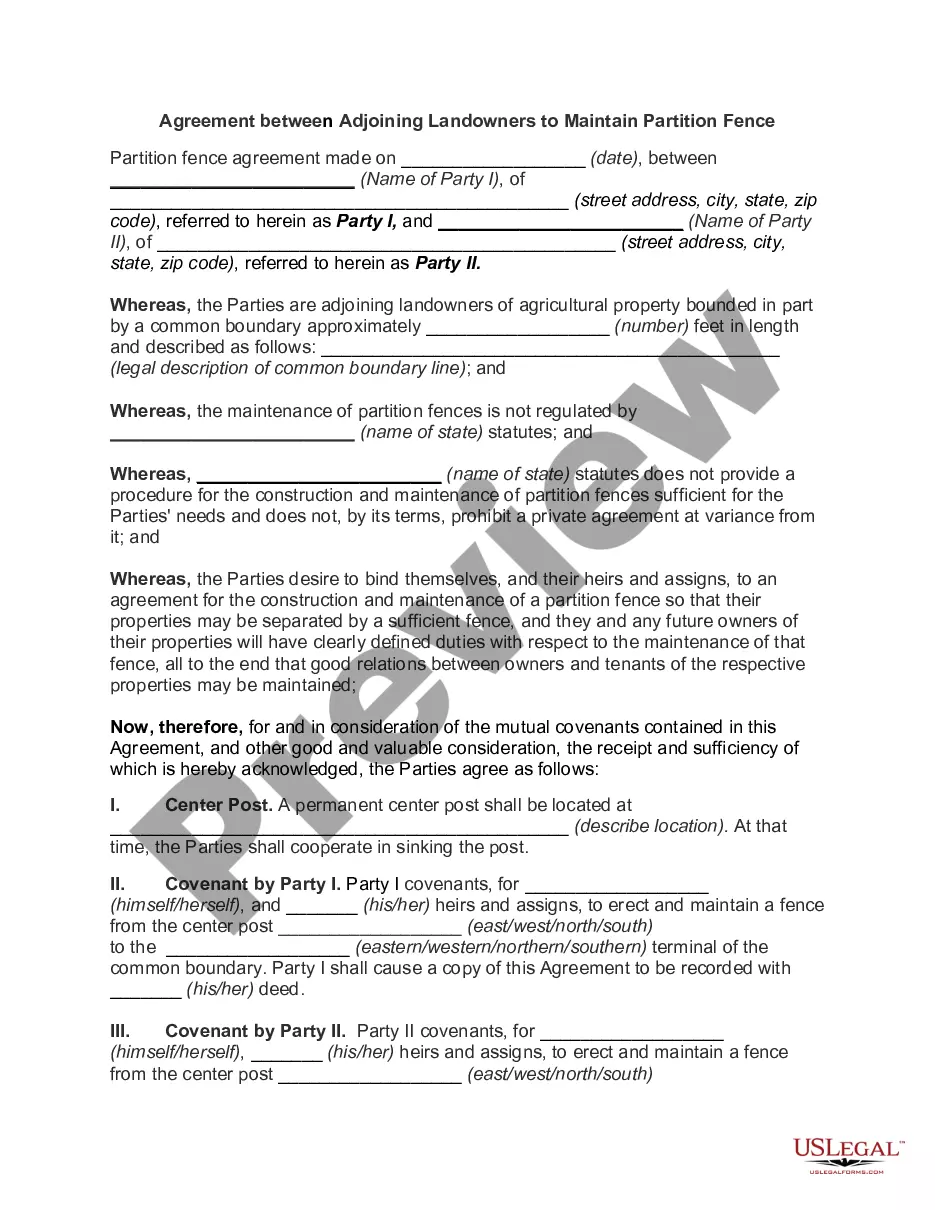
How to fill out Testamentary Trust Provision For The Establishment Of A Trust For A Charitable Institution For The Care And Treatment Of Disabled Children?
If you want to finalize, download, or print authentic document templates, utilize US Legal Forms, the premier collection of legal forms, accessible online.
Take advantage of the site's straightforward and user-friendly search to find the documents you require.
Numerous templates for business and personal purposes are organized by categories and states, or keywords.
Step 4. Once you have found the form you need, click the Buy now button. Choose the payment plan you prefer and enter your information to register for an account.
Step 5. Complete the transaction. You can use your credit card or PayPal account to carry out the payment. Step 6. Select the format of the legal form and download it to your device. Step 7. Complete, modify, print, or sign the Texas Testamentary Trust Provision for the Establishment of a Trust for a Charitable Organization for the Care and Treatment of Disabled Children.
- Use US Legal Forms to acquire the Texas Testamentary Trust Provision for the Establishment of a Trust for a Charitable Organization for the Care and Treatment of Disabled Children in just a few clicks.
- If you are already a US Legal Forms customer, Log Into your account and click the Download button to retrieve the Texas Testamentary Trust Provision for the Establishment of a Trust for a Charitable Organization for the Care and Treatment of Disabled Children.
- You can also access forms you previously downloaded within the My documents tab of your account.
- If this is your first time using US Legal Forms, follow the instructions below.
- Step 1. Ensure you have selected the form for the correct city/state.
- Step 2. Use the Preview option to review the content of the form. Make sure to read the description.
- Step 3. If you are not satisfied with the form, use the Search field at the top of the screen to find alternative versions of the legal form format.
Form popularity
FAQ
Living trusts and testamentary trustsA living trust (sometimes called an inter vivos trust) is one created by the grantor during his or her lifetime, while a testamentary trust is a trust created by the grantor's will.
Ten of the most effective ways to build trustValue long-term relationships. Trust requires long-term thinking.Be honest.Honor your commitments.Admit when you're wrong.Communicate effectively.Be vulnerable.Be helpful.Show people that you care.More items...?
One of the drawbacks of a testamentary trust is the considerable responsibility it puts on the trustee. He must meet regularly with the probate court to demonstrate his safe handling of the trust, and depending on your wishes, his tasks may go on for many years.
For a valid trust to be created the founder must intend to create one, he must express his intention in a mode apt to create an obligation, the property subject to the trust must be defined with reasonable certainty, the trust object, which may either be personal or impersonal must be defined with reasonable certainty
A Testamentary Trust is a trust established under the provisions of a person's Last Will and Testament. Unlike trusts created during the lifetime of the Grantor, a testamentary trust does not become effective until the Grantor has died and his Will has been through probate.
All trusts are required to contain at least the following elements:Trusts must identify the grantor, trustee and beneficiary. The grantor and trustee must be identified because they are parties to the contract.The trust res must be identified.The trust must contain the signature of both the grantor and the trustee.
A testamentary trust is a trust contained in a last will and testament. It provides for the distribution of all or part of an estate and often proceeds from a life insurance policy held on the person establishing the trust. There may be more than one testamentary trust per will.
Testamentary trusts are discretionary trusts established in Wills, that allow the trustees of each trust to decide, from time to time, which of the nominated beneficiaries (if any) may receive the benefit of the distributions from that trust for any given period.
All trusts are required to contain at least the following elements:Trusts must identify the grantor, trustee and beneficiary. The grantor and trustee must be identified because they are parties to the contract.The trust res must be identified.The trust must contain the signature of both the grantor and the trustee.