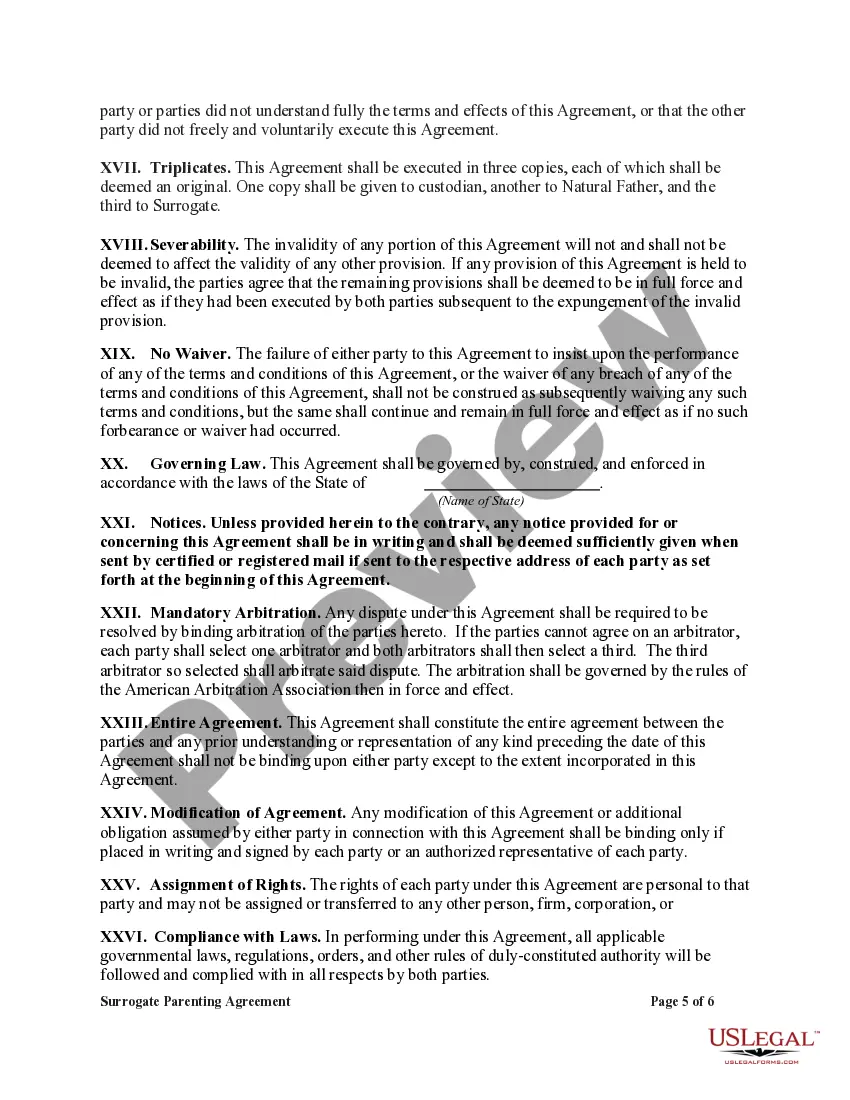
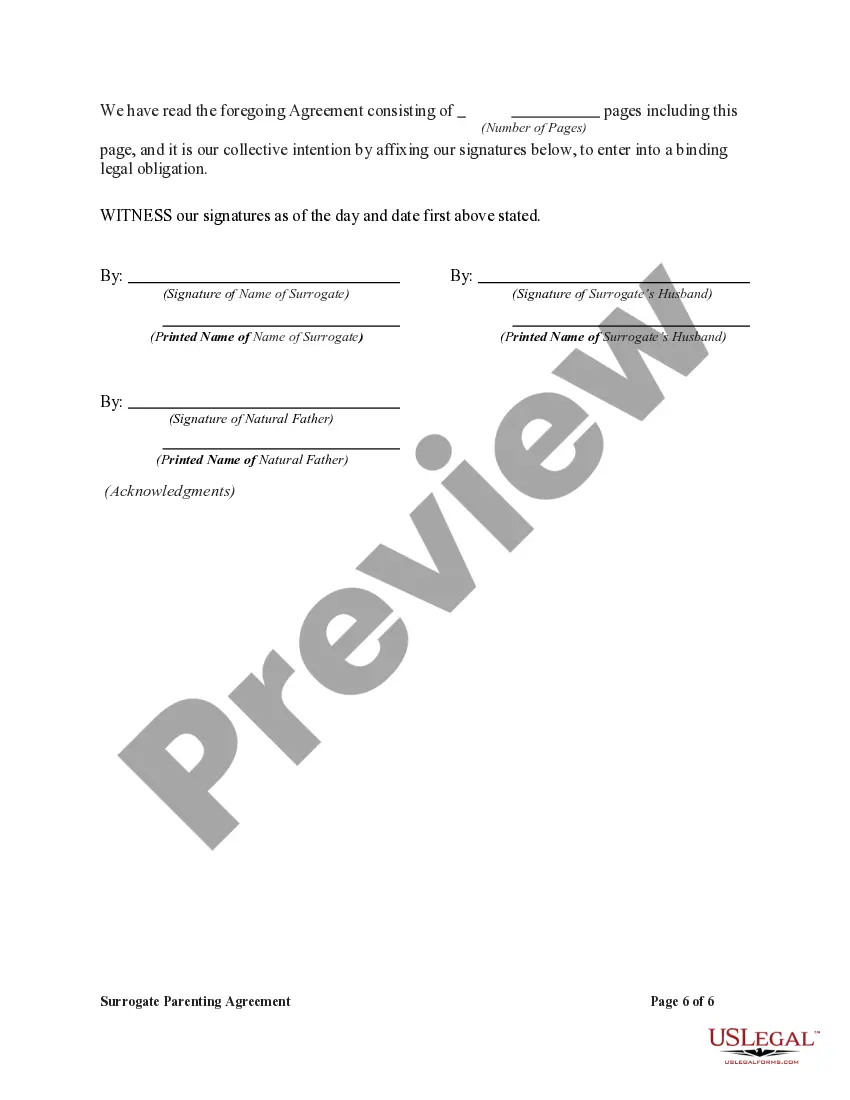
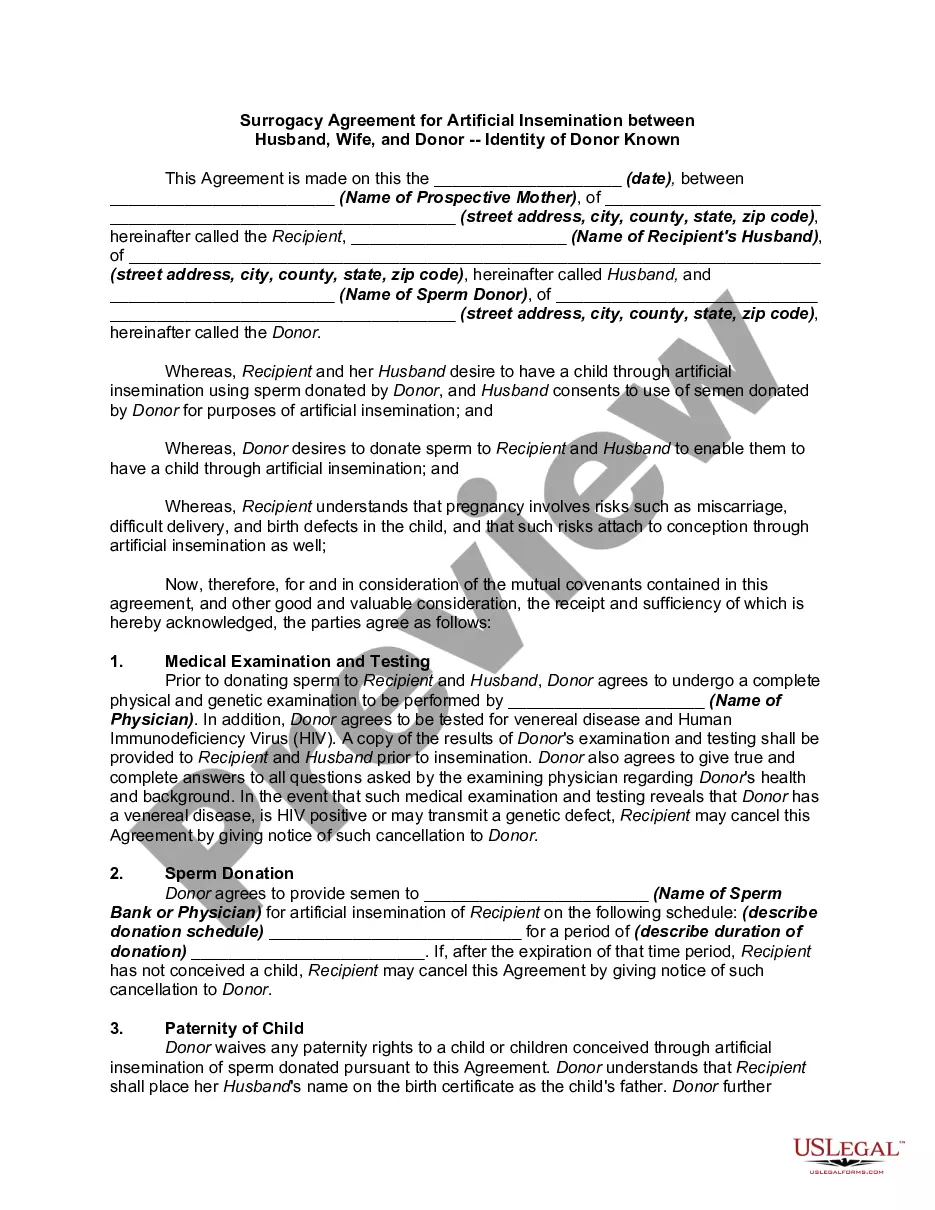
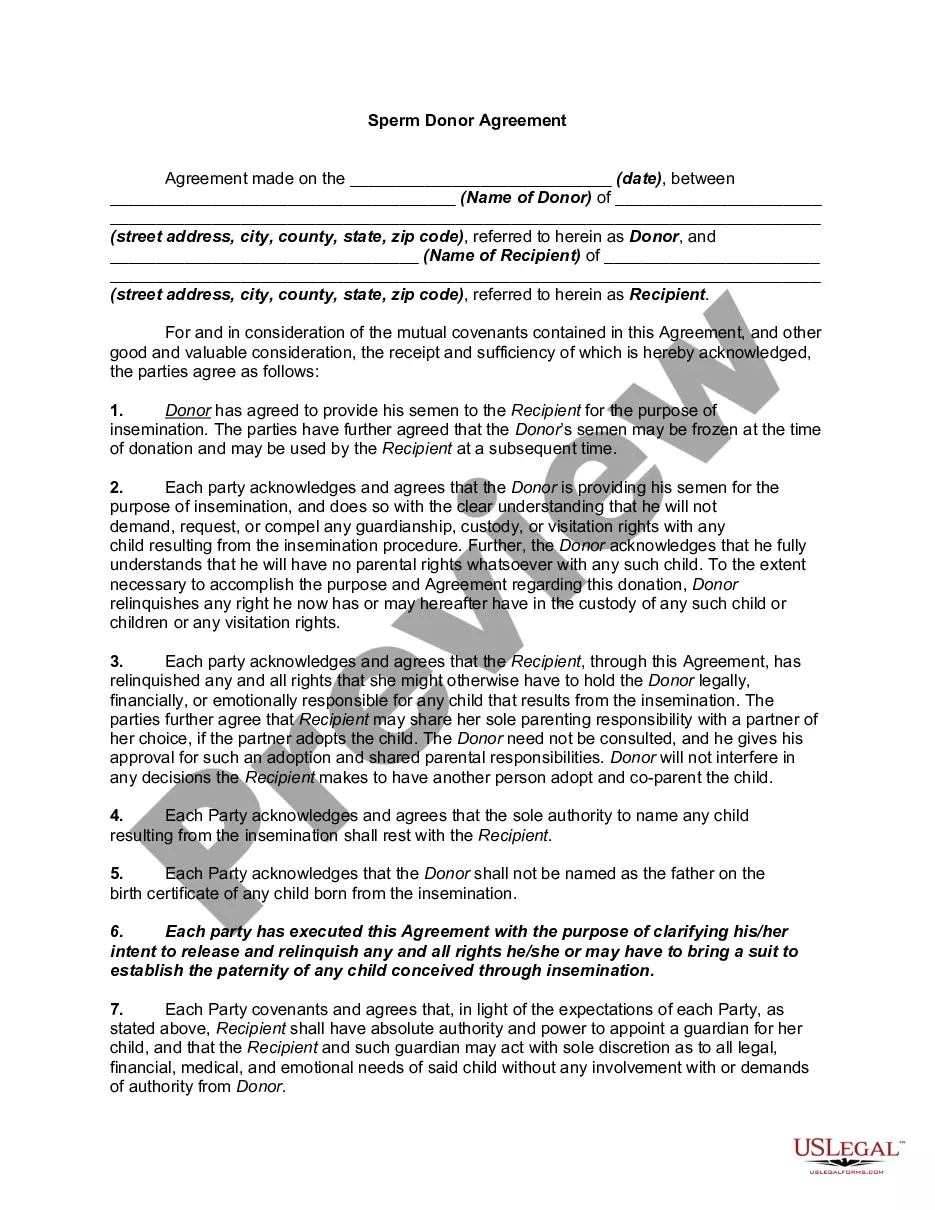
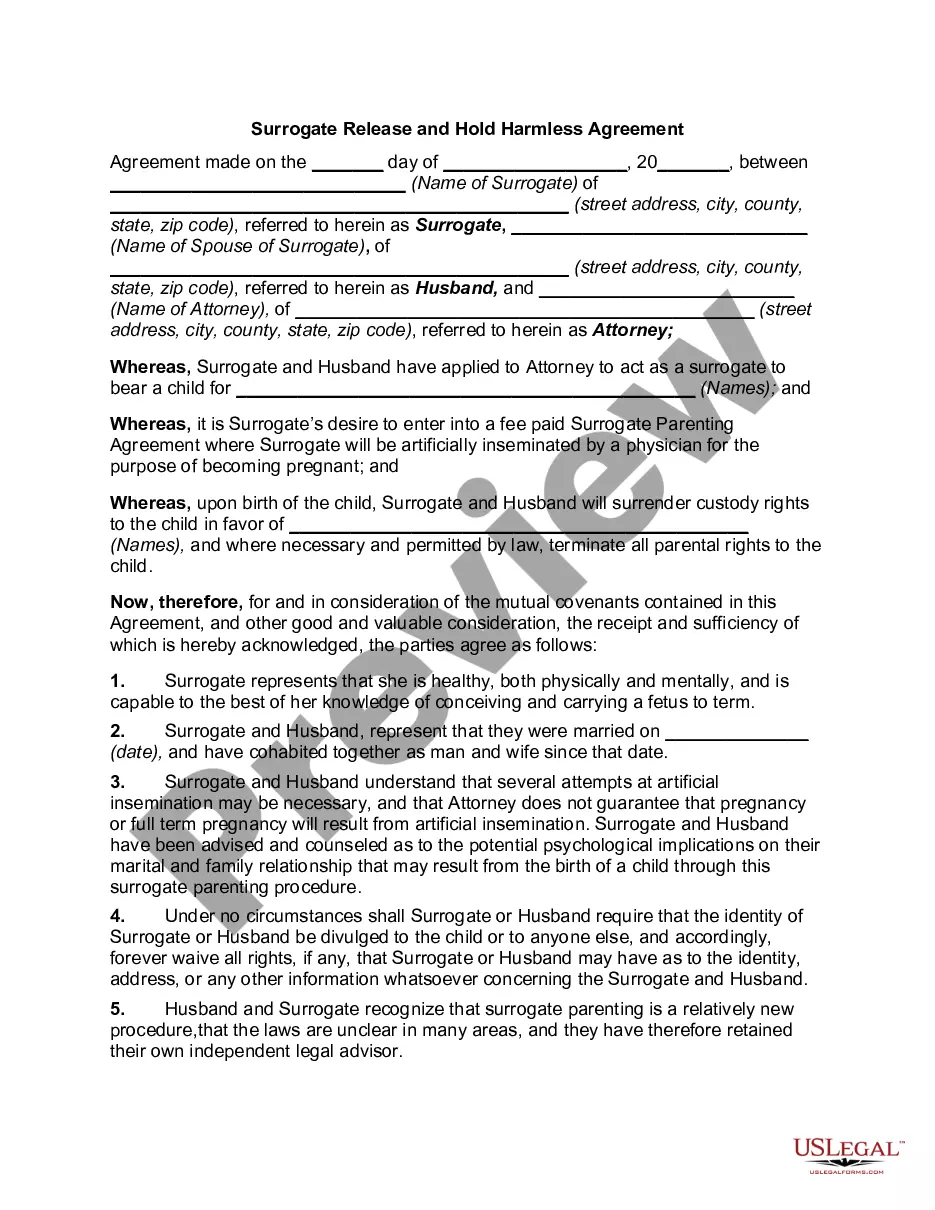
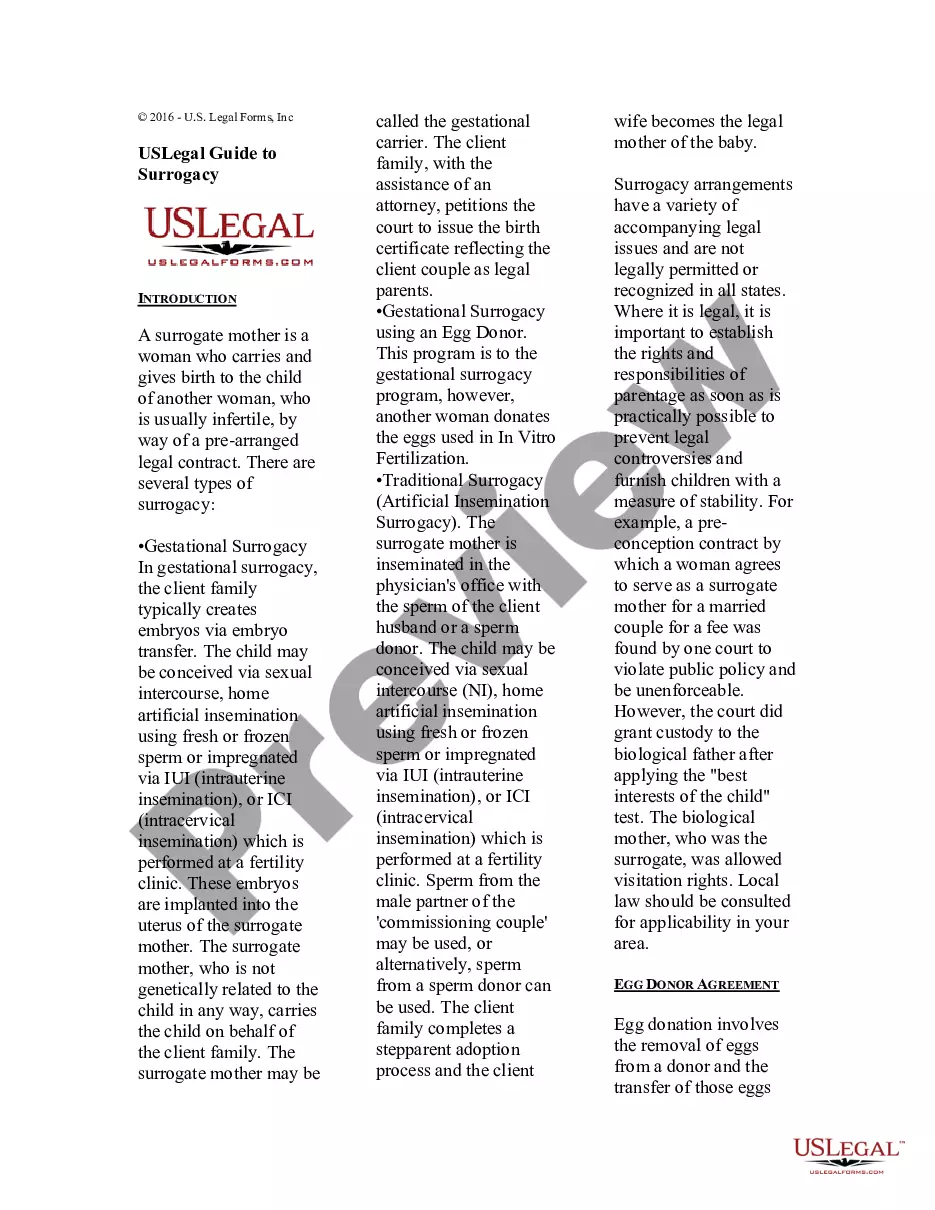
Texas Surrogate Parenting Agreement
Description
Get your form ready online
Our built-in tools help you complete, sign, share, and store your documents in one place.
Make edits, fill in missing information, and update formatting in US Legal Forms—just like you would in MS Word.
Download a copy, print it, send it by email, or mail it via USPS—whatever works best for your next step.
Sign and collect signatures with our SignNow integration. Send to multiple recipients, set reminders, and more. Go Premium to unlock E-Sign.
If this form requires notarization, complete it online through a secure video call—no need to meet a notary in person or wait for an appointment.
We protect your documents and personal data by following strict security and privacy standards.

Make edits, fill in missing information, and update formatting in US Legal Forms—just like you would in MS Word.

Download a copy, print it, send it by email, or mail it via USPS—whatever works best for your next step.

Sign and collect signatures with our SignNow integration. Send to multiple recipients, set reminders, and more. Go Premium to unlock E-Sign.

If this form requires notarization, complete it online through a secure video call—no need to meet a notary in person or wait for an appointment.

We protect your documents and personal data by following strict security and privacy standards.
Looking for another form?

How to fill out Surrogate Parenting Agreement?
Have you found yourself in the situation where you require documents for either business or personal activities nearly every working day.
There are numerous authorized document templates accessible online, but locating ones you can trust is not straightforward.
US Legal Forms provides thousands of form templates, including the Texas Surrogate Parenting Agreement, which are designed to meet federal and state requirements.
Once you find the appropriate form, click Buy now.
Choose the pricing plan you want, fill in the necessary information to create your account, and purchase the order using your PayPal or credit card.
- If you are already familiar with the US Legal Forms website and have an account, simply Log In.
- Then, you will be able to download the Texas Surrogate Parenting Agreement template.
- If you do not have an account and wish to start using US Legal Forms, follow these steps.
- Obtain the form you need and make sure it is for the correct city/region.
- Use the Review button to examine the form.
- Check the description to ensure you have selected the right form.
- If the form isn’t what you’re looking for, use the Search area to find the form that meets your needs.
Form popularity
FAQ
The surrogate needs to be married and have her child as some procedures of surrogacy may lead to infertility. Single women cannot opt to have a child through surrogacy, but exceptions have been made for widows and divorced women if they obtain a certificate of recommendations from the National Surrogacy Board.
While your surrogate has many rights outlined in your contract, a gestational carrier cannot choose to keep the child because she won't have parental rights to the baby and won't be biologically related.
Because the surrogate is the biological mother of the child in traditional surrogacy, it's legally treated like adoption in the state of Texas. This means that a traditional surrogate must wait at least 48 hours after giving birth before she may relinquish her legal parental rights to a child.
Q: Is surrogacy legal in Texas? A: Yes, surrogacy is legal in Texas. While surrogacy laws in Texas require judicial approval of surrogacy contracts in advance of the surrogacy process, many courts actually approve of the surrogacy agreement as part of the parentage declaration process.
Because the surrogate is the biological mother of the child in traditional surrogacy, it's legally treated like adoption in the state of Texas. This means that a traditional surrogate must wait at least 48 hours after giving birth before she may relinquish her legal parental rights to a child.
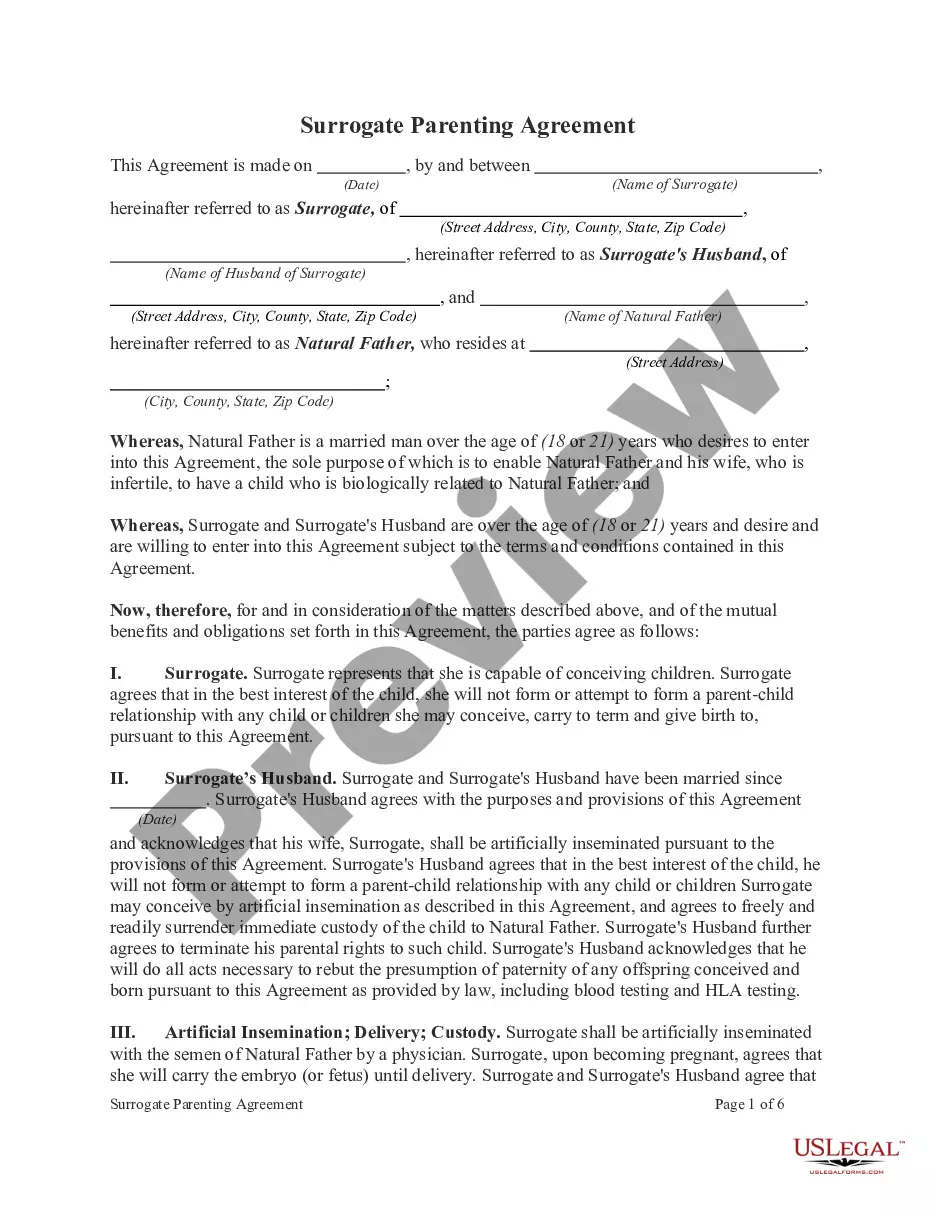
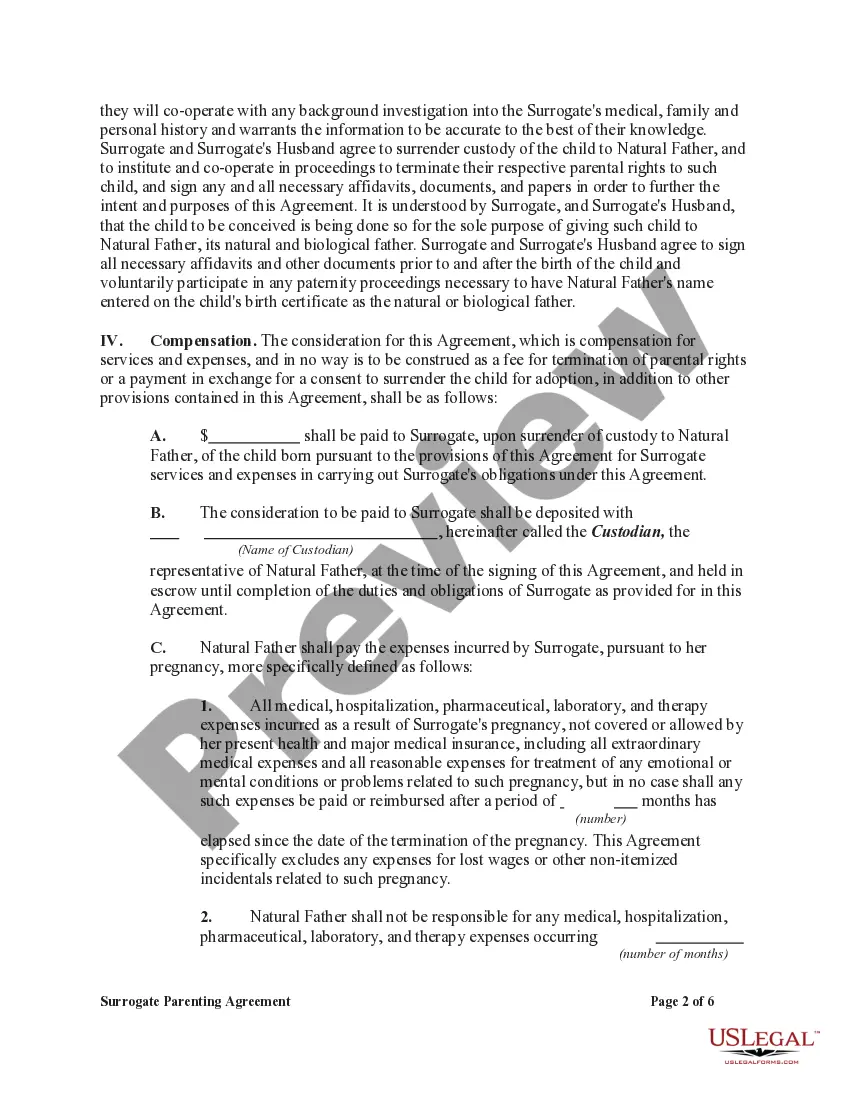
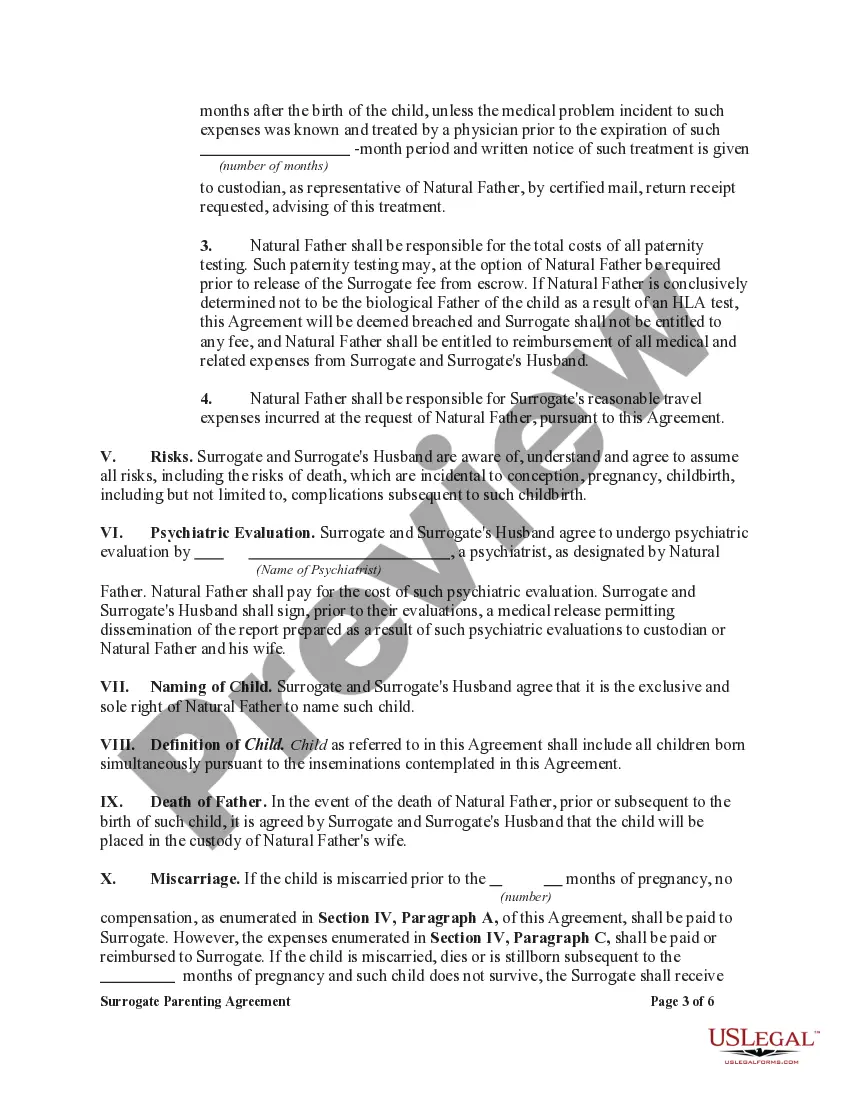
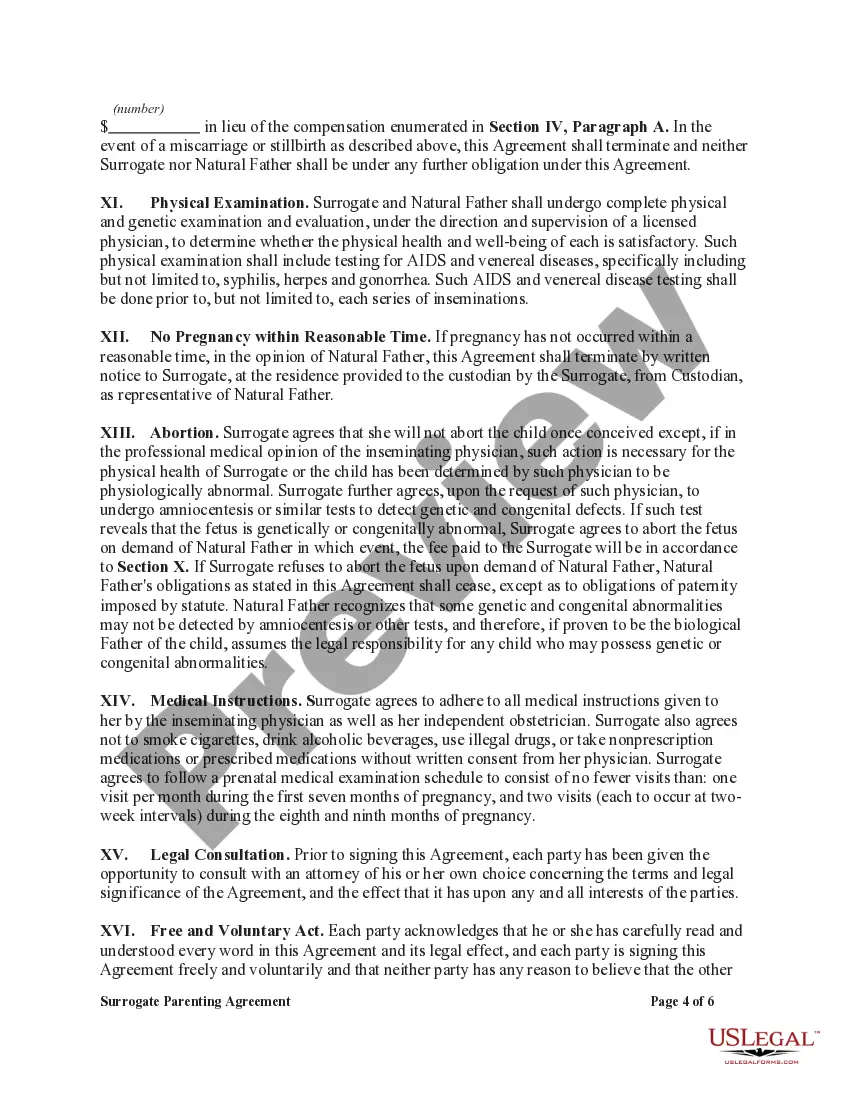
The surrogacy contract (sometimes called a surrogacy agreement) is a binding legal document that guides the entire surrogacy process for intended parents and surrogates. It's one of the most important parts of the entire surrogacy journey.
Gestational Surrogacy is permitted by Texas by Tex. Fam. Code§ 160-751 through A§ 160-763 which authorizes Gestational Surrogacy for married Intended Parents who follow the procedures specified in the statute, including having their Gestational Carrier agreement validated by a court before birth.
The commissioning parents must be unable to give birth to a child and the condition must be permanent and irreversible, and the surrogates must have had at least one healthy (still living) child prior to the surrogacy agreement being concluded.
A traditional surrogate is the biological mother of her child, meaning she has parental rights and the power to change her mind and keep the baby. The intended parents would then need to go to court to gain custody of the child.