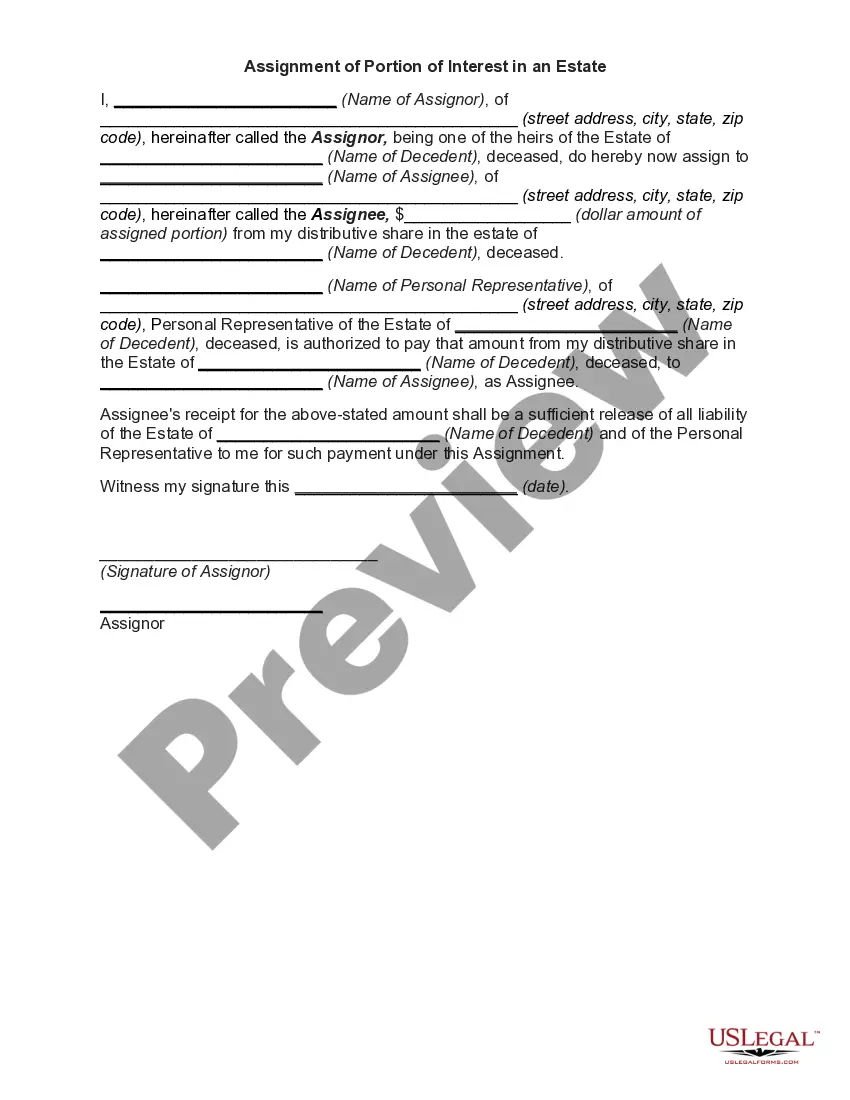
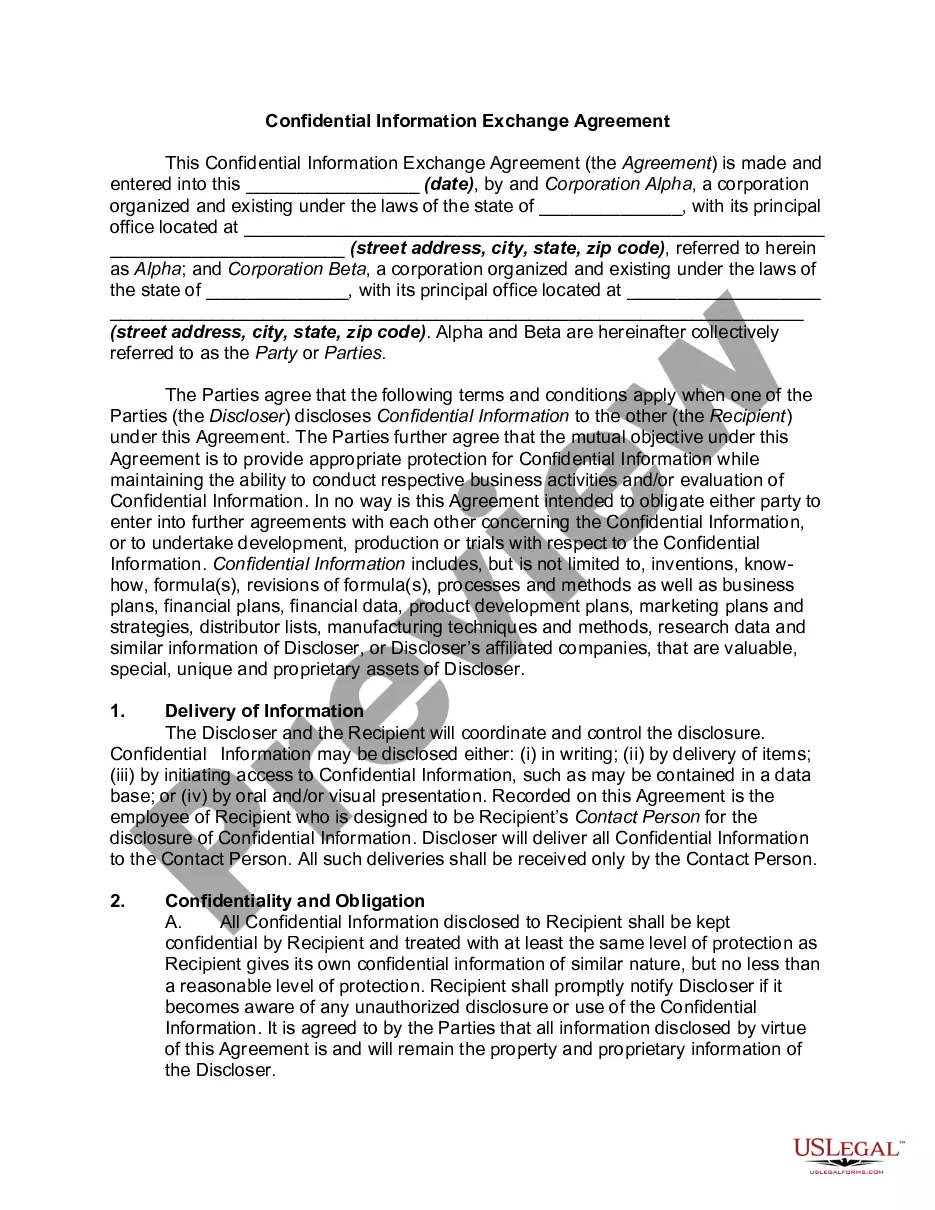
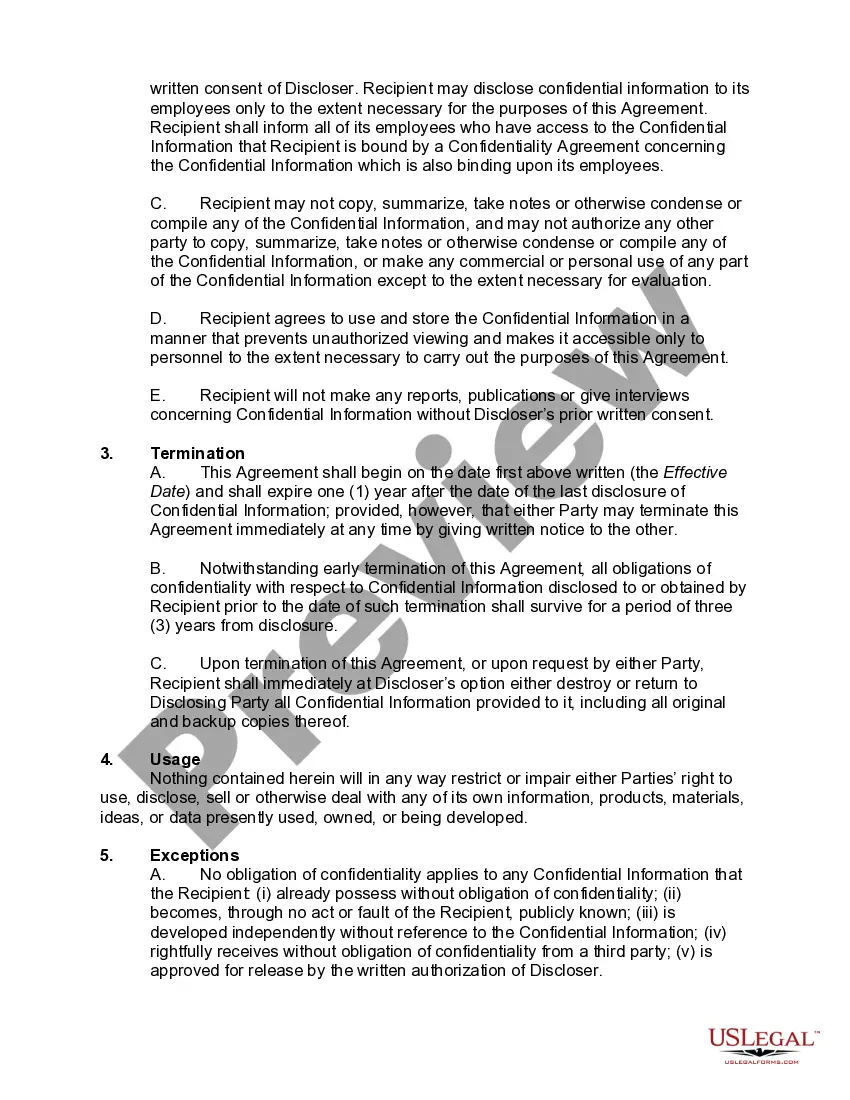
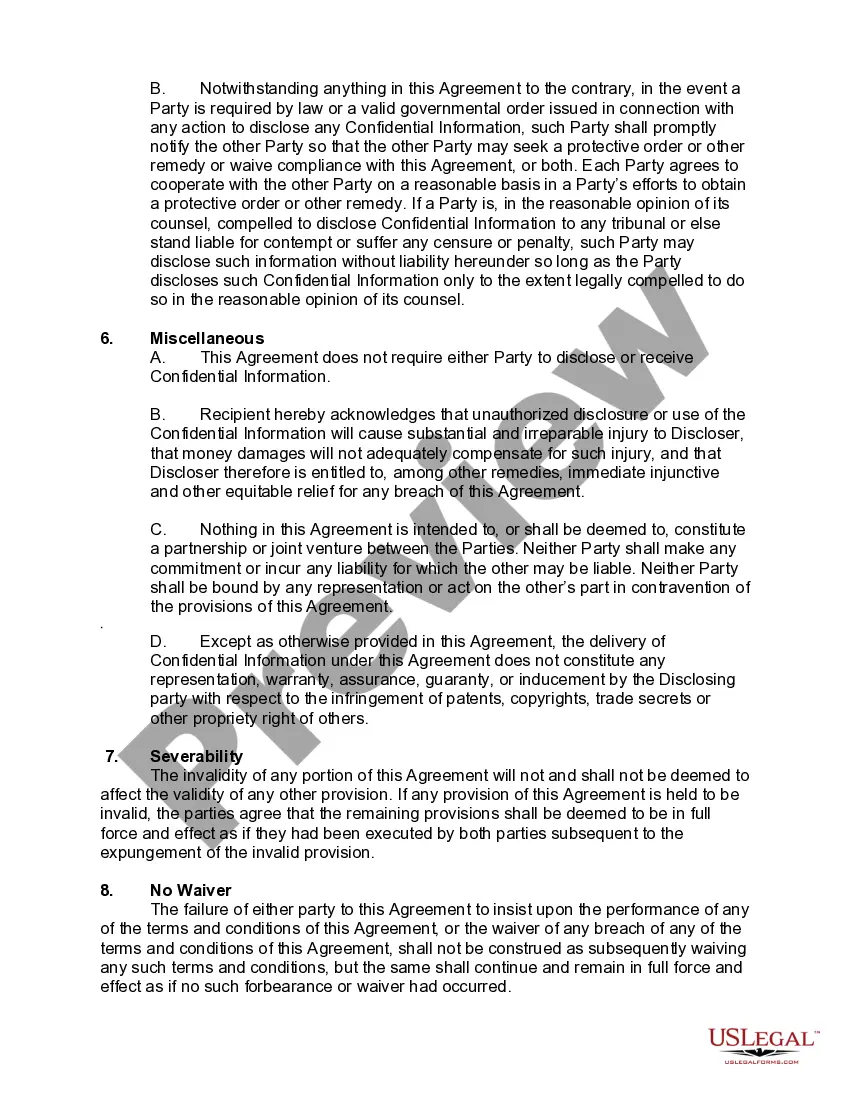
Texas Confidential Information Exchange Agreement
Description

Get your form ready online
Our built-in tools help you complete, sign, share, and store your documents in one place.
Make edits, fill in missing information, and update formatting in US Legal Forms—just like you would in MS Word.
Download a copy, print it, send it by email, or mail it via USPS—whatever works best for your next step.
Sign and collect signatures with our SignNow integration. Send to multiple recipients, set reminders, and more. Go Premium to unlock E-Sign.
If this form requires notarization, complete it online through a secure video call—no need to meet a notary in person or wait for an appointment.
We protect your documents and personal data by following strict security and privacy standards.

Make edits, fill in missing information, and update formatting in US Legal Forms—just like you would in MS Word.

Download a copy, print it, send it by email, or mail it via USPS—whatever works best for your next step.

Sign and collect signatures with our SignNow integration. Send to multiple recipients, set reminders, and more. Go Premium to unlock E-Sign.

If this form requires notarization, complete it online through a secure video call—no need to meet a notary in person or wait for an appointment.

We protect your documents and personal data by following strict security and privacy standards.
Looking for another form?
How to fill out Confidential Information Exchange Agreement?
You can spend countless hours online seeking the legal document format that satisfies the federal and state requirements you need.
US Legal Forms offers a vast selection of legal documents that are vetted by professionals.
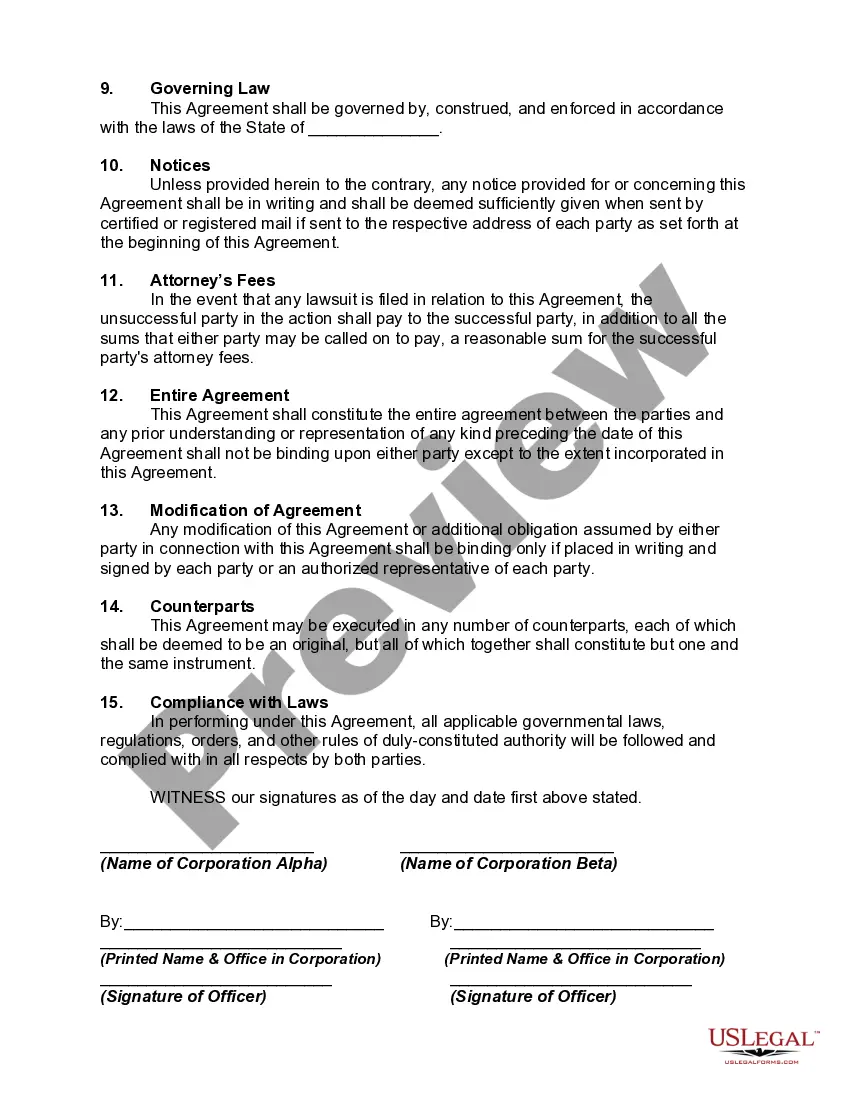
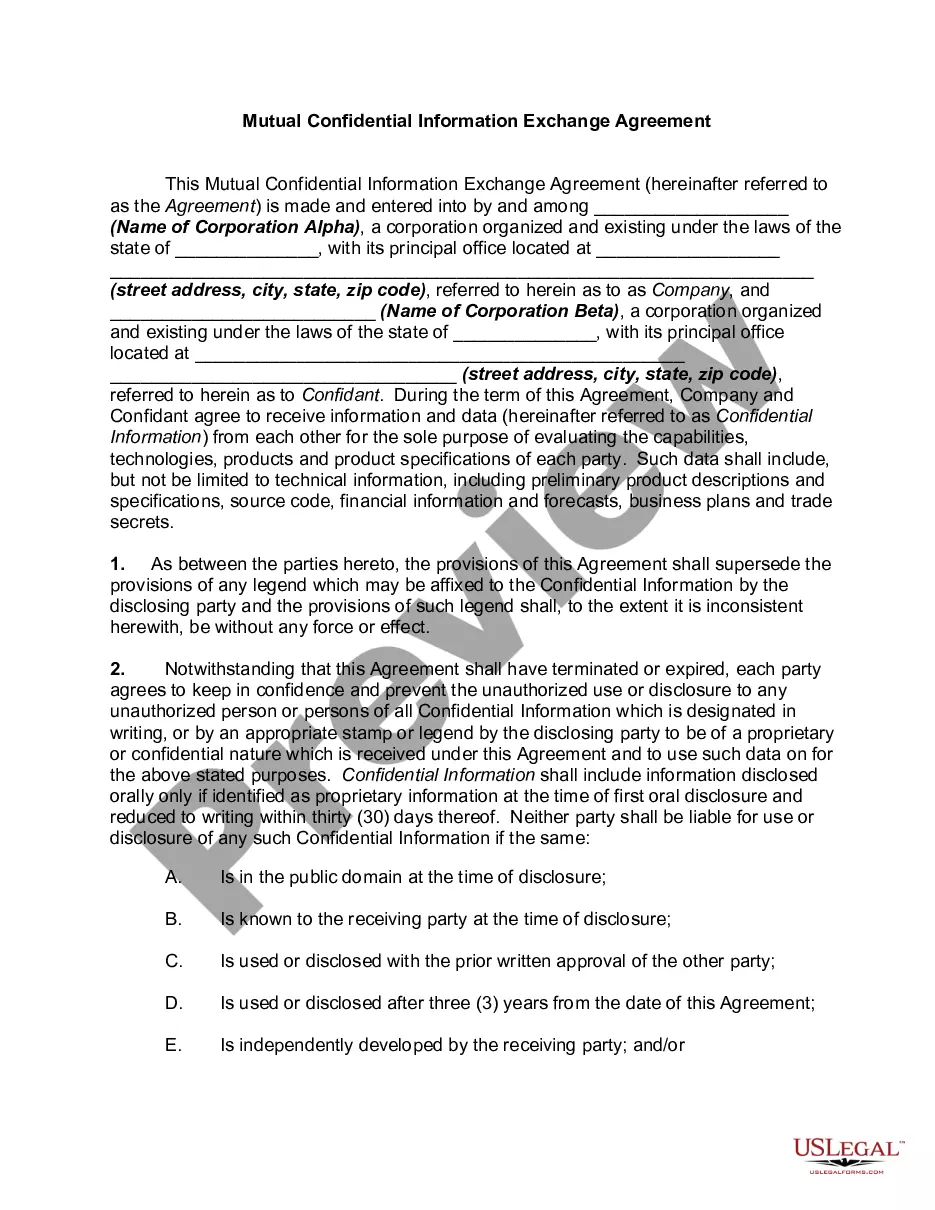
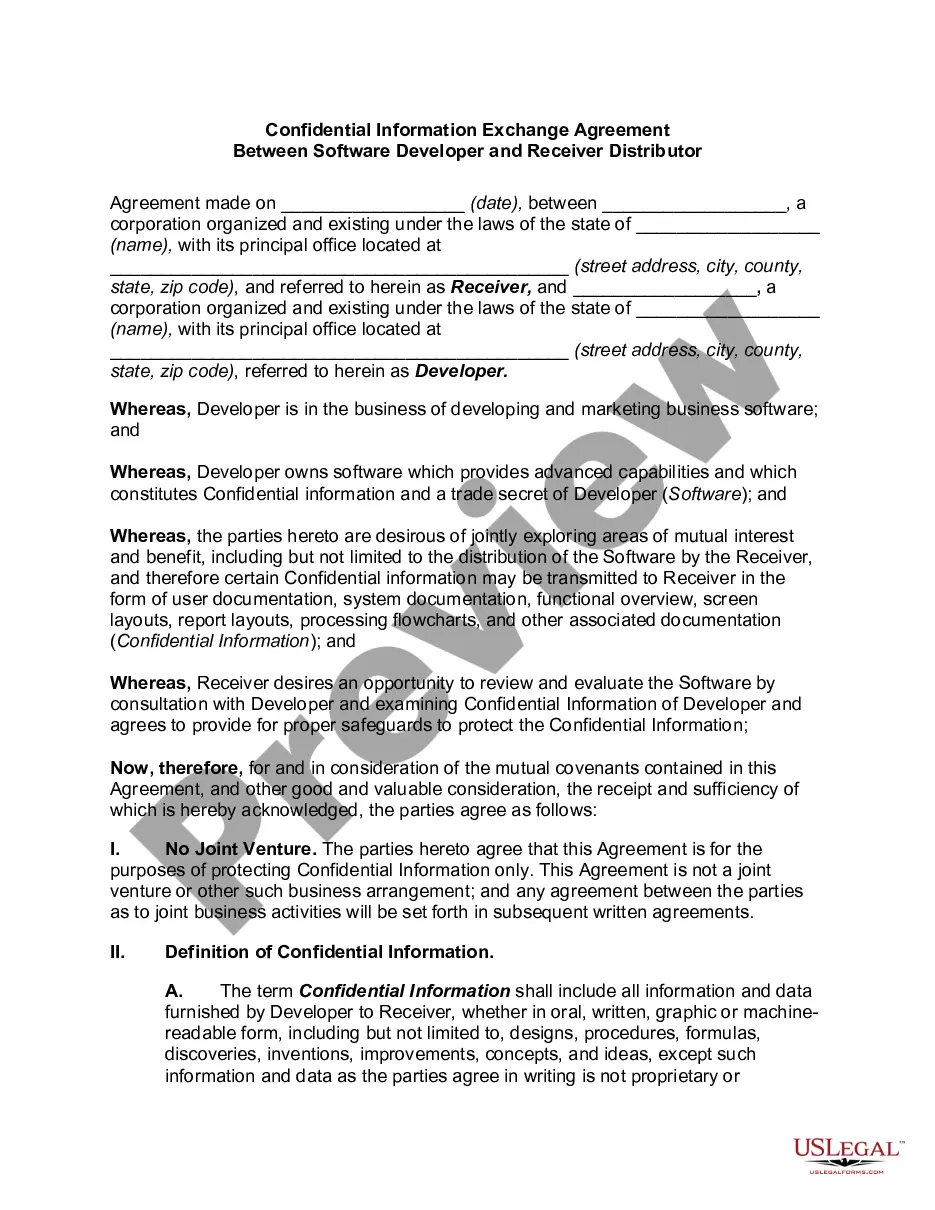
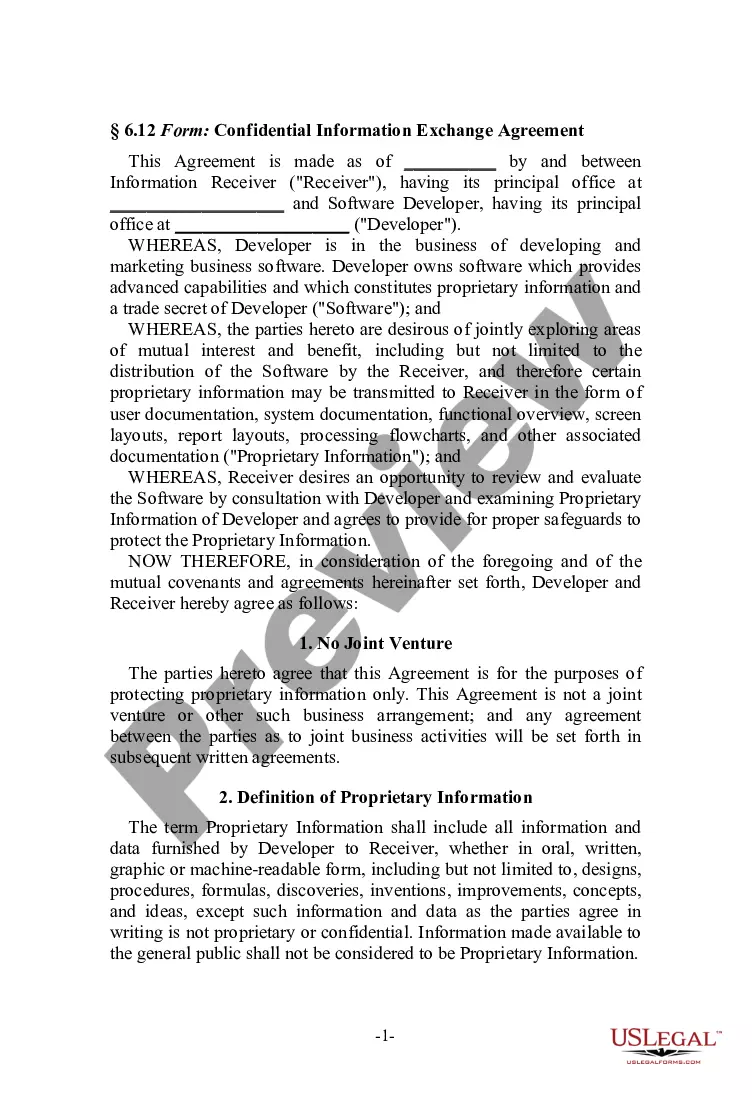
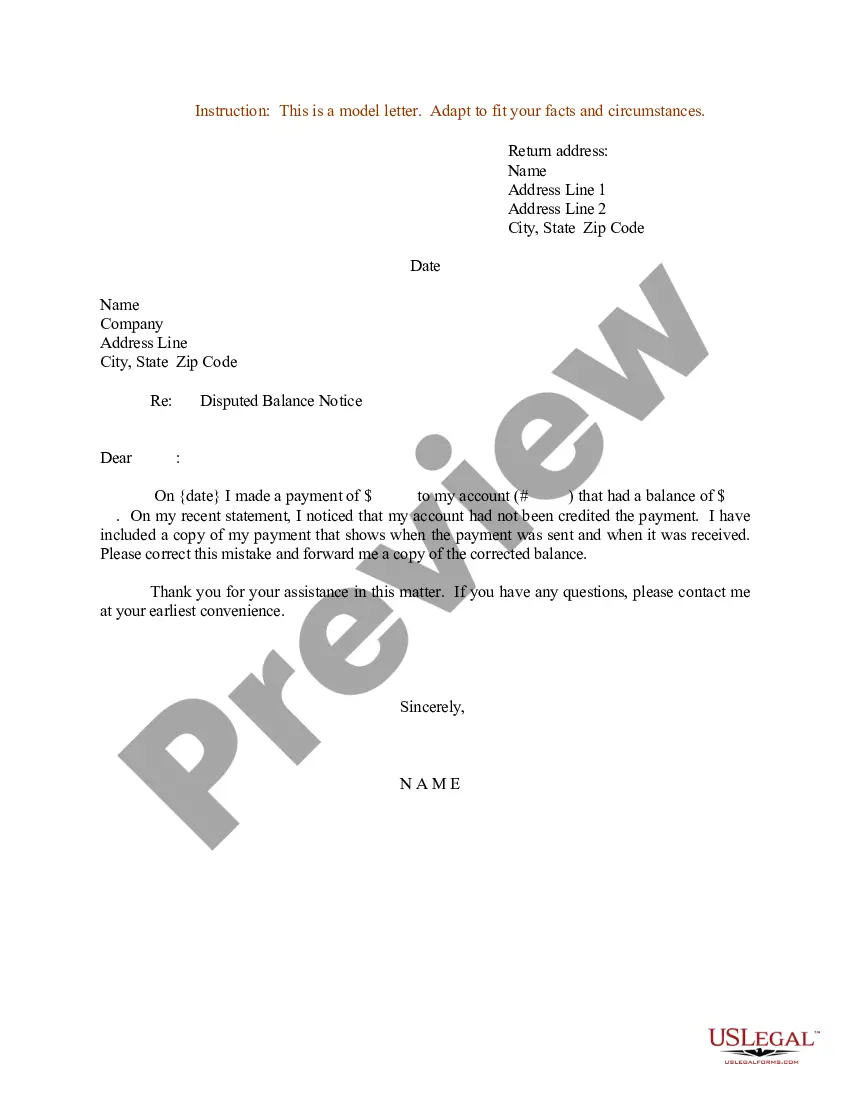
You have the option to download or print the Texas Confidential Information Exchange Agreement from our service.
If available, utilize the Preview feature to browse the document format simultaneously.
- If you possess a US Legal Forms account, you may Log In and select the Download option.
- Afterward, you can fill out, edit, print, or sign the Texas Confidential Information Exchange Agreement.
- Every legal document format you obtain is your permanent property.
- To obtain another copy of any purchased form, navigate to the My documents tab and click the corresponding option.
- If you're using the US Legal Forms website for the first time, follow the simple instructions below.
- First, ensure that you have chosen the correct document format for your desired state/town.
- Review the form description to verify that you have selected the correct document.
Form popularity
FAQ
Filling out a confidential agreement is a straightforward process that begins with identifying the parties involved and defining the confidential information. In a Texas Confidential Information Exchange Agreement, you will also need to specify the purpose of disclosure and set the duration of the confidentiality obligations. To make sure your agreement is comprehensive and legally sound, consider using uslegalforms, which provides templates and guidance tailored to your requirements.
An NDA may become unenforceable if it lacks essential elements such as clarity on the information being protected or a reasonable duration of confidentiality. Furthermore, if the agreement is overly broad or restricts a party's ability to work unfairly, it could face challenges. For a Texas Confidential Information Exchange Agreement to hold up in court, it must be reasonable and specific. Using uslegalforms can help ensure that your NDA is crafted properly to avoid these pitfalls.
Yes, Non-Disclosure Agreements (NDAs) are indeed legal in Texas, and they play a crucial role in protecting sensitive information. A Texas Confidential Information Exchange Agreement is an effective way to ensure that all parties involved understand their obligations regarding the confidentiality of shared information. By outlining the terms clearly, you can mitigate risks and foster trust in business relationships. Through uslegalforms, you can easily create a tailored NDA to meet your specific needs.
In Texas, a non-compete agreement does not necessarily need to be notarized to be valid; however, notarization may add an extra layer of security. Some contracts may specify the requirement of notarization, so reviewing the specifics is crucial. If you are drafting a Texas Confidential Information Exchange Agreement that includes a non-compete clause, consider consulting a legal expert for clarity.
To fill in an NDA, start by stating the names of the parties involved and defining the confidential information. Make sure to clarify the duration of the agreement and any exceptions. Using platforms like USLegalForms can aid in creating a well-structured Texas Confidential Information Exchange Agreement, ensuring you don’t miss any vital elements.
Yes, an NDA is enforceable in Texas as long as it meets certain legal requirements, such as being clear and specific about the information being protected. To reinforce enforceability, the agreement must not impose unreasonable restrictions. The Texas Confidential Information Exchange Agreement, designed with the right language, can serve to protect your essential business secrets effectively.
An NDA can still be valid without notarization, as long as both parties voluntarily sign the agreement. However, notarization can provide additional proof of authenticity, especially in disputes. It is wise to consider notarizing your Texas Confidential Information Exchange Agreement to fortify its legal standing.
Filling out a confidentiality agreement involves clearly identifying the parties and the confidential information being protected. Start by entering the names of the disclosing and receiving parties. Next, detail the scope of confidentiality and any exempt situations. Tools like USLegalForms can guide you through creating a comprehensive Texas Confidential Information Exchange Agreement, simplifying the process significantly.
A typical Non-Disclosure Agreement (NDA) statement includes clauses that outline confidential information, the obligations of the parties involved, and the duration of confidentiality. For instance, it might say, 'The undersigned agrees not to disclose any proprietary information shared during the negotiation process.' For seamless execution, you may find templates on platforms like USLegalForms that provide a solid framework for your Texas Confidential Information Exchange Agreement.
In Texas, certain documents require notarization to be legally valid. These include wills, powers of attorney, and real estate closing documents. Notarization helps verify the identities of the signers and ensures that the document was signed willingly. If you plan to use a Texas Confidential Information Exchange Agreement, consider having it notarized for added assurance.