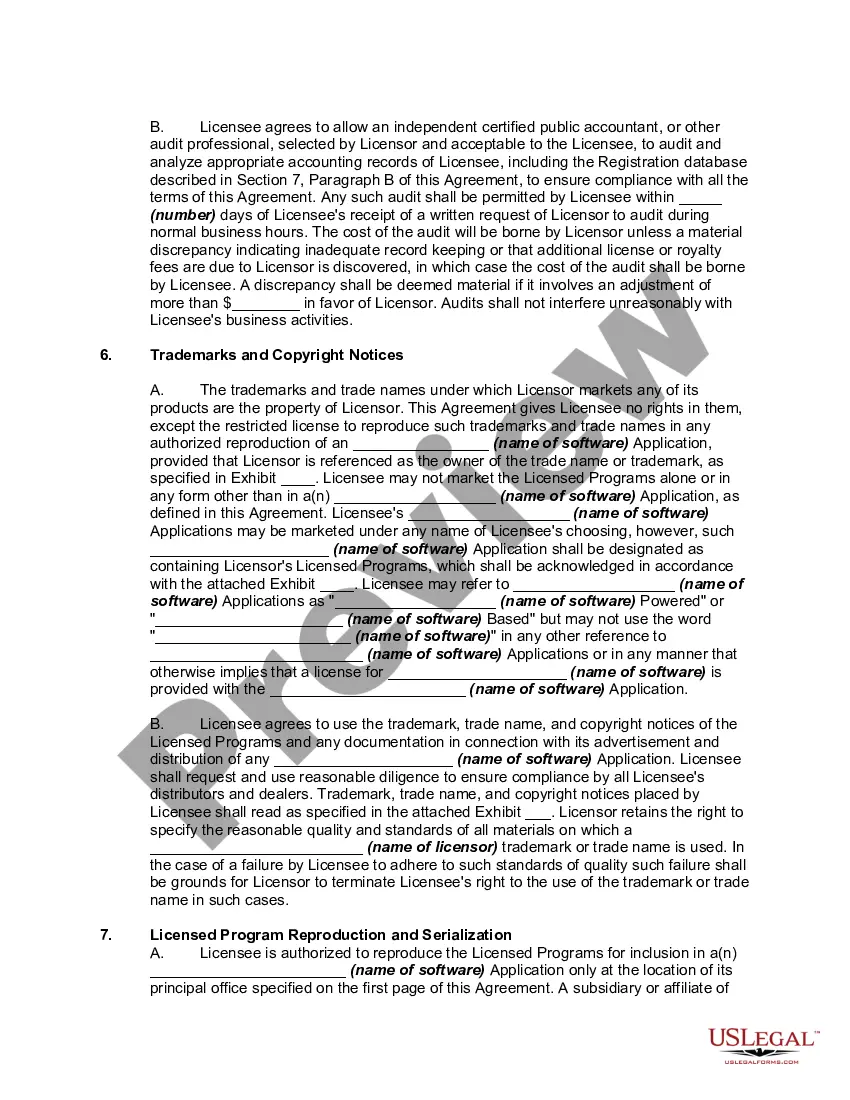
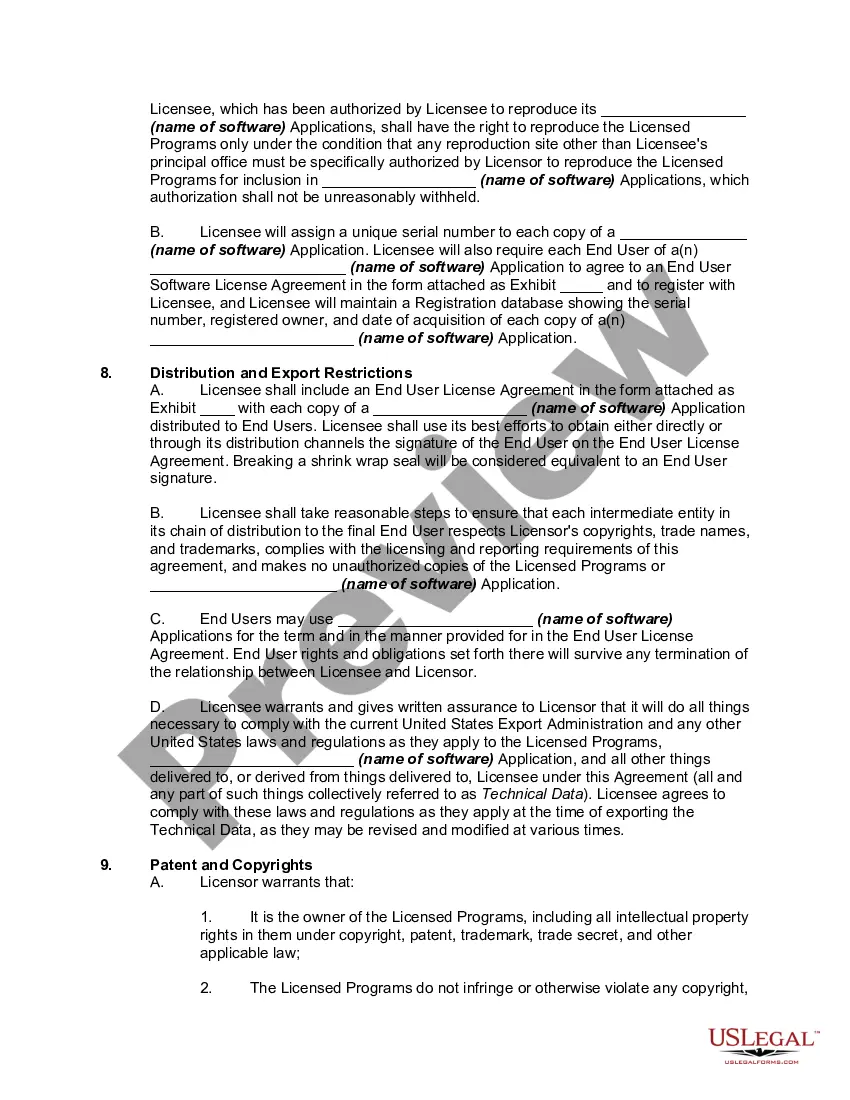
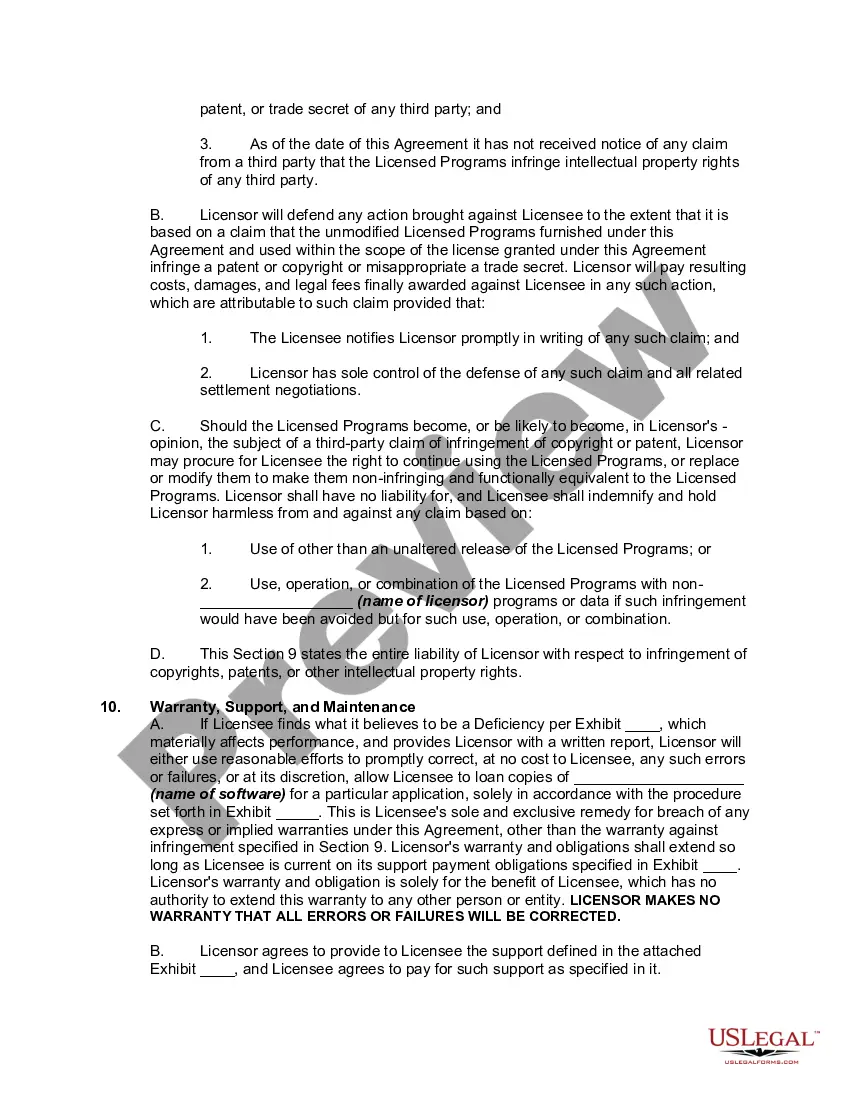
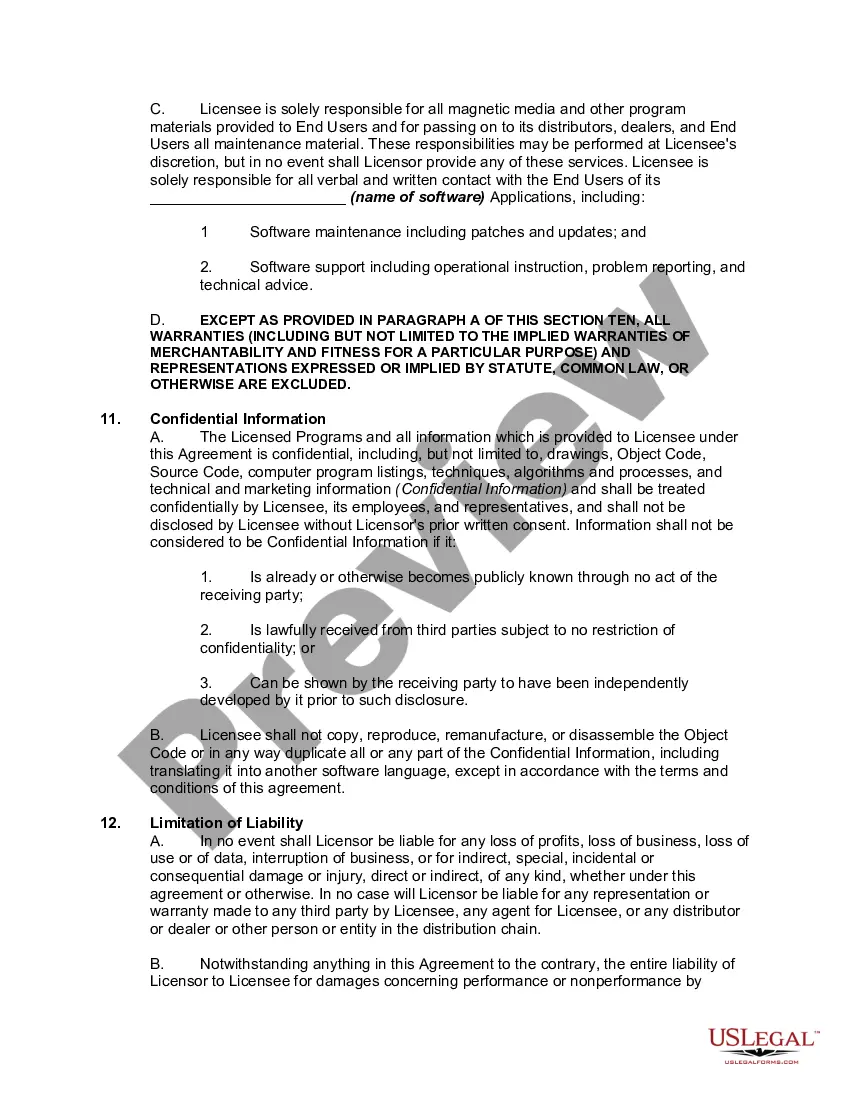
Texas License Agreement for Software
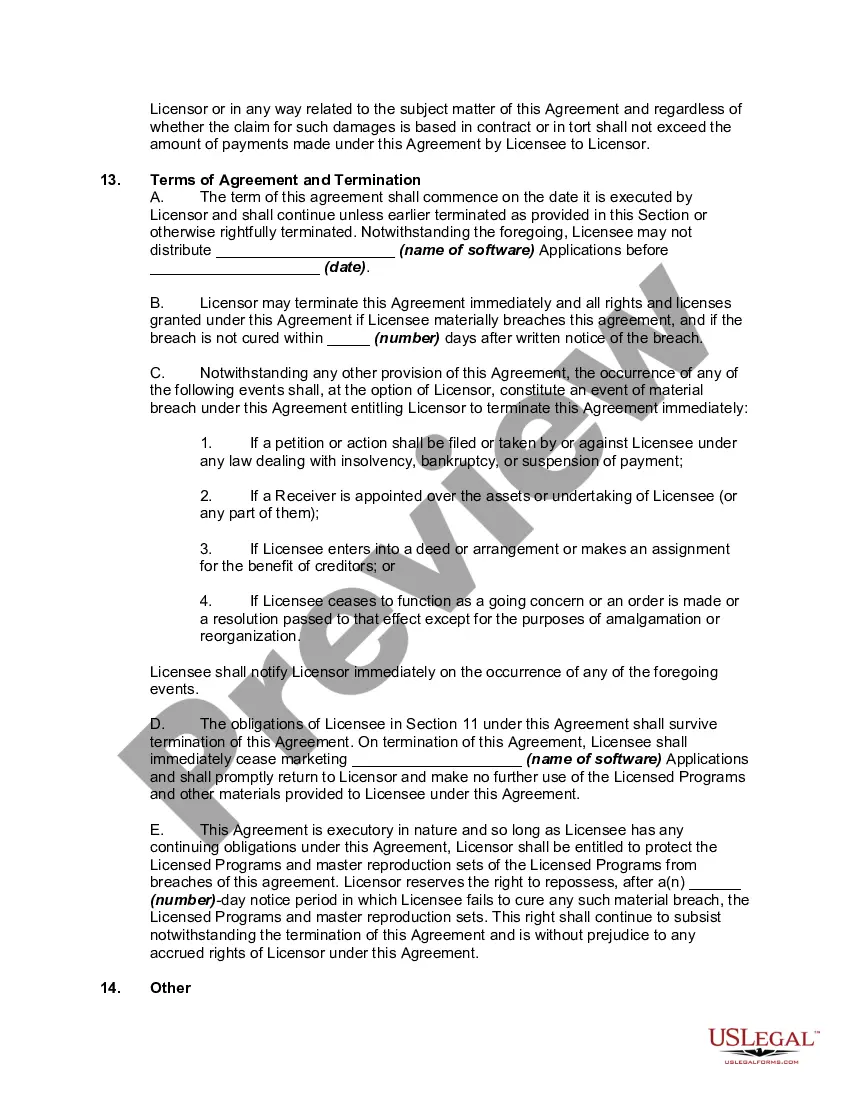
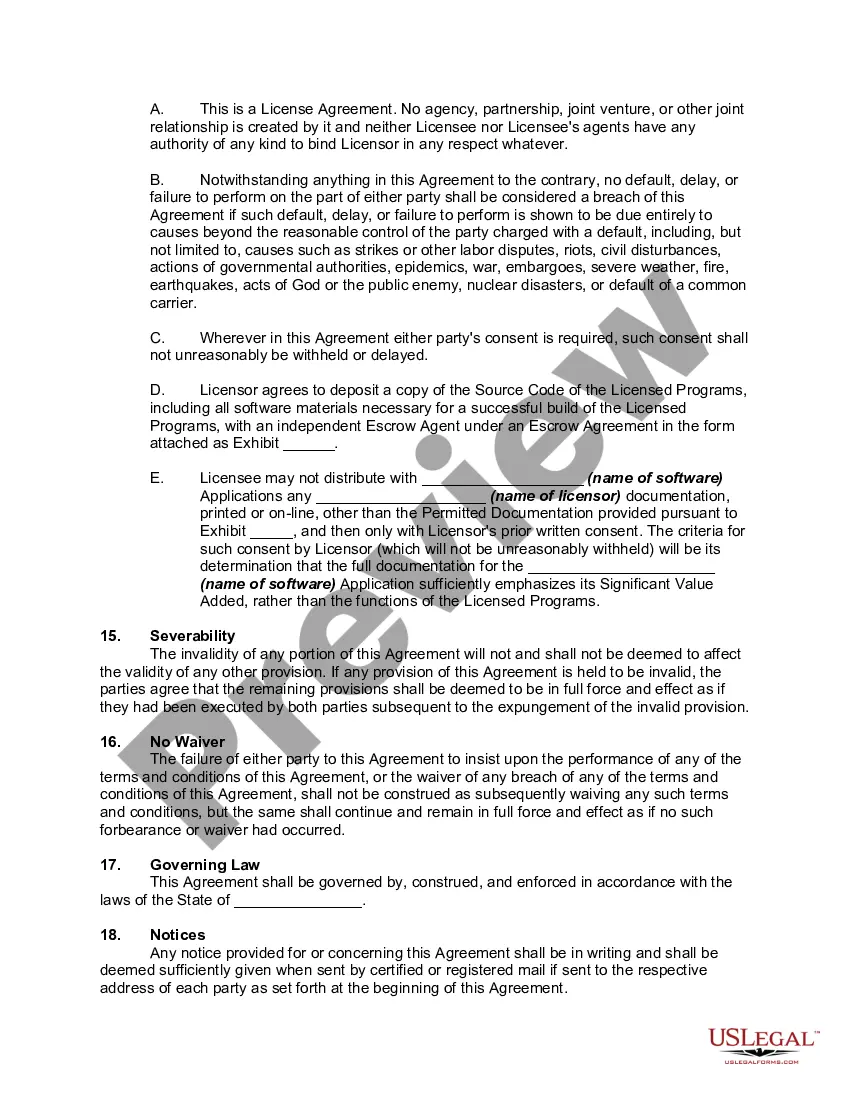
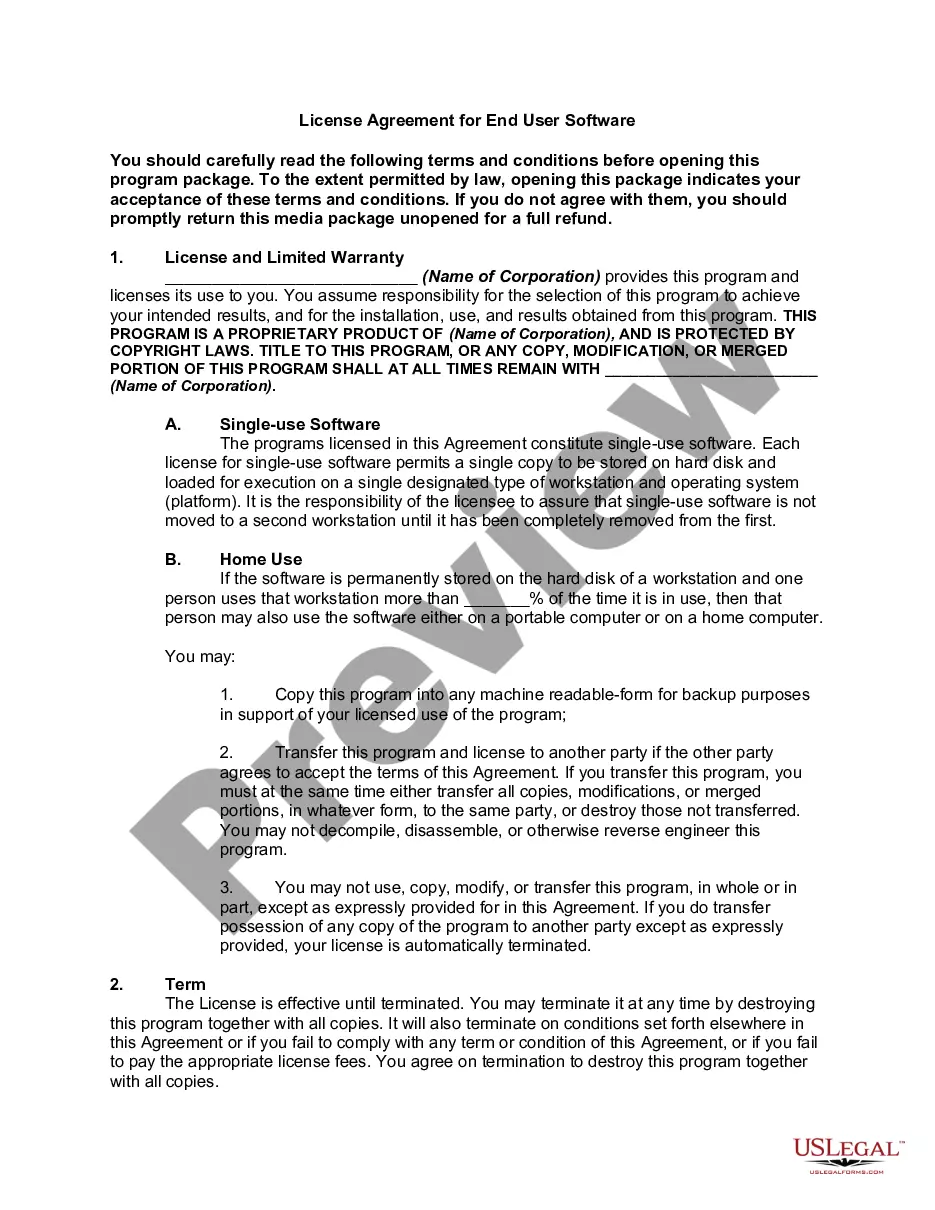
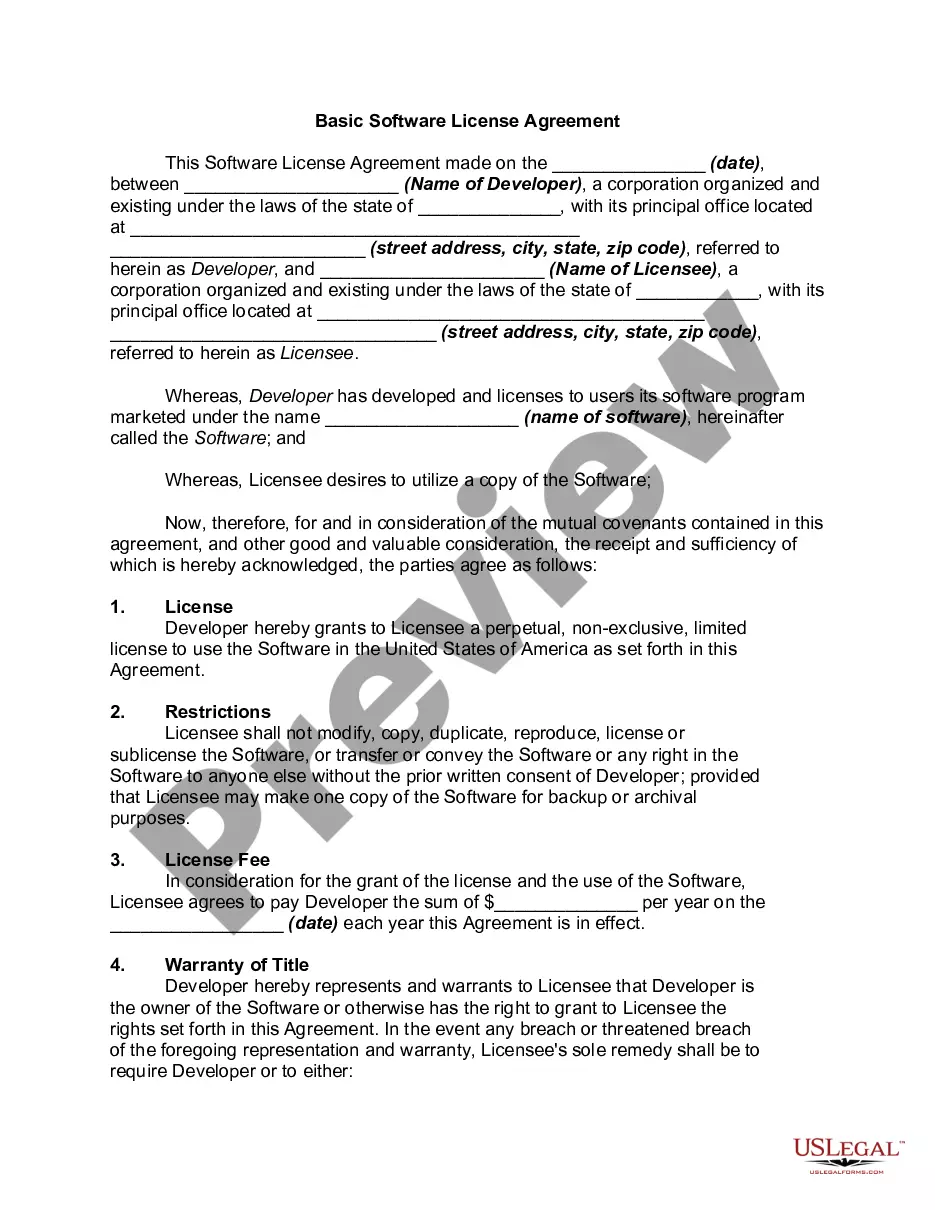
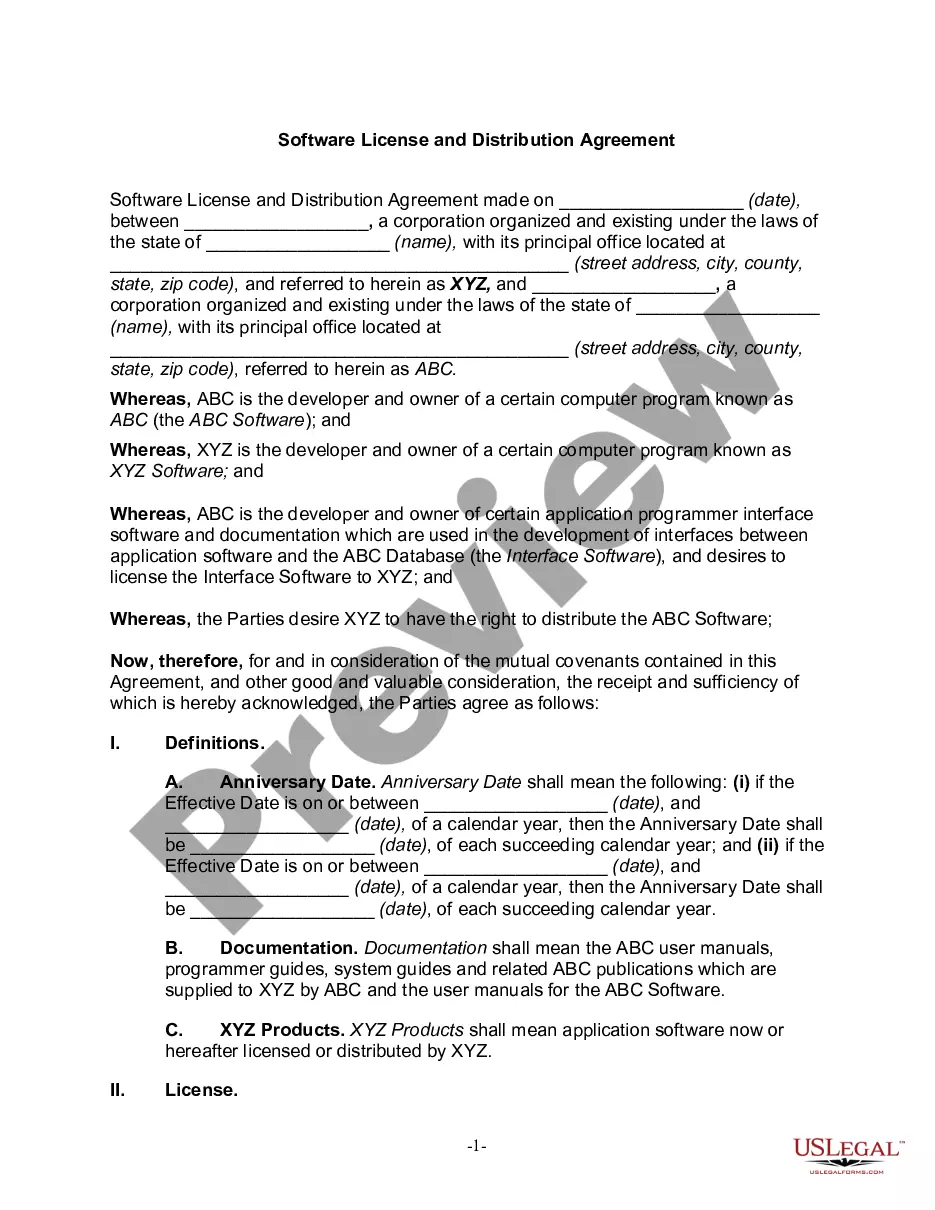
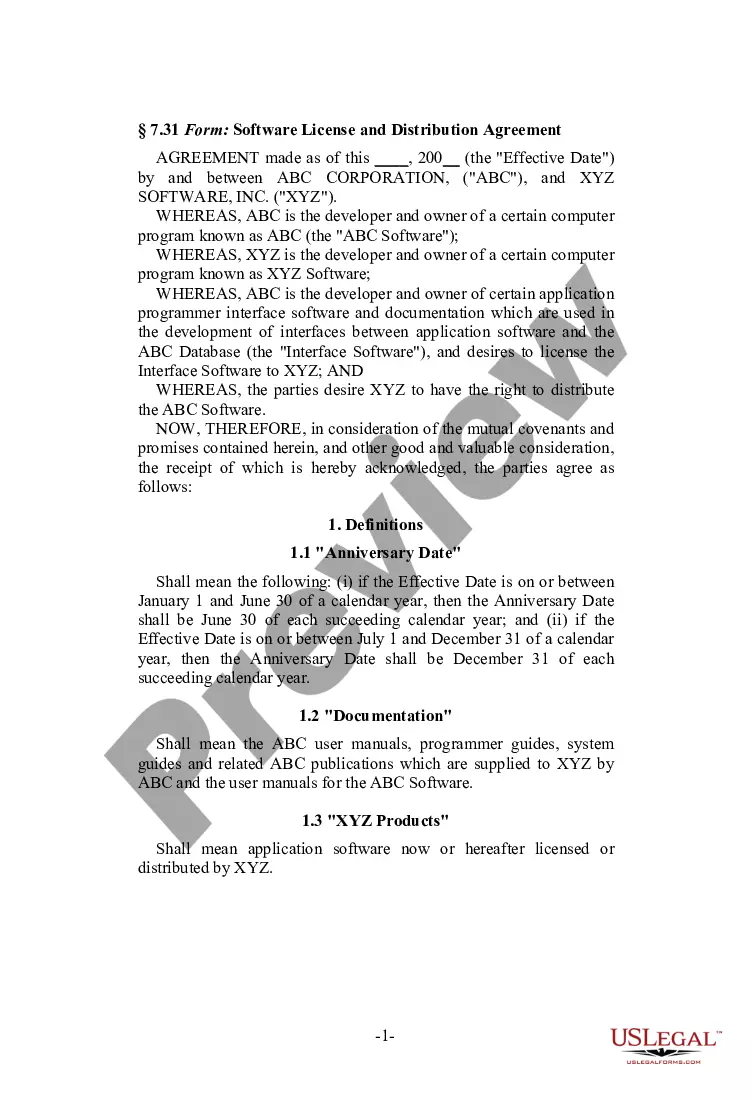
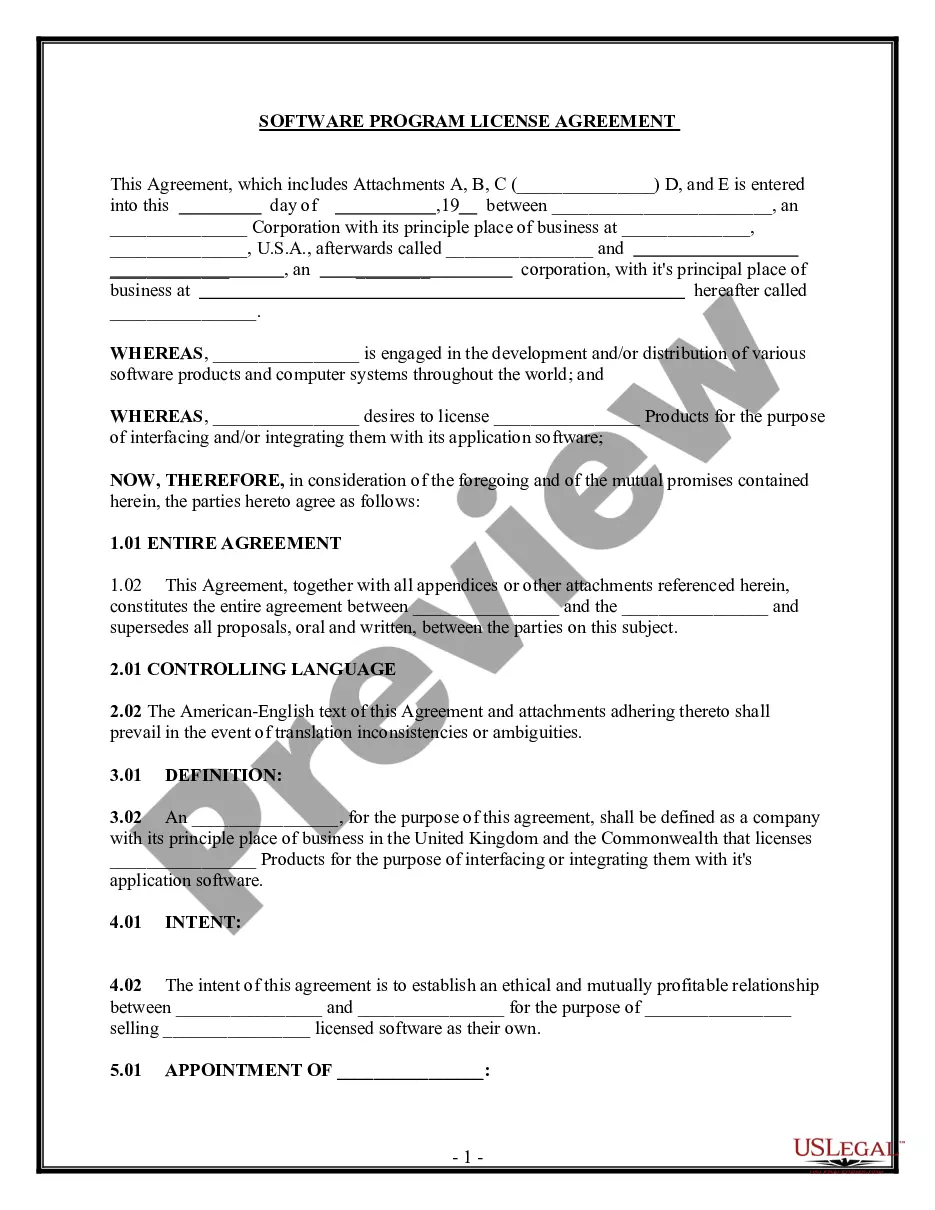
Description
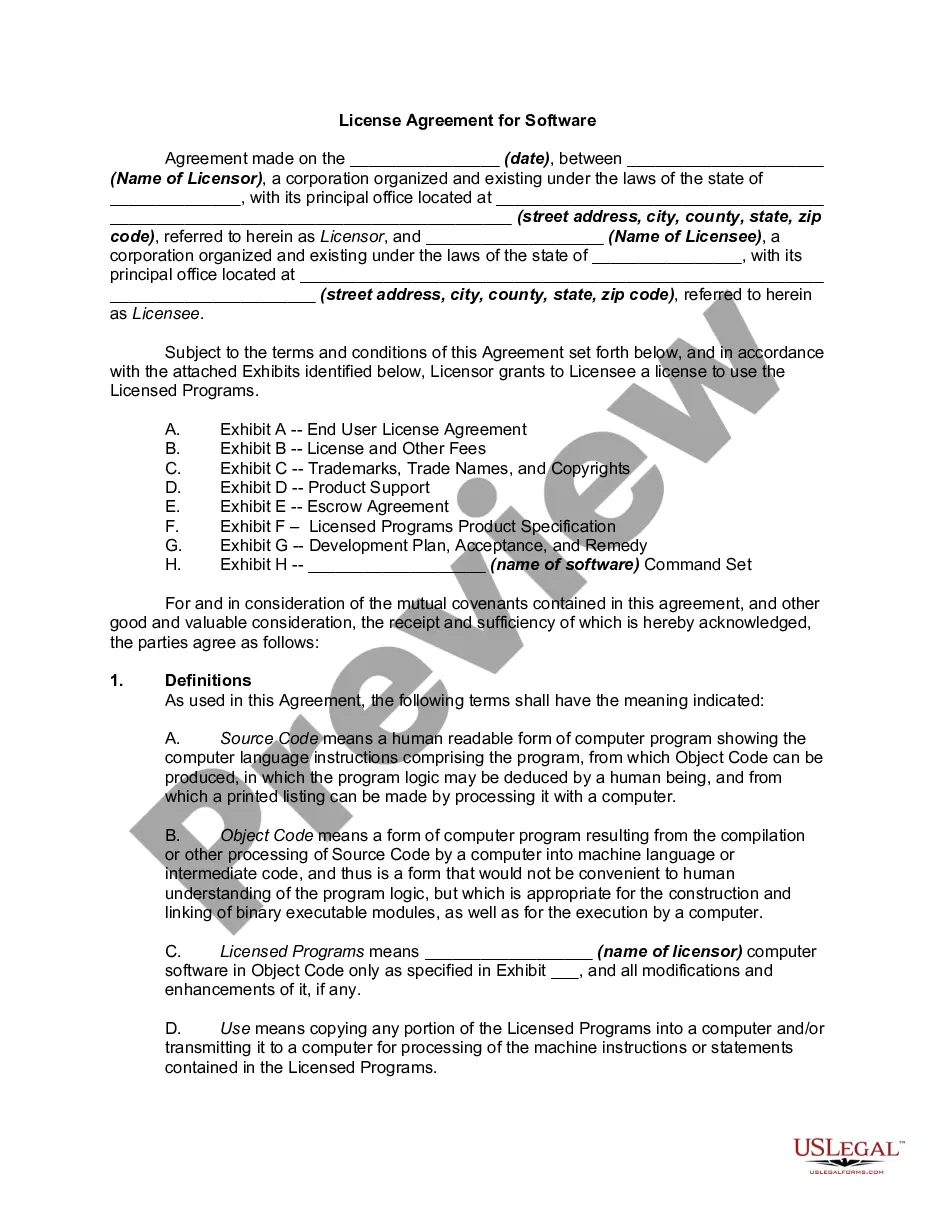
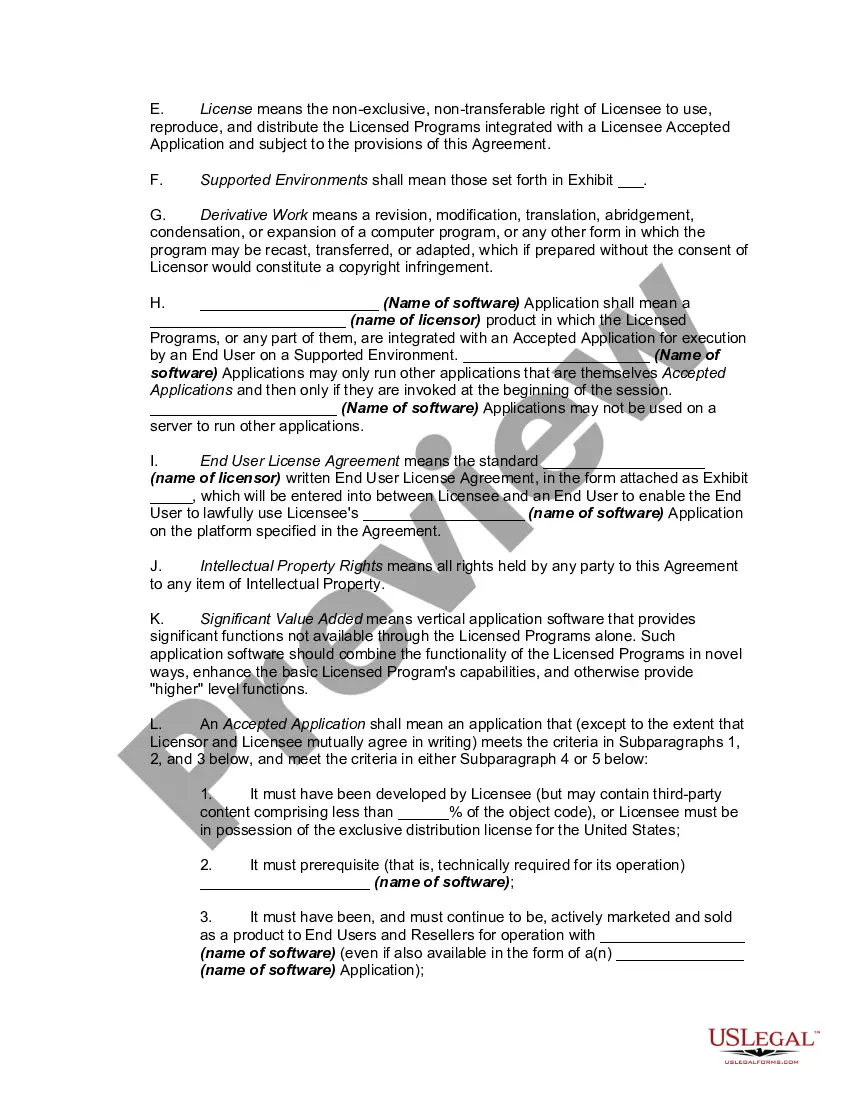
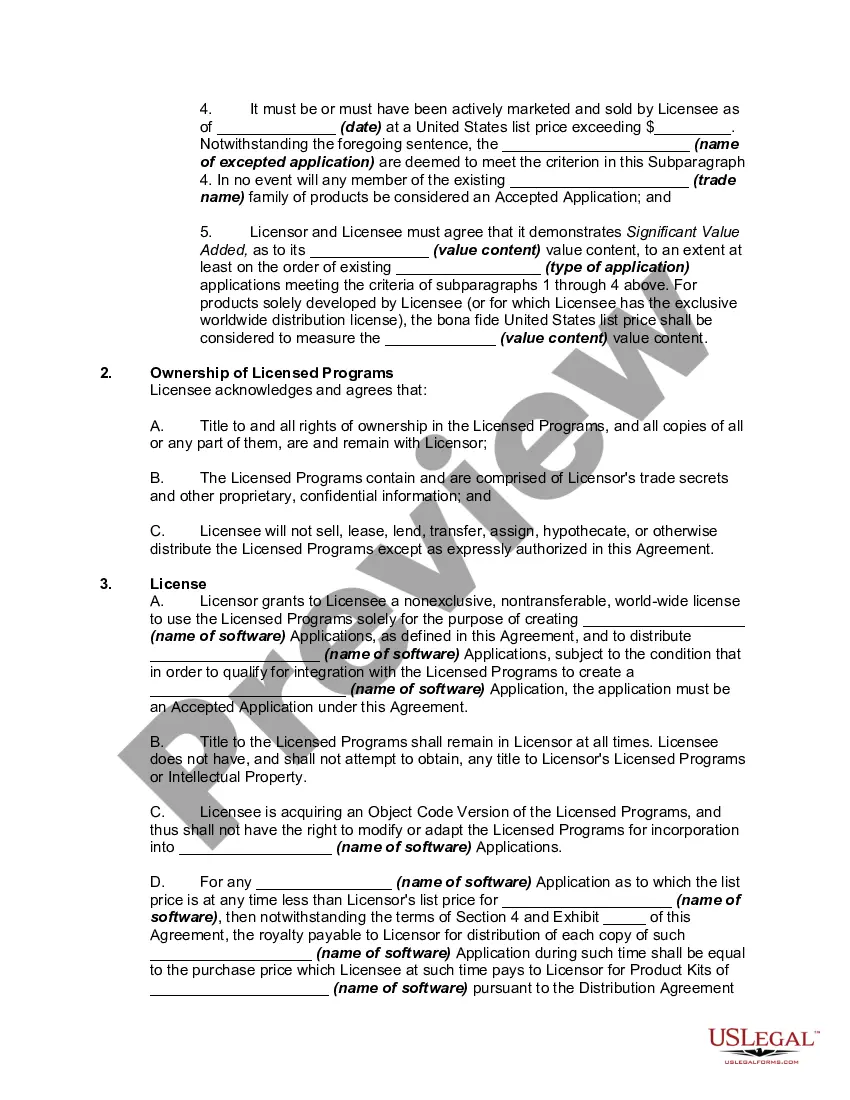
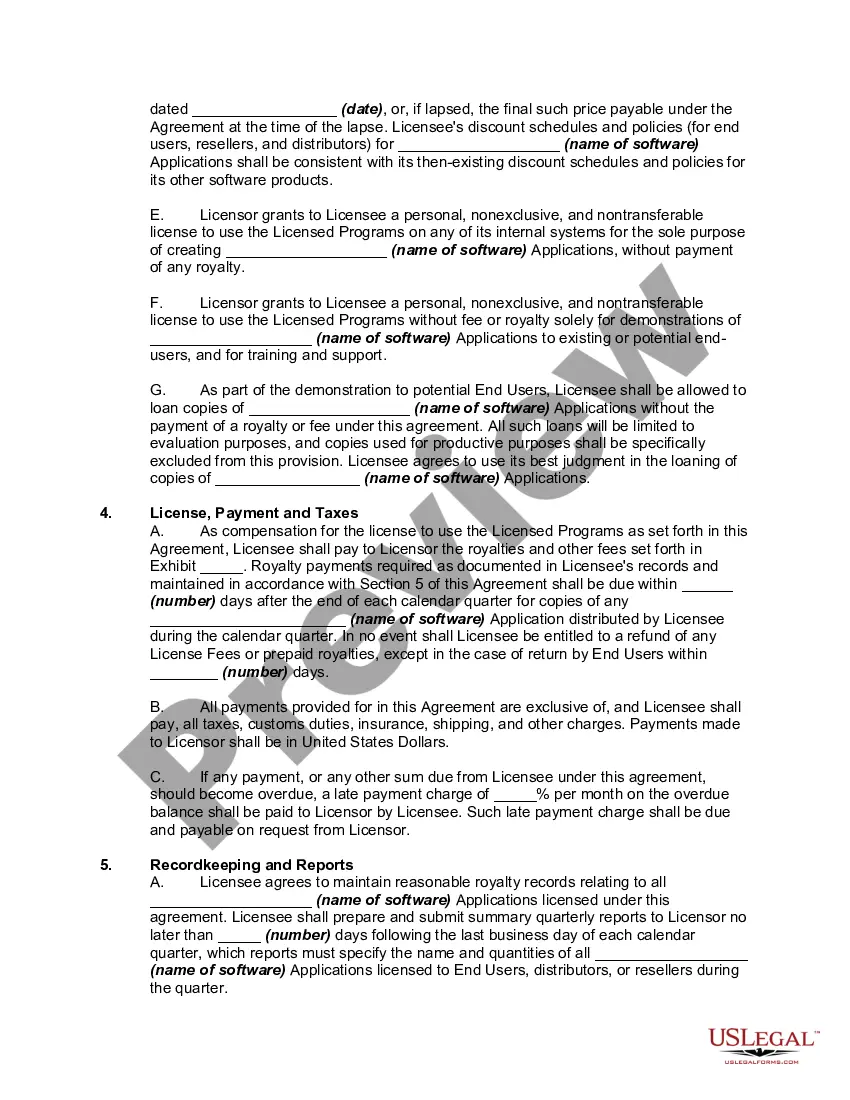

Get your form ready online
Our built-in tools help you complete, sign, share, and store your documents in one place.
Make edits, fill in missing information, and update formatting in US Legal Forms—just like you would in MS Word.
Download a copy, print it, send it by email, or mail it via USPS—whatever works best for your next step.
Sign and collect signatures with our SignNow integration. Send to multiple recipients, set reminders, and more. Go Premium to unlock E-Sign.
If this form requires notarization, complete it online through a secure video call—no need to meet a notary in person or wait for an appointment.
We protect your documents and personal data by following strict security and privacy standards.

Make edits, fill in missing information, and update formatting in US Legal Forms—just like you would in MS Word.

Download a copy, print it, send it by email, or mail it via USPS—whatever works best for your next step.

Sign and collect signatures with our SignNow integration. Send to multiple recipients, set reminders, and more. Go Premium to unlock E-Sign.

If this form requires notarization, complete it online through a secure video call—no need to meet a notary in person or wait for an appointment.

We protect your documents and personal data by following strict security and privacy standards.
Looking for another form?

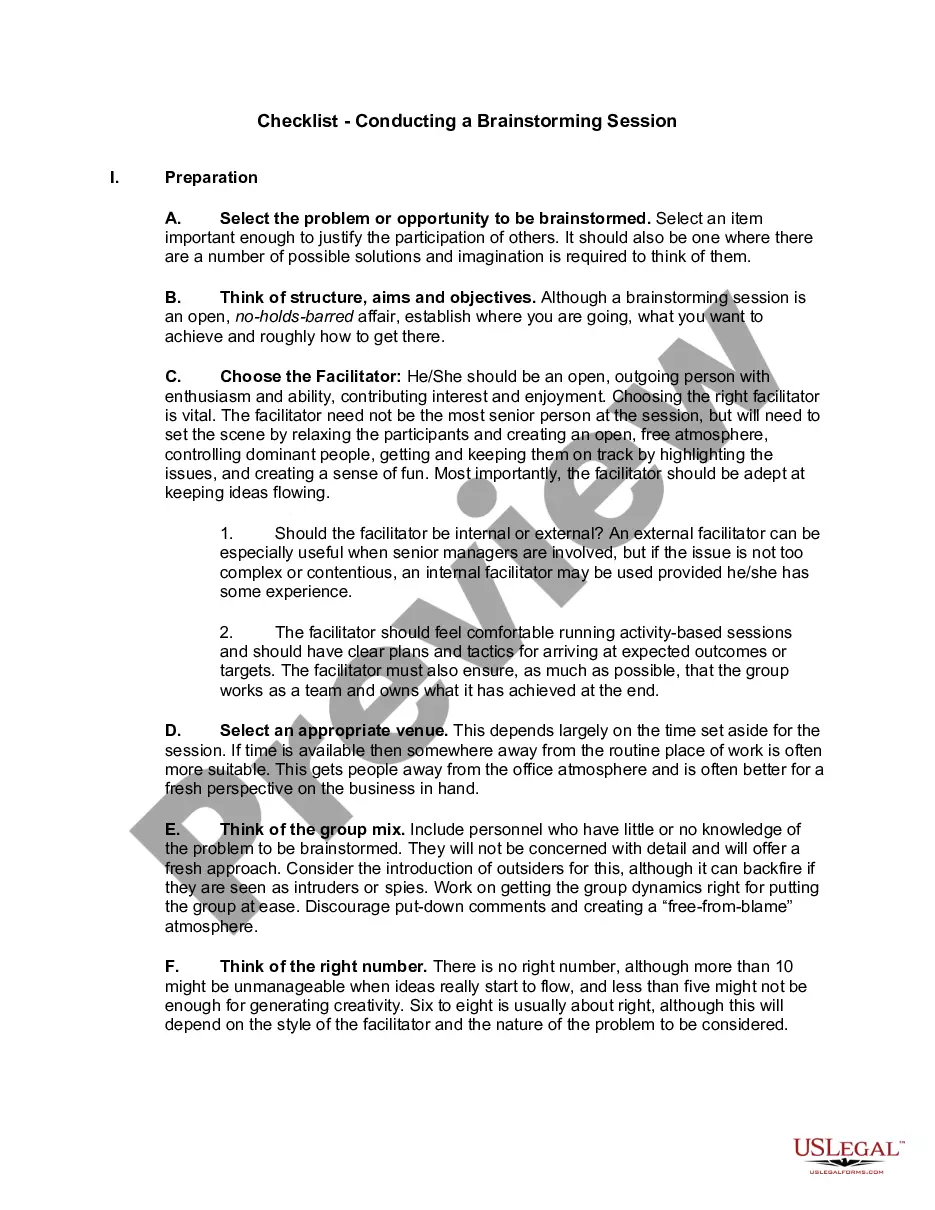
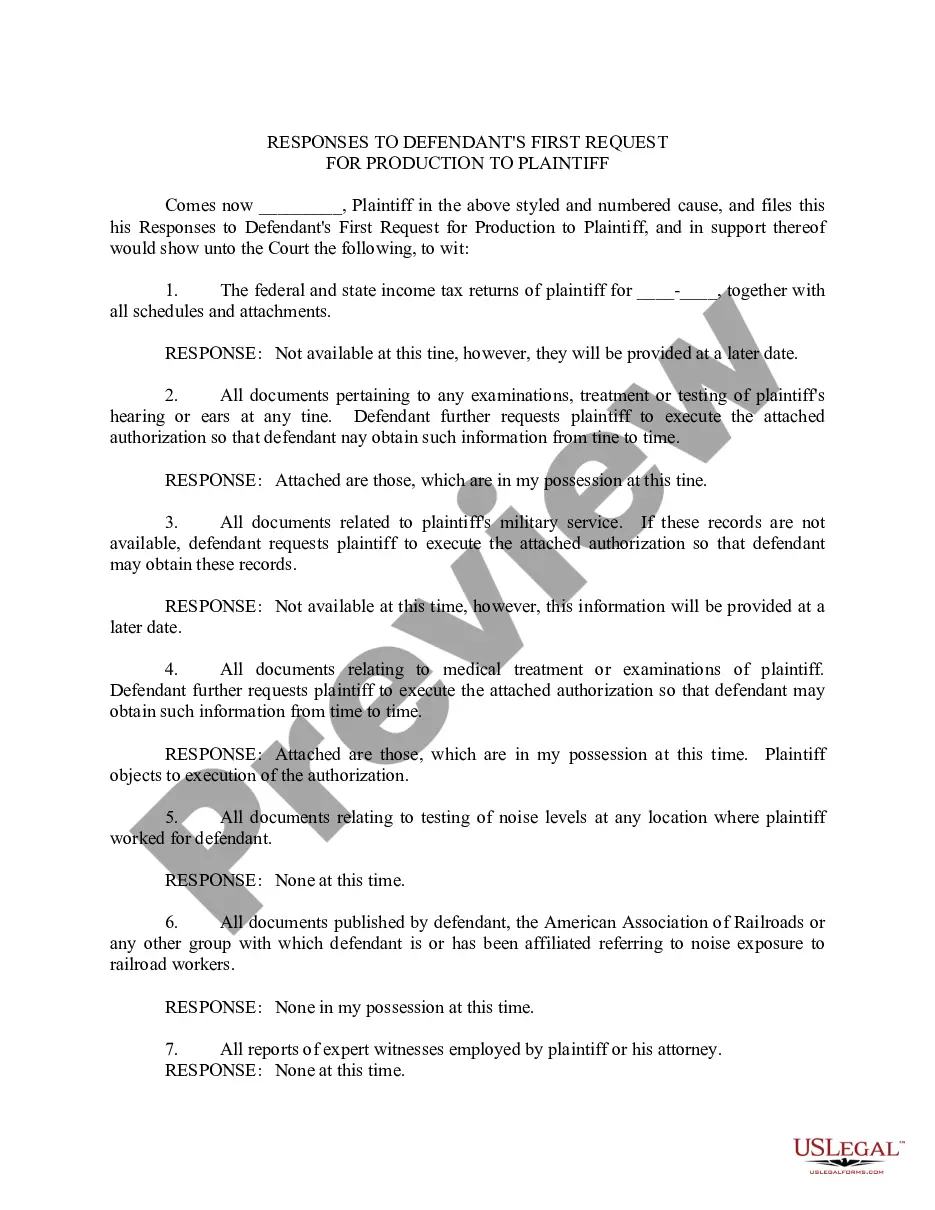

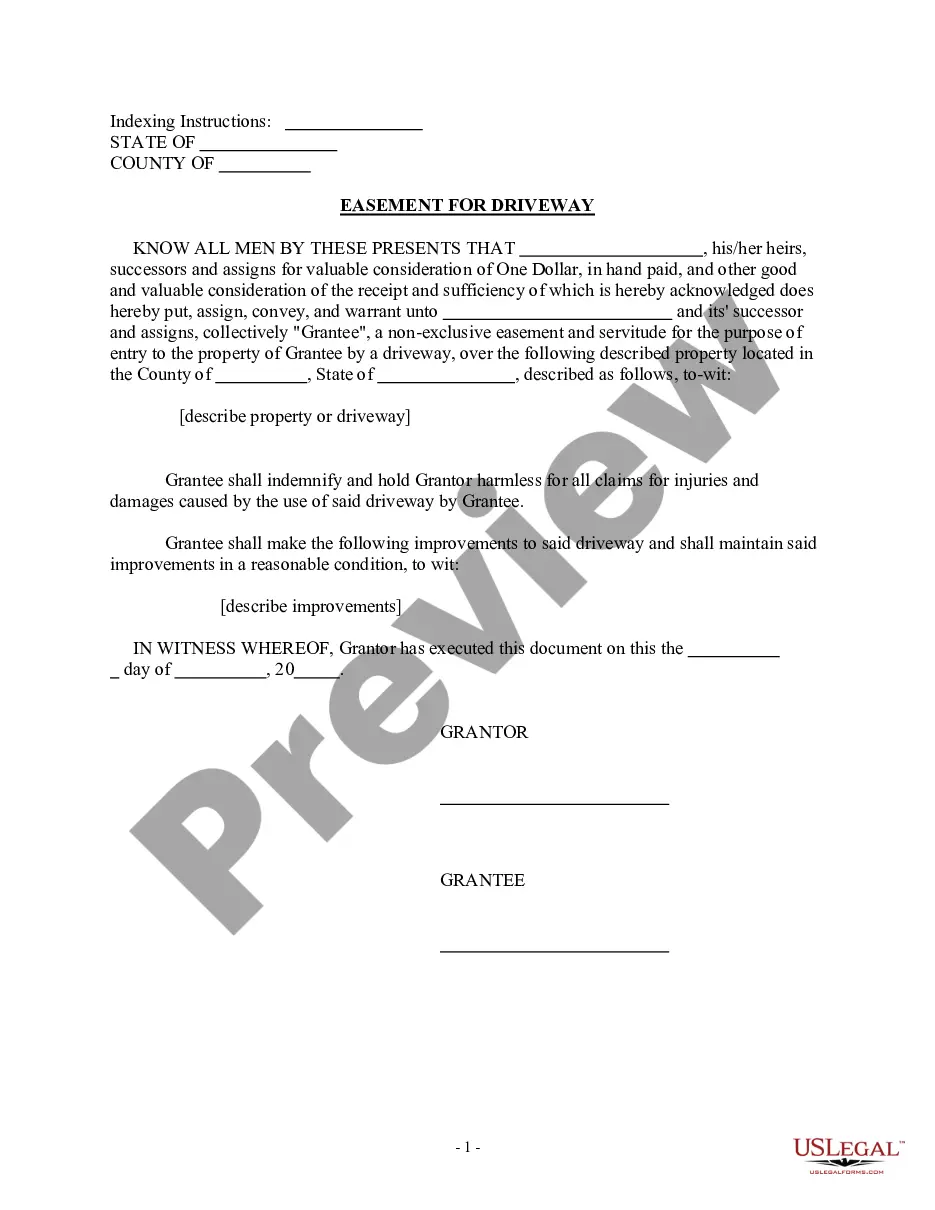
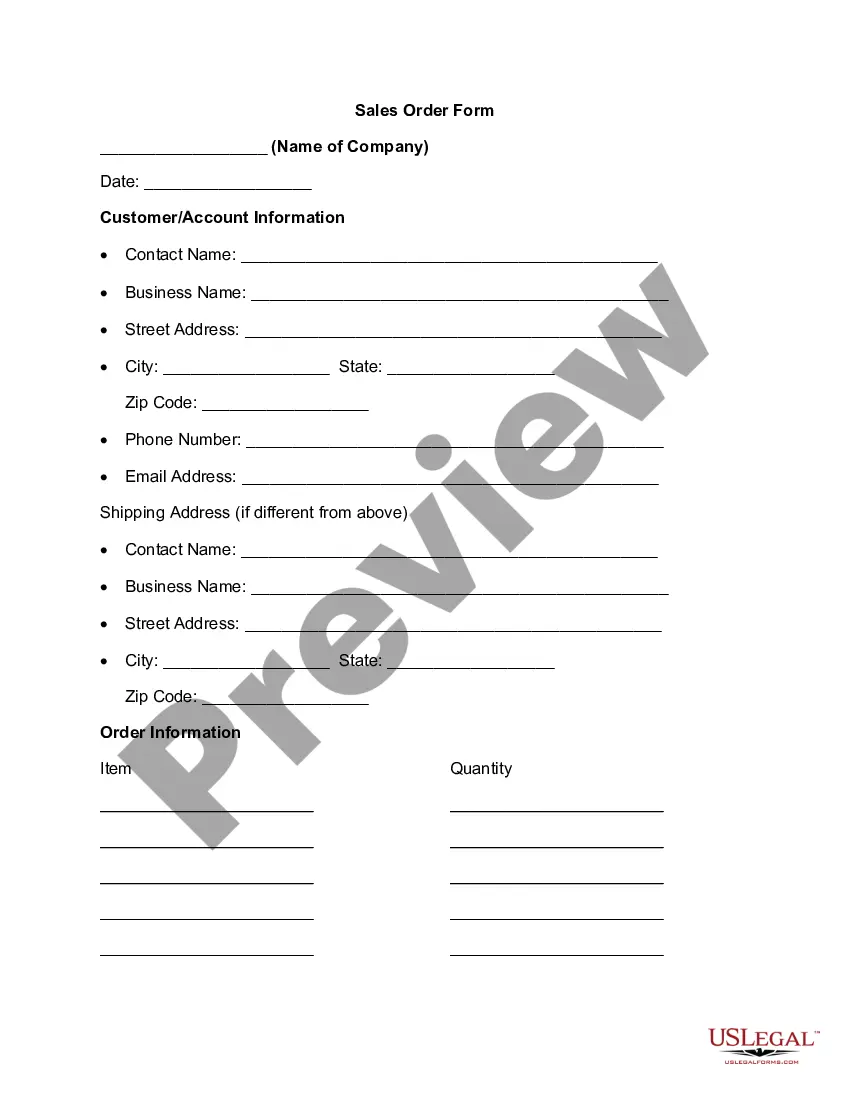
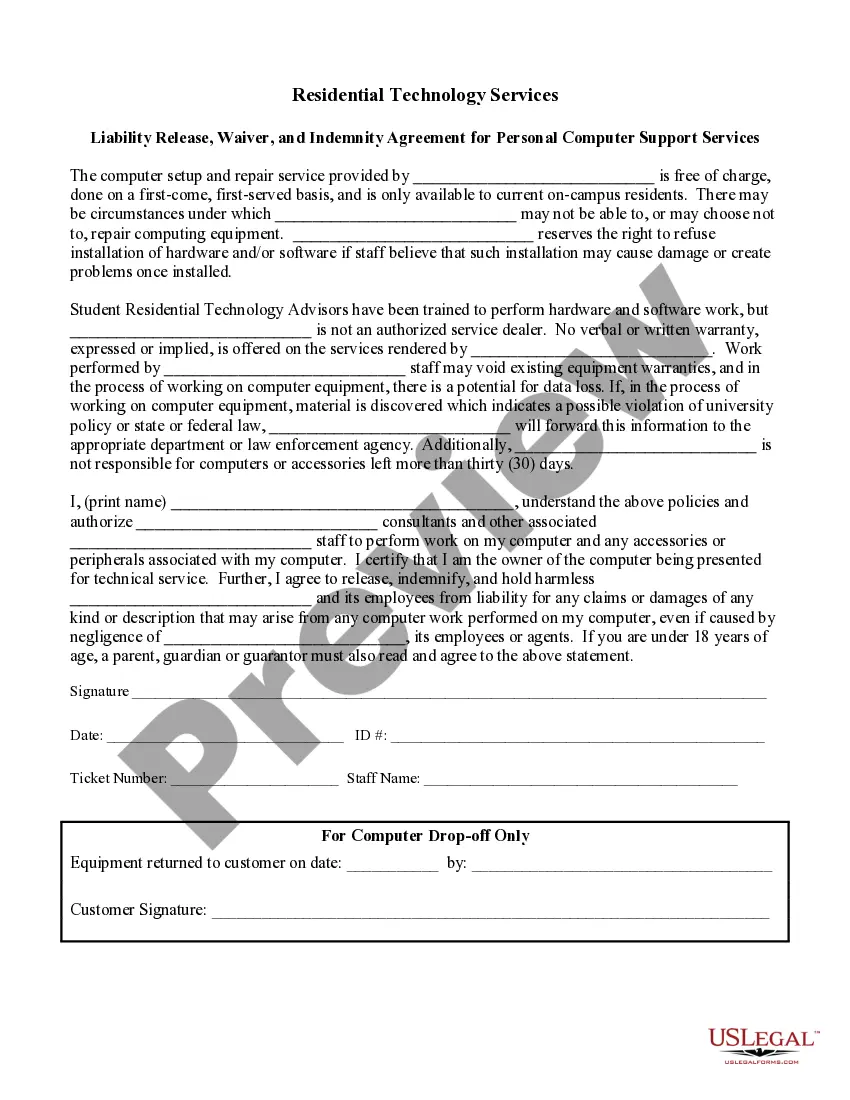

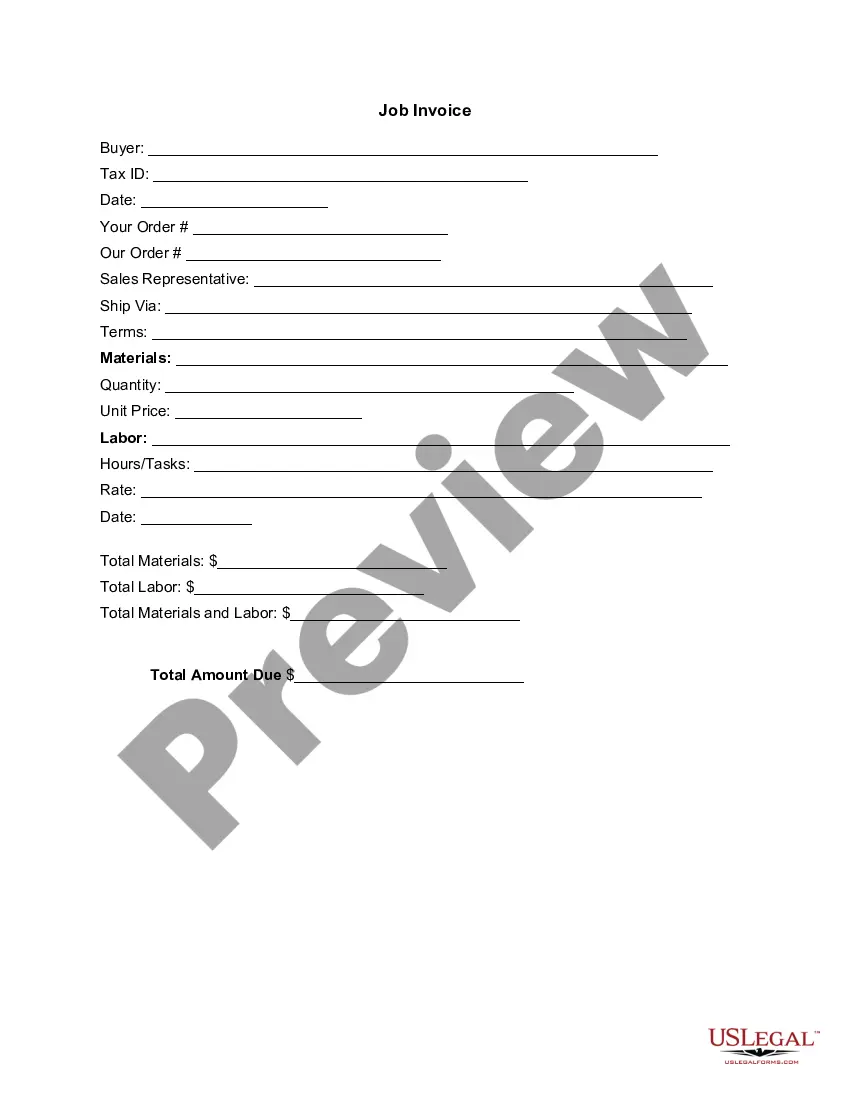
How to fill out License Agreement For Software?
You can dedicate multiple hours online trying to locate the legal document template that satisfies the requirements of both state and federal law. US Legal Forms offers an extensive collection of legal documents reviewed by experts.
It is possible to download or print the Texas License Agreement for Software from our services.
If you possess a US Legal Forms account, you can sign in and select the Download option. Subsequently, you can complete, modify, print, or sign the Texas License Agreement for Software. Every legal document template you obtain is yours permanently.
Complete the transaction. You can utilize your credit card or PayPal account to pay for the legal document. Choose the file format of your document and download it to your device. Make modifications to your document if necessary. You can complete, edit, sign, and print the Texas License Agreement for Software. Download and print numerous document templates using the US Legal Forms website, which provides the largest selection of legal documents. Use professional and state-specific templates to address your business or personal needs.
- To acquire another copy of any purchased form, navigate to the My documents tab and select the appropriate option.
- If you are using the US Legal Forms website for the first time, follow these simple instructions.
- First, confirm that you have selected the correct document template for your chosen state or city. Review the form description to ensure you have chosen the correct document.
- If available, utilize the Preview option to review the document template simultaneously.
- If you wish to find another version of your form, use the Search field to locate the template that meets your needs and requirements.
- Once you have found the template you require, click on Acquire now to continue.
- Select the pricing plan you want, enter your details, and register for an account on US Legal Forms.
Form popularity
FAQ
Generally, a license is required for most software applications to ensure legal use. Some programs may be offered under open-source licenses or as freeware, but many require a Texas License Agreement for Software. Always verify licensing before installation to avoid potential legal issues.
Yes, you must accept the Microsoft license agreement to use their software legally. This agreement, much like a Texas License Agreement for Software, details the terms of use and your rights as a user. It's crucial to read and understand these terms to stay compliant and informed.
Using software without a license is not allowed and can lead to legal penalties. A Texas License Agreement for Software outlines permissions and responsibilities, ensuring you have legal access to the software you need. Always check the licensing terms before using any software to protect yourself from violations.
The four main types of software licenses include proprietary, open-source, freeware, and shareware. A Texas License Agreement for Software typically falls under proprietary licenses, where the issuer retains rights. Understanding these categories can help you choose the right software without jeopardizing your legal standing or functionality.
Using unlicensed software is legally questionable and can lead to serious consequences. Without a Texas License Agreement for Software, you risk legal actions and potential fines. It's important to respect software creators' rights and always obtain the necessary licenses to ensure compliance and avoid legal trouble.
Creating a license agreement is a structured process. Begin by identifying the parties and the software in question. Next, outline the rights and responsibilities associated with the Texas License Agreement for Software. For added convenience, you can use UsLegalForms, which offers easy-to-follow templates to craft a comprehensive agreement.
Acquiring a licensing agreement involves several steps. First, you must identify the software and the party that grants the license. Then, negotiate the terms based on your requirements, and finally, draft the Texas License Agreement for Software. Utilizing platforms like UsLegalForms can simplify this process, providing customizable templates.
You can locate your Windows license agreement easily on your computer. This agreement typically appears during installation or can be found in the system settings under the 'About' section. For a more detailed understanding, consider reviewing the Texas License Agreement for Software, as it contains vital information on software licensing rights.
To create a legally binding Texas License Agreement for Software, you need to include essential elements. These elements are an offer, acceptance, consideration, and a mutual understanding between the parties involved. Additionally, ensure that both parties have the legal capacity to enter into the agreement. Clarity in terms helps in preventing misunderstandings.
The four types of software licenses include proprietary licenses, open-source licenses, freeware licenses, and shareware licenses. Each type defines the extent to which users can access and alter the software. When drafting your Texas License Agreement for Software, clearly specifying the license type can protect both your rights and the rights of users.