Texas Agreement between Certified Disability Advocate and Client

State:
Multi-State
Control #:
US-01812BG
Format:
Word
Instant download

Description

A Disability Advocate, also known as a Disability Consultant or non-attorney Representative, is a specially trained individual who assists others who are applying for Social Security disability benefits.


The duties of a Disability Advocate involve the execution of both formal and informal procedures on behalf of an applicant for Social Security disability benefits. These actions include, but are not limited to, the assessment of a case to determine the approximate percent chance of winning, and the development of a case by requesting copies of the client's medical records. By law, Social Security must consider the advocate's argument before making a final decision. If the advocate's argument is properly structured and supported by the evidence, it can greatly enhance the client's chances of winning benefits.
Free preview
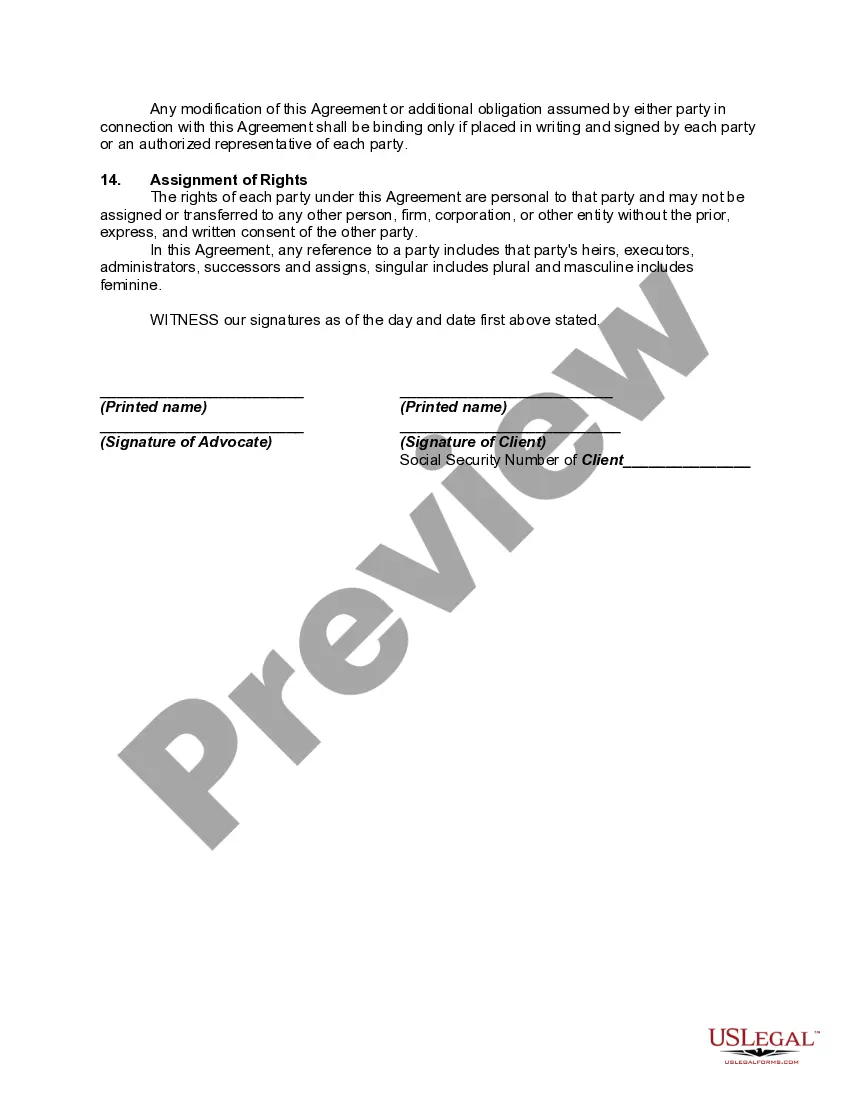
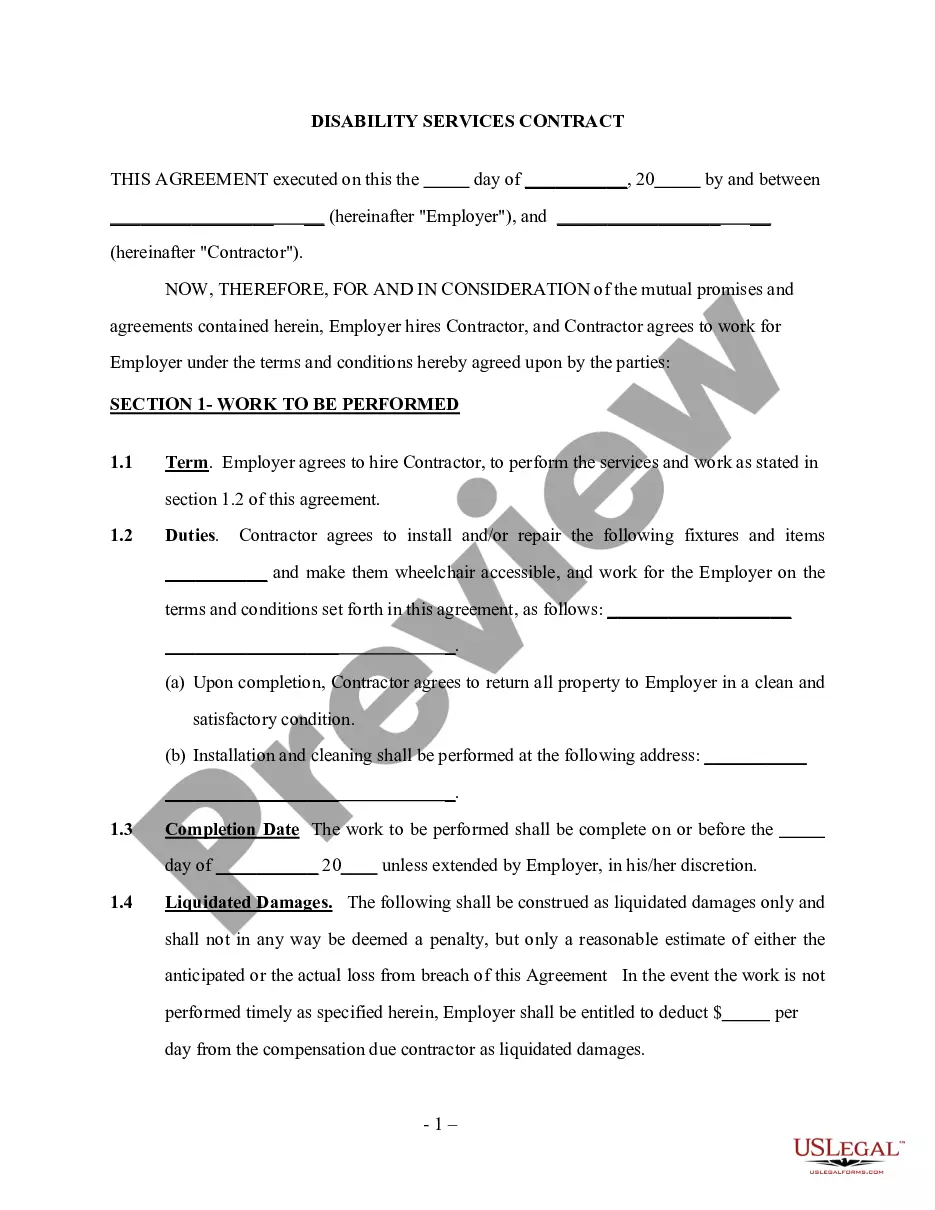
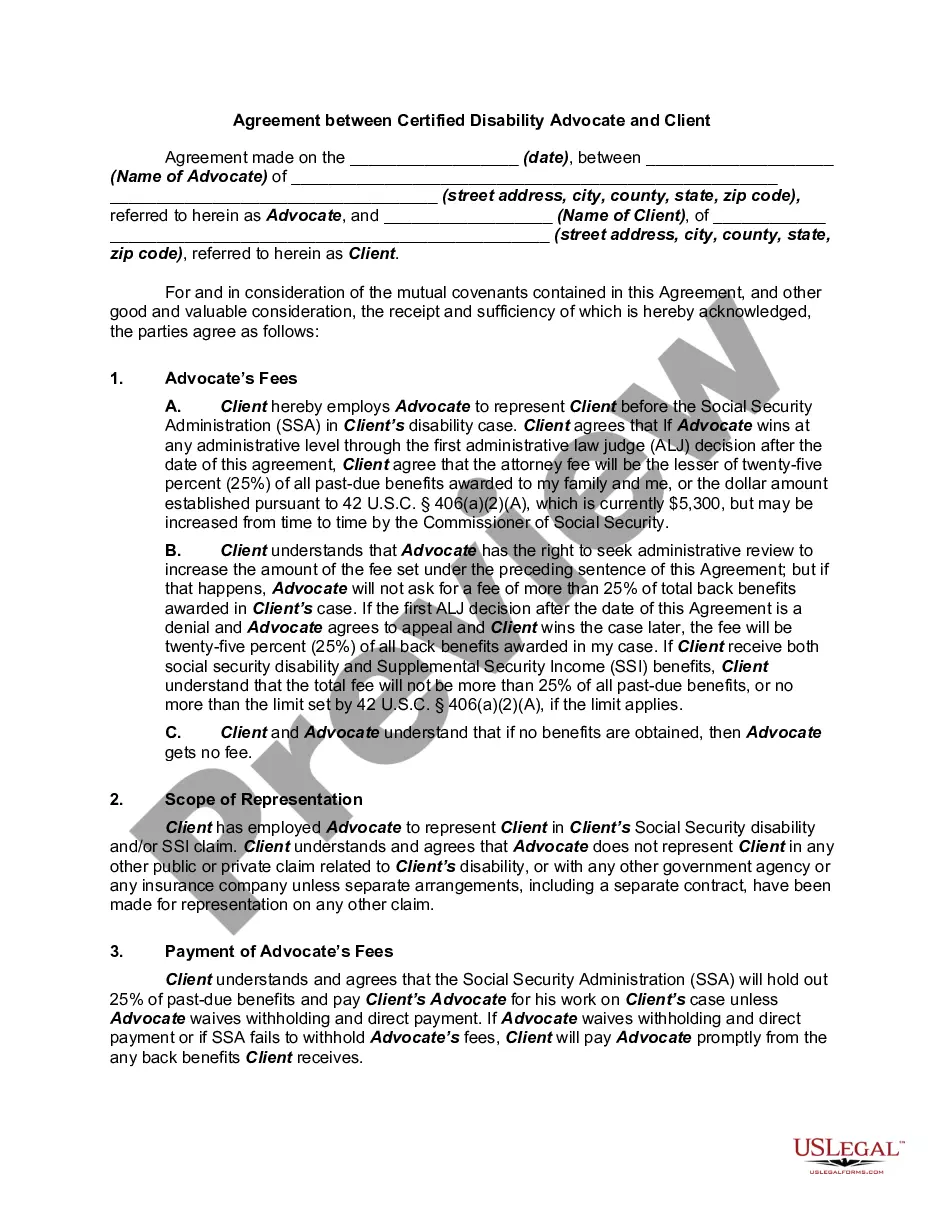
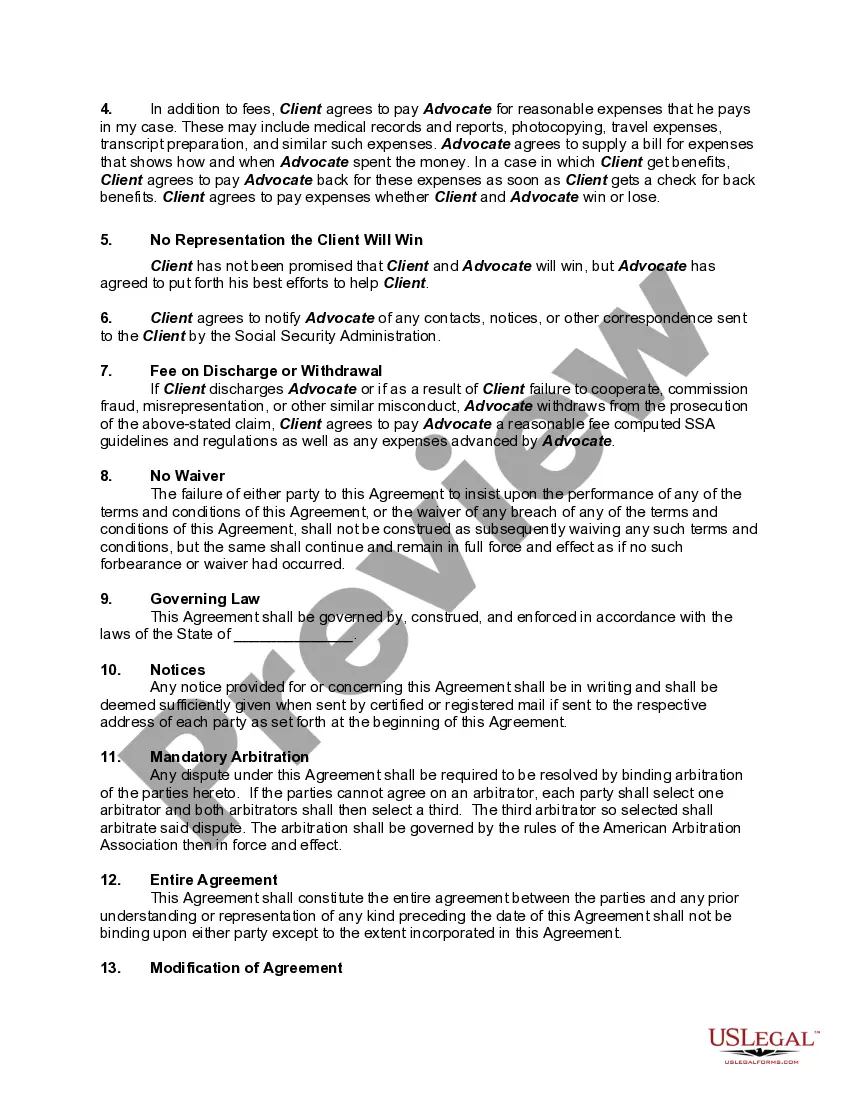
  • Preview Agreement between Certified Disability Advocate and Client
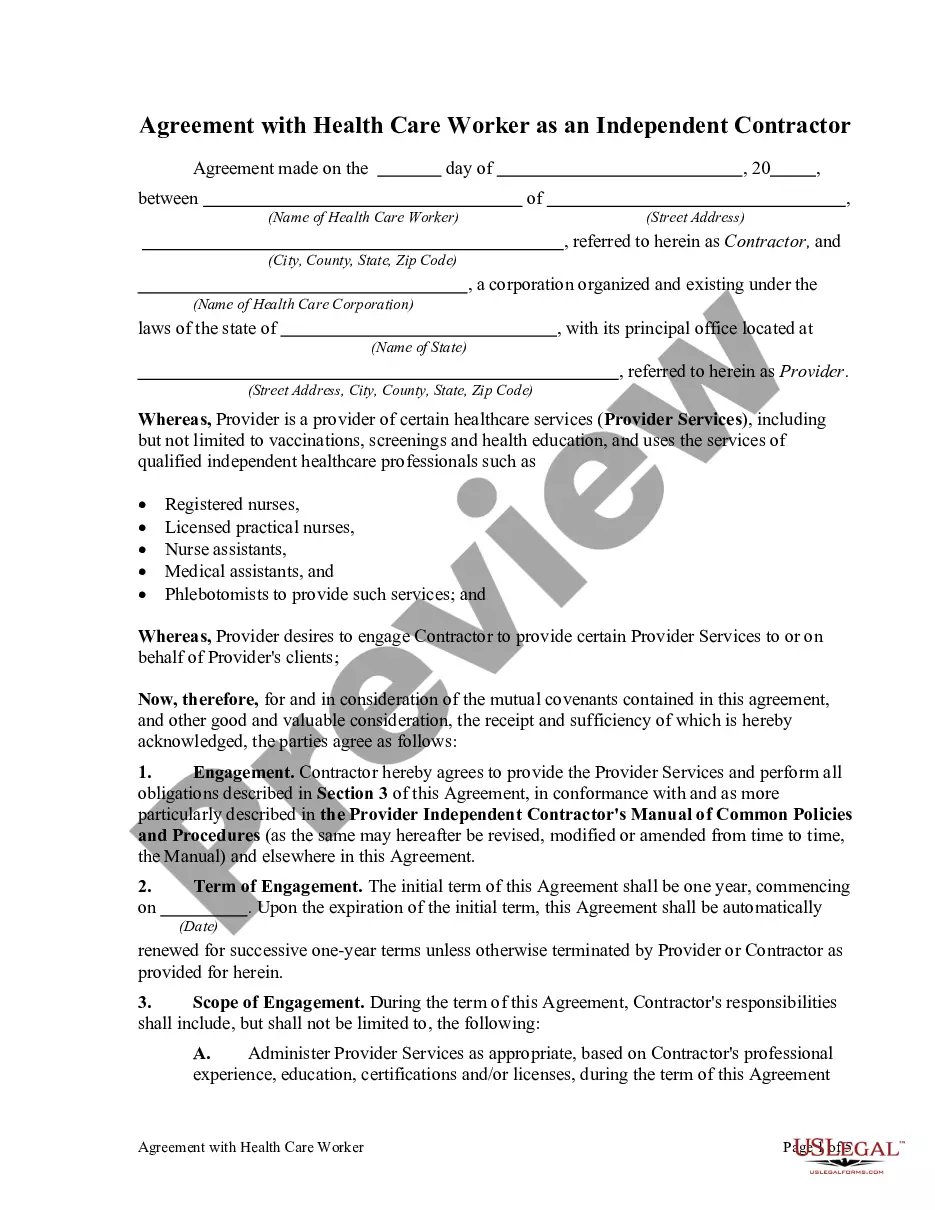
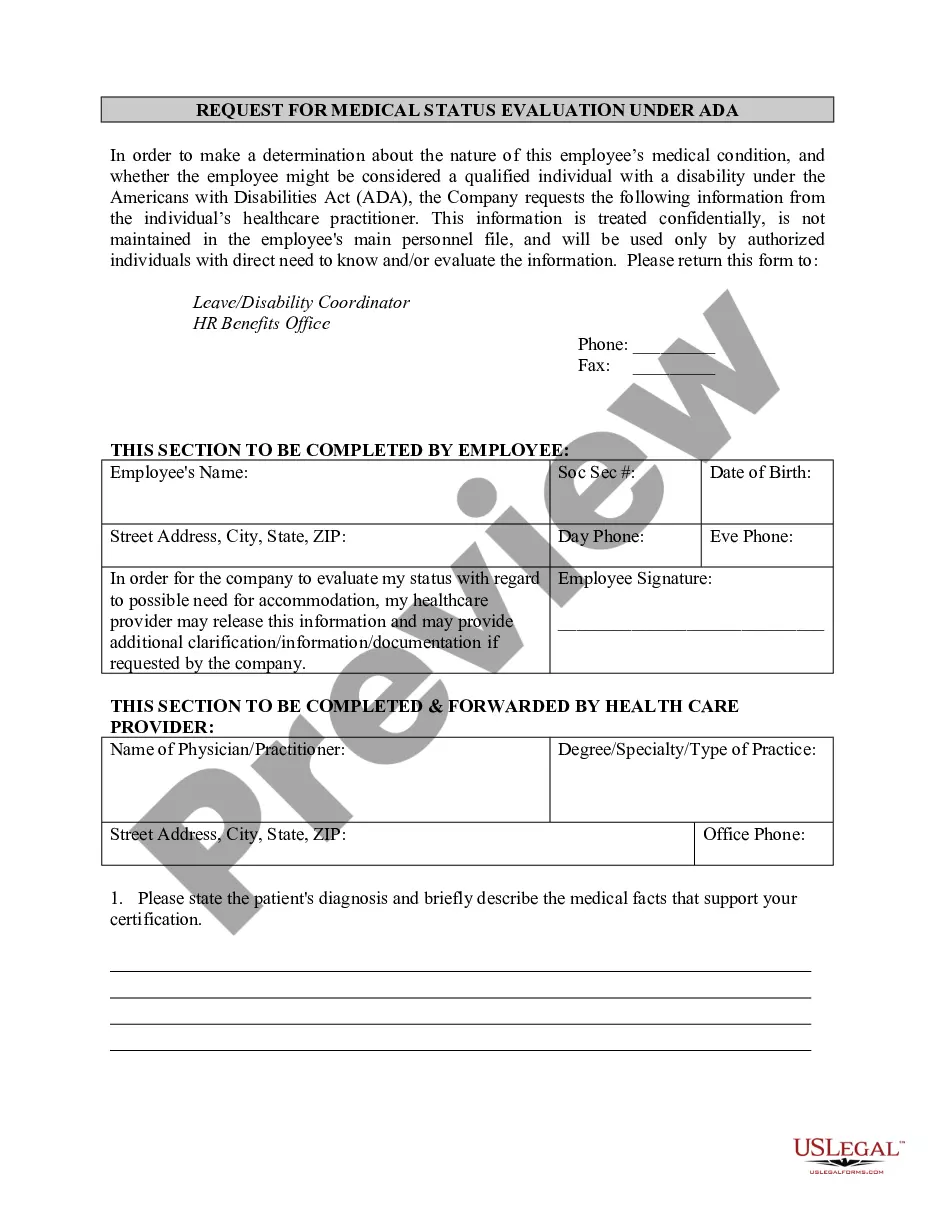
  • Preview Agreement between Certified Disability Advocate and Client
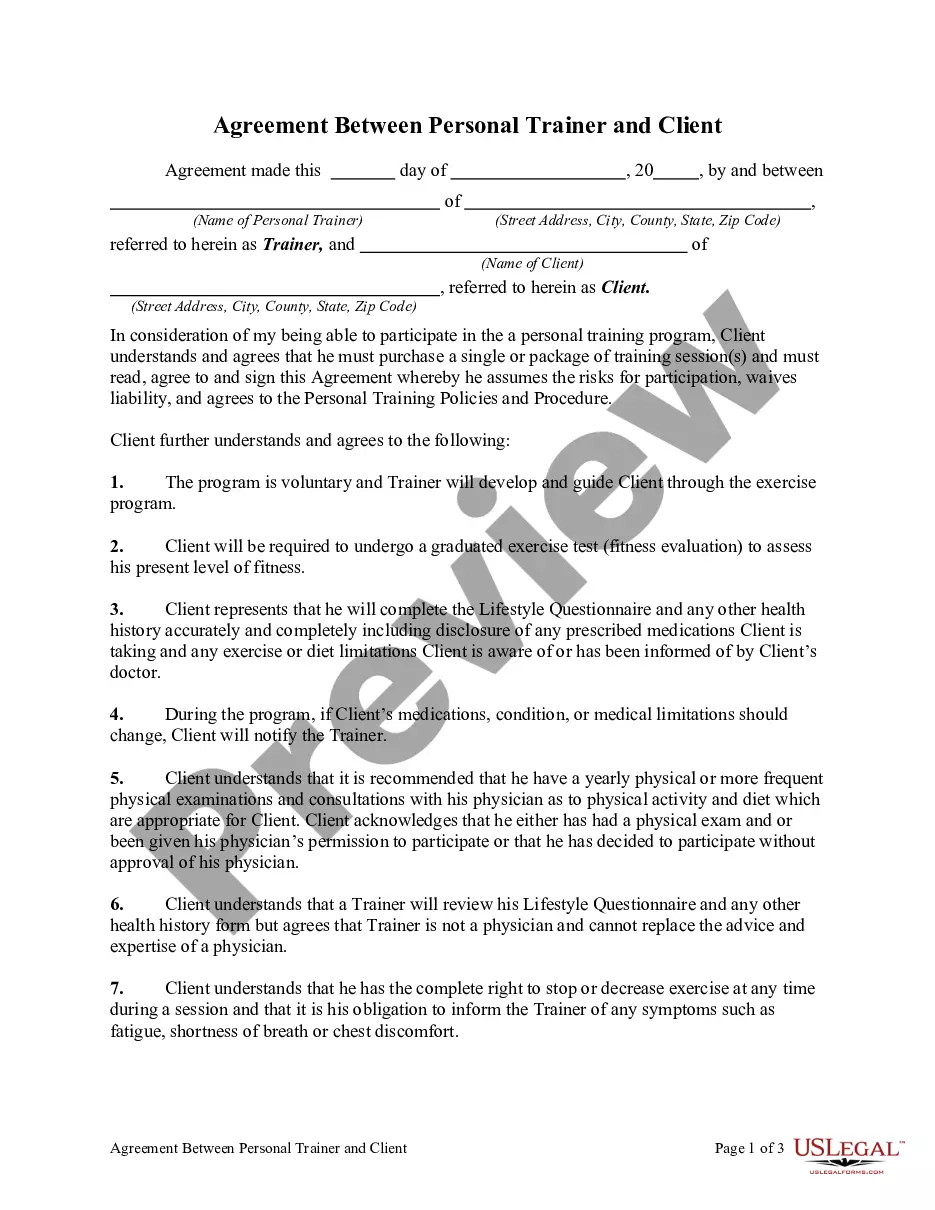
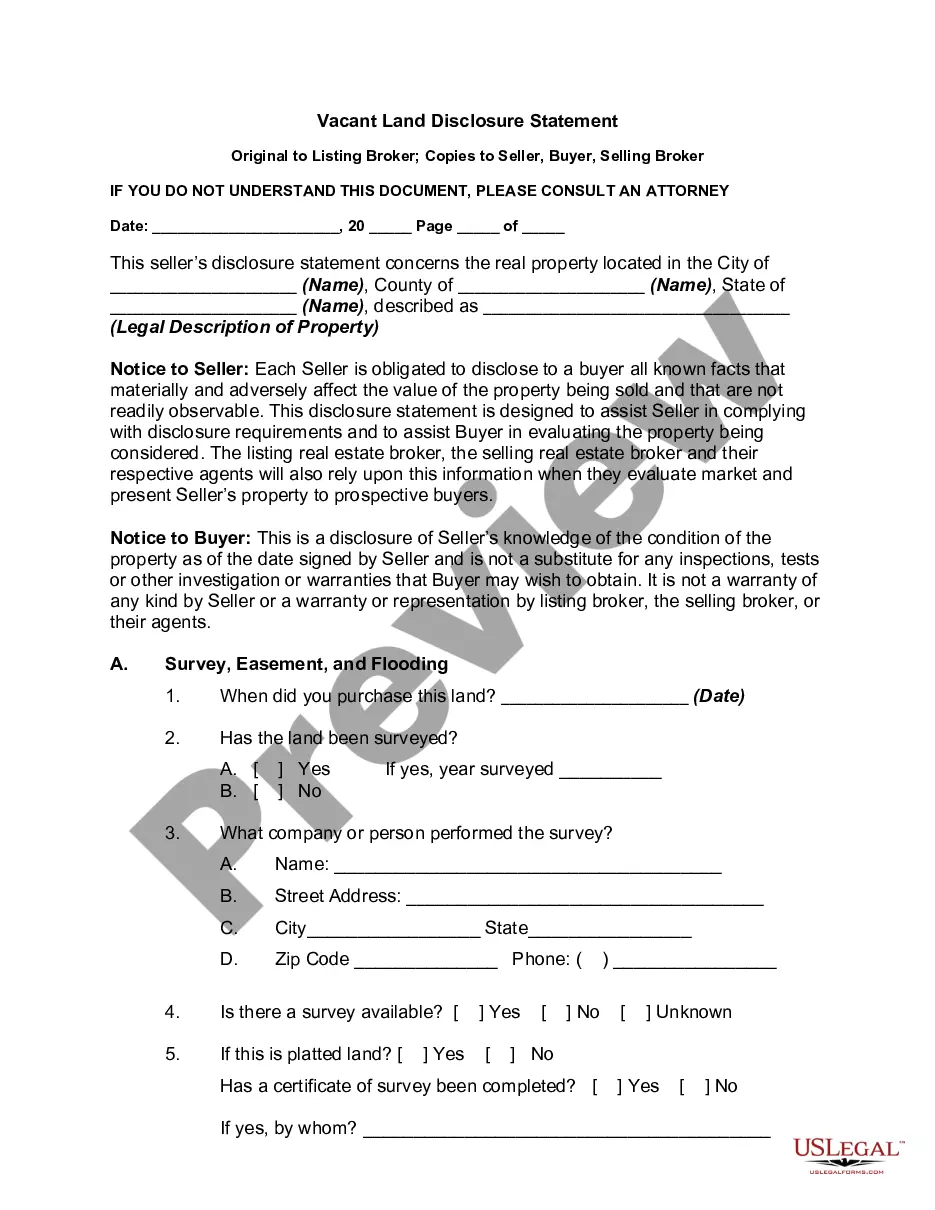
  • Preview Agreement between Certified Disability Advocate and Client

How to fill out Agreement Between Certified Disability Advocate And Client?

It is feasible to spend numerous hours online trying to locate the legal document template that fulfills the federal and state requirements you seek.

US Legal Forms provides thousands of legal forms that have been reviewed by professionals.

You can acquire or create the Texas Agreement between Certified Disability Advocate and Client through our services.

If available, utilize the Preview button to review the document template as well. If you wish to obtain another version of the form, use the Search field to find the template that fits your needs and requirements. Once you have found the template you need, click Get Now to proceed. Choose the pricing plan you wish, enter your credentials, and register for an account with US Legal Forms. Complete the transaction. You can use your credit card or PayPal account to pay for the legal document. Select the format of the document and download it to your device. Make modifications to your document if possible. You can fill, edit, and sign the Texas Agreement between Certified Disability Advocate and Client. Download and print thousands of document templates using the US Legal Forms site, which offers the largest selection of legal forms. Utilize professional and state-specific templates to tackle your business or personal needs.

  1. If you possess a US Legal Forms account, you may sign in and then click the Download button.
  2. Afterward, you can complete, modify, create, or sign the Texas Agreement between Certified Disability Advocate and Client.
  3. Every legal document template you purchase is yours indefinitely.
  4. To obtain an additional copy of the purchased form, navigate to the My documents section and click the appropriate button.
  5. If you use the US Legal Forms website for the first time, follow the simple instructions below.
  6. First, ensure that you have selected the correct document template for the area you desire.
  7. Read the form description to confirm you have picked the right form.

Form popularity

FAQ

The principles of supported decision-making (SDM) include dignity, respect, individual choice, and the value of the individual's insight. SDM fosters an environment where individuals can express their preferences and aspirations with the assistance of advocates. These principles are foundational to the Texas Agreement between Certified Disability Advocate and Client, ensuring that decisions reflect the individual’s beliefs and desires.

Shared decision-making involves collaboration between a professional and a client, allowing both parties to contribute to the decision. Supported decision-making emphasizes the individual's right to make choices supported by trusted advocates without external influence. Understanding these differences is crucial within the Texas Agreement between Certified Disability Advocate and Client, as it informs how decisions are made and respected.

Disability Rights Texas is not a state agency, but it operates as a non-profit organization advocating for individuals with disabilities in Texas. It provides essential services, resources, and support to ensure that the rights of individuals are respected and upheld. As part of the Texas Agreement between Certified Disability Advocate and Client, they can offer valuable guidance and assistance.

Support decision-making is a process that allows individuals to seek guidance while retaining control over their decisions. It involves collaborating with trusted supporters, who can provide insights and recommendations without making decisions for the individual. This aligns closely with the Texas Agreement between Certified Disability Advocate and Client, enhancing self-determination in the decision-making process.

An example of supported decision-making might involve a person choosing where to live with the help of a certified advocate. The advocate can provide information, resources, and emotional support to help the individual make an informed decision without taking over the process. This supports the principles of the Texas Agreement between Certified Disability Advocate and Client, emphasizing respect and empowerment.

A supported decision-making agreement in Texas allows individuals with disabilities to receive assistance from a trusted supporter without ceding their decision-making rights. It clearly outlines the role of the supporter and maintains the individual's autonomy. This framework is beneficial in navigating choices while ensuring compliance with the Texas Agreement between Certified Disability Advocate and Client.

Supported decision-making focuses on empowering individuals to make their own choices with help from trusted advocates. In contrast, a power of attorney grants authority to another person to make decisions on behalf of someone else. This distinction is key in the context of the Texas Agreement between Certified Disability Advocate and Client, as supported decision-making nurtures independence while power of attorney may limit it.

Rule 107 pertains to the electronic filing of documents in Texas courts, specifying the requirements and processes involved. This rule is essential for lawyers who manage case documentation efficiently and maintains the integrity of court filings. A well-structured Texas Agreement between Certified Disability Advocate and Client often includes aspects of compliance with Rule 107 to keep all necessary documentation organized.

Rule 1.10, often confused with ethics issues, deals with the responsibilities of law firms to avoid conflicts of interest among their members. This rule requires a firm to implement measures to prevent conflicts from affecting client representation. By adhering to this rule, the Texas Agreement between Certified Disability Advocate and Client can assure clients of consistent and dedicated representation.

Rule 4.2 governs communication between a lawyer and a party represented by another lawyer. It prohibits direct contact with that party, underscoring the respect for the existing attorney-client relationship. When drafting a Texas Agreement between Certified Disability Advocate and Client, it is imperative to consider this rule to maintain compliance and foster ethical interactions.

Trusted and secure by over 3 million people of the world’s leading companies

Texas Agreement between Certified Disability Advocate and Client