Without an agreement as to the division of fees, attorneys jointly undertaking to represent a client share equally, and this is true even though one attorney employs another attorney to assist in an action for a contingent fee. But where the client's employment of more than one attorney is not joint, or where separate attorneys render separate services, each is entitled only to the reasonable value of each attorney's services.
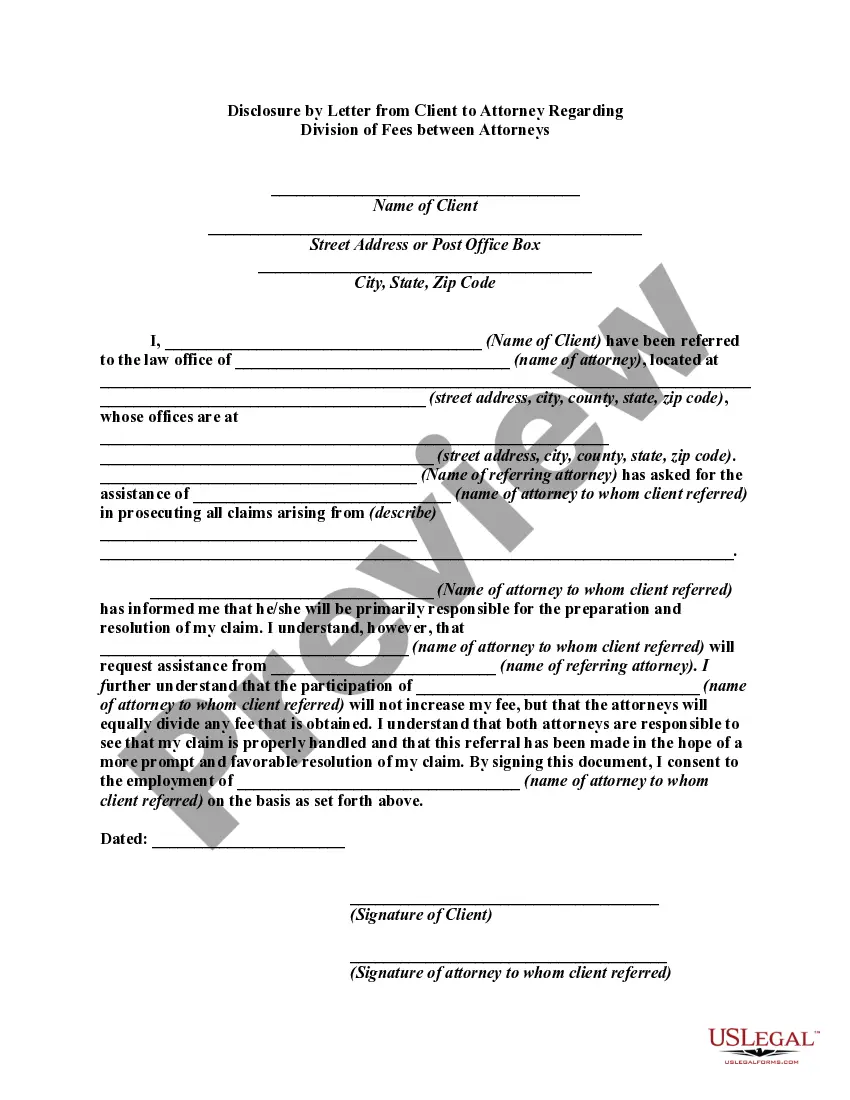
Texas Disclosure by Letter from Client to Attorney Regarding Division of Fees between Attorneys
Instant download
Description
Free preview


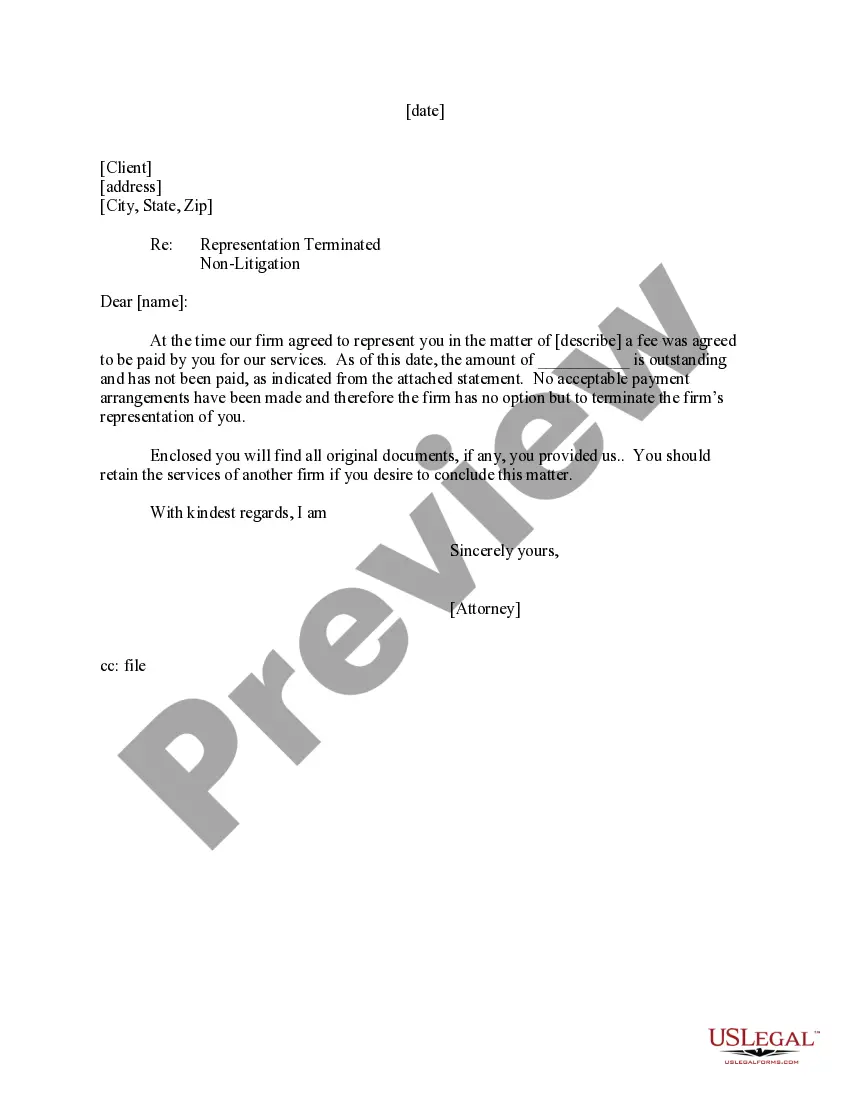
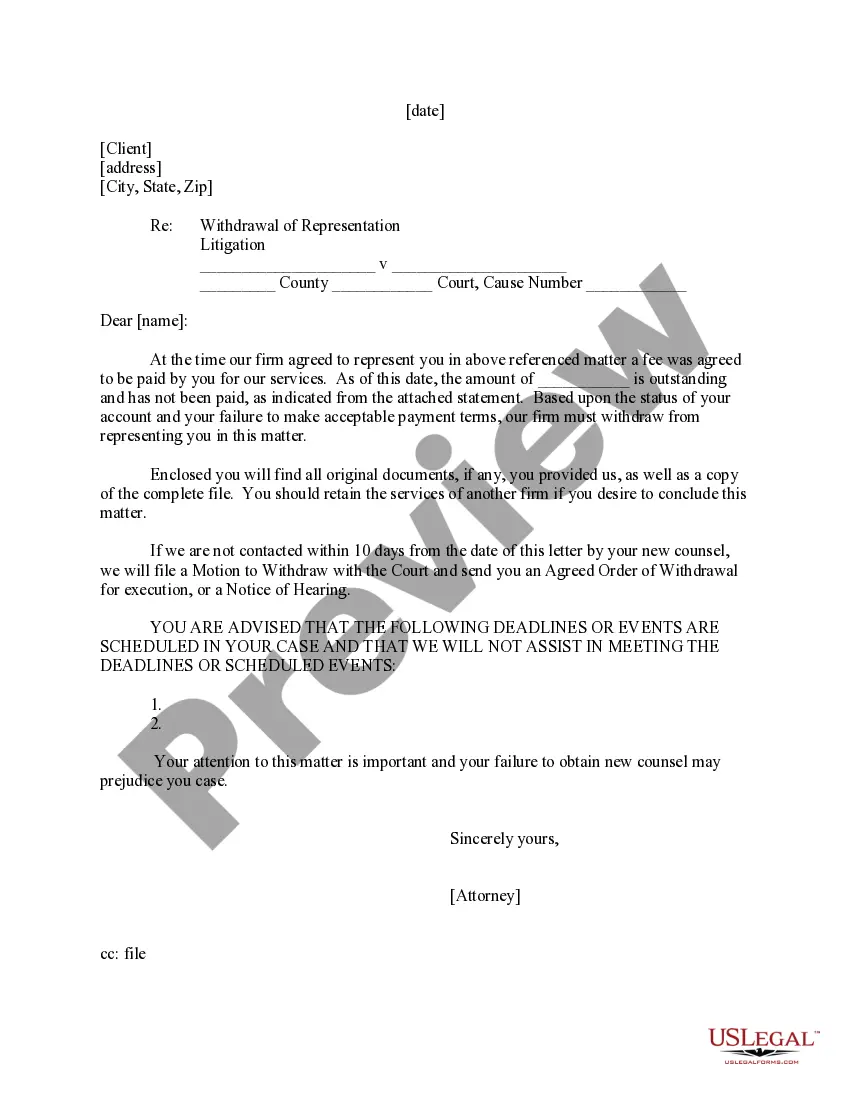


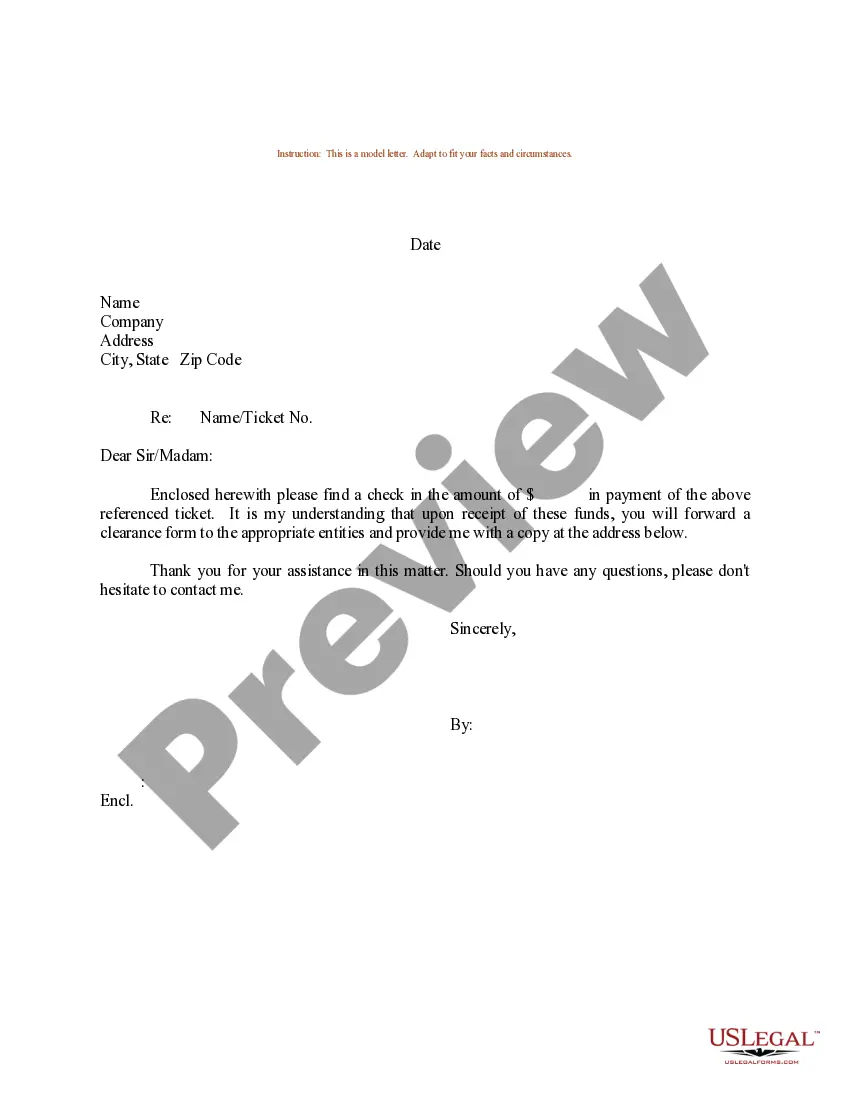
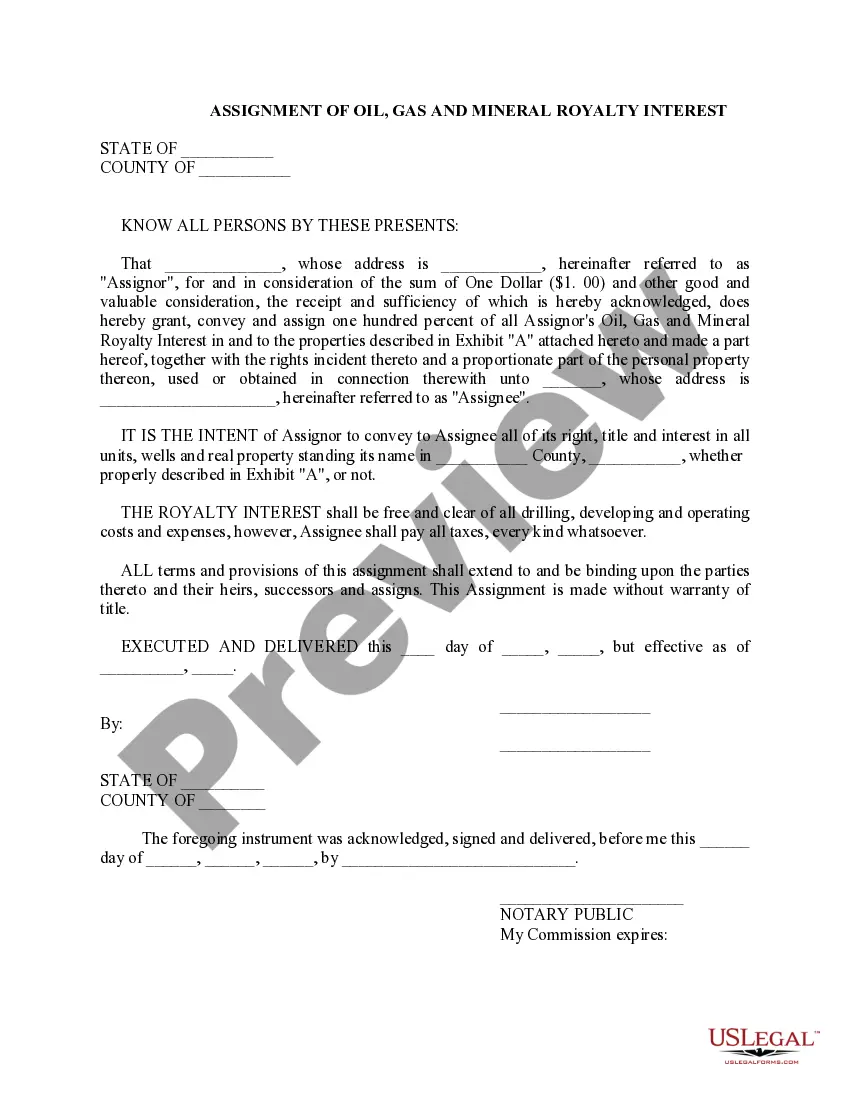



How to fill out Disclosure By Letter From Client To Attorney Regarding Division Of Fees Between Attorneys?
It is feasible to allocate time online looking for the legal document template that satisfies the federal and state requirements you need. US Legal Forms offers countless legal forms that are reviewed by professionals.
You can effortlessly download or print the Texas Disclosure by Letter from Client to Attorney Regarding Division of Fees between Attorneys from our service. If you already have a US Legal Forms account, you can Log In and click the Download button.
Next, you can complete, edit, print, or sign the Texas Disclosure by Letter from Client to Attorney Regarding Division of Fees between Attorneys. Each legal document template you acquire is yours permanently. To obtain another copy of a purchased form, go to the My documents tab and click the corresponding button.
Retrieve the format of the document and download it to your device. Make modifications to your document if necessary. You can complete, edit, and sign and print the Texas Disclosure by Letter from Client to Attorney Regarding Division of Fees between Attorneys. Download and print thousands of document templates using the US Legal Forms website, which offers the largest collection of legal forms. Utilize professional and state-specific templates to address your business or personal needs.
- If you are using the US Legal Forms website for the first time, follow the simple instructions below.
- First, ensure that you have selected the correct document template for the region/town of your choice. Review the form description to confirm you have chosen the right form.
- If available, utilize the Preview button to examine the document template as well.
- To find another version of the form, use the Search field to locate the template that meets your needs and requirements.
- Once you have found the template you desire, click Buy now to proceed.
- Select the pricing plan you prefer, enter your details, and register for an account on US Legal Forms.
- Complete the transaction. You can use your credit card or PayPal account to purchase the legal form.
Form popularity
FAQ
While physicians who engage in sexual activities with their patients are subject to removal from their profession, there is no similar policy with respect to lawyers.
Rule 1.11 - Adjudicatory Official or Law Clerk (a) A lawyer shall not represent anyone in connection with a matter in which the lawyer has passed upon the merits or otherwise participated personally and substantially as an adjudicatory official or law clerk to an adjudicatory official, unless all parties to the ...
Rule 1.01 - Competent and Diligent Representation (a) A lawyer shall not accept or continue employment in a legal matter which the lawyer knows or should know is beyond the lawyer's competence, unless: (1) another lawyer who is competent to handle the matter is, with the prior informed consent of the client, associated ...
The bright line rule states that a lawyer, or law firm, cannot represent two clients who have adverse legal interests without first obtaining their informed consent.
A lawyer shall not: (a) unlawfully obstruct another party's access to evidence; in anticipation of a dispute unlawfully alter, destroy or conceal a document or other material that a competent lawyer would believe has potential or actual evidentiary value; or counsel or assist another person to do any such act.
California Rules of Professional Conduct. Rule 1.8. 1 specifically outlines that an attorney may not enter into business transactions with a client. In addition, they may not knowingly acquire ownership, possession, security, or any other pecuniary interest in a client.
Lawyers withdraw from cases all the time, and it usually does not impact the judge's perception of the client unless the client has had multiple changes in legal counsel with attorneys that have a good reputation with the court.