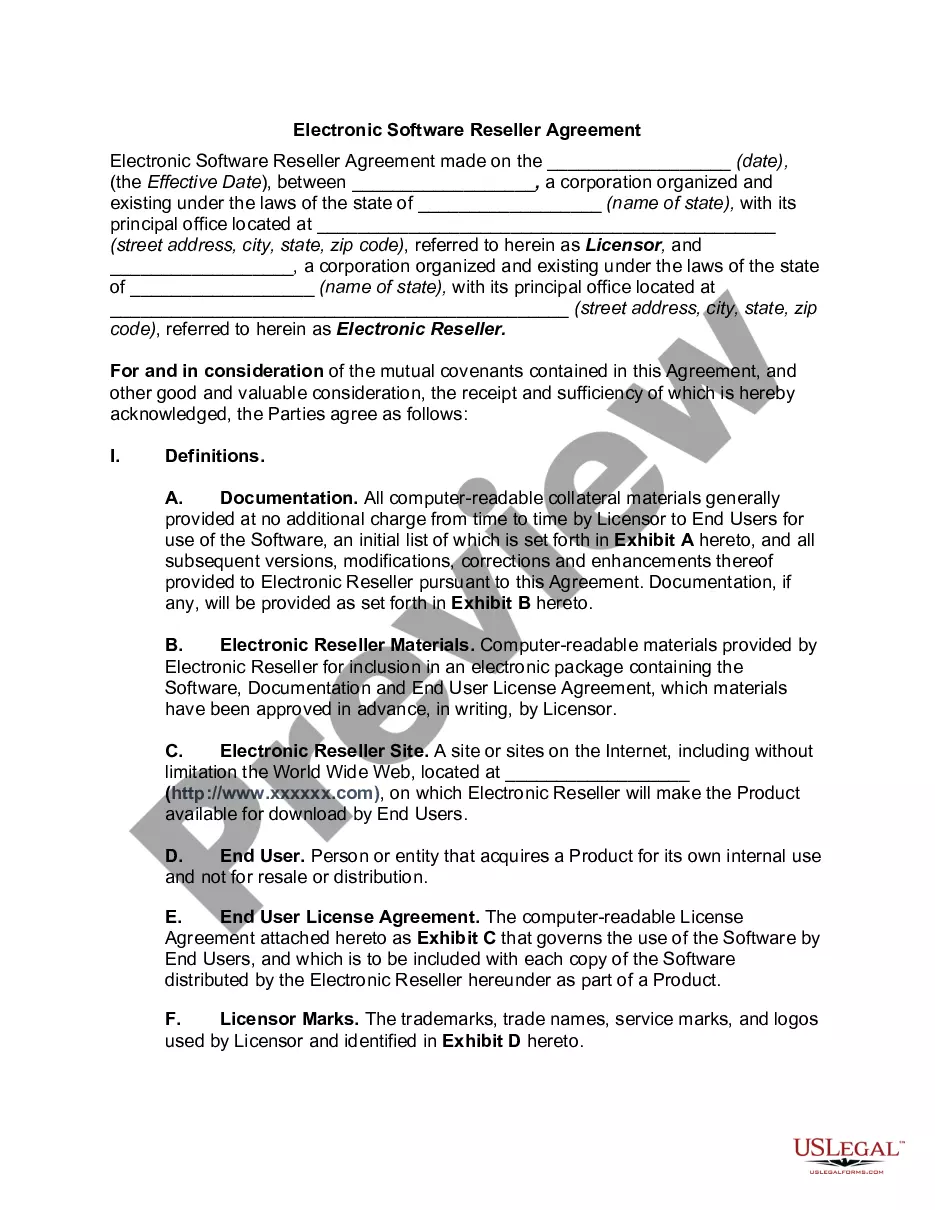
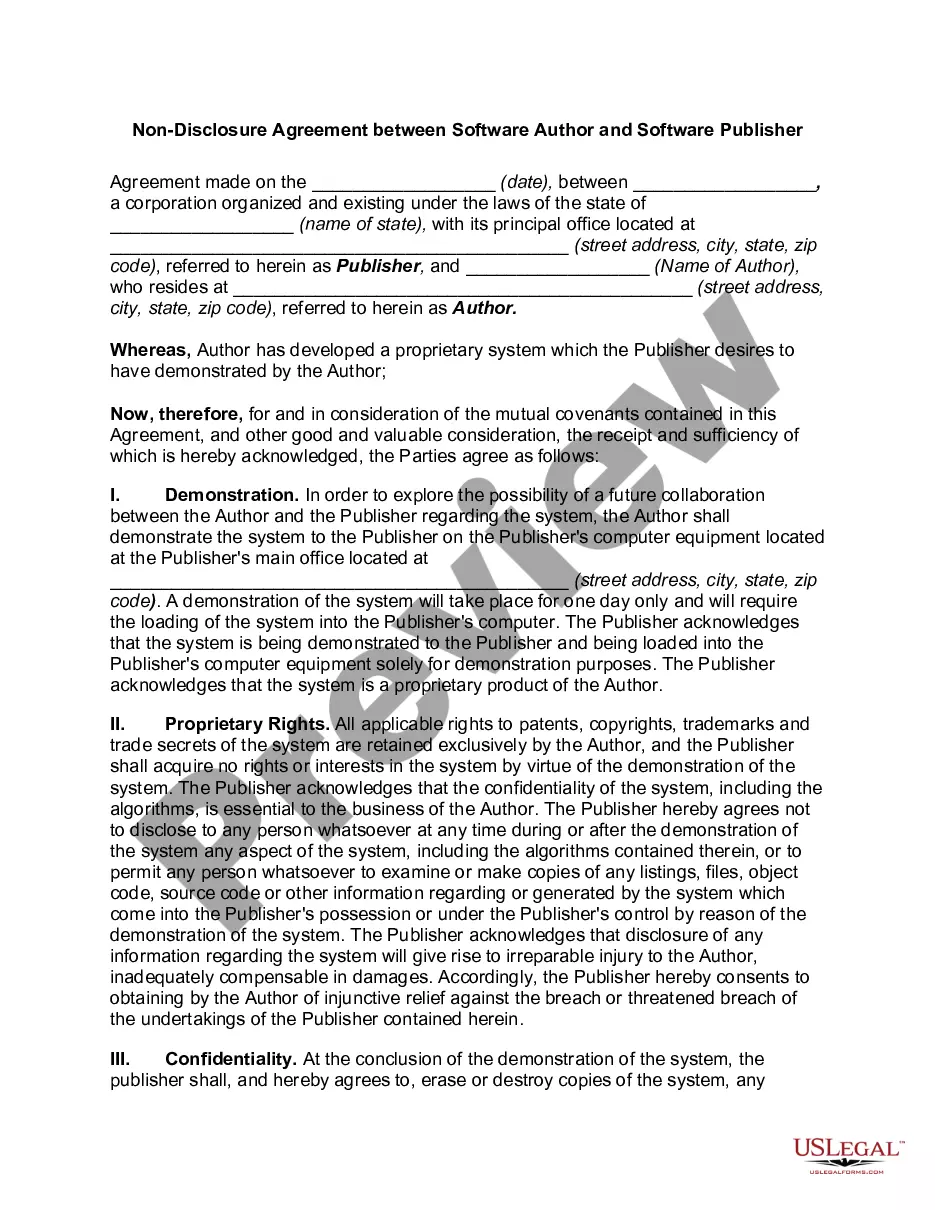
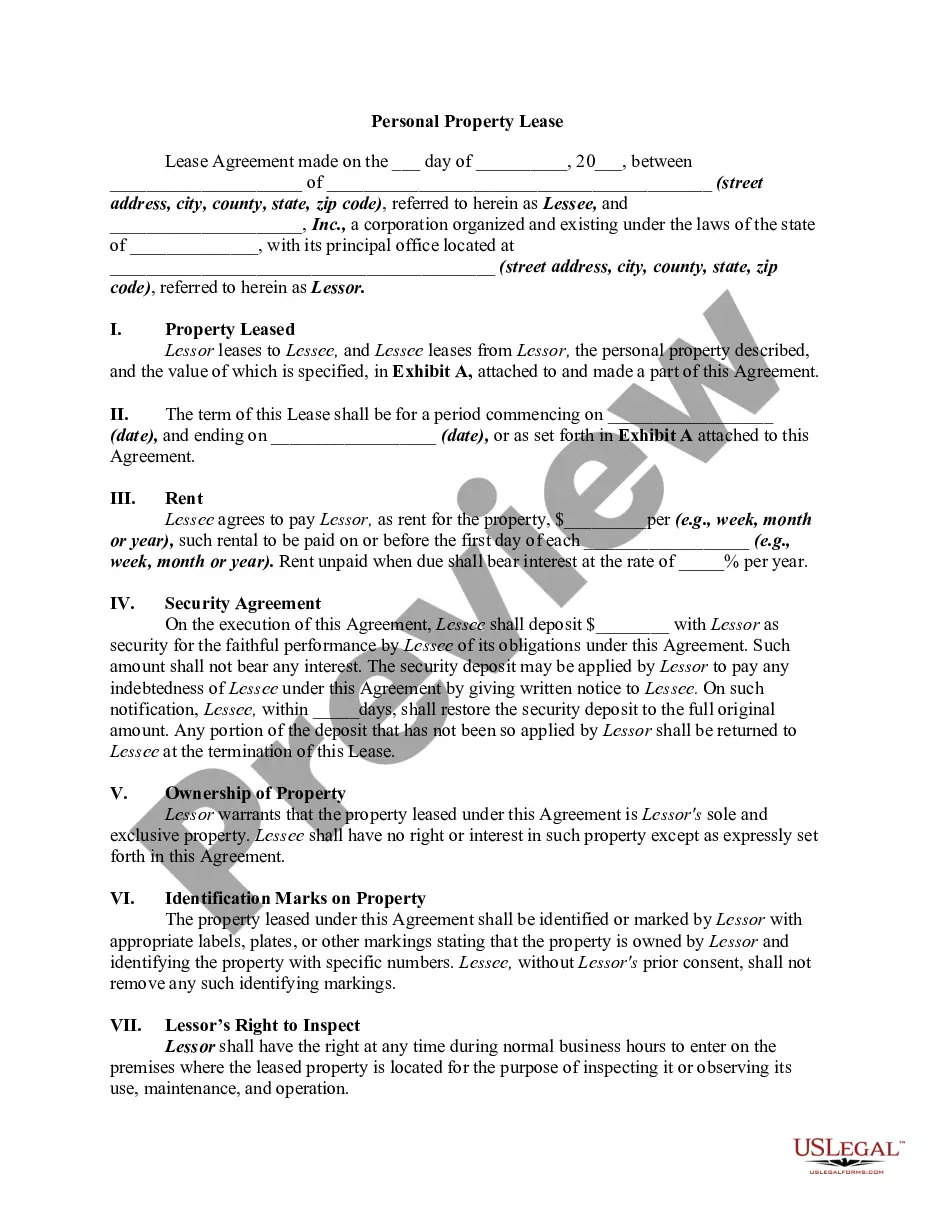
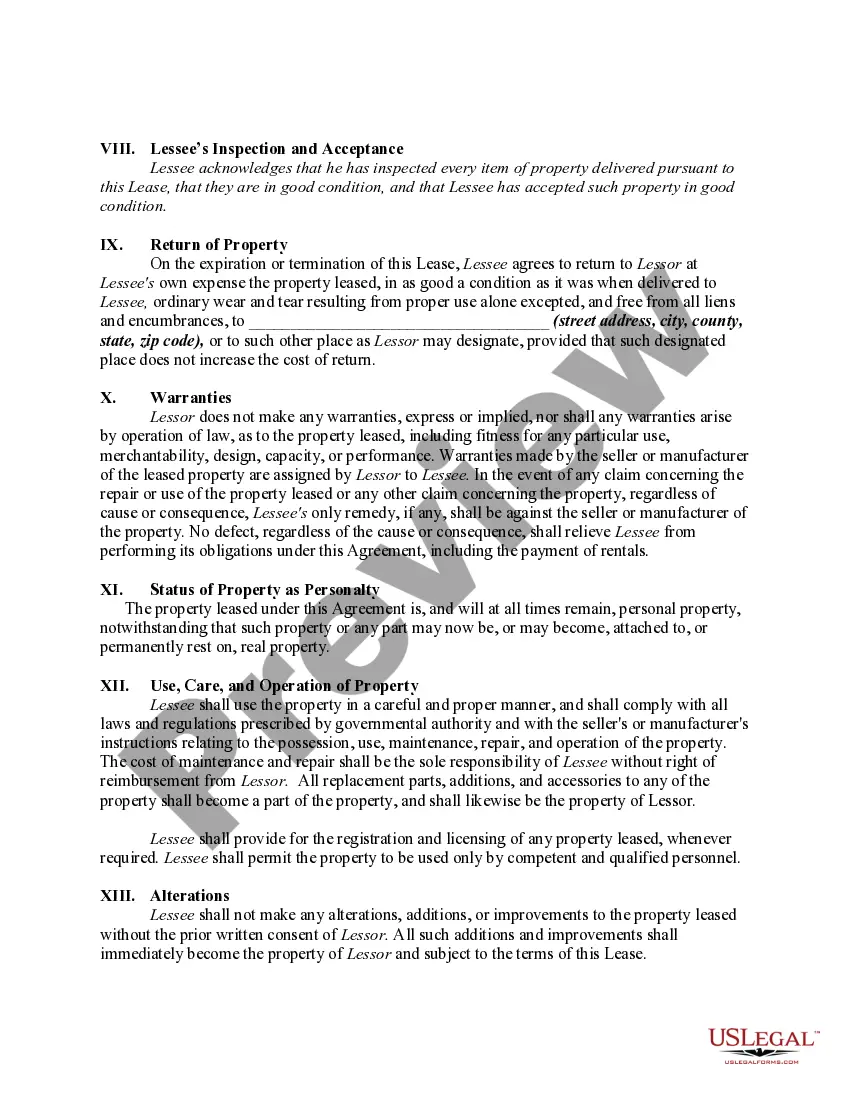
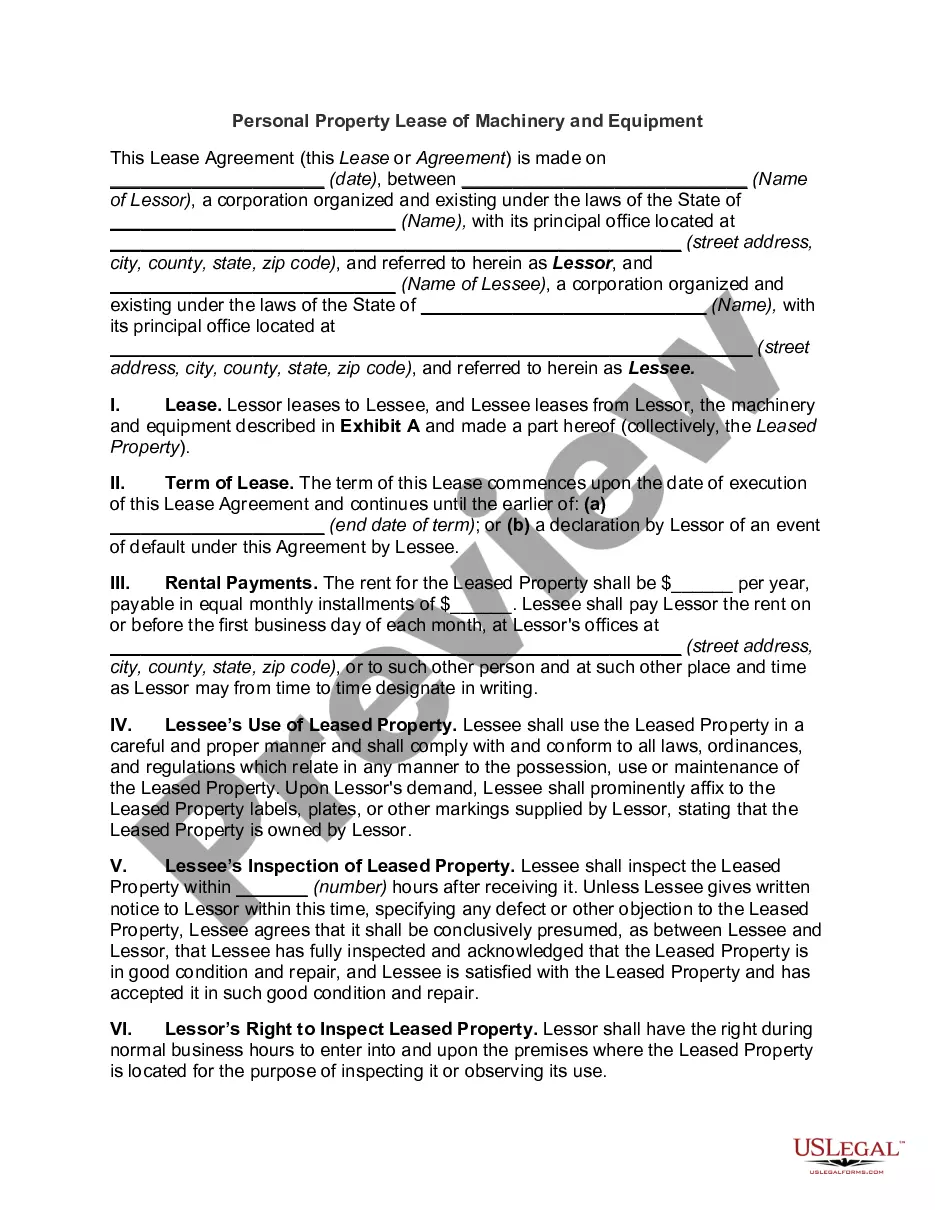
The term goods, for purposes of Article 2A of the Uniform Commercial Code (UCC), means all things that are movable at the time of identification. The term personal property is movable assets or things which is not real property, money or investments. For the purposes of this description, the terms goods and personal property shall be used interchangeably.
Article 2A of the UCC governs any transaction, regardless of its form, that creates a lease of personal property. Article 2A has been adopted, in different forms, by the majority of states, but it does not apply retroactively to transactions that occurred prior to the effective date of its adoption in a particular jurisdiction.
Texas Personal Property Lease
Category:
State:
Multi-State
Control #:
US-00749BG
Format:
Word;
Rich Text
Instant download
Description
Free preview
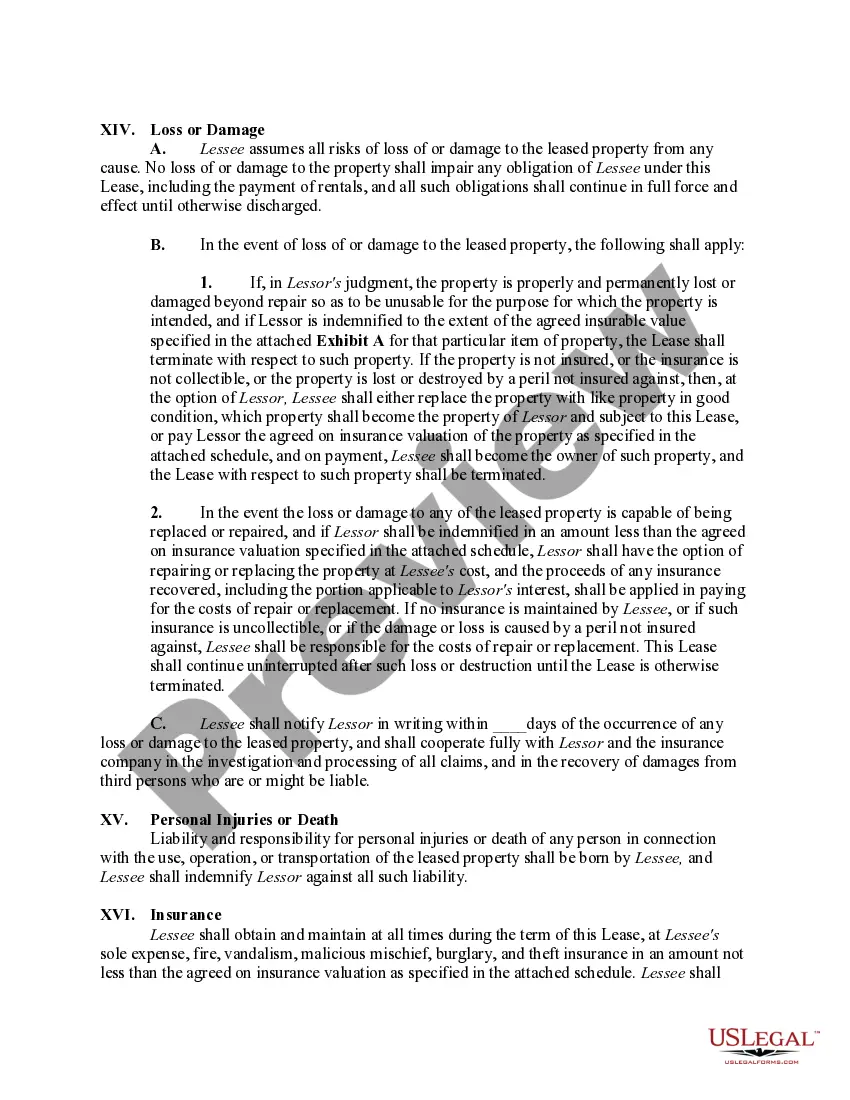
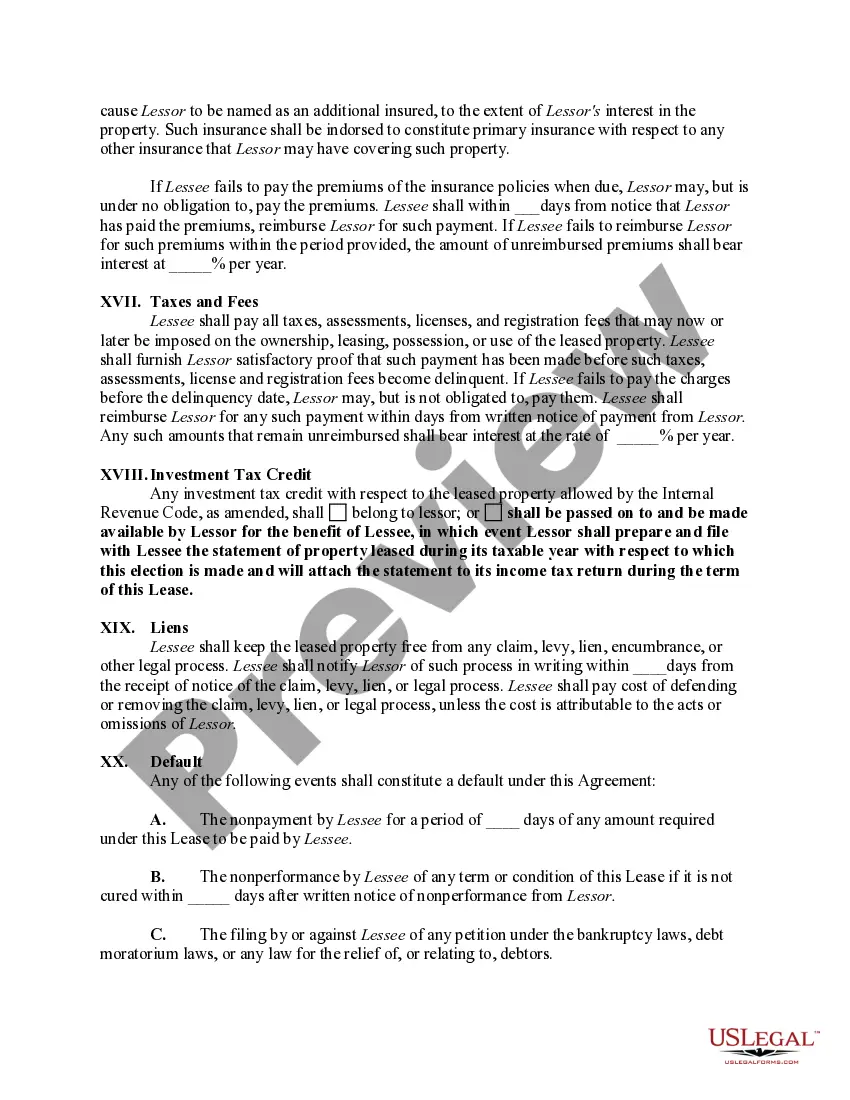
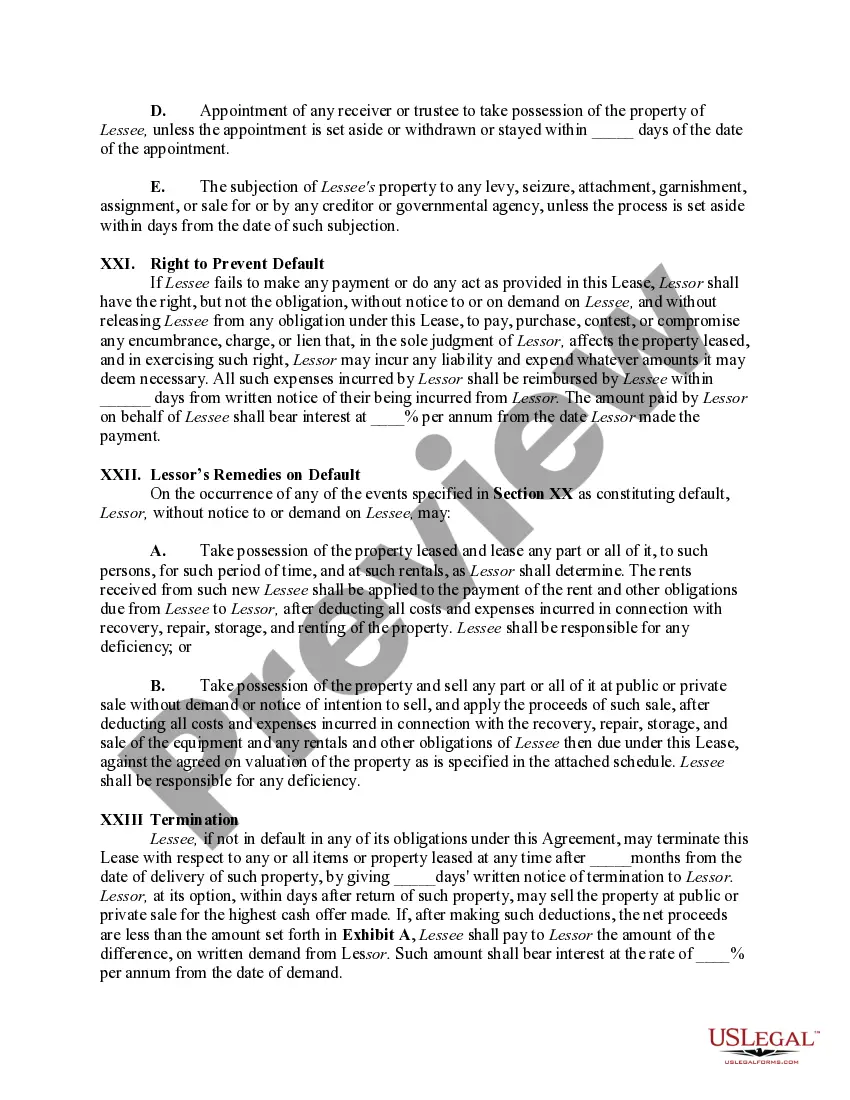
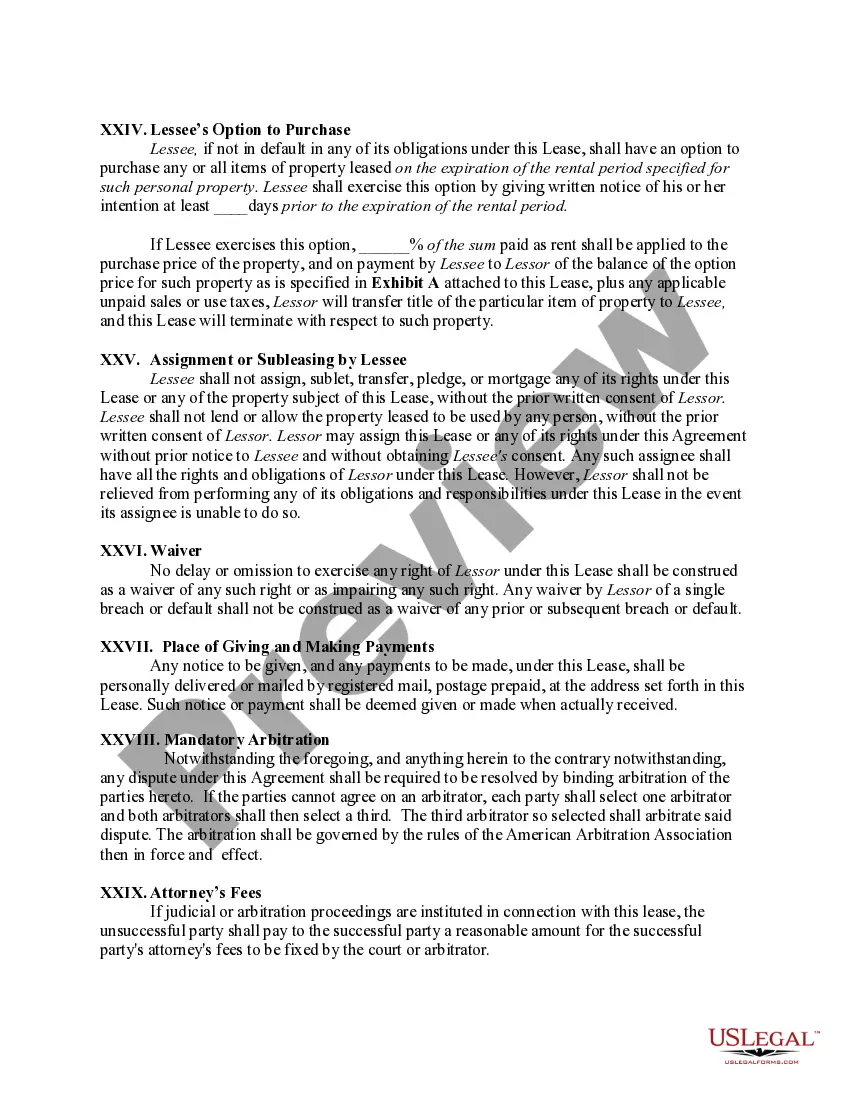
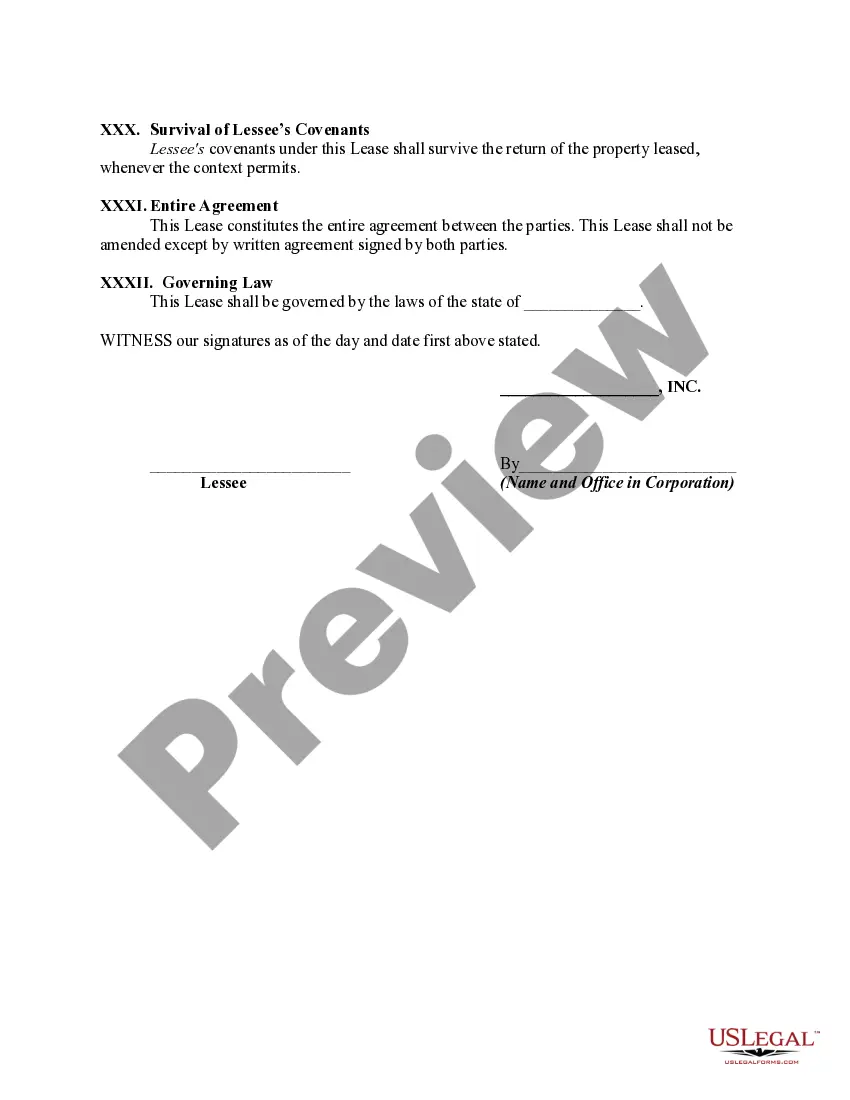

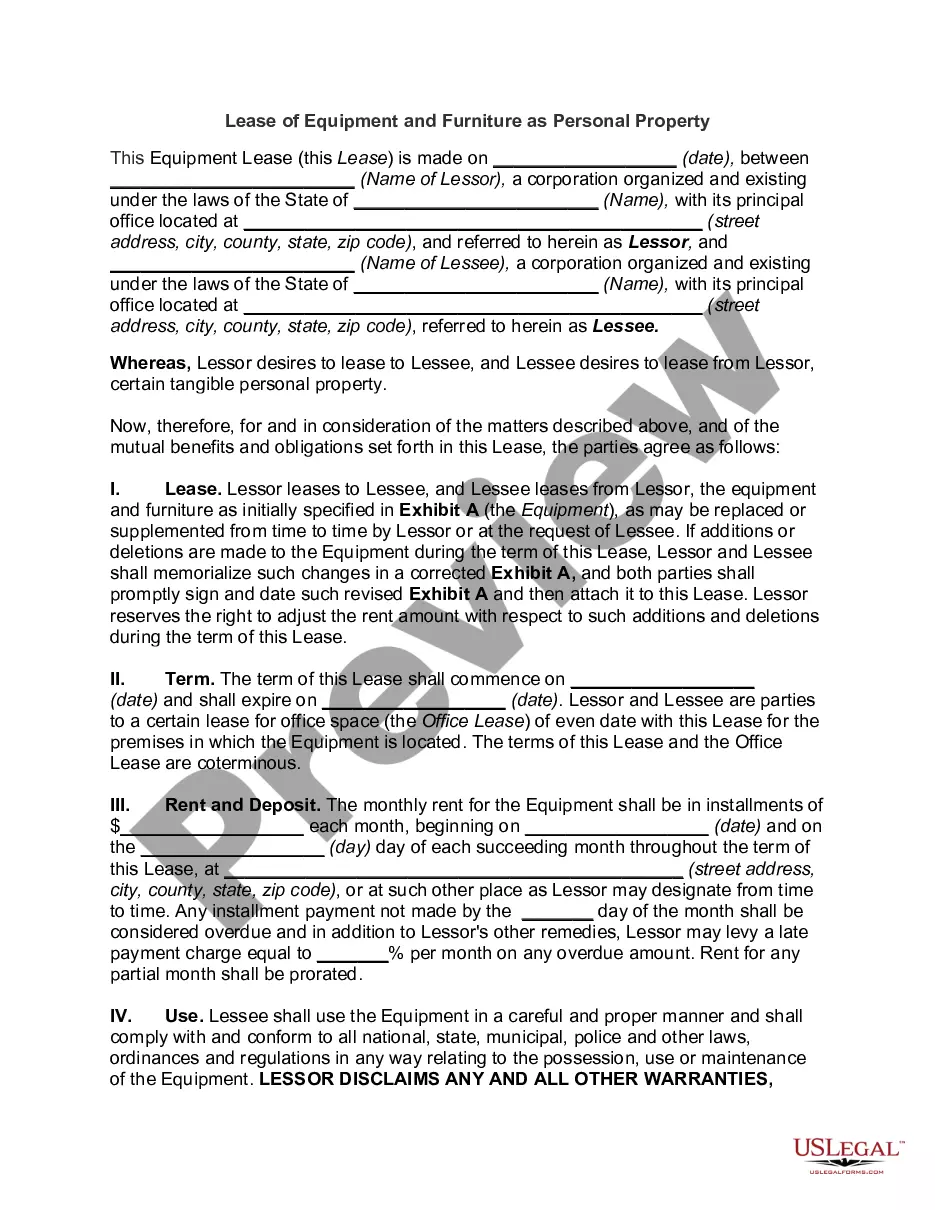
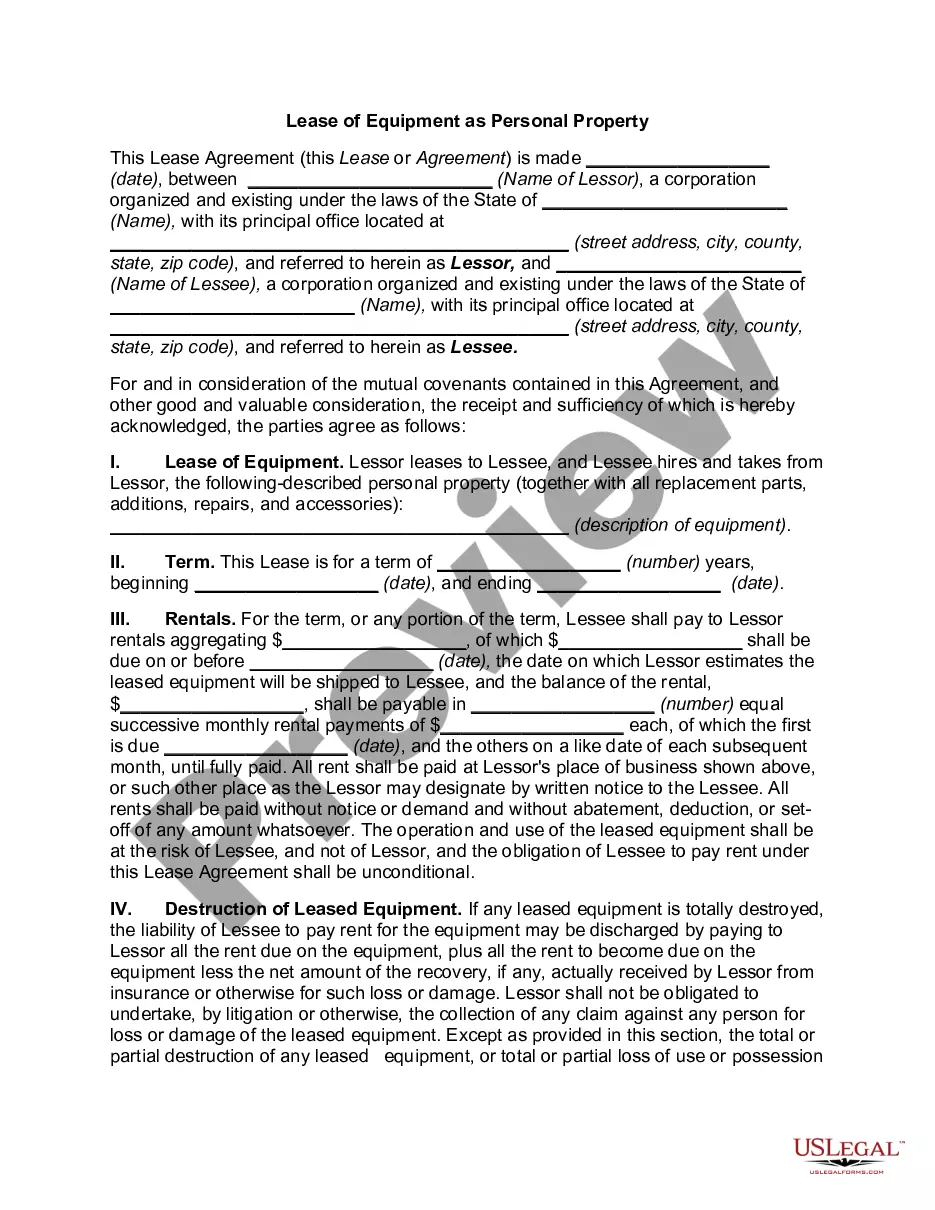
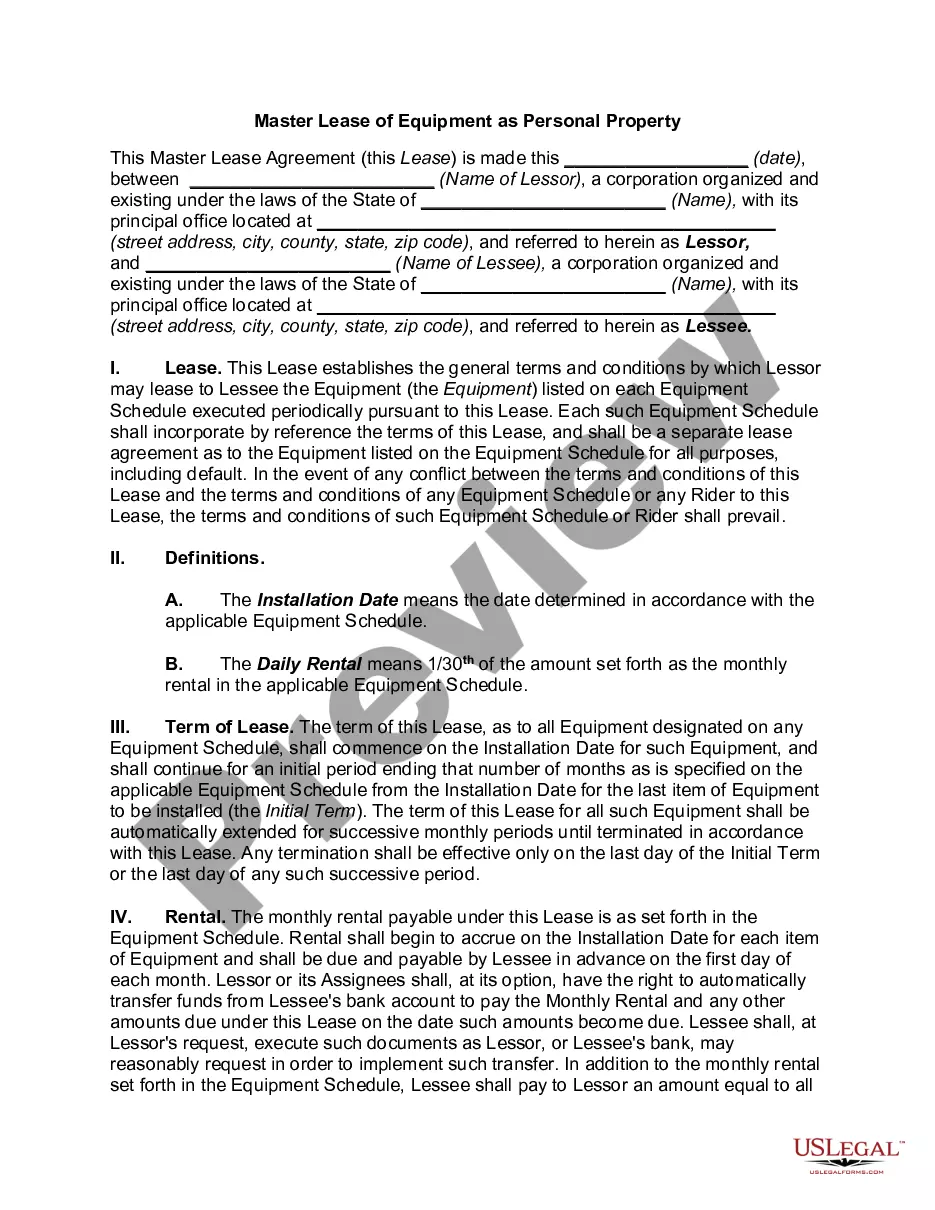
Get your form ready online
Our built-in tools help you complete, sign, share, and store your documents in one place.
Built-in online Word editor
Make edits, fill in missing information, and update formatting in US Legal Forms—just like you would in MS Word.
Export easily
Download a copy, print it, send it by email, or mail it via USPS—whatever works best for your next step.
E-sign your document
Sign and collect signatures with our SignNow integration. Send to multiple recipients, set reminders, and more. Go Premium to unlock E-Sign.
Notarize online 24/7
If this form requires notarization, complete it online through a secure video call—no need to meet a notary in person or wait for an appointment.
Store your document securely
We protect your documents and personal data by following strict security and privacy standards.
Make edits, fill in missing information, and update formatting in US Legal Forms—just like you would in MS Word.
Download a copy, print it, send it by email, or mail it via USPS—whatever works best for your next step.
Sign and collect signatures with our SignNow integration. Send to multiple recipients, set reminders, and more. Go Premium to unlock E-Sign.
If this form requires notarization, complete it online through a secure video call—no need to meet a notary in person or wait for an appointment.
We protect your documents and personal data by following strict security and privacy standards.
Looking for another form?





How to fill out Personal Property Lease?
US Legal Forms - one of the largest collections of legal documents in the USA - provides a broad selection of legal document templates that you can download or print.
By utilizing the website, you can discover thousands of forms for business and personal purposes, organized by categories, states, or keywords.
You can locate the latest versions of forms such as the Texas Personal Property Lease in just a few minutes.
If the form does not meet your requirements, use the Search box at the top of the screen to find one that does.
Once you are satisfied with the form, confirm your selection by clicking the Buy now button. Then, choose the subscription plan you prefer and enter your details to register for an account.
- If you already have a subscription, sign in and download the Texas Personal Property Lease from the US Legal Forms library.
- The Download button will appear on every form you view.
- You can access all previously acquired forms in the My documents section of your account.
- To use US Legal Forms for the first time, here are some basic steps to get you started.
- Ensure you have selected the correct form for your city/county.
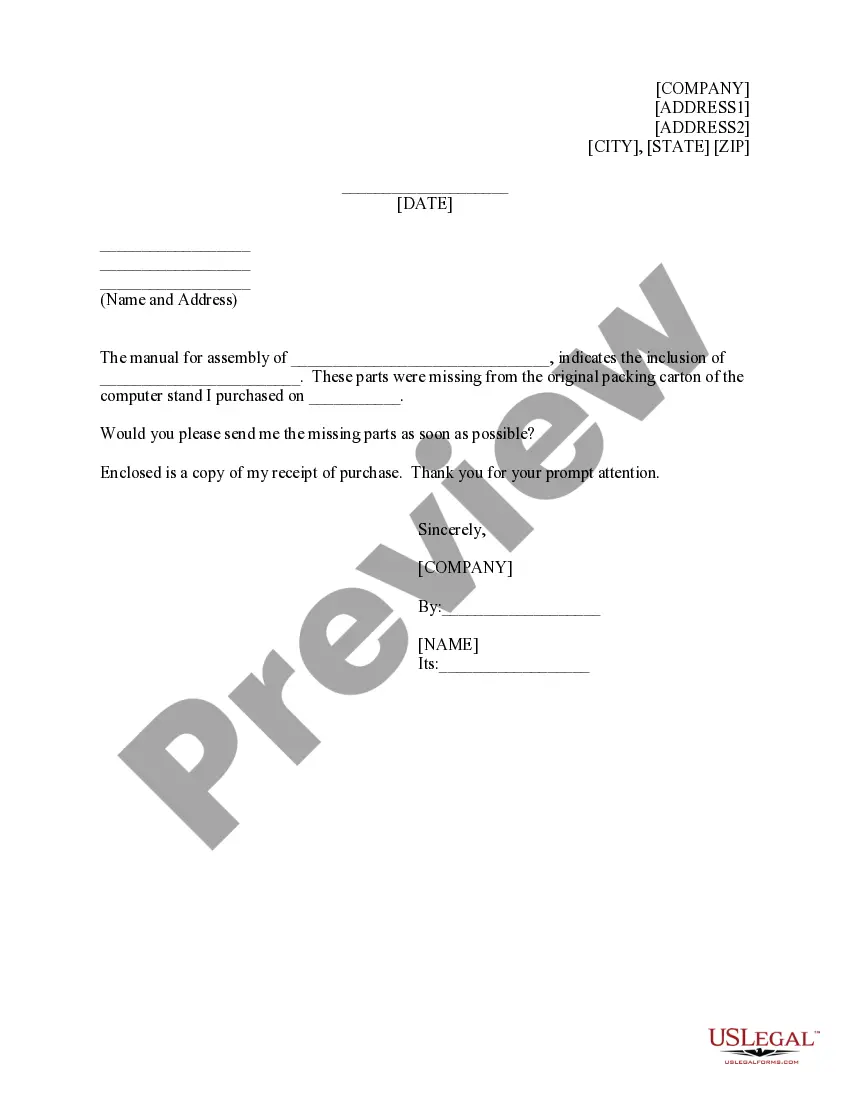
- Click on the Review button to examine the contents of the form.
Form popularity
FAQ
Yes, personal property is taxable in Texas. Owners must report their personal property for taxation, including items used for business. Utilizing a Texas Personal Property Lease can help you navigate these tax obligations more efficiently, ensuring compliance while optimizing your financial strategy.
Texas is known for its lack of a state income tax; however, residents still face personal property tax. This tax is assessed on personal property owned, such as vehicles and certain business assets. It is essential to remain aware of your obligations as a property owner, particularly when engaging in a Texas Personal Property Lease.
In Texas, the personal property exemption allows individuals to protect certain types of property from creditors during bankruptcy proceedings. This exemption applies to various types of personal property, including vehicles and household items. When you create a Texas Personal Property Lease, understanding these exemptions ensures you are making informed decisions about your assets and liabilities.
Yes, you can pursue a lease option in Texas, allowing tenants the right to buy the property after leasing it. This agreement should clearly detail lease terms and purchasing conditions. Utilizing a Texas Personal Property Lease ensures that you have a solid foundation for this arrangement, protecting your interests as a tenant or landlord.
In Texas, leases function as contracts that outline the rights and responsibilities of both landlords and tenants. They define terms such as rent, duration, and obligations regarding property maintenance. By understanding the Texas Personal Property Lease, you can navigate the leasing process with confidence and clarity.
To lease an apartment in Texas, you typically need proof of income, a valid ID, and references. Additionally, landlords may require a rental application and a security deposit. Understanding the Texas Personal Property Lease can provide clarity on your responsibilities and what you can expect during the leasing process.
In Texas, personal property includes items that are movable and not permanently attached to land or buildings. This can encompass furniture, electronics, and vehicles among other belongings. The Texas Personal Property Lease often outlines what constitutes personal property to avoid confusion during the lease period.
To create a valid Texas Personal Property Lease, both parties must agree on key terms such as rent amount, lease duration, and maintenance responsibilities. The lease should be written, signed, and dated by both the landlord and the tenant. Proper documentation helps prevent disputes and ensures legal protections are in place.
In Texas, a landlord cannot simply take your personal property without a legal process. If a tenant defaults on lease terms, the landlord must go through a legal eviction process before reclaiming any property. It’s important to understand that a Texas Personal Property Lease protects tenants' rights, ensuring that proper procedures are followed.
Separate personal property in Texas refers to items owned by one spouse before marriage, or received as gifts or inheritances during the marriage. This distinction is crucial when determining division of property in case of divorce, especially in a Texas Personal Property Lease. Consulting legal services can help clarify these distinctions and provide the proper documentation.