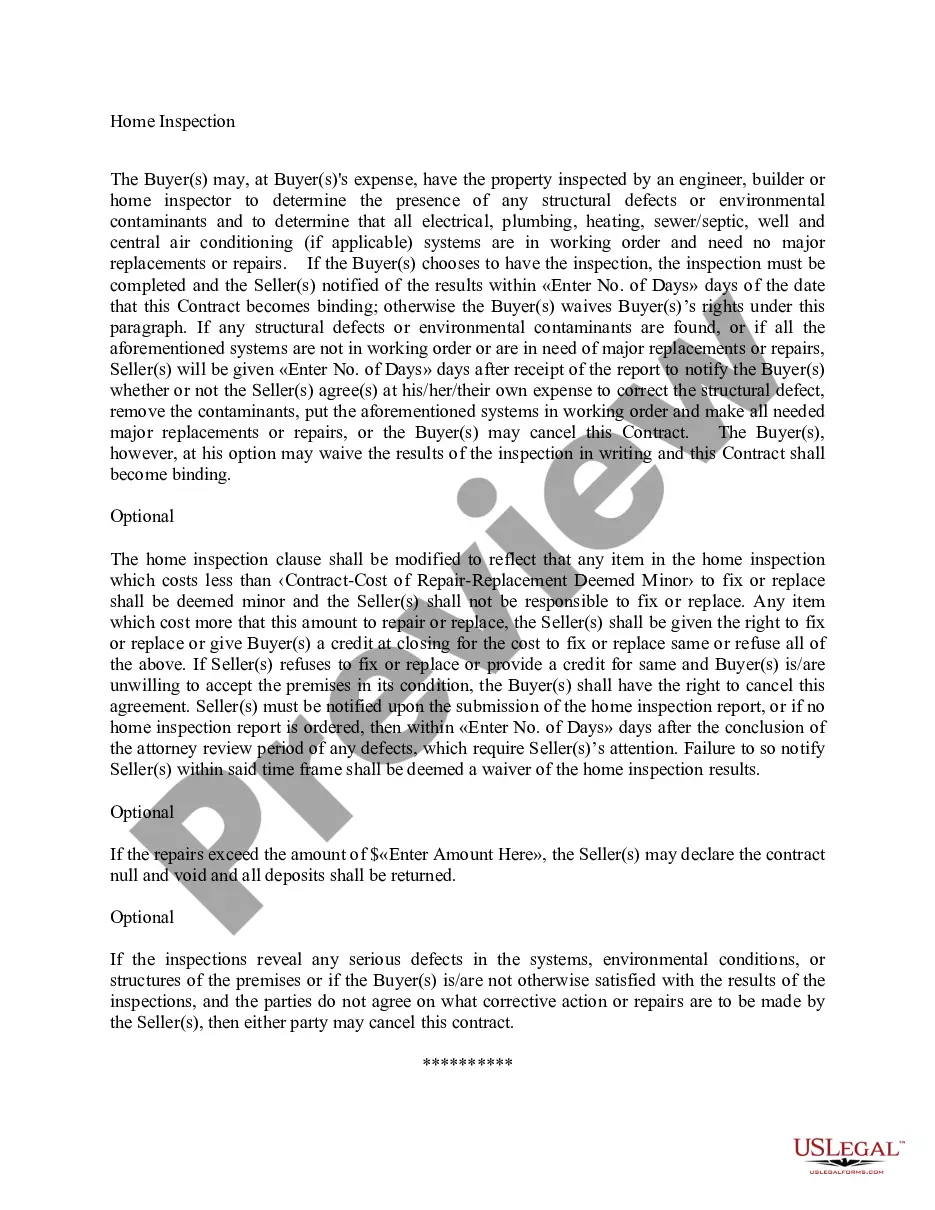
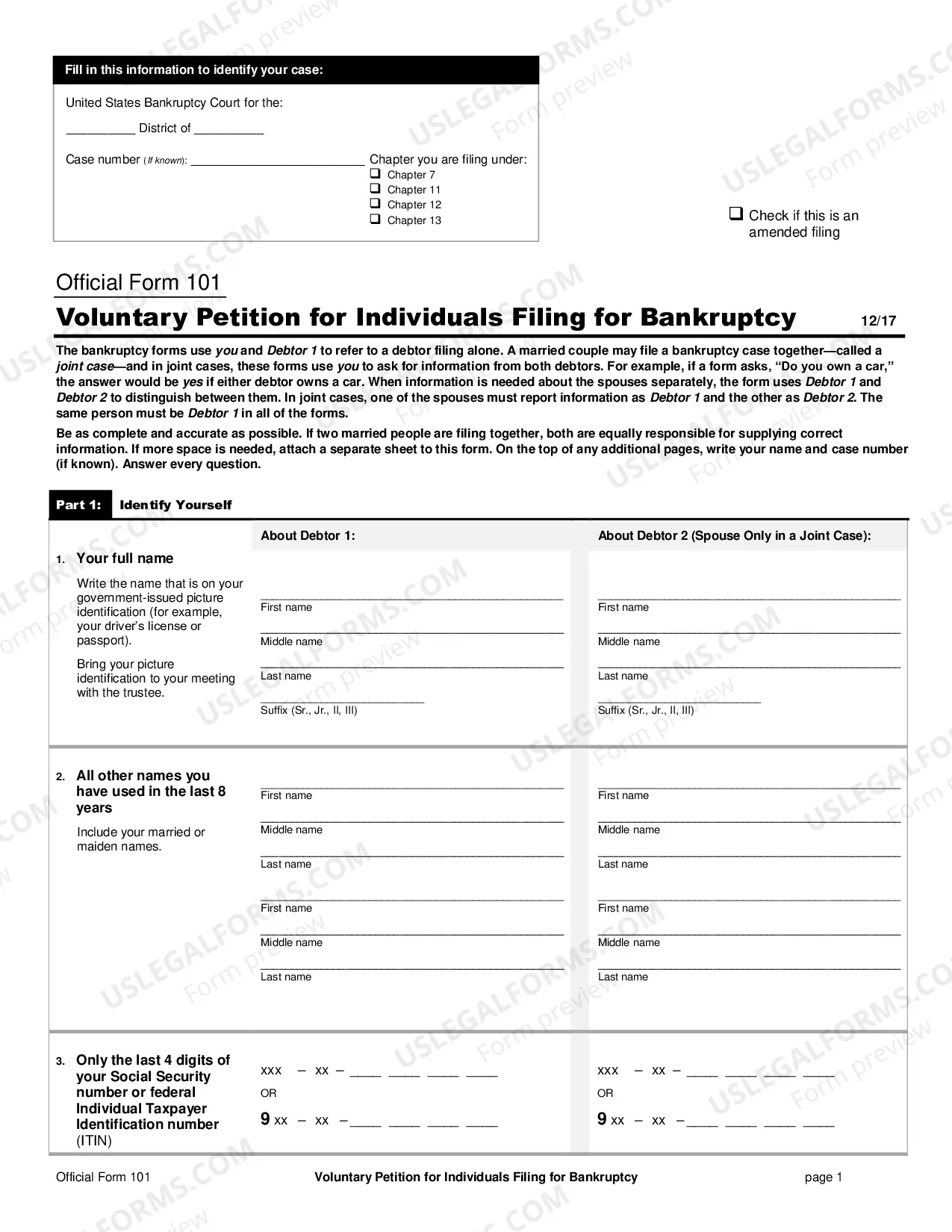
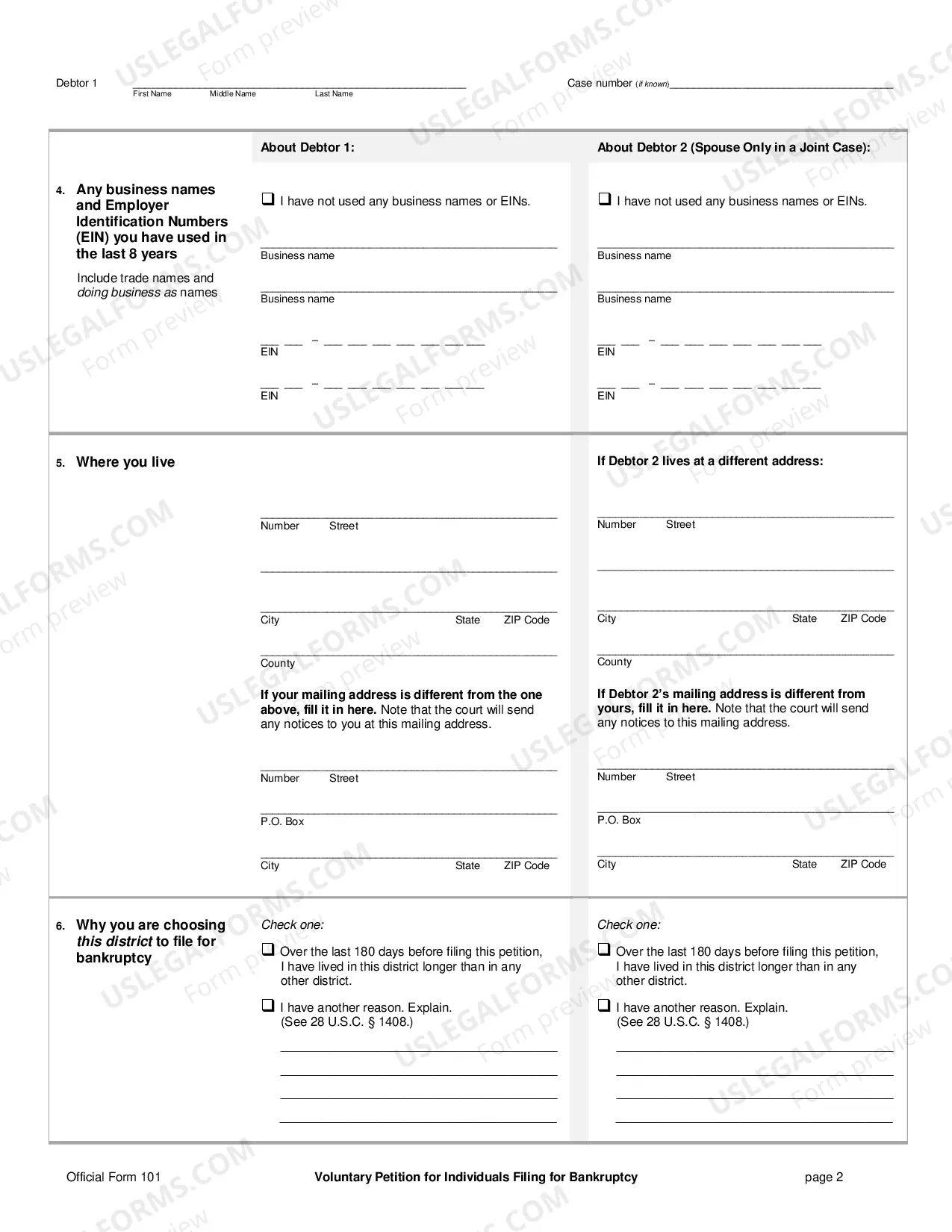
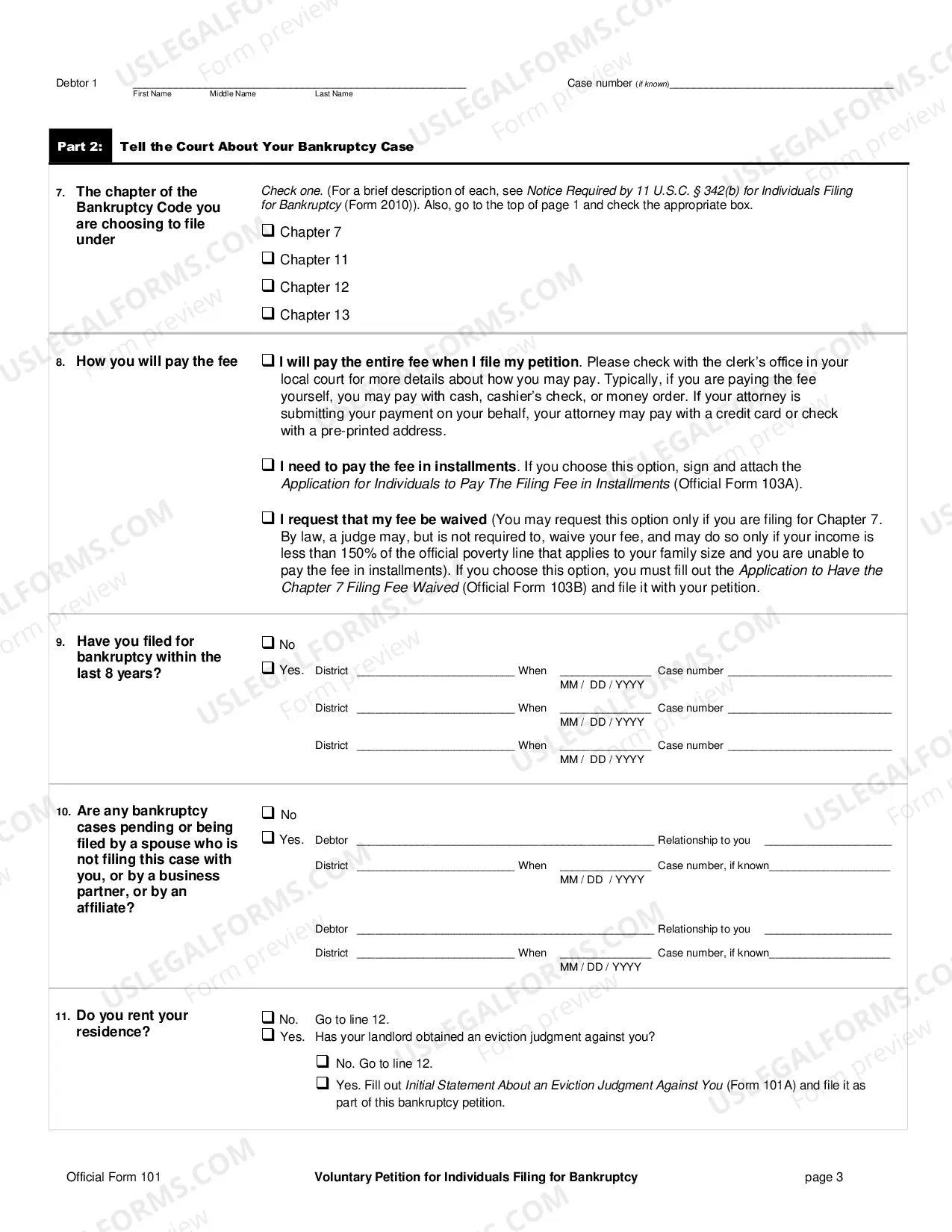
Texas Voluntary Petition for Individuals Filing for Bankruptcy
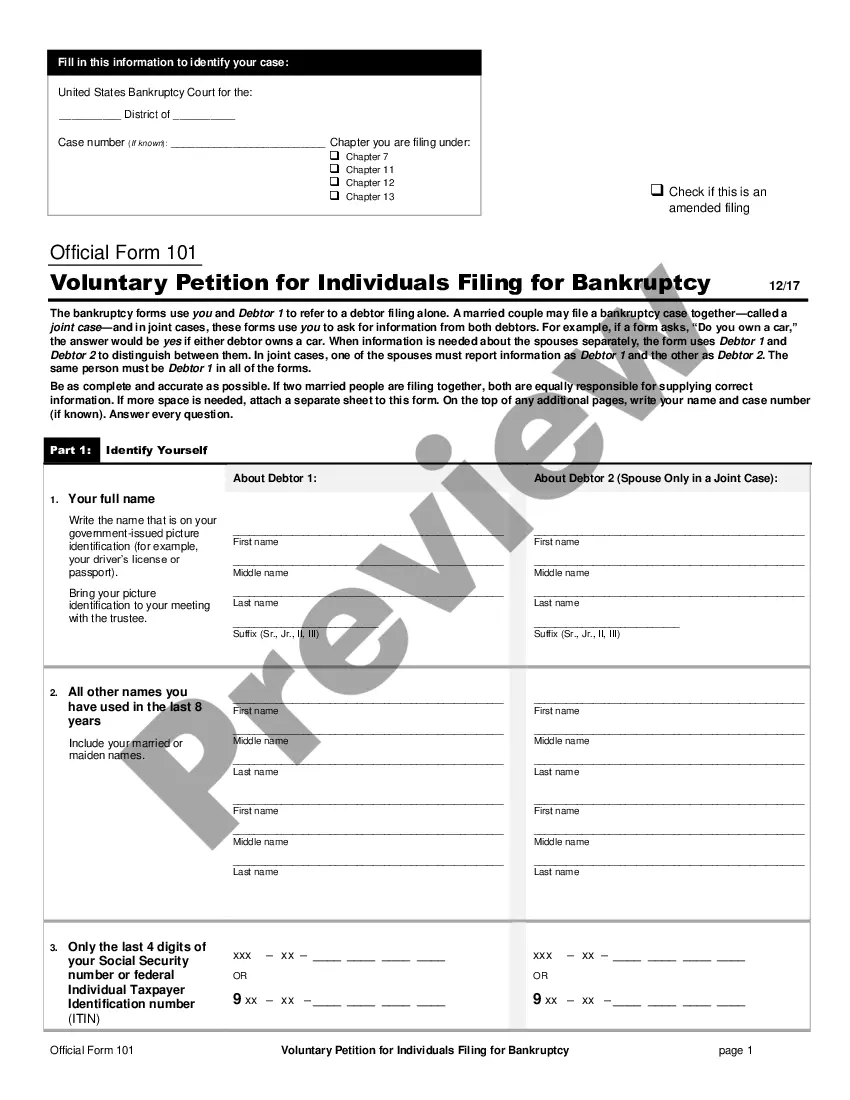
Description
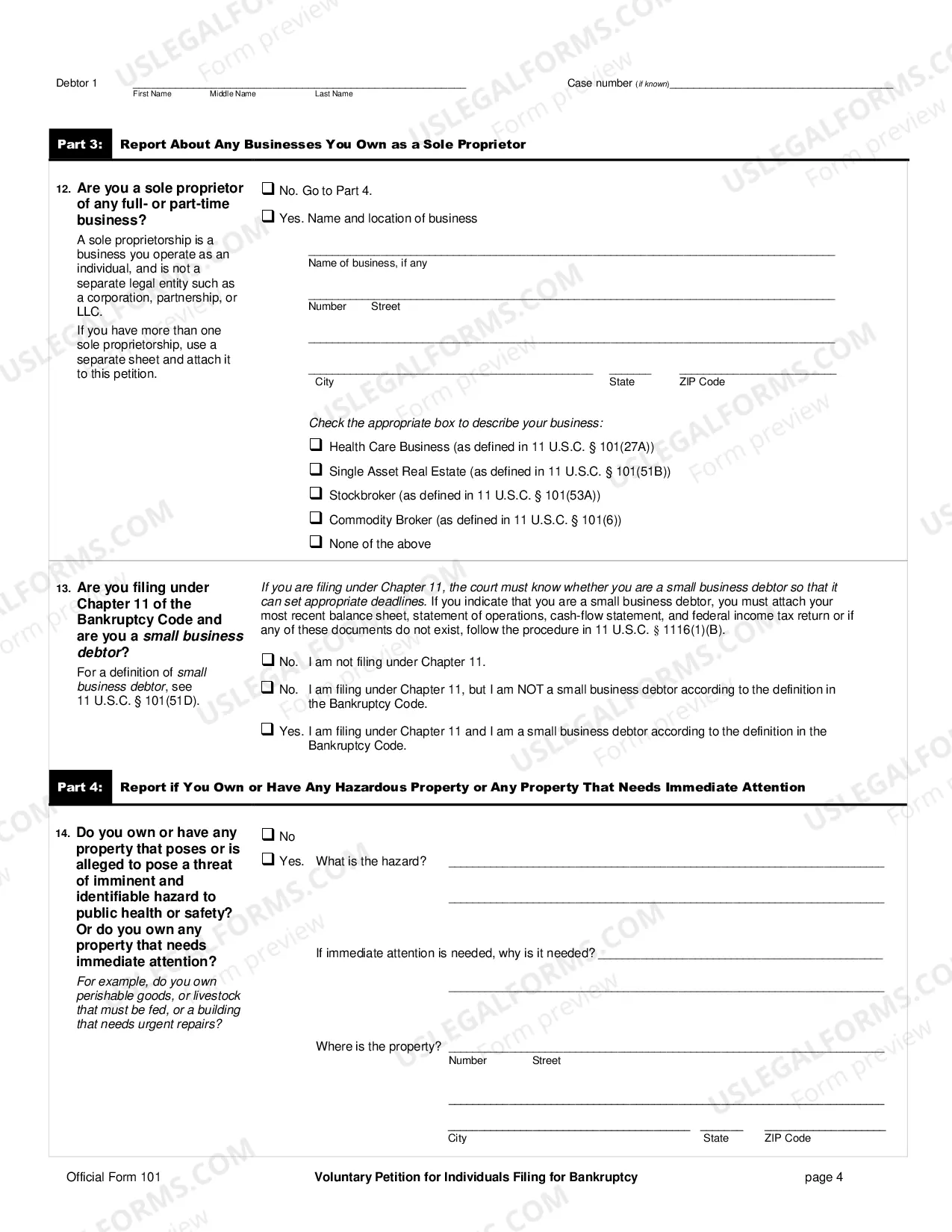
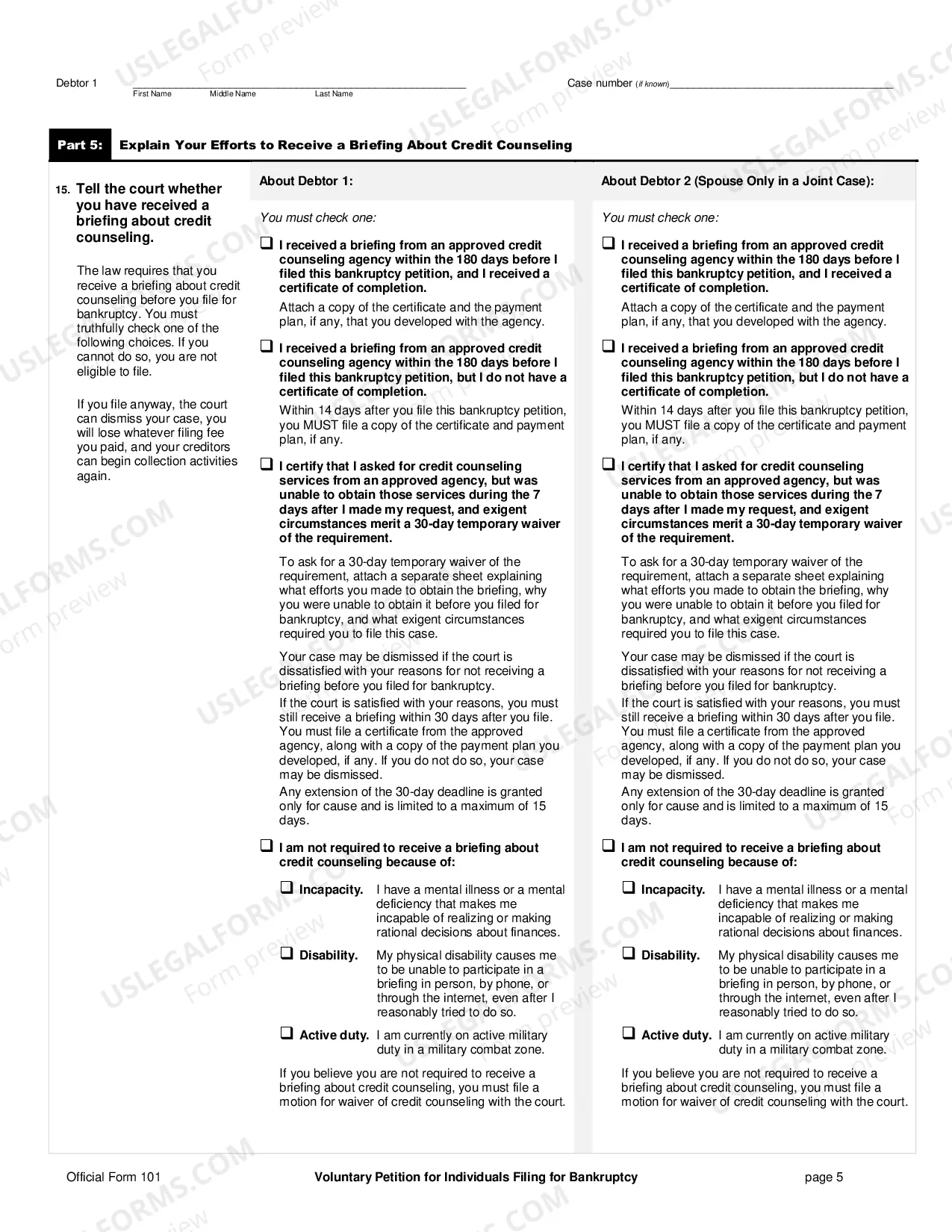
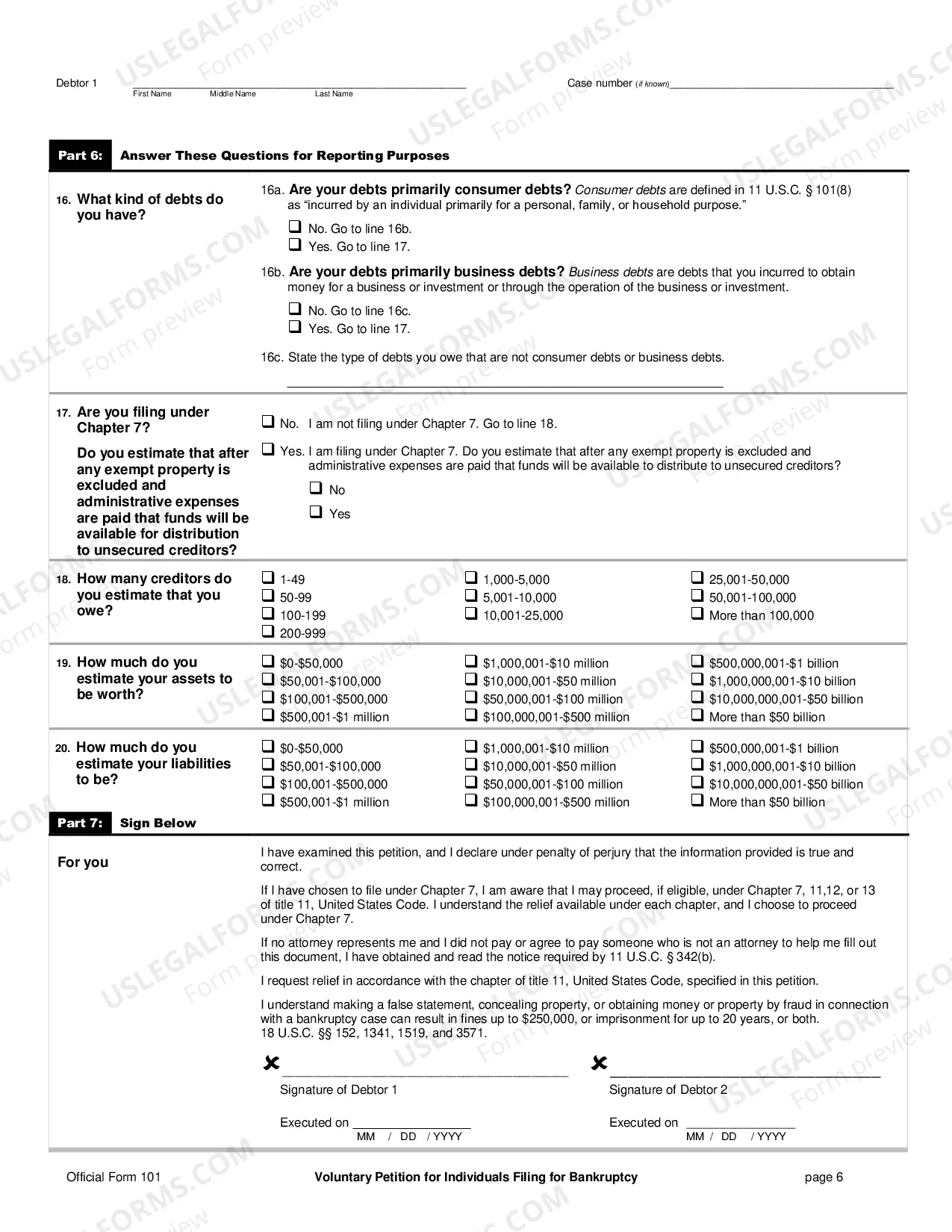
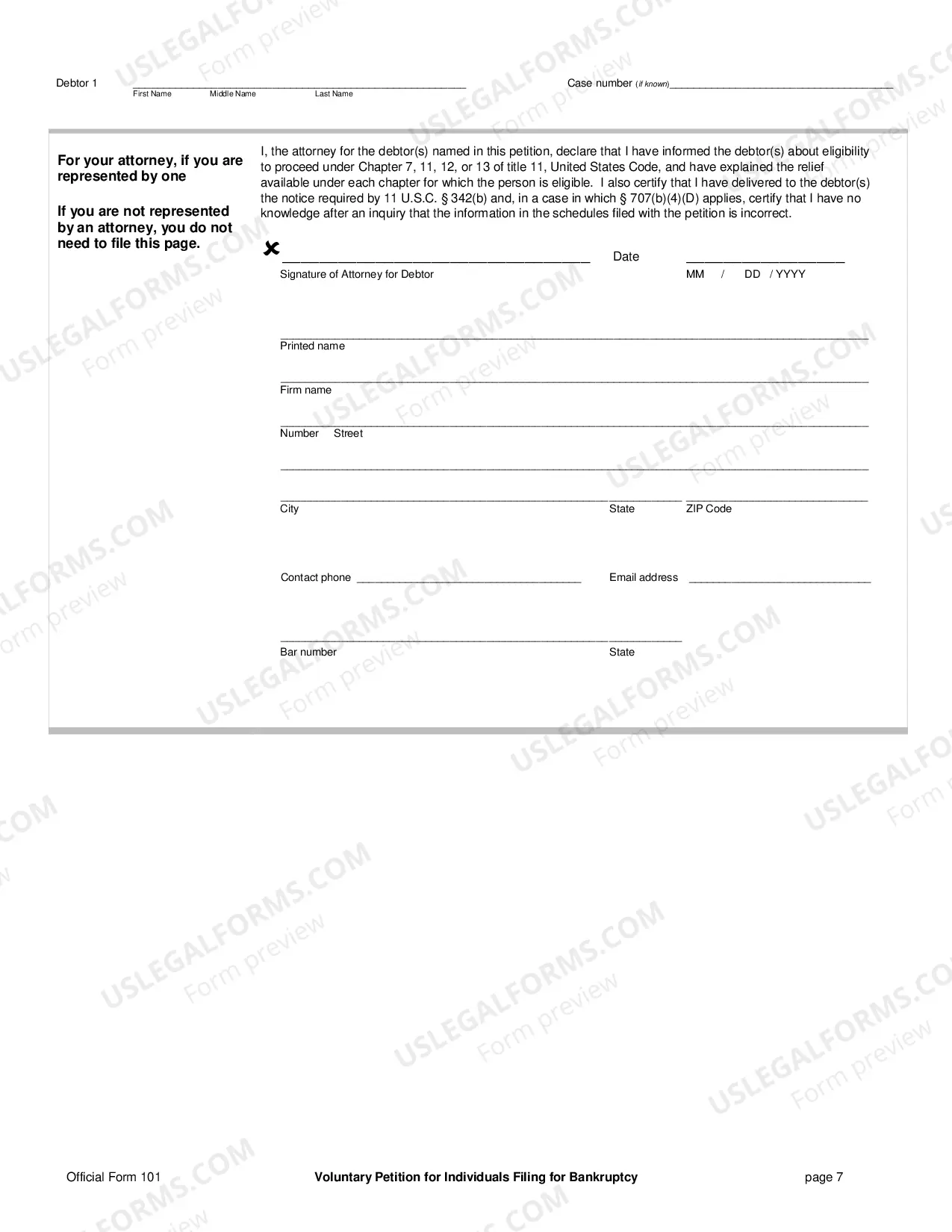
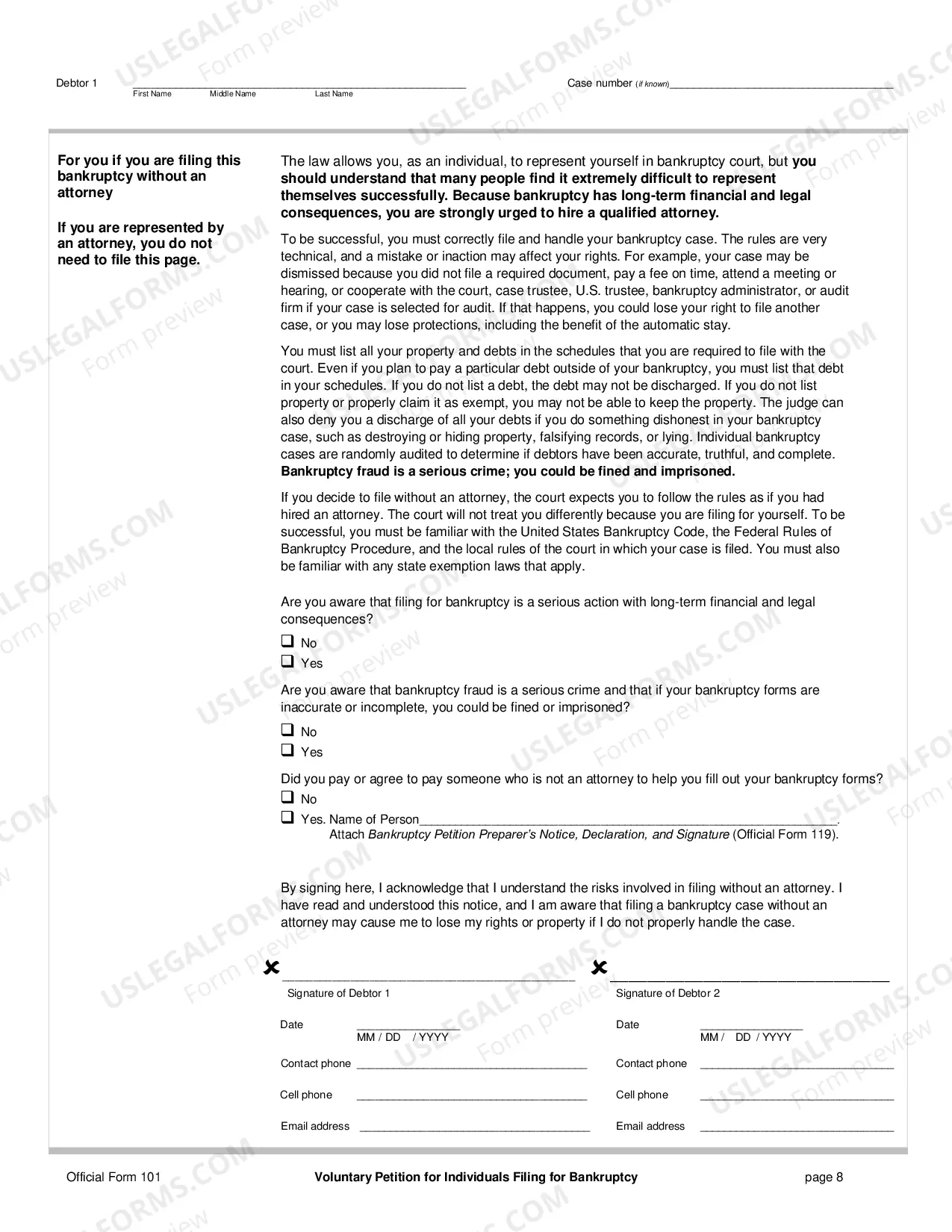
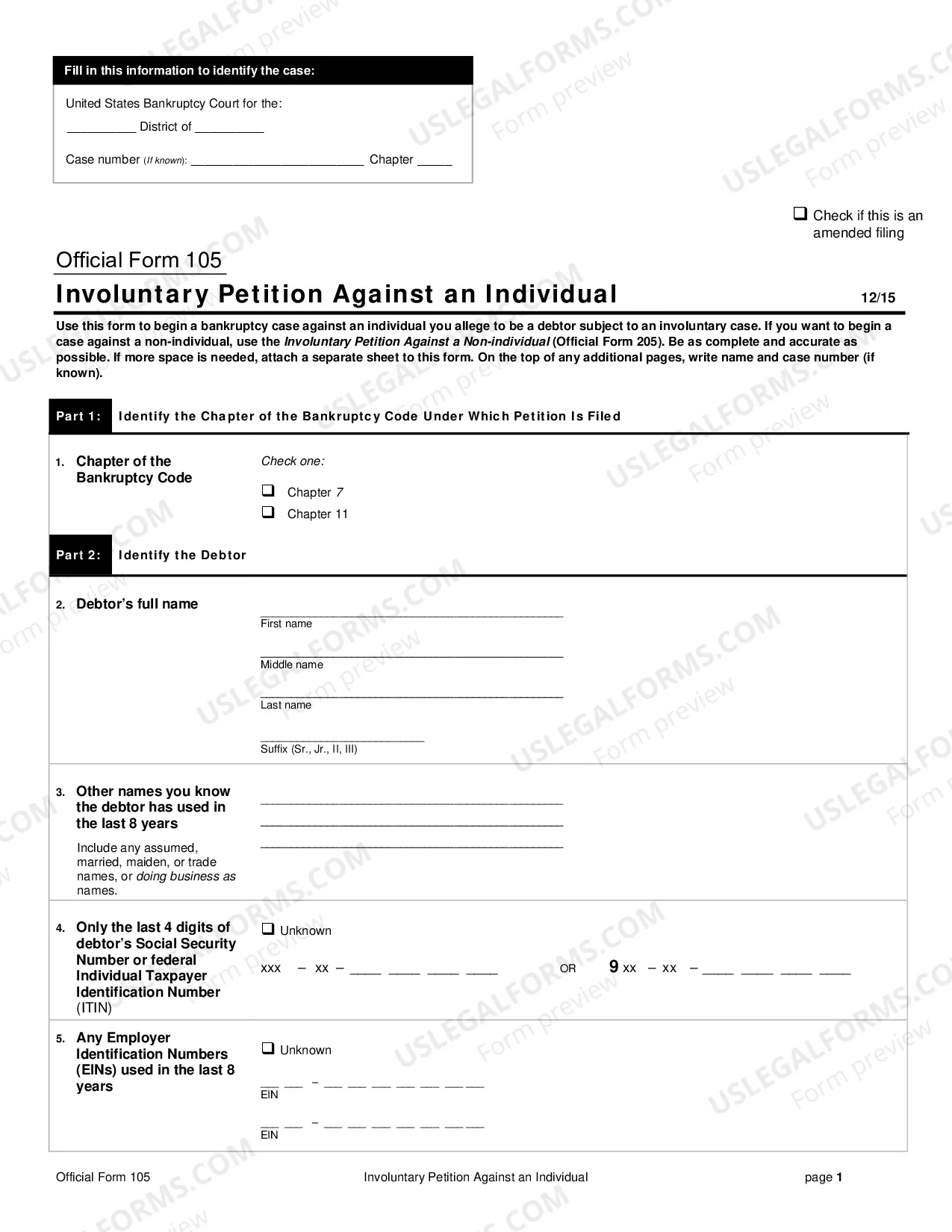
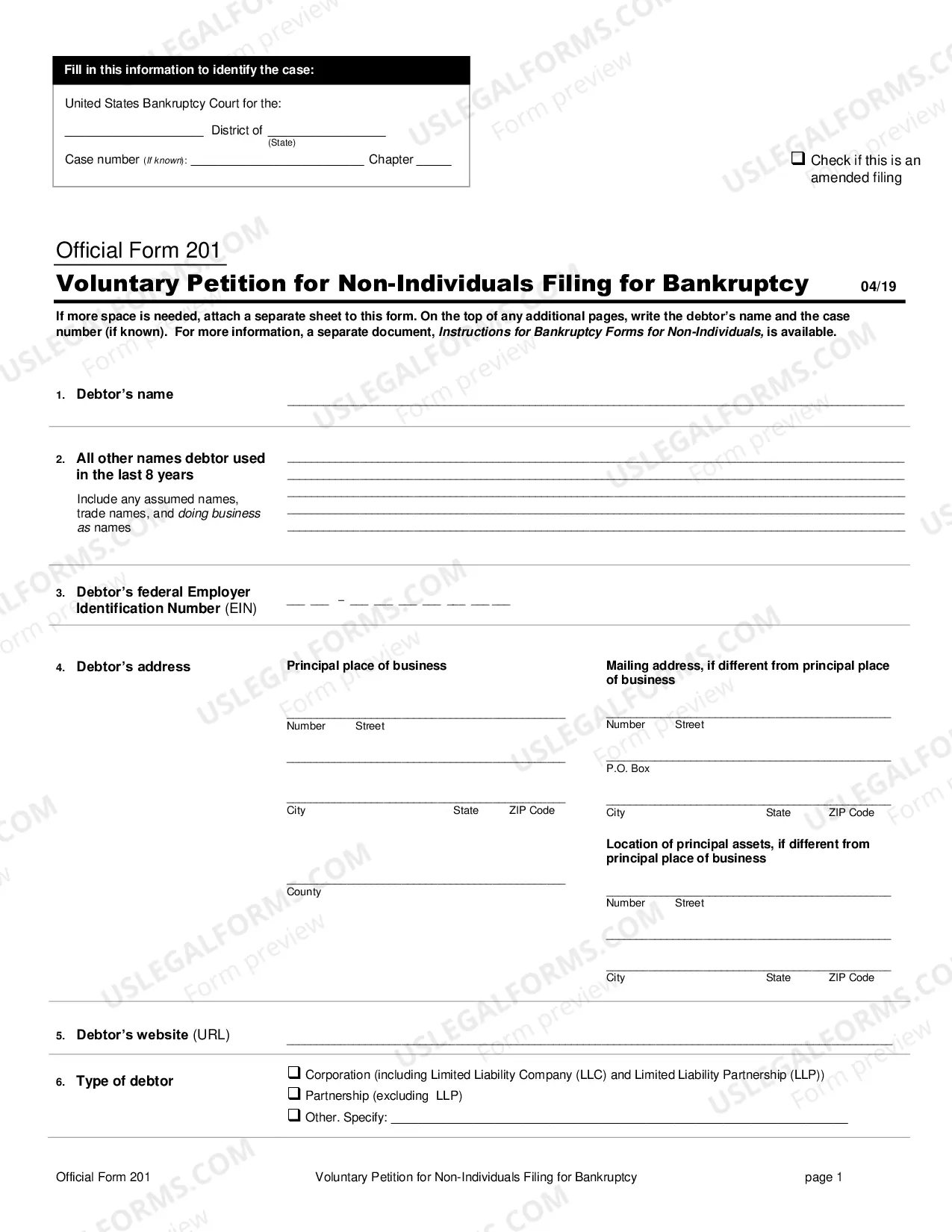
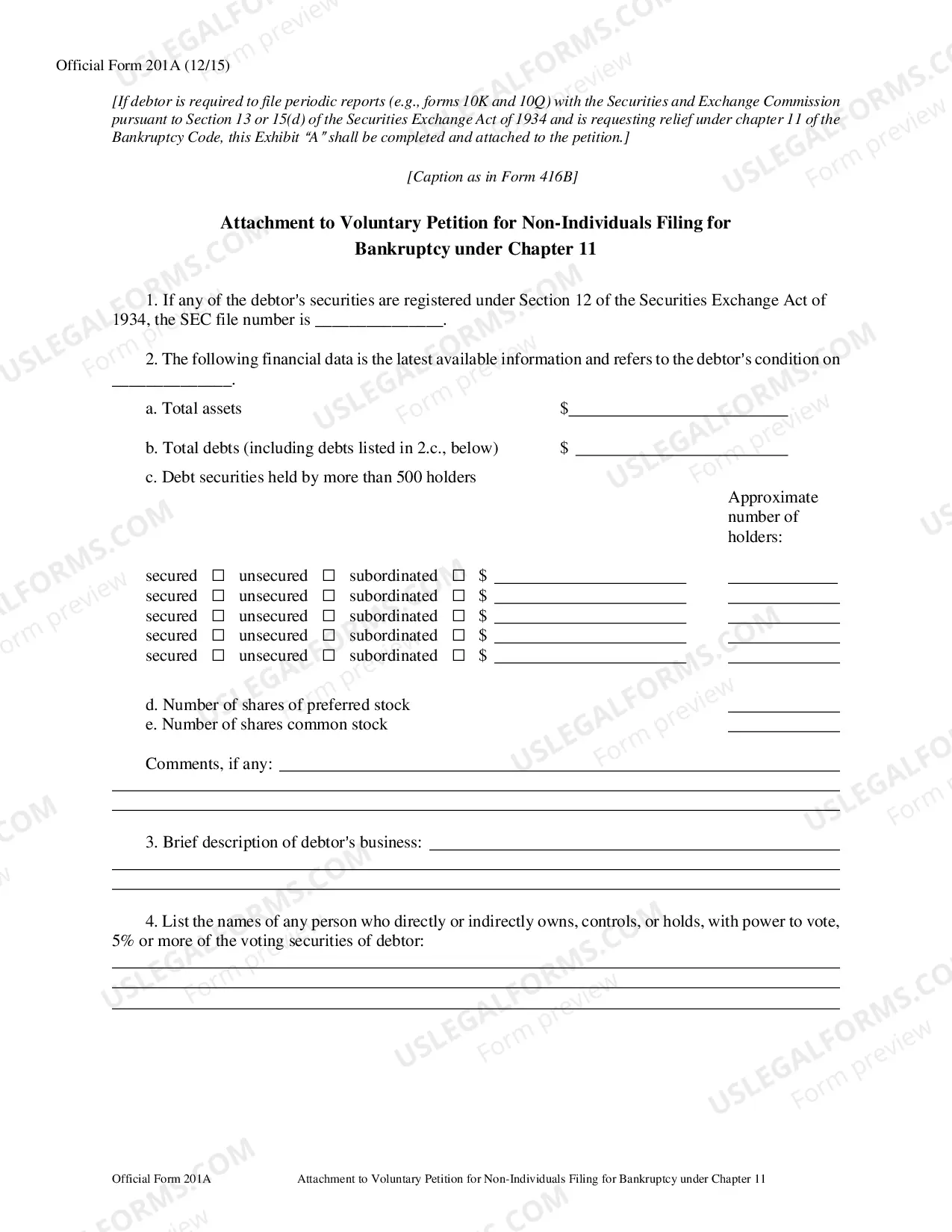
Get your form ready online
Our built-in tools help you complete, sign, share, and store your documents in one place.
Make edits, fill in missing information, and update formatting in US Legal Forms—just like you would in MS Word.
Download a copy, print it, send it by email, or mail it via USPS—whatever works best for your next step.
Sign and collect signatures with our SignNow integration. Send to multiple recipients, set reminders, and more. Go Premium to unlock E-Sign.
If this form requires notarization, complete it online through a secure video call—no need to meet a notary in person or wait for an appointment.
We protect your documents and personal data by following strict security and privacy standards.

Make edits, fill in missing information, and update formatting in US Legal Forms—just like you would in MS Word.

Download a copy, print it, send it by email, or mail it via USPS—whatever works best for your next step.

Sign and collect signatures with our SignNow integration. Send to multiple recipients, set reminders, and more. Go Premium to unlock E-Sign.

If this form requires notarization, complete it online through a secure video call—no need to meet a notary in person or wait for an appointment.

We protect your documents and personal data by following strict security and privacy standards.
Looking for another form?


How to fill out Texas Voluntary Petition For Individuals Filing For Bankruptcy?
US Legal Forms is the most straightforward and profitable way to locate suitable legal templates. It’s the most extensive web-based library of business and personal legal paperwork drafted and checked by lawyers. Here, you can find printable and fillable templates that comply with national and local regulations - just like your Texas Voluntary Petition for Individuals Filing for Bankruptcy.
Obtaining your template takes just a few simple steps. Users that already have an account with a valid subscription only need to log in to the website and download the document on their device. Afterwards, they can find it in their profile in the My Forms tab.
And here’s how you can obtain a professionally drafted Texas Voluntary Petition for Individuals Filing for Bankruptcy if you are using US Legal Forms for the first time:
- Read the form description or preview the document to make sure you’ve found the one corresponding to your needs, or find another one utilizing the search tab above.
- Click Buy now when you’re sure of its compatibility with all the requirements, and choose the subscription plan you prefer most.
- Create an account with our service, sign in, and purchase your subscription using PayPal or you credit card.
- Select the preferred file format for your Texas Voluntary Petition for Individuals Filing for Bankruptcy and download it on your device with the appropriate button.
After you save a template, you can reaccess it whenever you want - simply find it in your profile, re-download it for printing and manual fill-out or import it to an online editor to fill it out and sign more proficiently.
Take advantage of US Legal Forms, your reliable assistant in obtaining the required formal documentation. Try it out!
Form popularity
FAQ
A voluntary case is commenced by filing a petition with the bankruptcy court. The commencement of a voluntary case constitutes an order for relief under the relevant chapter. An involuntary case is commenced by filing a petition with the bankruptcy court under Chapter 7 or 11.
In other words, it stops your creditors in their tracks. The automatic stay means that a creditor cannot call you, send you collection letters, file a lawsuit, or otherwise attempt to collect its debt from you.
Chapter 13 proceedings are initiated only by the voluntary petition of a debtor filed in the Bankruptcy Court.
Voluntary bankruptcy is a type of bankruptcy where an insolvent debtor brings the petition to a court to declare bankruptcy because they are unable to pay off their debts.
Voluntary bankruptcy is where the debtor (individual owing money) applies to make themselves bankrupt. A creditor's petition (involuntary bankruptcy) arises when someone who is owed money by the debtor petitions for the debtor's bankruptcy.
A voluntary petition is a more common filing and allows the debtor to choose the type of bankruptcy and the applicable chapter. In contrast, an involuntary petition is filed when the debtor is unable to pay its debts, and its creditors seek to force the debtor into bankruptcy.
Voluntary bankruptcy is a bankruptcy proceeding commenced by the debtor; bankruptcy instituted by an adjudication upon a debtor's petition. Involuntary bankruptcy, on the other hand, is a bankruptcy case initiated by a debtor's creditors.