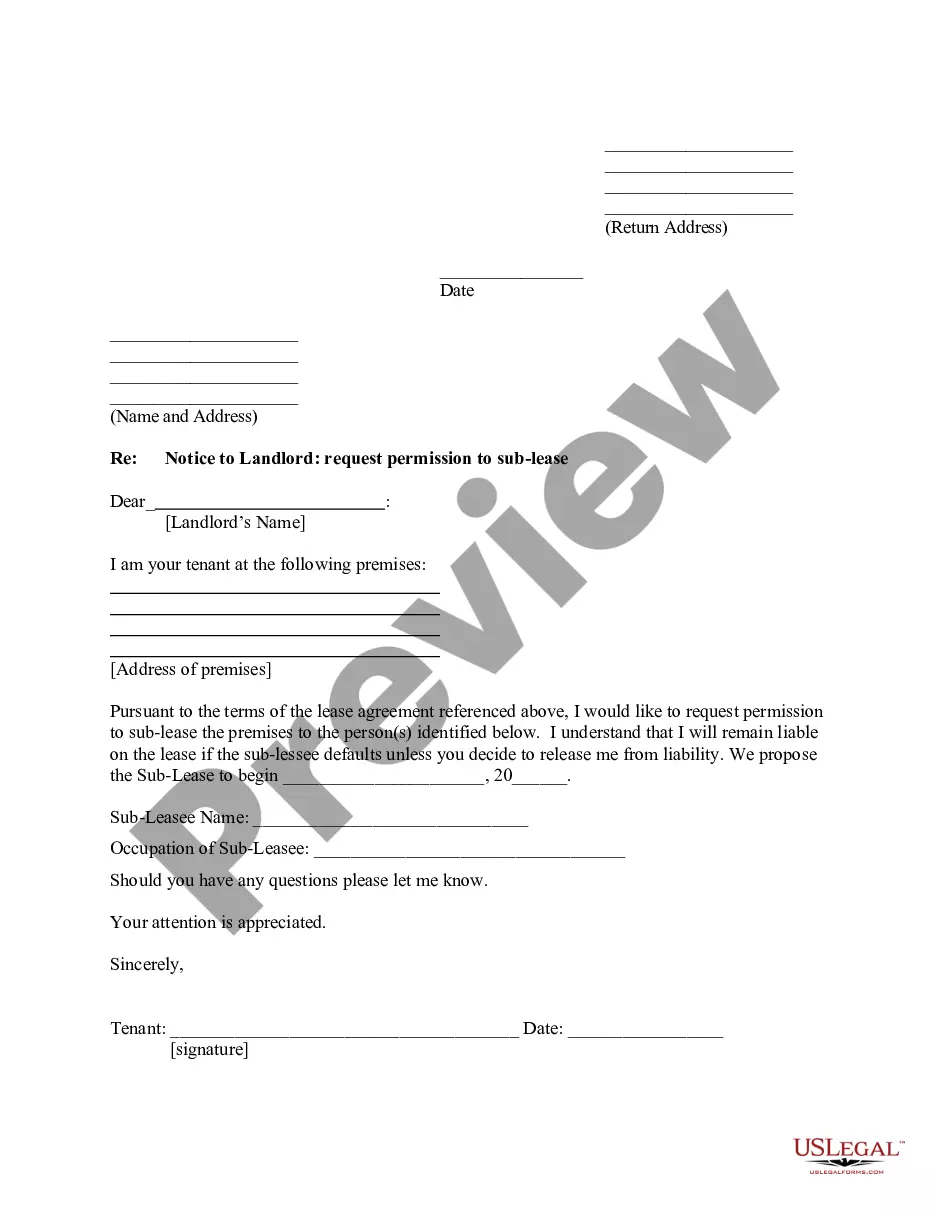
Texas Notice of Deposition
Description
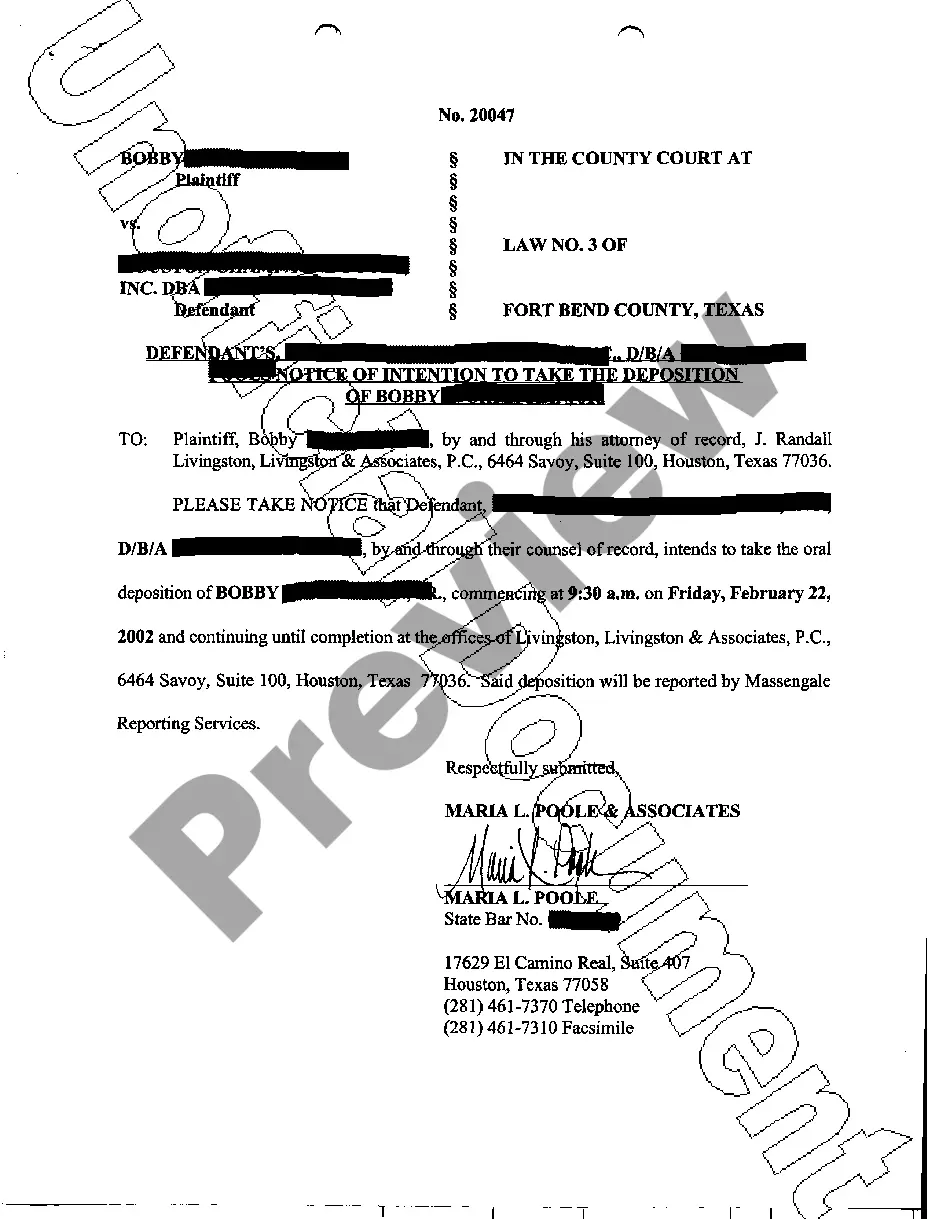
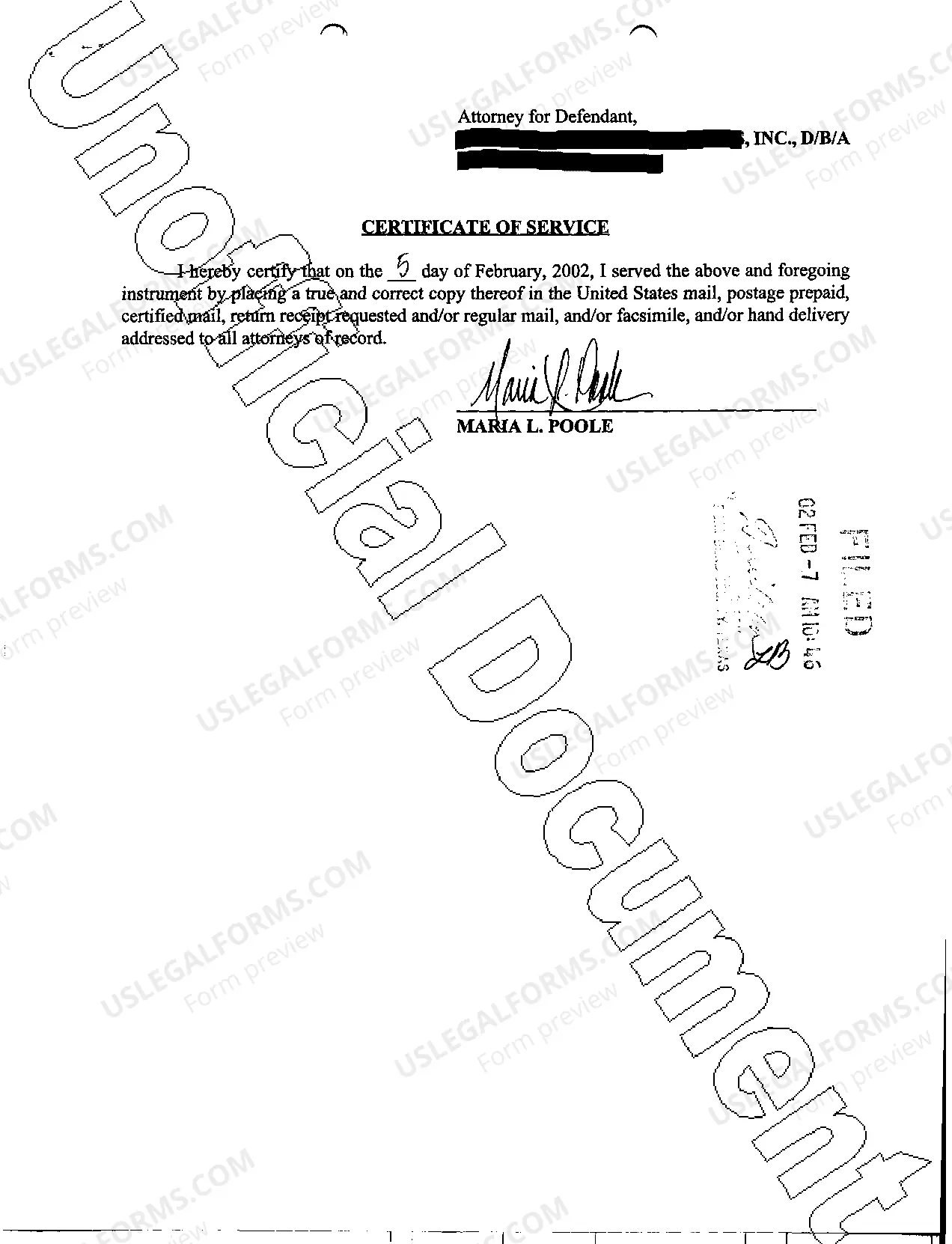
How to fill out Texas Notice Of Deposition?
Access to quality Texas Notice of Deposition forms online with US Legal Forms. Avoid hours of misused time seeking the internet and dropped money on forms that aren’t up-to-date. US Legal Forms provides you with a solution to just that. Get over 85,000 state-specific legal and tax templates that you could save and fill out in clicks within the Forms library.
To find the sample, log in to your account and click on Download button. The document will be stored in two places: on the device and in the My Forms folder.
For people who don’t have a subscription yet, look at our how-guide listed below to make getting started easier:
- Verify that the Texas Notice of Deposition you’re looking at is suitable for your state.
- Look at the form utilizing the Preview option and read its description.
- Check out the subscription page by simply clicking Buy Now.
- Choose the subscription plan to keep on to register.
- Pay by card or PayPal to finish creating an account.
- Pick a favored file format to download the document (.pdf or .docx).
Now you can open up the Texas Notice of Deposition template and fill it out online or print it and get it done yourself. Take into account sending the file to your legal counsel to make sure things are filled in appropriately. If you make a error, print out and complete sample again (once you’ve registered an account every document you save is reusable). Create your US Legal Forms account now and get access to far more templates.
Form popularity
FAQ
Prepare. Tell the Truth. Be Mindful of the Transcript. Answer Only the Question Presented. Answer Only as to What You Know. Stay Calm. Ask to See Exhibits. Don't Be Bullied.
Lie. Begin an answer with Well to be honest with you2026. Guess and speculate. Engage in casual conversations with the court reporter and other people present in the depositions. Volunteer information. Don't review documents carefully. Lose your temper. Don't take breaks.
Private information. You have a right to refuse any questions about a person's health, sexuality, or religious beliefs (including your own). Privileged information. Irrelevant information.
In most cases, a deponent cannot refuse to answer a question at a deposition unless the answer would reveal privileged or irrelevant private information or the court previously ordered that the information cannot be revealed (source). However, there are certain types of questions that do not have to be answered.
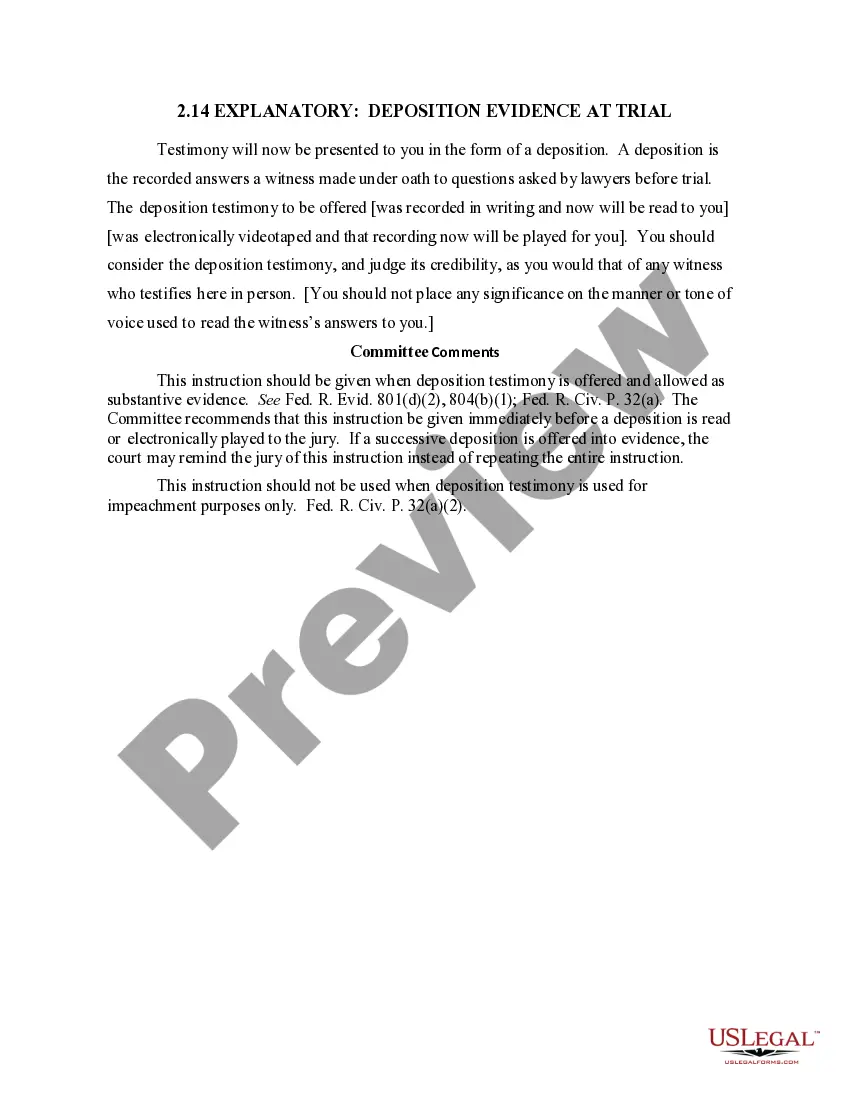
Don't guess, speculate, or play a hunch. A deposition is sworn testimony; only say what you know to be true. On the other hand, don't use this tip to avoid giving testimony that you know. If you don't understand a question, ask for the questioner to rephrase it.
In most cases, a deponent cannot refuse to answer a question at a deposition unless the answer would reveal privileged or irrelevant private information or the court previously ordered that the information cannot be revealed (source). However, there are certain types of questions that do not have to be answered.
RULE 30(B)(6) SHOULD REQUIRE AT LEAST 30 DAYS' NOTICE IN ORDER TO ENSURE PROPER PREPARATION, AND THE DEPOSITION SHOULD BE SCHEDULED AT A TIME AND DATE AGREEABLE TO BOTH PARTIES. A. Reasonable Notice Is at Least 30 Days Prior to Deposition.
Answer Only the Question Presented.No question, no answer. A deposition is not a conversation. In this respect, be on guard when listening to the questions do not let the examiner put words in your mouth and do not answer a question that includes incorrect facts or statements of which you have no knowledge.
Lie. Begin an answer with Well to be honest with you2026. Guess and speculate. Engage in casual conversations with the court reporter and other people present in the depositions. Volunteer information. Don't review documents carefully. Lose your temper. Don't take breaks.