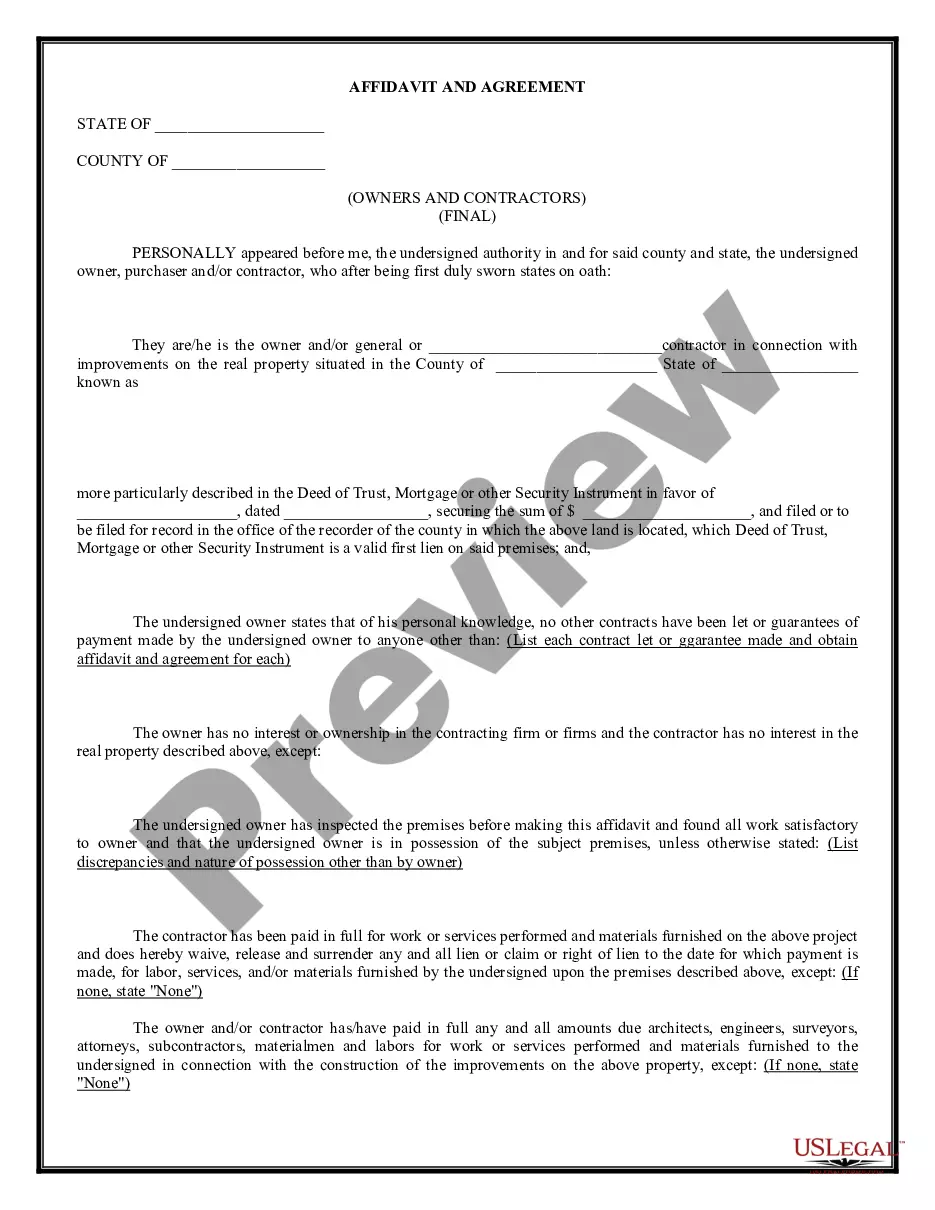
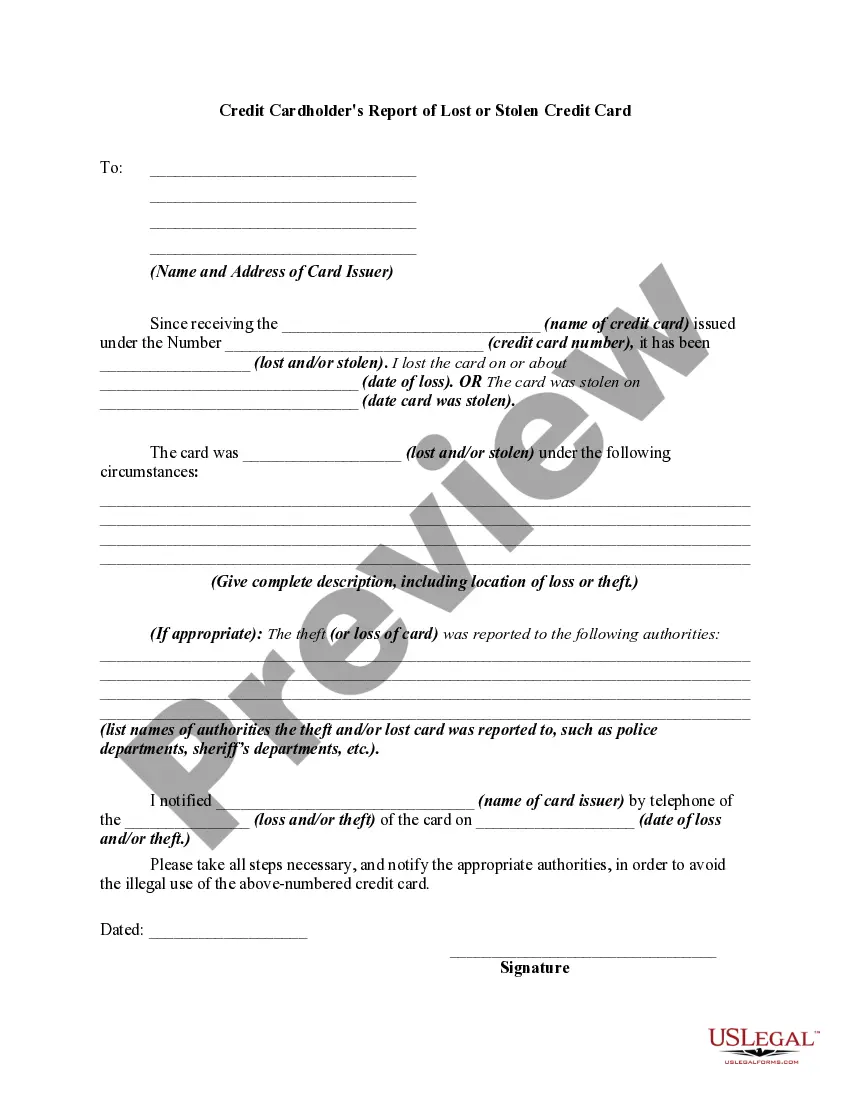
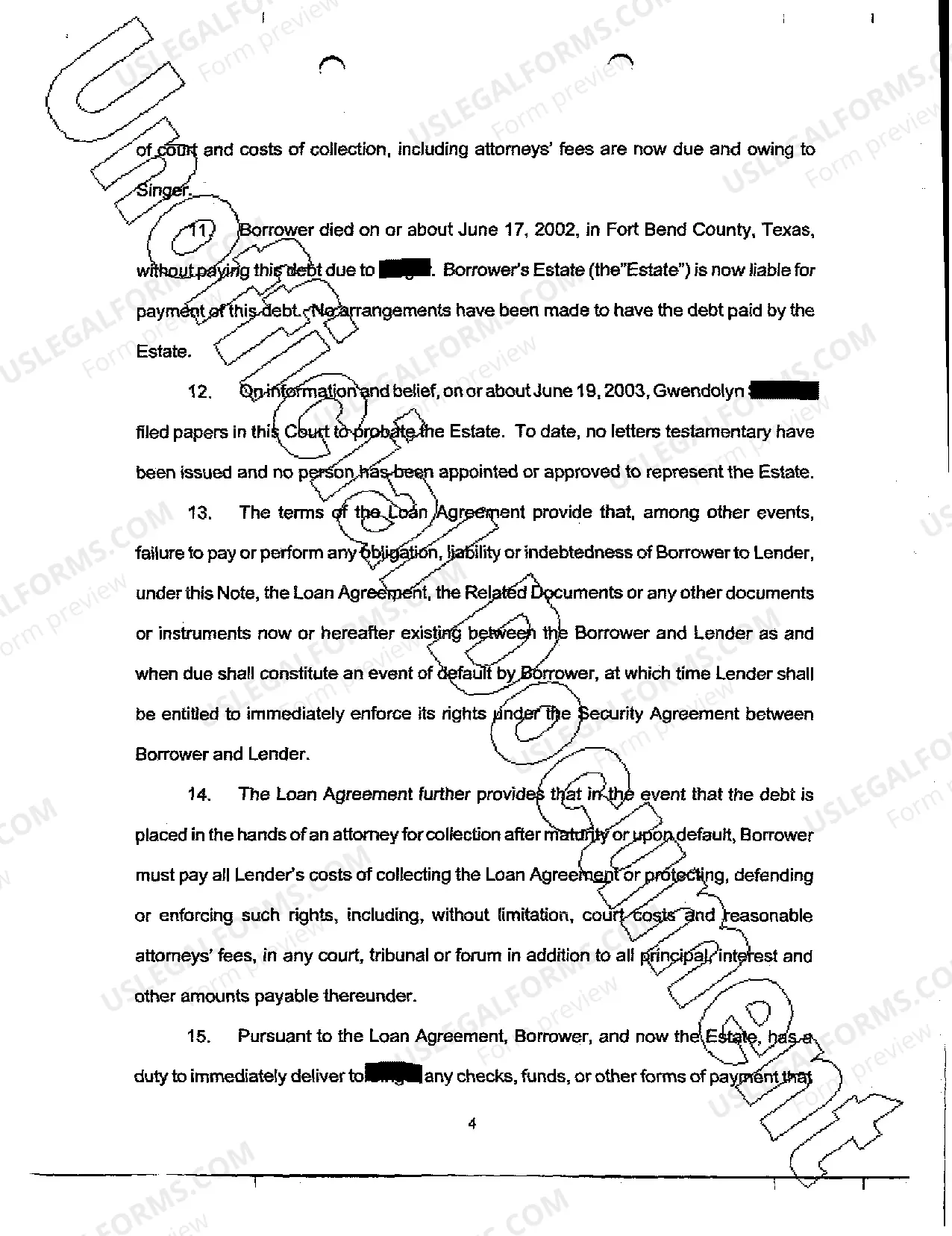
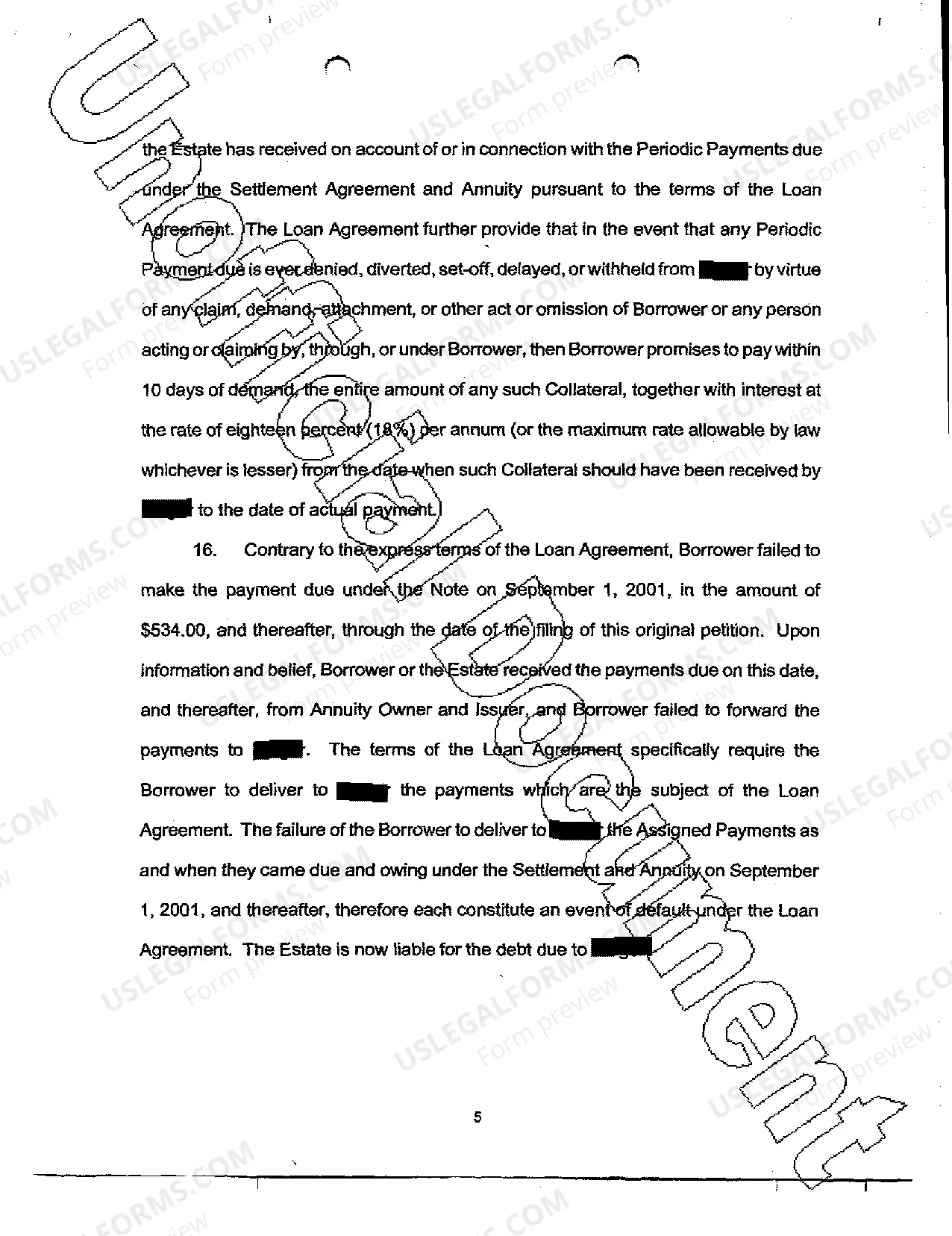
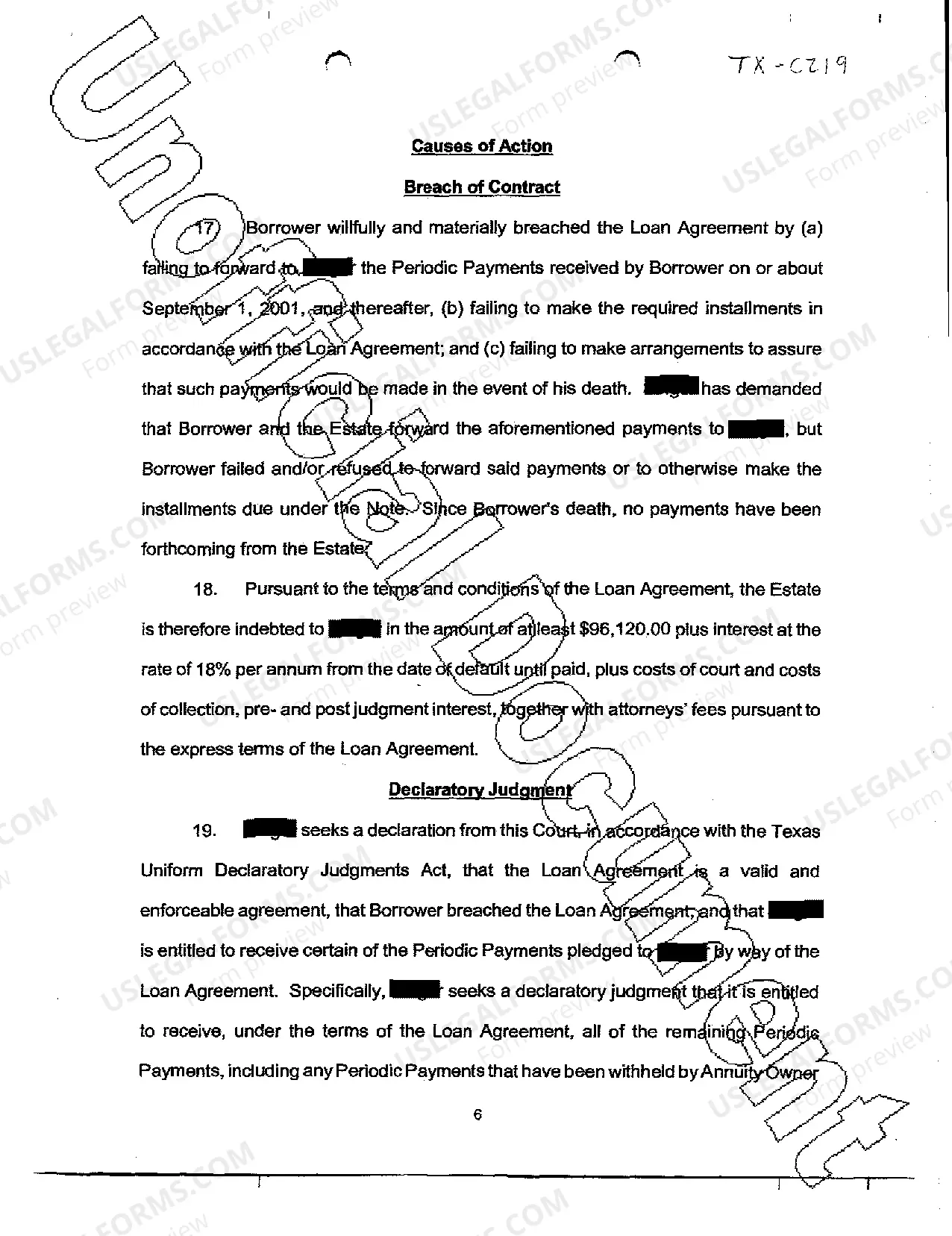
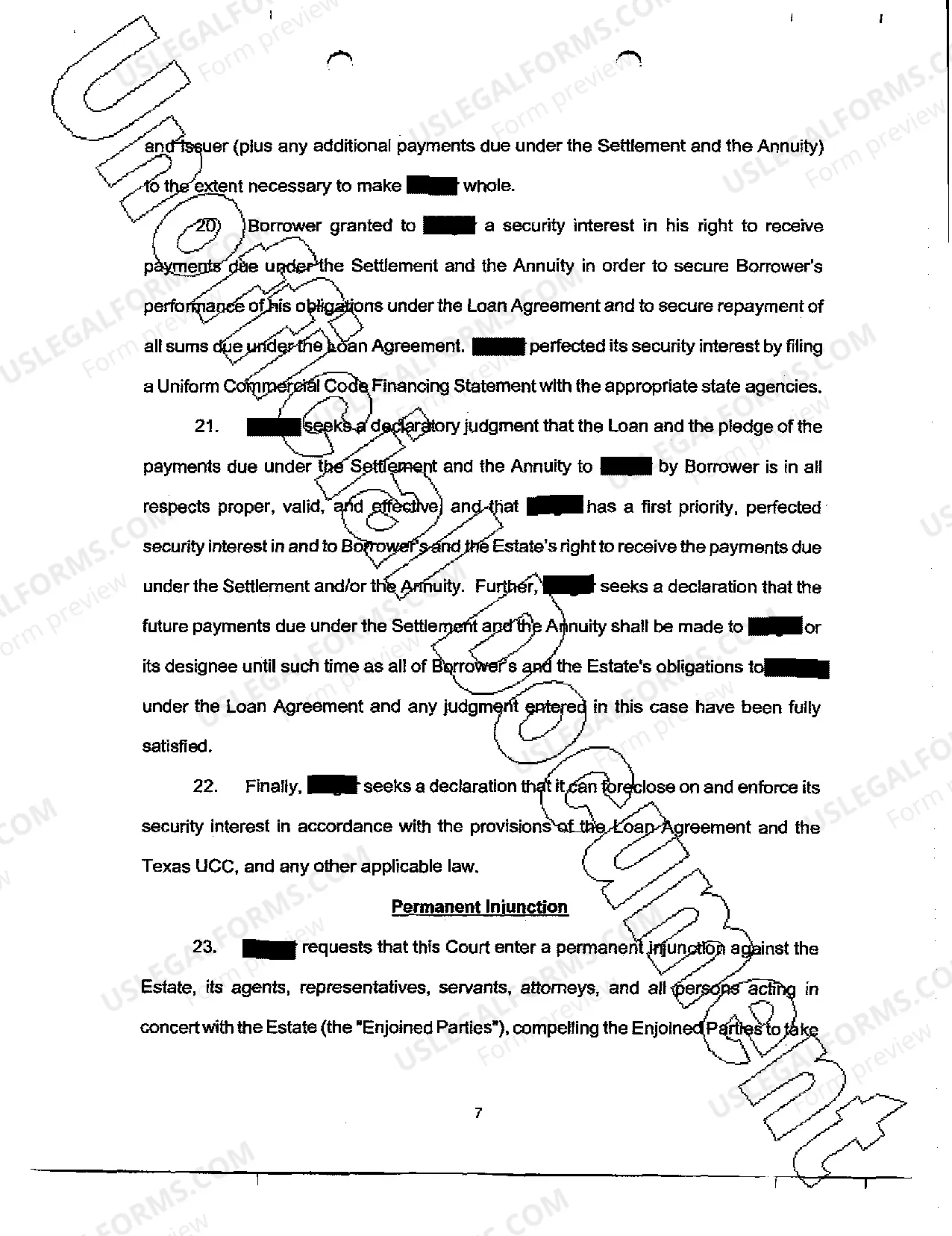
Texas Plaintiff's Original Petition to Collect Debt
Description
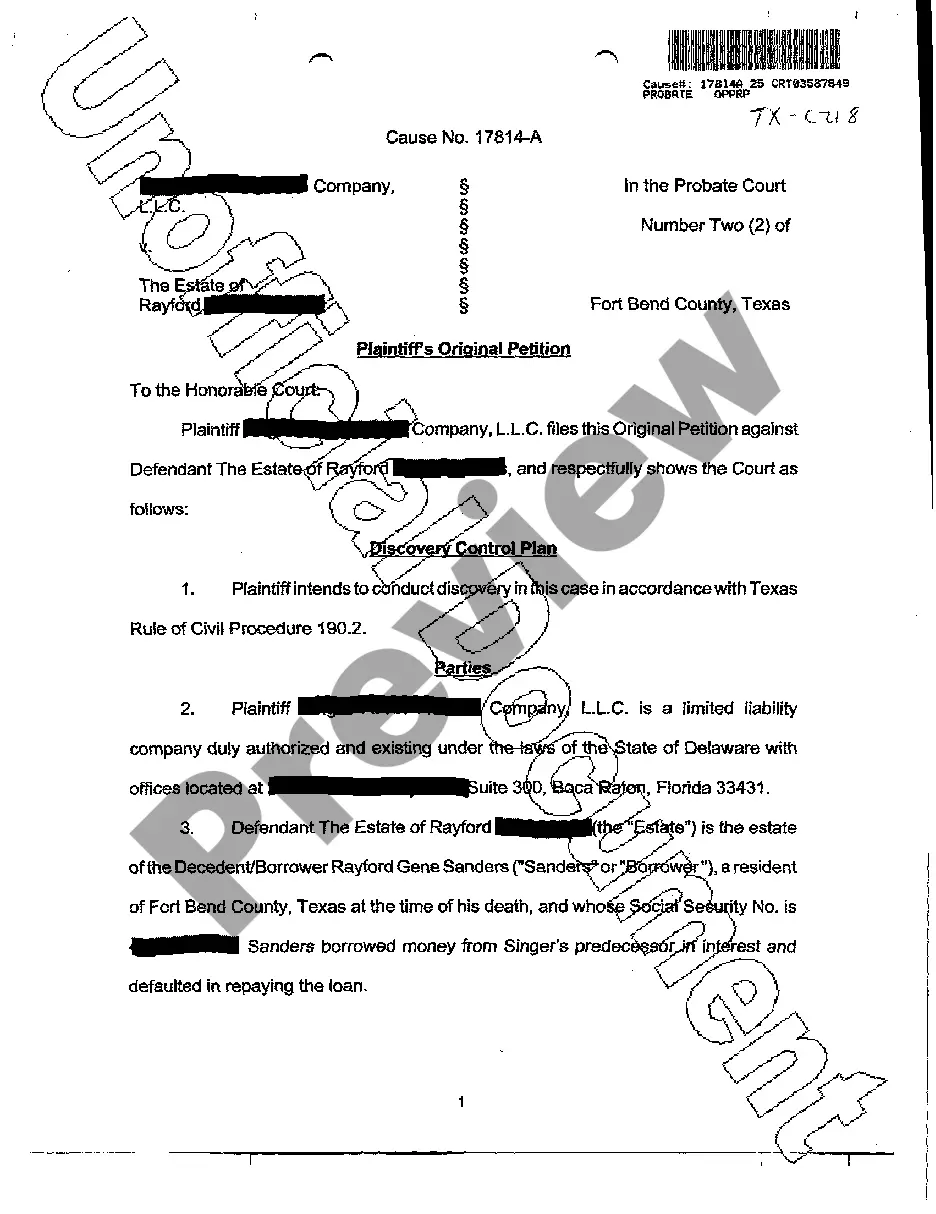
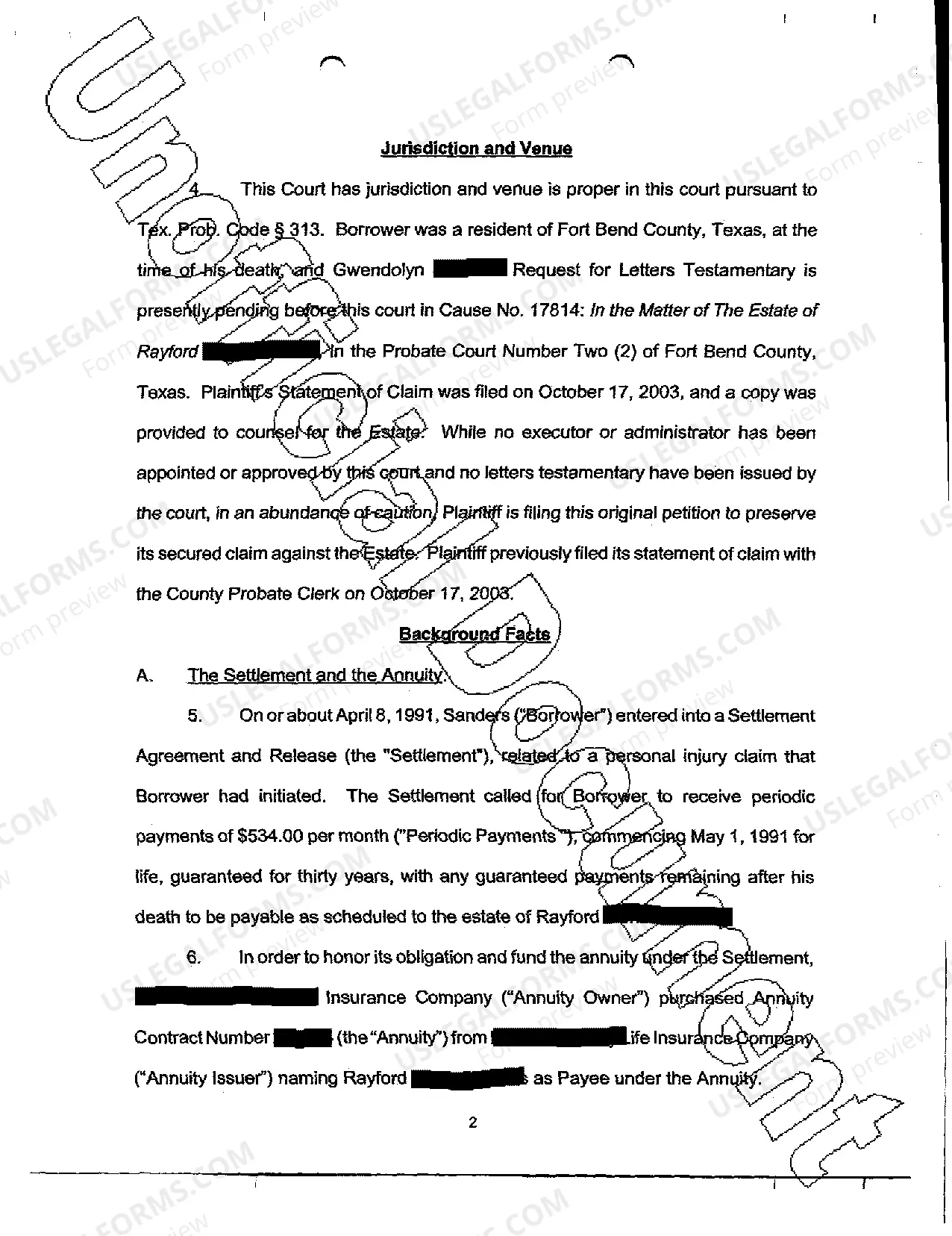
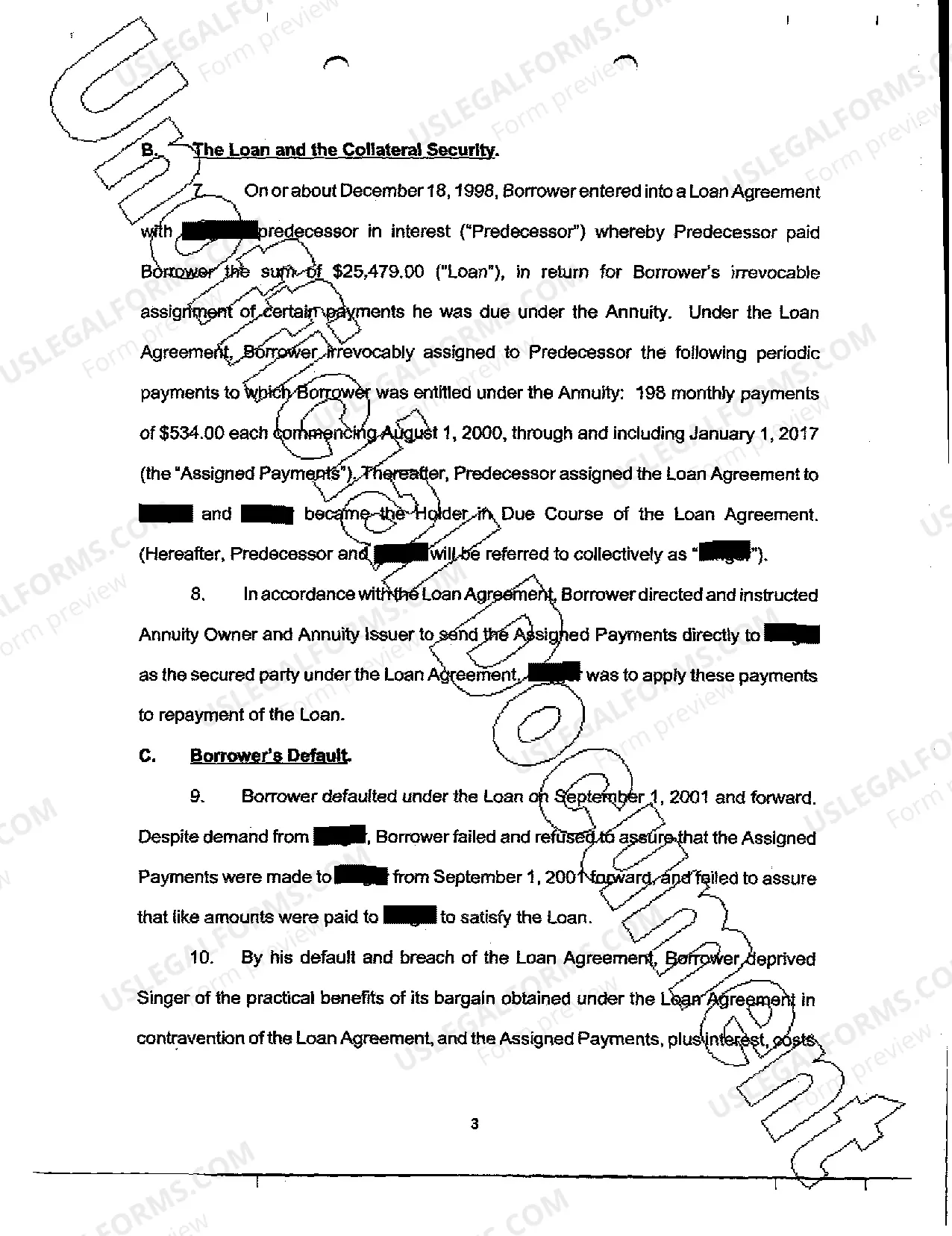
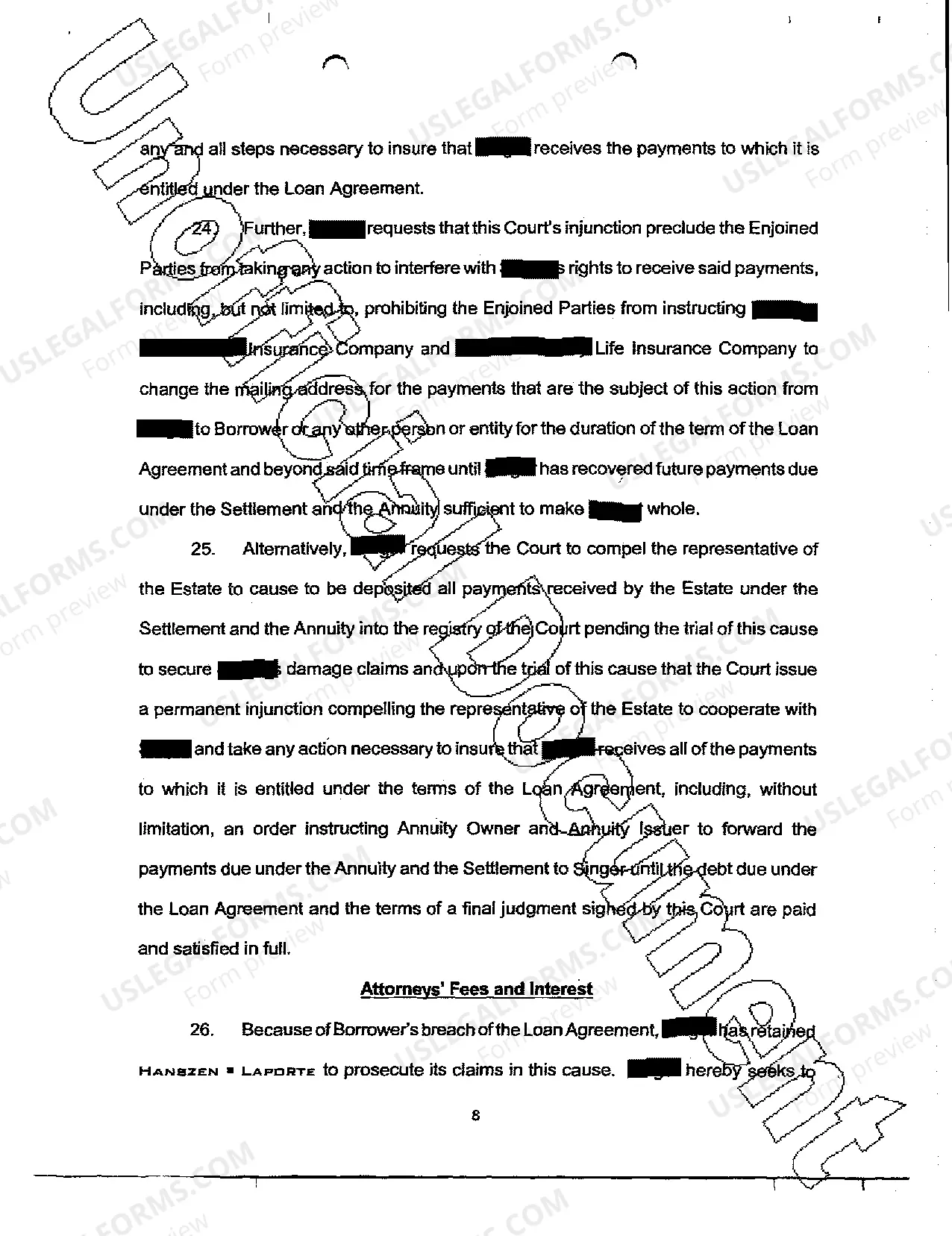

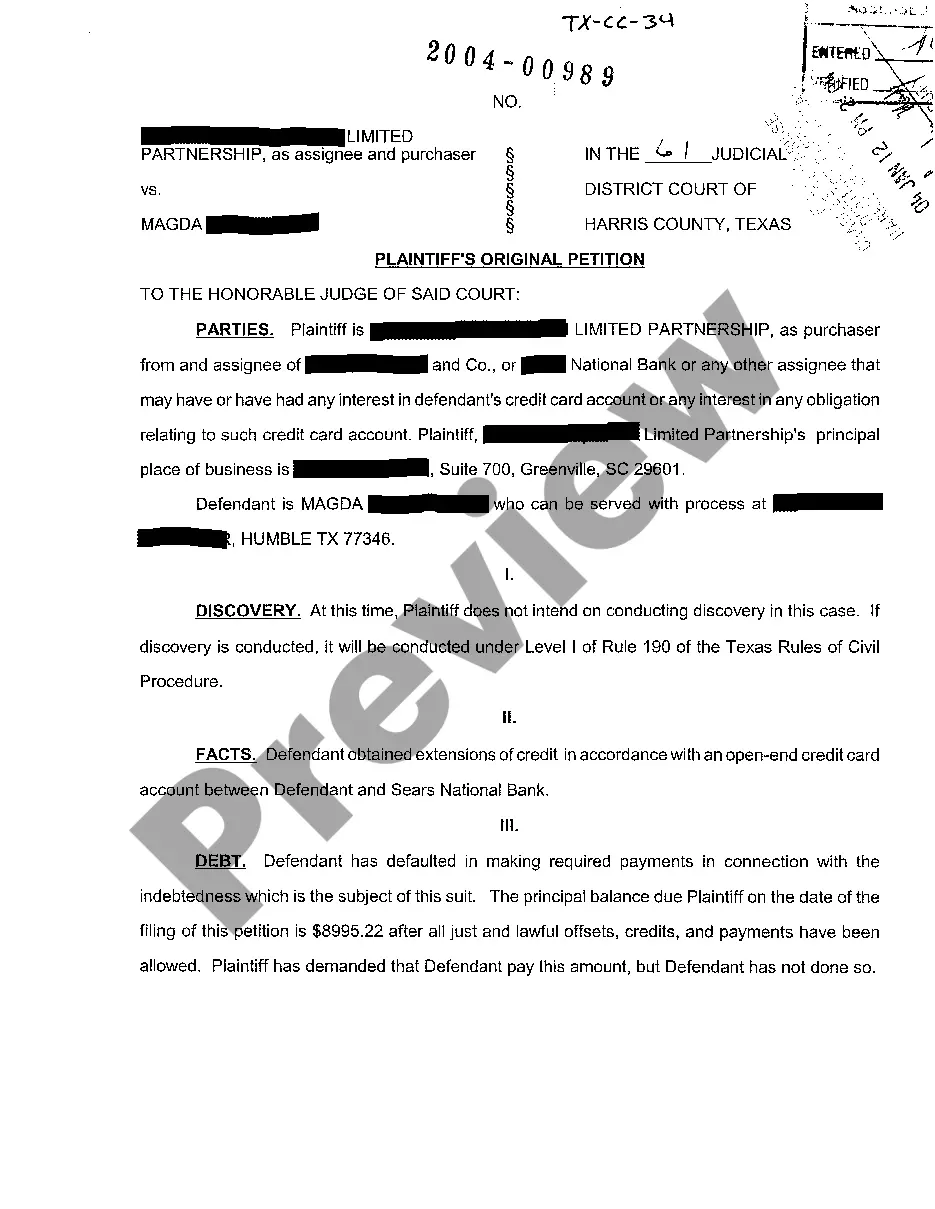
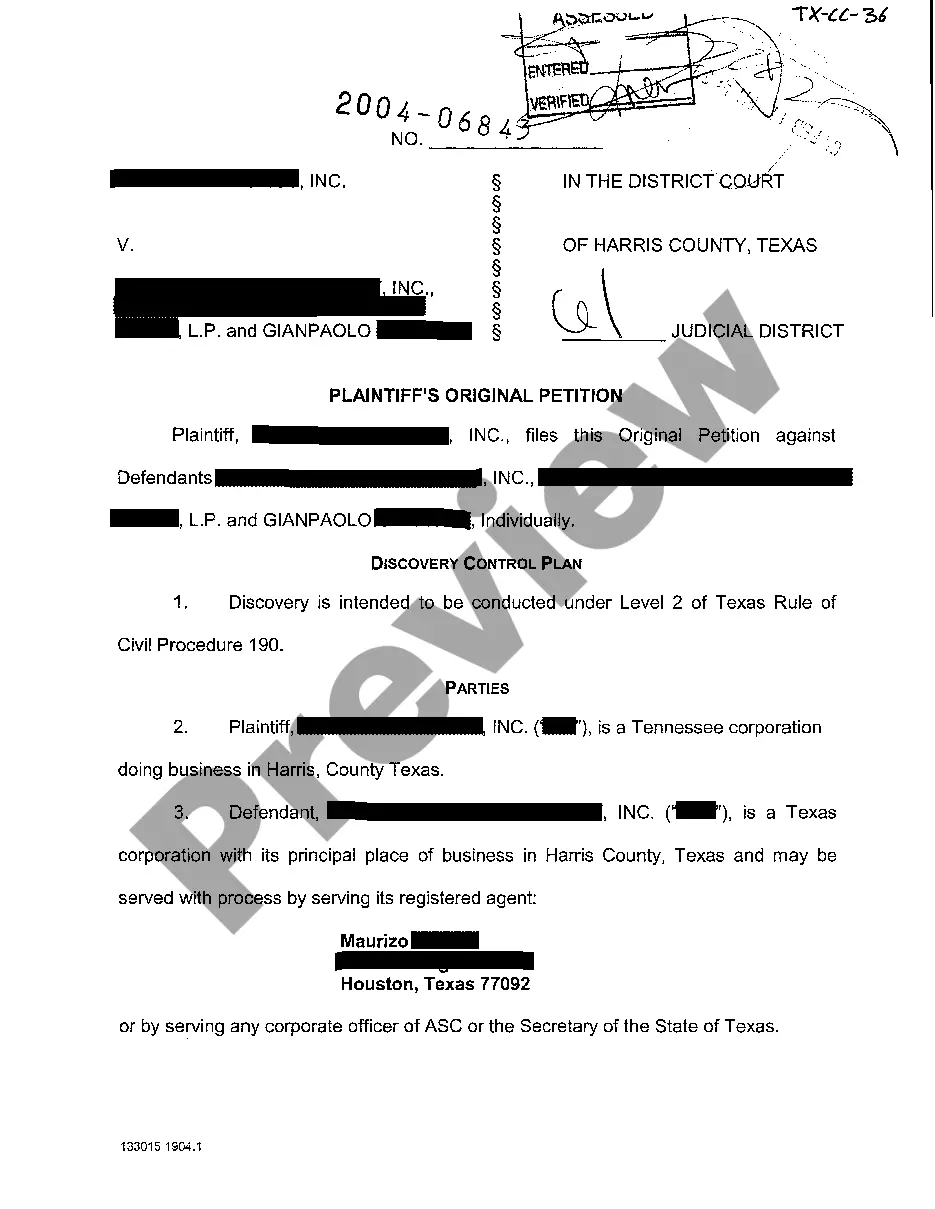
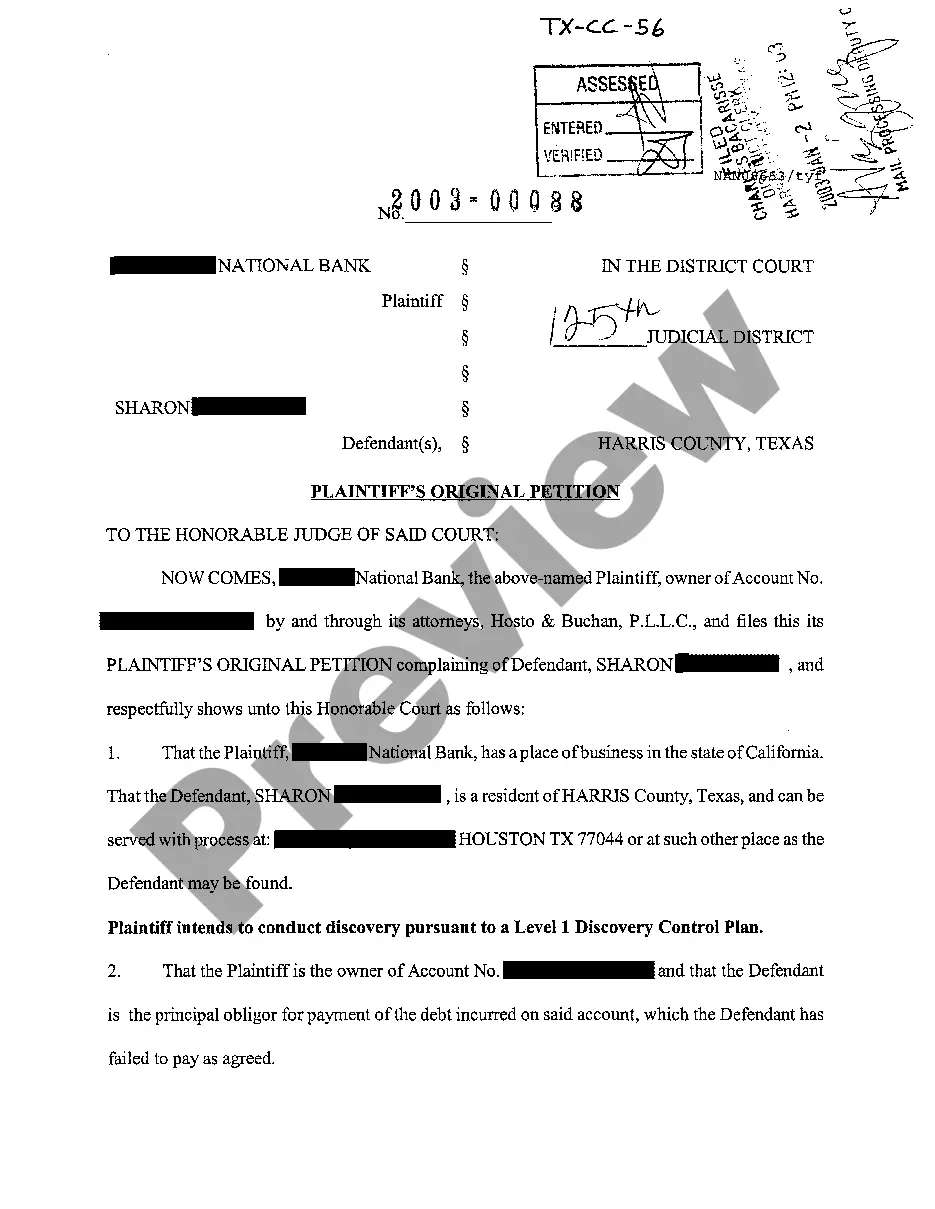
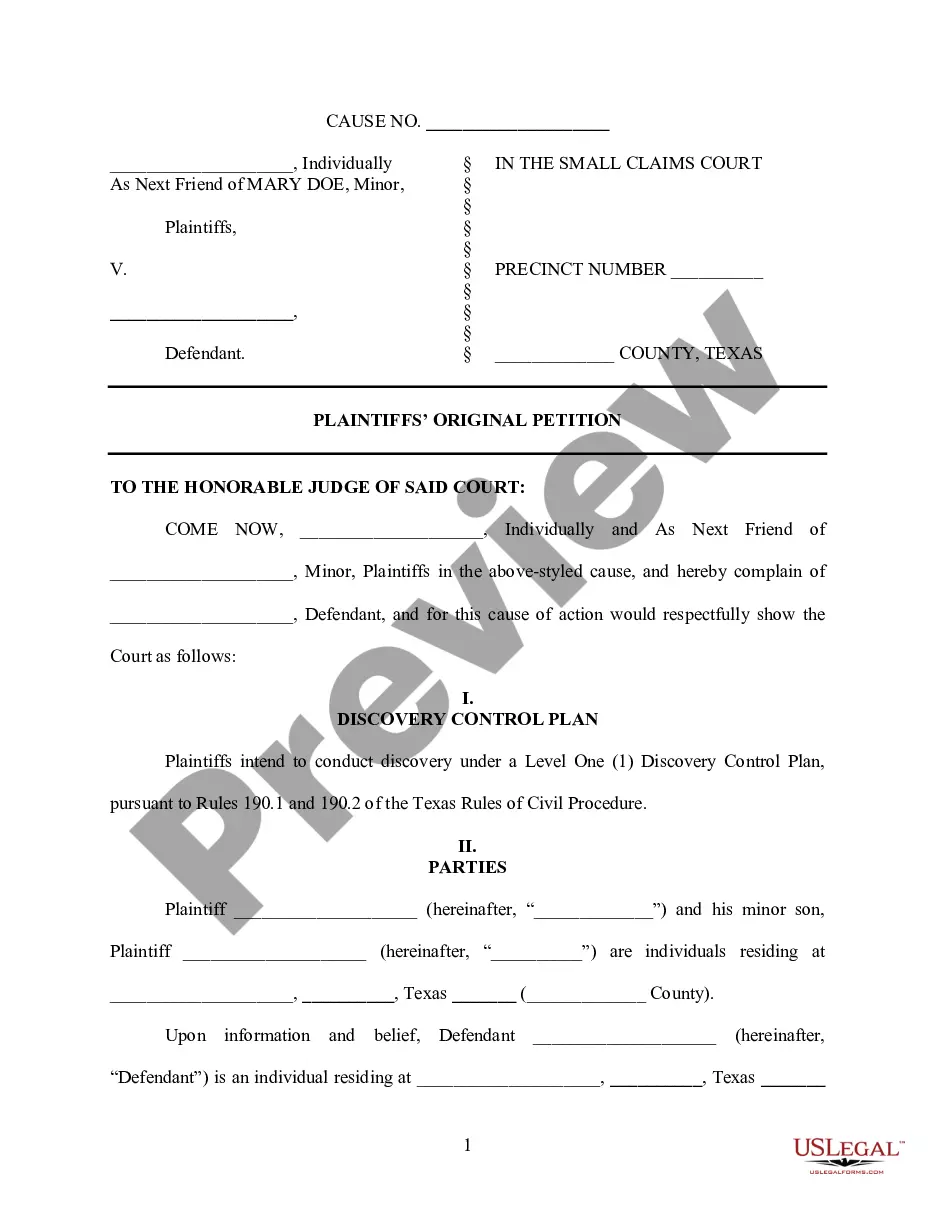
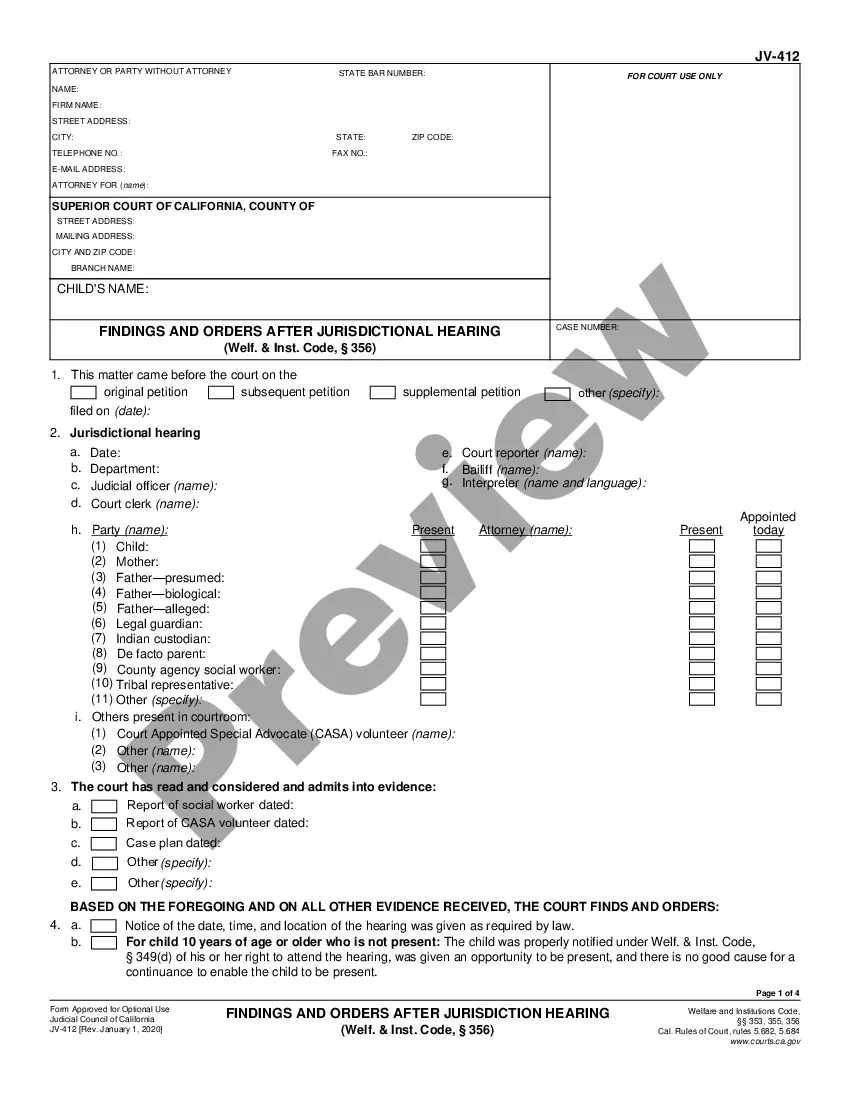
How to fill out Texas Plaintiff's Original Petition To Collect Debt?
Get access to high quality Texas Plaintiff's Original Petition to Collect Debt forms online with US Legal Forms. Prevent days of misused time seeking the internet and lost money on forms that aren’t updated. US Legal Forms offers you a solution to exactly that. Get more than 85,000 state-specific legal and tax samples that you can save and fill out in clicks in the Forms library.
To receive the sample, log in to your account and click on Download button. The file is going to be saved in two places: on the device and in the My Forms folder.
For those who don’t have a subscription yet, have a look at our how-guide listed below to make getting started easier:
- Check if the Texas Plaintiff's Original Petition to Collect Debt you’re looking at is appropriate for your state.
- See the sample utilizing the Preview function and read its description.
- Go to the subscription page by clicking Buy Now.
- Choose the subscription plan to continue on to register.
- Pay by credit card or PayPal to complete creating an account.
- Pick a favored file format to download the document (.pdf or .docx).
You can now open up the Texas Plaintiff's Original Petition to Collect Debt sample and fill it out online or print it out and get it done by hand. Consider sending the file to your legal counsel to make certain things are filled out properly. If you make a error, print and fill sample again (once you’ve made an account every document you download is reusable). Create your US Legal Forms account now and access more samples.
Form popularity
FAQ
Don't Ignore Debt Collectors. Have Government Assistance Funds Direct Deposited. Don't Transfer Your Social Security Funds to Different Accounts. Know Your State's Exemptions and Use Non-Exempt Funds First.
The best way to avoid bank account garnishment is to make a payment arrangement with creditors, which can even lead to a negotiated balance.
The statute of limitations on debt in Texas is four years. This section of the law, introduced in 2019, states that a payment on the debt (or any other activity) does not restart the clock on the statute of limitations.
Debt Claim cases are lawsuits brought to recover a debt by an assignee of a claim, debt collector or collection agency, a financial institution, or a person engaged in the business of lending money at interest. The claim can be for no more than $10,000.
To get into your bank account, the creditor must get a court order. Specifically, this means that the creditor must sue you (take you to court) and win. Only after the judge enters a judgment against you (meaning the creditor won the lawsuit against you) can the creditor have access to your bank account.
Talk to a lawyer if you have questions or need help.File (turn in) your completed answer form with the court. To file online, go to E-File Texas and follow the instructions. To file in person, take your answer (and copies) to the district clerk's office in the county where the plaintiff filed the case.
Your answer can be a handwritten letter to the court that says you do not agree with the lawsuit. Include your case (cause) number and mailing address and any defenses you may have to the lawsuit; for example, the amount they claim you owe is incorrect, the account isn't yours, or the debt is older than 4 years.
Some types of money are automatically exempt (protected) from your creditors, regardless of where you live, including: Social Security and Supplement Security Income (SSI) federal, civil service, and railroad retirement benefits. veterans' benefits.
Once you have a judgment against you, creditors can garnish your bank account in Texas. They do this with a Writ of Garnishment. They cannot garnish your wages but once you deposit your paycheck into the bank they can freeze your account with a valid judgment.