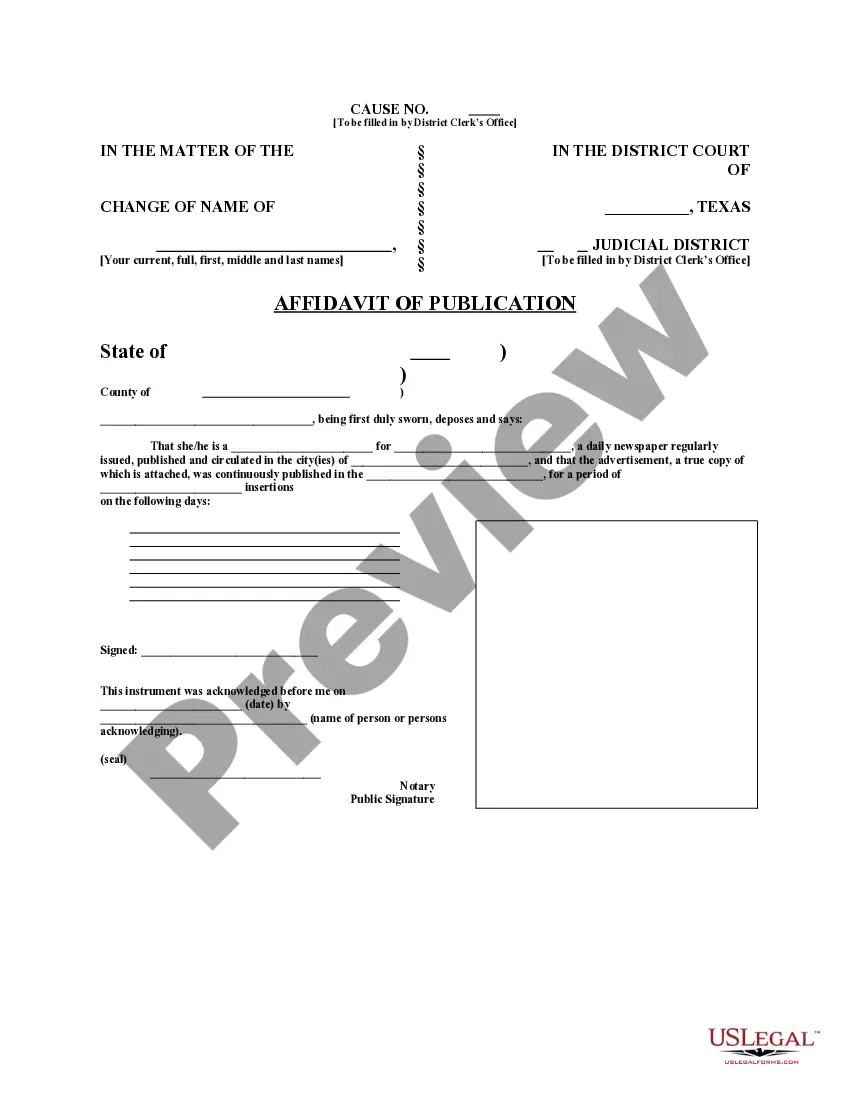
Texas Original Petition for Divorce with No Children
About this form
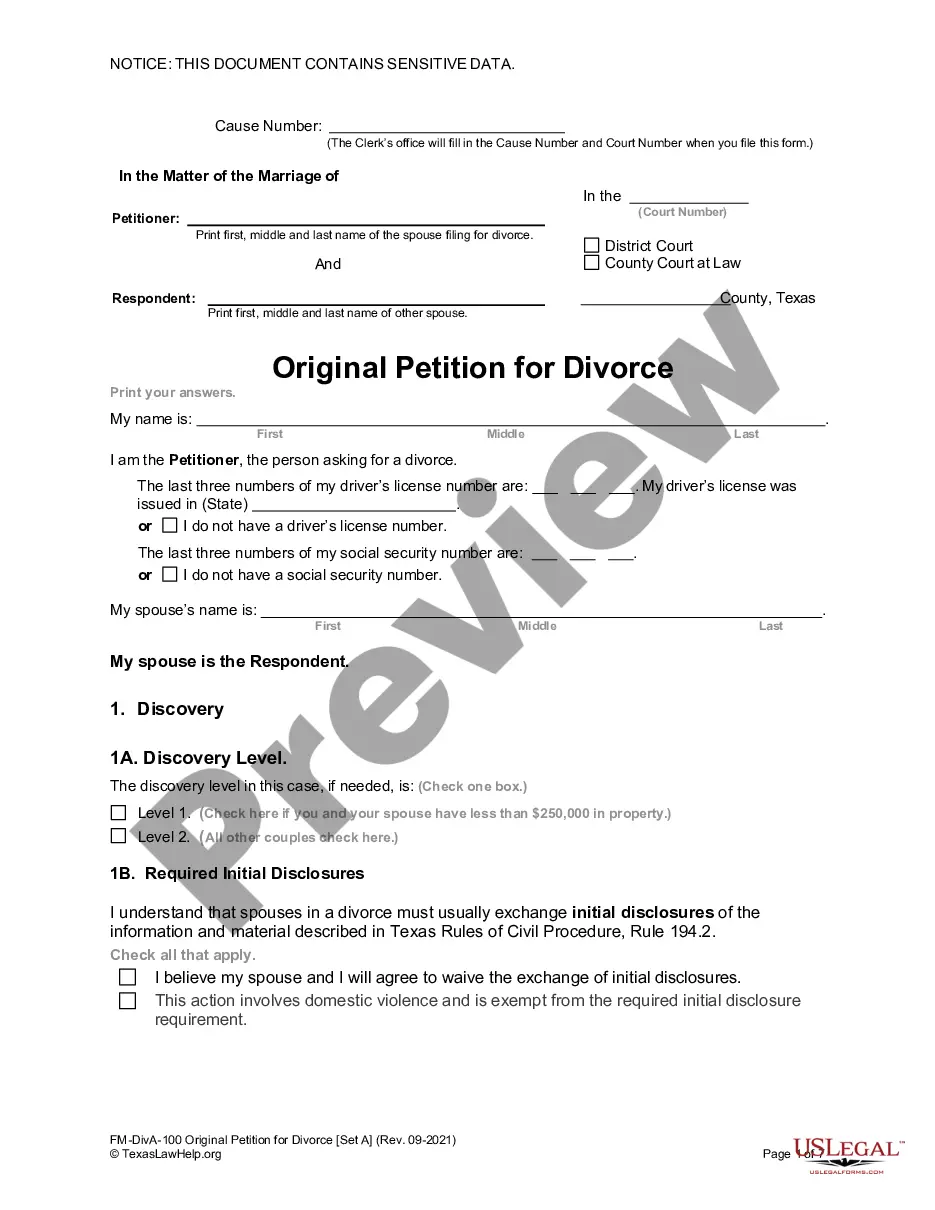
The Original Petition for Divorce with No Children is a legal document used to initiate a divorce proceeding in situations where there are no children involved. This form is specifically designed for couples seeking to end their marriage based on insupportability, allowing the petitioner to request a division of community property without the complexities introduced by child custody arrangements. Unlike other divorce forms, this one focuses solely on matters related to property division and the dissolution of the marriage itself.
What’s included in this form
- Petitioner and Respondent Information: Sections for both spouses' names and identifying details.
- Grounds for Divorce: A declaration that the marriage has become insupportable due to discord.
- Property Division Request: An outline of how community property and debts should be divided.
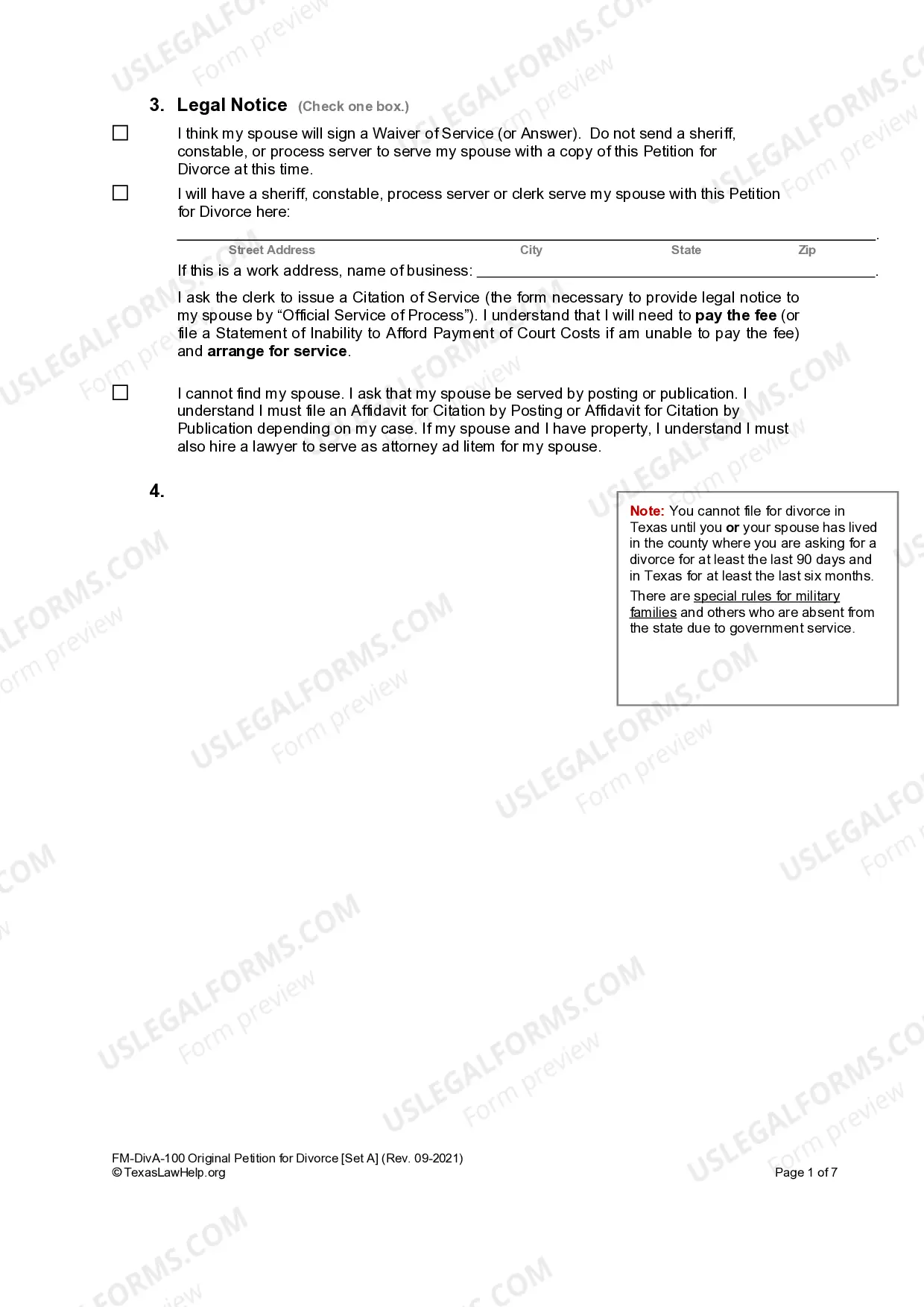
- Jurisdictional Requirements: Information confirming residency requirements in Texas.
- Protective Orders: Sections addressing any existing protective orders related to the spouses.
- Name Change Request: Option for the petitioner to request a name change back to a name used before marriage.
When to use this document
This form should be used when a spouse files for divorce in Texas, and there are no minor children from the marriage. It is applicable in cases where the marriage has become insupportable, meaning that personality conflicts prevent any reasonable expectation of reconciliation. This document is particularly suited for individuals looking to simplify their divorce process by focusing solely on the dissolution of the marriage and the equitable division of property.
Who needs this form
- Individuals who are married and wish to file for divorce.
- Couples without children who want to avoid complications related to child custody and support.
- Spouses who agree on the division of community property and the terms of their divorce.
- Petitioners seeking a straightforward and uncomplicated divorce process in Texas.
Instructions for completing this form
- Identify the parties: Fill in the names of the petitioner and respondent.
- Specify the grounds for divorce: Indicate that the marriage has become insupportable.
- Detail property and debt: List any community property and debts to be divided.
- Address jurisdiction: Confirm residency requirements are met by checking applicable boxes.
- Sign and date the petition: Complete the document by signing and providing the date of your signature.
Is notarization required?
This form does not typically require notarization unless specified by local law. Ensure to check any state-specific rules or requirements that may necessitate notarization for your specific situation.
Get your form ready online
Our built-in tools help you complete, sign, share, and store your documents in one place.
Make edits, fill in missing information, and update formatting in US Legal Forms—just like you would in MS Word.
Download a copy, print it, send it by email, or mail it via USPS—whatever works best for your next step.
Sign and collect signatures with our SignNow integration. Send to multiple recipients, set reminders, and more. Go Premium to unlock E-Sign.
If this form requires notarization, complete it online through a secure video call—no need to meet a notary in person or wait for an appointment.
We protect your documents and personal data by following strict security and privacy standards.

Make edits, fill in missing information, and update formatting in US Legal Forms—just like you would in MS Word.

Download a copy, print it, send it by email, or mail it via USPS—whatever works best for your next step.

Sign and collect signatures with our SignNow integration. Send to multiple recipients, set reminders, and more. Go Premium to unlock E-Sign.

If this form requires notarization, complete it online through a secure video call—no need to meet a notary in person or wait for an appointment.

We protect your documents and personal data by following strict security and privacy standards.
Typical mistakes to avoid
- Failing to check all applicable boxes related to jurisdiction and discovery levels.
- Inaccurate information about residency requirements can lead to delays.
- Not addressing existing protective orders if there are any.
- Omitting details about property could cause complications later in the process.
Why use this form online
- Convenience of accessing the form from anywhere, anytime.
- Editable fields allow personalization of the document for individual situations.
- Elimination of errors with automated prompts guiding through completion.
- Availability of resources and support to assist throughout the filing process.
Looking for another form?

Form popularity
FAQ
When you file for divorce in Texas, you will be required to pay a filing fee of between $250 to $300. If you cannot afford to pay the filing fee, you can complete an Affidavit of Inability of Pay.
Thus, the average total cost of divorce in Texas is about $15,000 if no children are involved and $23,000 if child-related issues must be resolved.
From time to time, parents will ask if they can agree to no child support in Texas. In other words, both parties would like child support to be waived so that no one is required to pay. The simple answer to this question is: it's possible, but only if the agreement is approved by a judge.
The original petition for divorce must be signed by the petitioner. Once it is filed with the clerk's office where one of both spouses reside, the court will issue a case number and assign a judge to the case. The date on which it is filed is considered the start of the divorce process.
In fact, it cost around $300 to get divorced in Texas if you are in full agreement with your spouse and complete the paperwork on your own. However, the cost will start at around $12,000 if your case is contested and requires you to hire a lawyer.
You must pay a filing fee if you are filing for divorce in Texas. The court filing fees will vary depending on the county in which you file, but it is typically between $250 and $320. In some cases, you may be able to get a waiver of legal fees if you can demonstrate that you cannot afford to pay them.
The hearing allows the judge to review each spouse's requests. The judge will then sign the divorce decree to make the divorce final. Unless there was family violence, the judge can't finalize a divorce at the hearing until 60 days after the petition for divorce was filed.
A counter petition for divorce is basically a countersuit against your spouse. It indicates that you, too, want a divorce and have your own specific requests. It allows you to state your own allegations against your spouse and to tell the judge what you would like to see happen.