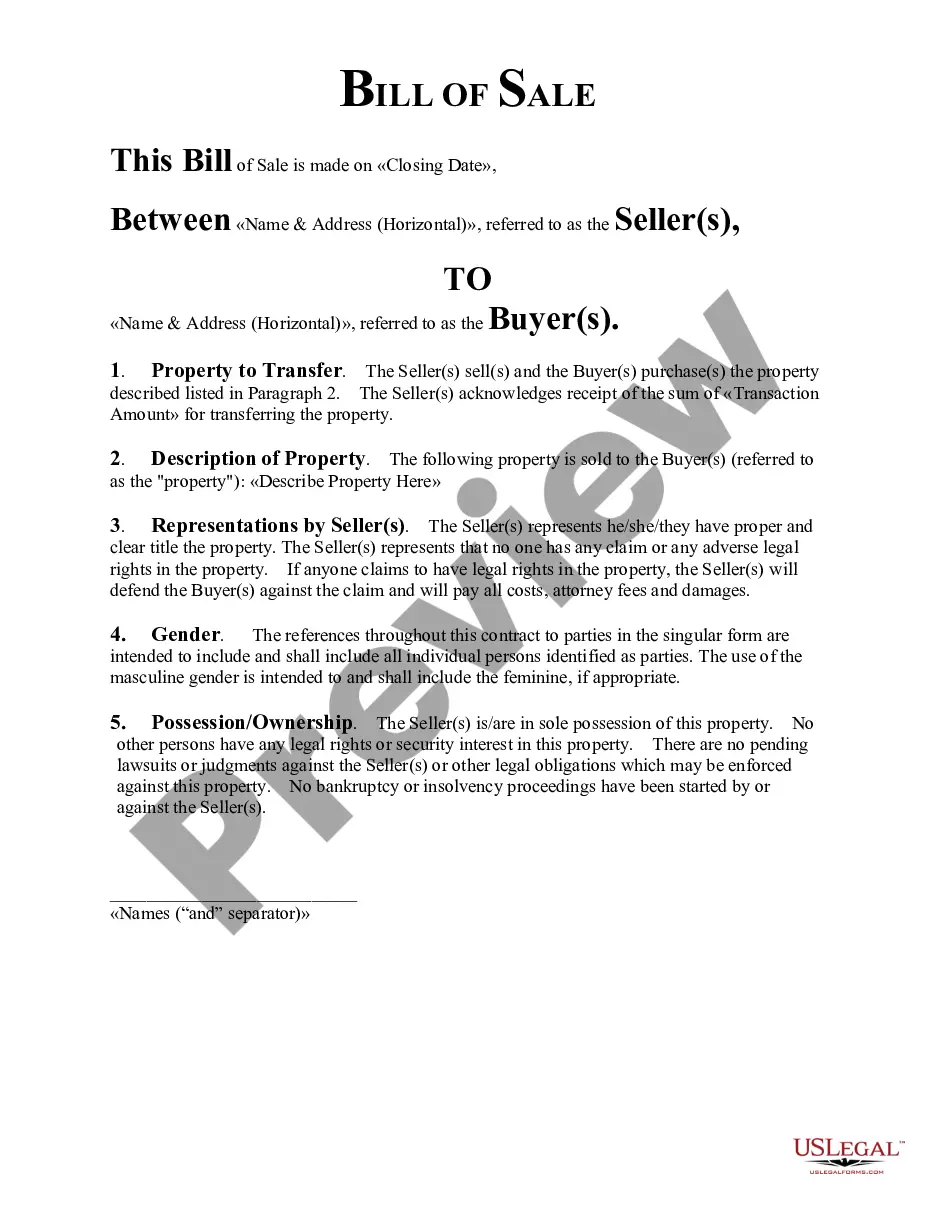
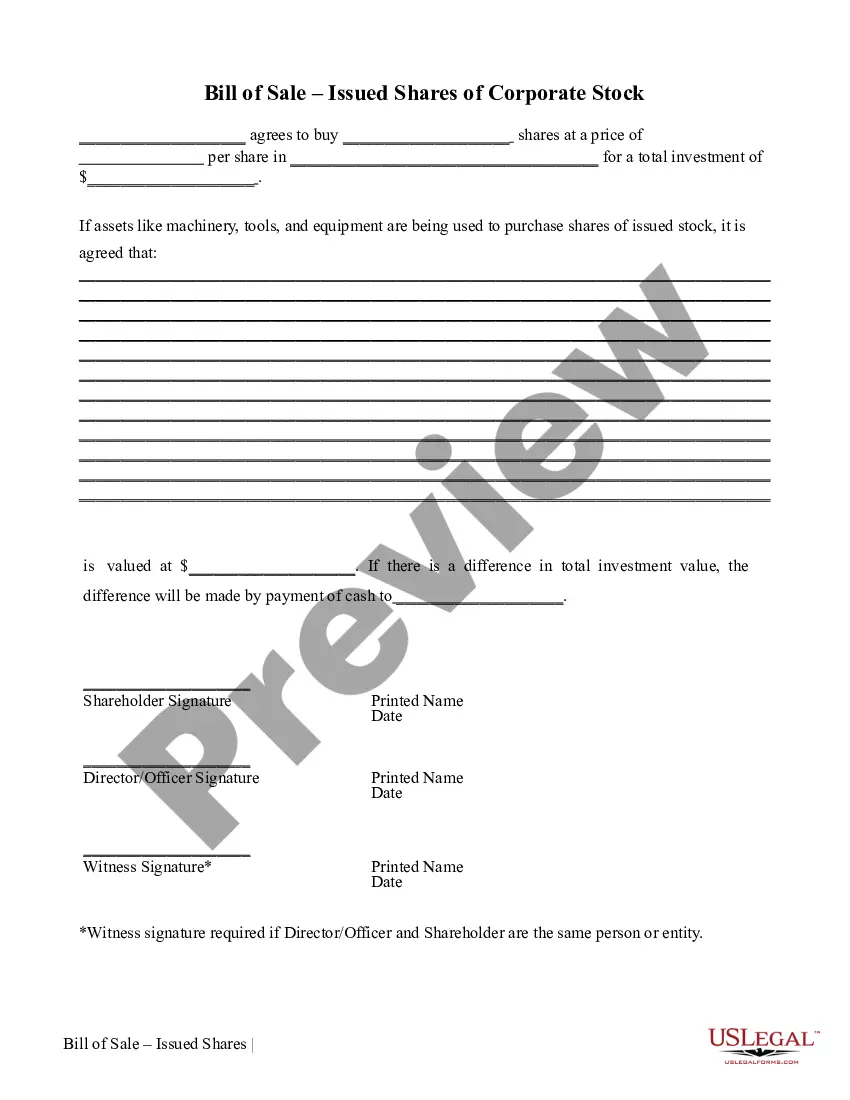
Bill of Sale in Connection with Sale of Business - Individual or Corporate Seller or Buyer. This bill of sale may include anything that is intangible but considered part of the business. These may be all licenses, processes, designs, formulas, computer programs, computer software packages, trade secrets, product manufacturing instructions etc.
Texas Bill of Sale in Connection with Sale of Business by Individual or Corporate Seller
Instant download
Description
Free preview
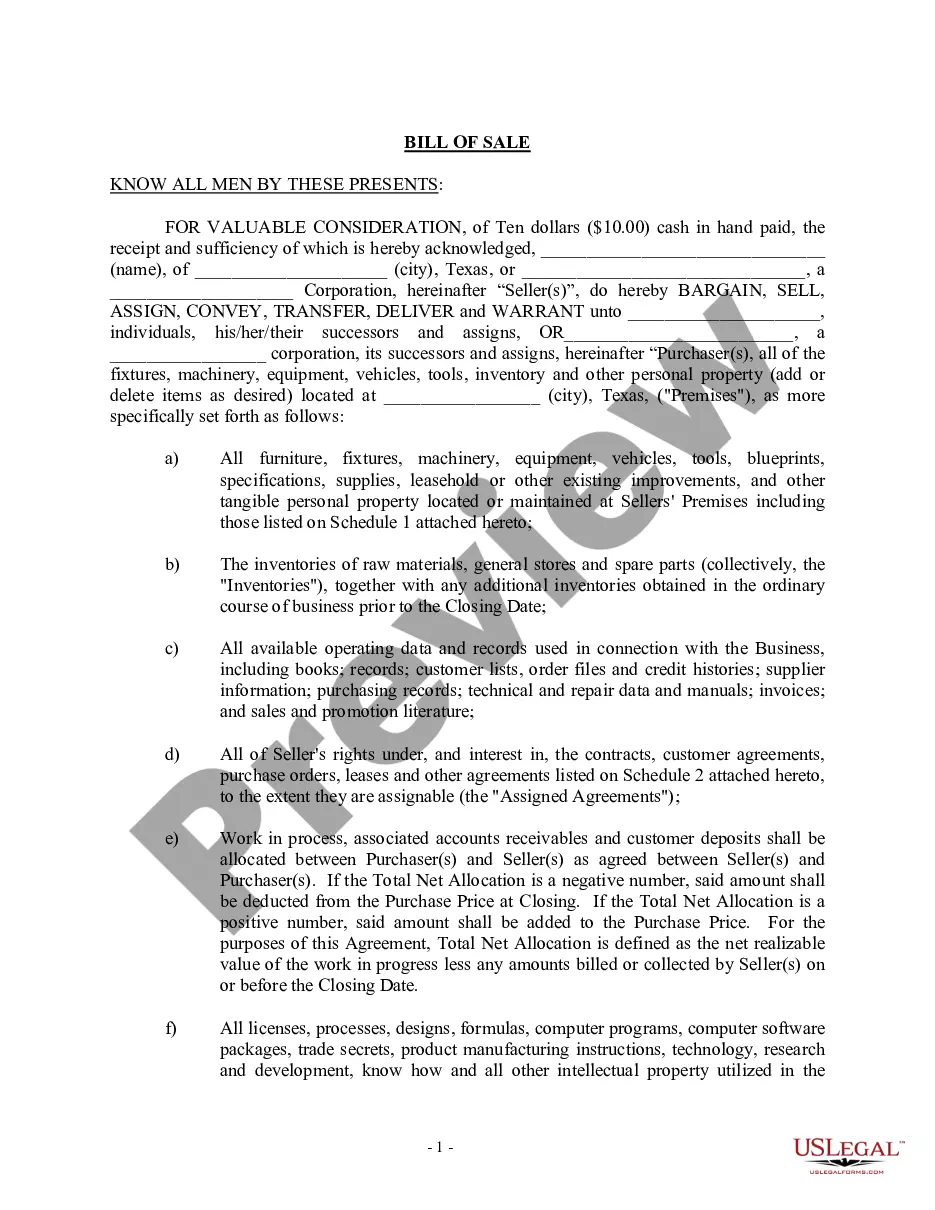
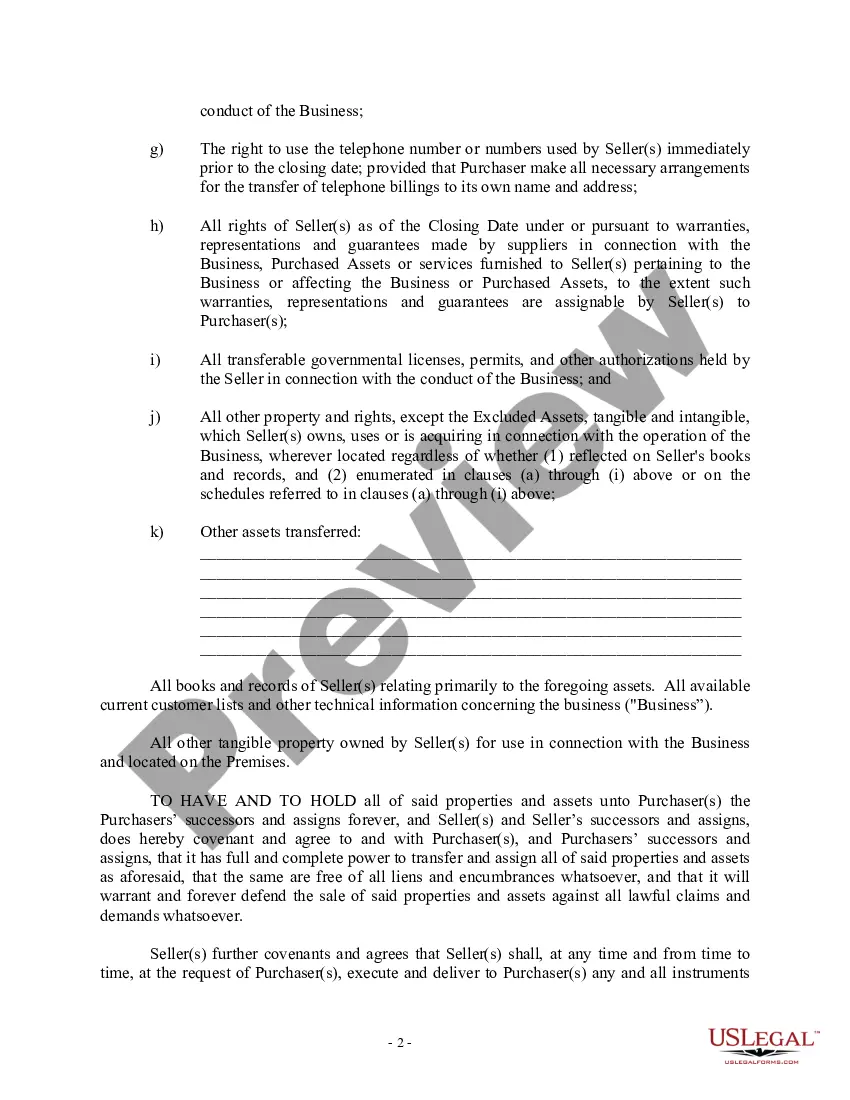
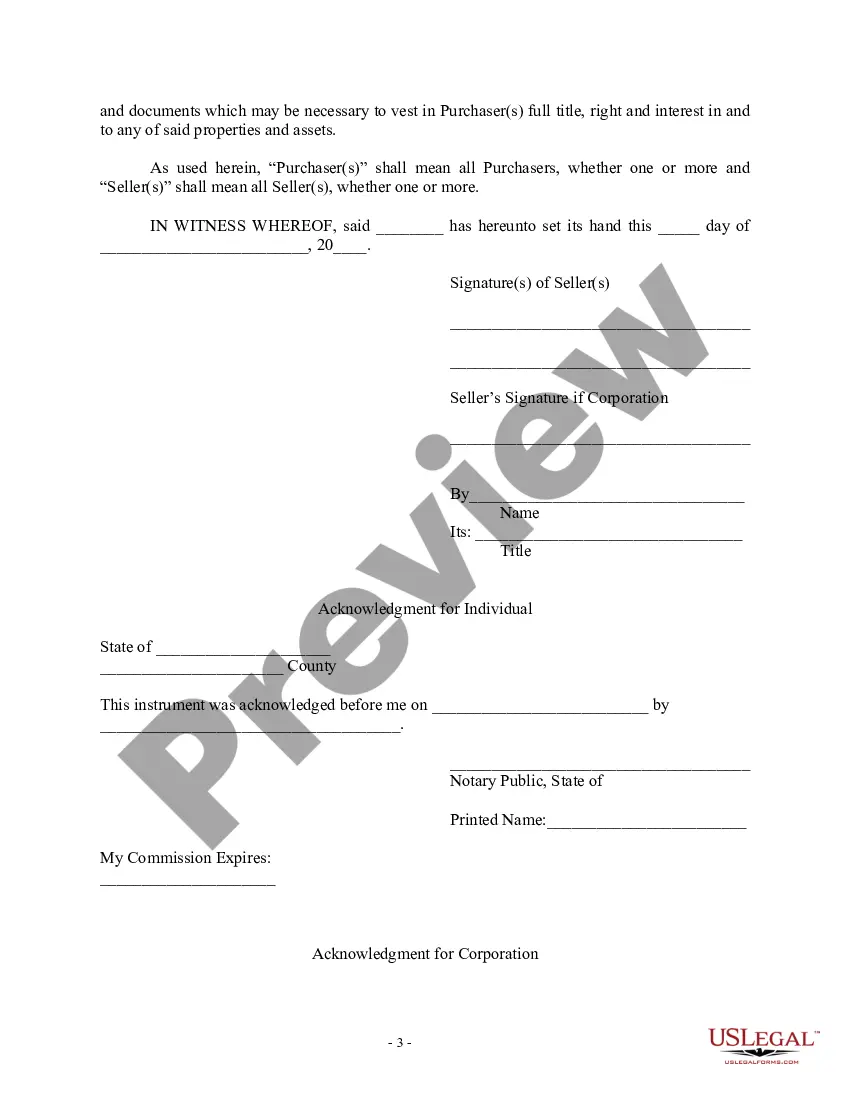
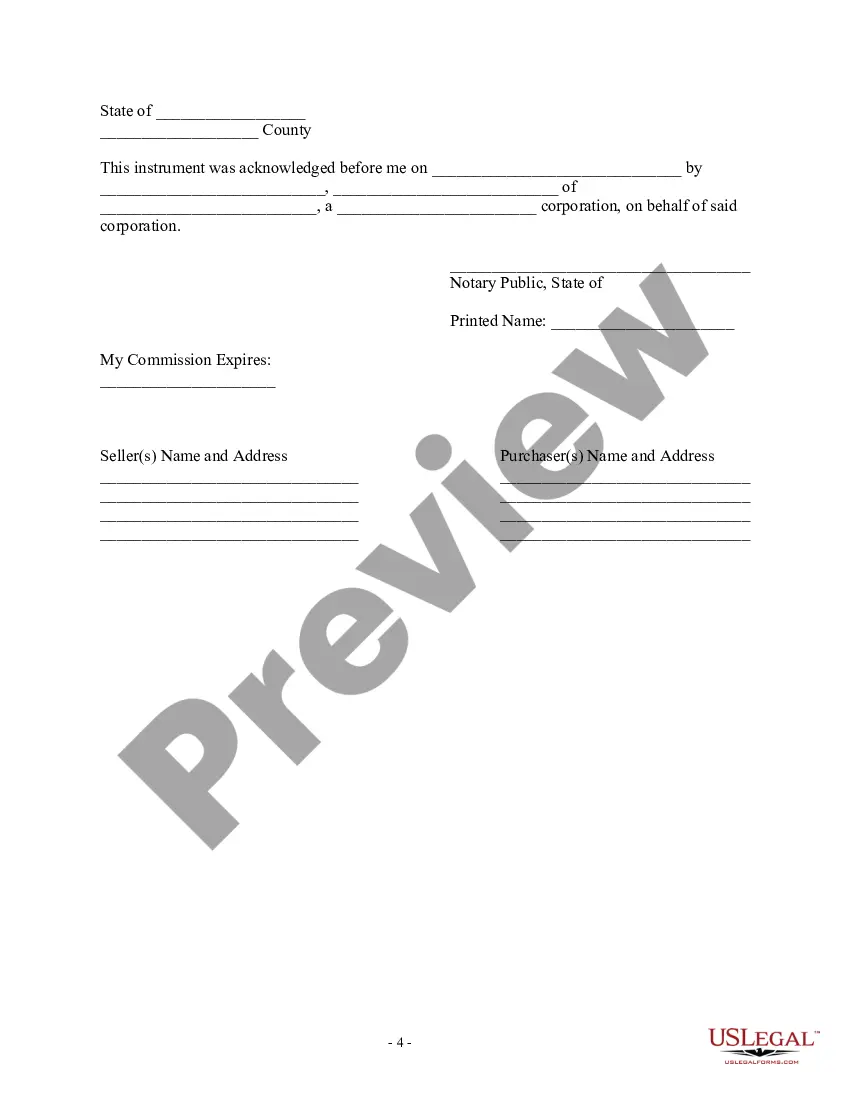
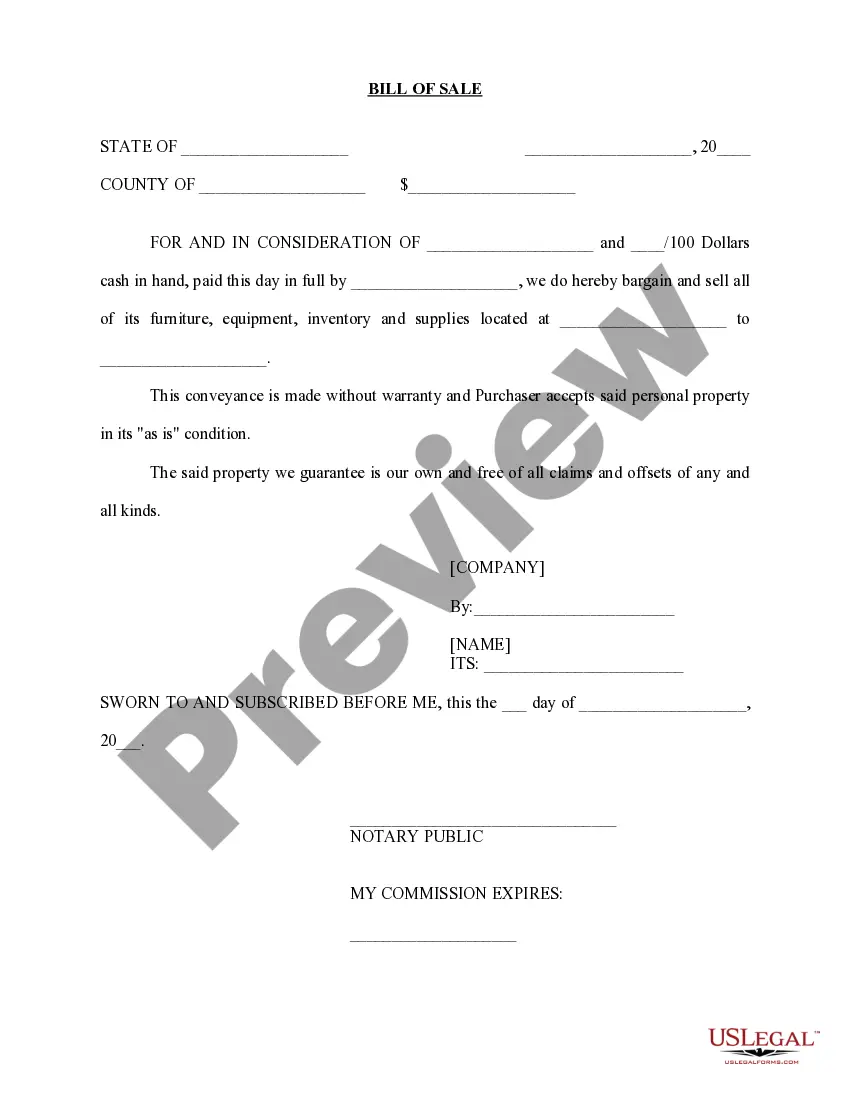
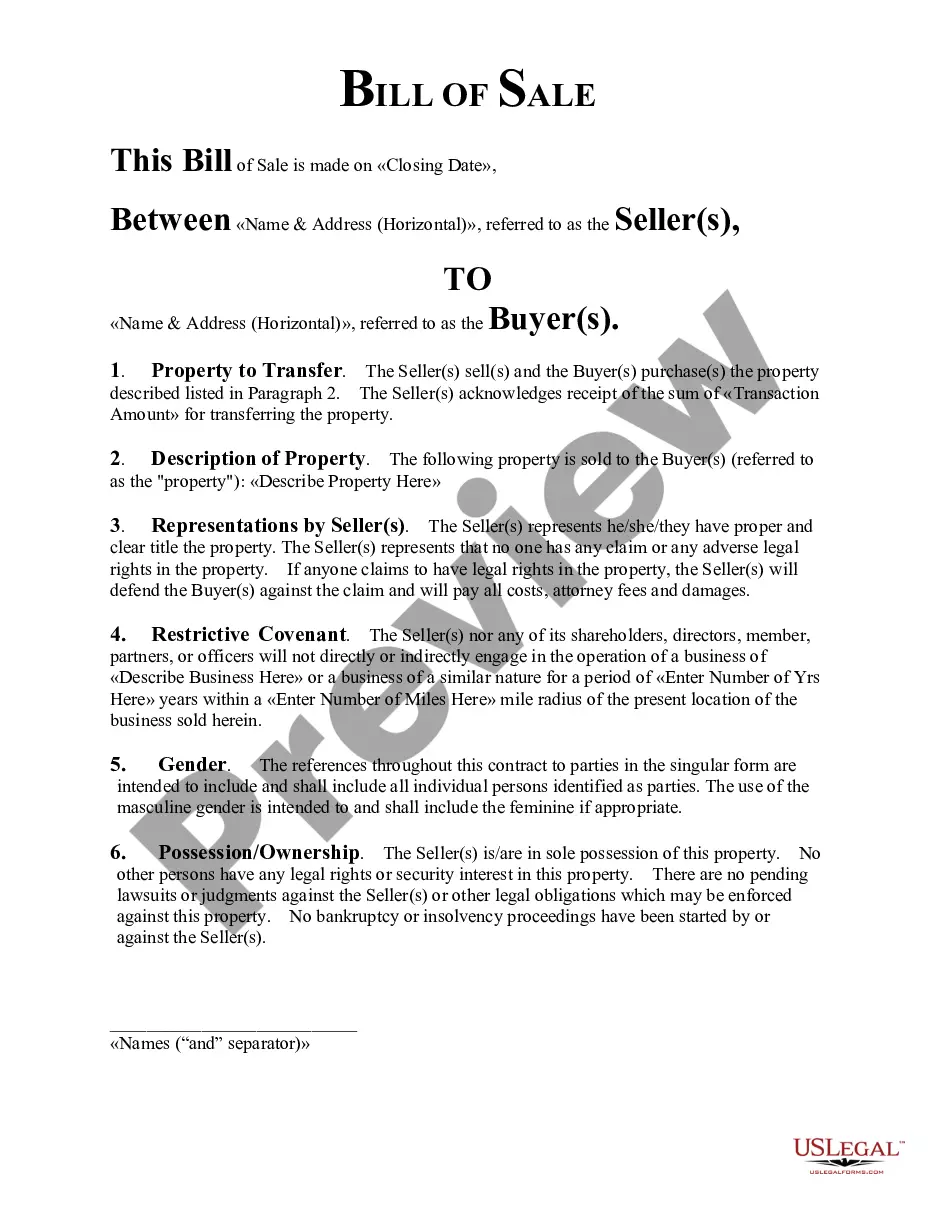
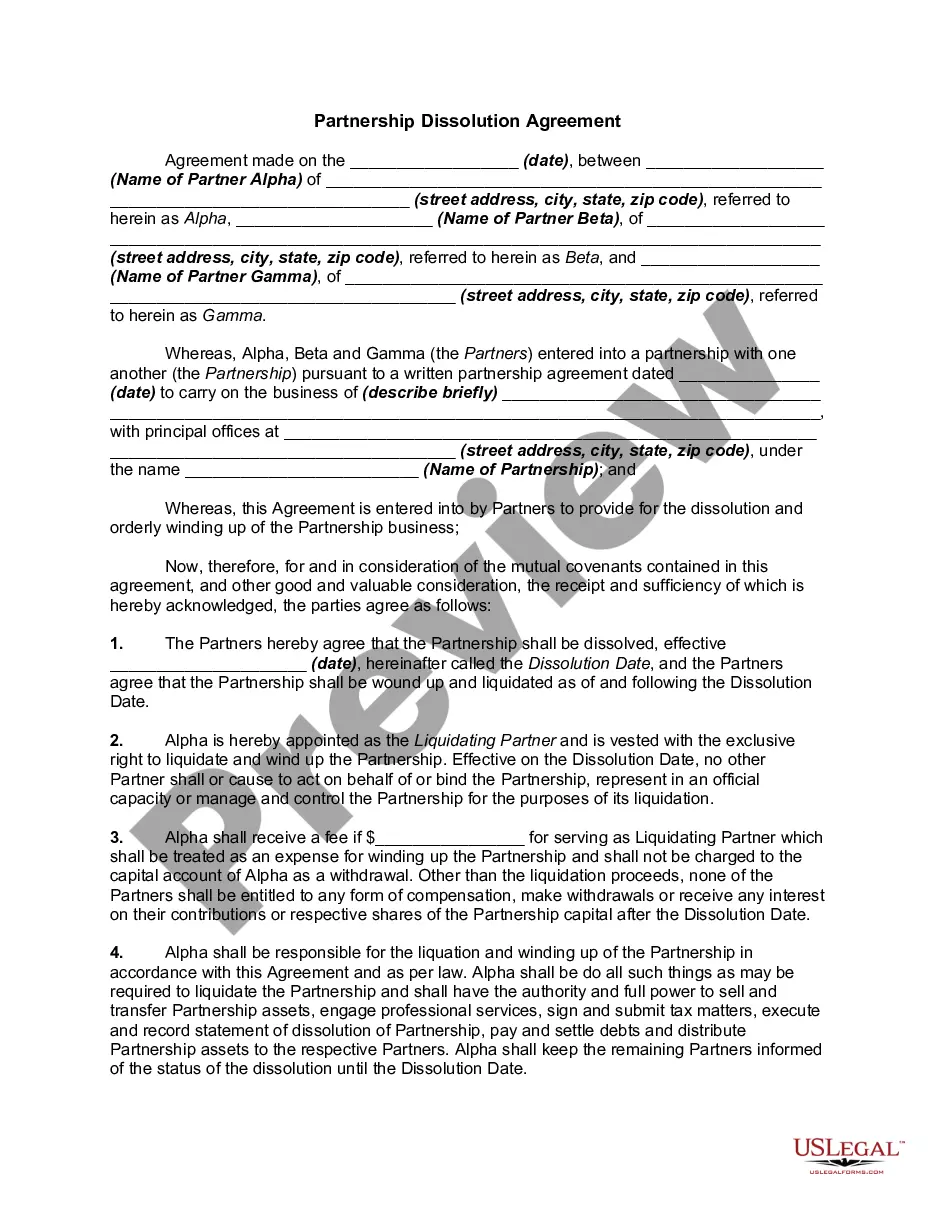
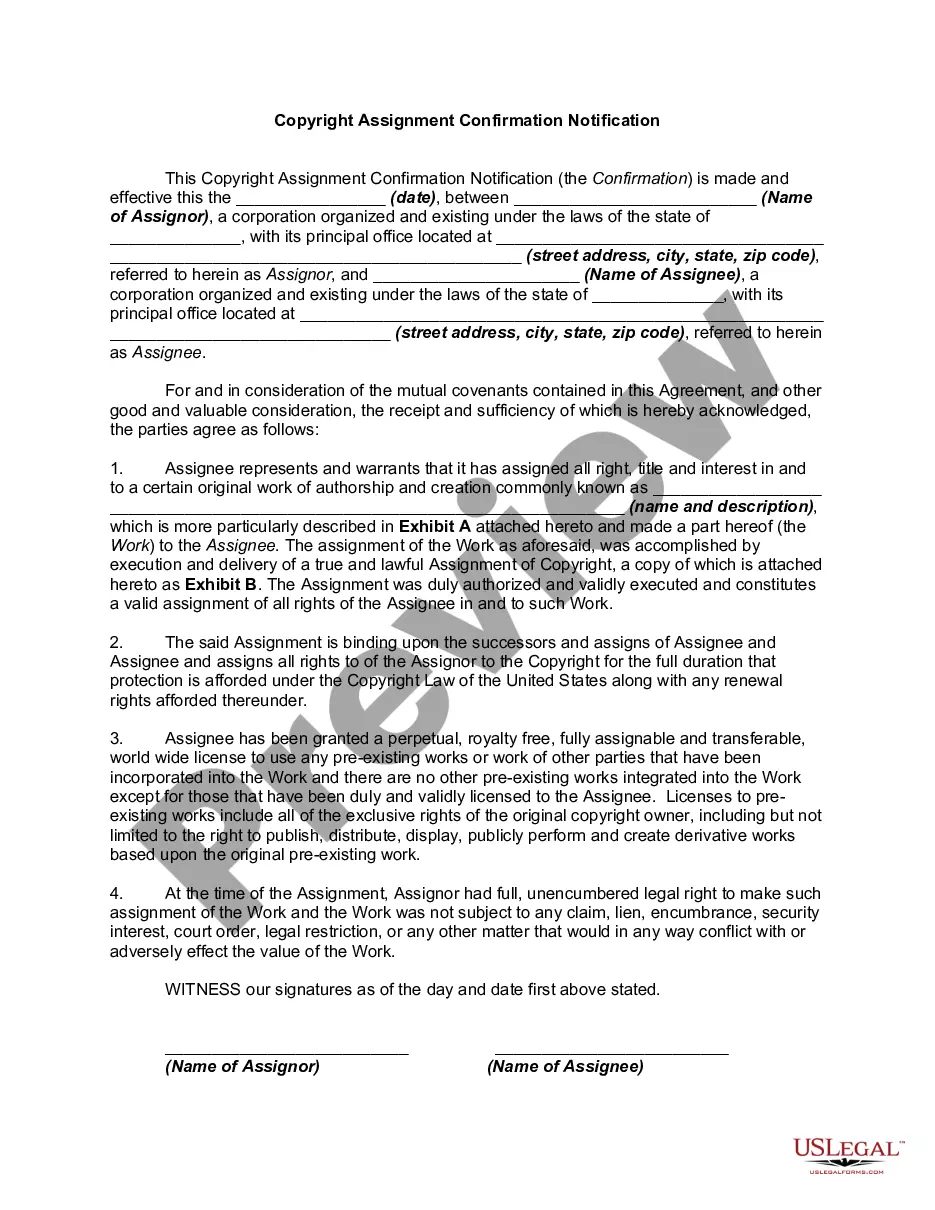
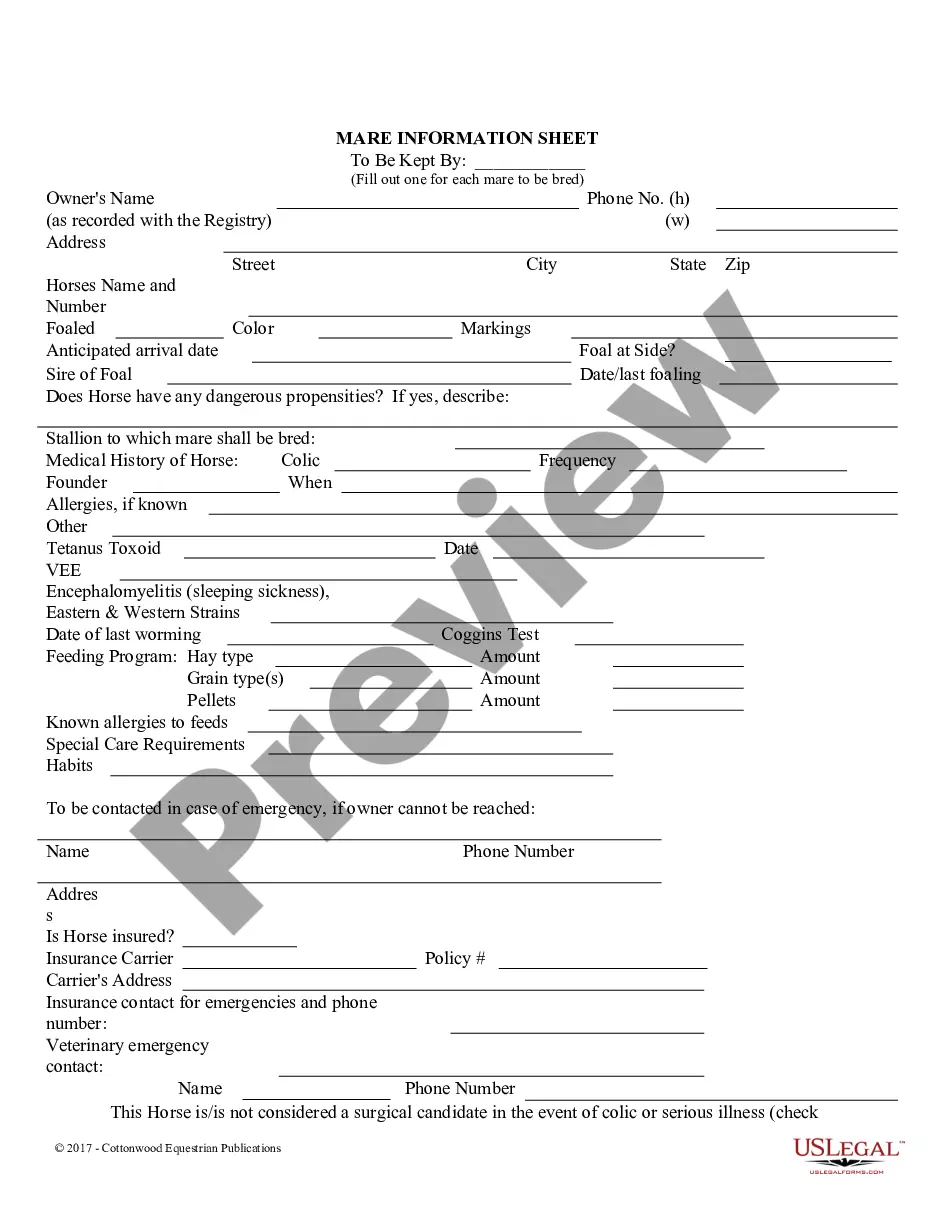
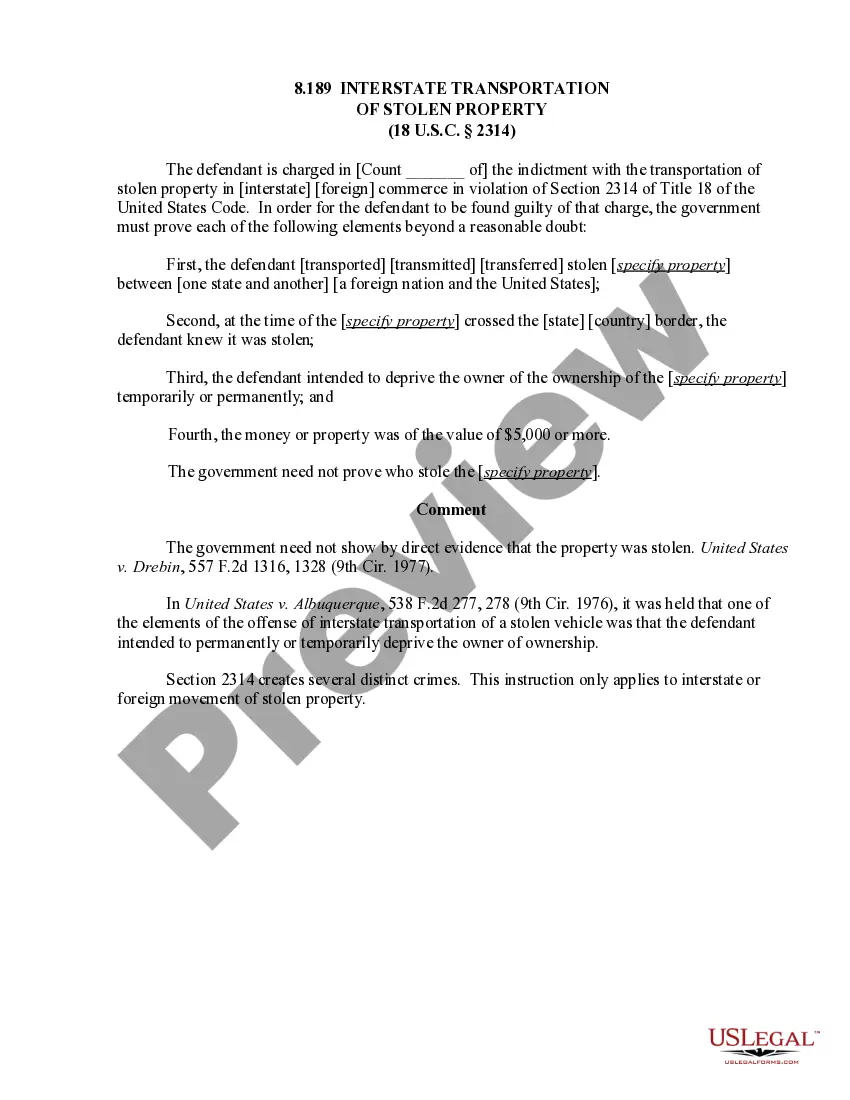
How to fill out Texas Bill Of Sale In Connection With Sale Of Business By Individual Or Corporate Seller?
Get access to high quality Texas Bill of Sale in Connection with Sale of Business by Individual or Corporate Seller templates online with US Legal Forms. Prevent hours of misused time browsing the internet and dropped money on forms that aren’t updated. US Legal Forms gives you a solution to just that. Find around 85,000 state-specific legal and tax samples you can download and fill out in clicks within the Forms library.
To find the sample, log in to your account and click Download. The file is going to be stored in two places: on the device and in the My Forms folder.
For those who don’t have a subscription yet, have a look at our how-guide below to make getting started simpler:
- Check if the Texas Bill of Sale in Connection with Sale of Business by Individual or Corporate Seller you’re looking at is appropriate for your state.
- See the sample utilizing the Preview function and read its description.
- Go to the subscription page by clicking Buy Now.
- Choose the subscription plan to keep on to register.
- Pay out by credit card or PayPal to finish making an account.
- Pick a favored format to download the file (.pdf or .docx).
You can now open up the Texas Bill of Sale in Connection with Sale of Business by Individual or Corporate Seller sample and fill it out online or print it and get it done yourself. Take into account giving the papers to your legal counsel to be certain all things are filled out properly. If you make a mistake, print and complete application once again (once you’ve registered an account every document you save is reusable). Create your US Legal Forms account now and get more templates.
Form popularity
FAQ
Though standard form bill of sales are available online and from your local county tax collector's office, it's also perfectly acceptable to write your own.
You should not sign anything before you get your money. If the buyer says the buyer would be back later with your money and you sign the title over to the buyer, you likely will never see your money...
Both the buyer and seller should receive copies of the bill of sale form. It's important for the buyer to keep the bill of sale with the title of the vehicle for registration and licensing purposes, if necessary. However, all parties should keep them for their own personal records.
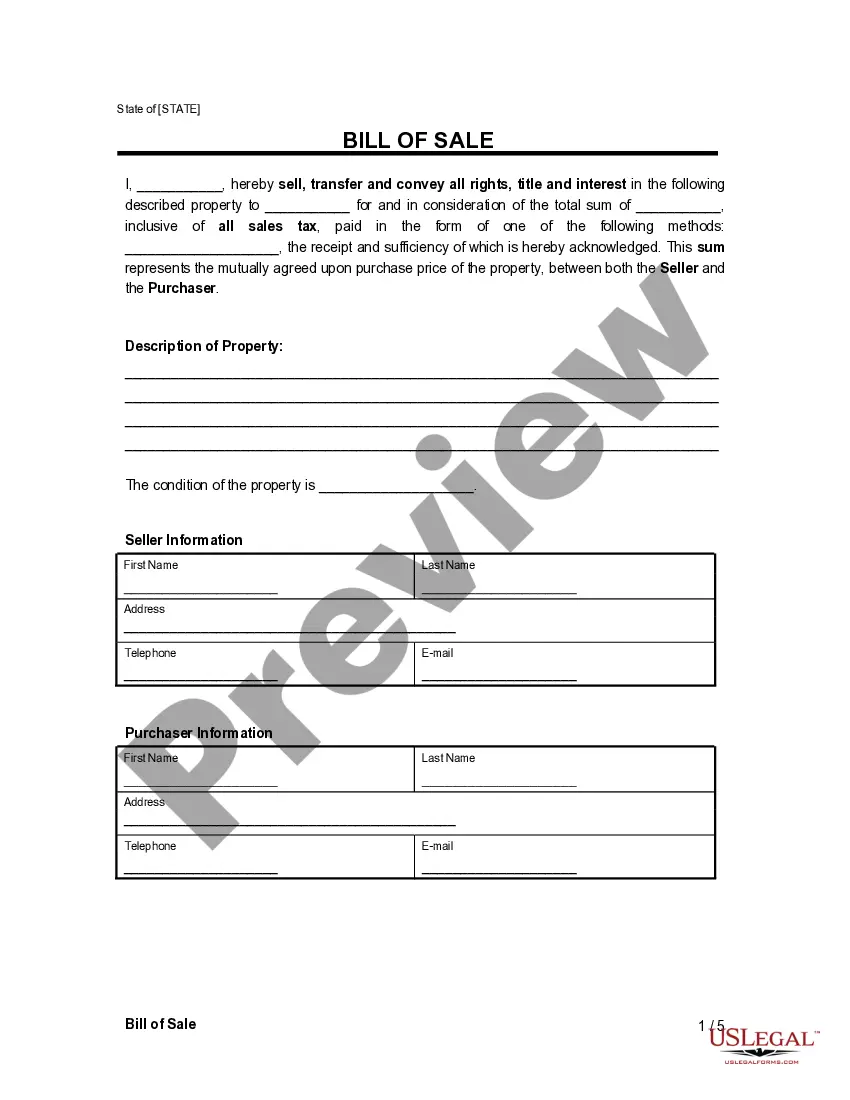
A Texas Bill of Sale is legal proof that documents the sale of an item between private person or between a business and an individual. It contains information such as a description of the property being sold, the name of the buyer, the name of the seller, and the amount that was exchanged for the sale.
For example, many states require that a vehicle bill of sale include an odometer reading; some states require it to be notarized. Both parties can sign a bill of sale but, in many instances, only the seller needs to sign it. Things can get complicated when a bill of sale is provided as security for a loan.
A bill of sale is a legal document that records the transfer of ownership of an asset to a second party in exchange for money.It protects both the buyer and the seller, should disagreements arise in the future.
Generally, a bill of sale does not have to be recorded but may be required as proof of ownership. Who must sign a bill of sale? The owners of the property being sold must sign. If the property is owned jointly, both owners must generally sign.
Even though it is not a legal requirement in Texas, you have every reason to complete a bill of sale when selling your car.A bill of sale provides solid proof that a transfer was made, and therefore all liability now rests with the new owner. It also acts as a receipt for your own personal records.
In simple terms, a bill of sale agreement is nothing more than a contract for the purchase of a vehicle between a buyer and a seller.In most cases, the contract is legally binding between buyer and seller as long as the bill of sale follows guidelines required in the state where the sale or transfer takes place.