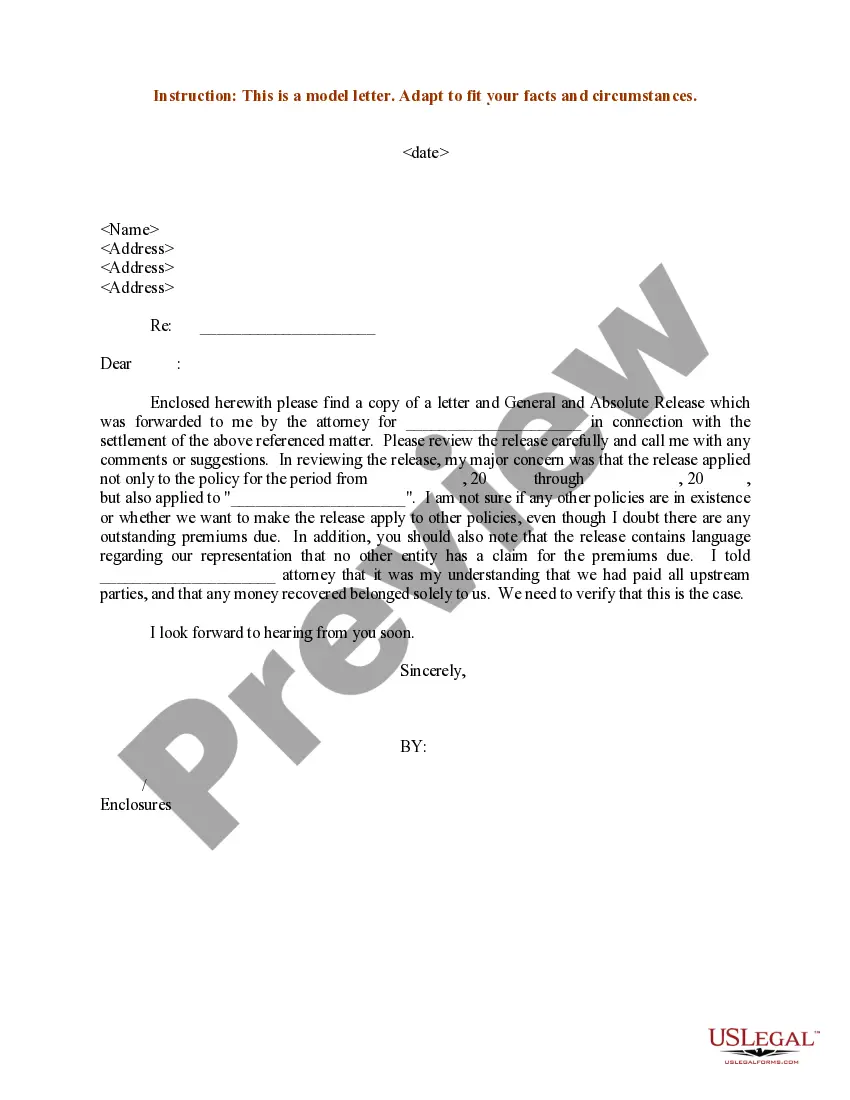
Tennessee General Nondisclosure Agreement
Description
Get your form ready online
Our built-in tools help you complete, sign, share, and store your documents in one place.
Make edits, fill in missing information, and update formatting in US Legal Forms—just like you would in MS Word.
Download a copy, print it, send it by email, or mail it via USPS—whatever works best for your next step.
Sign and collect signatures with our SignNow integration. Send to multiple recipients, set reminders, and more. Go Premium to unlock E-Sign.
If this form requires notarization, complete it online through a secure video call—no need to meet a notary in person or wait for an appointment.
We protect your documents and personal data by following strict security and privacy standards.

Make edits, fill in missing information, and update formatting in US Legal Forms—just like you would in MS Word.

Download a copy, print it, send it by email, or mail it via USPS—whatever works best for your next step.

Sign and collect signatures with our SignNow integration. Send to multiple recipients, set reminders, and more. Go Premium to unlock E-Sign.

If this form requires notarization, complete it online through a secure video call—no need to meet a notary in person or wait for an appointment.

We protect your documents and personal data by following strict security and privacy standards.
Looking for another form?

How to fill out General Nondisclosure Agreement?
Are you presently in a circumstance where you frequently require documentation for various organizational or personal reasons almost every workday.
There are numerous legitimate template options accessible online, but finding reliable versions is not simple.
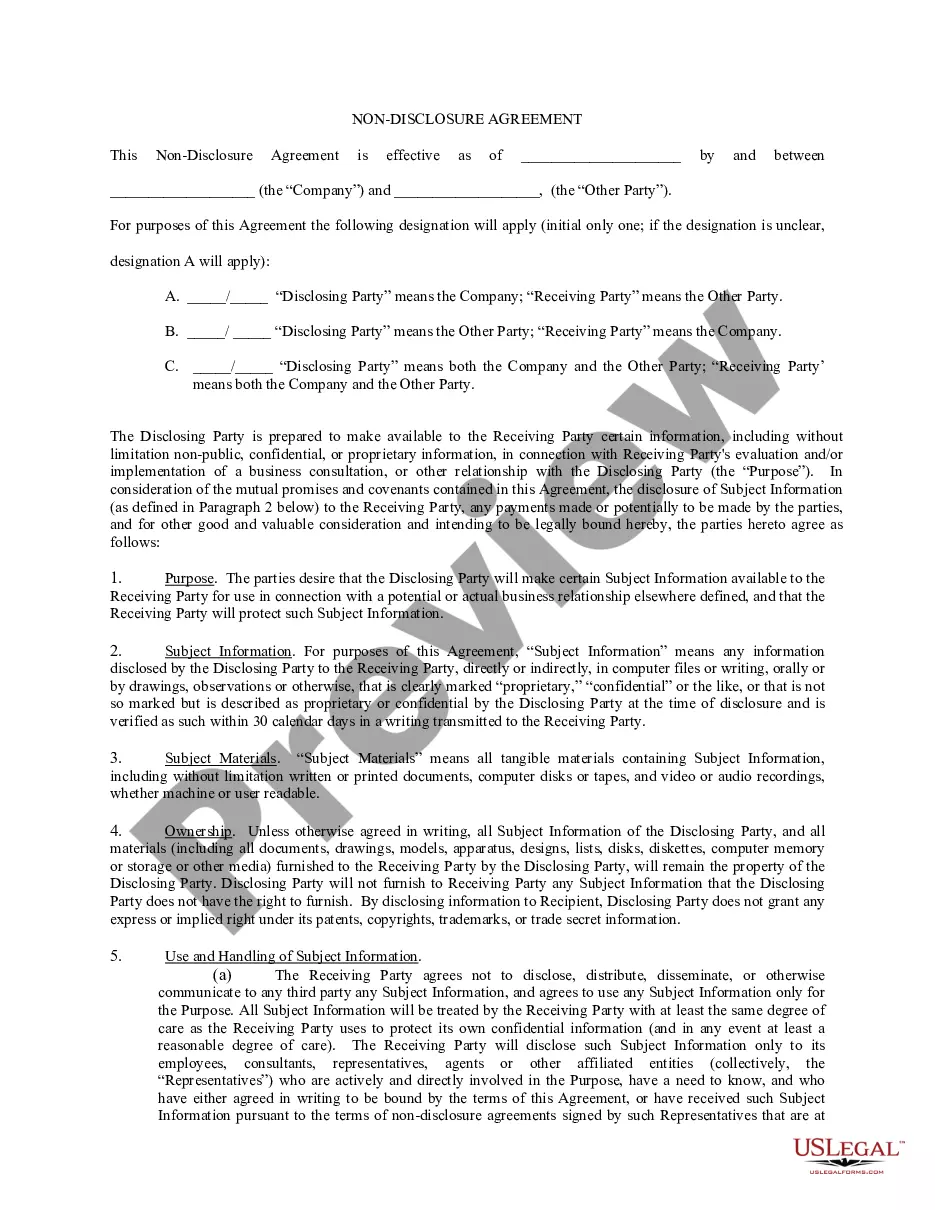
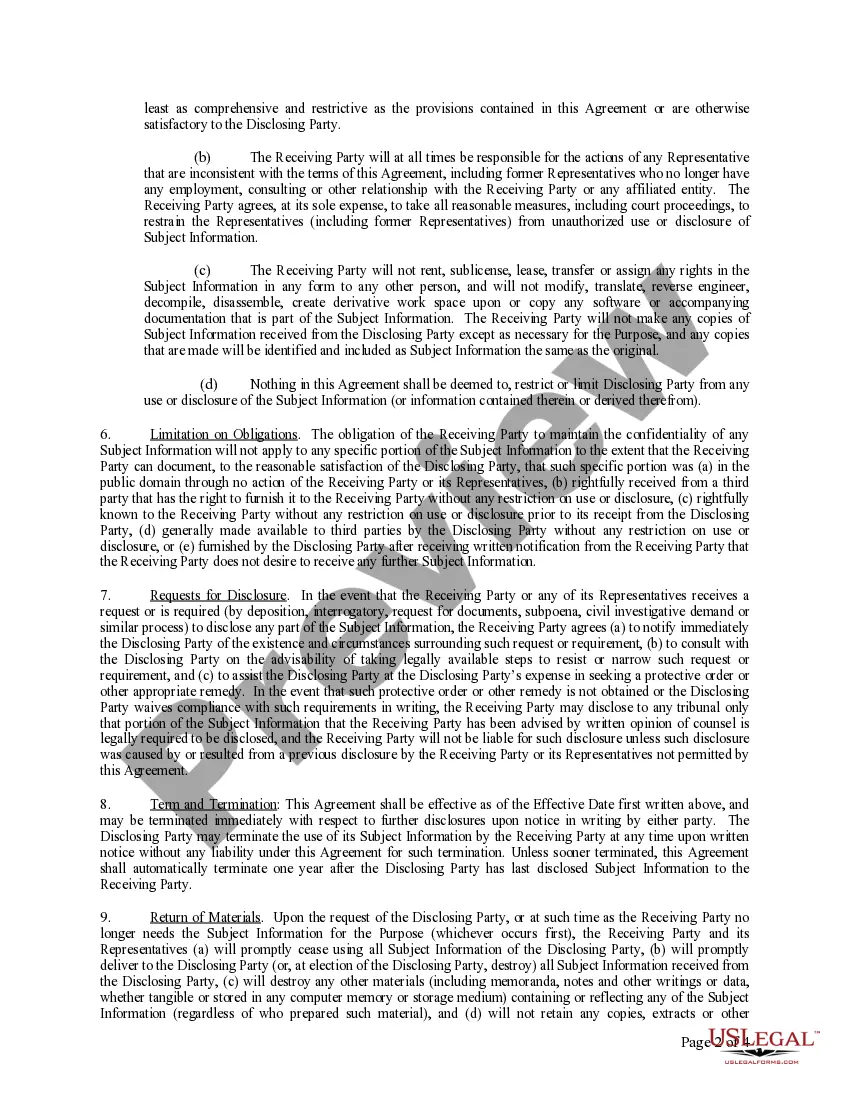
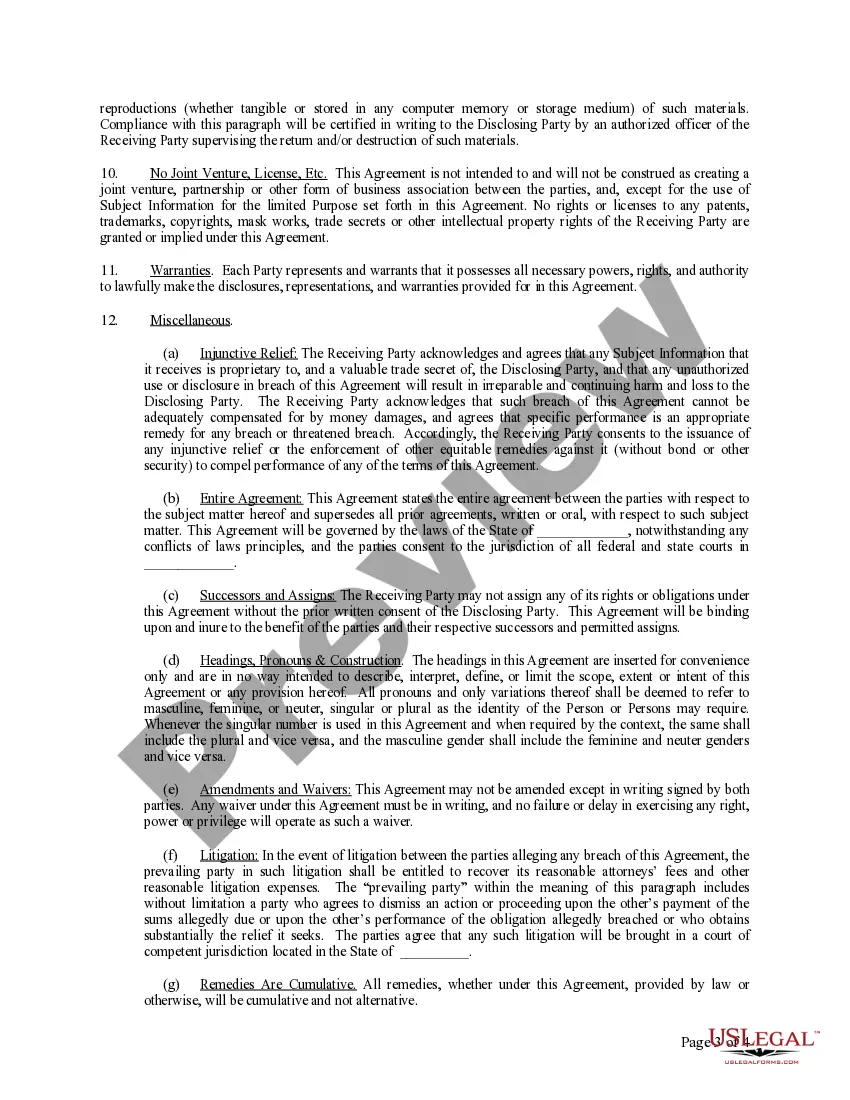
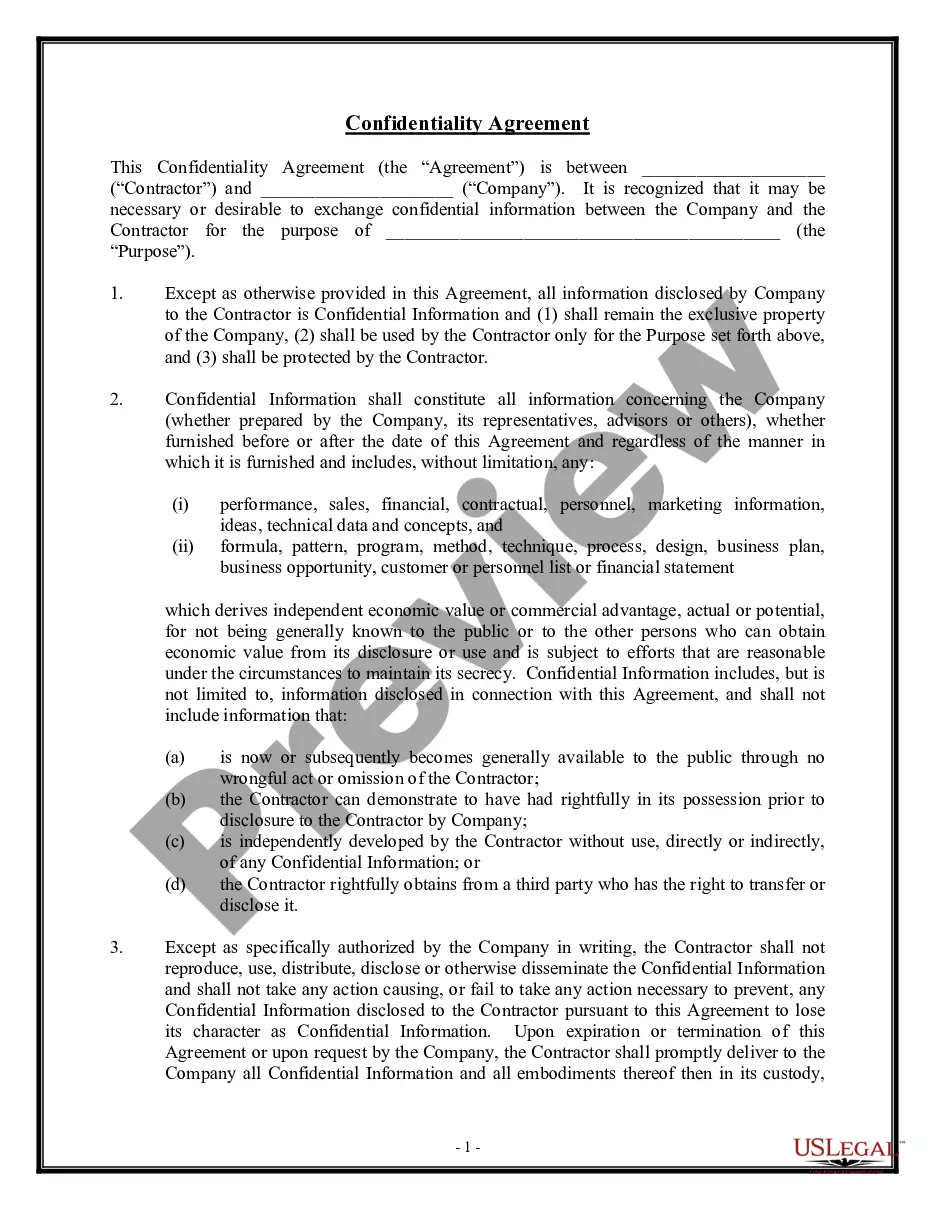
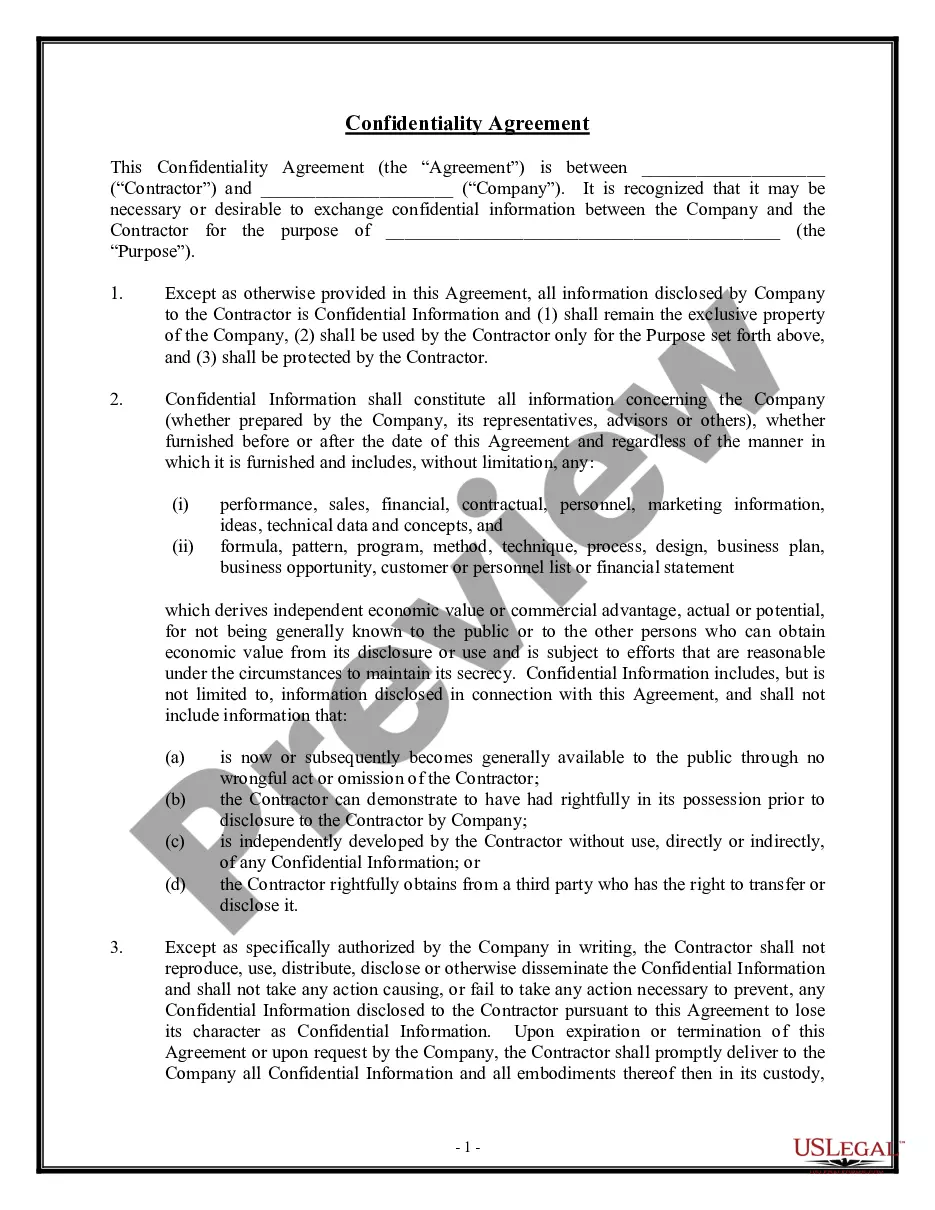
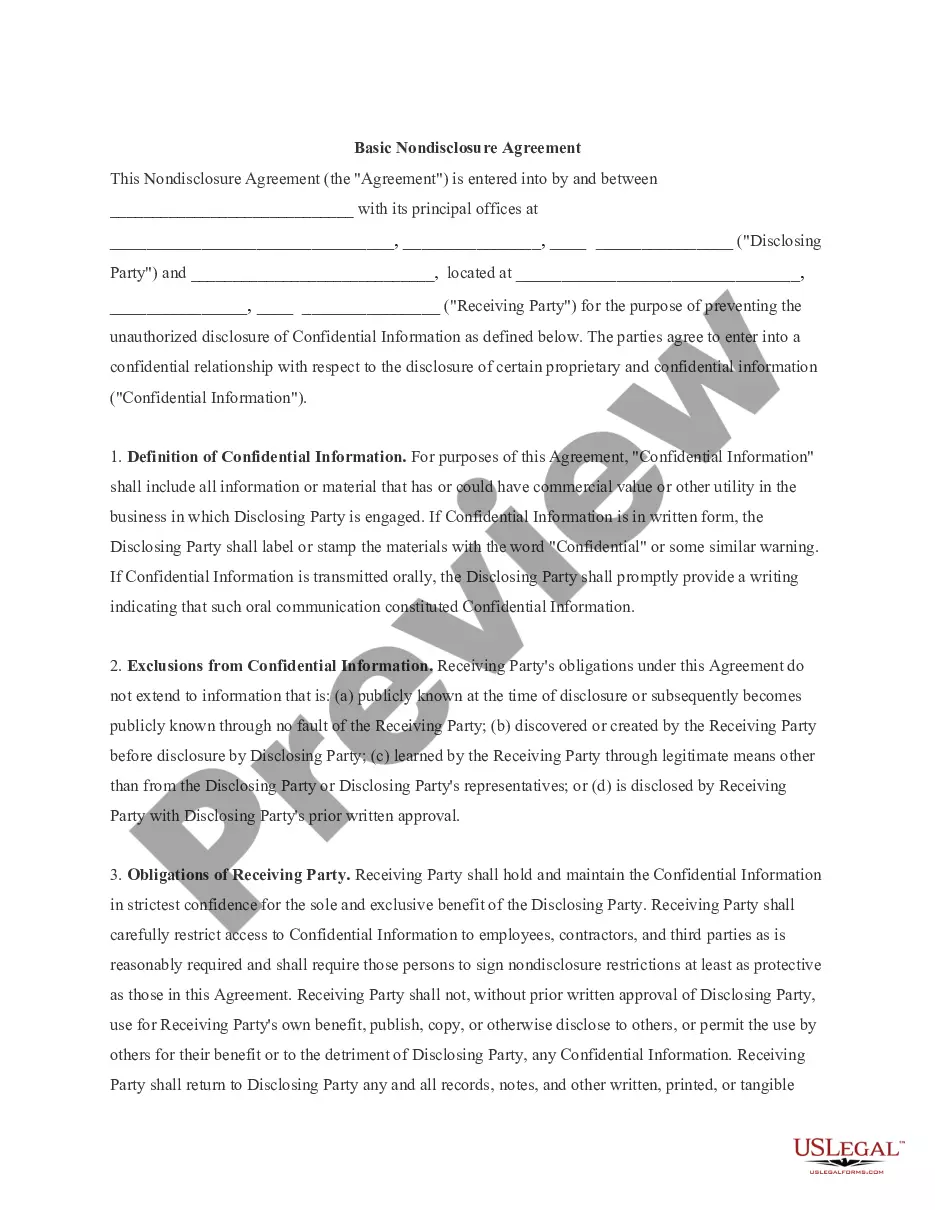
US Legal Forms offers a vast selection of document templates, like the Tennessee General Nondisclosure Agreement, designed to comply with state and federal regulations.
Once you find the correct form, click on Acquire now.
Select the payment plan you prefer, complete the necessary information to process your payment, and pay for your order using PayPal or credit card.
- If you are already familiar with the US Legal Forms website and possess an account, simply Log In.
- After that, you can download the Tennessee General Nondisclosure Agreement template.
- If you do not have an account and wish to start using US Legal Forms, follow these steps.
- Obtain the form you require, ensuring it matches the appropriate city/state.
- Use the Review button to evaluate the document.
- Examine the information to confirm that you have selected the right document.
- If the form does not meet your expectations, utilize the Lookup field to find the form that satisfies your requirements.
Form popularity
FAQ
Typical exceptions to the definition of confidential information include (i) information publicly known or in the public domain prior to the time of disclosure, (ii) information publicly known and made generally available after disclosure through no action or inaction of the recipient, (ii) information already in the
How to Write a Non-Disclosure AgreementStep 1 - Describe the scope. Which information is considered confidential?Step 2 - Detail party obligations. What should the party that receives the information do to keep it confidential?Step 3 - Note potential exclusions.Step 4 - Set the term.Step 5 - Spell out consequences.
An NDA creates a confidential relationship between the parties, typically to protect any type of confidential and proprietary information or trade secrets. As such, an NDA protects non-public business information. Like all contracts, they cannot be enforced if the contracted activities are illegal.
NDAs, or non-disclosure agreements, are legally enforceable contracts that create a confidential relationship between a person who has sensitive information and a person who will gain access to that information. A confidential relationship means one or both parties has a duty not to share that information.
To create a legally-binding non-disclosure contract, you must use specific language when defining confidential information, parties, and scope. Broad language that can be interpreted many ways may not hold up in a legal dispute.
The most common areas where non-disclosure agreements are determined to be unenforceable are where they are not limited in duration, or scope. Illegality: Courts will refuse to enforce a contract where the underlying purpose is against the law.
Violating an NDA can have serious consequences NDAs are legally binding contracts. If an employee has violated an NDA, then the company may take legal action. The most common claims in NDA lawsuits include: Breach of the contract (such as the breach of NDA)
Key elements of Non-disclosure AgreementIdentification of the parties that are signing the agreement. A precise definition of what is considered confidential under the agreement. The clear reason as to why the information is shared and for what purpose.
The Key Elements of Non-Disclosure AgreementsIdentification of the parties.Definition of what is deemed to be confidential.The scope of the confidentiality obligation by the receiving party.The exclusions from confidential treatment.The term of the agreement.
Non-disclosure agreements are used when the obligation to keep information secret is unilateral, while confidentiality agreements are used when multiple parties have to keep the multilateral exchange of secrets confidential.