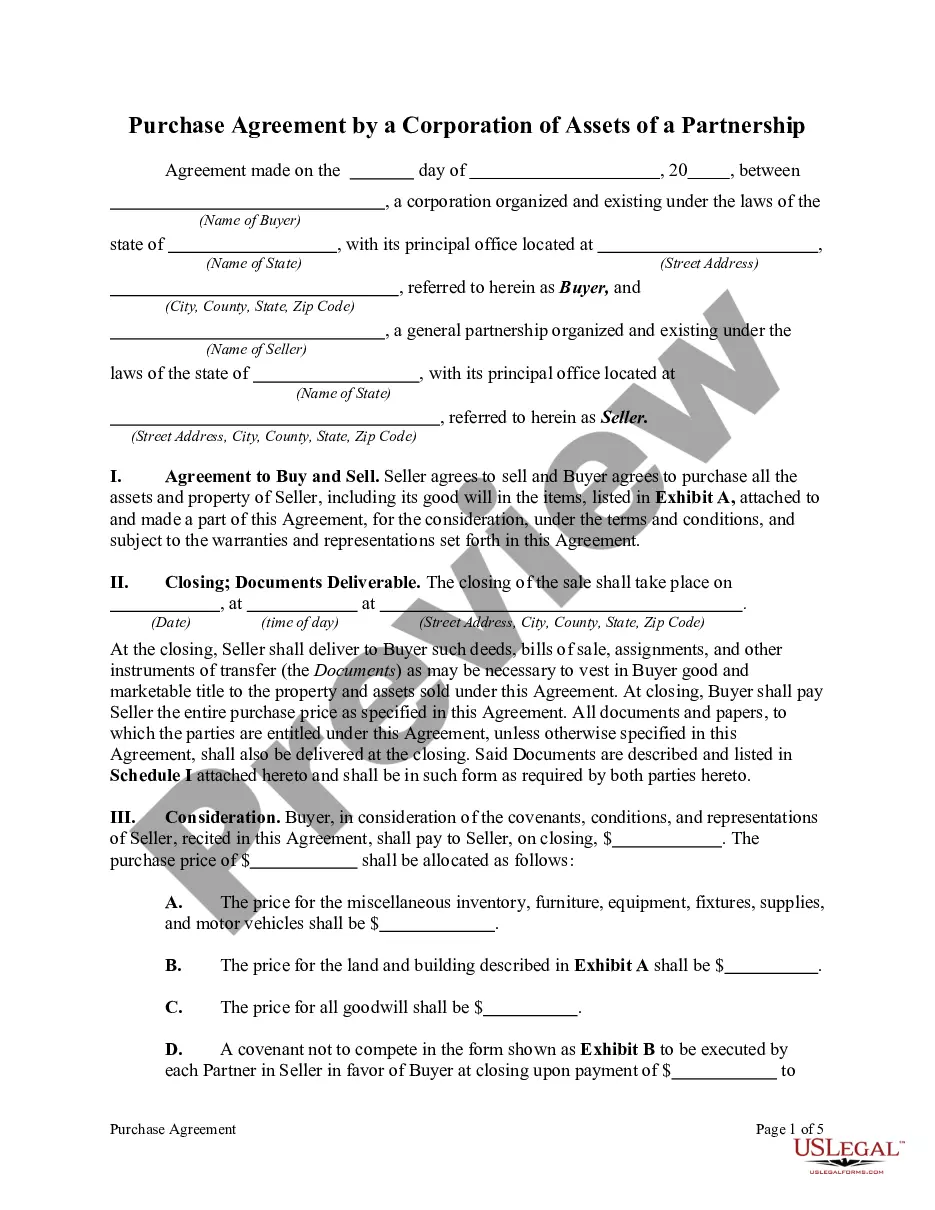
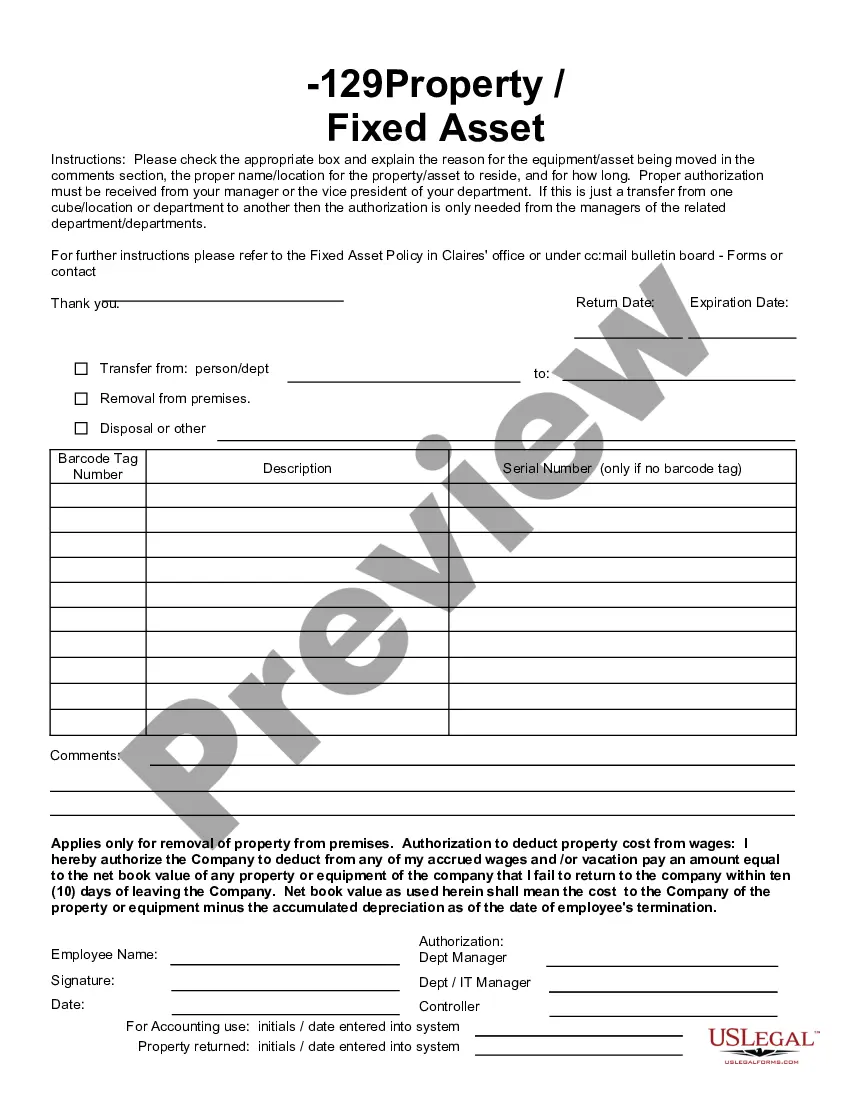
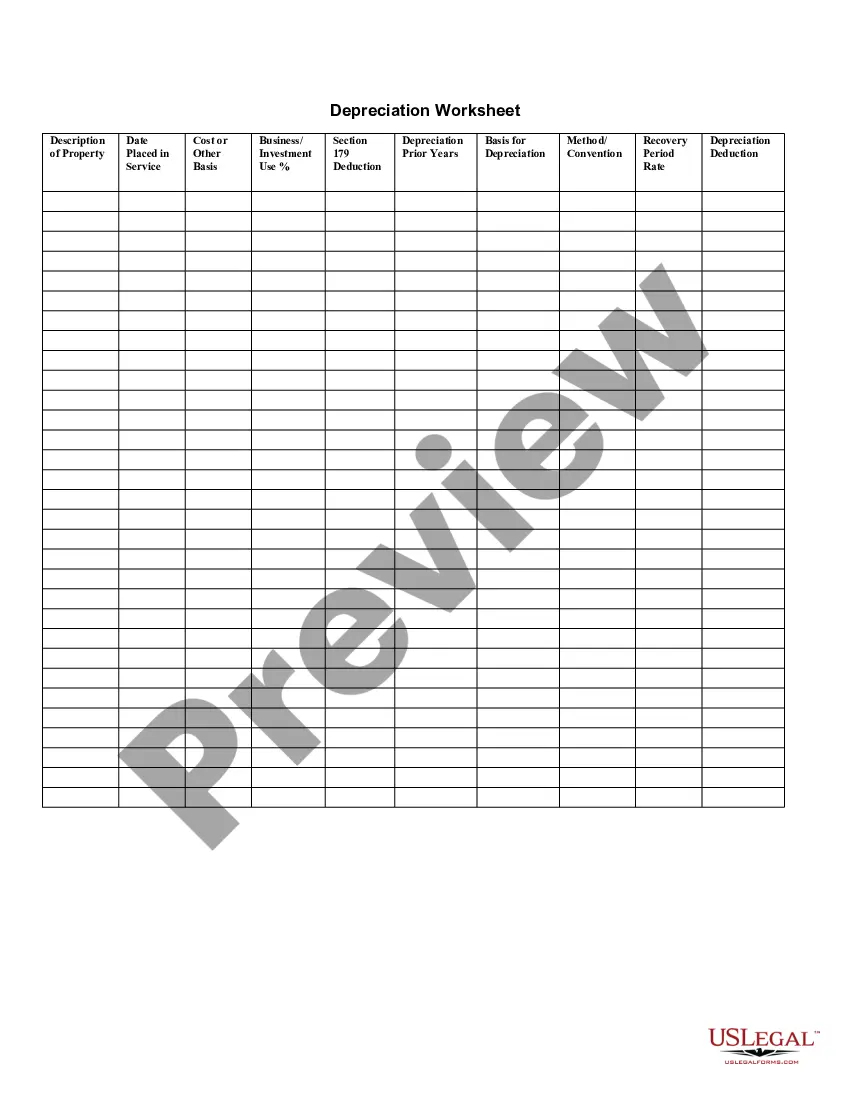
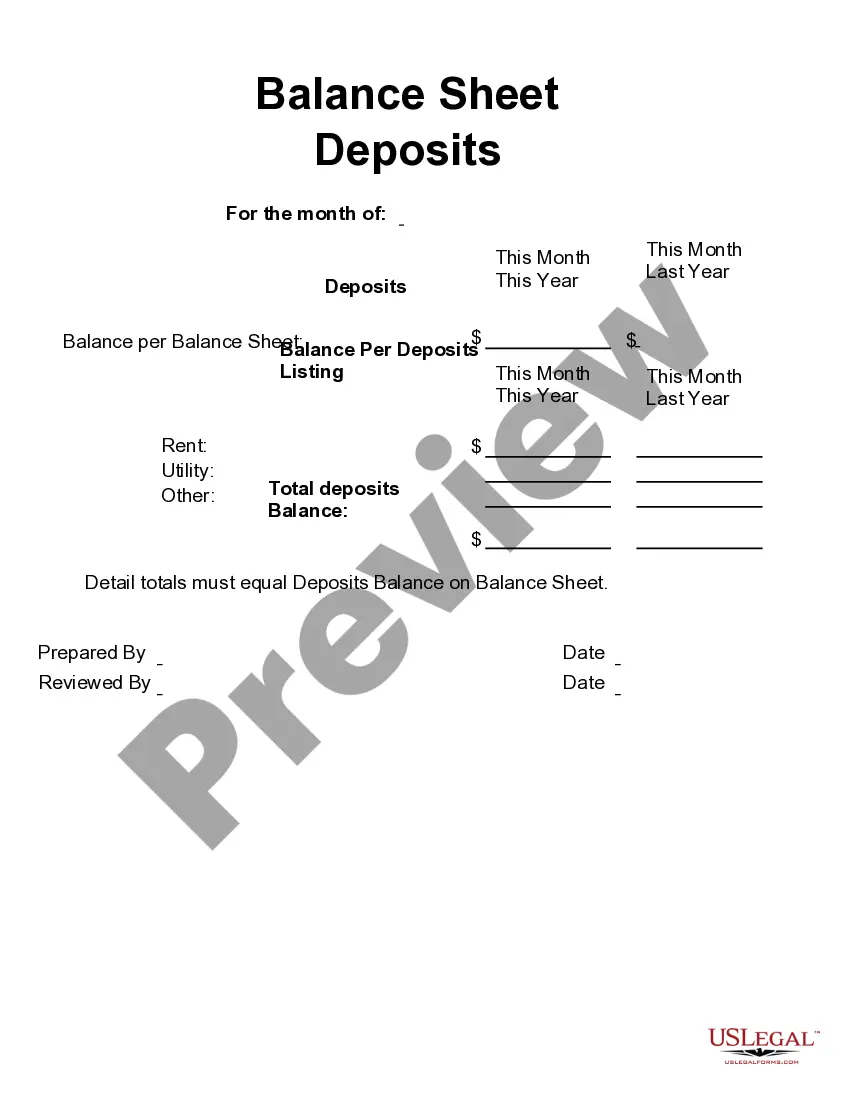
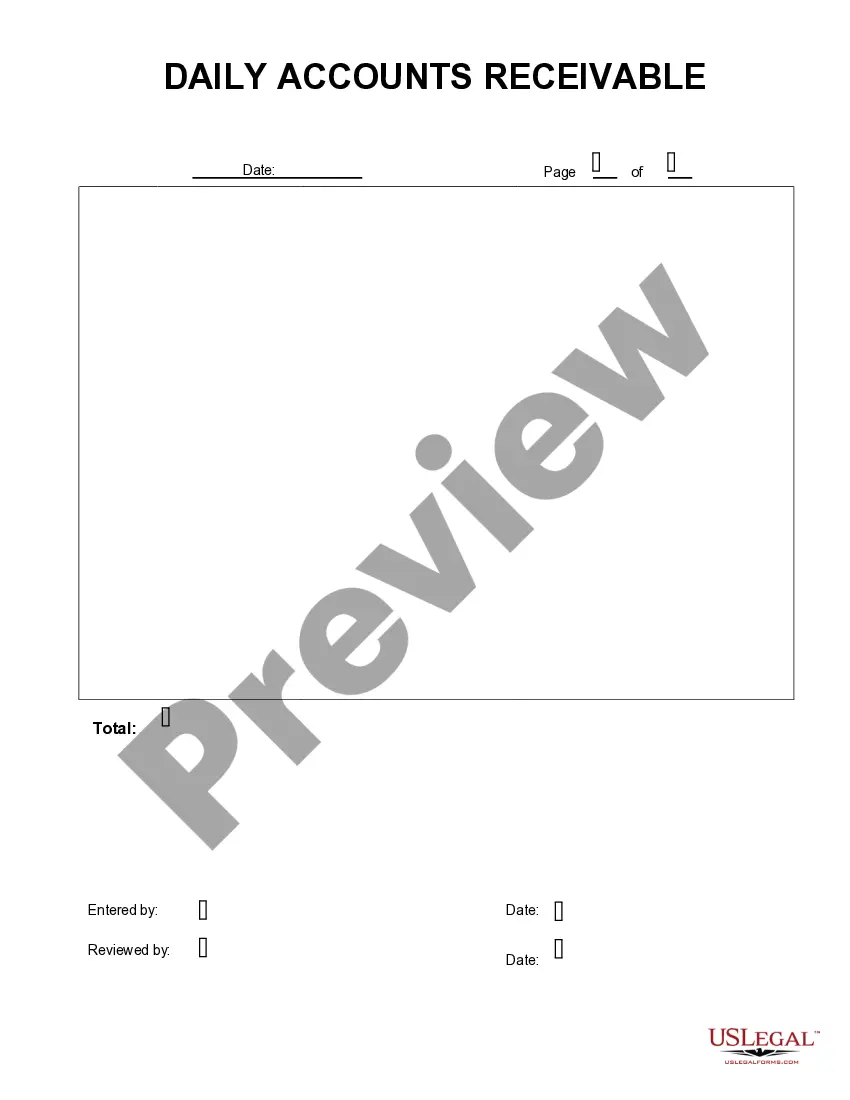
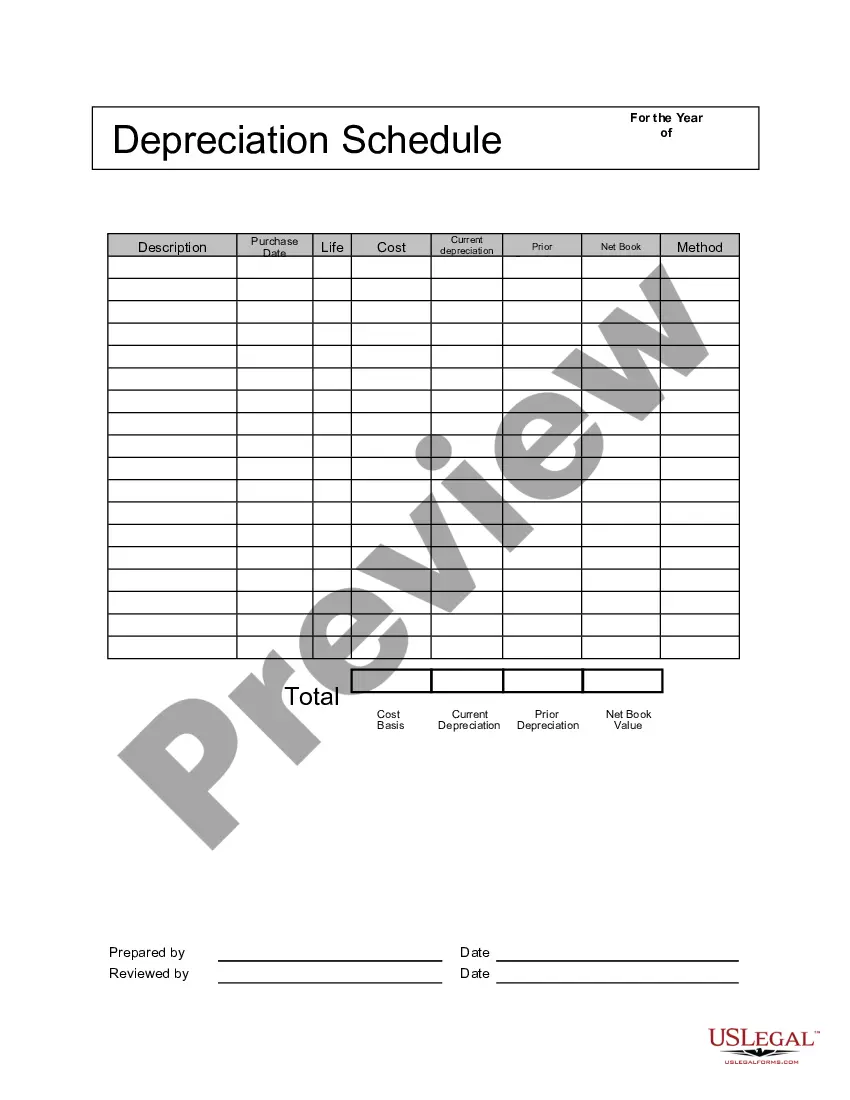
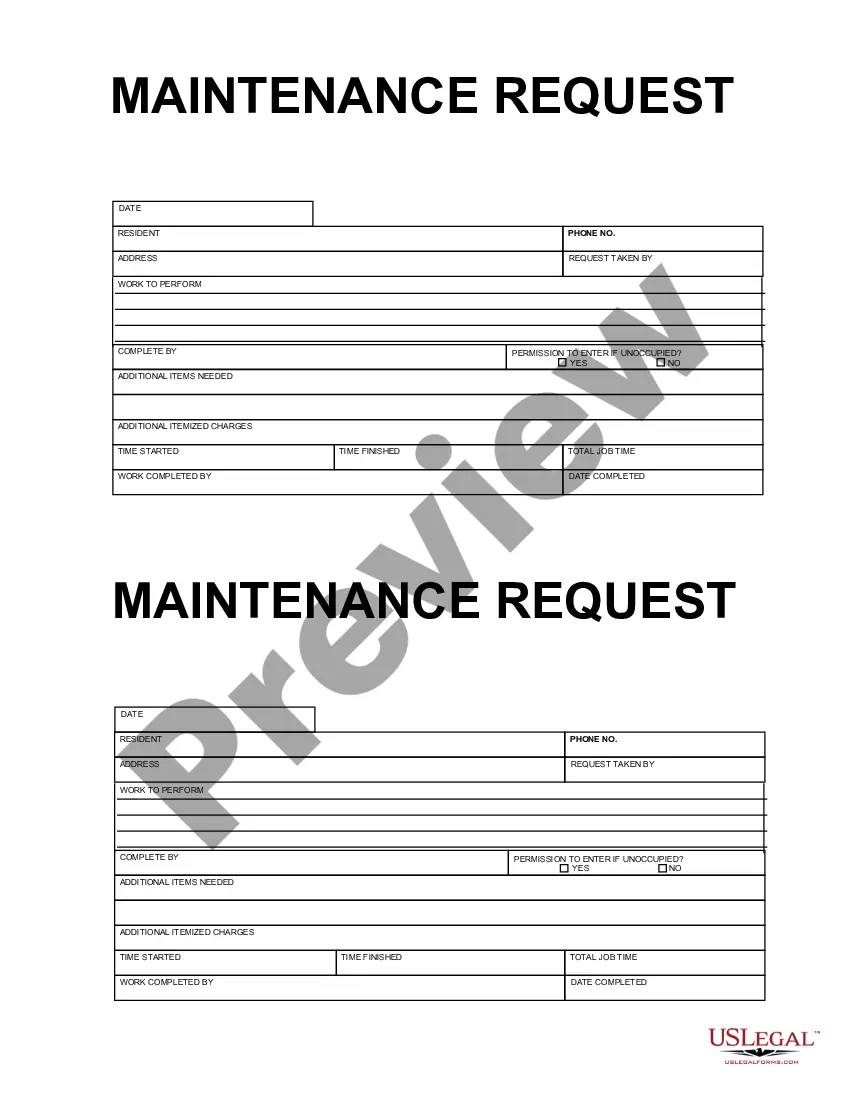
This form is a business type form that is formatted to allow you to complete the form using Adobe Acrobat or Word. The word files have been formatted to allow completion by entry into fields. Some of the forms under this category are rather simple while others are more complex. The formatting is worth the small cost.
Tennessee Fixed Asset Removal Form
Category:
State:
Multi-State
Control #:
US-142-AZ
Format:
Word;
PDF;
Rich Text
Instant download
Description
Get your form ready online
Our built-in tools help you complete, sign, share, and store your documents in one place.
Built-in online Word editor
Make edits, fill in missing information, and update formatting in US Legal Forms—just like you would in MS Word.
Export easily
Download a copy, print it, send it by email, or mail it via USPS—whatever works best for your next step.
E-sign your document
Sign and collect signatures with our SignNow integration. Send to multiple recipients, set reminders, and more. Go Premium to unlock E-Sign.
Notarize online 24/7
If this form requires notarization, complete it online through a secure video call—no need to meet a notary in person or wait for an appointment.
Store your document securely
We protect your documents and personal data by following strict security and privacy standards.

Make edits, fill in missing information, and update formatting in US Legal Forms—just like you would in MS Word.

Download a copy, print it, send it by email, or mail it via USPS—whatever works best for your next step.

Sign and collect signatures with our SignNow integration. Send to multiple recipients, set reminders, and more. Go Premium to unlock E-Sign.

If this form requires notarization, complete it online through a secure video call—no need to meet a notary in person or wait for an appointment.

We protect your documents and personal data by following strict security and privacy standards.
Looking for another form?

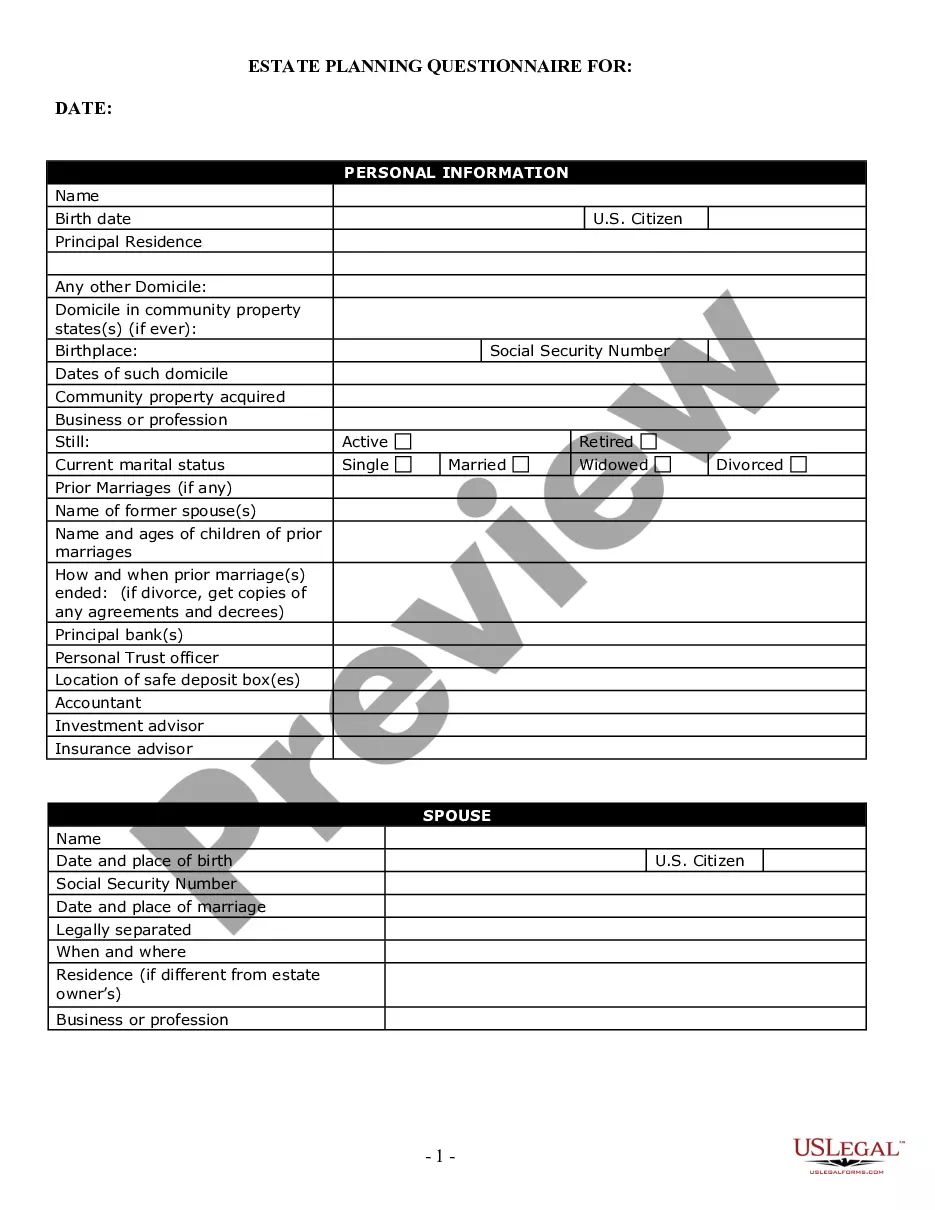




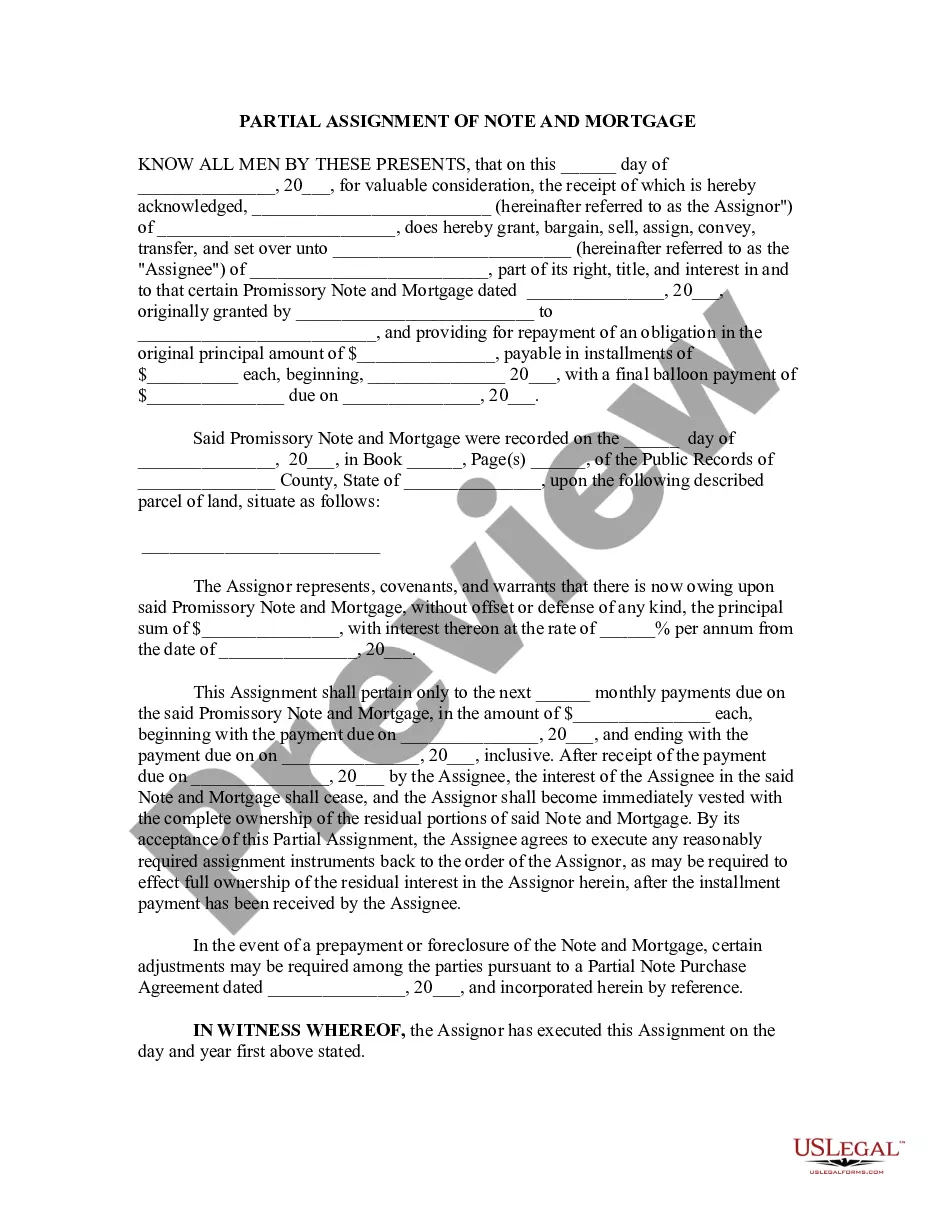
How to fill out Fixed Asset Removal Form?
It is feasible to spend time online trying to locate the authentic document format that meets the state and federal standards you require.
US Legal Forms offers a vast array of valid forms that have been reviewed by experts.
You can easily download or print the Tennessee Fixed Asset Removal Form from my services.
If available, use the Preview button to review the document format as well.
- If you already possess a US Legal Forms account, you can sign in and click the Download button.
- Next, you can fill out, modify, print, or sign the Tennessee Fixed Asset Removal Form.
- Every valid document format you purchase is yours indefinitely.
- To obtain another copy of a purchased form, navigate to the My documents tab and click the appropriate button.
- If you are using the US Legal Forms site for the first time, follow the straightforward instructions outlined below.
- First, verify that you have selected the correct document format for the county/area you choose. Refer to the form description to ensure you have selected the correct form.
Form popularity
FAQ
off primarily refers to a business accounting expense reported to account for unreceived payments or losses on assets. Three common scenarios requiring a business writeoff include unpaid bank loans, unpaid receivables, and losses on stored inventory.
The entry to remove the asset and its contra account off the balance sheet involves decreasing (crediting) the asset's account by its cost and decreasing (crediting) the accumulated depreciation account by its account balance.
Thus, a write off is mandated when an account receivable cannot be collected, when inventory is obsolete, when there is no longer any use for a fixed asset, or when an employee leaves the company and is not willing to pay the company back for a pay advance.
Fixed asset write offs should be recorded as soon after the disposal of an asset as possible. Otherwise, the balance sheet will be overburdened with assets and accumulated depreciation that are no longer relevant.
The entry to remove the asset and its contra account off the balance sheet involves decreasing (crediting) the asset's account by its cost and decreasing (crediting) the accumulated depreciation account by its account balance.
Disposal of fixed assets is accounted for by removing cost of the asset and any related accumulated depreciation and accumulated impairment losses from balance sheet, recording receipt of cash and recognizing any resulting gain or loss in income statement.
Scrapping an AssetLook up the initial purchase price of the asset you want to sell.Subtract all depreciation taken against the asset from its initial purchase price.Add the cost of any additions or improvements made to the asset.Contact a waste disposal service to take away your asset.More items...
A fixed asset is written off when it is determined that there is no further use for the asset, or if the asset is sold off or otherwise disposed of.
What is the entry to remove equipment that is sold before it is fully depreciated?Record the depreciation expense right up to the date of the disposal.Remove the equipment's cost and the up-to-date accumulated depreciation, record the cash received, and record the resulting gain or loss.
The disposal of assets involves eliminating assets from the accounting records. This is needed to completely remove all traces of an asset from the balance sheet (known as derecognition). An asset disposal may require the recording of a gain or loss on the transaction in the reporting period when the disposal occurs.