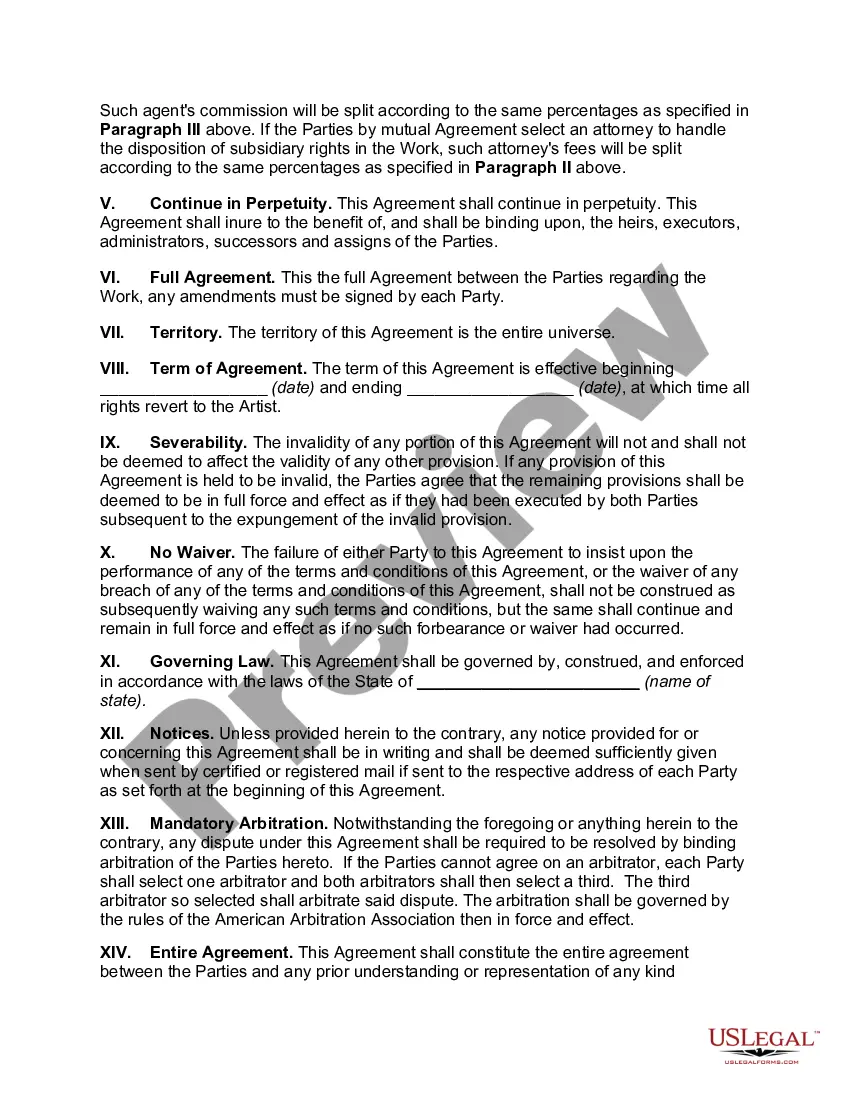
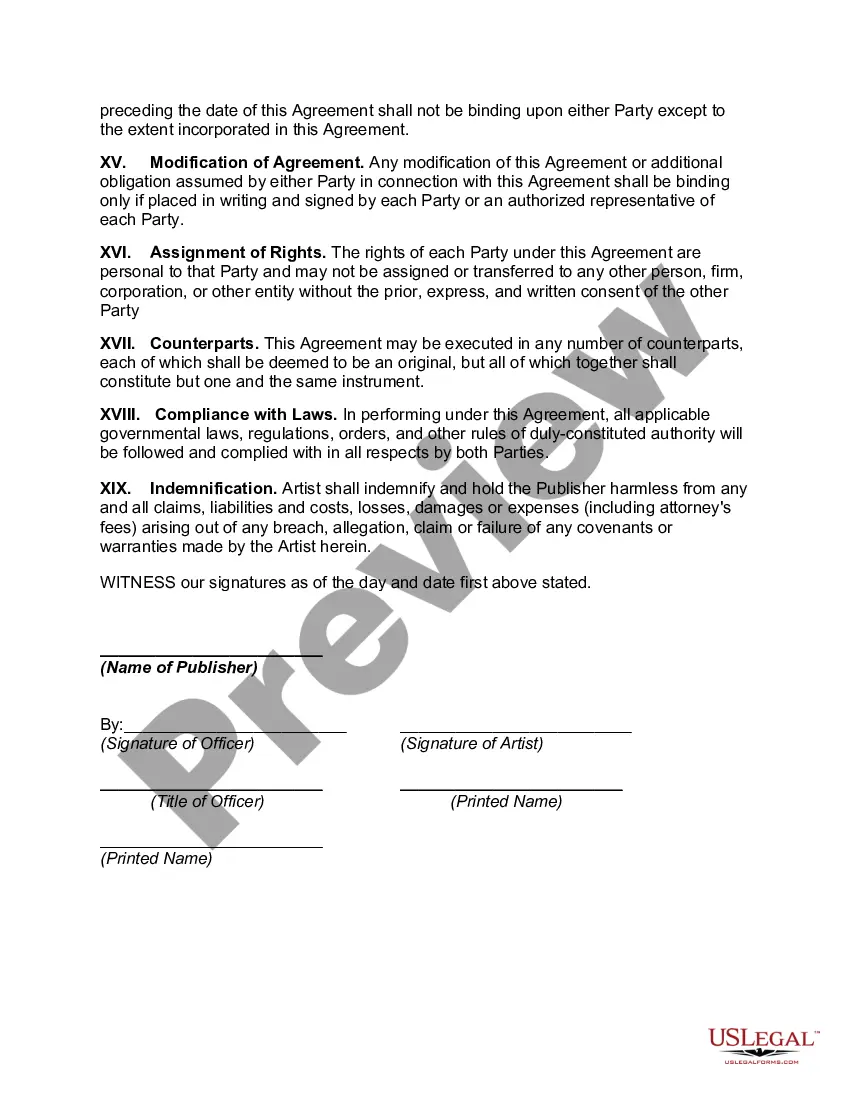
Tennessee Royalty Split Agreement
Description
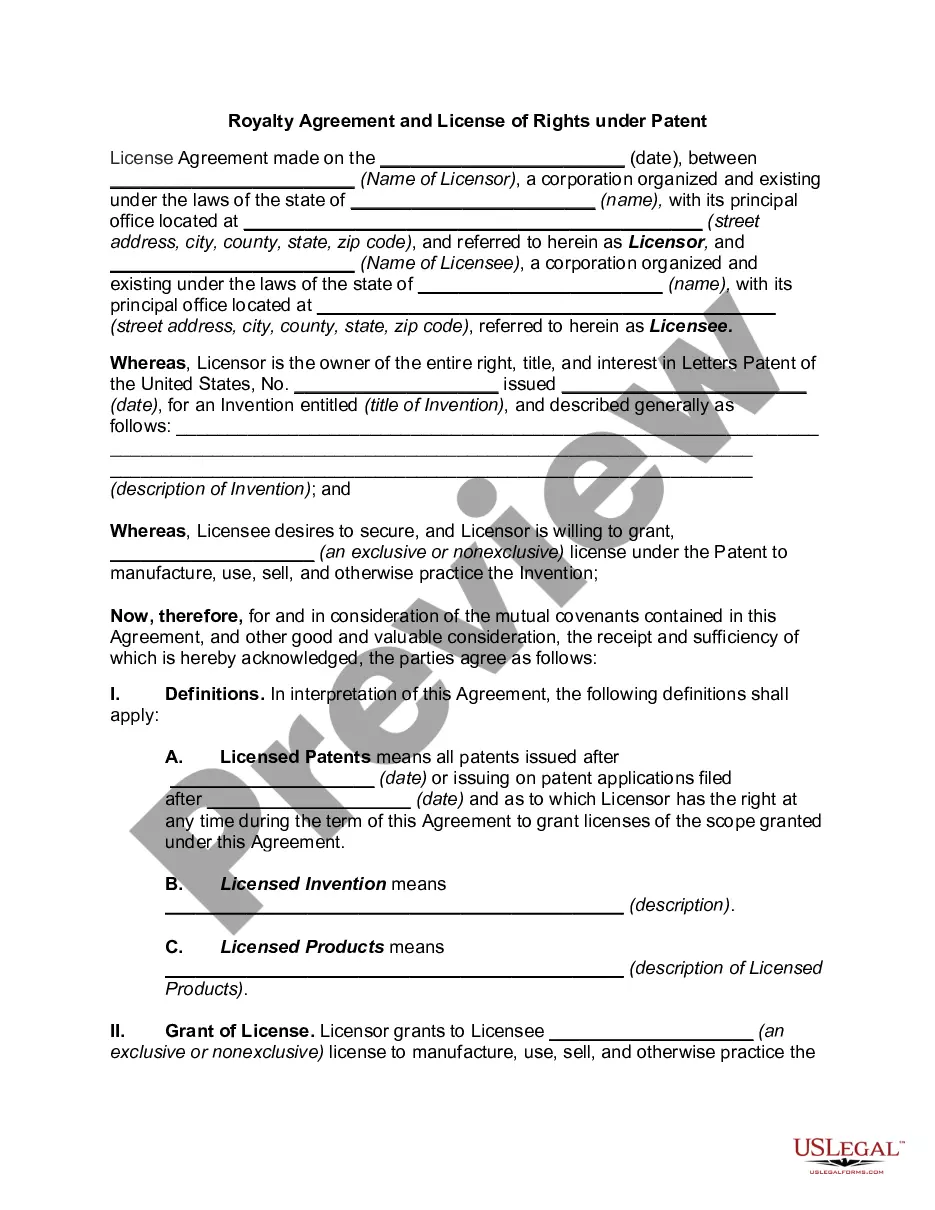
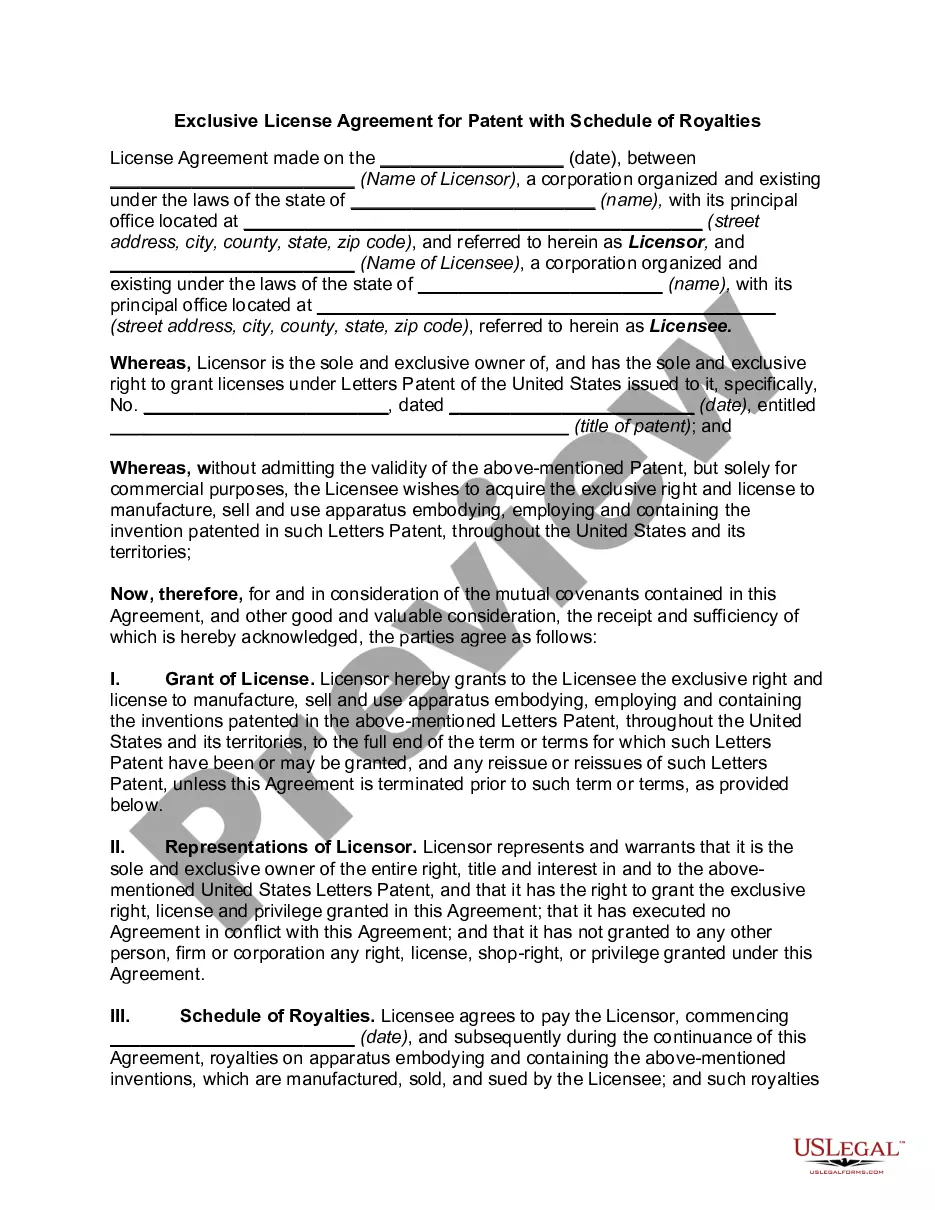
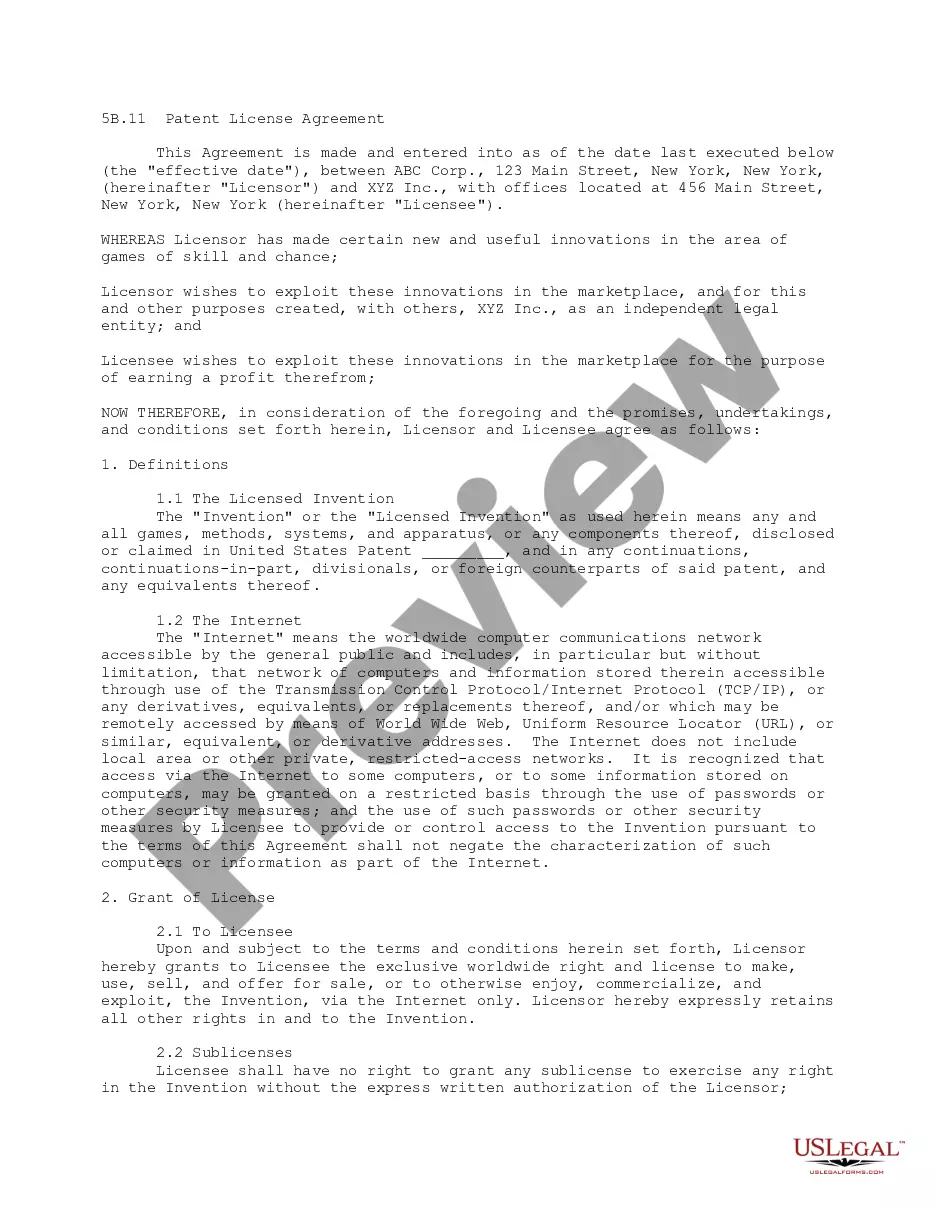
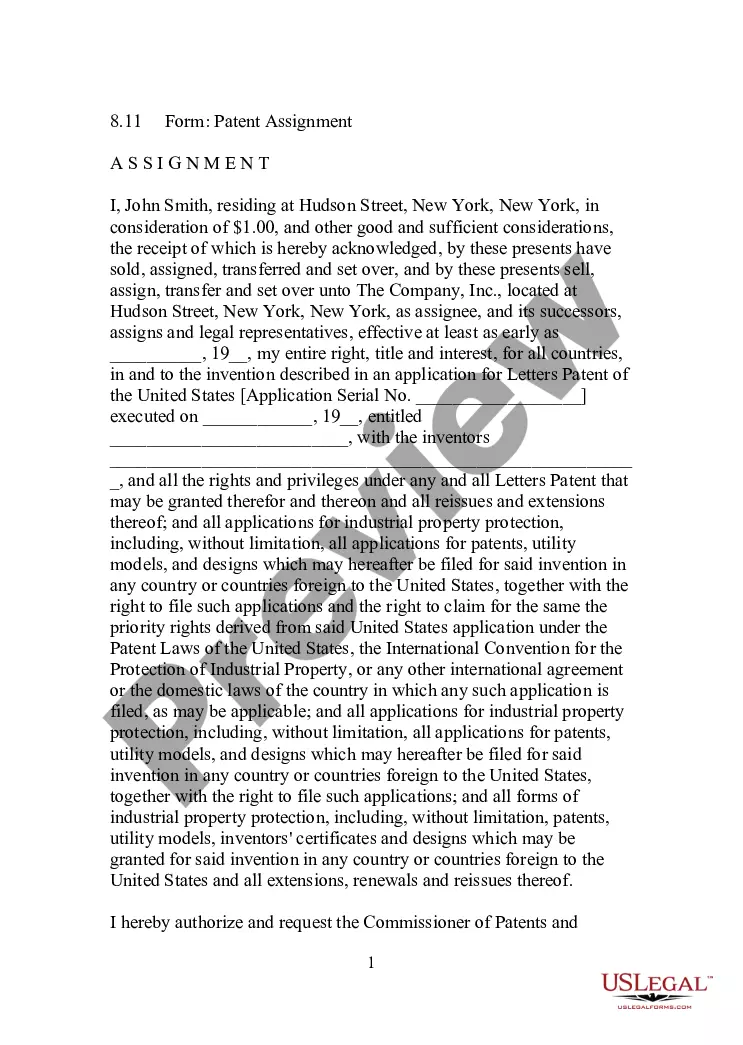
Get your form ready online
Our built-in tools help you complete, sign, share, and store your documents in one place.
Make edits, fill in missing information, and update formatting in US Legal Forms—just like you would in MS Word.
Download a copy, print it, send it by email, or mail it via USPS—whatever works best for your next step.
Sign and collect signatures with our SignNow integration. Send to multiple recipients, set reminders, and more. Go Premium to unlock E-Sign.
If this form requires notarization, complete it online through a secure video call—no need to meet a notary in person or wait for an appointment.
We protect your documents and personal data by following strict security and privacy standards.

Make edits, fill in missing information, and update formatting in US Legal Forms—just like you would in MS Word.

Download a copy, print it, send it by email, or mail it via USPS—whatever works best for your next step.

Sign and collect signatures with our SignNow integration. Send to multiple recipients, set reminders, and more. Go Premium to unlock E-Sign.

If this form requires notarization, complete it online through a secure video call—no need to meet a notary in person or wait for an appointment.

We protect your documents and personal data by following strict security and privacy standards.
Looking for another form?



How to fill out Royalty Split Agreement?
Are you currently in a situation where you require documents for business or personal reasons nearly all the time.
There are numerous legal document templates available online, but sourcing reliable ones can be challenging.
US Legal Forms offers a vast collection of form templates, including the Tennessee Royalty Split Agreement, created to comply with federal and state regulations.
Once you find the suitable form, click on Buy now.
Select the payment plan you want, provide the required details to complete your purchase, and finish your transaction using PayPal or credit card.
- If you are already familiar with the US Legal Forms website and have an account, simply Log In.
- After that, you can download the Tennessee Royalty Split Agreement template.
- If you do not have an account and wish to start using US Legal Forms, follow these steps.
- Locate the form you need and ensure it corresponds to the appropriate city/state.
- Use the Review button to check the form.
- Examine the description to confirm that you have selected the correct form.
- If the form isn’t what you’re looking for, utilize the Search box to find the form that matches your requirements.
Form popularity
FAQ
The record royalty for a producer is usually between 3% to 4% of the record's sales price or 20% to 25% of the artist's royalties. On a CD that sells for $10.98, the producer's royalty would be about 33 cents for each copy sold and for a digital download of an album priced at $9.98 the producer receives 30 cents.
Whoever wrote the song gets publishing. However, if the artist and producer build a song from scratch and basically co-write the song together, then, yes, the producer gets co-writing credit and ownership. Simply, they get publishing.
Every time a track or record sells, all the songwriters receive a total of 9.1 cents in mechanical-royalty payments.
The standard percentage that Producers & Beatmakers get is 50% of the publishing royalties, and 3%-5% of the master royalties.
This royalty is freely negotiated in the marketplace and is typically split 50% to the publishers (songwriters and producers) and 50% to the artist and record label, meaning there are two levels of clearance for a master recording in a movie.
Usually, a producer makes 3% to 5% (20% to 25%) of the artists share of a master recording. This number could be a bit higher if the producer is influential and has a brand of their own.
The Copyright Royalty Board has established that the current statutory rate for the mechanical reproduction of a composition in a permanent digital download is 9.1 cents per composition or 1.75 cents per minute for compositions over 5 minutes in length (the same statutory rate that applies to mechanical reproduction in
Since most producers get 3-7 points and most artist's deals are 12-20 percentage points of sales/streams, you divide the producer point by artist point. So, if you're working with a 4 point producer, you can divide 4 by 16 (typical artist points) and you get 25%. Or 4 divided by 20 would get you 20%.
Record Labels Record labels generate income from mechanical and public performance royalties. They issue contracts that allow them to exploit the recordings in exchange for royalty payments over a set length of time. The artist then receives a flat rate or percentage of these record label royalties.
Performance royalties are typically split into two equal halves: a writer share (50%) and a publisher share (50%). Performing Rights Organizations (PROs) and Collective Management Organizations (CMOs) collect and account for each of these revenue sources separately.