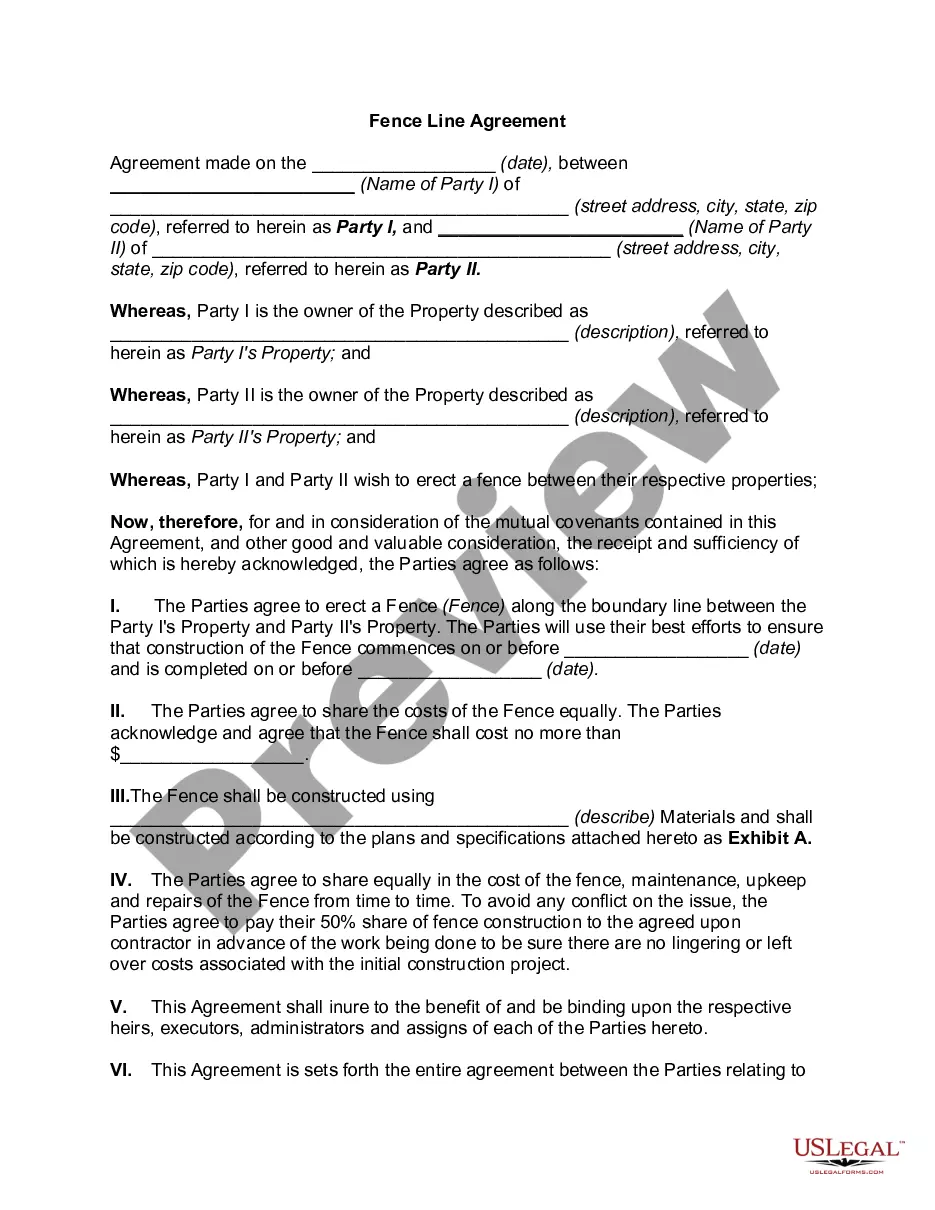
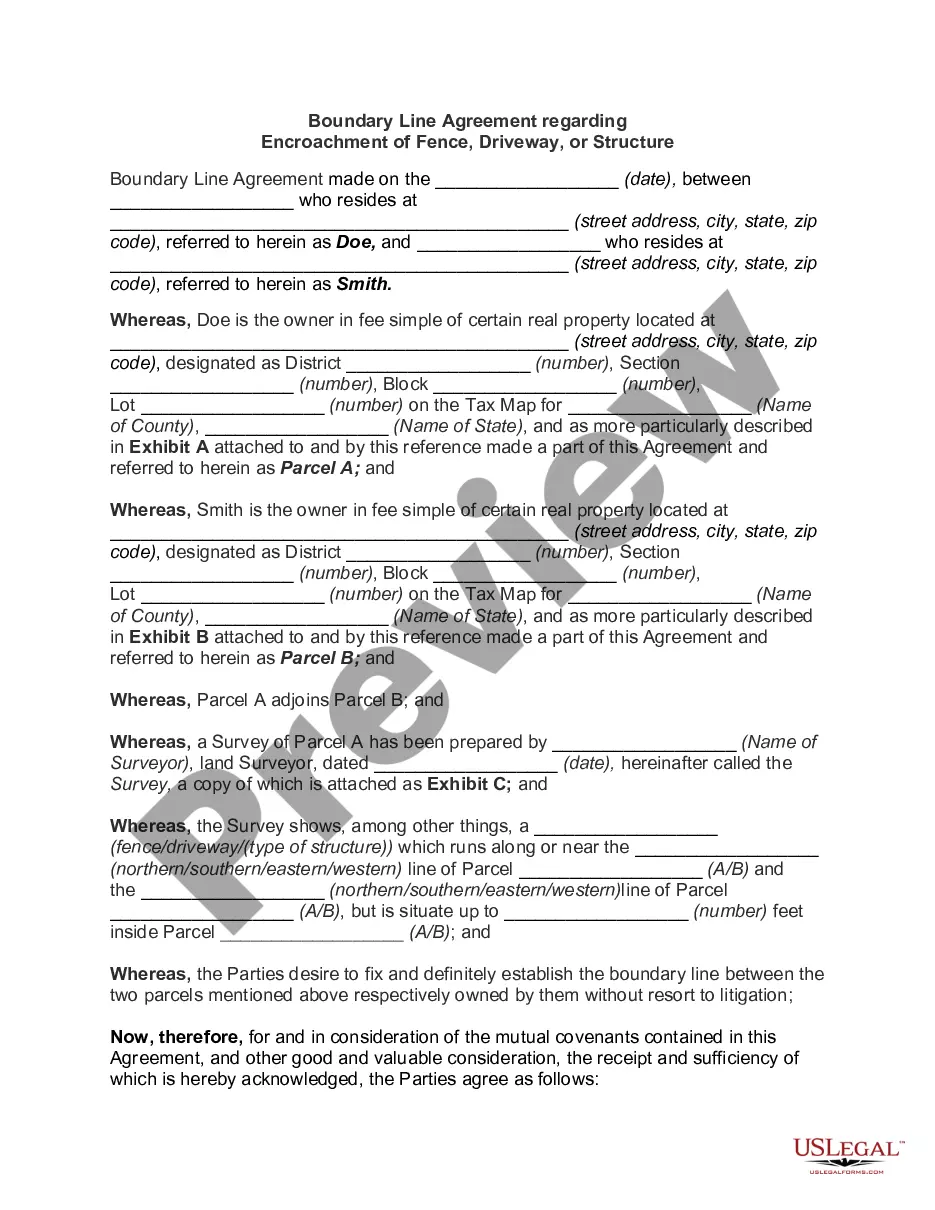
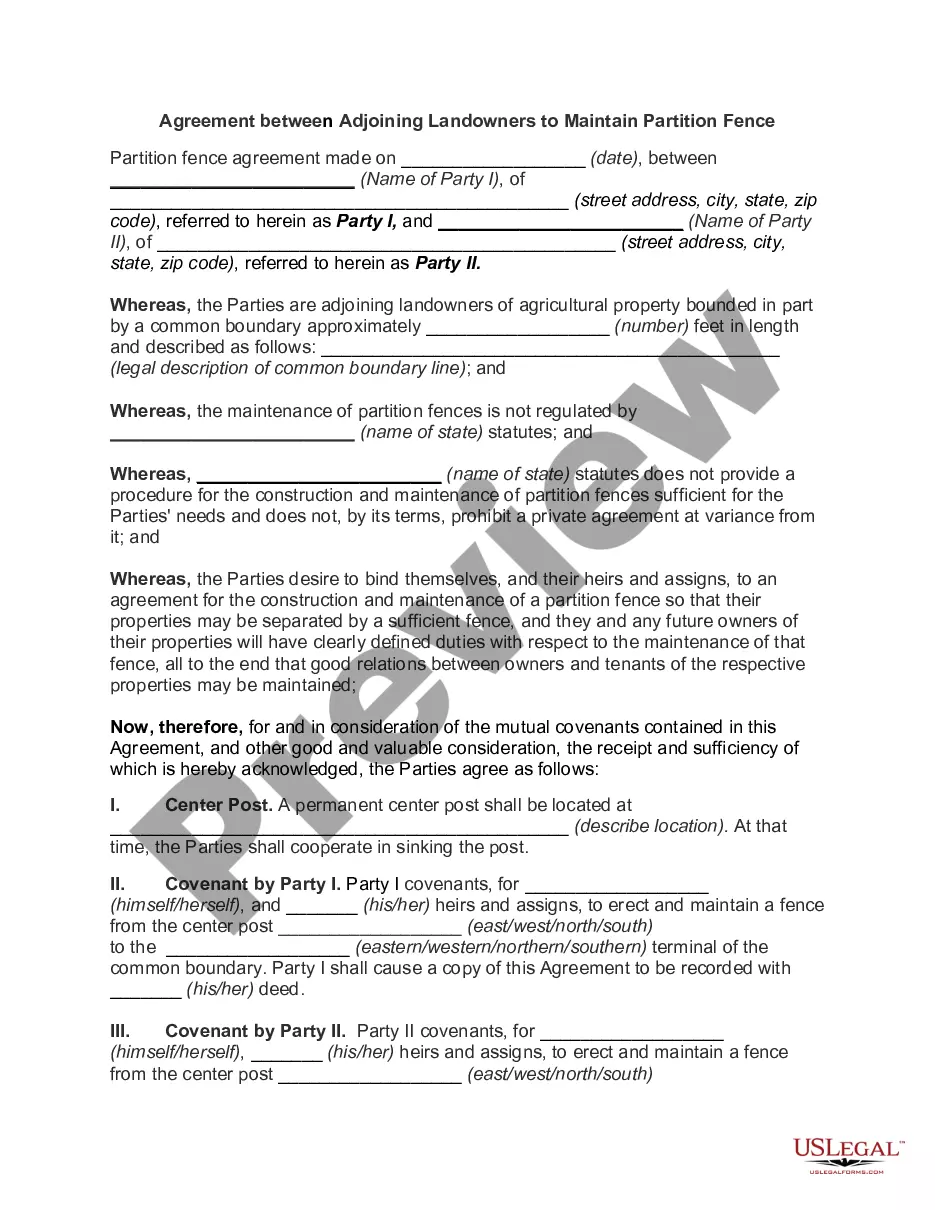
Tennessee Fence Line Agreement
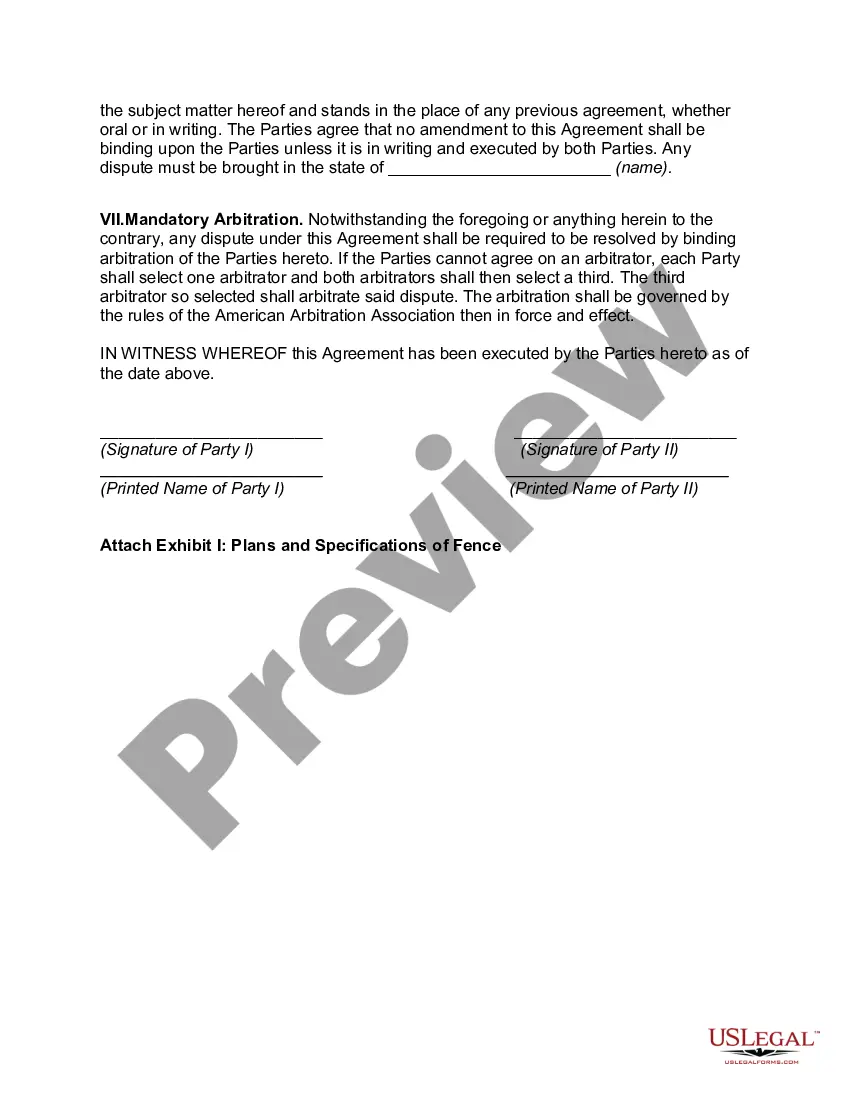
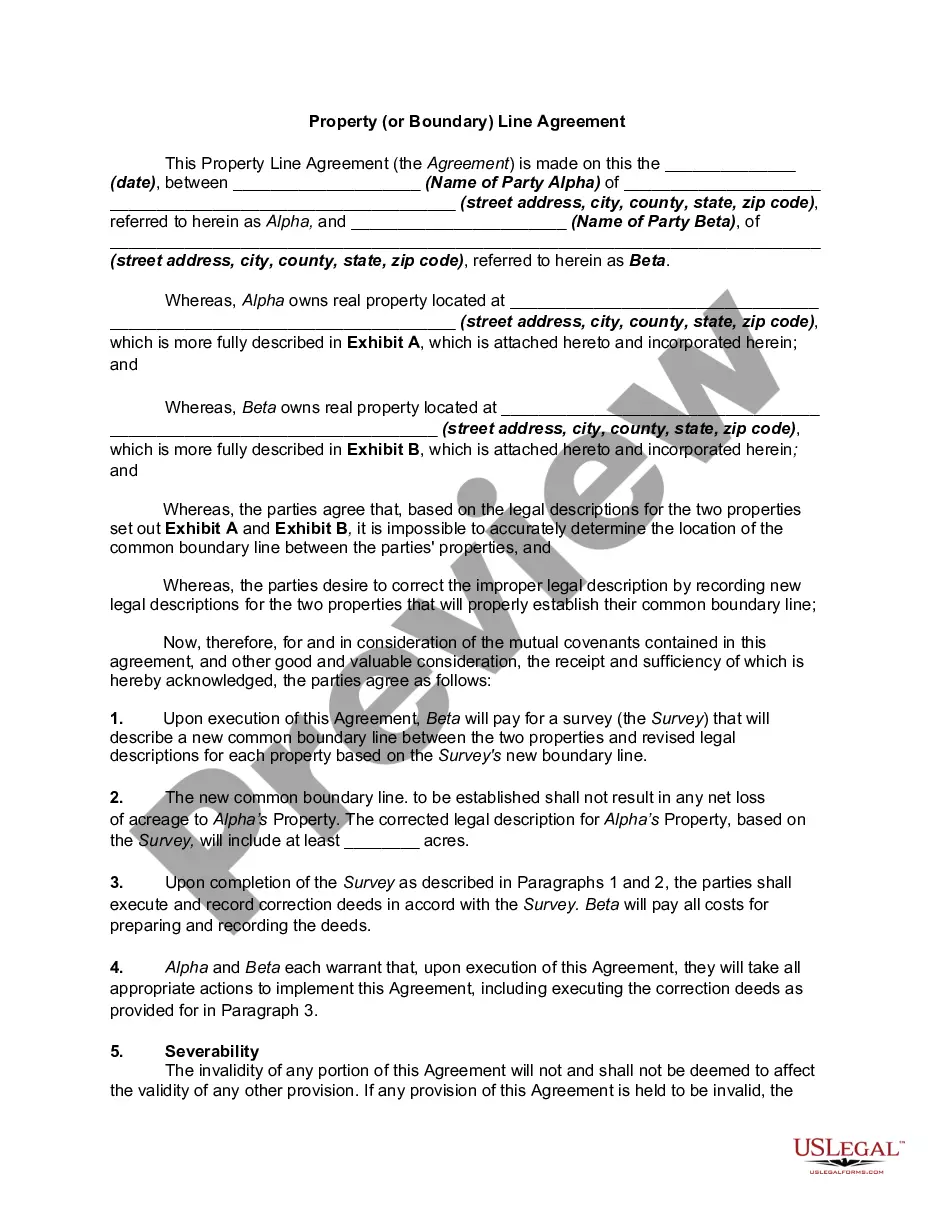
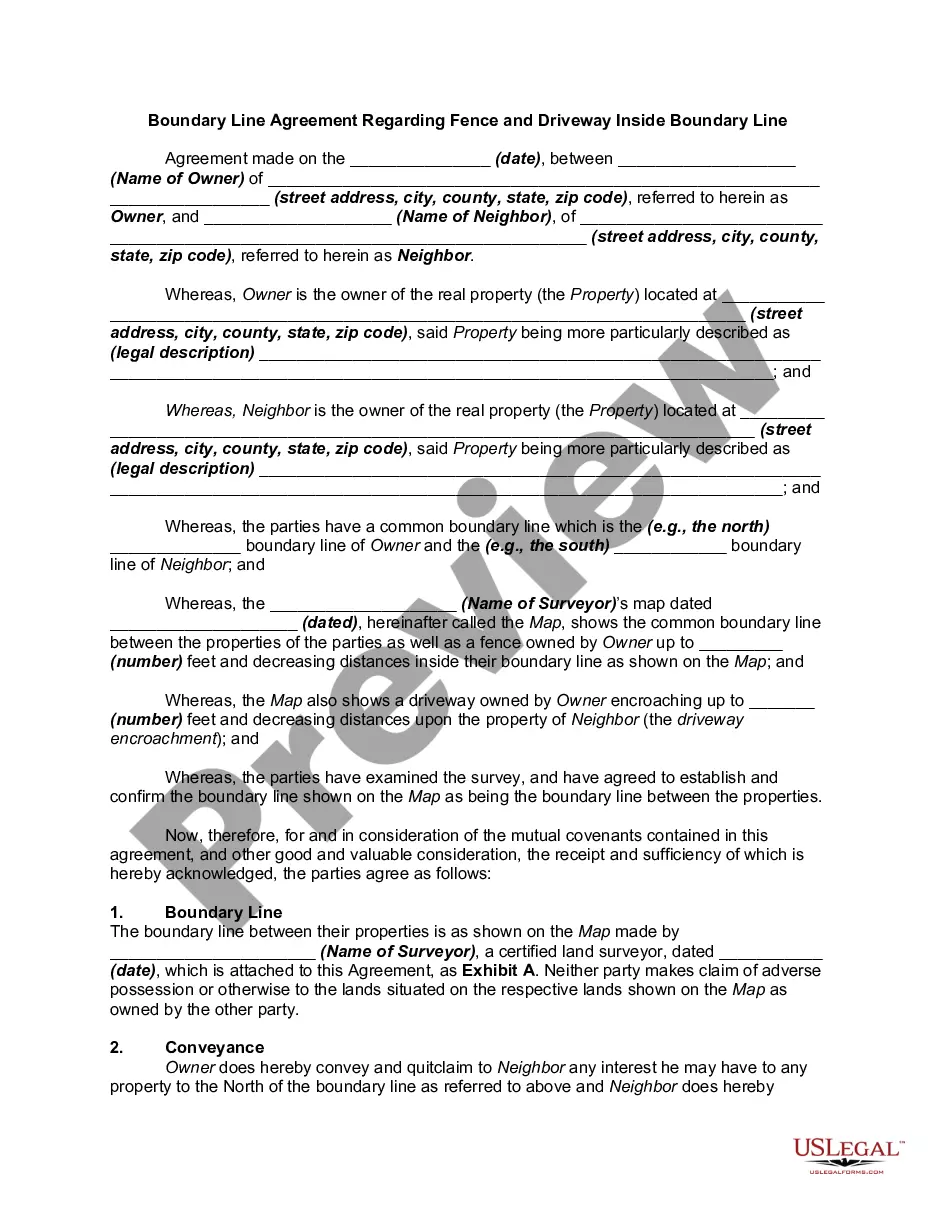
Description

Get your form ready online
Our built-in tools help you complete, sign, share, and store your documents in one place.
Make edits, fill in missing information, and update formatting in US Legal Forms—just like you would in MS Word.
Download a copy, print it, send it by email, or mail it via USPS—whatever works best for your next step.
Sign and collect signatures with our SignNow integration. Send to multiple recipients, set reminders, and more. Go Premium to unlock E-Sign.
If this form requires notarization, complete it online through a secure video call—no need to meet a notary in person or wait for an appointment.
We protect your documents and personal data by following strict security and privacy standards.

Make edits, fill in missing information, and update formatting in US Legal Forms—just like you would in MS Word.

Download a copy, print it, send it by email, or mail it via USPS—whatever works best for your next step.

Sign and collect signatures with our SignNow integration. Send to multiple recipients, set reminders, and more. Go Premium to unlock E-Sign.

If this form requires notarization, complete it online through a secure video call—no need to meet a notary in person or wait for an appointment.

We protect your documents and personal data by following strict security and privacy standards.
Looking for another form?




How to fill out Fence Line Agreement?
If you require thorough, acquire, or create valid document templates, utilize US Legal Forms, the largest selection of lawful forms, readily available online.
Make use of the site’s straightforward and convenient search to obtain the documentation you need.
A collection of templates for business and personal purposes is organized by categories and states, or keywords.
Each legal document template you purchase is yours indefinitely.
You have access to every form you downloaded in your account. Visit the My documents section and choose a form to print or download again.
- Use US Legal Forms to acquire the Tennessee Fence Line Agreement with just a few clicks.
- If you are already a US Legal Forms user, Log In to your account and click on the Download button to access the Tennessee Fence Line Agreement.
- You can also access forms you previously downloaded in the My documents section of your account.
- If you are using US Legal Forms for the first time, follow the directions below.
- Step 1. Ensure you have selected the form for the appropriate city/state.
- Step 2. Use the Review option to examine the form’s content. Remember to review the description.
- Step 3. If you are not satisfied with the document, use the Search field at the top of the screen to find additional types of the legal form template.
- Step 4. Once you have found the form you require, select the Get now button. Choose your preferred pricing plan and enter your details to register for an account.
- Step 5. Complete the payment. You may use your Visa or MasterCard or PayPal account to finalize the transaction.
- Step 6. Select the format of the legal document and download it to your device.
- Step 7. Fill out, modify, print, or sign the Tennessee Fence Line Agreement.
Form popularity
FAQ
Tennessee Fence Law Basics For example, partition fences are the responsibility of both property owners even if only one neighbor needs a fence. Costs for the building and maintenance of the fence are to be shared equally by each landowner. That means you could be forced to pay for a fence you neither need nor want.
How Close To The Property Line Can I Build? Fences are typically built between 2 and 8 inches from the line between properties. Some areas will allow the building of fences directly on the property line, but in this case, you'll have to cooperate with your neighbor and potentially share the cost of the fence.
Fences must be free of barbed, electrical, razor wire and other hazardous material. A permit is not required to construct a fence, but all structures must be in compliance with zoning regulations. In general, a fence that is placed between two properties belongs to both property owners.
In general, a fence that is placed between two properties belongs to both property owners. Individuals who want complete ownership of fences should place the structure at least 4 feet away from the property line.
Typically, fences are installed anywhere from 2 to 8 inches from a property line in most areas. Some areas might allow to go right up to a property line, especially if you live in an urban row house where every inch makes a difference!
Unless the deeds specify for the boundary to be maintained, there is no legal requirement for the owner to maintain the wall or fence or to keep hedges tidy. The owner could be liable if the fence or wall causes damage or injury because it has been neglected.
The building distance limit depends on the structure you intend on building. It usually ranges between five to 15 feet. It is important to communicate property boundaries with your neighbor before beginning any permanent or semi-permanent projects, due to the risk of township or county penalties.
Customers having new fencing installed often ask us exactly where they should position their new fence. Getting it right avoids (potentially costly) disputes over encroachment in the future. As a rule of thumb, the outer face of the fence should be placed along the boundary. The posts should stand on your land.
When looking at the plans, the ownership is indicated by a T marked on the plans on one side of a boundary. If the T is written on your side of the boundary, you're responsible for maintaining it. If there's an H (although actually it's two joined Ts) the boundary is the joint responsibility of both parties.