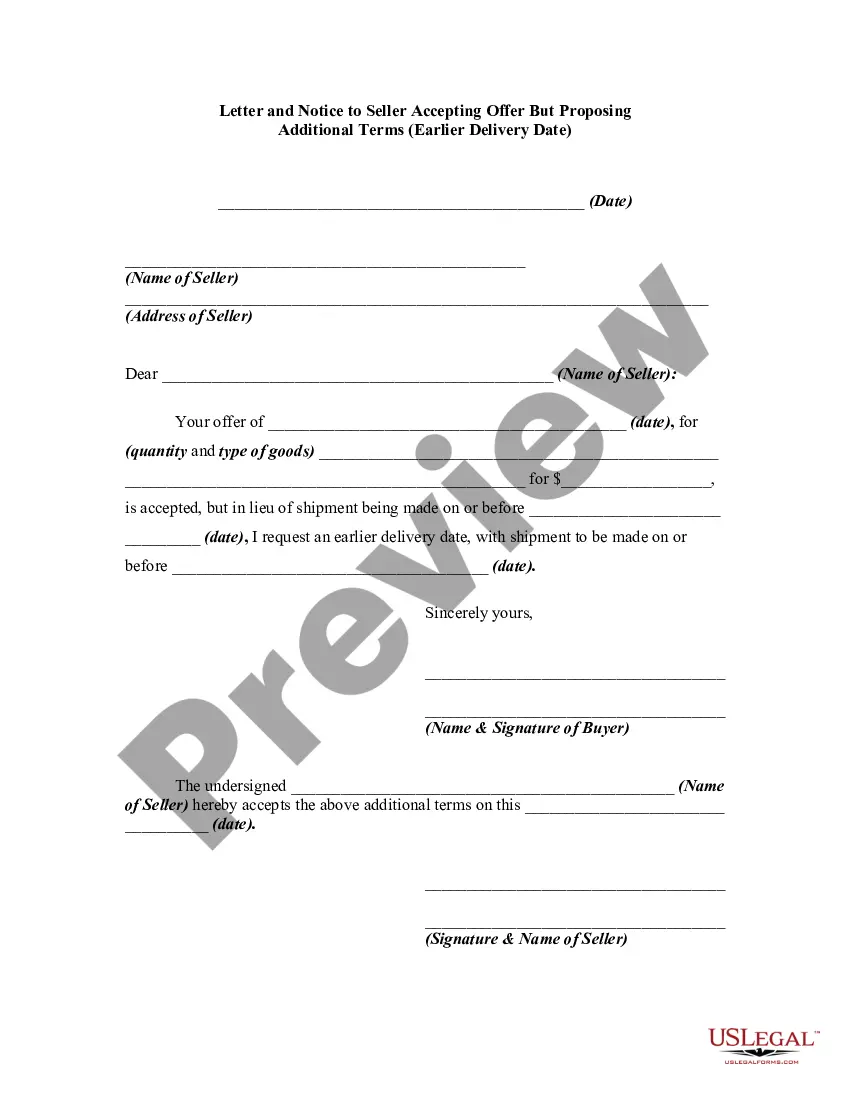
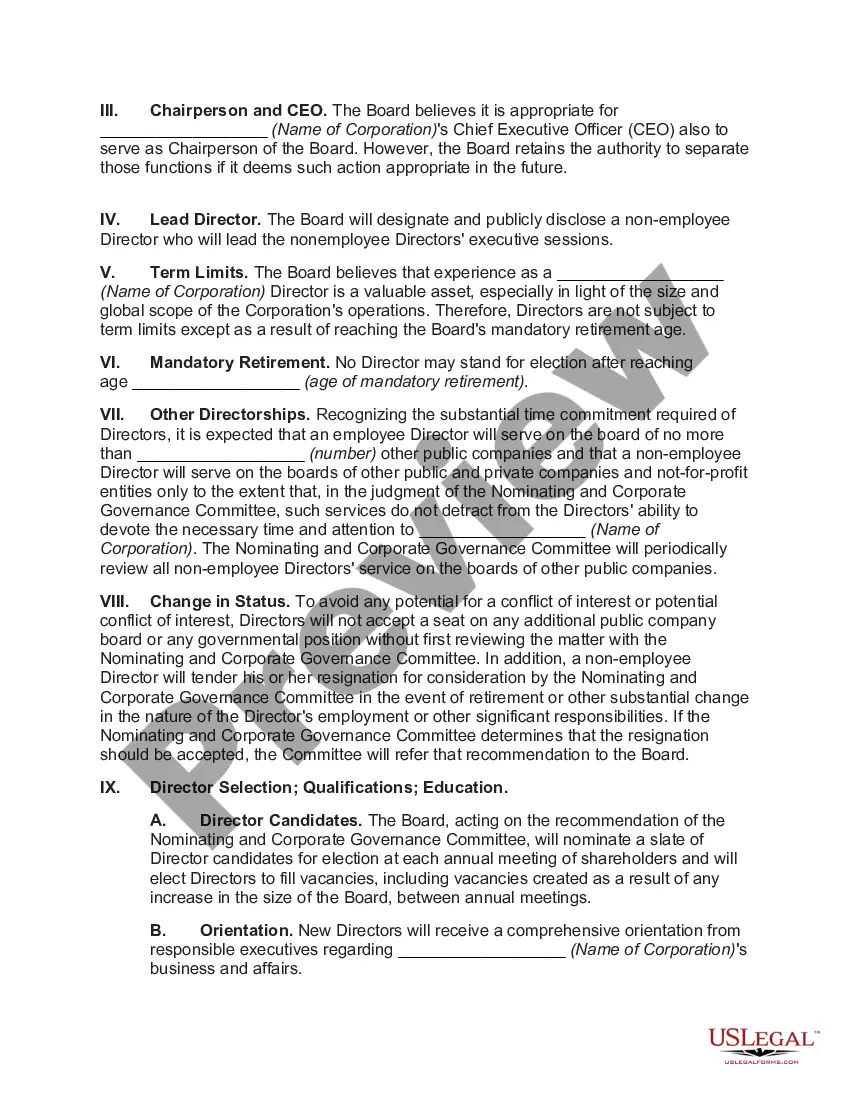
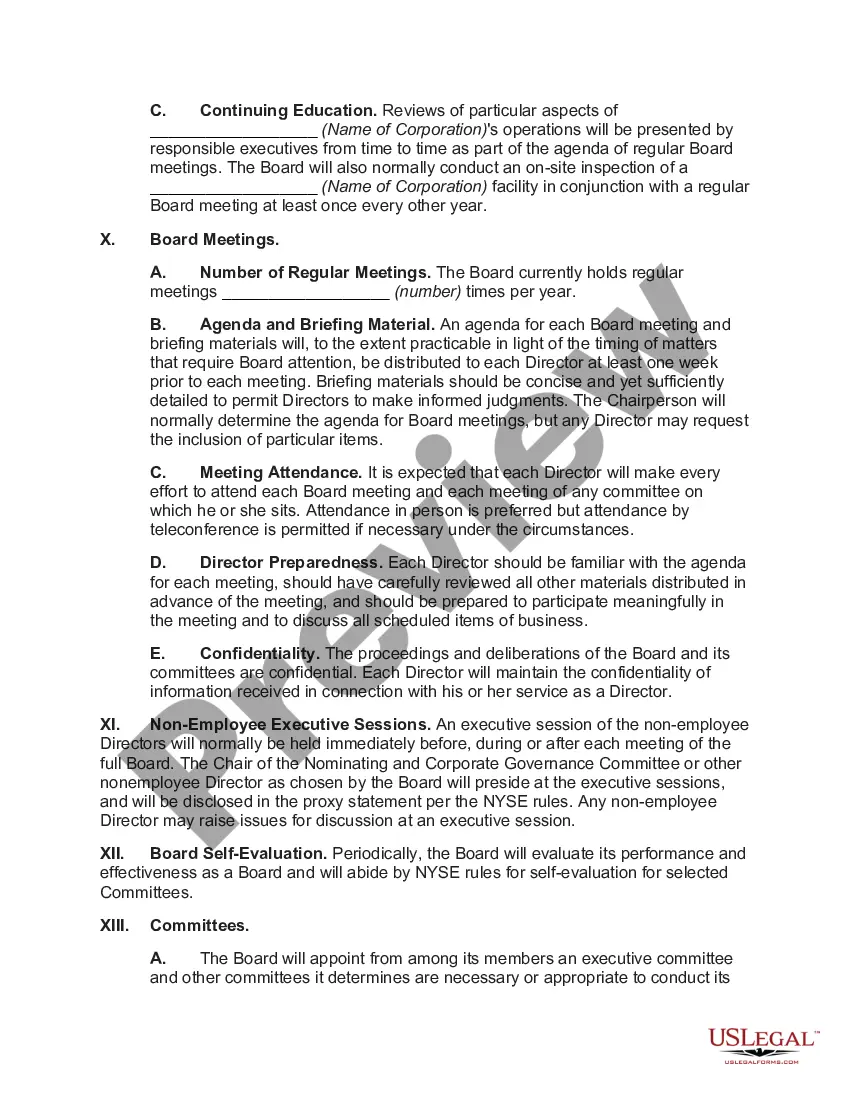
Tennessee Corporate Governance Guidelines
Description
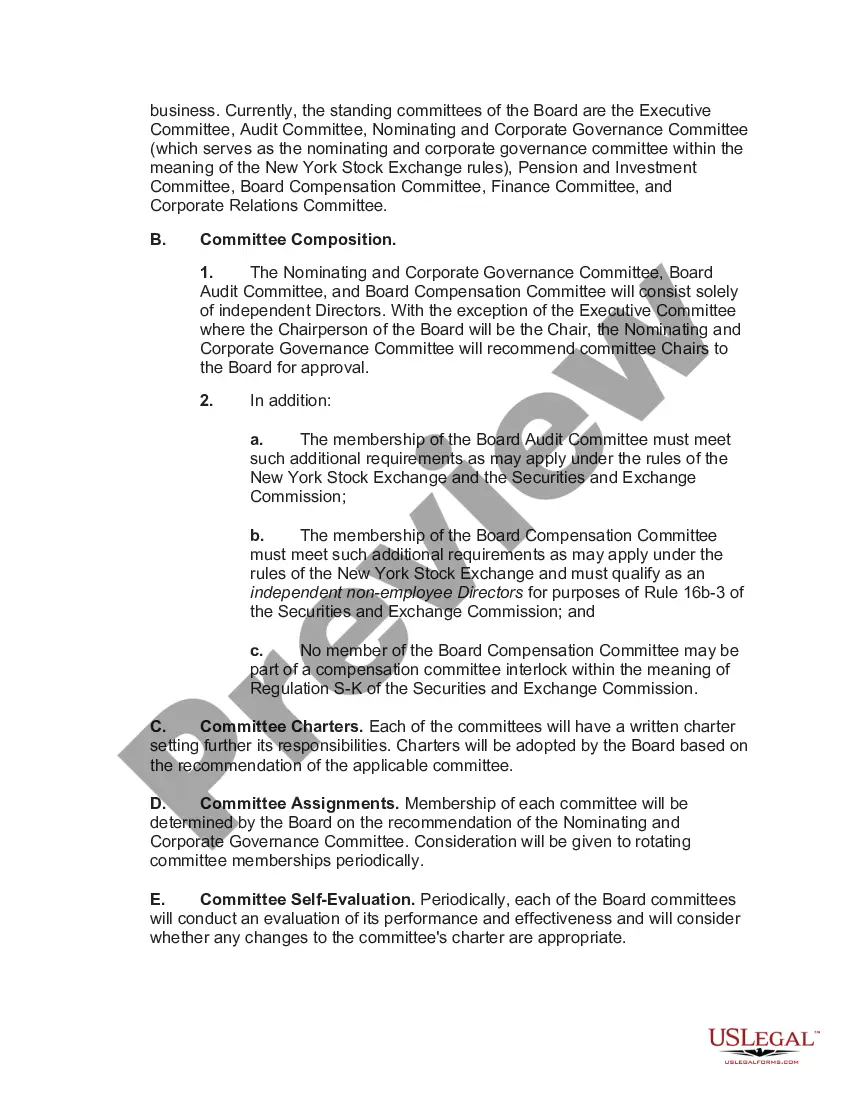
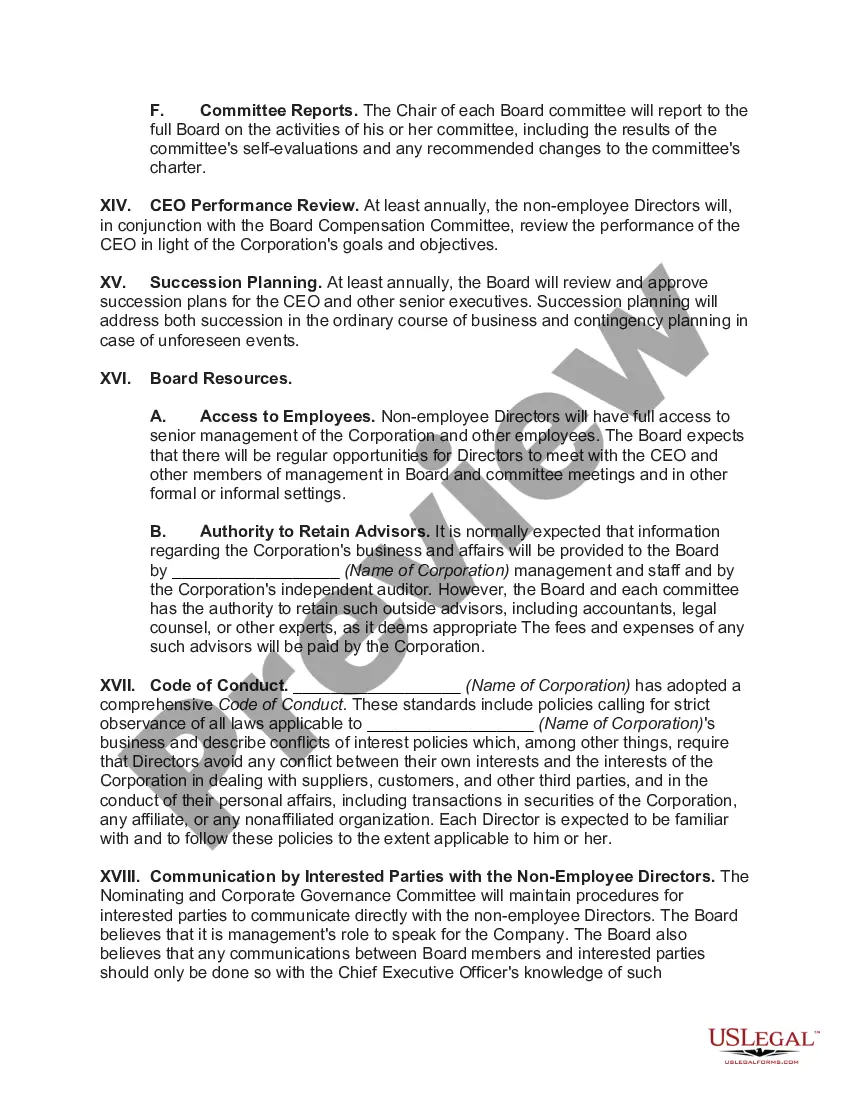
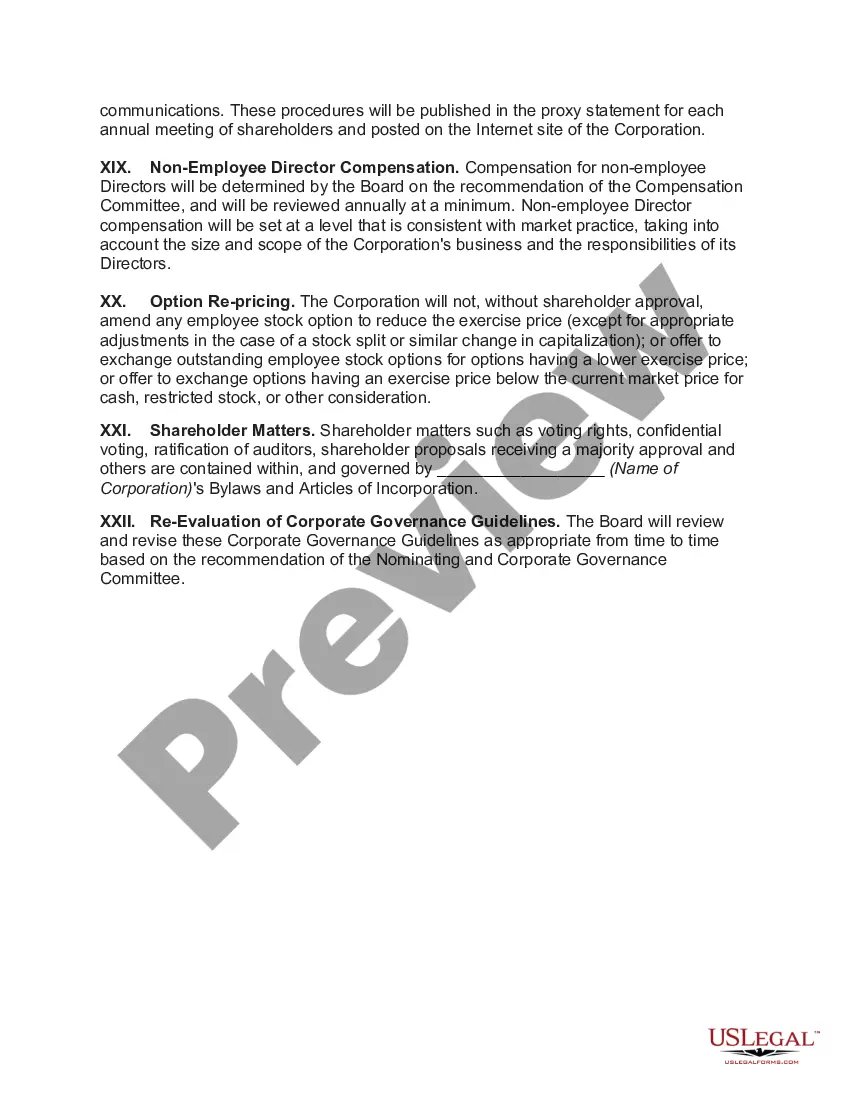
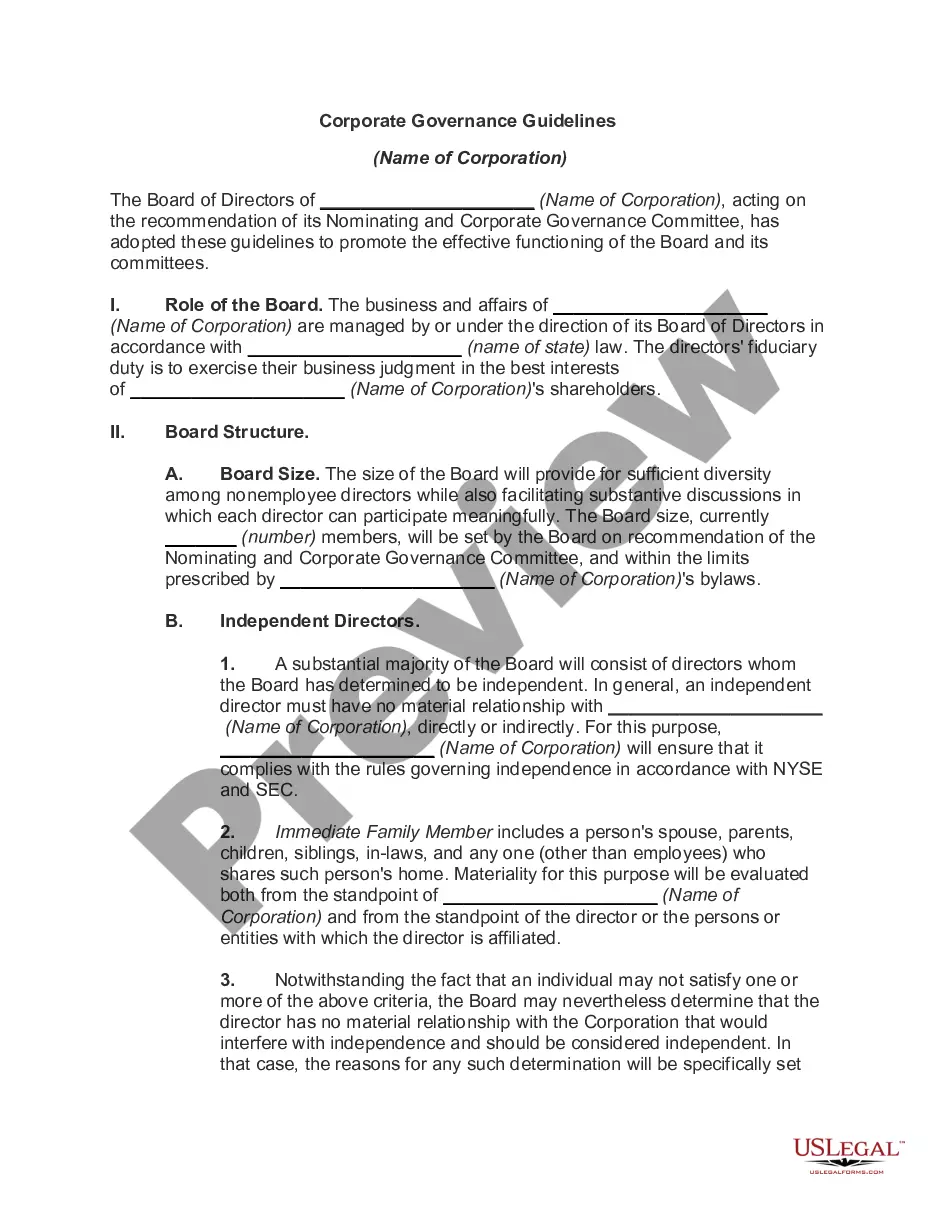
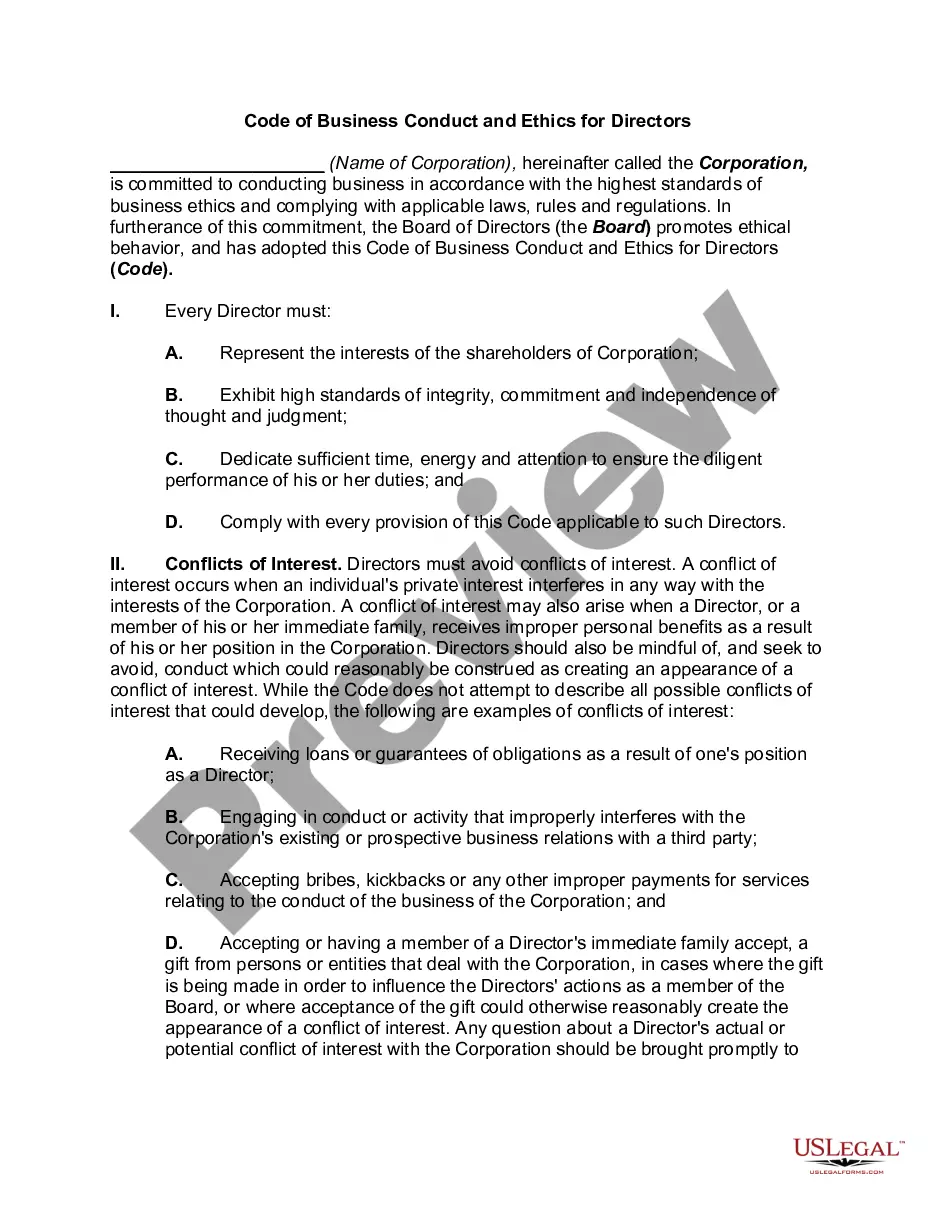


Get your form ready online
Our built-in tools help you complete, sign, share, and store your documents in one place.
Make edits, fill in missing information, and update formatting in US Legal Forms—just like you would in MS Word.
Download a copy, print it, send it by email, or mail it via USPS—whatever works best for your next step.
Sign and collect signatures with our SignNow integration. Send to multiple recipients, set reminders, and more. Go Premium to unlock E-Sign.
If this form requires notarization, complete it online through a secure video call—no need to meet a notary in person or wait for an appointment.
We protect your documents and personal data by following strict security and privacy standards.

Make edits, fill in missing information, and update formatting in US Legal Forms—just like you would in MS Word.

Download a copy, print it, send it by email, or mail it via USPS—whatever works best for your next step.

Sign and collect signatures with our SignNow integration. Send to multiple recipients, set reminders, and more. Go Premium to unlock E-Sign.

If this form requires notarization, complete it online through a secure video call—no need to meet a notary in person or wait for an appointment.

We protect your documents and personal data by following strict security and privacy standards.
Looking for another form?




How to fill out Corporate Governance Guidelines?
Selecting the appropriate legal document template can be a challenge.
Of course, there are numerous templates accessible online, but how do you find the legal form you require.
Utilize the US Legal Forms website.
First, ensure you have chosen the correct form for your specific city/county. You can preview the form using the Review button and read the form description to confirm it meets your needs.
- The service provides thousands of templates, such as the Tennessee Corporate Governance Guidelines, which you can apply for business and personal needs.
- All documents are reviewed by experts and meet federal and state requirements.
- If you are already registered, Log In to your account and click on the Download button to retrieve the Tennessee Corporate Governance Guidelines.
- Use your account to access the legal forms you have purchased previously.
- Go to the My documents tab in your account and download another copy of the document you need.
- If you are a new user of US Legal Forms, here are simple steps you should follow.
Form popularity
FAQ
The pillars of successful corporate governance are: accountability, fairness, transparency, assurance, leadership and stakeholder management.
The Principles cover six key areas of corporate governance ensuring the basis for an effective corporate governance framework; the rights of shareholders; the equitable treatment of shareholders; the role of stakeholders in corporate governance; disclosure and transparency; and the responsibilities of the board (see
The Corporate governance models are broadly classified into following categories:Anglo-American Model.The German Model.The Japanese Model.Social Control Model.
The responsibilities of the board include setting the company's strategic aims, providing the leadership to put them into effect, supervising the management of the business and reporting to shareholders on their stewardship.
Corporate Governance GuidelinesSize of the Board.Board Membership Criteria.Director Independence.Director Tenure.Directors Who Change Their Present Job Responsibility.Election of Directors.
Three dominant models exist in contemporary corporations: the Anglo-US model, the German model, and the Japanese model.
Five elements of corporate governance to manage strategic risk.2.1. Element 1: Culture.2.2. Element 2: Leadership.2.3. Element 3: Alignment.2.4. Element 4: Systems.2.5. Element 5: Structure.
It has also been designed to cross-reference the FRC's Corporate Governance Code, and is centred on five fundamental principles of corporate governance: integrity, objectivity, professional competence and due care, confidentiality, and professional behaviour.
Common corporate governance mechanisms include a board of directors, internal controls, balancing power, and compensation.
The 8 P's of corporate governance are:Property;Principles;Purpose;Roles;Power;Practice;People;Permanence.