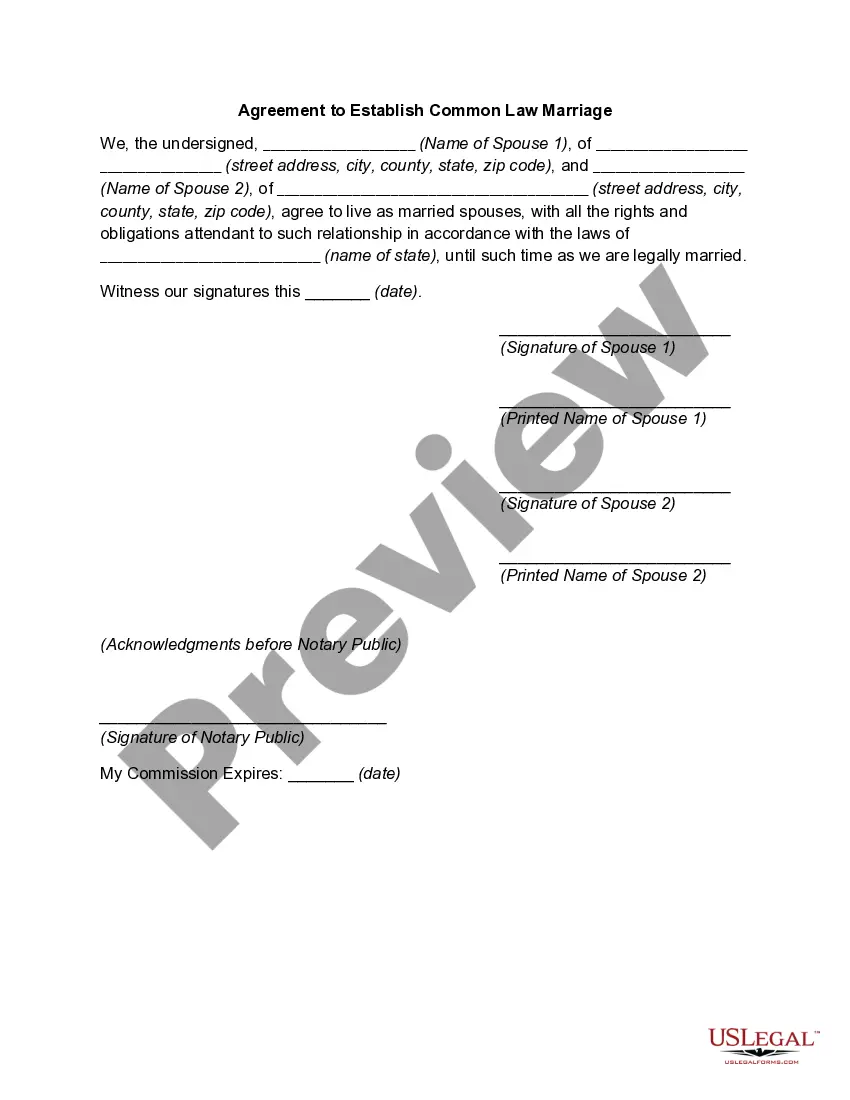
Tennessee Agreement to Establish Common Law Marriage
Description
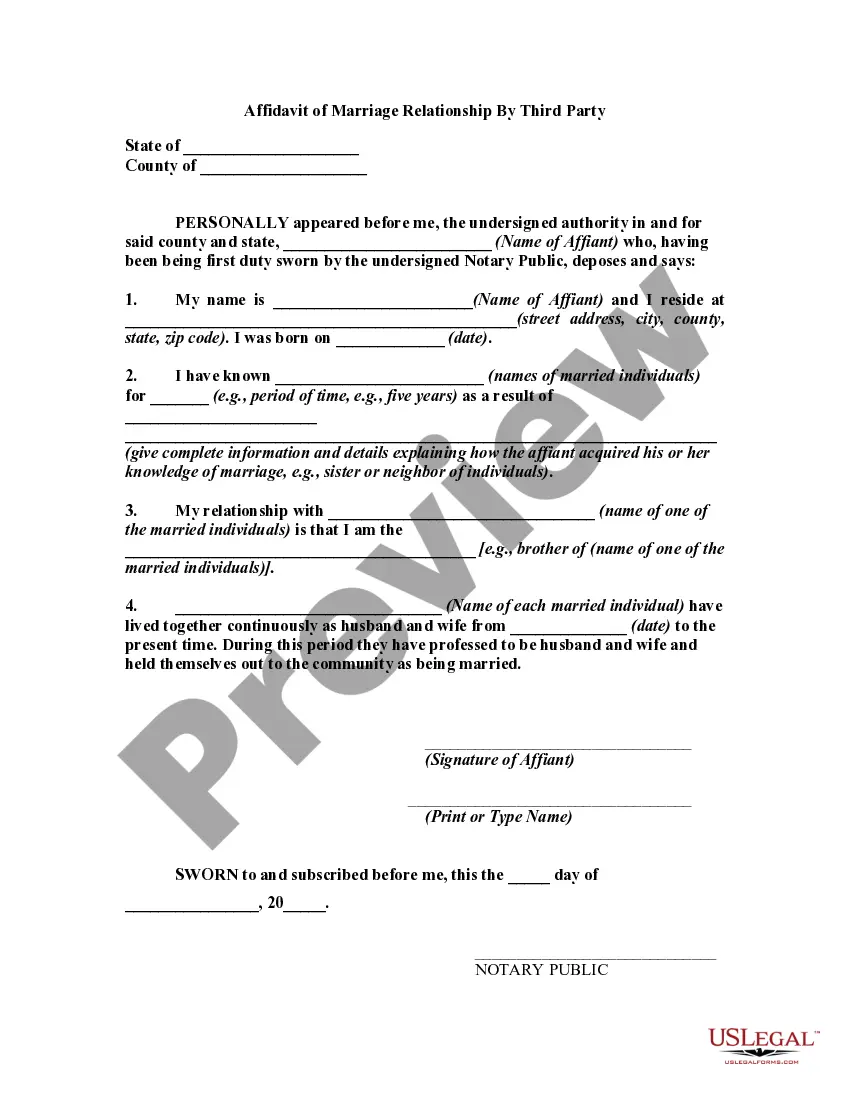
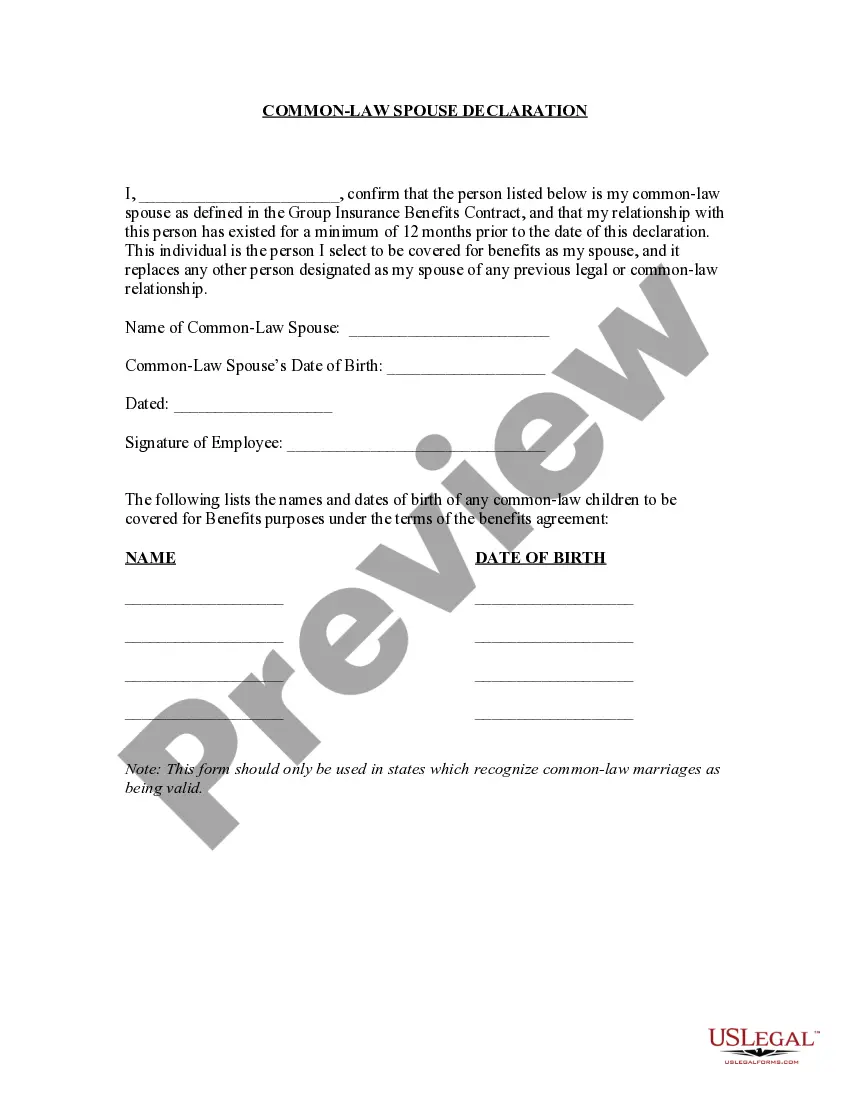
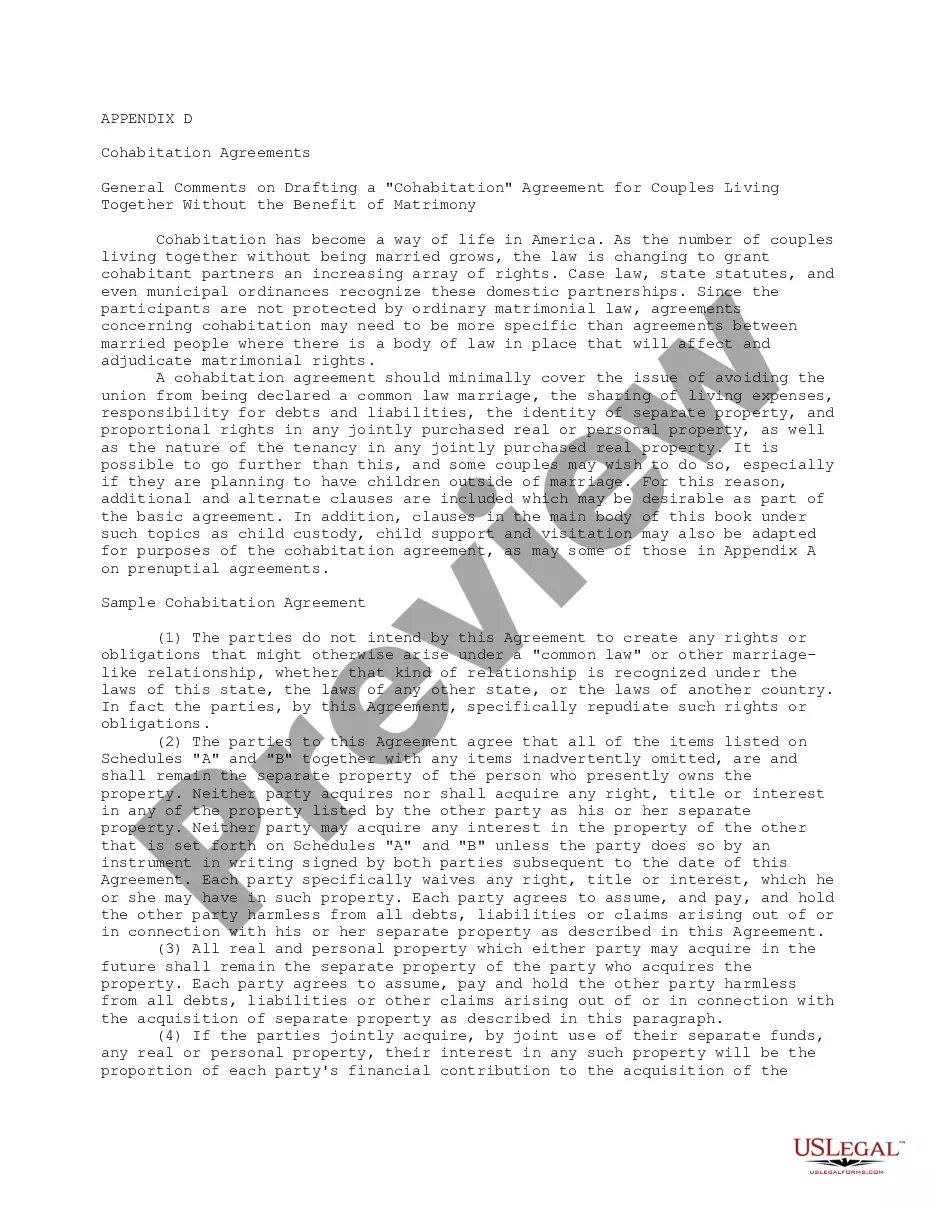
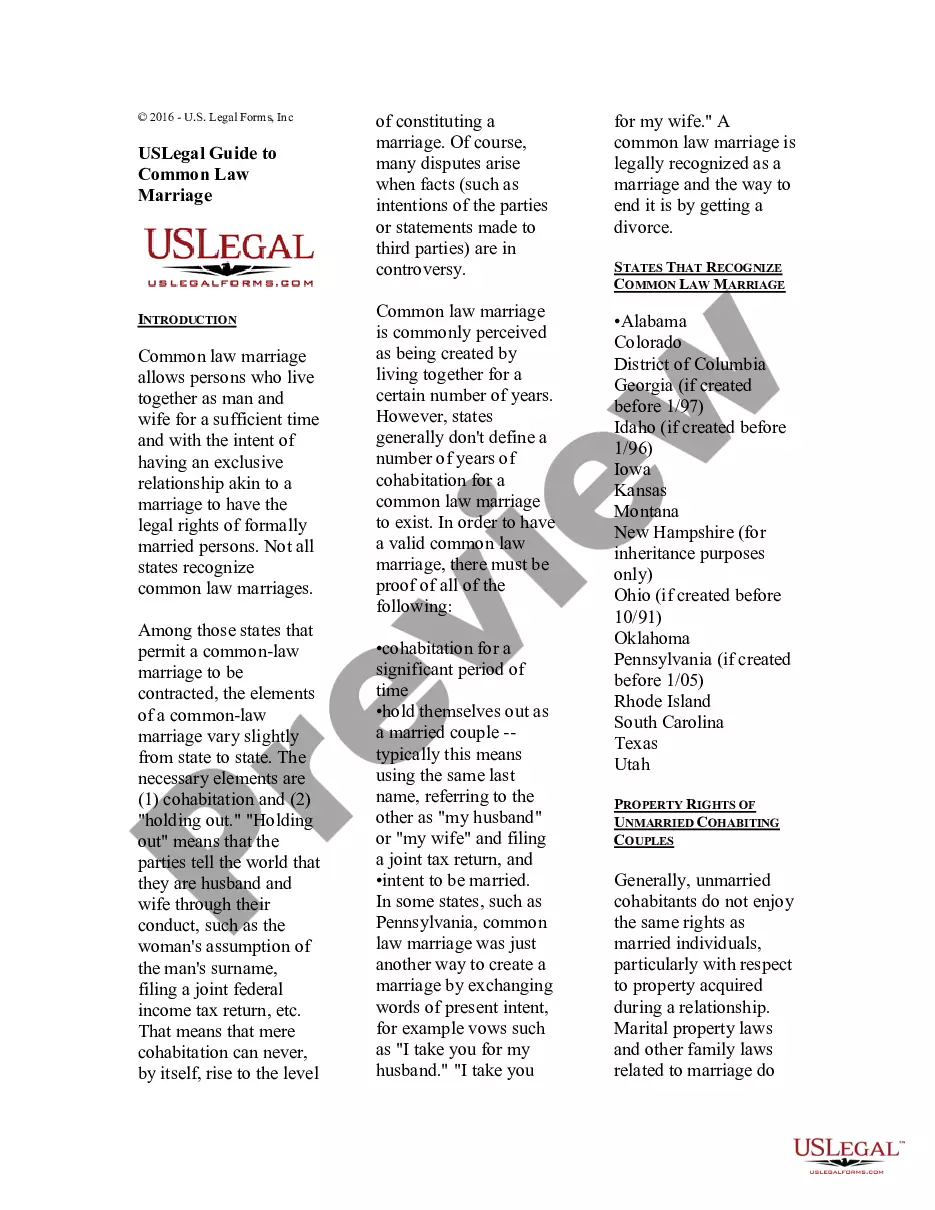
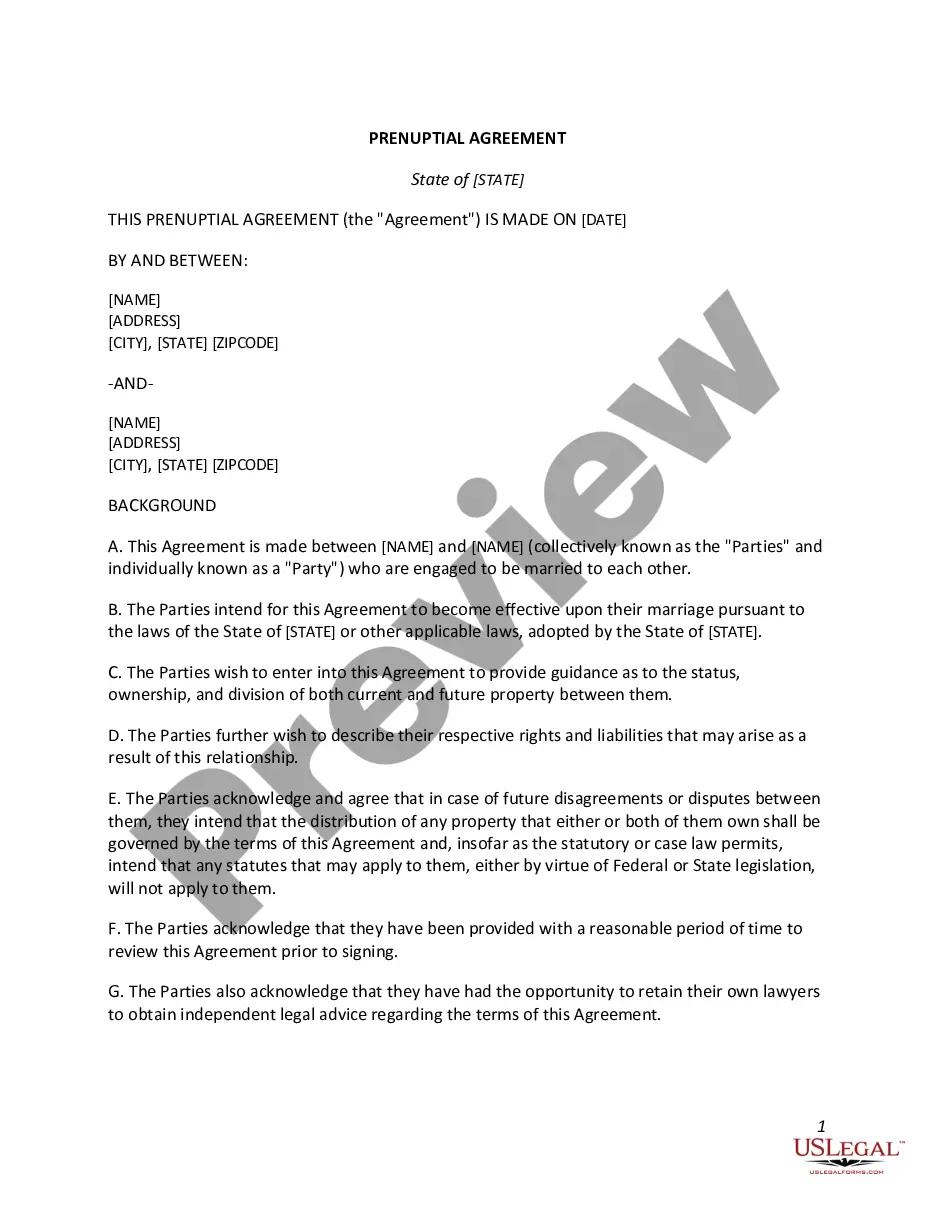
Get your form ready online
Our built-in tools help you complete, sign, share, and store your documents in one place.
Make edits, fill in missing information, and update formatting in US Legal Forms—just like you would in MS Word.
Download a copy, print it, send it by email, or mail it via USPS—whatever works best for your next step.
Sign and collect signatures with our SignNow integration. Send to multiple recipients, set reminders, and more. Go Premium to unlock E-Sign.
If this form requires notarization, complete it online through a secure video call—no need to meet a notary in person or wait for an appointment.
We protect your documents and personal data by following strict security and privacy standards.

Make edits, fill in missing information, and update formatting in US Legal Forms—just like you would in MS Word.

Download a copy, print it, send it by email, or mail it via USPS—whatever works best for your next step.

Sign and collect signatures with our SignNow integration. Send to multiple recipients, set reminders, and more. Go Premium to unlock E-Sign.

If this form requires notarization, complete it online through a secure video call—no need to meet a notary in person or wait for an appointment.

We protect your documents and personal data by following strict security and privacy standards.
Looking for another form?
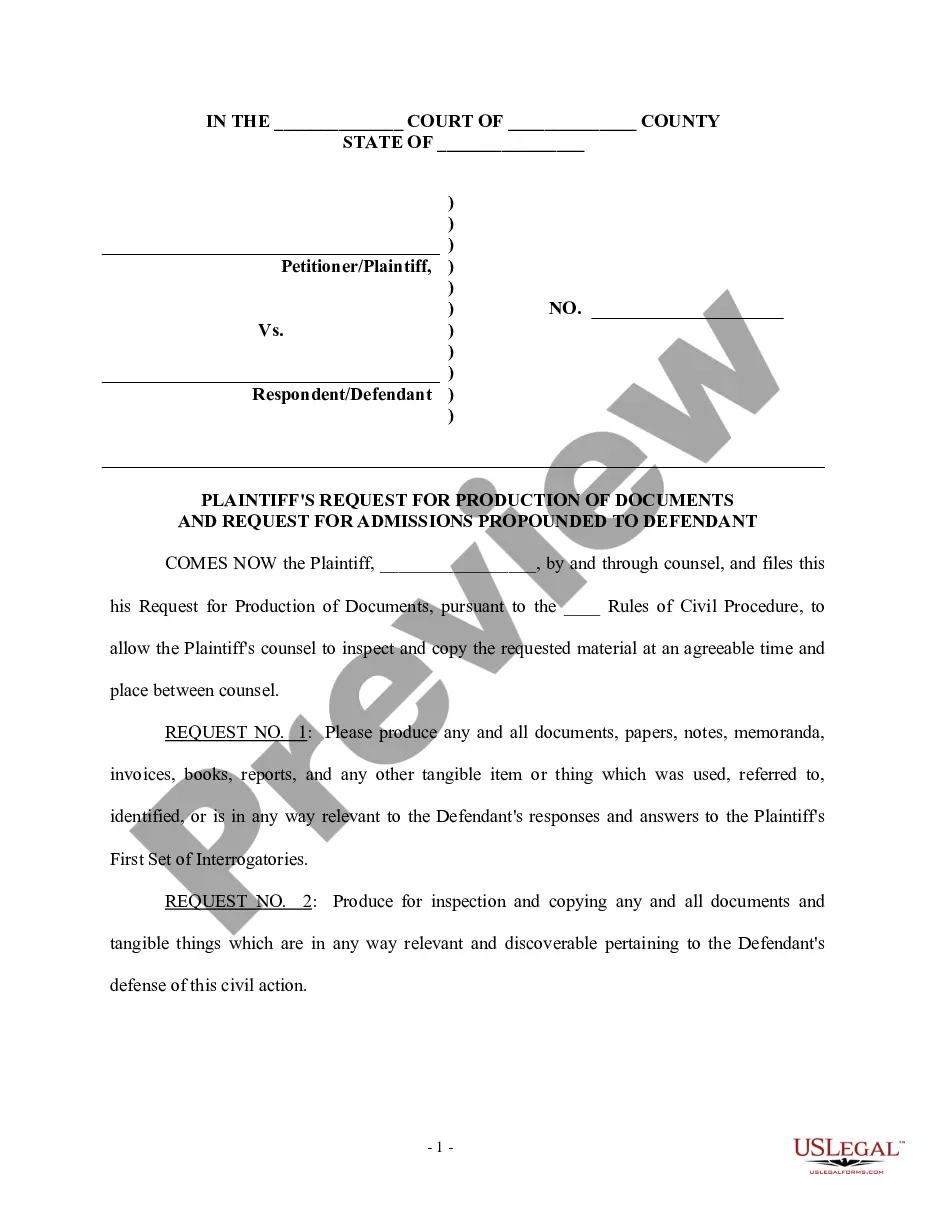
How to fill out Agreement To Establish Common Law Marriage?
If you need to compile, procure, or print legal document templates, utilize US Legal Forms, the premier assortment of legal forms available online.
Employ the site's simple and convenient search function to find the documents you require.
Various templates for commercial and personal uses are sorted by categories and jurisdictions or keywords.
Step 4. After locating the form you need, click the Get now option. Choose your preferred pricing plan and enter your details to register for the account.
Step 5. Complete the transaction. You can use your credit card or PayPal account to finalize the purchase.
- Utilize US Legal Forms to obtain the Tennessee Agreement to Establish Common Law Marriage with just a few clicks.
- If you are already a US Legal Forms user, Log In to your account and select the Download option to acquire the Tennessee Agreement to Establish Common Law Marriage.
- You can also access forms you have previously downloaded in the My documents section of your account.
- If you are using US Legal Forms for the first time, follow the instructions below.
- Step 1. Confirm you have selected the form for your specific city/region.
- Step 2. Use the Preview feature to browse through the form's content. Be sure to understand the details.
- Step 3. If you are unhappy with the form, utilize the Search field at the top of the screen to find other variations of the legal document template.
Form popularity
FAQ
The fee for a marriage license is $99.50. However, license applicants who have completed a premarital preparation course within a year prior to the date of application for the license are exempted from paying $60.00 of this fee.
Therefore, there is no set amount of years for you to be common-law married. Nowhere do the legal rights of married and unmarried couples diverge more than when one of the parties dies without leaving a will or living trust that provides for the needs of the surviving party.
A Tennessee law and a constitutional amendment prevent couples of the same sex from getting married. Absent a domestic partnership between a couple from each gender, the law and the constitution recognize marriage as a legal and social contract based upon exclusive privileges.
Tennessee is not a common law marriage state. Cohabiting for years in this state while claiming to be married cannot, without more, form a valid marriage contract. The fact that Tennessee has never been a common law marriage state does put it in the minority.
A common law marriage is a legally recognized marriage between two people who have not purchased a marriage license or had their marriage solemnized by a ceremony, according to the National Conference of State Legislatures.
To enroll your domestic partner and his/her eligible dependent child/children, you must contact Metro Human Resources within 60 days of an eligible change in status event or during Annual Enrollment to schedule an appointment to complete the necessary forms and provide appropriate documentation.
The amended bill now says that one man and one woman may file for a common law marriage if both have attained the age of majority, which is 18 years old in Tennessee.
In some states, these relationships would be recognized as common law marriages, and these couples would be given the same rights as married couples. But Tennessee does not recognize common law marriages, and it gives no rights to unmarried couples.
Thus, to the extent that the term civil union or domestic partnership is defined as a legal relationship between two persons of the same sex that grants the same rights, privileges and responsibilities of marriage, such union or partnership would be precluded by the proposed Marriage Amendment. See Op. Tenn.
What Constitutes A Domestic Partner? Domestic partners are non-family members who live with an employee in a shared home while maintaining a committed, intimate relationship that does not qualify them as husband or wife under state law.