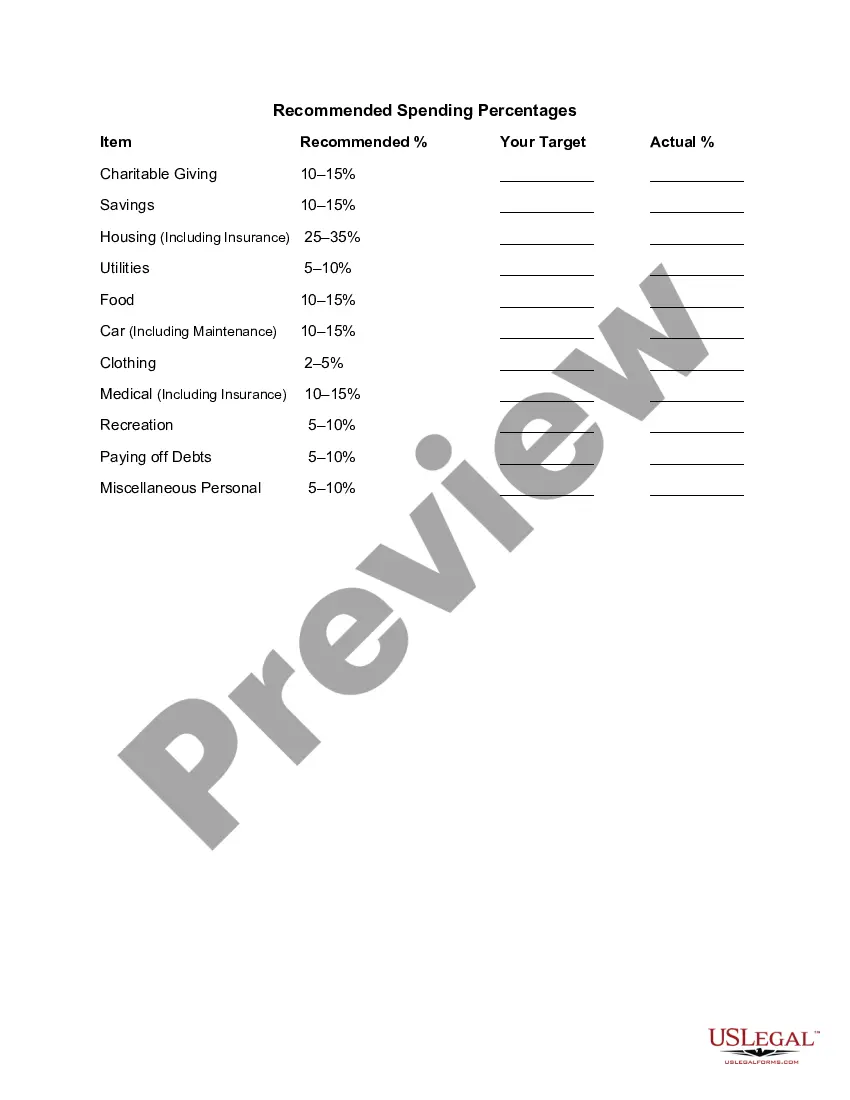
Tennessee Recommended Spending Percentages
Description
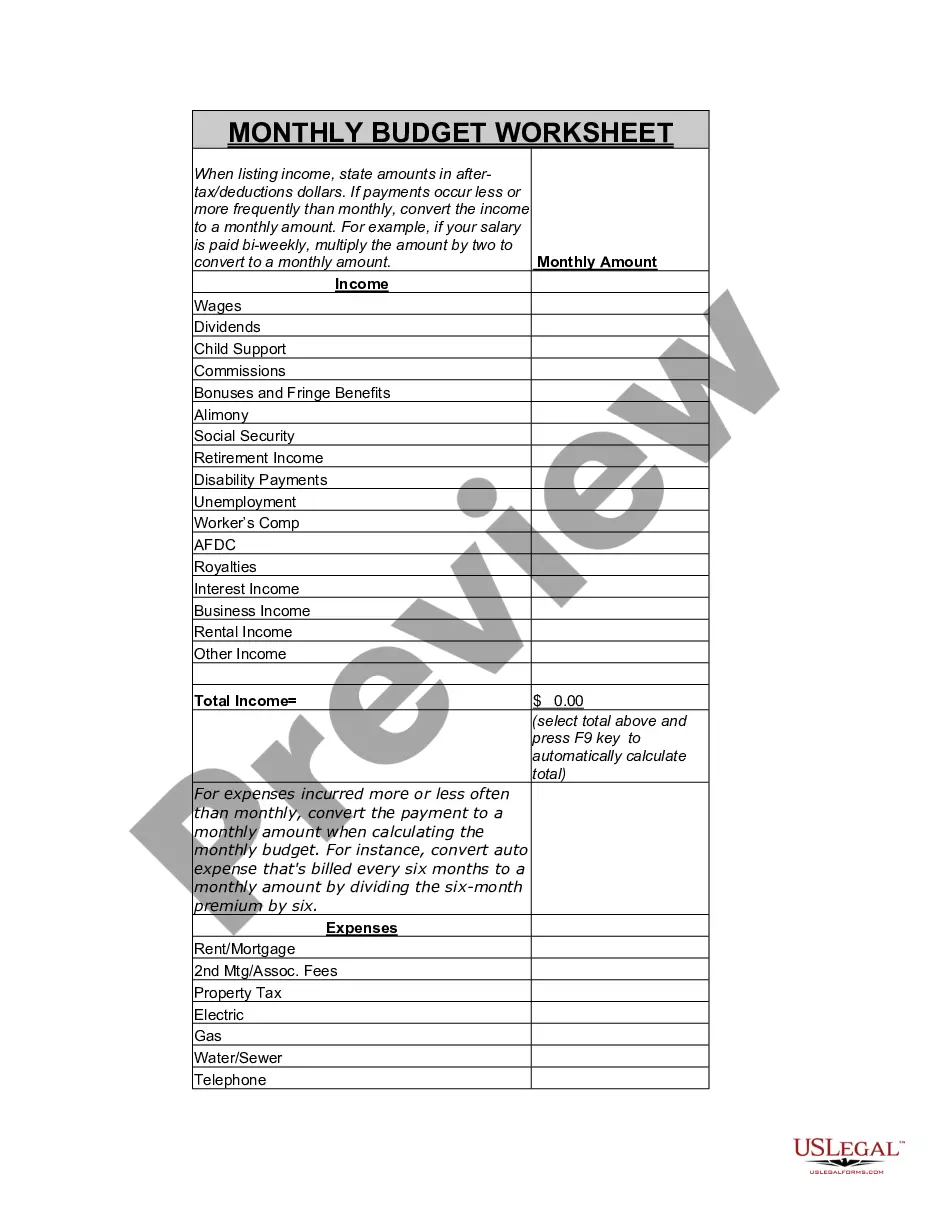
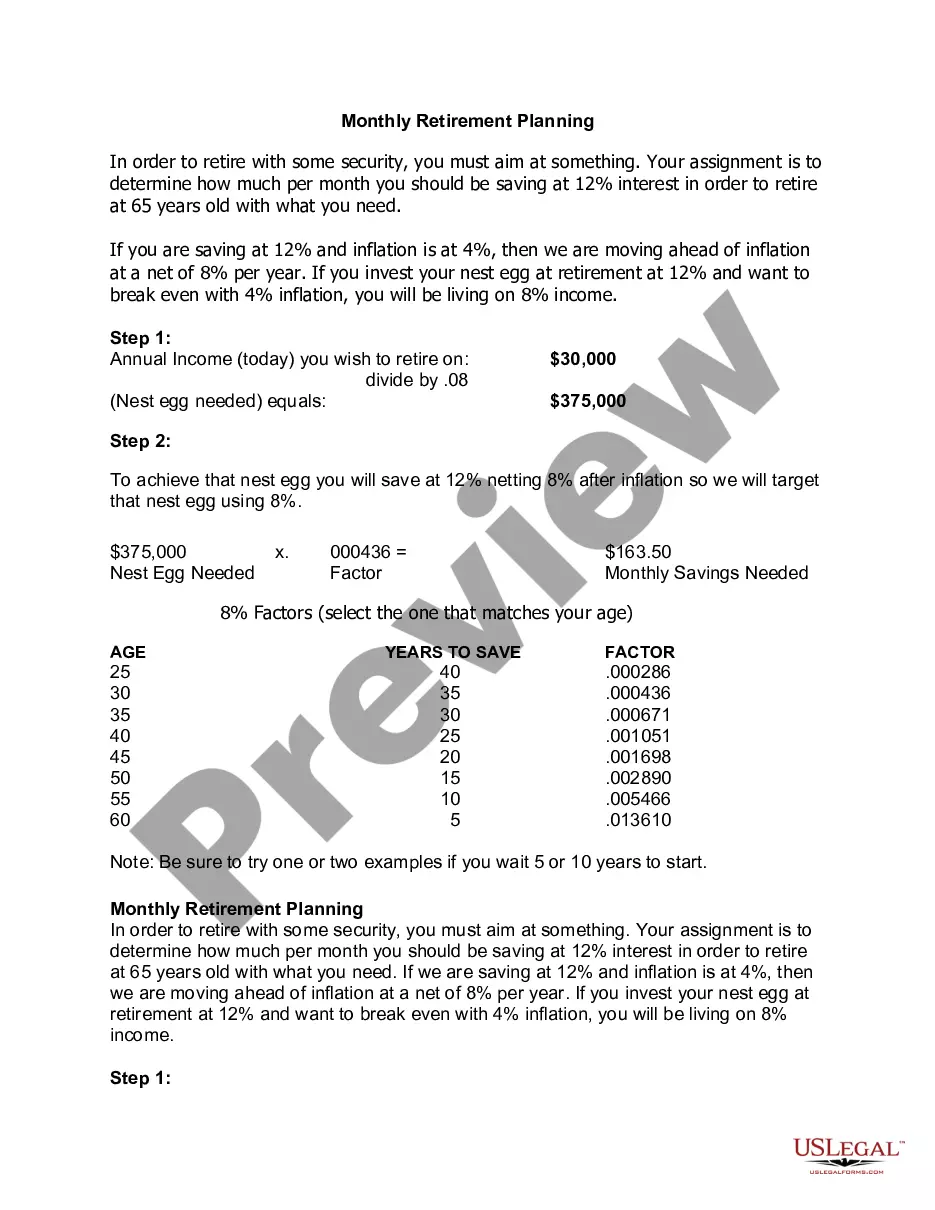
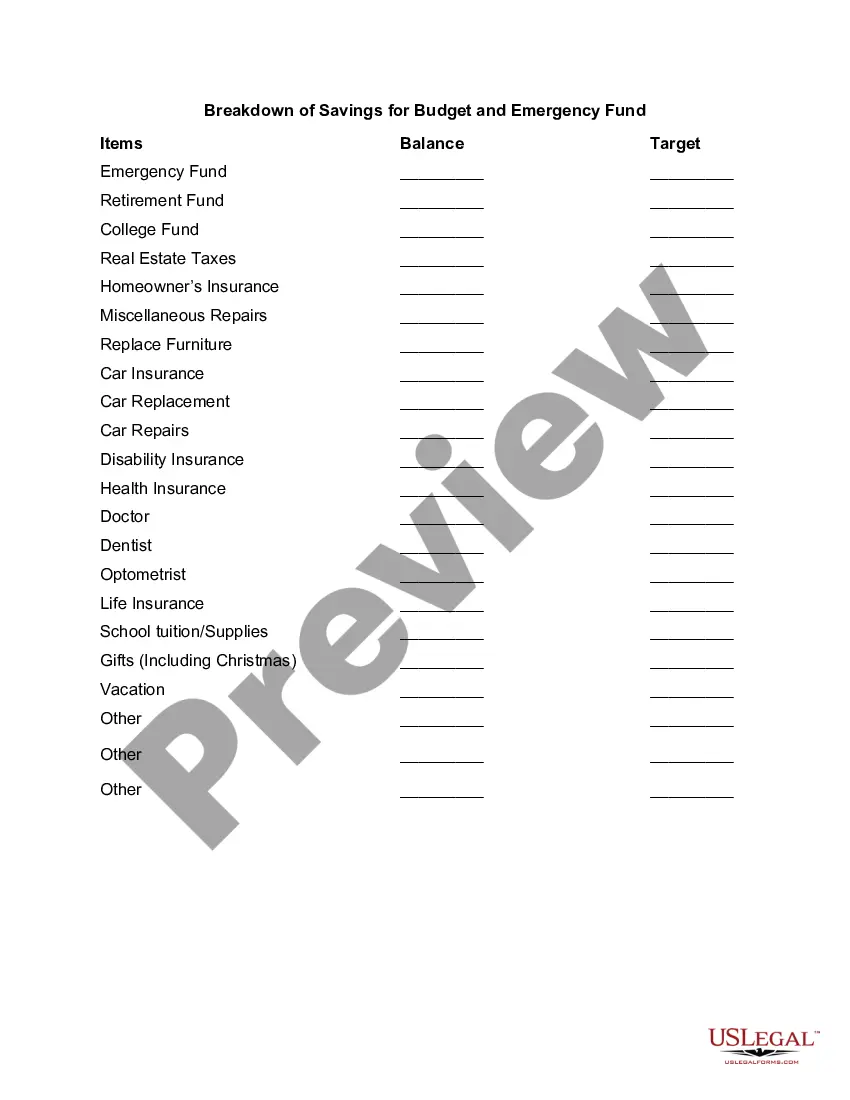
Get your form ready online
Our built-in tools help you complete, sign, share, and store your documents in one place.
Make edits, fill in missing information, and update formatting in US Legal Forms—just like you would in MS Word.
Download a copy, print it, send it by email, or mail it via USPS—whatever works best for your next step.
Sign and collect signatures with our SignNow integration. Send to multiple recipients, set reminders, and more. Go Premium to unlock E-Sign.
If this form requires notarization, complete it online through a secure video call—no need to meet a notary in person or wait for an appointment.
We protect your documents and personal data by following strict security and privacy standards.

Make edits, fill in missing information, and update formatting in US Legal Forms—just like you would in MS Word.

Download a copy, print it, send it by email, or mail it via USPS—whatever works best for your next step.

Sign and collect signatures with our SignNow integration. Send to multiple recipients, set reminders, and more. Go Premium to unlock E-Sign.

If this form requires notarization, complete it online through a secure video call—no need to meet a notary in person or wait for an appointment.

We protect your documents and personal data by following strict security and privacy standards.
Looking for another form?

How to fill out Recommended Spending Percentages?
US Legal Forms - one of the largest collections of legal documents in the country - offers a diverse selection of legal document templates that you can download or print.
By using the website, you can access thousands of forms for business and personal purposes, sorted by category, state, or keywords. You can find the latest editions of forms like the Tennessee Recommended Spending Percentages in no time.
If you already have a monthly subscription, Log In and download the Tennessee Recommended Spending Percentages from your US Legal Forms collection. The Download button will appear on every form you view. You can access all previously saved forms in the My documents section of your account.
Make edits. Fill out, modify, print, and sign the downloaded Tennessee Recommended Spending Percentages.
Each template you added to your account has no expiration date and is yours indefinitely. So, if you want to download or print another copy, simply go to the My documents section and click on the form you desire. Access the Tennessee Recommended Spending Percentages with US Legal Forms, the most comprehensive collection of legal document templates. Utilize thousands of professional and state-specific templates that fulfill your business or personal requirements and specifications.
- If you are using US Legal Forms for the first time, here are some easy steps to help you get started.
- Ensure you have selected the correct form for your state/region. Click the Review button to review the form's details. Check the form summary to make sure you have chosen the right document.
- If the form doesn't meet your needs, utilize the Search bar at the top of the screen to find the one that does.
- Once you are satisfied with the form, confirm your choice by clicking the Get now button. Then, select your preferred pricing plan and provide your credentials to register for an account.
- Complete the transaction. Use a Visa or Mastercard or PayPal account to finalize the purchase.
- Choose the format and download the document to your device.
Form popularity
FAQ
Explainer: How far does a $4B surplus really go for a state like Tennessee? Tennessee collected $4 billion more than budget From August of 2020 through October of 2021. Tennessee officials have underestimated their tax revenues to the tune of $4 billion since August of 2020.
Explainer: How far does a $4B surplus really go for a state like Tennessee? Tennessee collected $4 billion more than budget From August of 2020 through October of 2021. Tennessee officials have underestimated their tax revenues to the tune of $4 billion since August of 2020.
A budget surplus can be used to reduce taxes, start new programs or fund existing programs such as Social Security or Medicare. A budget surplus can occur when growth in revenue exceeds growth in expenditures, or following a reduction in costs or spending or both. An increase in taxes can also result in a surplus.
The primary source of funding for state expenditures is appropriation from general revenues. General revenues are proceeds from taxes, licenses, fees, fines, forfeitures, and other imposts laid specifically by law.
Using numbers that included data from the fiscal year that ended in June 2020, Tennessee had $8.7 billion more than it owed in obligations, amounting to a $4,400 surplus per taxpayer and earning a grade of B in the report, which was released Tuesday. The state had a $3,400 surplus per taxpayer the year before.
Tennessee has the lowest debt per capita of any state.
Tennessee collected 21% more tax revenue in FY 2021 than lawmakers initially budgeted, giving the state a $2.1 billion unbudgeted surplus.
Using numbers that included data from the fiscal year that ended in June 2020, Tennessee had $8.7 billion more than it owed in obligations, amounting to a $4,400 surplus per taxpayer and earning a grade of B in the report, which was released Tuesday. The state had a $3,400 surplus per taxpayer the year before.
Balanced Budget Requirement: Tennessee's constitution requires the budget to balance. This means in any given fiscal year, spending cannot exceed revenue collections plus reserves.
Depending on the size of a state's budget that might not be very much but in at least 29 of those states, the surplus was actually more than $1 billion. The total for those 29 states is more than $173.9 billion in additional funds. In many cases, the surplus is from state tax revenue that went far beyond projections.