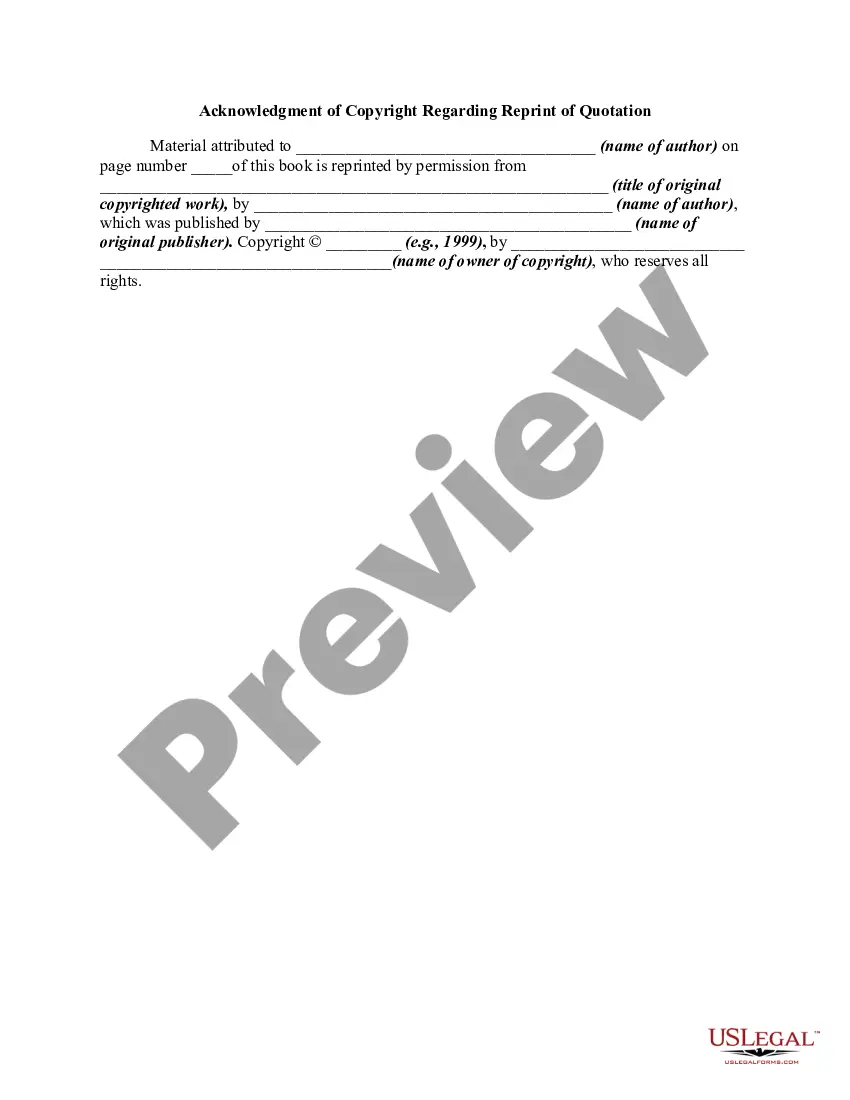
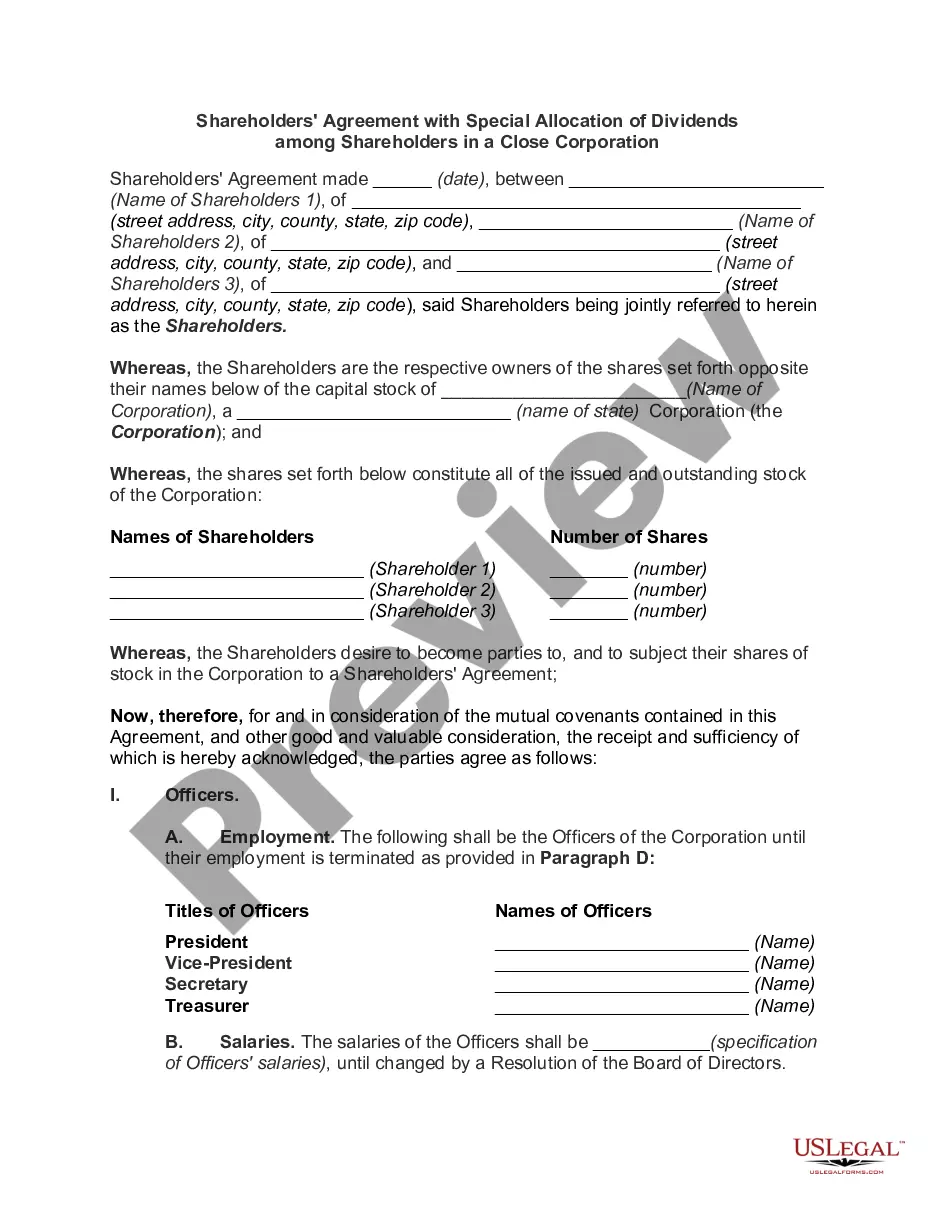
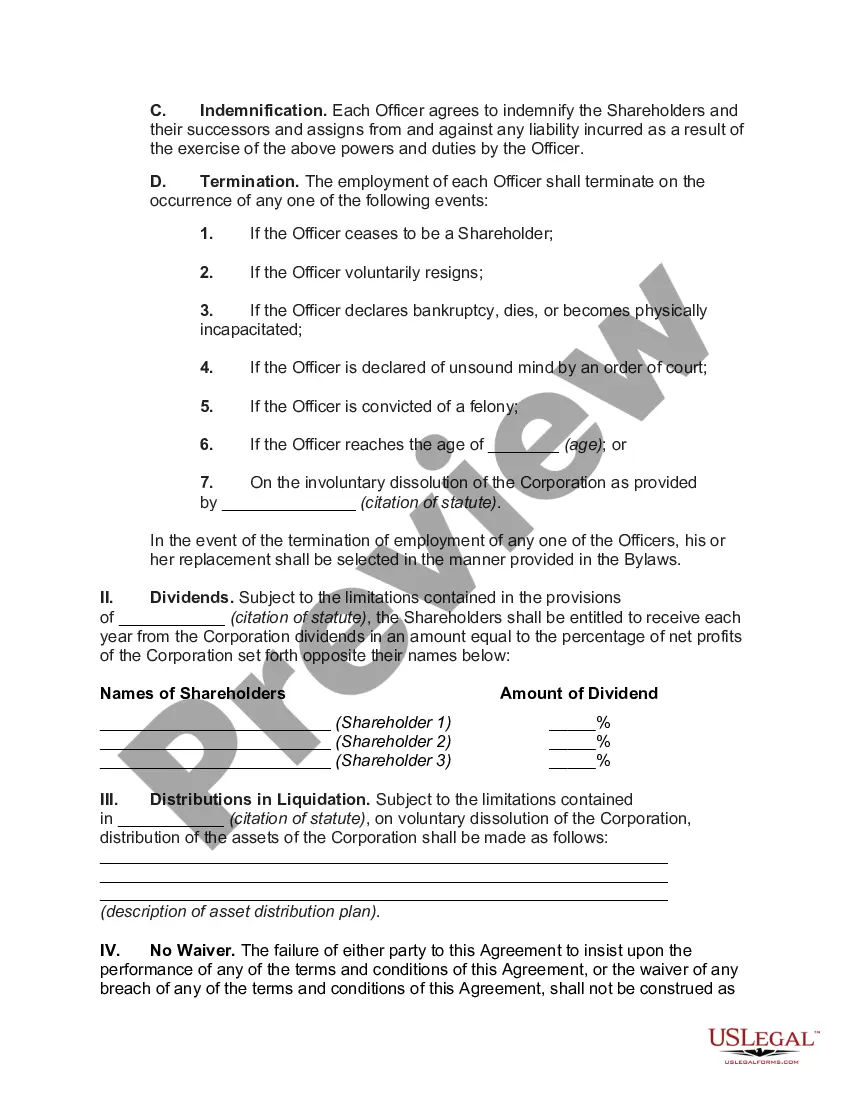
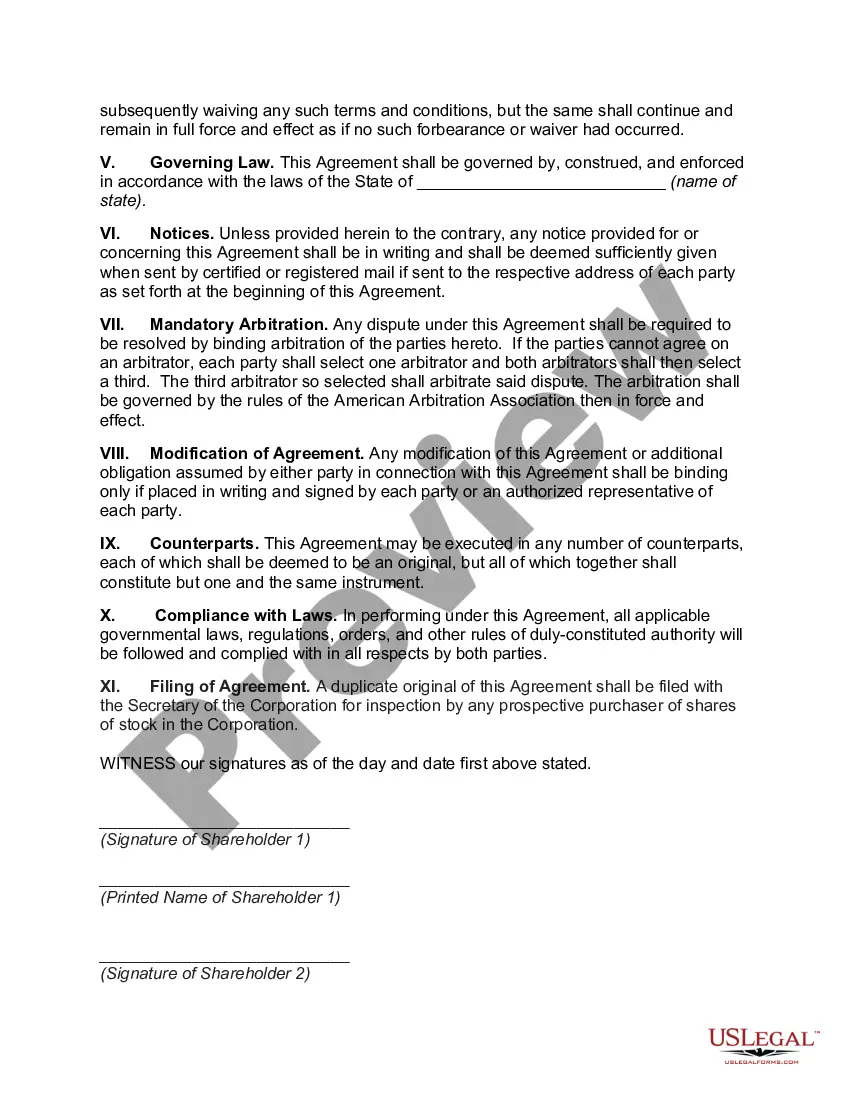
Tennessee Shareholders' Agreement with Special Allocation of Dividends among Shareholders in a Close Corporation
Description
Get your form ready online
Our built-in tools help you complete, sign, share, and store your documents in one place.
Make edits, fill in missing information, and update formatting in US Legal Forms—just like you would in MS Word.
Download a copy, print it, send it by email, or mail it via USPS—whatever works best for your next step.
Sign and collect signatures with our SignNow integration. Send to multiple recipients, set reminders, and more. Go Premium to unlock E-Sign.
If this form requires notarization, complete it online through a secure video call—no need to meet a notary in person or wait for an appointment.
We protect your documents and personal data by following strict security and privacy standards.

Make edits, fill in missing information, and update formatting in US Legal Forms—just like you would in MS Word.

Download a copy, print it, send it by email, or mail it via USPS—whatever works best for your next step.

Sign and collect signatures with our SignNow integration. Send to multiple recipients, set reminders, and more. Go Premium to unlock E-Sign.

If this form requires notarization, complete it online through a secure video call—no need to meet a notary in person or wait for an appointment.

We protect your documents and personal data by following strict security and privacy standards.
Looking for another form?


How to fill out Shareholders' Agreement With Special Allocation Of Dividends Among Shareholders In A Close Corporation?
Finding the appropriate legal document template can be quite a challenge.
Naturally, there are numerous formats accessible online, but how do you obtain the legal form you need.
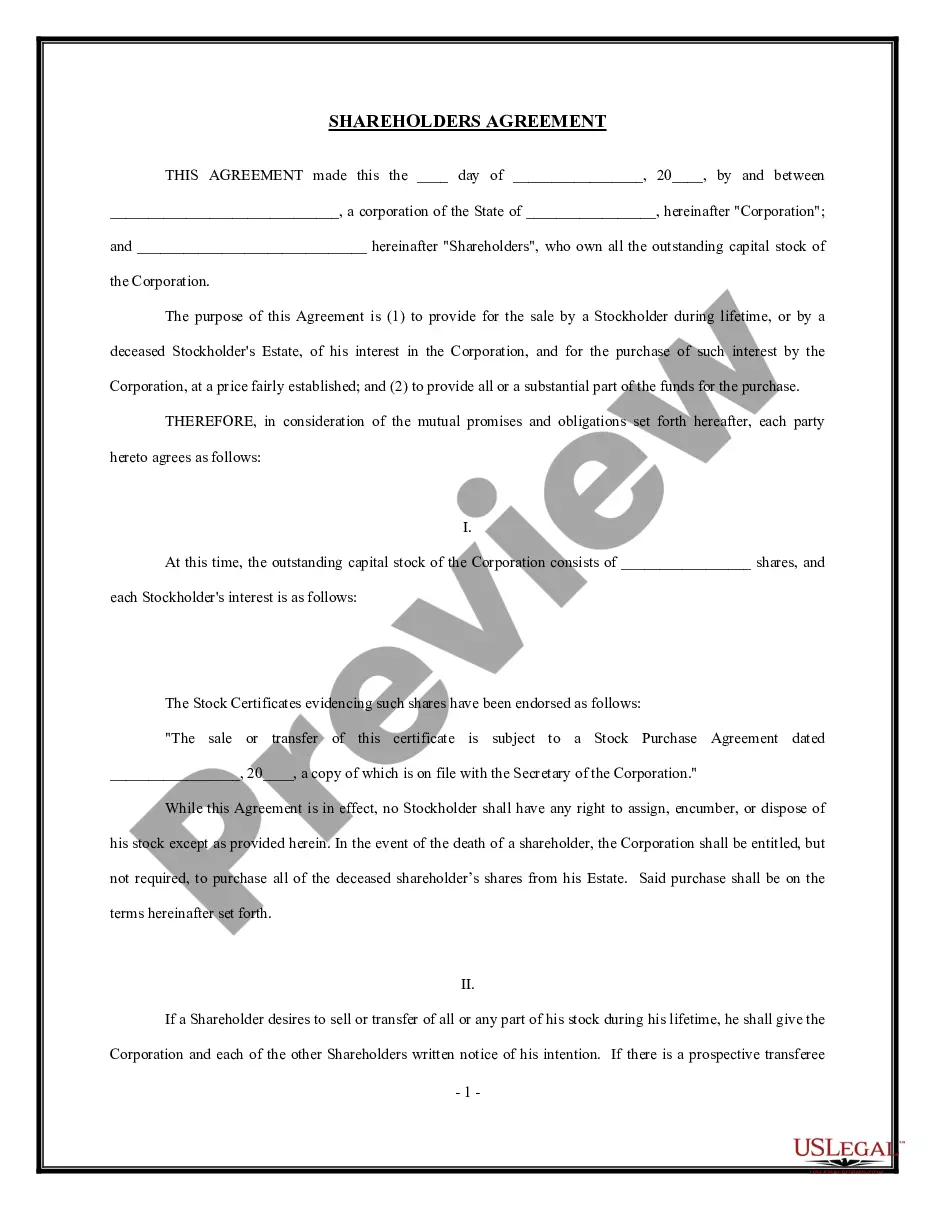
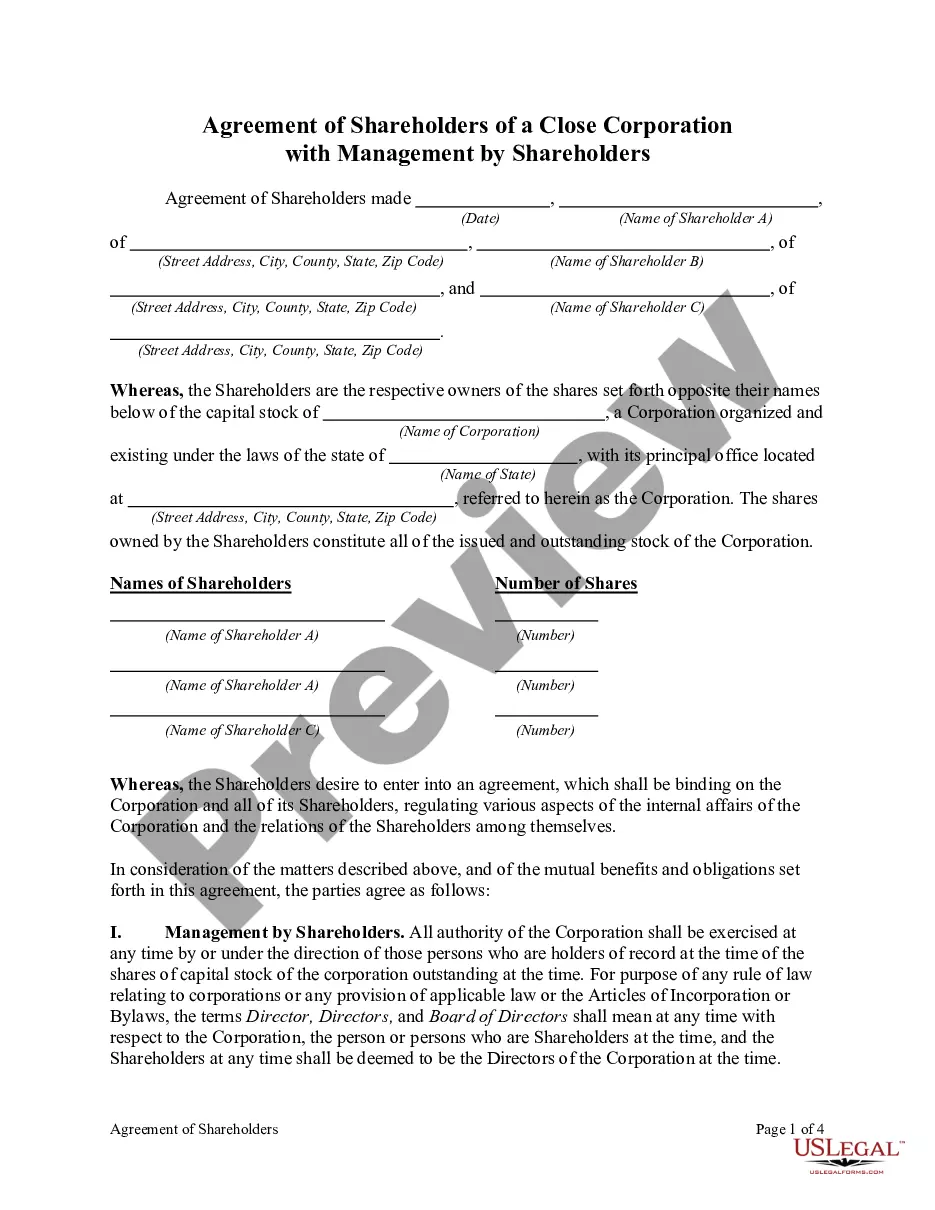
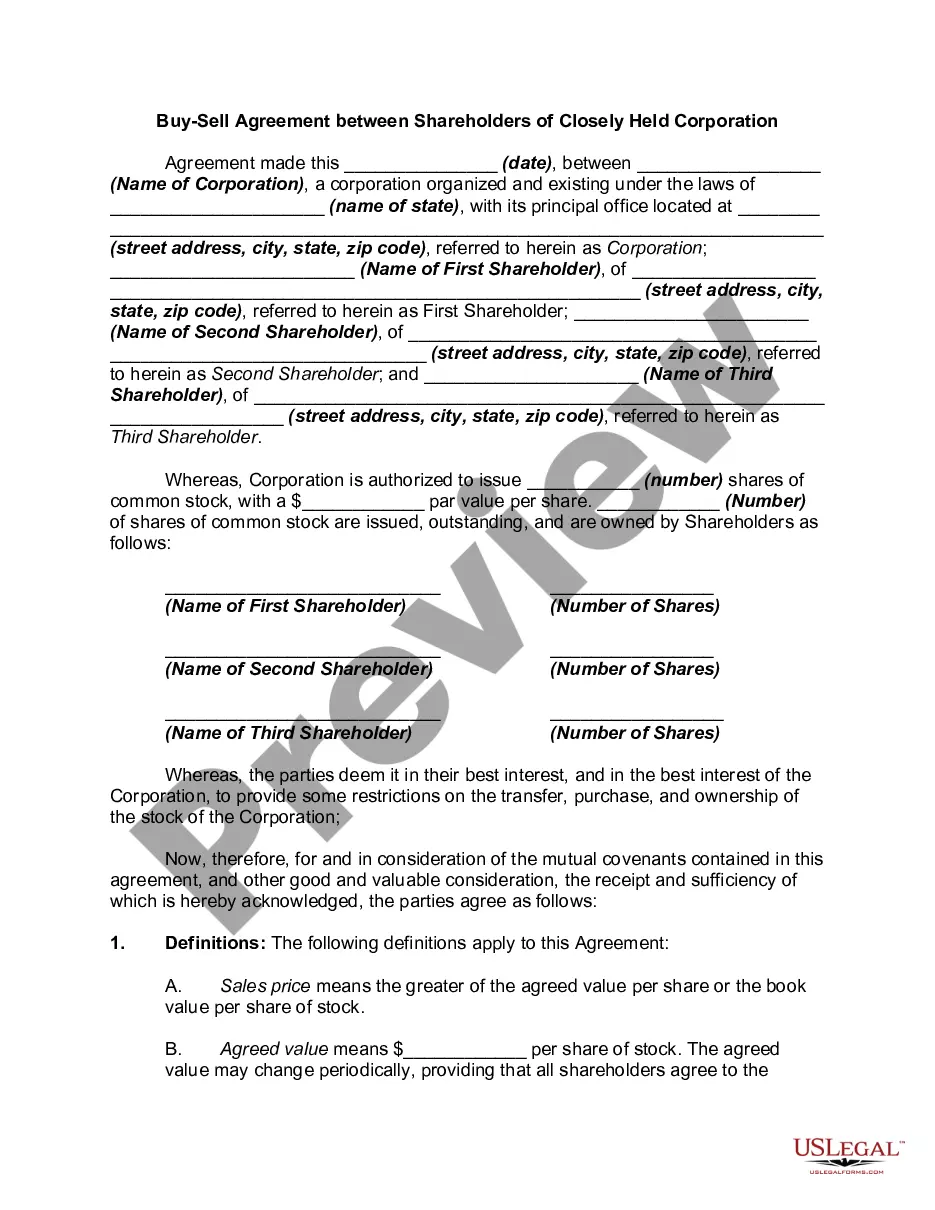
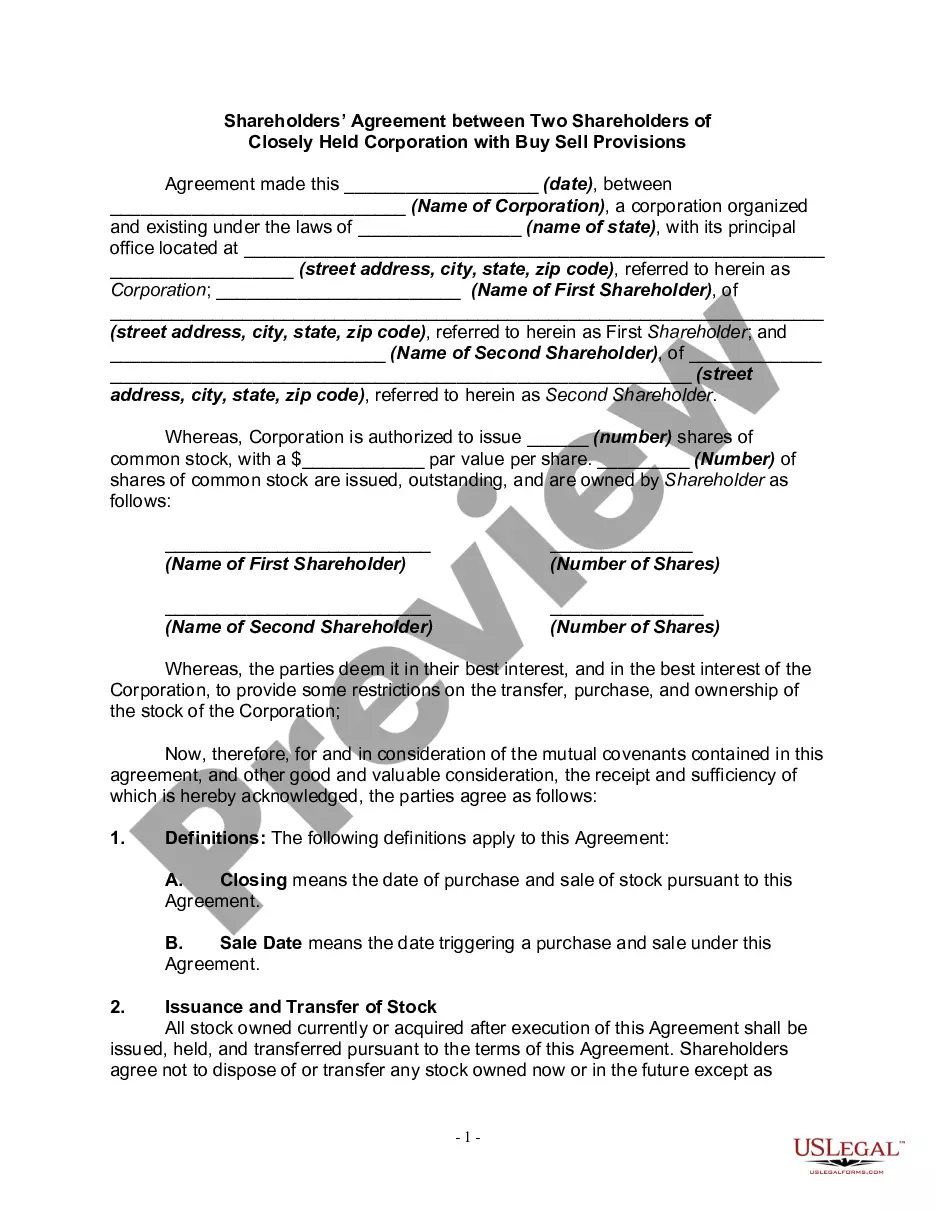
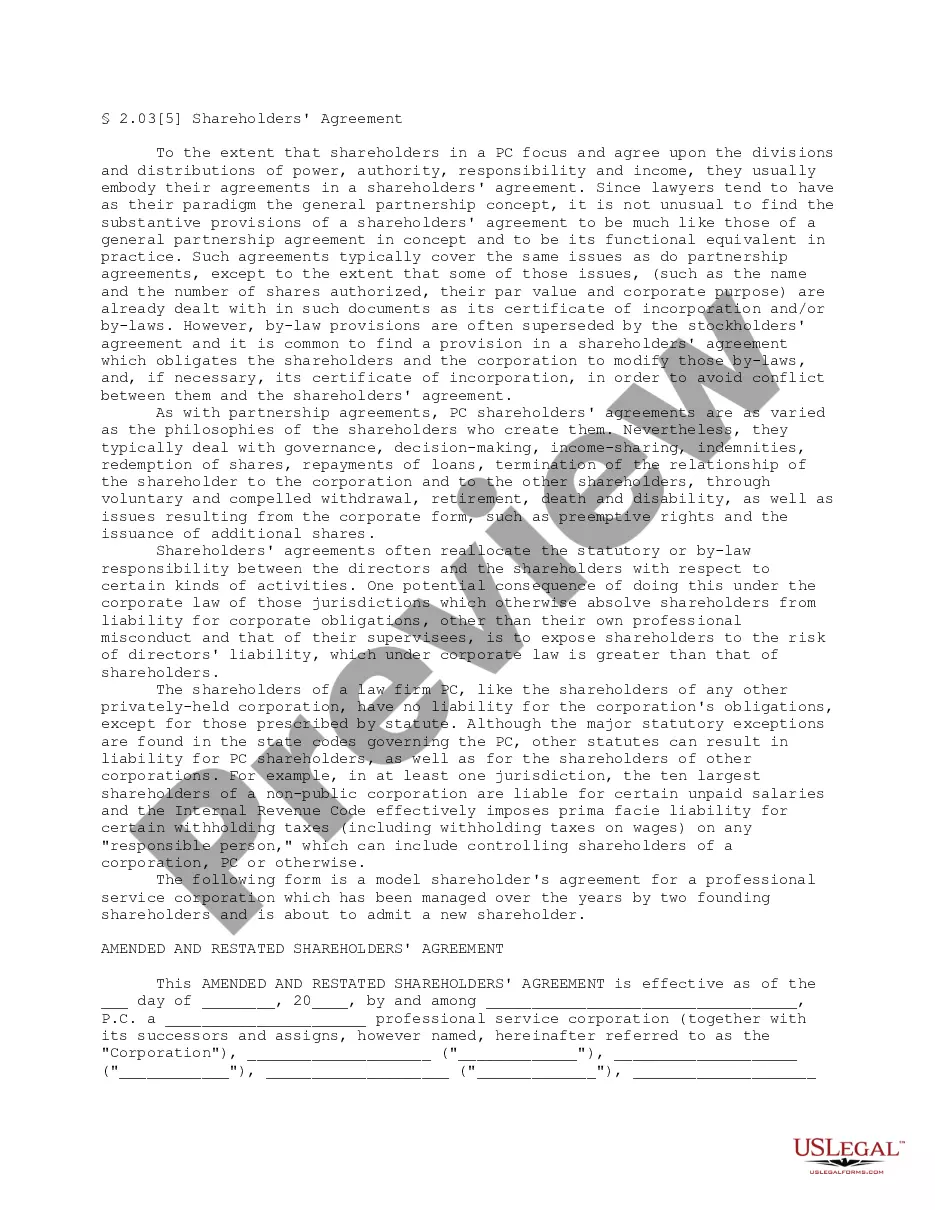
Utilize the US Legal Forms website. The service offers thousands of templates, including the Tennessee Shareholders' Agreement with Special Allocation of Dividends among Shareholders in a Close Corporation, which can be utilized for both business and personal purposes.
If the document does not meet your expectations, use the Search field to find the correct document.
- All templates are reviewed by professionals and comply with state and federal regulations.
- If you are already registered, Log In to your account and click the Download button to obtain the Tennessee Shareholders' Agreement with Special Allocation of Dividends among Shareholders in a Close Corporation.
- Use your account to browse the legal documents you have previously purchased.
- Go to the My documents section of your account and download another copy of the document you need.
- If you are a new user of US Legal Forms, here are some simple guidelines to follow.
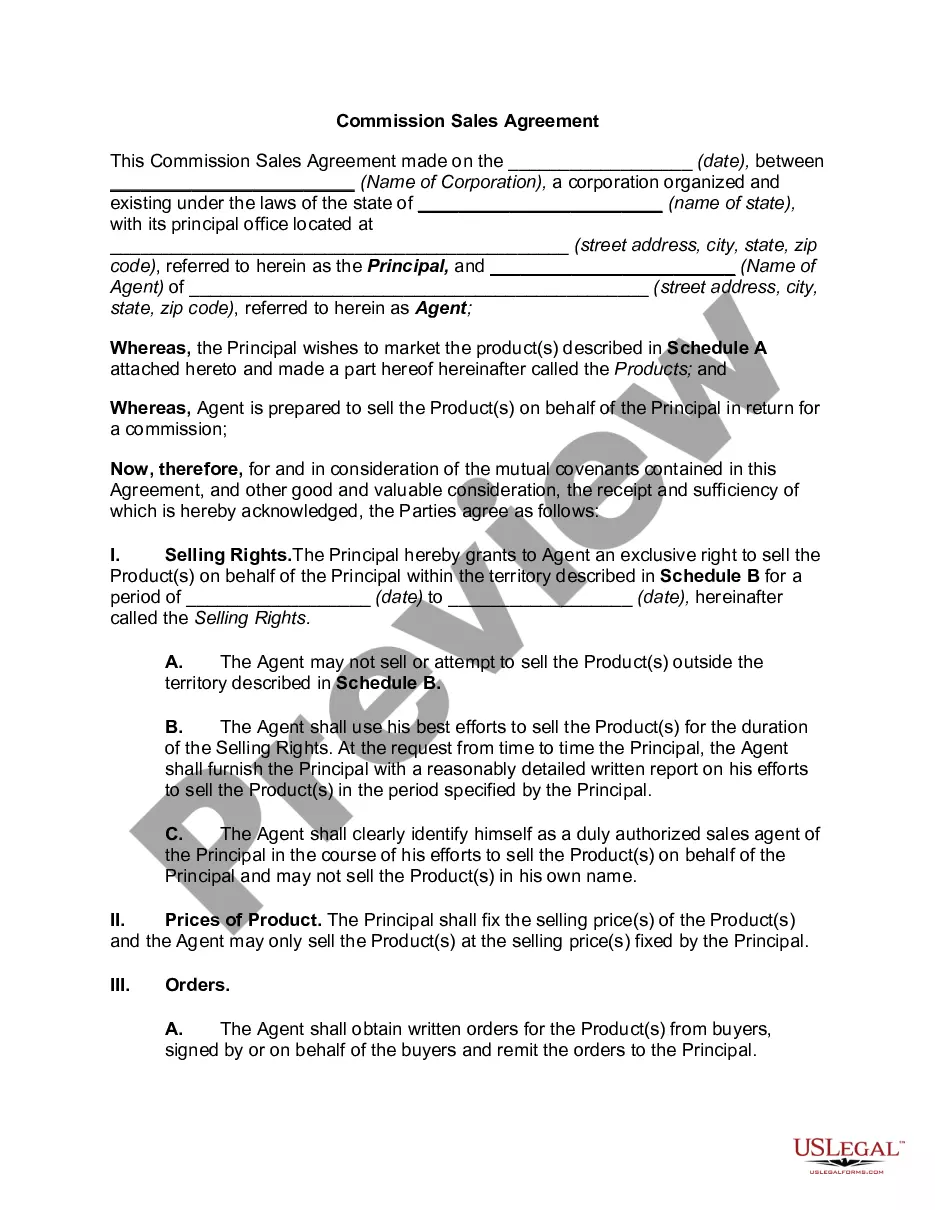
- First, ensure you have selected the correct document for your city/state. You can preview the form using the Preview button and review the form description to confirm it's the right one for you.
Form popularity
FAQ
A Medium of Instruction Certificate (MOI) is the certificate which states the language in which you completed your degree education. It is not necessary that the instruction language is the official language of the country or state.
What to Think about When You Begin Writing a Shareholder Agreement.Name Your Shareholders.Specify the Responsibilities of Shareholders.The Voting Rights of Your Shareholders.Decisions Your Corporation Might Face.Changing the Original Shareholder Agreement.Determine How Stock can be Sold or Transferred.More items...
Important provisions within a Shareholders' Agreement include the decision-making powers of directors and shareholders, restrictions on the sale and transfer of shares, and the process for resolving disputes. If you're the only owner of your business, then you won't need to worry about a Shareholders' Agreement.
A shareholder agreement, on the other hand, is optional. This document is often by and for shareholders, outlining certain rights and obligations. It can be most helpful when a corporation has a small number of active shareholders.
A Shareholders Agreement is a contract concluded between shareholders to a company that formalizes the relationship and governs the duties and responsibilities between all stakeholders to the company.
The MOI automatically binds new shareholders without their explicit agreement, while a Shareholders Agreement needs to be agreed to before being binding.
Having a shareholders' agreement is a cost effective way of minimizing any issues which may arise later on by making it clear how certain matters will be dealt with and by providing a forum for dispute resolution should an issue arise down the road.
A Partnership Agreement sets out information such as business objective, management, funding, responsibilities and obligations of each Partner, and dispute management. A shareholder is someone who owns a share in a company.
The term MOI is an abbreviation for Memorandum of Incorporation. It is a document that sets out the rights, duties and responsibilities of shareholders, directors and other persons involved in a company.
The most important document governing a company is the Memorandum of Incorporation (MOI). The MOI sets out the rules governing the conduct of the company, as specified by its owners.