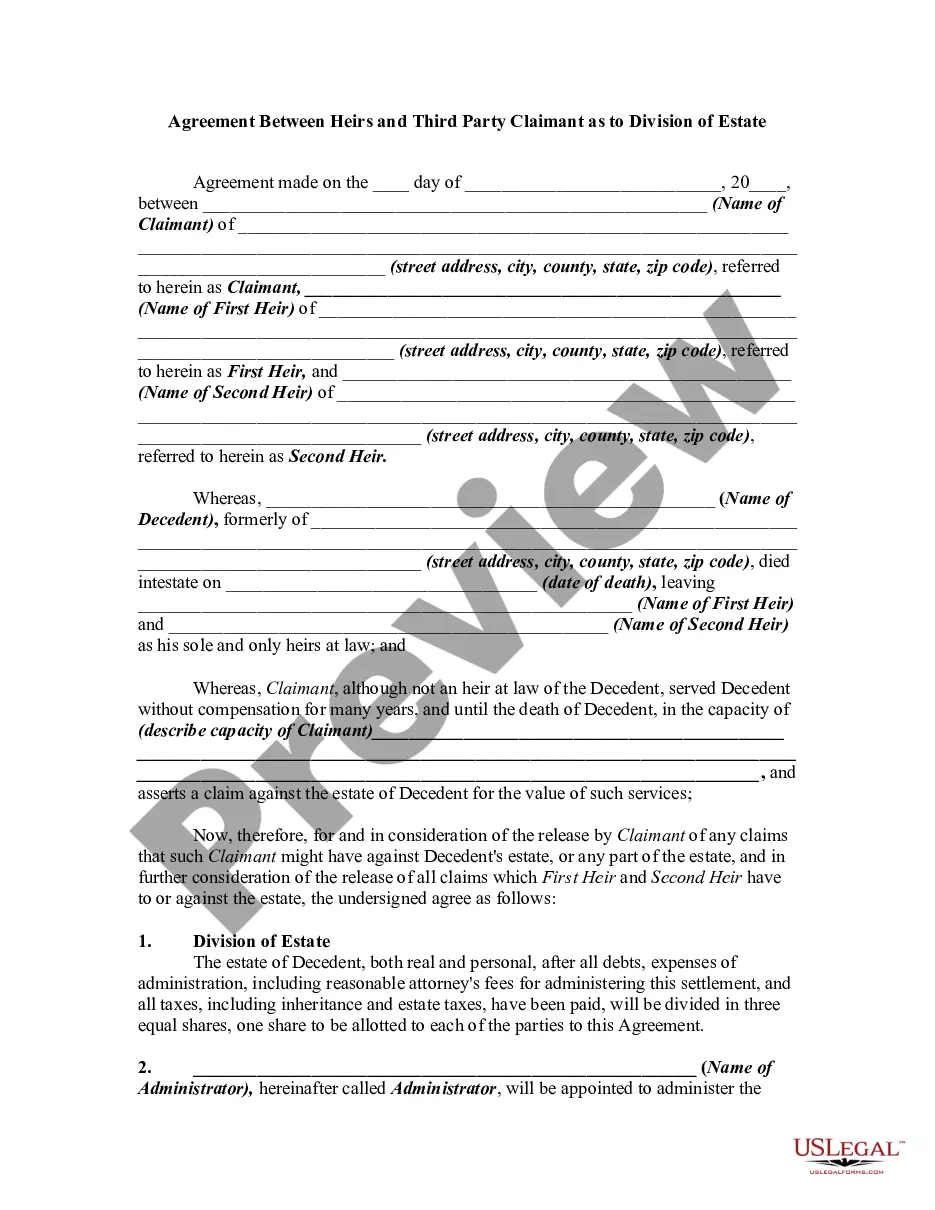
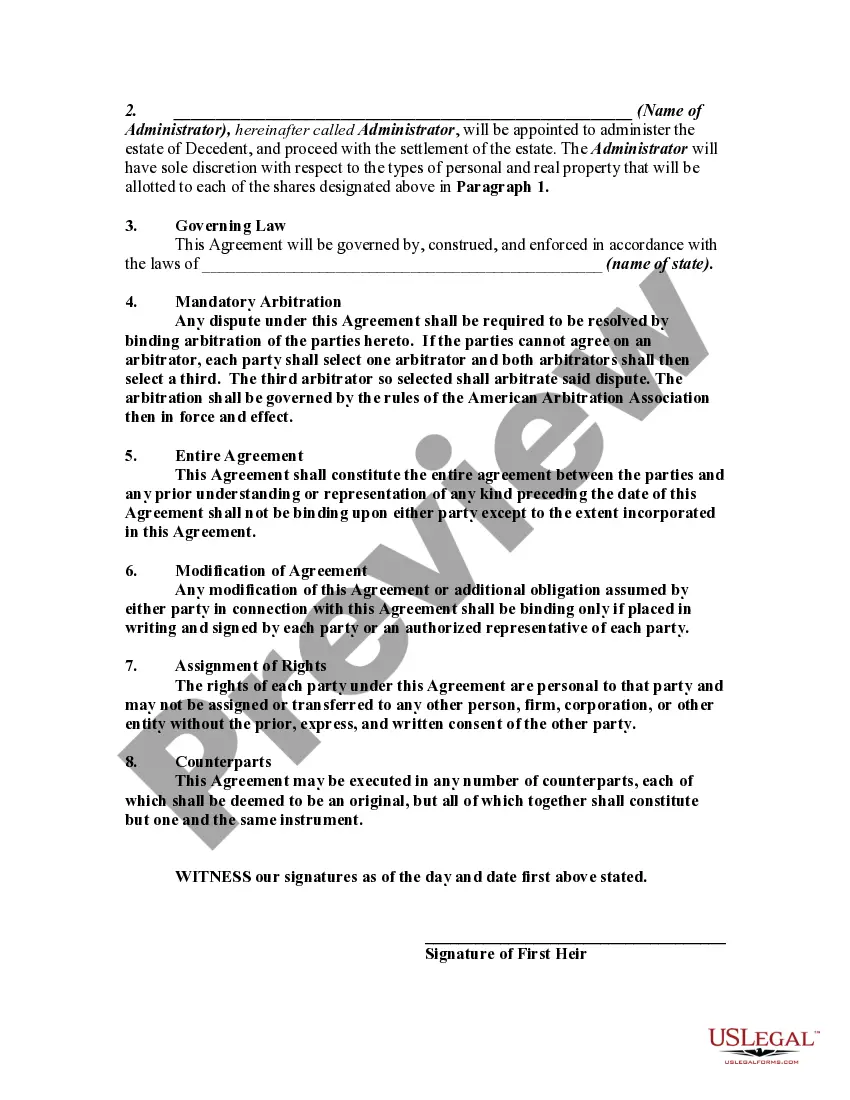
Tennessee Agreement Between Heirs and Third Party Claimant as to Division of Estate

Category:
State:
Multi-State
Control #:
US-01111BG
Format:
Word; 
Rich Text
Instant download

Description

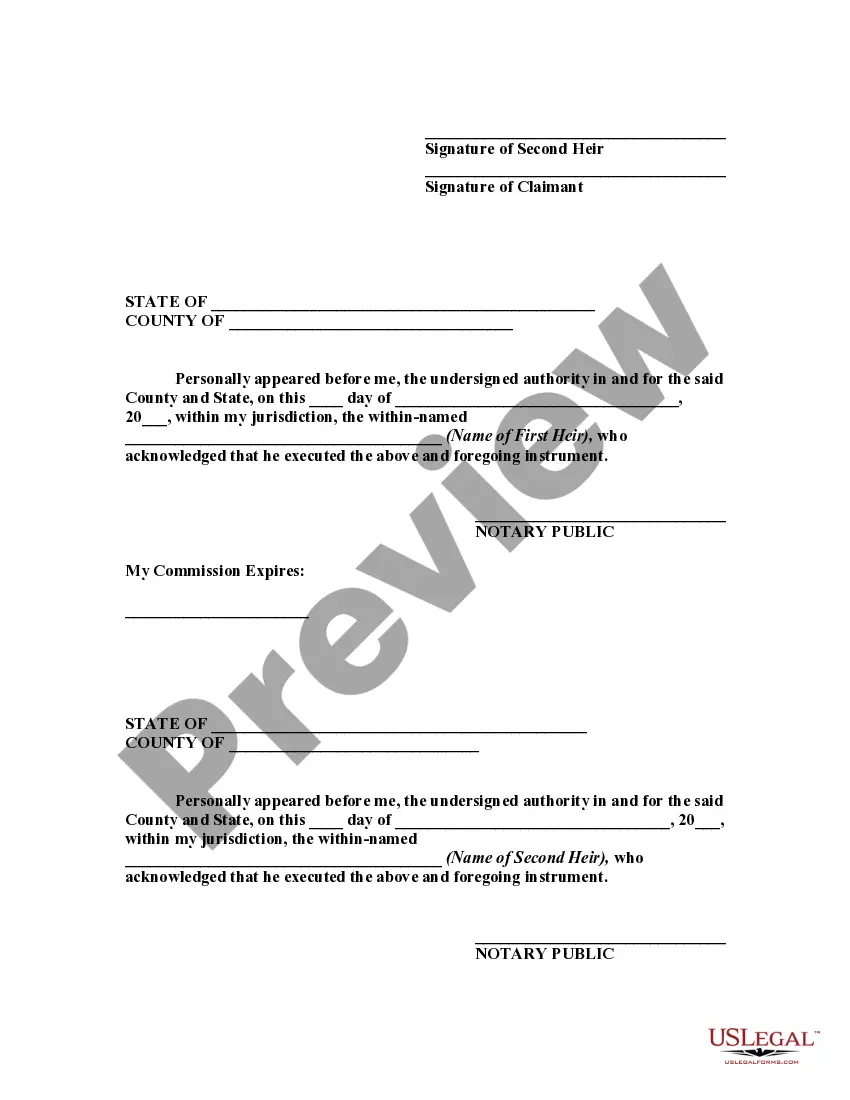
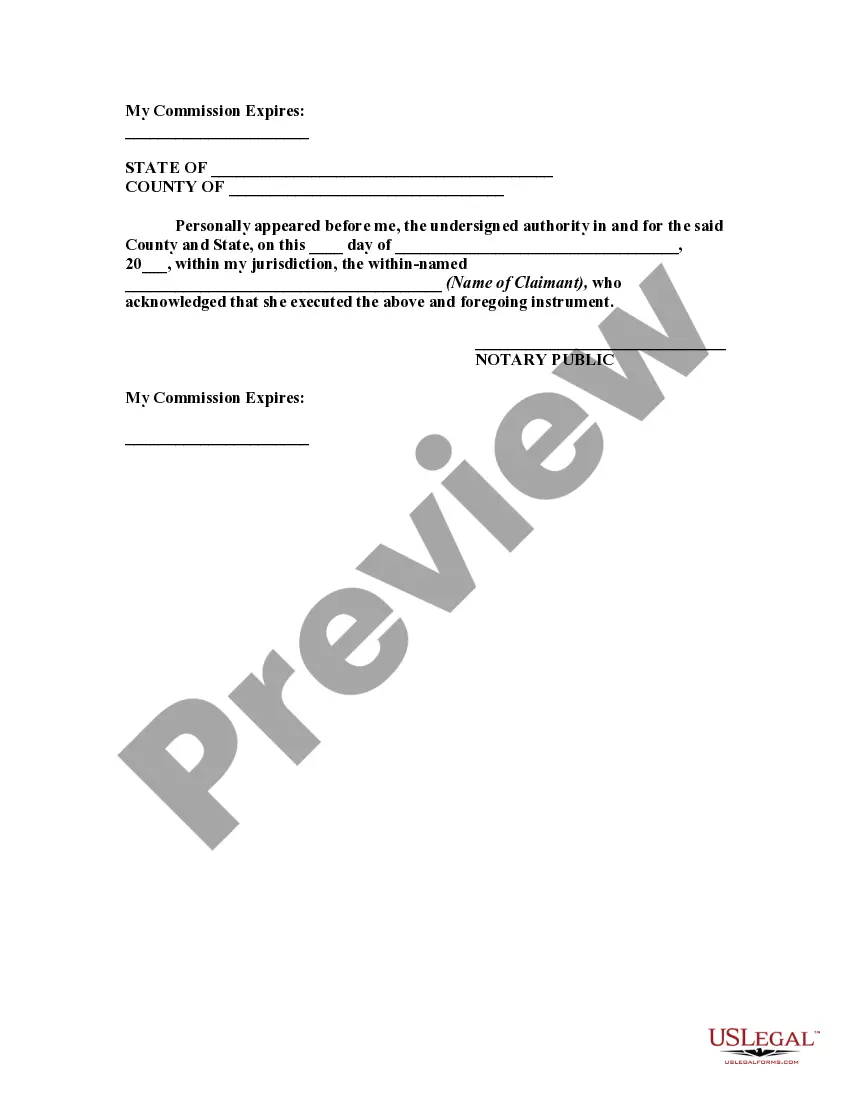
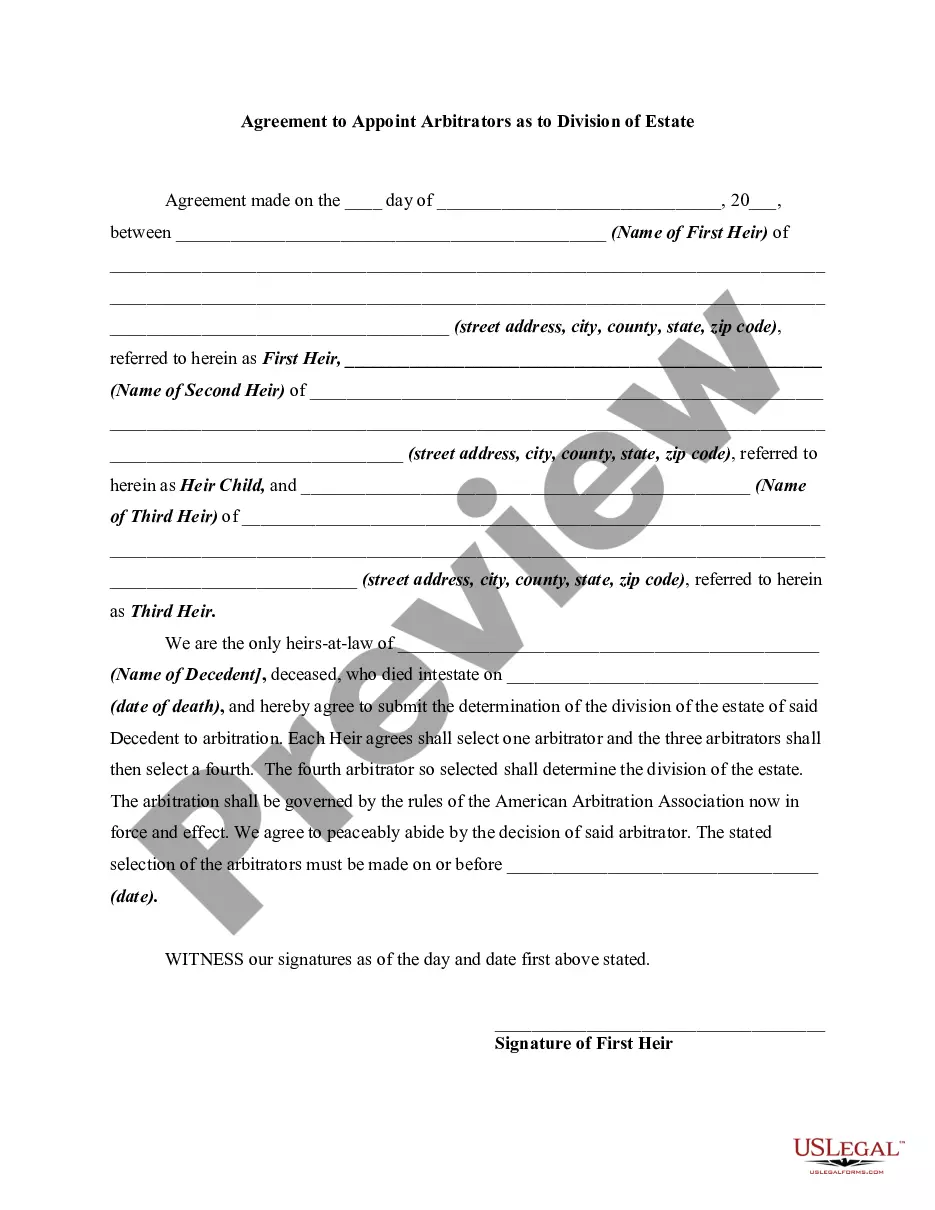
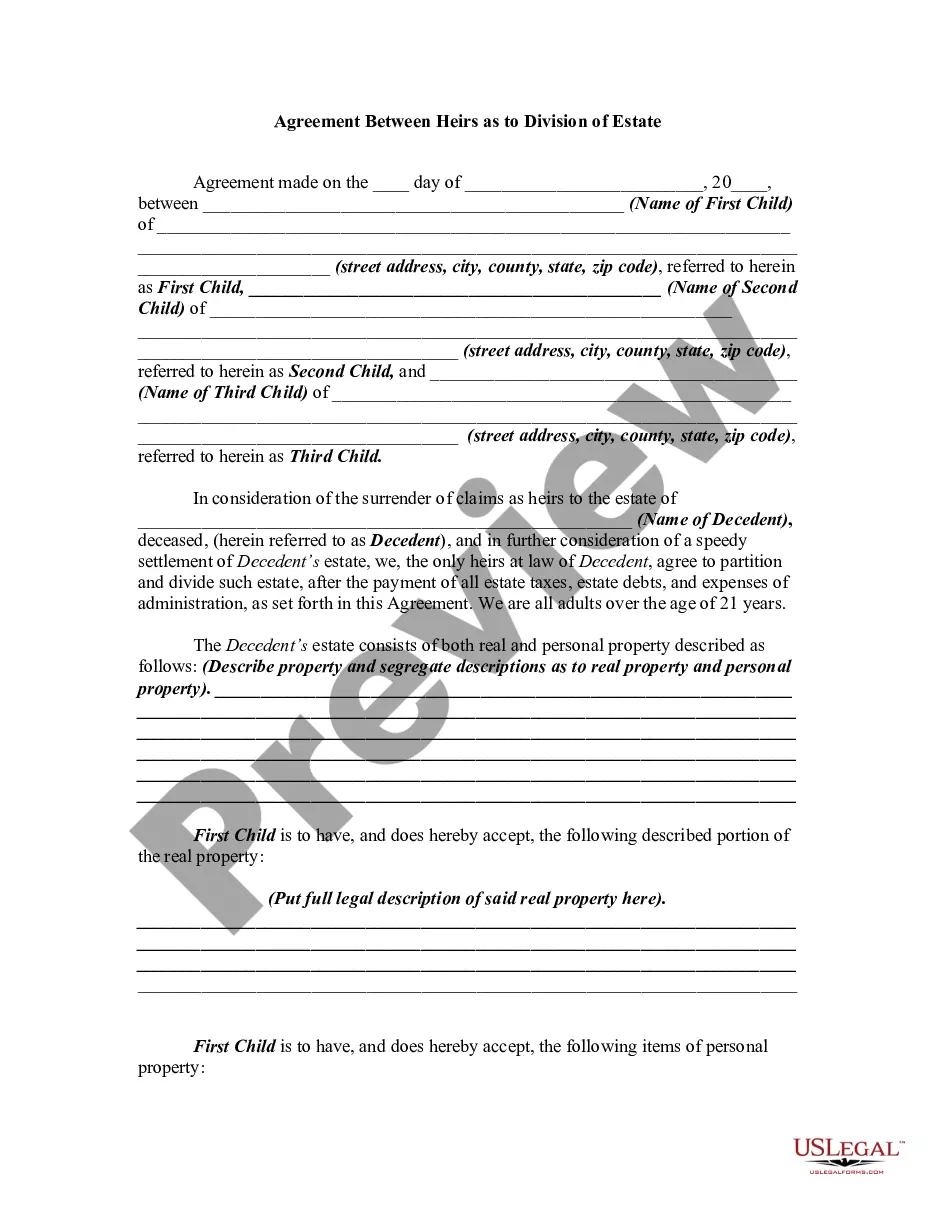
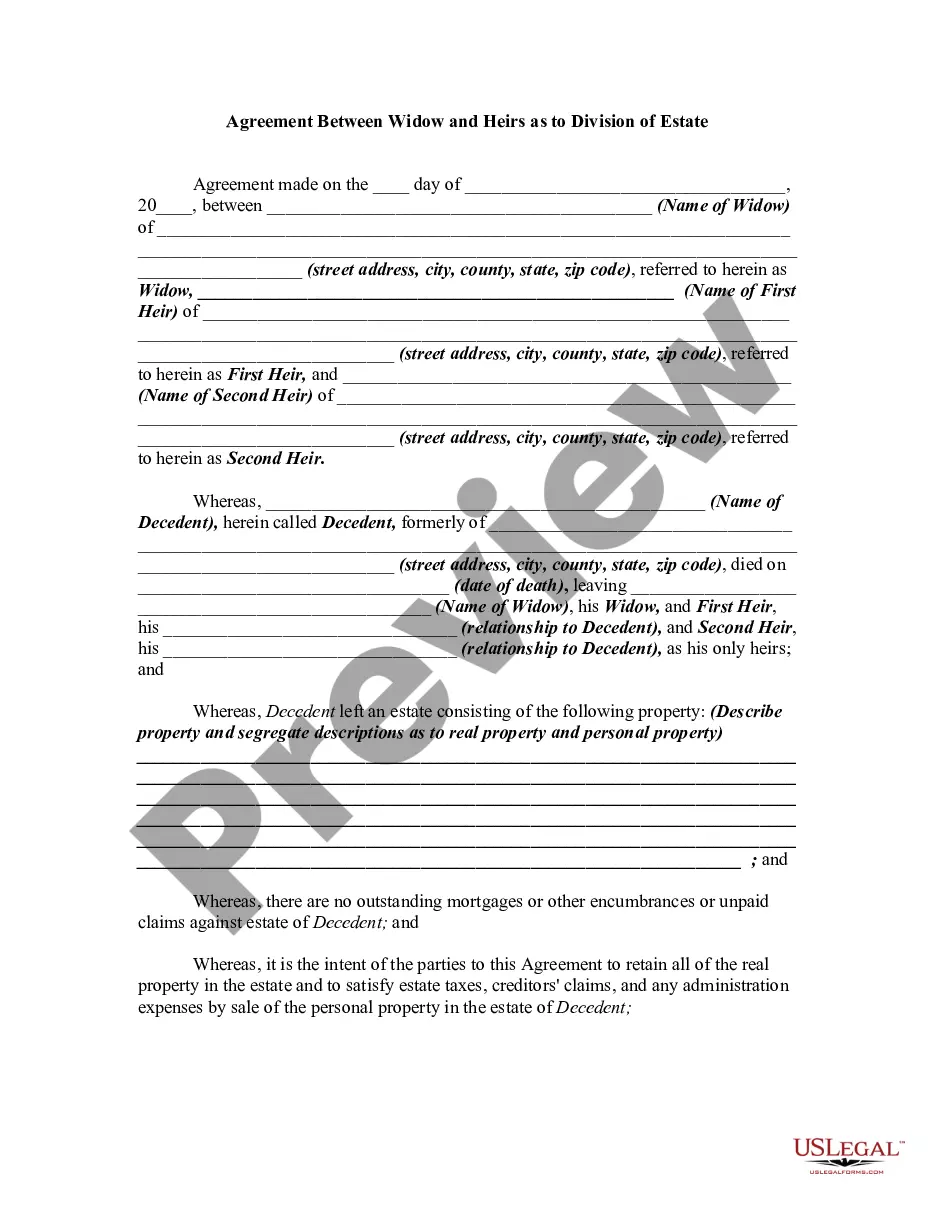
Agreements among family members and claimants for the settlement of an intestate's estate will be upheld in the absence of fraud and when the rights of creditors are met. Intestate means that the decedent died without a valid will. The termination of any family controversy or the release of a reasonable, bona fide claim in an intestate estate have been held to be sufficient consideration for a family settlement.


This form is a generic example that may be referred to when preparing such a form for your particular state. It is for illustrative purposes only. Local laws should be consulted to determine any specific requirements for such a form in a particular jurisdiction.
Free preview
  • Preview Agreement Between Heirs and Third Party Claimant as to Division of Estate
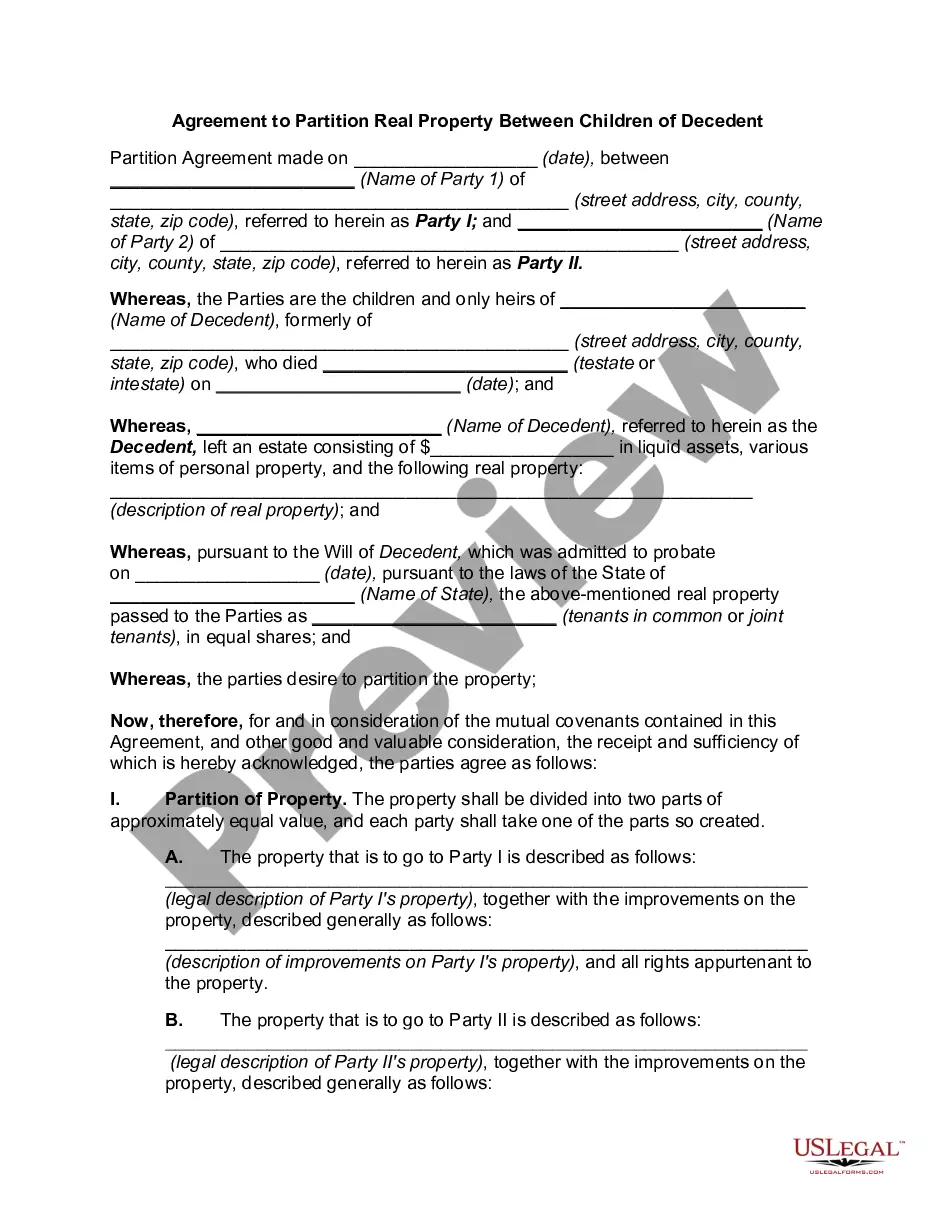
  • Preview Agreement Between Heirs and Third Party Claimant as to Division of Estate
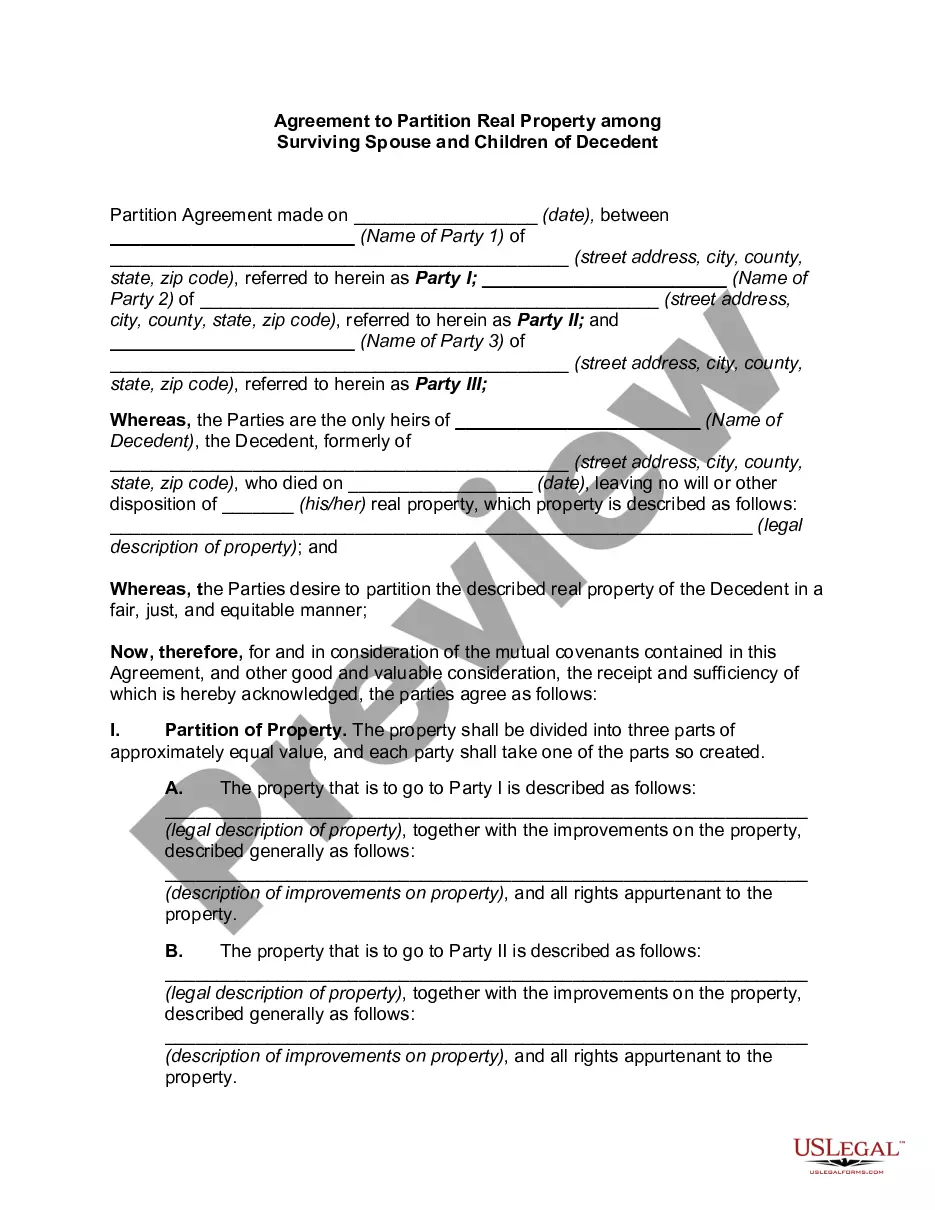
  • Preview Agreement Between Heirs and Third Party Claimant as to Division of Estate
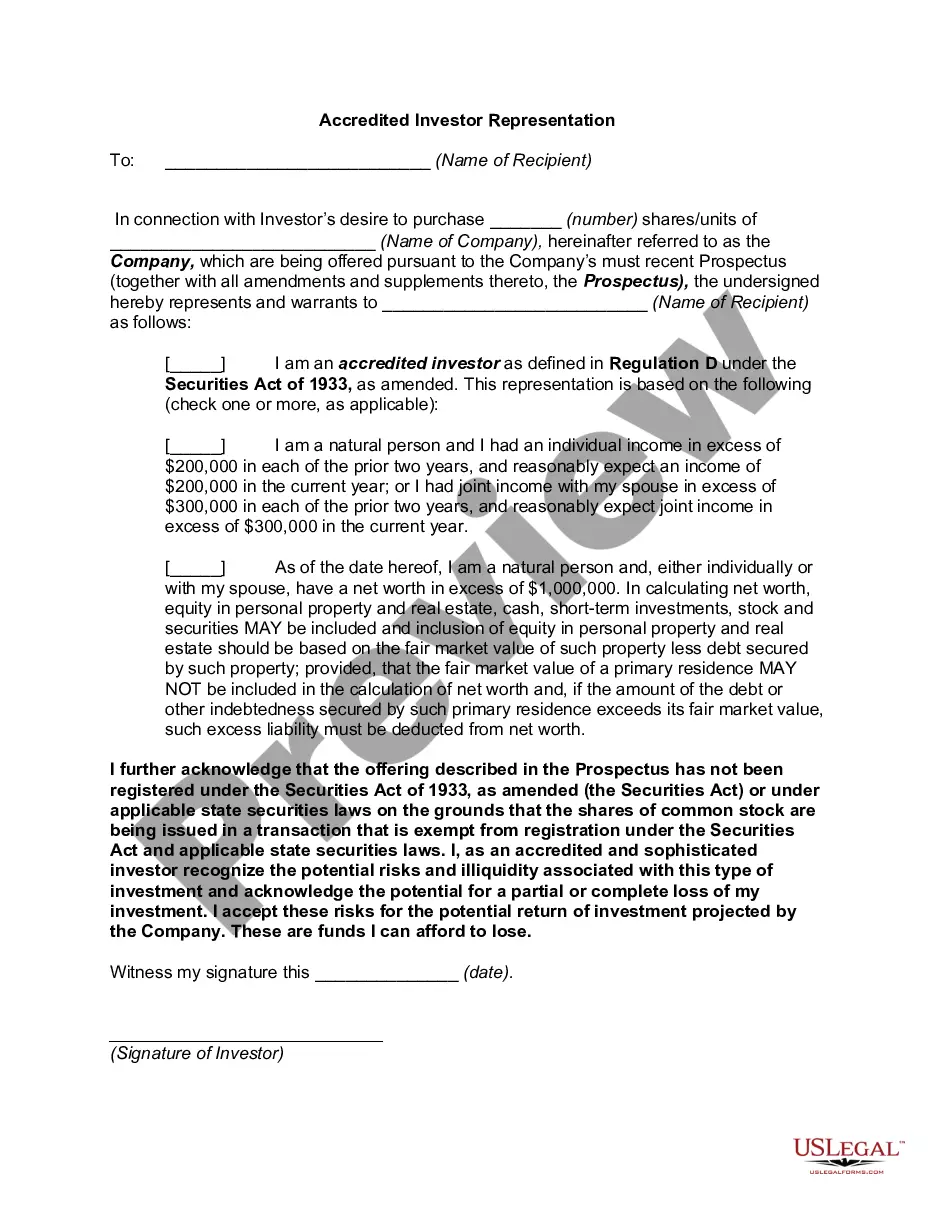
  • Preview Agreement Between Heirs and Third Party Claimant as to Division of Estate

How to fill out Agreement Between Heirs And Third Party Claimant As To Division Of Estate?

If you wish to obtain, download, or print authorized document templates, utilize US Legal Forms, the largest selection of legal forms, which are available online.

Take advantage of the site’s user-friendly and convenient search feature to find the documents you require.

Various templates for business and personal use are categorized by sections and states, or by keywords.

Step 4. Once you have located the form you need, click the Get now button. Choose the pricing plan you prefer and enter your credentials to register for an account.

Step 5. Complete the transaction. You can use your credit card or PayPal account to finalize the payment.

  1. Employ US Legal Forms to acquire the Tennessee Agreement Between Heirs and Third Party Claimant regarding Division of Estate with just a few clicks.
  2. If you are a current US Legal Forms user, Log In to your account and click the Obtain button to get the Tennessee Agreement Between Heirs and Third Party Claimant regarding Division of Estate.
  3. You can also access forms you previously saved in the My documents tab of your account.
  4. If you are using US Legal Forms for the first time, follow the guidelines below.
  5. Step 1. Ensure you have selected the form for the correct city/state.
  6. Step 2. Use the Preview option to review the content of the form. Remember to read the information.
  7. Step 3. If you are not satisfied with the form, utilize the Search box at the top of the screen to find alternative versions of the legal form template.

Form popularity

FAQ

Generally, once an individual has passed, a process known as Probate must be completed to distribute their estate. Once the Court has granted probate, the Executor can finalise the estate by paying any debts and expenses, before allocating any gifts to beneficiaries.

The law states that the estate should first be distributed to any surviving parents. If there are not any surviving parents, then the estate would be distributed to the deceased person's siblings (or nieces and nephews if there is a deceased sibling).

Yes, siblings (or other co-owners) can force the sale of inherited property via a partition action or lawsuit.

Tennessee Executor's Deed. An executor's deed is a legal document used to transfer real estate from an estate to an heir or beneficiary after the death of the former owner. The executor prepares the deed and submits it to the probate court for approval.

A Tennessee Affidavit of Heirship provides conclusive evidence of the deceased person's family history and their heirs, allowing legal measures to be taken to establish the rightful inheritance of the property. Title companies accept a Tennessee Affidavit of Heirship during the process of transferring real estate.

If ownership changes hands without probate, a beneficiary can ask that the property not be sold. But if just one co-heir wants to sell, that person can force the sale through a legal process called a partition action, no matter what the other beneficiaries want.

When heirs' property is created, the heirs own all the property together (in legal terms, they own the property as ?tenants in common?). In other words, they each own an interest in the undivided land rather than each heir owning an individual lot or piece of the land.

When heirs' property is created, the heirs own all the property together (in legal terms, they own the property as ?tenants in common?). In other words, they each own an interest in the undivided land rather than each heir owning an individual lot or piece of the land.

Trusted and secure by over 3 million people of the world’s leading companies

Tennessee Agreement Between Heirs and Third Party Claimant as to Division of Estate