Tennessee Eviction Case Appeal Bond - Surety
Understanding this form
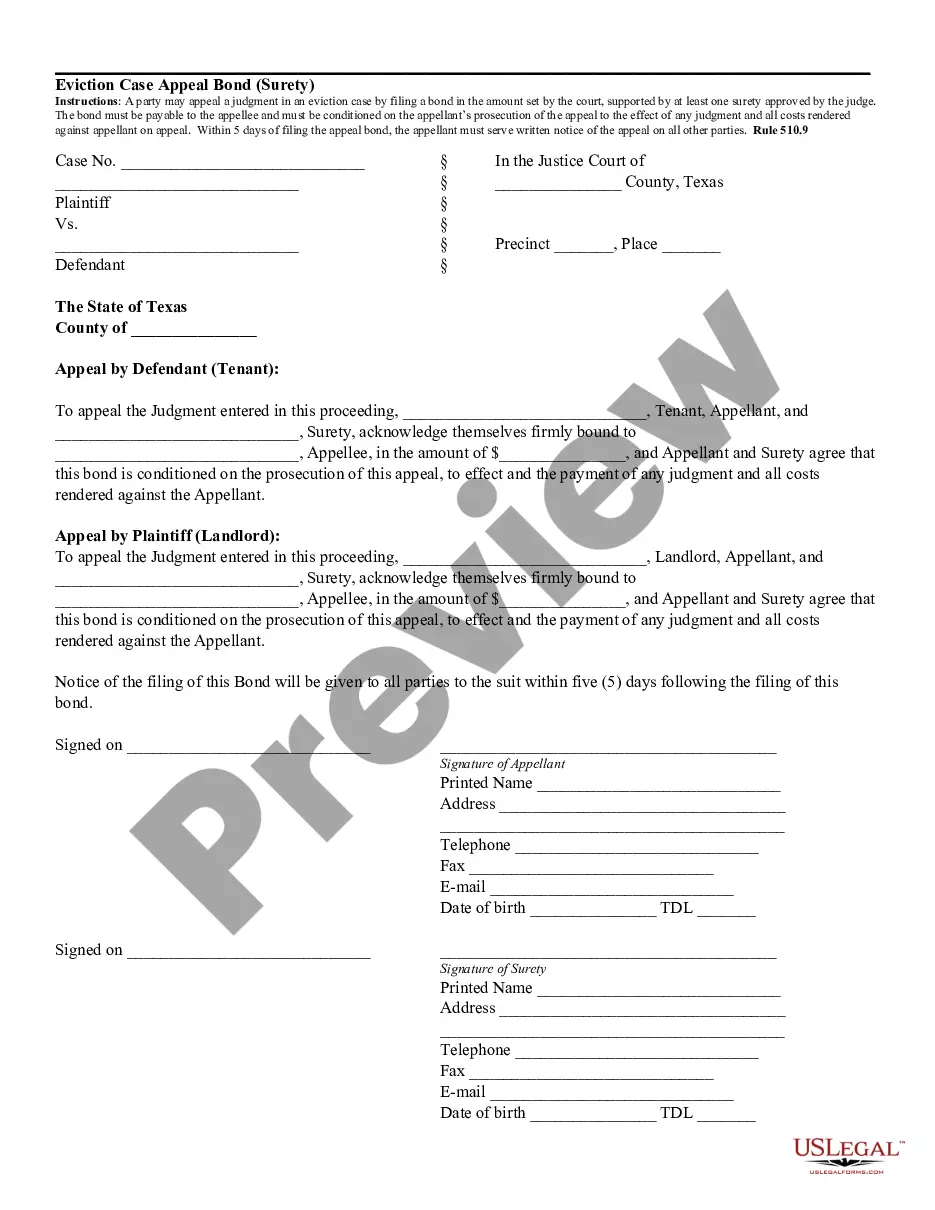
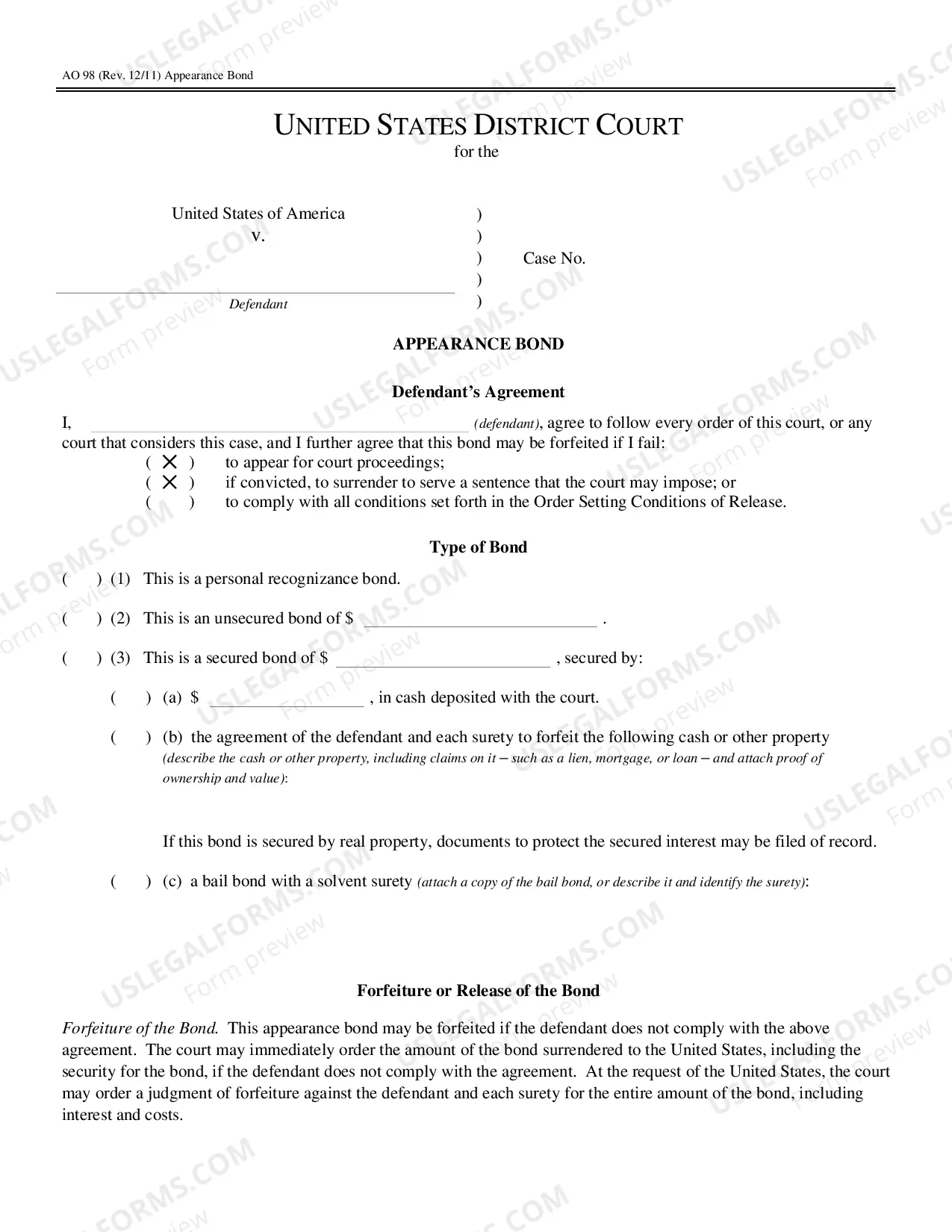
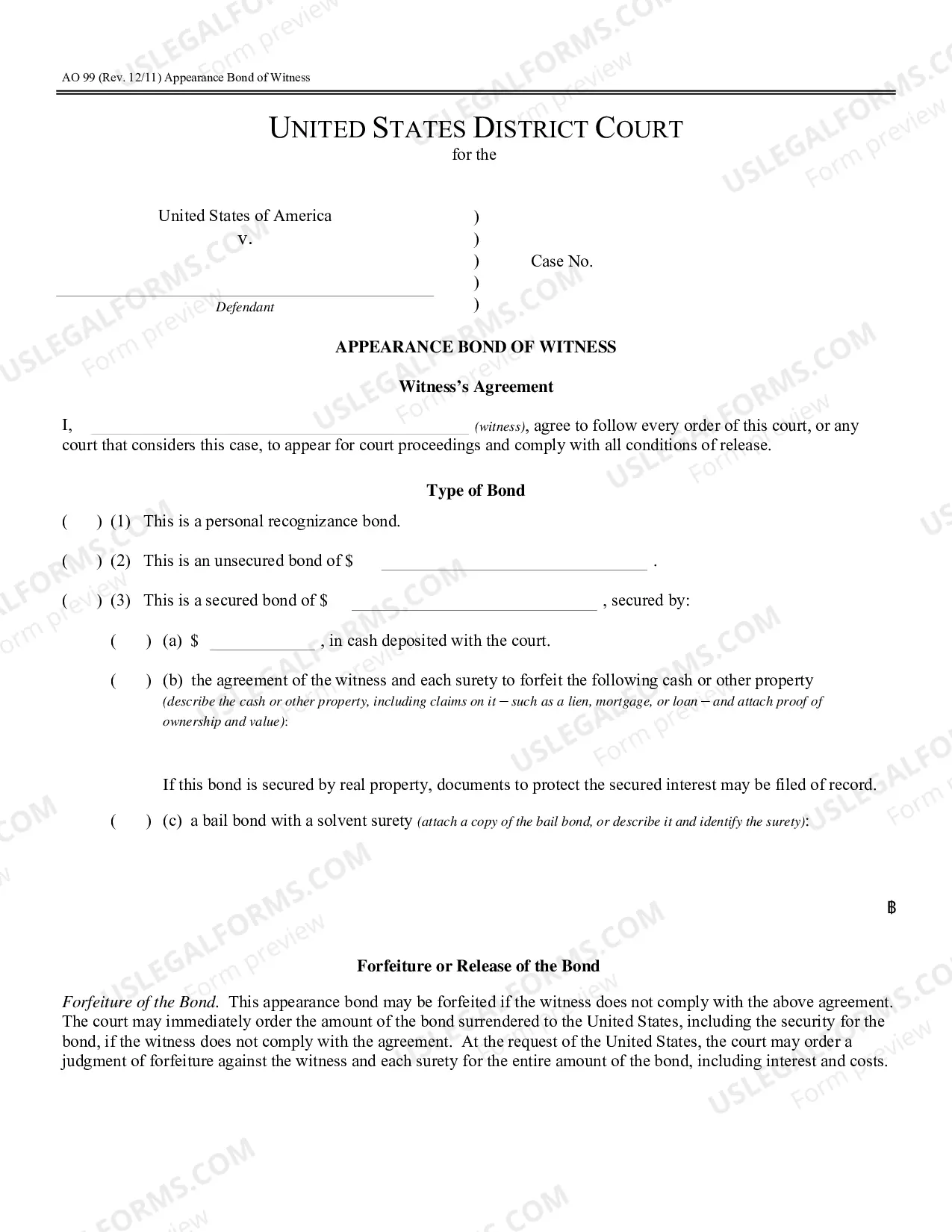
The Eviction Case Appeal Bond - Surety is a legal document required when a tenant appeals a judgment in an eviction case. This form serves to ensure that the tenant posts a financial guarantee (bond) to the court, showing they can cover any potential financial losses incurred by the landlord during the appeal process. Unlike regular eviction notices, this bond specifically involves a surety who provides financial information that supports the appeal's legitimacy.
What’s included in this form
- The bond amount set by the court must be specified.
- Names of the appellant (tenant) and surety must be clearly indicated.
- Conditions of the bond include prosecution of the appeal and payment of judgments against the appellant.
- Notification of the bond filing to all parties within five days is required.
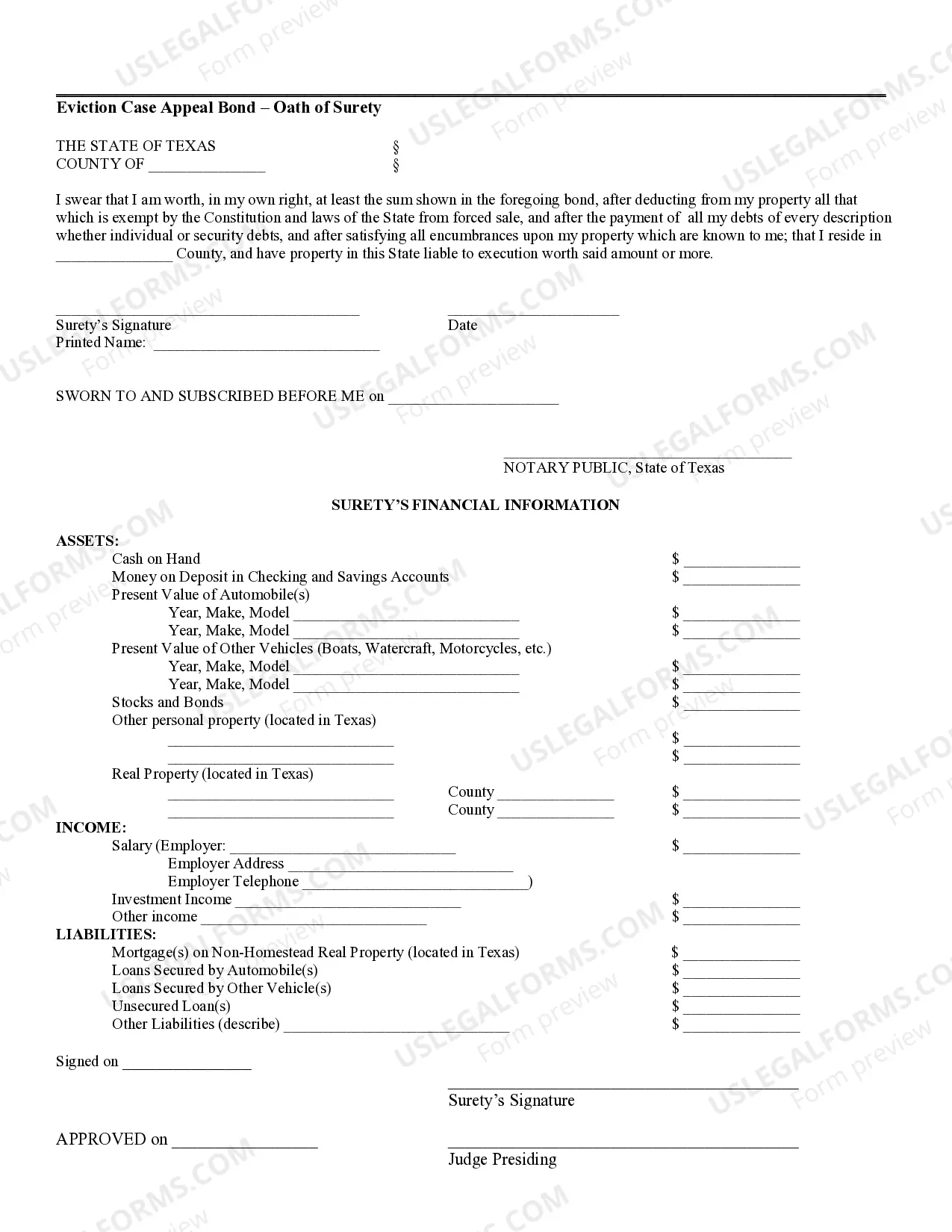
- The form must be signed by both the appellant and the surety, along with a verification of the surety's financial status.
Common use cases
This form should be used when a tenant wishes to appeal an eviction judgment and must post a bond to secure the appeal. It is necessary to ensure that the landlord is protected financially during the appeal process, thus preventing any unjust losses while the case is reviewed by the court.
Intended users of this form
This form is intended for:
- Tenants (appellants) who wish to appeal an eviction judgment.
- Sureties who agree to provide financial assurance on behalf of the tenant.
- Landlords (appellees) to understand the process related to the appeal bond.
Instructions for completing this form
- Identify the parties involved: tenant (appellant), landlord (appellee), and surety.
- Fill in the court's specified bond amount.
- Sign the bond by the appellant and surety, ensuring all signatures are dated.
- Complete the surety's financial information section accurately, detailing assets and liabilities.
- Notify all parties involved within five days of filing the bond, confirming such notification in writing.
Does this document require notarization?
Yes, this form must be notarized to be legally valid. The notarization process confirms the identities of the parties involved and verifies their signatures, which is vital for the bond's enforceability in court. US Legal Forms provides an integrated online notarization service that is available 24/7, ensuring a secure and convenient process without the need for travel.
Get your form ready online
Our built-in tools help you complete, sign, share, and store your documents in one place.
Make edits, fill in missing information, and update formatting in US Legal Forms—just like you would in MS Word.
Download a copy, print it, send it by email, or mail it via USPS—whatever works best for your next step.
Sign and collect signatures with our SignNow integration. Send to multiple recipients, set reminders, and more. Go Premium to unlock E-Sign.
If this form requires notarization, complete it online through a secure video call—no need to meet a notary in person or wait for an appointment.
We protect your documents and personal data by following strict security and privacy standards.

Make edits, fill in missing information, and update formatting in US Legal Forms—just like you would in MS Word.

Download a copy, print it, send it by email, or mail it via USPS—whatever works best for your next step.

Sign and collect signatures with our SignNow integration. Send to multiple recipients, set reminders, and more. Go Premium to unlock E-Sign.

If this form requires notarization, complete it online through a secure video call—no need to meet a notary in person or wait for an appointment.

We protect your documents and personal data by following strict security and privacy standards.
Typical mistakes to avoid
- Failing to file the bond within the required time frame after appealing.
- Not providing accurate financial information for the surety.
- Omitting to notify all parties involved within five days of bond filing.
- Using incorrect bond amounts not set by the court.
Why use this form online
- Convenient and fast access to legal forms from anywhere.
- Editability allows for customization of the bond based on specific court requirements.
- Reliable templates drafted by licensed attorneys ensuring legal compliance.
Looking for another form?


Form popularity
FAQ
These bonds guarantee that, if the appellate loses the appeal, they will keep their promise and fulfill the original judgment's obligations. Otherwise, the collateral required to be posted to have this bond, in addition to the bond amount, can be seized by the party whose favorable judgment is being appealed.
Common bail conditions in Tennessee Submit to substance abuse testing. Check with court officials about his/her whereabouts. Comply with curfew requirements. Avoid travel beyond preset geographical areas.
Once the defendant knows that bail amount, he has options. If he can afford the bail outright then he can pay his bail and be released from jail until his court appearance. Similarly, if a family or friend will bail someone out of jail, then the defendant is released and awaits his trial.
Bail is the money a defendant must pay in order to get out of jail. A bond is posted on a defendant's behalf, usually by a bail bond company, to secure his or her release. Defendants with pending warrants are usually not eligible for bail.
One of the big questions people ask is, ?How long will it take to get out of jail after posting a bail bond?? Well, the truth is, there is no set time.
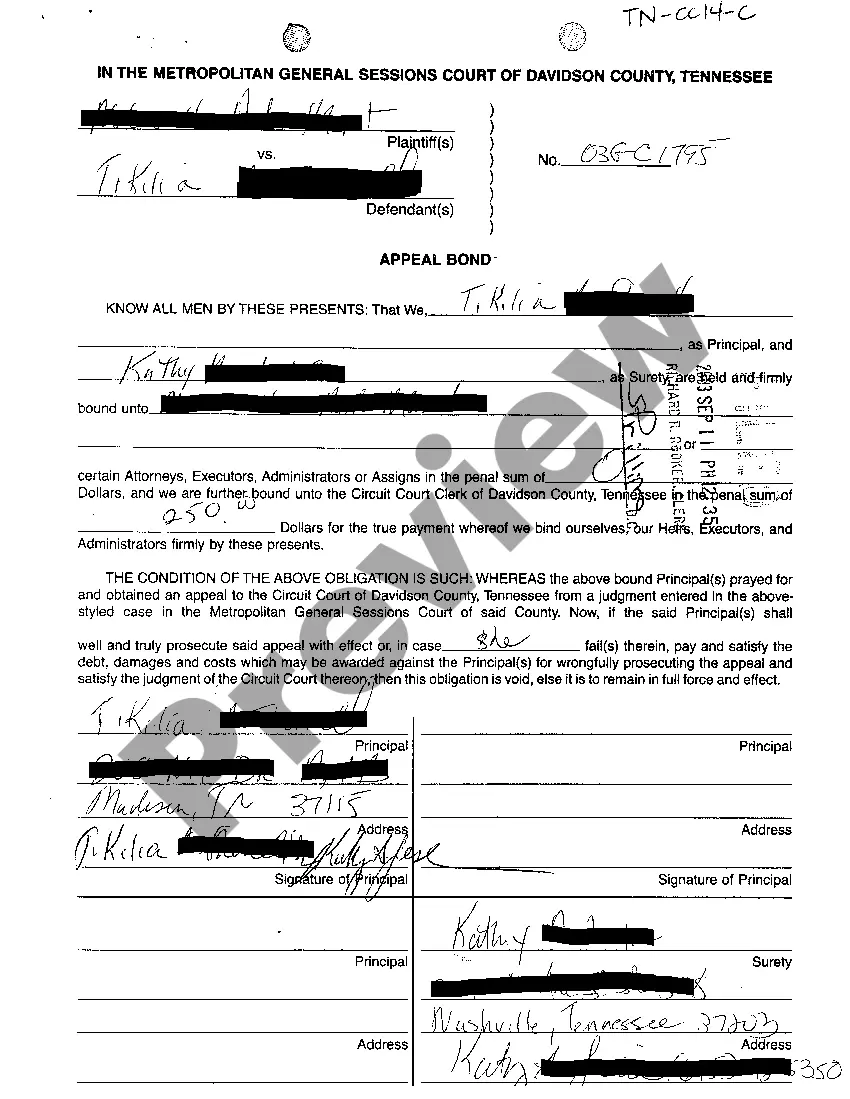
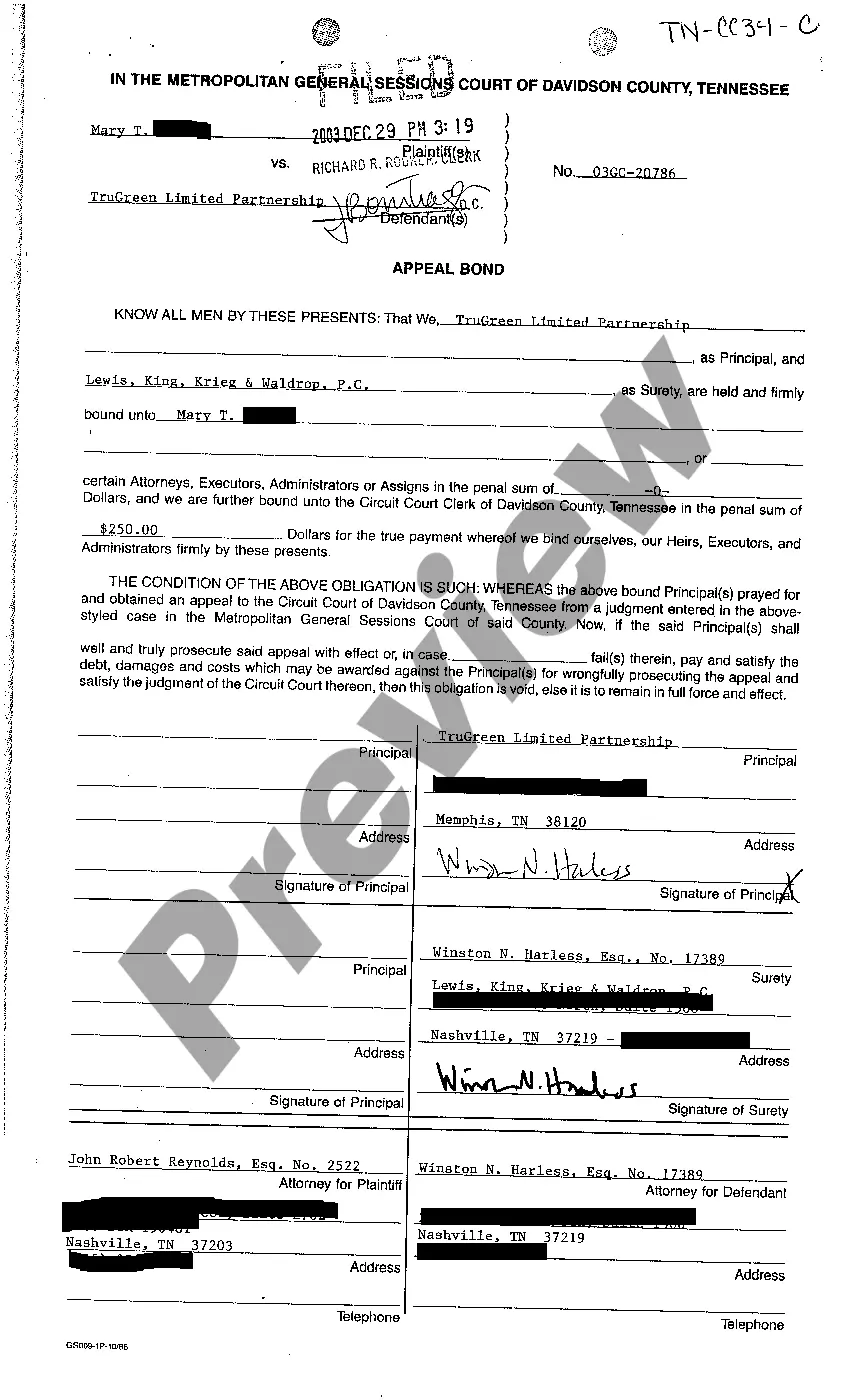
Tennessee Supersedeas Bond (Appeal Bond ~ Tennessee) A judicial bond is a type of financial assurance filed with the court that guarantees that should the appellant NOT prevail that he or she will comply with the original judgment and with any other orders issued by the court pertaining to the same.
At the bond hearing, an attorney will make the case as to why a person deserves to be released on bond pending their trial.
A detainer warrant is similar to a summons in that it directs the tenant to appear in court at a specific time and date. Should the tenant fail to appear in court, a default judgment will be entered against him.