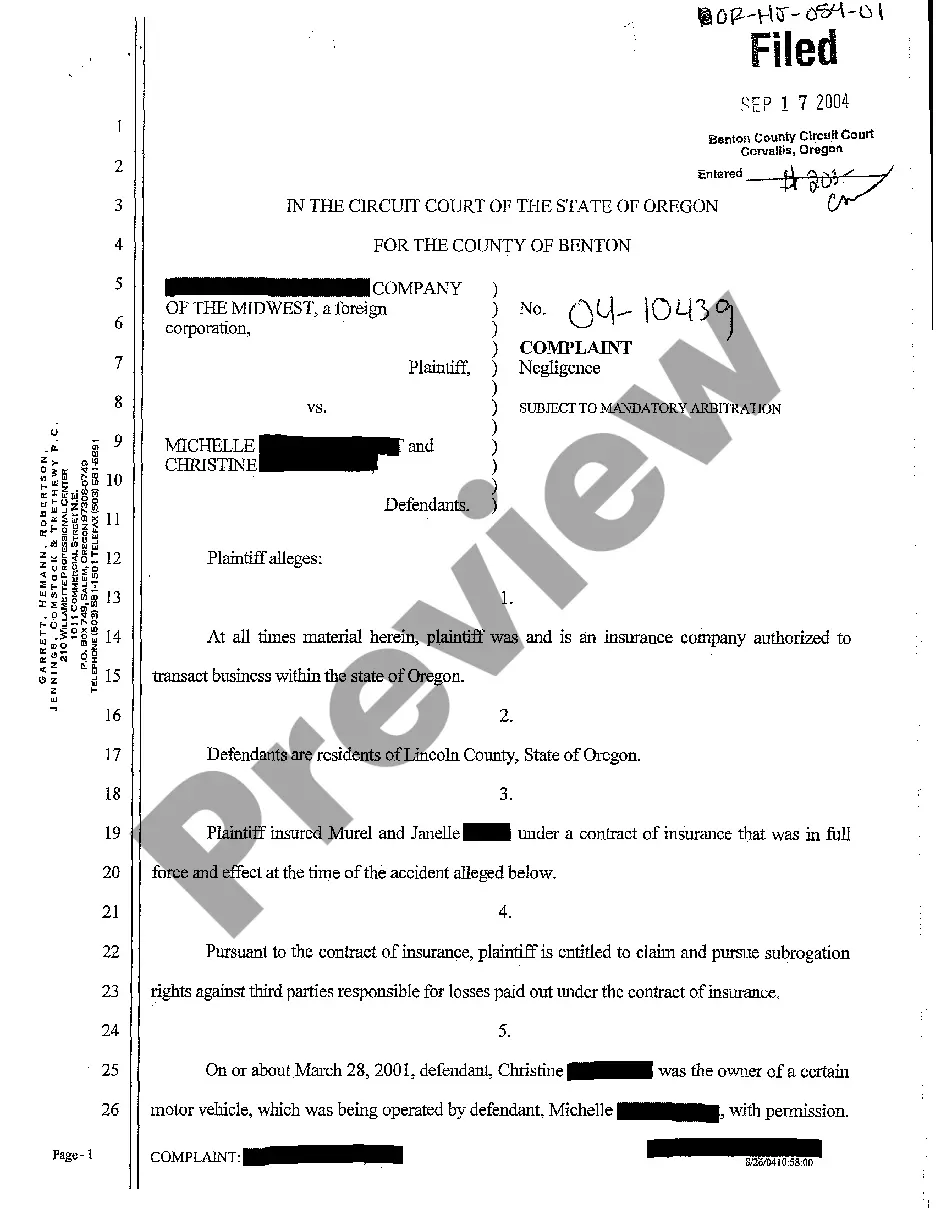
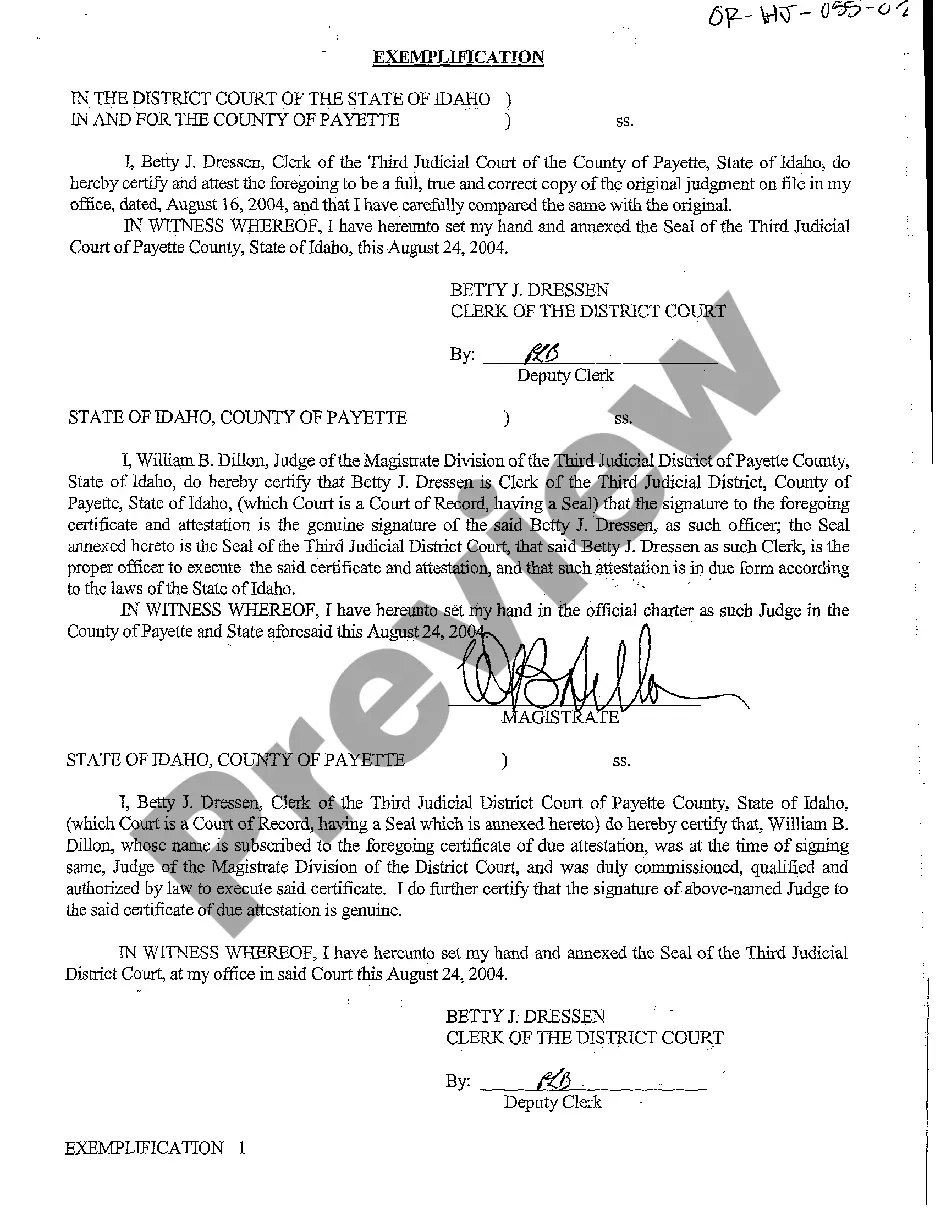
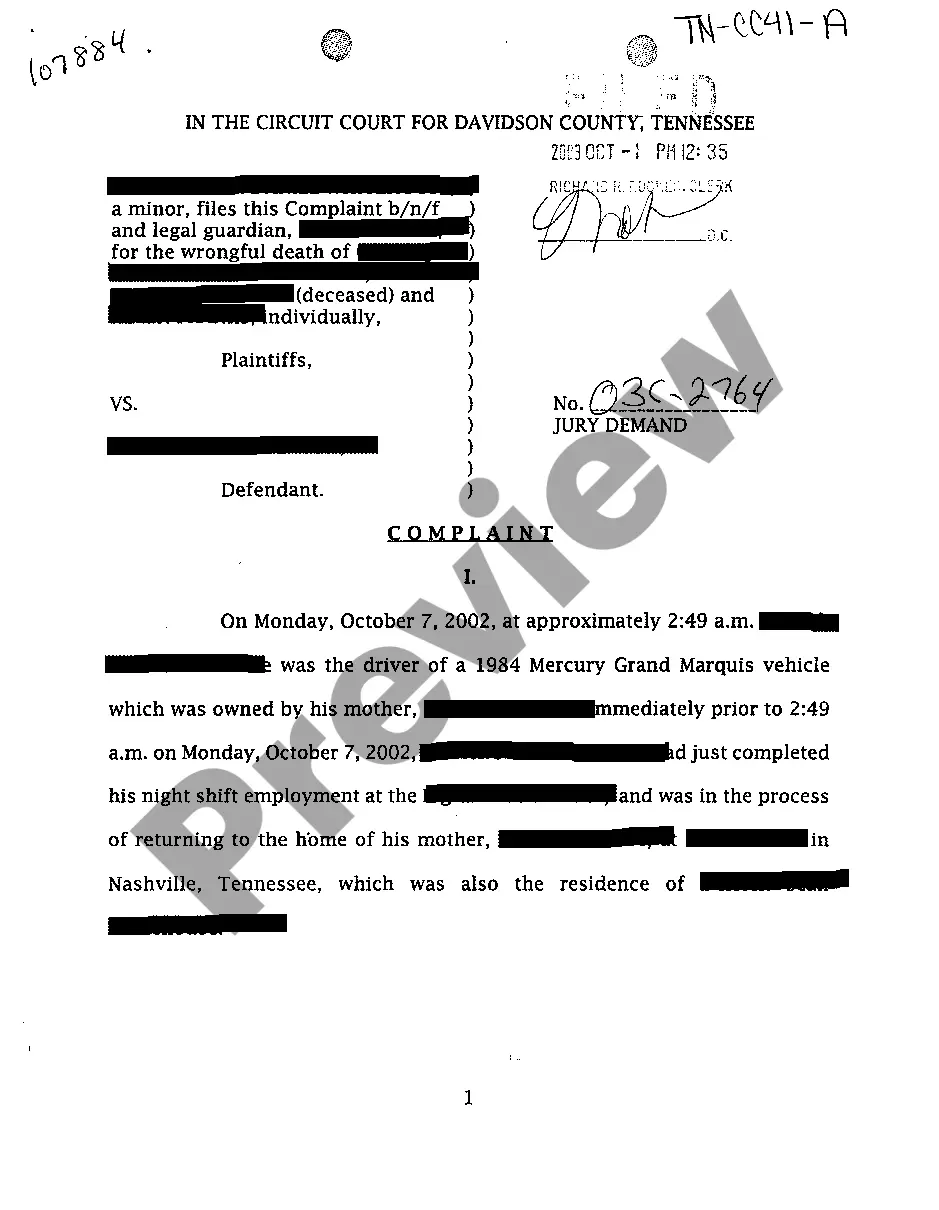
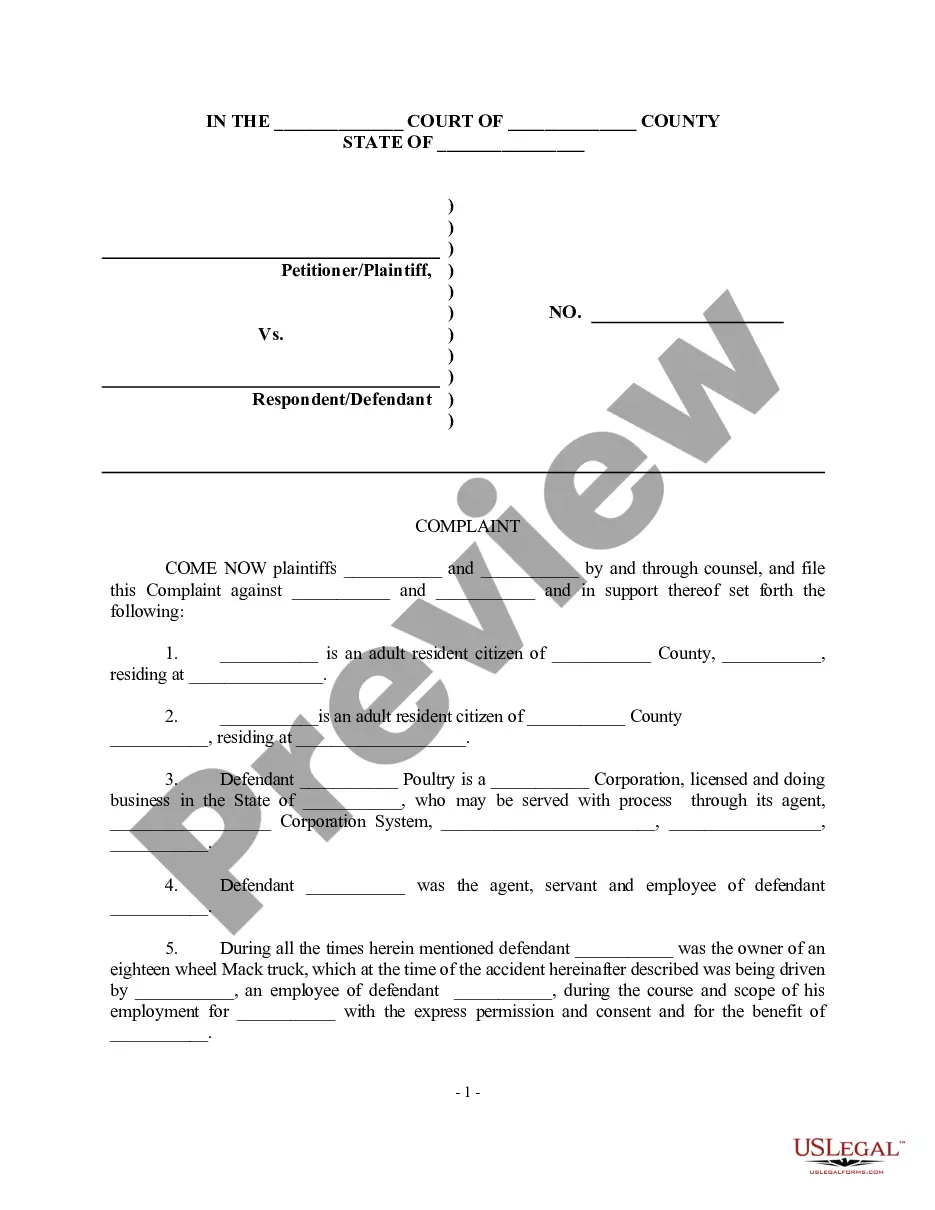
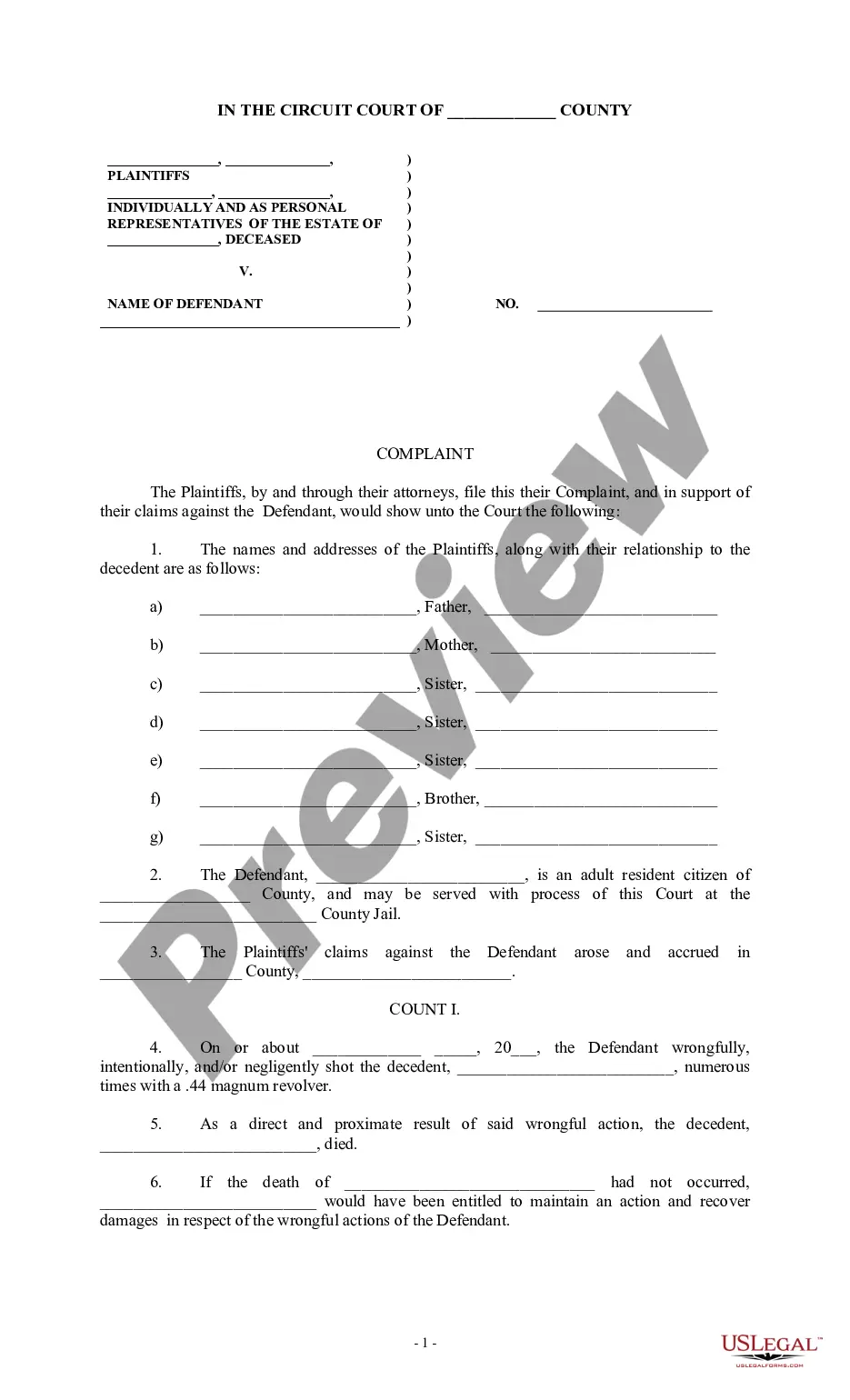
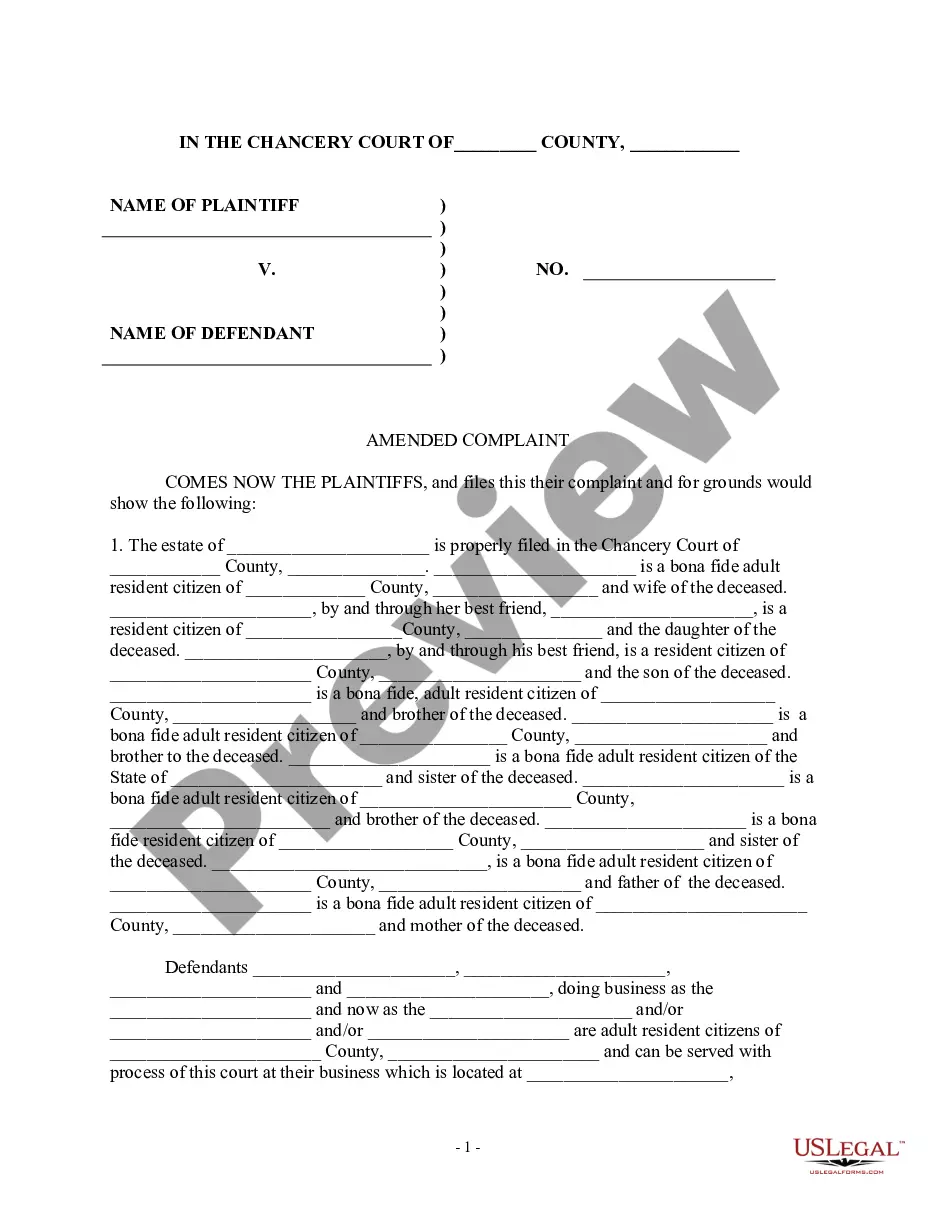
Tennessee Complaint for Wrongful Death Due to Vehicular Accident
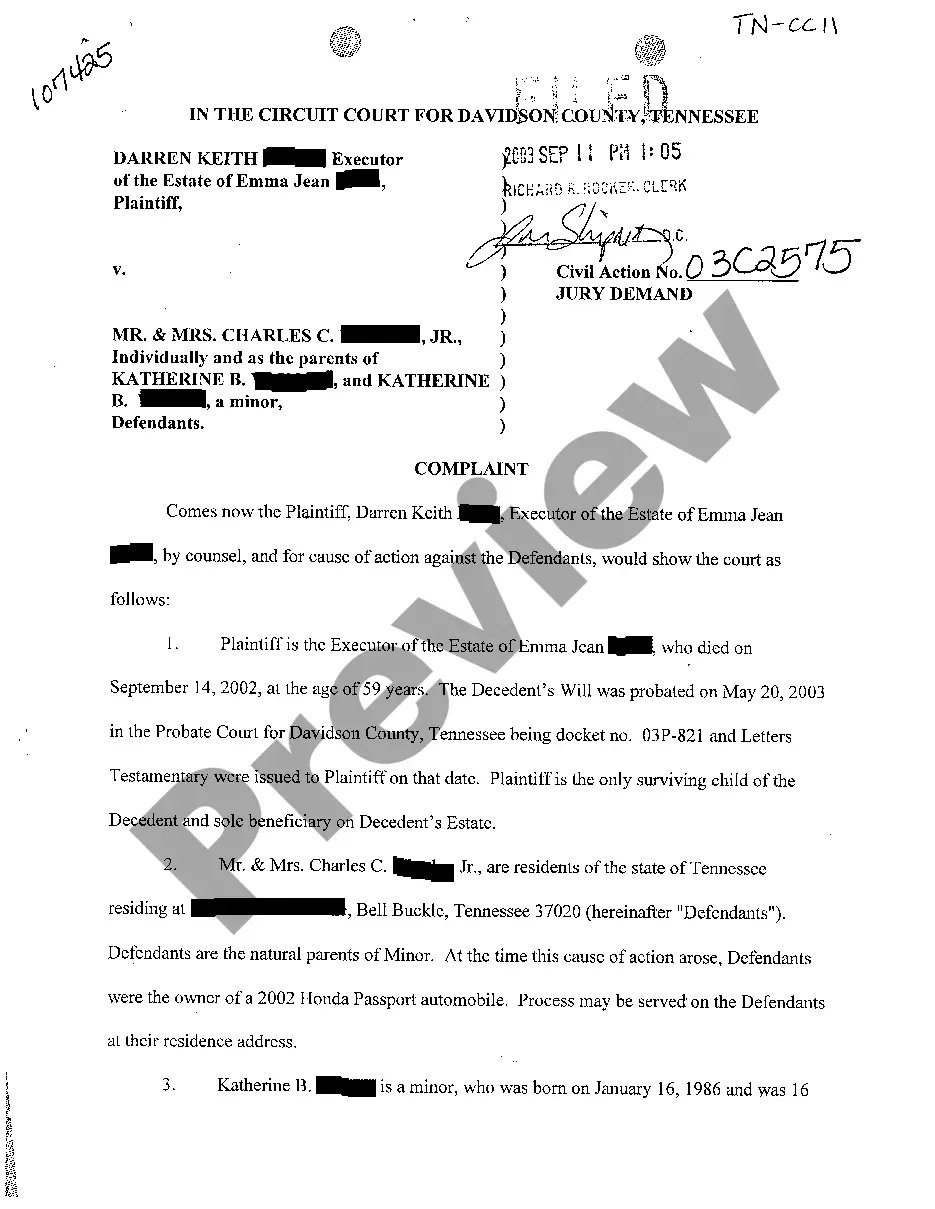
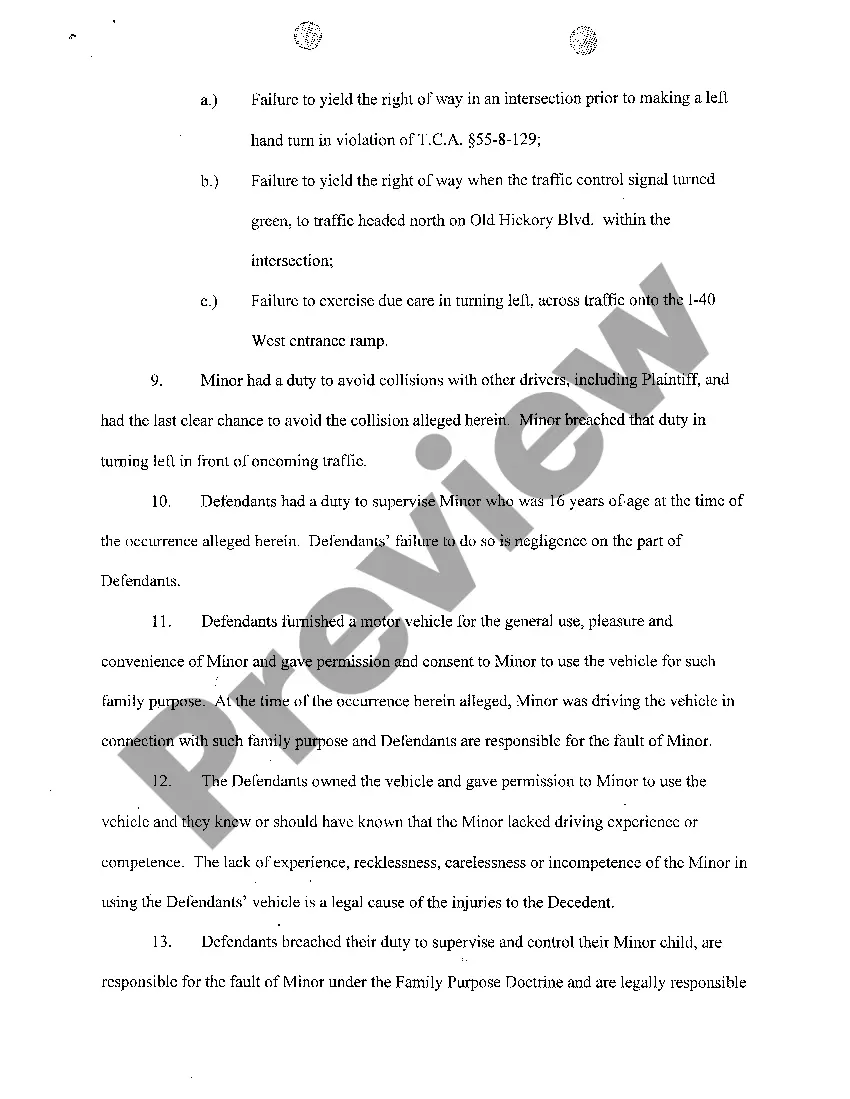
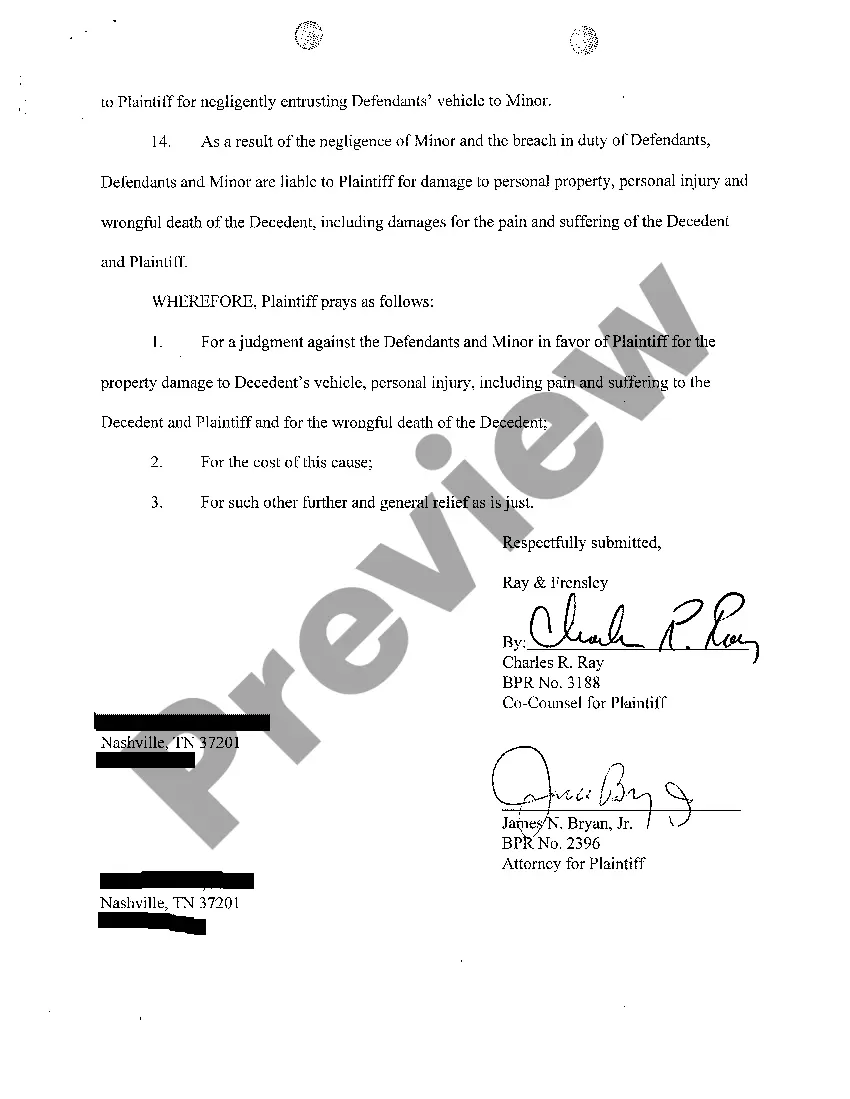
Is notarization required?
Notarization is not commonly needed for this form. However, certain documents or local rules may make it necessary. Our notarization service, powered by Notarize, allows you to finalize it securely online anytime, day or night.

Form popularity
FAQ
To get a reasonable starting number for negotiating general damages, many insurance companies and attorneys multiply the amount of medical special damages by a factor of 1.5 to 5, depending on the severity of the injuries. In extreme cases, a factor of more than 5 may be used.
The Defendant's Negligence Caused Your Relative's Death This is often the most difficult element to prove. In most states, a jury will be required to determine whether the defendant was negligent based on a preponderance of the evidence.
The average wrongful death settlement ranges from $500,000 to over $1 million. A typical wrongful death settlement depends on the circumstances surrounding the case. Your settlement may be more or less than average.
A wrongful death claim is a civil suit for monetary damages. A civil suit is very different from criminal charges that a prosecutor or district attorney may file against the same defendant. Criminal charges typically result in some type of punishment, such as a fine or imprisonment.
Wrongful Death Damages the medical treatment costs that the deceased victim incurred as a result of the injury prior to death. funeral and burial costs. loss of the deceased person's expected income. loss of any inheritance as a result of the death.
Wrongful death happens when somebody is killed because of another person or entity's negligence or misconduct. Although there may be a criminal prosecution related to the fatality, a wrongful death lawsuit is a civil action that is separate and distinct from any criminal charges.
The person had the intent to commit the act; The person made non-consensual contact with the victim (this can include hitting someone with a car or using a weapon); and. The contact caused fatal harm.
Wrongful death lawsuits are paid out based on the survivors the deceased person left. For example: If the person was married but did not have children or parents, everything goes to the spouse. If there were children but no spouse, the entire settlement will be divided equally among them.
If the decedent is married at the time of death, the spouse is entitled to all of the proceeds from the wrongful death suit. If the decedent was married with children, the money is divided equally between the surviving spouse and children with a caveat: the spouse is entitled to at least one-third of the recovery.