Permission to Use Interviews for Publication
Understanding this form
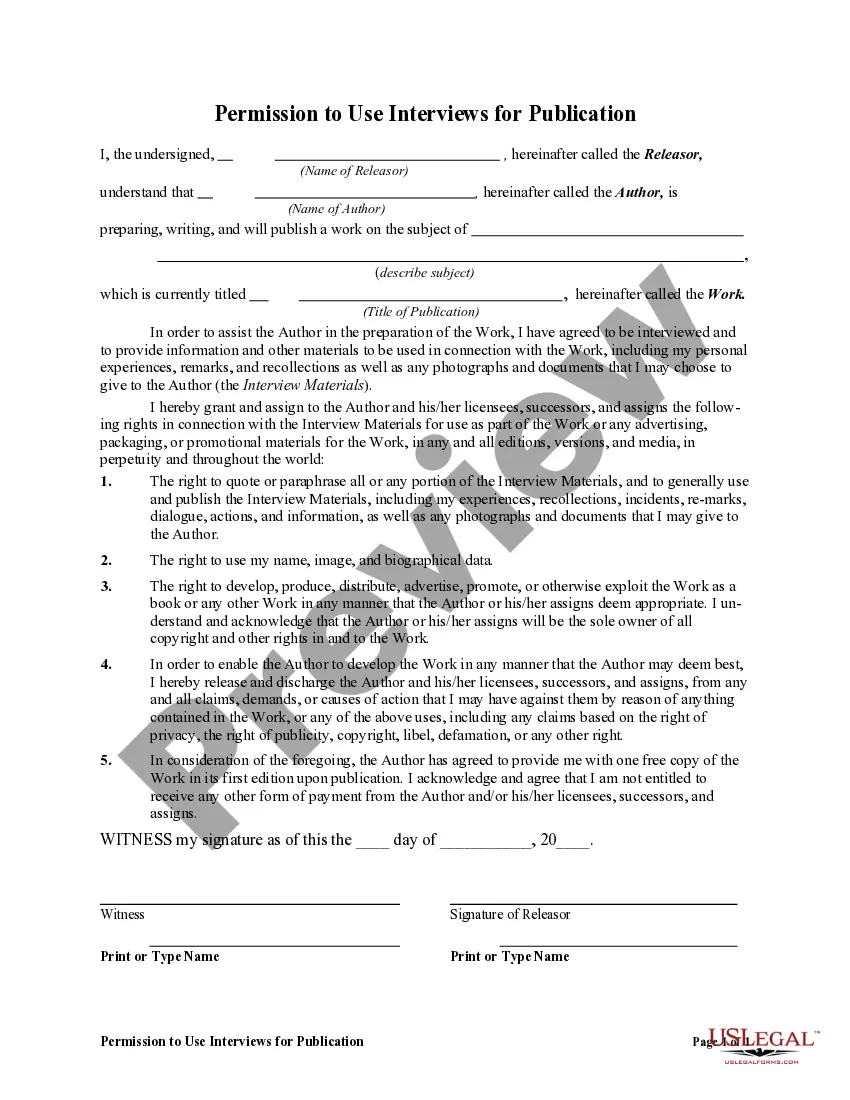
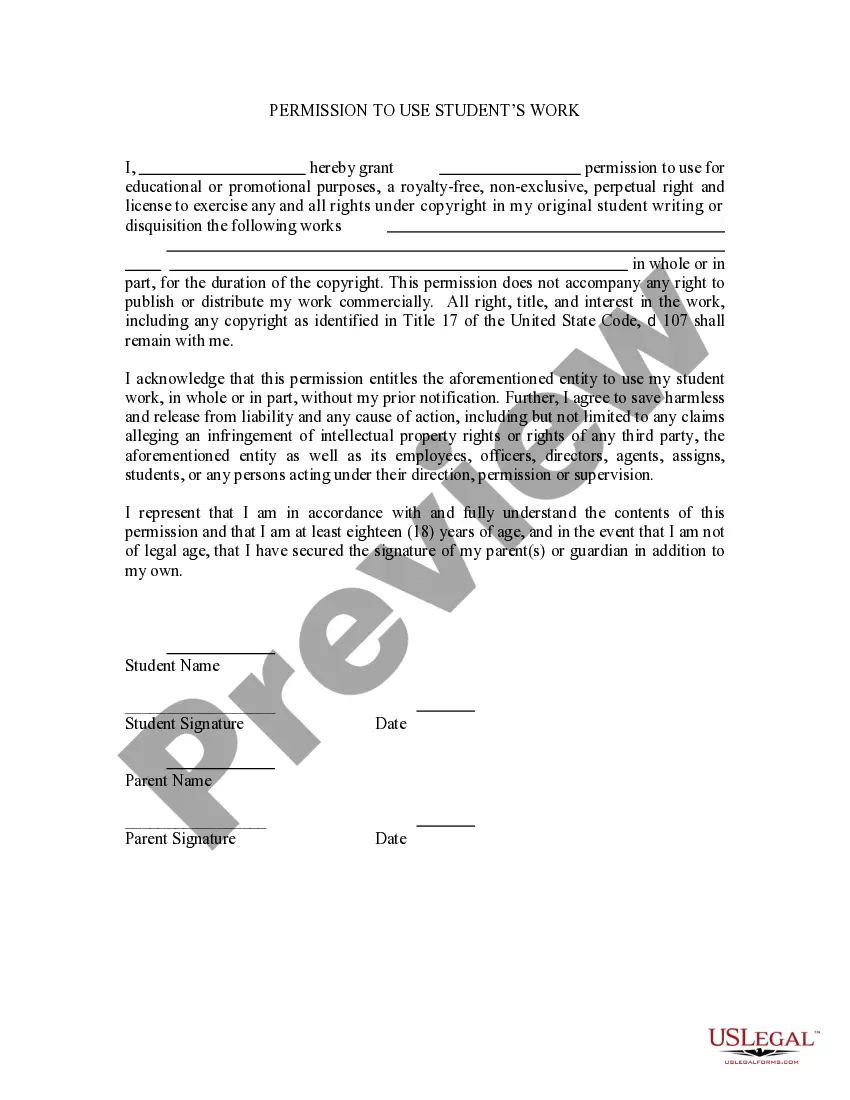
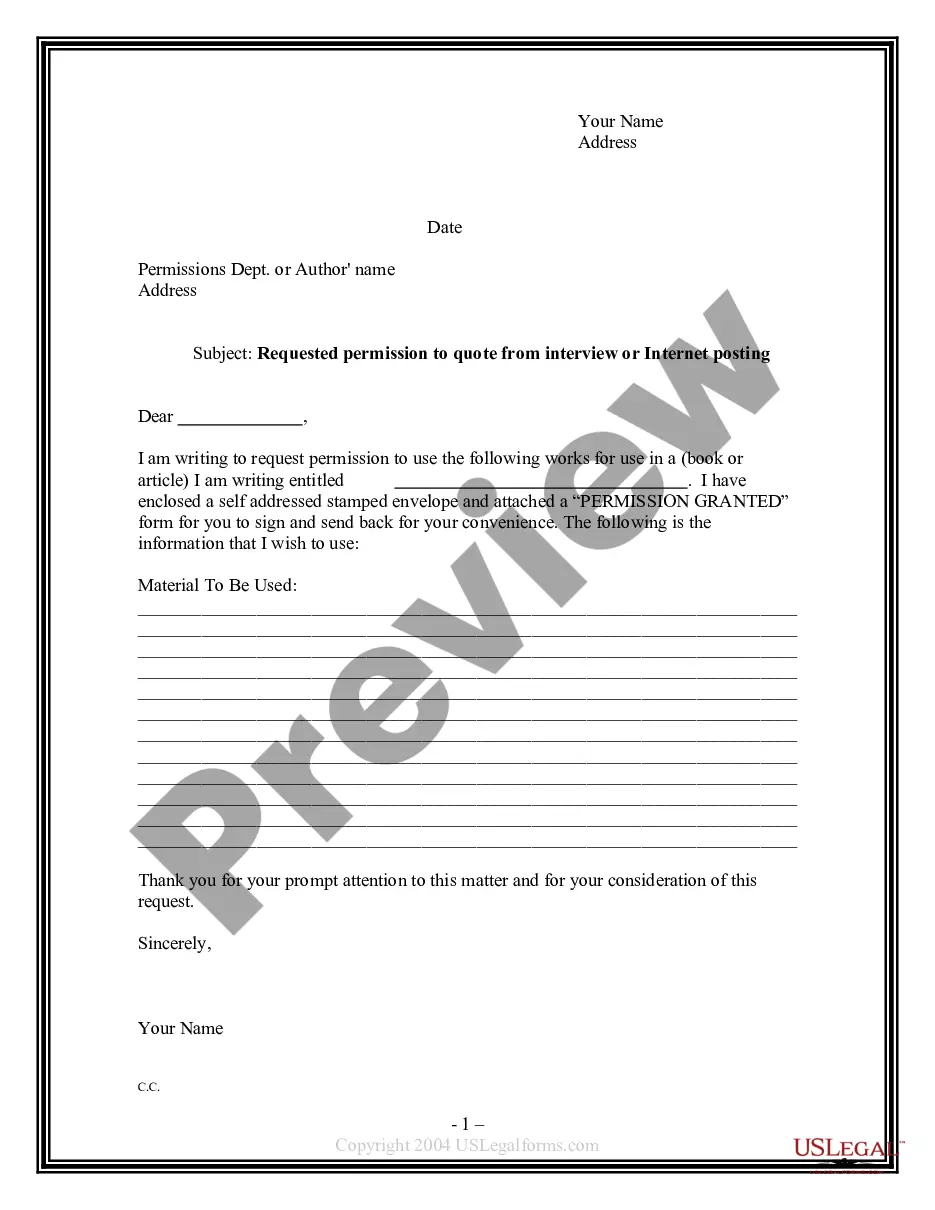
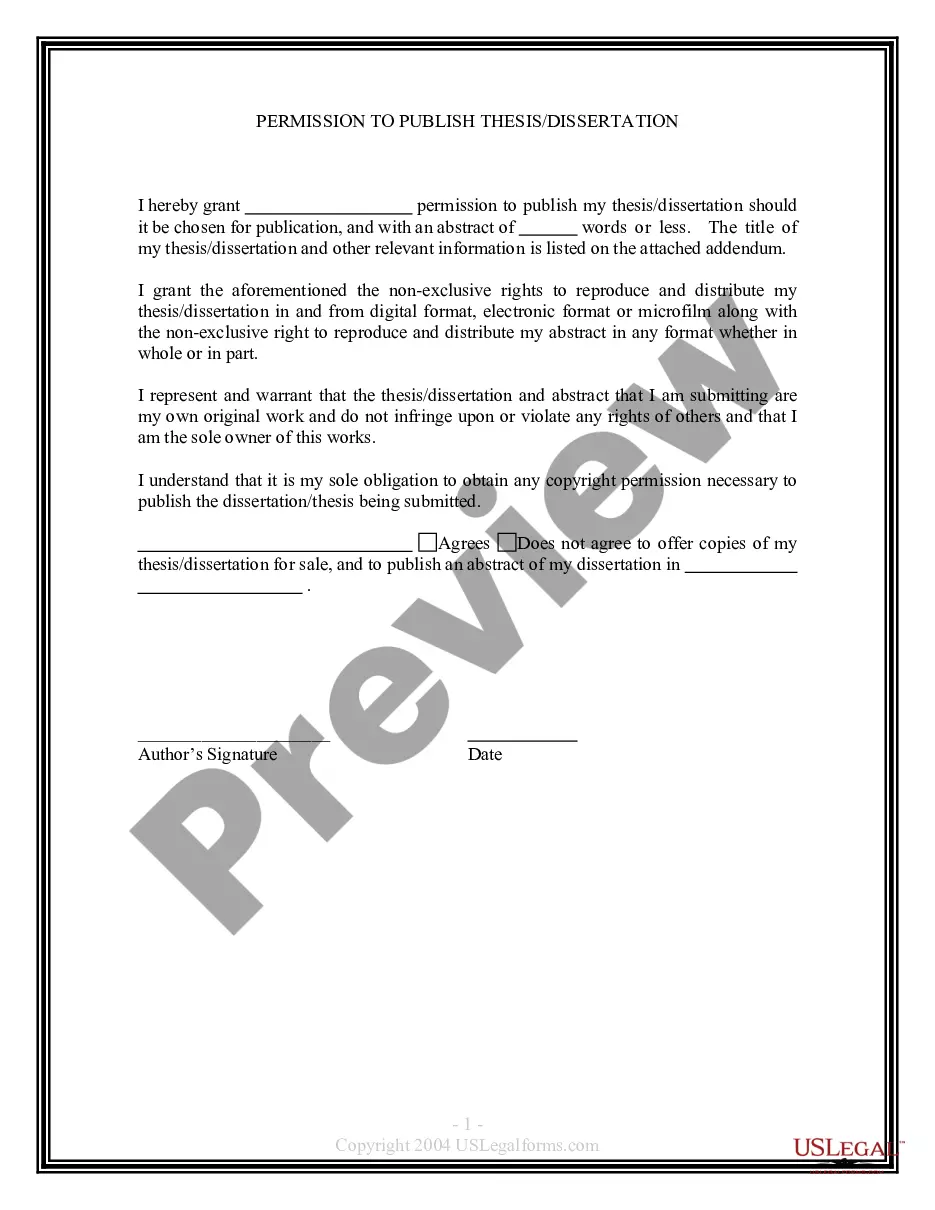
The Permission to Use Interviews for Publication form is a legal document that provides written consent from an interviewee to a publisher or author, allowing them to use the interview material for publication purposes. Unlike informal agreements, this form ensures that the author can use the interviewee's quotes, images, and personal data without the risk of legal disputes, such as claims of libel or invasion of privacy. It's particularly important for lengthy or controversial interviews, safeguarding both the author and the interviewee's rights.
Form components explained
- A statement granting rights to the author for interview materials.
- Authorization to quote or paraphrase the interview content.
- Permission to use the interviewee's name, image, and biographical information.
- A release from any claims related to privacy, copyright, or defamation.
- Space for signatures and witness confirmation.
Common use cases
This form should be used in scenarios where an author or publisher conducts an interview with an individual and intends to publish the content. It is vital when the interview is extensive, expected to be published verbatim, or covers sensitive topics that could lead to controversy. Having this form signed can prevent future legal issues related to the use of the interview material.
Who needs this form
- Journalists and reporters conducting interviews for articles or publications.
- Authors preparing to publish books that contain interview material.
- Researchers documenting interviews for scholarly work.
- Content creators who plan to utilize interviews in podcasts or documentaries.
How to prepare this document
- Begin by filling in the date of the interview at the top of the form.
- Identify the parties involved, including the author and the interviewee.
- Review the rights being granted to the author and ensure understanding.
- Sign the document to signify consent to the terms outlined.
- Have a witness also sign the form to validate the agreement.
Is notarization required?
This form does not typically require notarization unless specified by local law. However, having it notarized can add an extra layer of legal assurance. US Legal Forms offers integrated online notarization services that are available 24/7 for added convenience and security.
Get your form ready online
Our built-in tools help you complete, sign, share, and store your documents in one place.
Make edits, fill in missing information, and update formatting in US Legal Forms—just like you would in MS Word.
Download a copy, print it, send it by email, or mail it via USPS—whatever works best for your next step.
Sign and collect signatures with our SignNow integration. Send to multiple recipients, set reminders, and more. Go Premium to unlock E-Sign.
If this form requires notarization, complete it online through a secure video call—no need to meet a notary in person or wait for an appointment.
We protect your documents and personal data by following strict security and privacy standards.

Make edits, fill in missing information, and update formatting in US Legal Forms—just like you would in MS Word.

Download a copy, print it, send it by email, or mail it via USPS—whatever works best for your next step.

Sign and collect signatures with our SignNow integration. Send to multiple recipients, set reminders, and more. Go Premium to unlock E-Sign.

If this form requires notarization, complete it online through a secure video call—no need to meet a notary in person or wait for an appointment.

We protect your documents and personal data by following strict security and privacy standards.
Avoid these common issues
- Failing to obtain a signature from the interviewee.
- Not having a witness sign the form, which may be necessary for legal validity.
- Leaving out important information, such as the date or interviewee's name.
- Assuming an informal verbal agreement suffices without this written consent.
Advantages of online completion
- Convenience of accessing and downloading the form instantly.
- Editability to customize details specific to the interview situation.
- Reliability of having a legally sound template drafted by licensed attorneys.
- Eliminates the need for physical meetings for signing documents.
Summary of main points
- The Permission to Use Interviews for Publication form secures legal rights for authors to use interview material.
- It is important for preserving both the author's and the interviewee's legal interests.
- Complete the form with accurate details and ensure all parties sign for validation.
Looking for another form?

Form popularity
FAQ
Information about the researcher or research institution. Research purpose. Potential risks & hazards. Duration subject's participation. Contact information. A statement that the agreement is voluntary.
Copyright is jointly held by interviewer and interviewee. If you have conducted the interview, you still need written permission from the interviewee, and that form must include permission to publish.Your own previously published materials, unless you retained copyright.
Ensure that the formal letter/ email has a clear heading regarding the consent. Explain the requirements (if any) from the respondents. Mention the duration of the program or participation.
A statement that the study involves research, an explanation of the purposes of the research, the expected duration of a subject's participation, a description of the procedures to be followed, and if applicable identification of any experimental procedures.
It is always best to get a signed media released form, even if you are not sure you will publish someone's likeness. The time and effort it takes are minimal compared with the legal hot water you could find yourself in if you don't.
Recording the Interview Generally, states fall into one of two groups with respect to wiretapping laws: (1) one-party consent states that require the approval of one party to the conversation to record it; or (2) two-party consent states that require the approval of all parties to the conversation to record it.
Briefly re-state the risks or inconveniences associated with the research. 5. If appropriate, include a statement that participants' anonymity and/or confidentiality 6. will be maintained. State that participation is voluntary and potential participants are free to refuse consent 7.
Printed Name. Address. Email and Phone Number. Signature. Names of the parties waiving rights for listed use. Names of the parties receiving rights of the listed media. Acknowledgement of Age. Identification and consent of Legal Guardian.
Copyright of speech given during an interview relies heavily on the fixation element of copyright law. When a work is fixed in a copy or recording, the work is created. This gives the work its copyright. Therefore, when an interview is physically recorded it becomes copyrighted.