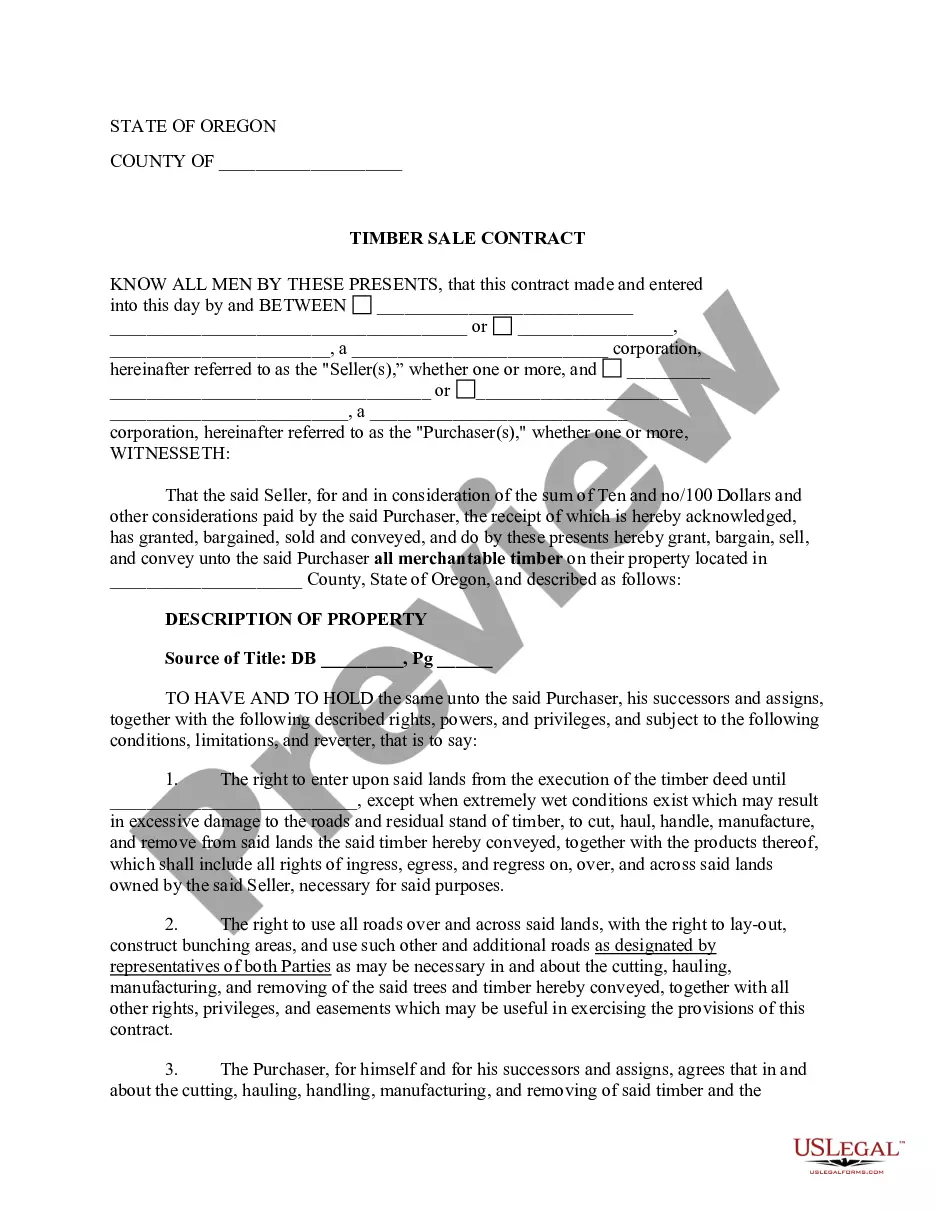
Tennessee Commercial Sublease
Overview of this form
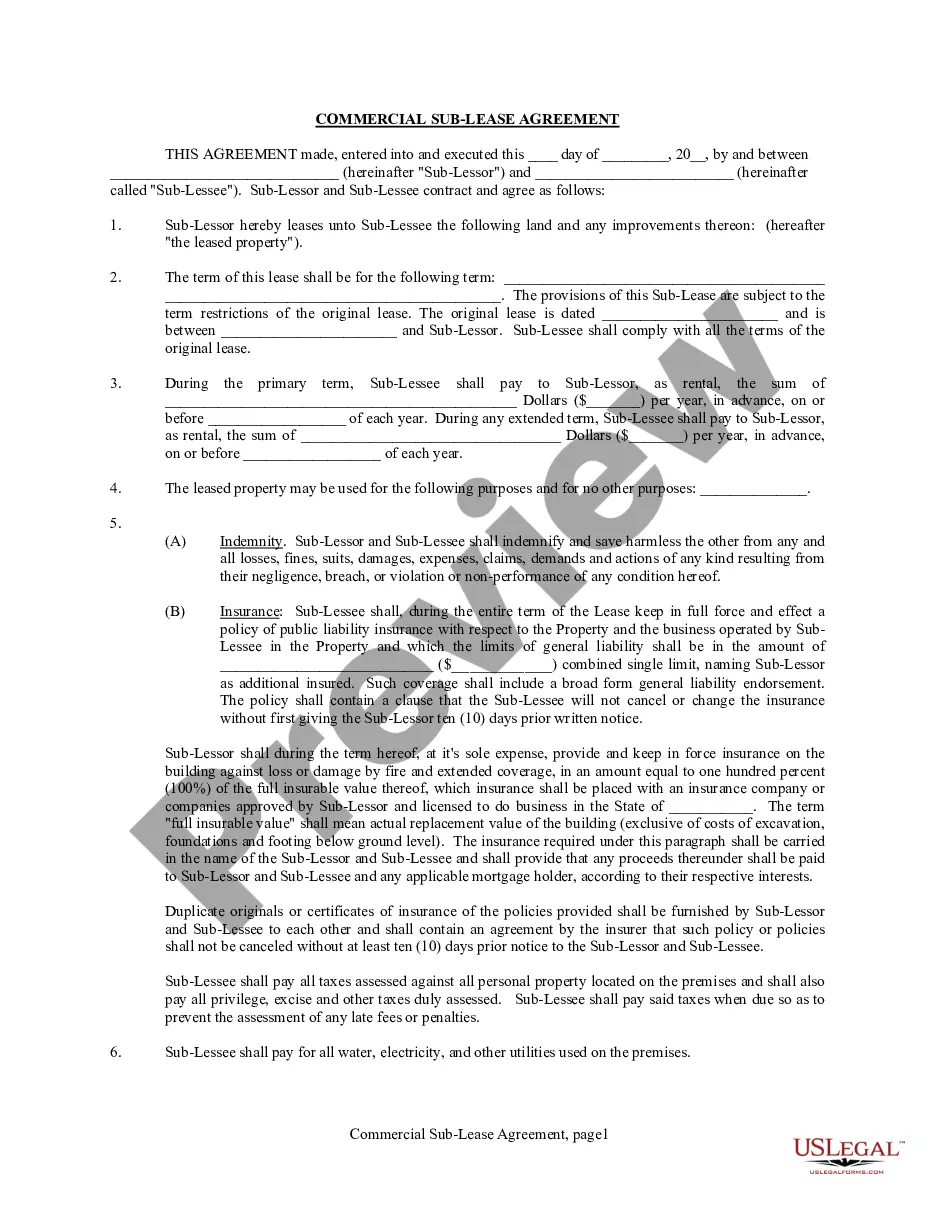
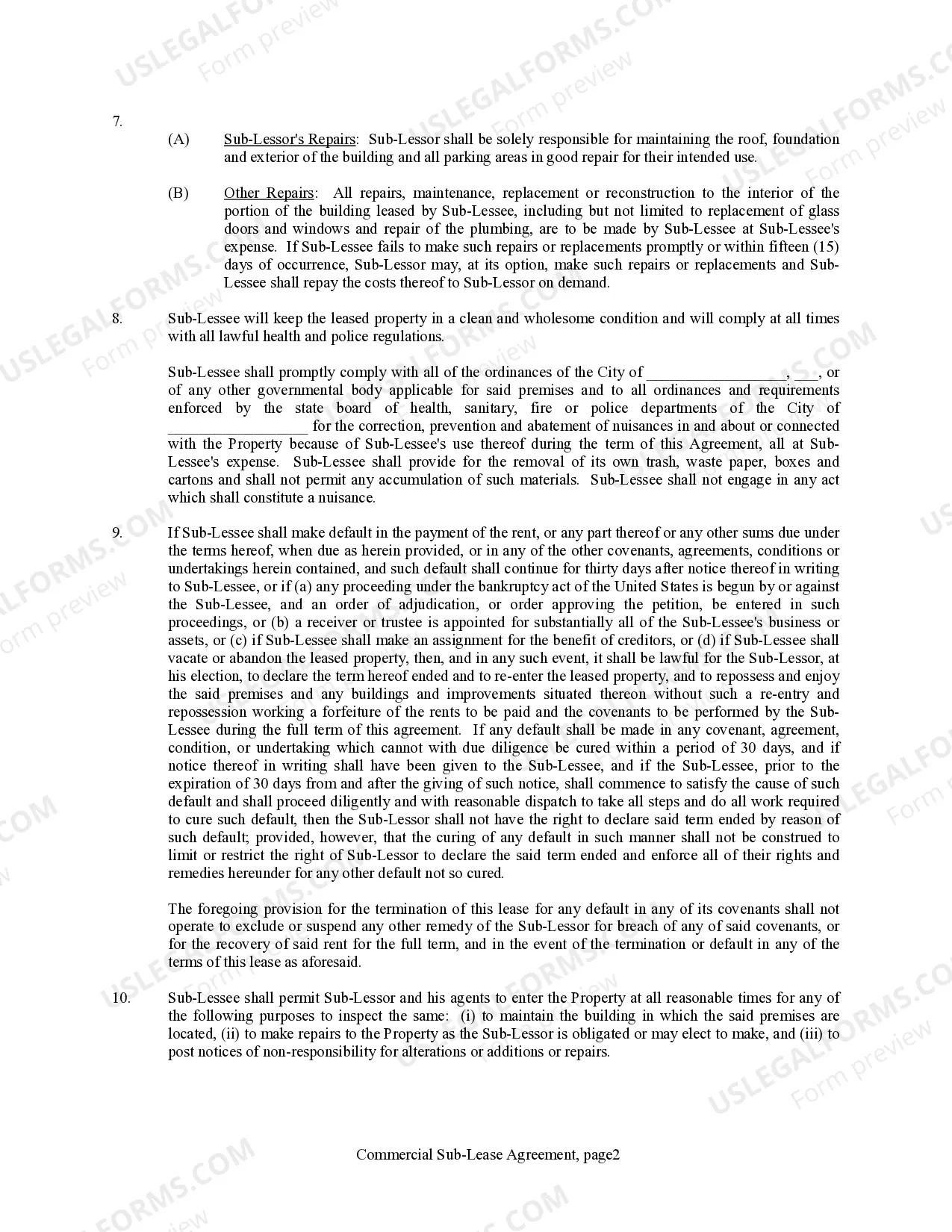
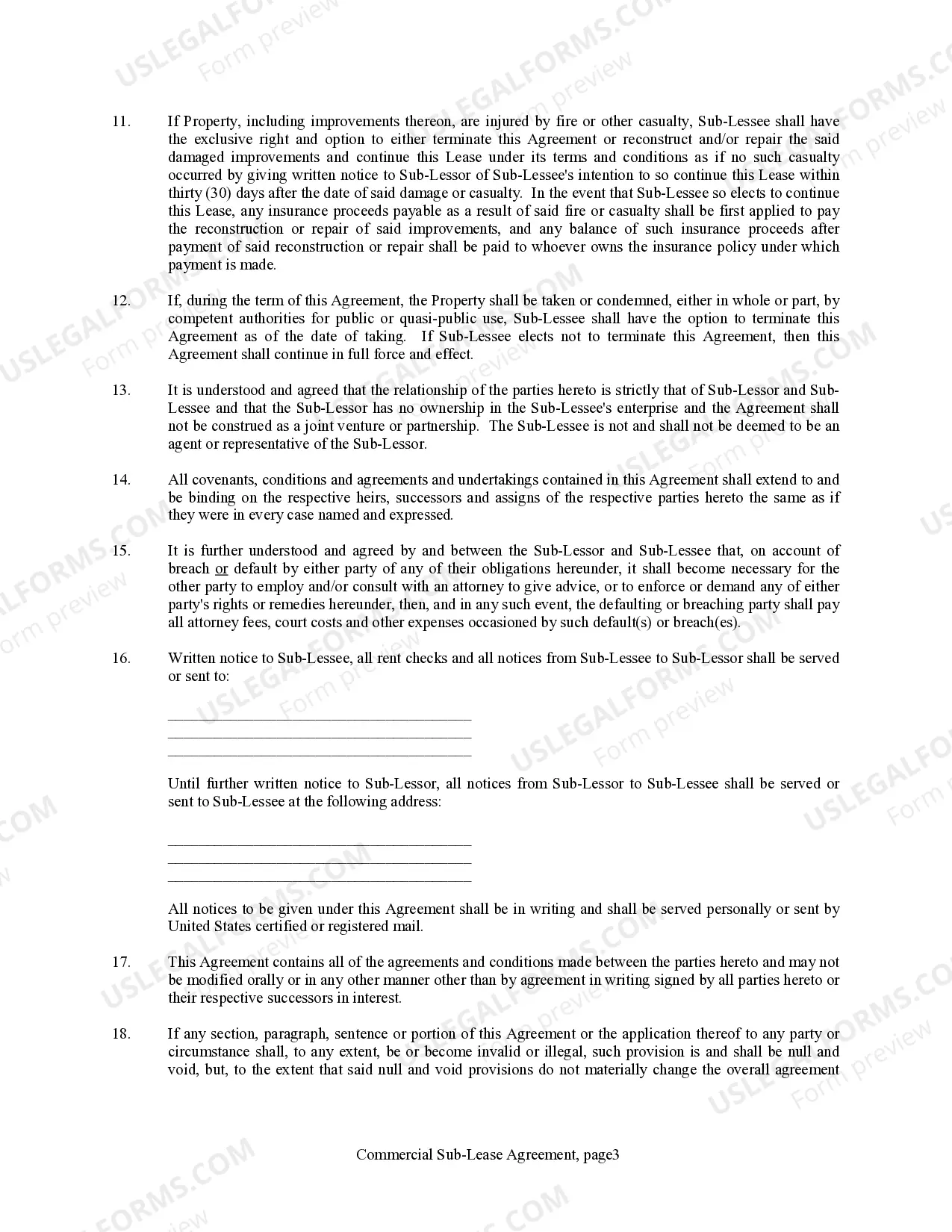
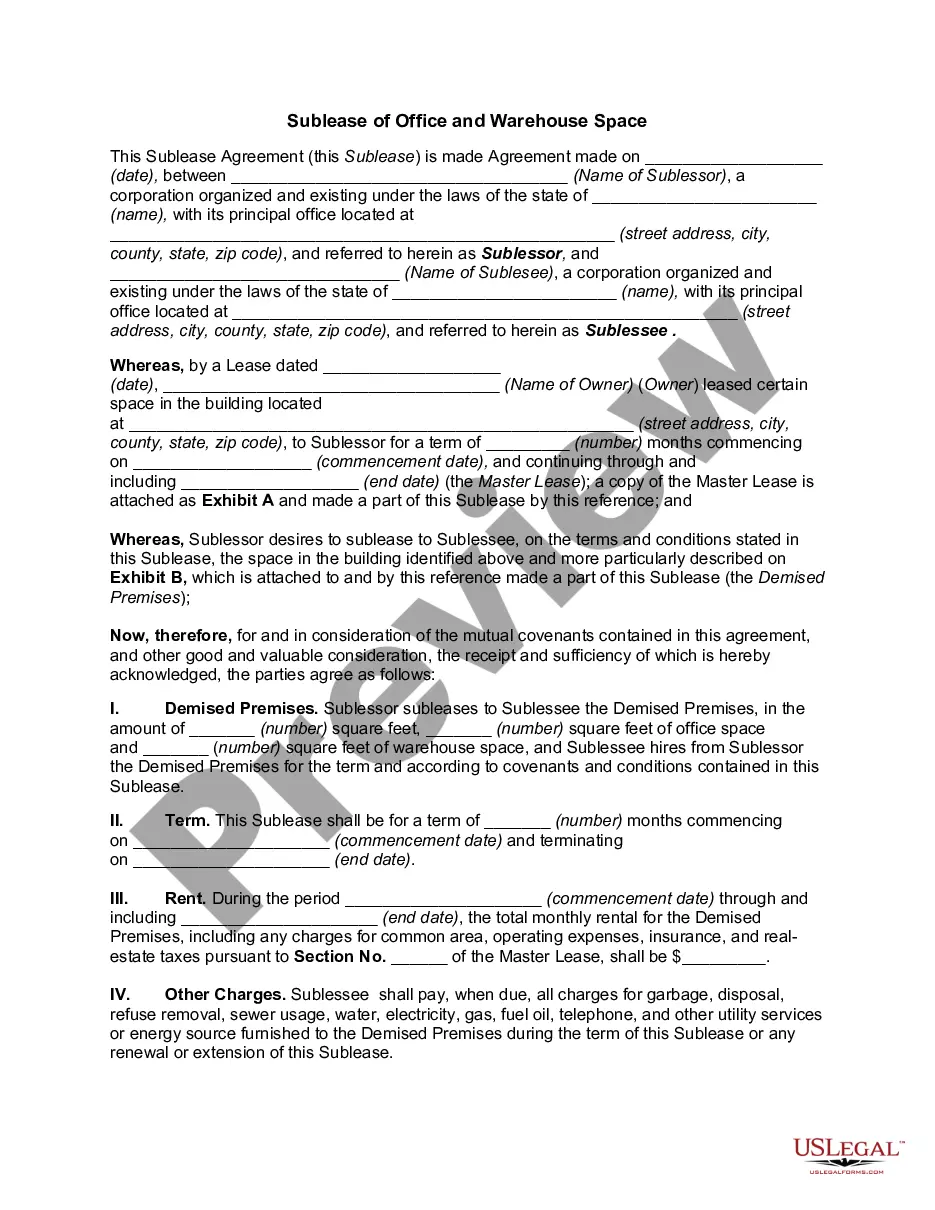
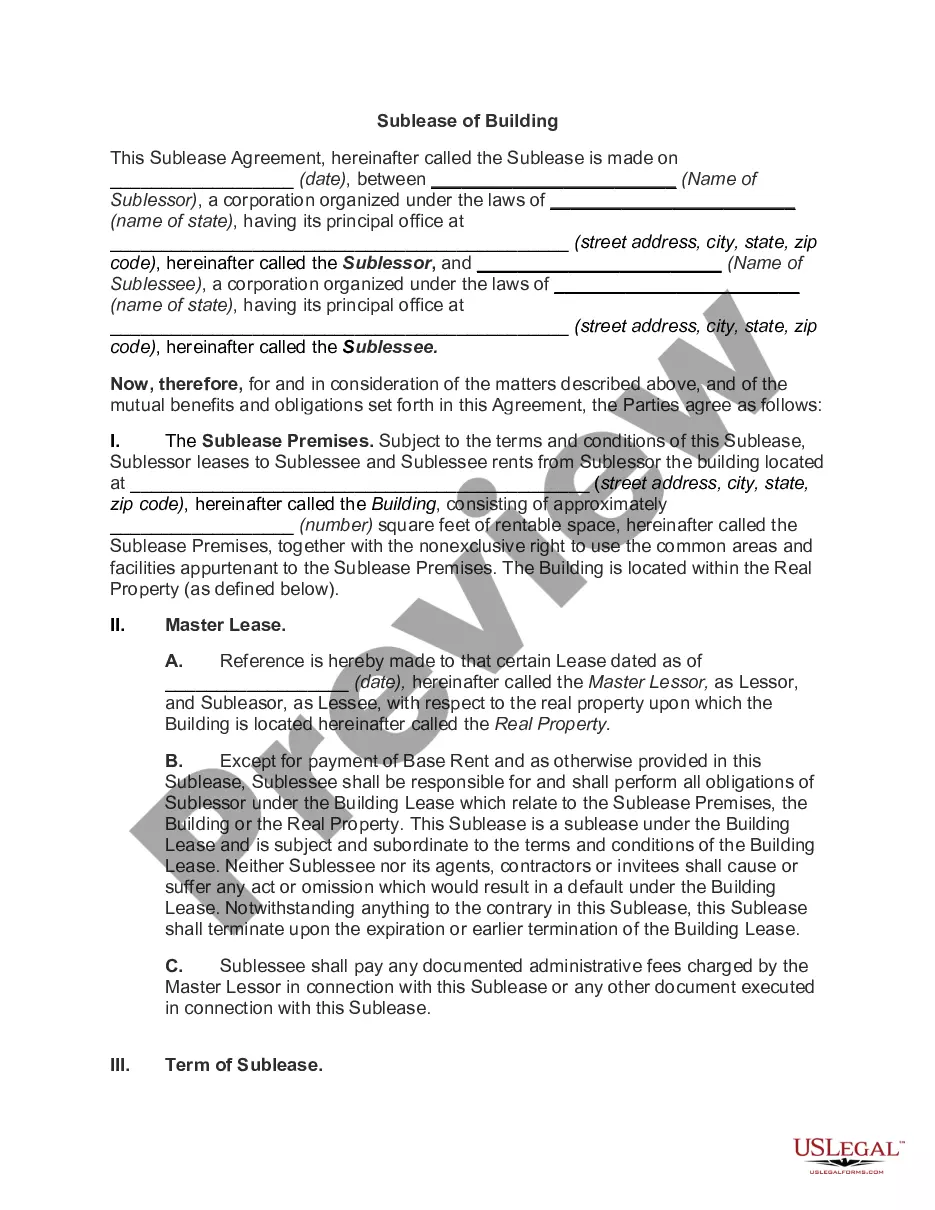
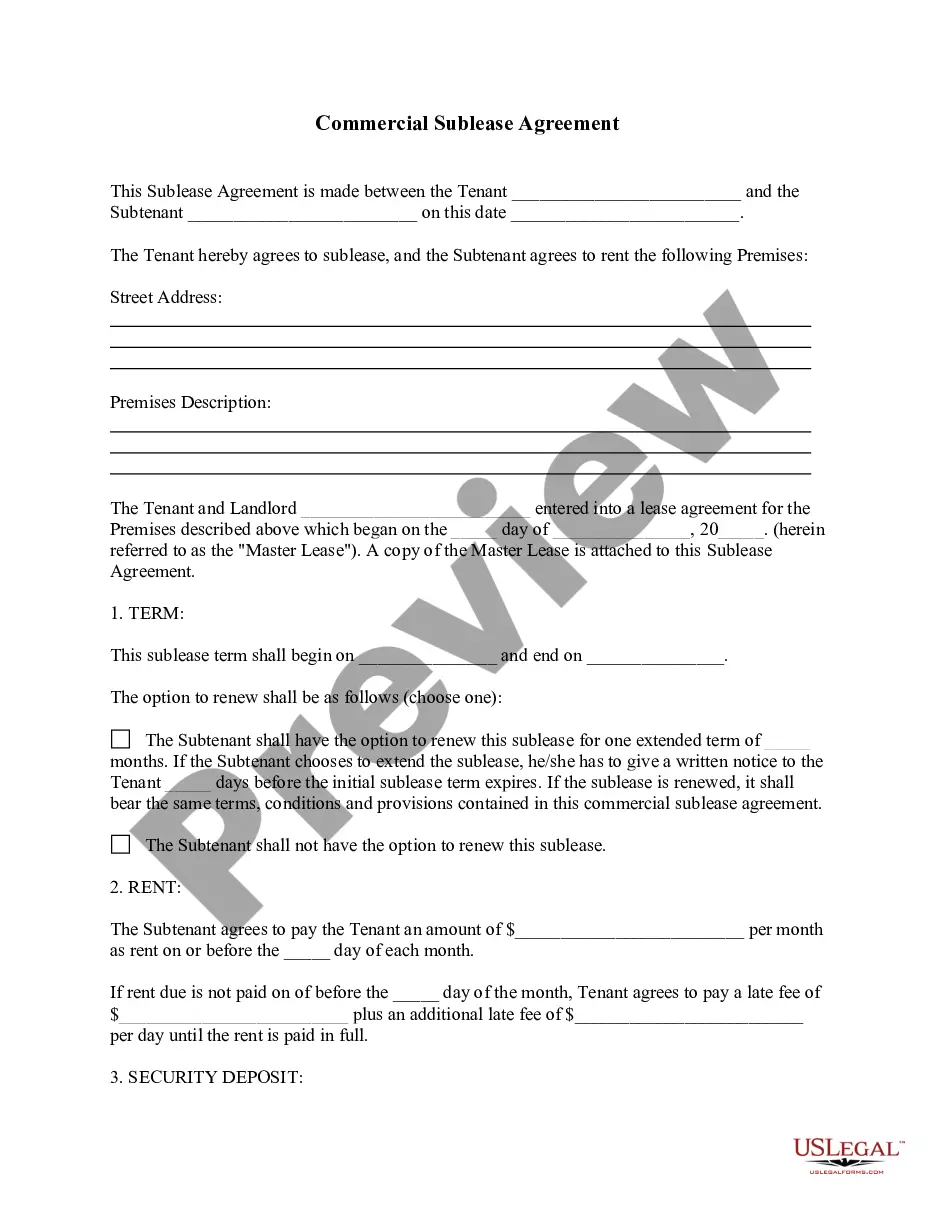
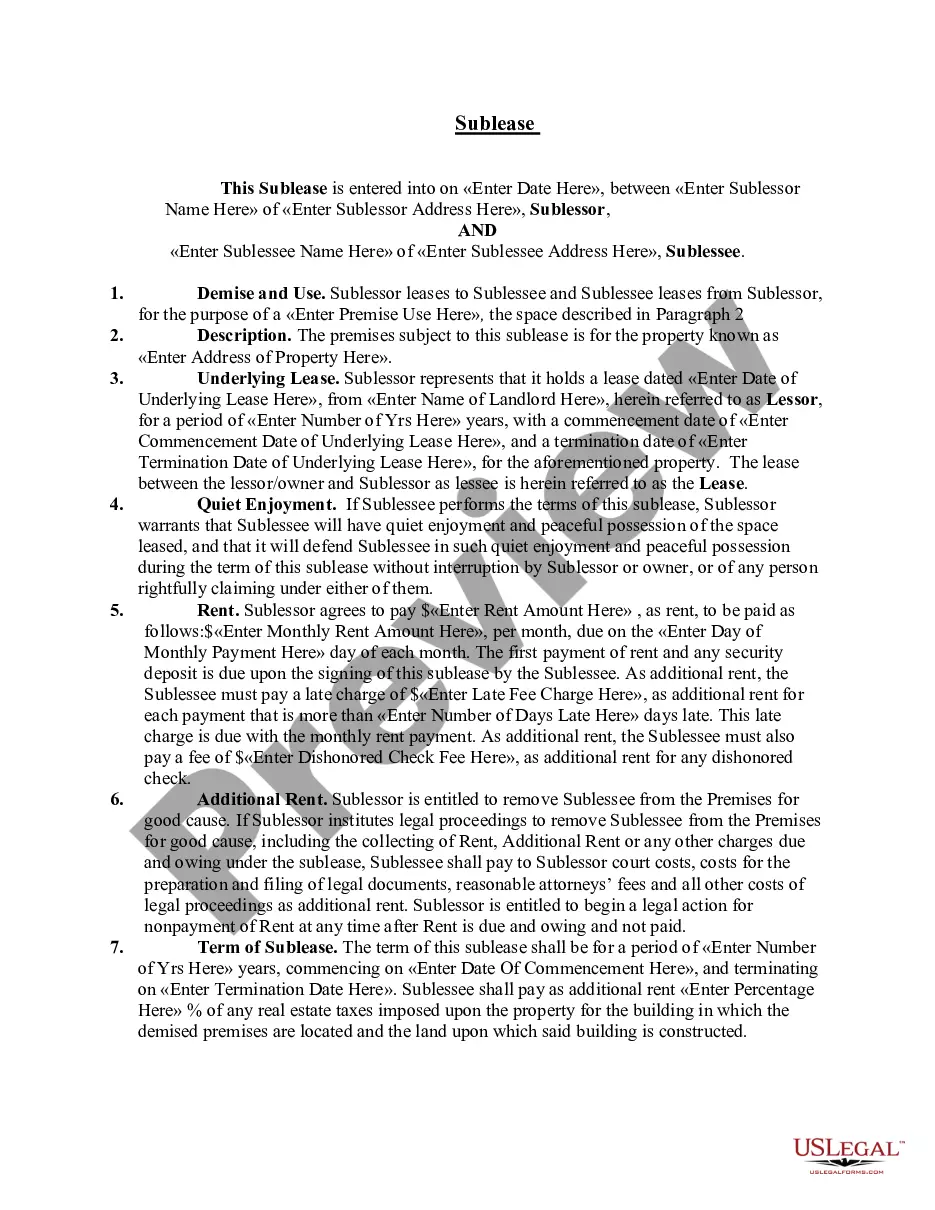
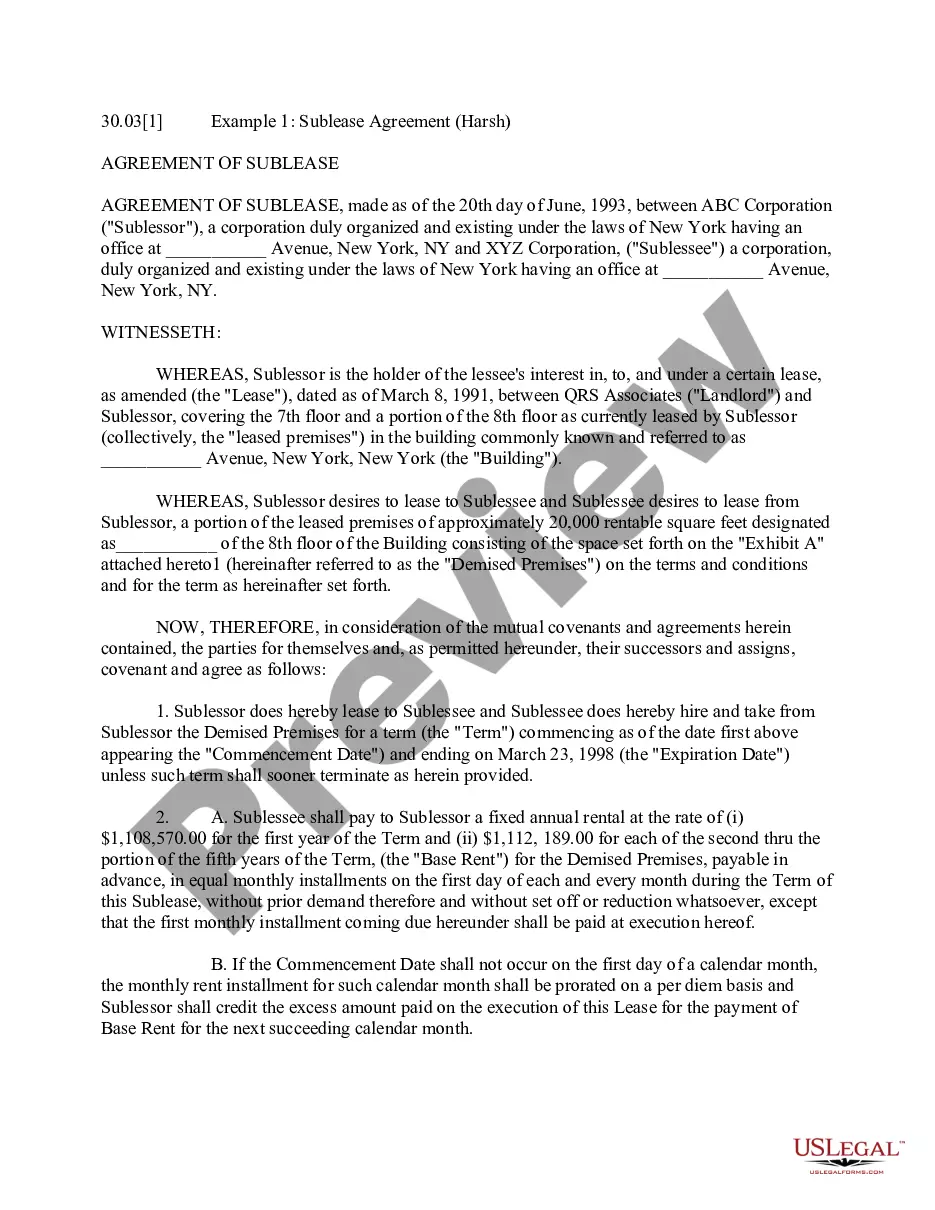
The Commercial Sublease form is a legal document that allows a tenant (the Sub-Lessor) to lease a commercial space to another party (the Sub-Lessee). This form outlines the terms and conditions of the sublease agreement while ensuring compliance with the original lease. It is essential for situations where a tenant wishes to transfer some or all of their lease rights and obligations to another party without terminating the original lease.
Main sections of this form
- Identification of the parties involved: Sub-Lessor and Sub-Lessee.
- Description of the leased property including land and improvements.
- Lease term and rental payment details.
- Usage restrictions for leased property.
- Indemnity and insurance requirements.
- Maintenance and repair responsibilities for both parties.

When to use this form
This Commercial Sublease form should be used when a tenant needs to sublet part or all of their commercial space to another party. This may occur when the original tenant wants to reduce their business operations, relocate, or has surplus space. A properly executed sublease can help both parties avoid potential legal issues related to lease compliance and property use.
Who should use this form
- Current lessees of commercial property looking to sublet.
- Businesses needing temporary relief from lease obligations.
- Individuals or entities seeking to occupy commercial space without entering into a new lease.
- Property owners considering leasing their space under a sublease agreement.
How to complete this form
- Identify the parties: Fill in the names and addresses of the Sub-Lessor and Sub-Lessee.
- Specify the property: Clearly detail the property being subleased, including any improvements.
- Enter rental terms: Provide the amount of rent and the schedule for payments.
- Define use of the property: Outline acceptable uses of the space being leased.
- Include insurance details: Specify insurance requirements to protect both parties.
Notarization guidance
This form does not typically require notarization unless specified by local law. Always check with your local jurisdiction to confirm specific requirements.
Get your form ready online
Our built-in tools help you complete, sign, share, and store your documents in one place.
Make edits, fill in missing information, and update formatting in US Legal Forms—just like you would in MS Word.
Download a copy, print it, send it by email, or mail it via USPS—whatever works best for your next step.
Sign and collect signatures with our SignNow integration. Send to multiple recipients, set reminders, and more. Go Premium to unlock E-Sign.
If this form requires notarization, complete it online through a secure video call—no need to meet a notary in person or wait for an appointment.
We protect your documents and personal data by following strict security and privacy standards.

Make edits, fill in missing information, and update formatting in US Legal Forms—just like you would in MS Word.

Download a copy, print it, send it by email, or mail it via USPS—whatever works best for your next step.

Sign and collect signatures with our SignNow integration. Send to multiple recipients, set reminders, and more. Go Premium to unlock E-Sign.

If this form requires notarization, complete it online through a secure video call—no need to meet a notary in person or wait for an appointment.

We protect your documents and personal data by following strict security and privacy standards.
Avoid these common issues
- Failing to obtain the original landlord's consent for subleasing.
- Not specifying the lease term or rental payment schedule clearly.
- Leaving out insurance requirements, which can lead to liability issues.
- Forgetting to outline maintenance responsibilities, leading to disputes later.
Advantages of online completion
- Convenience of downloading and completing the form at your own pace.
- Editability, allowing you to customize details to fit your specific situation.
- Access to professional legal templates drafted by licensed attorneys for reliability.
Looking for another form?
Form popularity
FAQ
The Bottom Line: Tennessee Property Law does not specifically reference sublets, so what your lease says matters. If your lease prohibits sublets, then sadly you can't sublet. Check your lease. Most likely, your lease contains a clause which requires you to obtain your landlord's approval prior to subletting.
Recording a lease means that it (or a Notice of Lease) is submitted to the public record, usually at the local Registry of Deeds following the signing of it by both parties. Generally, recording of the lease protects the tenant against subsequent claims to the property.
A commercial sublease is an agreement between a tenant currently leasing a property, a new tenant looking for space, and the property owner. When you sublease your space you are the sublessor (or sublandlord) and your new tenant is the sublessee (or subtenant).
Week-to-week If rent is paid on a week-to-week basis, a landlord must provide the tenant with a 10-Day Notice to Quit. Month-to-month If rent is paid on a month-to-month basis, a landlord must provide the tenant with a 30-Day Notice to Quit.
If a court finds you guilty of the first offence of unlawful subletting, you can be fined in the magistrates' court.At the magistrates' court, you can get up to six months in prison or a fine, or both. At the Crown Court the maximum penalty is imprisonment for two years or a fine, or both.
A sublease is a legally binding contract made between a tenant and a new tenant (also known as a subtenant or a sublessee).Usually, the first tenant must get consent from the landlord before he/she is allowed to sublease the premises.
If the commercial tenant is a shell corporation and/or does not have any assets of value, the commercial tenant may choose to walk away from its commercial lease obligations.Often the landlord will require guarantees in order to prevent a commercial tenant from walking away from its lease obligations.
You may rent without any formal agreement, or you may have a lease agreement. The most common type of renter in Tennessee is a renter who signs a lease agreement to pay rent each month throughout the year. Renters may be asked to provide a security deposit. Lease agreements are legally binding contracts.
Each state has different laws regarding subtenancy, with most landlords prohibiting subletting a property without prior permission. If subletting occurs without the landlord's knowledge, that landlord has the right to serve a three-day notice of eviction to both the tenant and the sublessor.