South Dakota Transfer on Death Deed or TOD - Beneficiary Deed for Individual to Married Beneficiaries
About this form
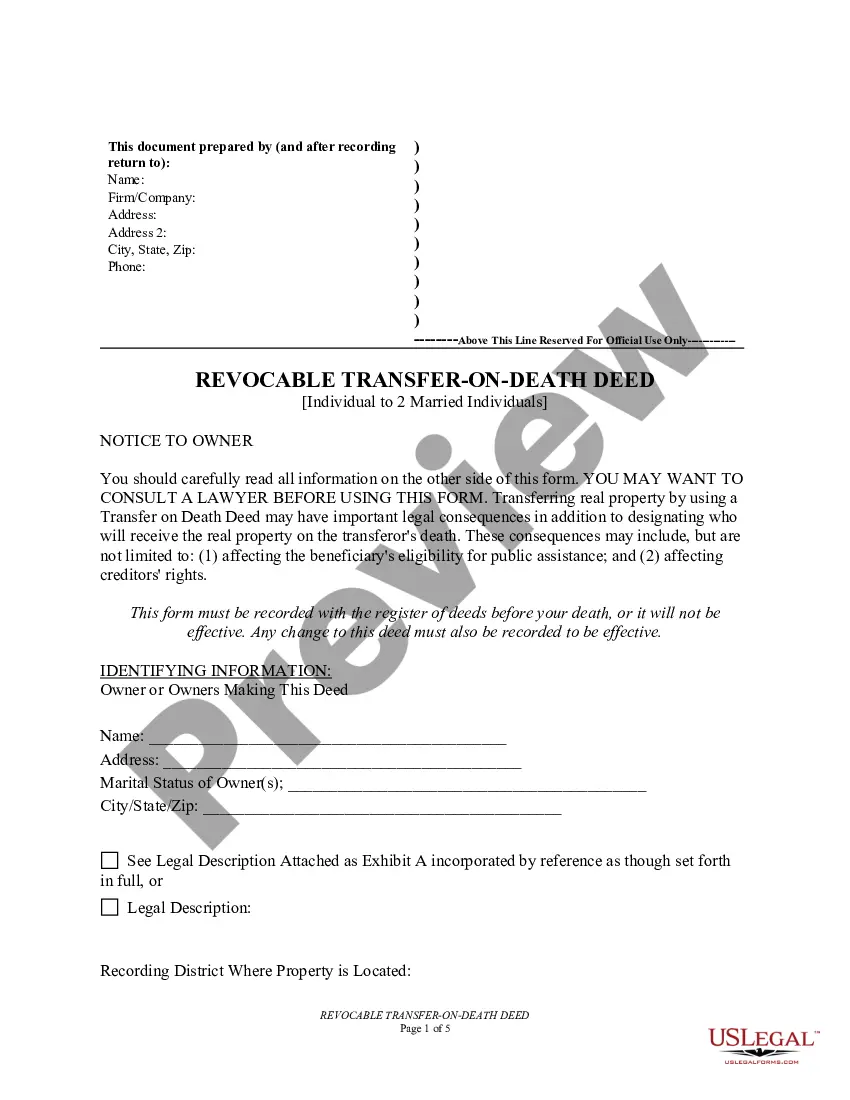
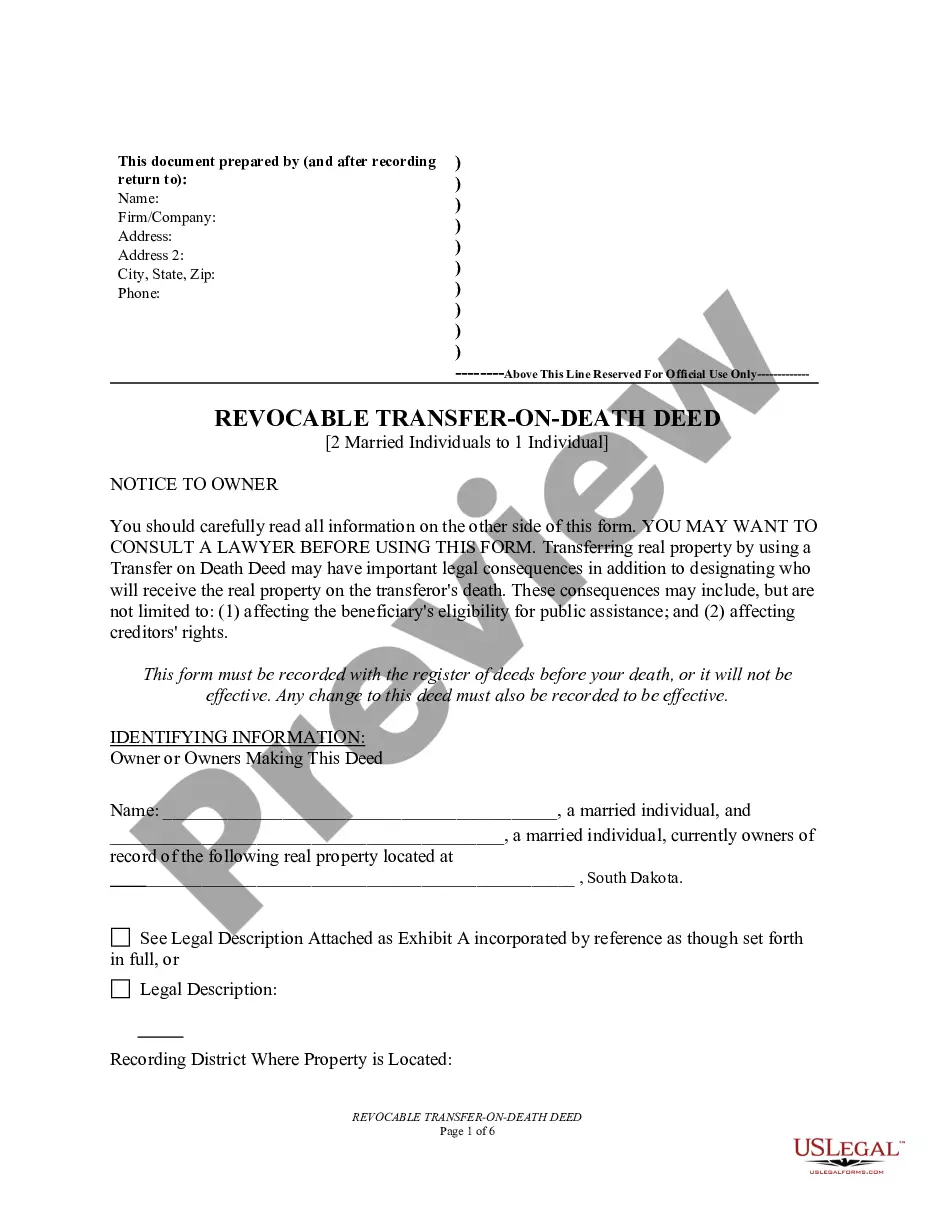
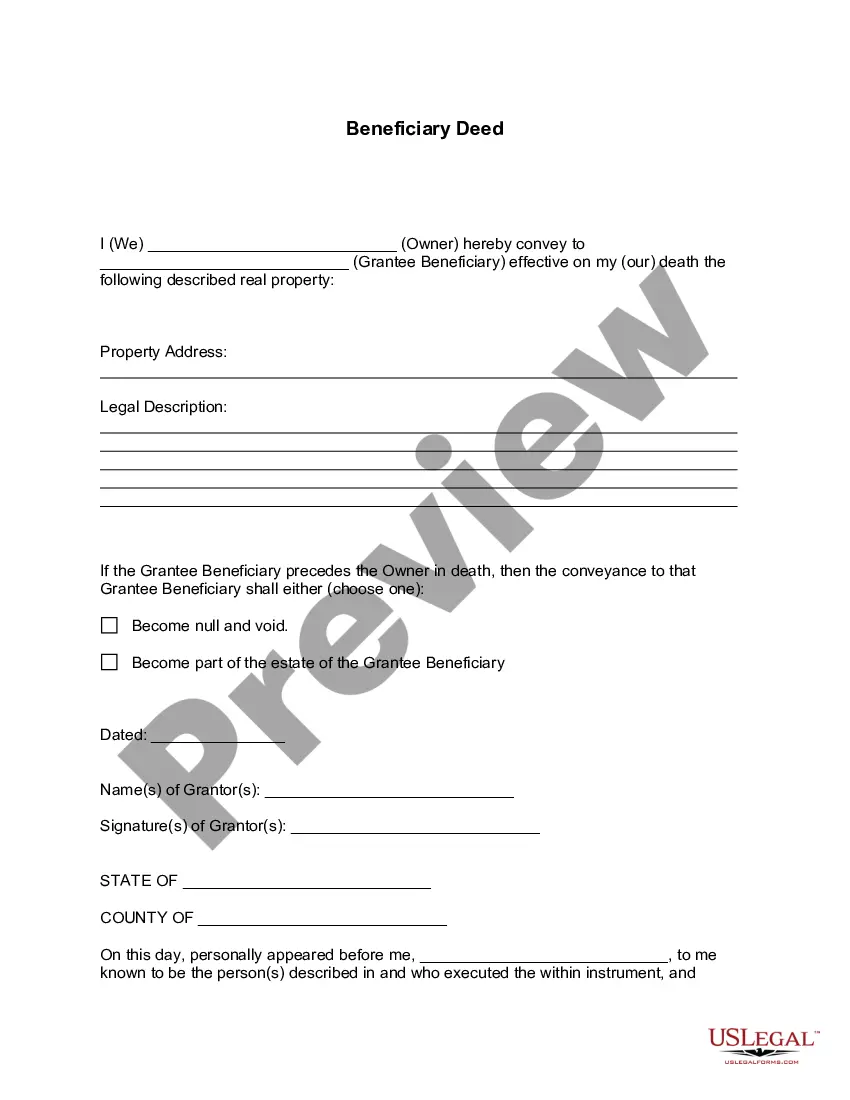
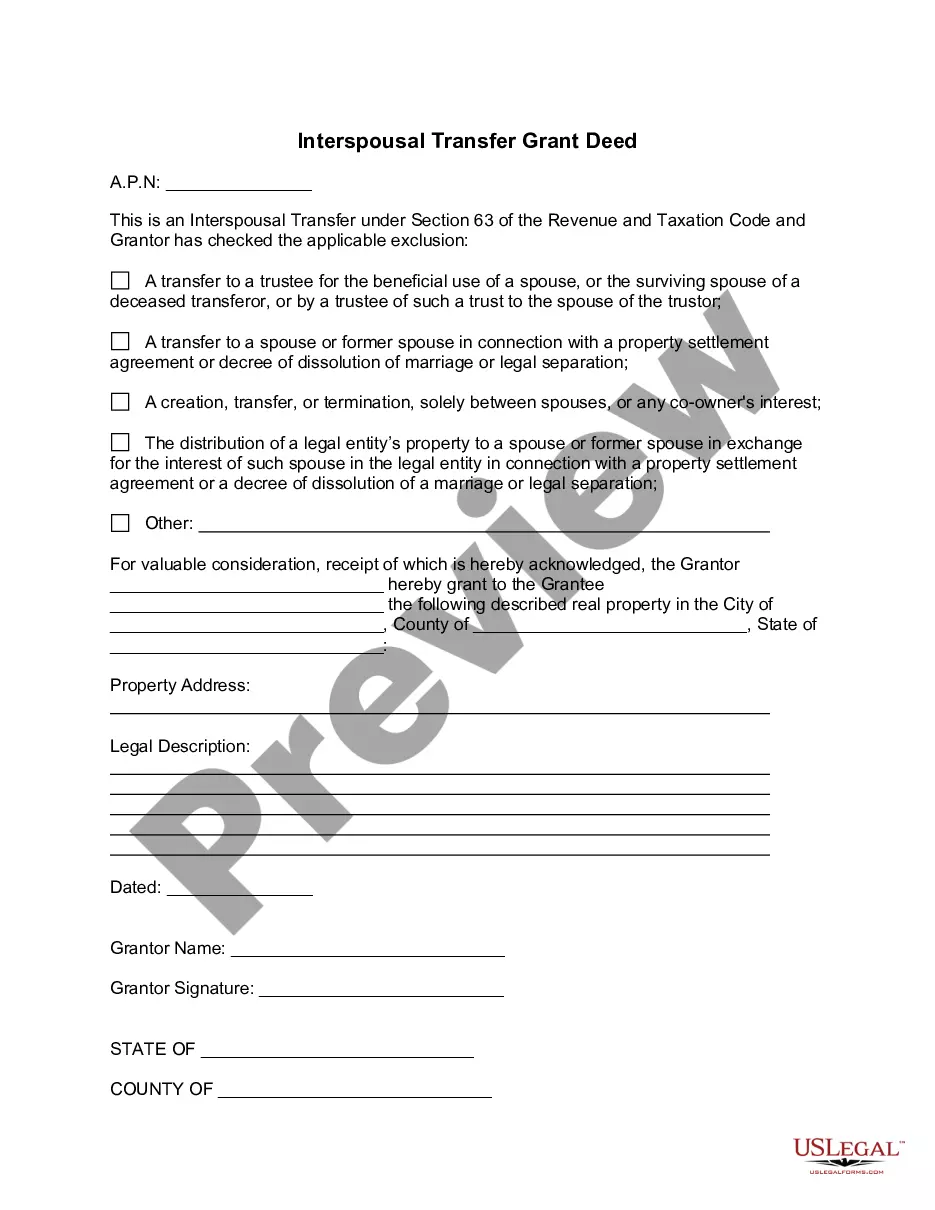
The Transfer on Death Deed (TOD) is a legal document that allows a property owner to designate married beneficiaries who will inherit the property upon the owner's death, without going through probate. This deed does not transfer ownership during the ownerâs lifetime, making it reversible at any time. It serves as a straightforward alternative to traditional wills for transferring real estate, ensuring that married beneficiaries receive the property upon the grantor's passing, while allowing the grantor to maintain control of the property during their lifetime.
Main sections of this form
- Grantor Information: Includes details about the owner transferring the property.
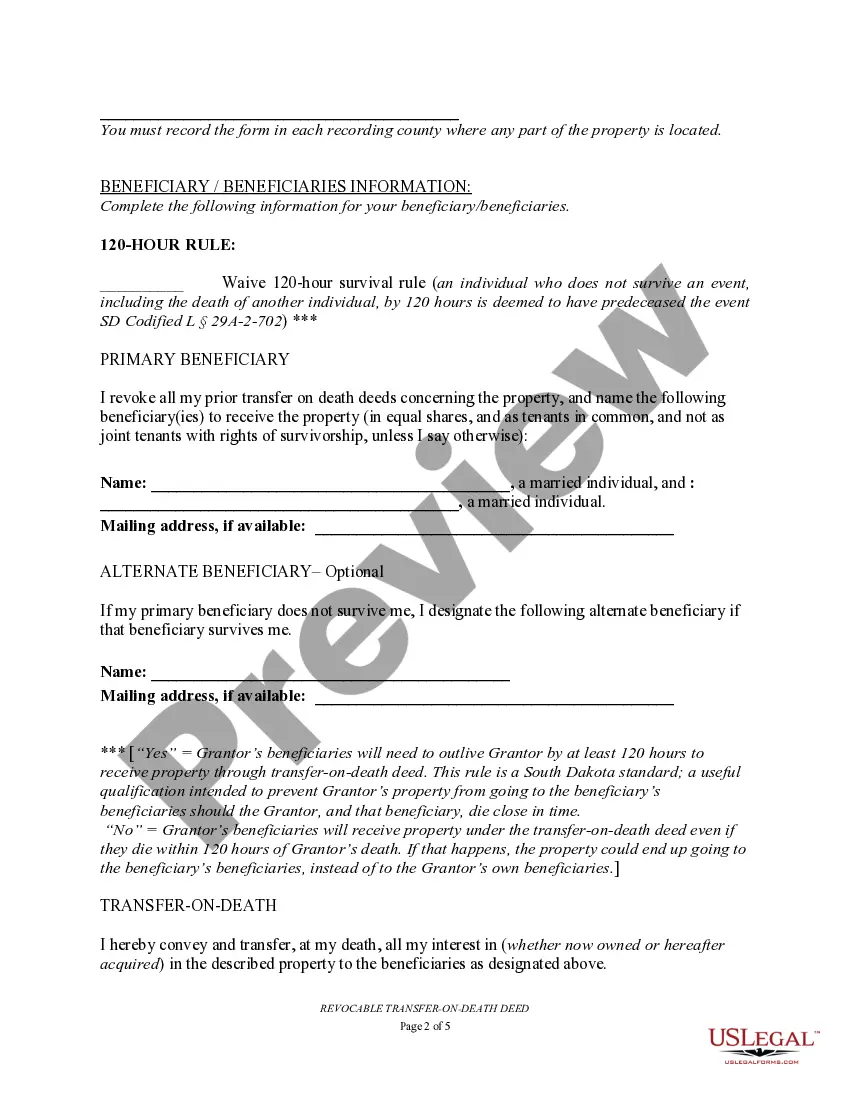
- Beneficiary Designation: Specifics about married individuals receiving the property.
- Legal Description of Property: Describes the parcel of land being transferred.
- Revocation Clause: States that previous Transfer on Death Deeds are revoked upon execution of this document.
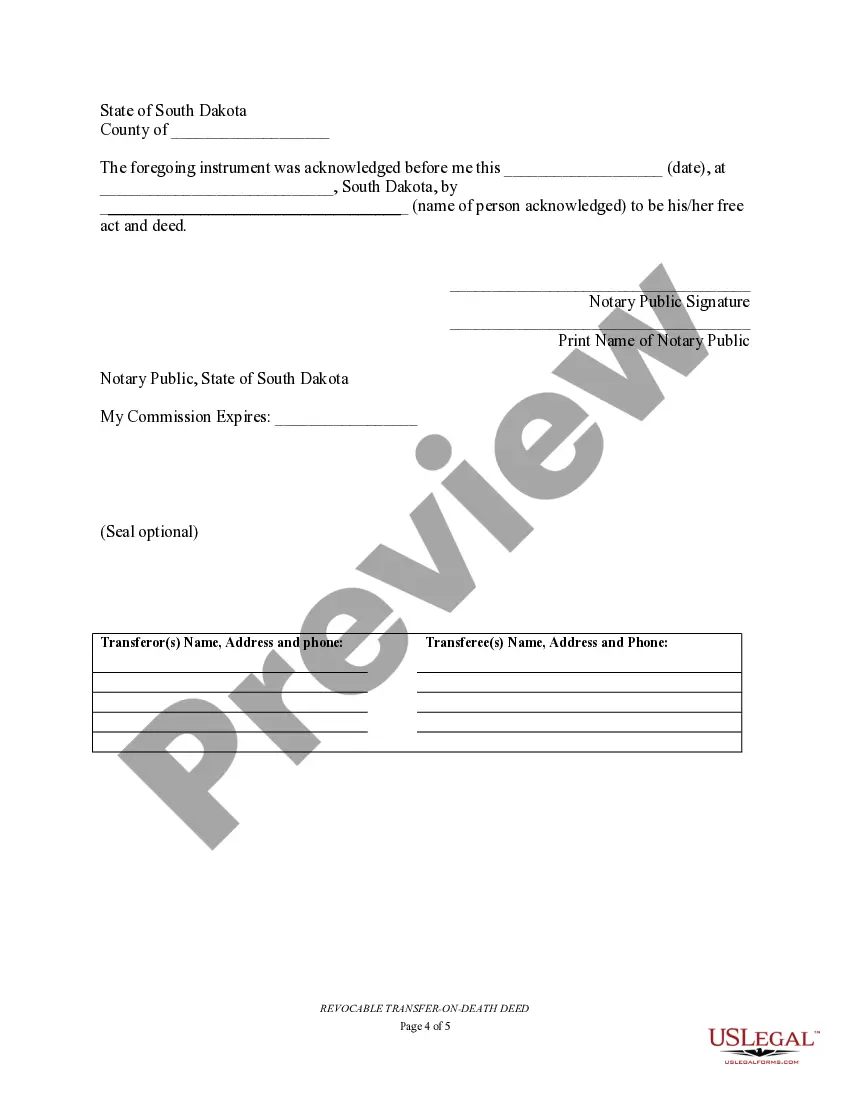
- Notary Acknowledgment: Validates the deed through notarization to ensure legality.
- 120-Hour Rule: Allows setting conditions on beneficiary timelines related to the grantor's passing.



Common use cases
This form is useful in various situations, such as when a property owner wants to ensure that their spouse inherits their real estate without the delays of probate. It is particularly pertinent for individuals wishing to simplify estate planning, while retaining the option to revoke or alter the transfer during their lifetime. Additionally, it can be employed when the owner anticipates potential future disputes regarding inheritance or property rights, particularly among extended family members.
Who this form is for
- Homeowners looking to designate their married partners as beneficiaries of their property.
- Individuals seeking a revocable means of transferring property upon death.
- Those who wish to avoid the complexities of the probate process for their real estate.
- People wanting to specify conditions related to beneficiary eligibility upon inheritance.
How to prepare this document
- Identify the property and grantor by entering the owner's information and the legal description of the property being transferred.
- Designate primary and alternate beneficiaries as married individuals by providing their names and contact information.
- Decide whether to include the 120-hour survival rule and indicate your choice accordingly.
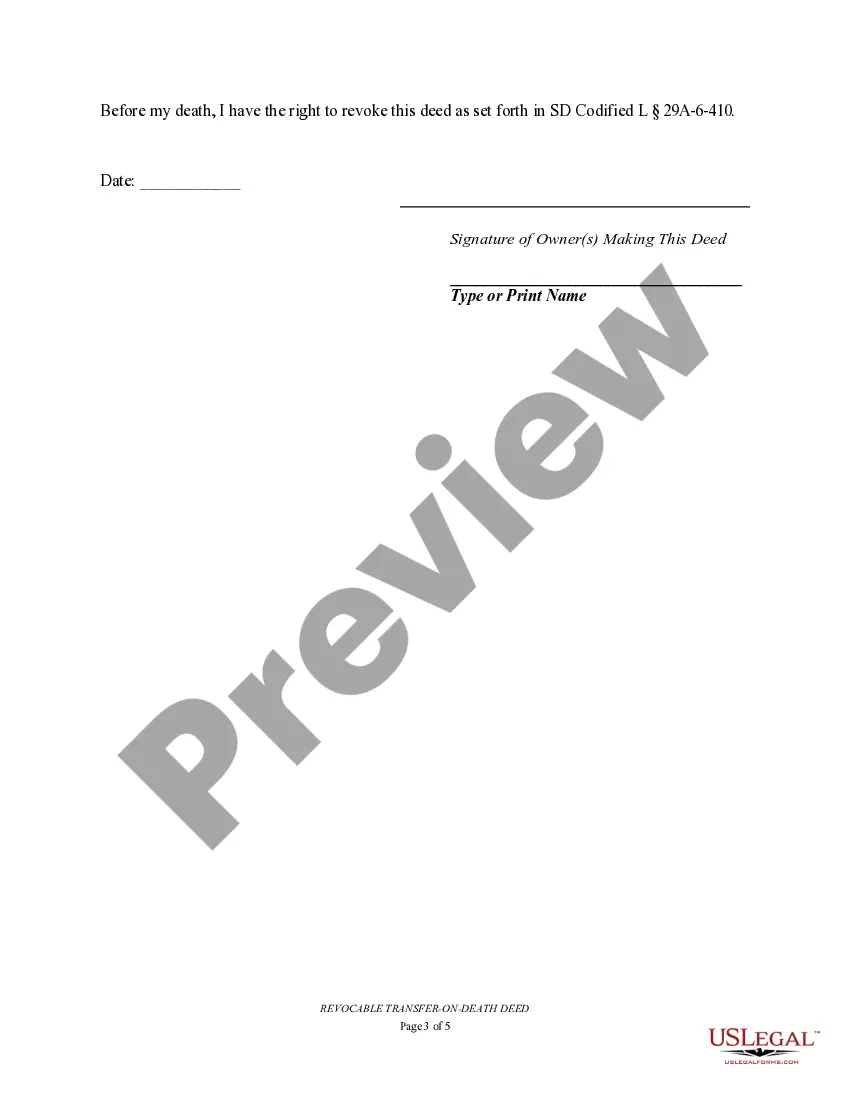
- Sign and date the form in the presence of a notary public to ensure its validity.
- Record the completed deed with the appropriate register of deeds in the county where the property is located.
Notarization guidance
Yes, this form must be notarized to be legally valid. Notarization ensures that the signatures on the document are genuine and that the grantor understands the deed's effects. US Legal Forms provides integrated online notarization services, allowing you to complete this process securely via a video call without needing to travel.
Get your form ready online
Our built-in tools help you complete, sign, share, and store your documents in one place.
Make edits, fill in missing information, and update formatting in US Legal Forms—just like you would in MS Word.
Download a copy, print it, send it by email, or mail it via USPS—whatever works best for your next step.
Sign and collect signatures with our SignNow integration. Send to multiple recipients, set reminders, and more. Go Premium to unlock E-Sign.
If this form requires notarization, complete it online through a secure video call—no need to meet a notary in person or wait for an appointment.
We protect your documents and personal data by following strict security and privacy standards.

Make edits, fill in missing information, and update formatting in US Legal Forms—just like you would in MS Word.

Download a copy, print it, send it by email, or mail it via USPS—whatever works best for your next step.

Sign and collect signatures with our SignNow integration. Send to multiple recipients, set reminders, and more. Go Premium to unlock E-Sign.

If this form requires notarization, complete it online through a secure video call—no need to meet a notary in person or wait for an appointment.

We protect your documents and personal data by following strict security and privacy standards.
Common mistakes
- Failing to record the deed: Not recording the document will render it ineffective.
- Not specifying beneficiaries clearly: Ensure names and marital status are accurate.
- Neglecting the 120-hour rule decision: Choose whether to apply this rule to avoid confusion for beneficiaries.
- Forgetting to notarize: This crucial step may be overlooked, making the deed invalid.
Advantages of online completion
- Convenience: Download and fill out the form from anywhere at any time.
- Editability: Easily make changes before finalizing your decisions.
- Reliability: Legal forms are prepared by licensed attorneys, ensuring compliance with state laws.