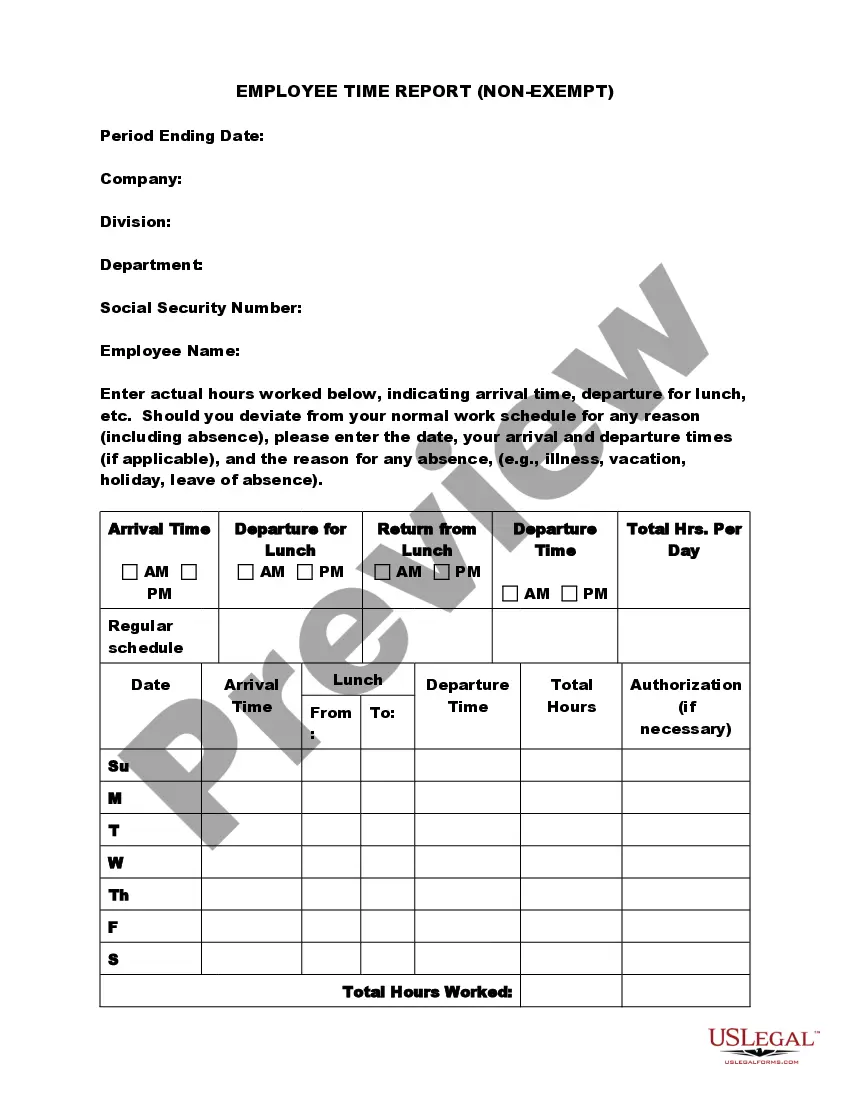
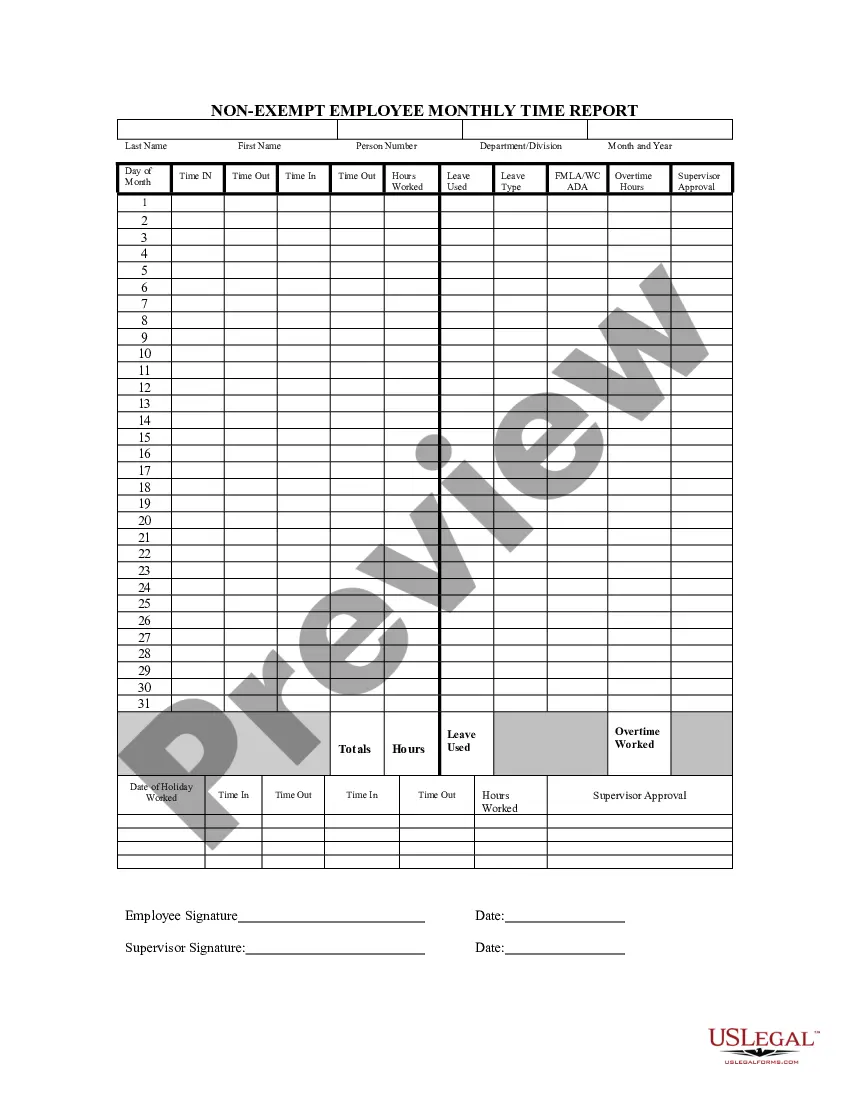
South Dakota Employee Time Report (Nonexempt)
Description
Get your form ready online
Our built-in tools help you complete, sign, share, and store your documents in one place.
Make edits, fill in missing information, and update formatting in US Legal Forms—just like you would in MS Word.
Download a copy, print it, send it by email, or mail it via USPS—whatever works best for your next step.
Sign and collect signatures with our SignNow integration. Send to multiple recipients, set reminders, and more. Go Premium to unlock E-Sign.
If this form requires notarization, complete it online through a secure video call—no need to meet a notary in person or wait for an appointment.
We protect your documents and personal data by following strict security and privacy standards.

Make edits, fill in missing information, and update formatting in US Legal Forms—just like you would in MS Word.

Download a copy, print it, send it by email, or mail it via USPS—whatever works best for your next step.

Sign and collect signatures with our SignNow integration. Send to multiple recipients, set reminders, and more. Go Premium to unlock E-Sign.

If this form requires notarization, complete it online through a secure video call—no need to meet a notary in person or wait for an appointment.

We protect your documents and personal data by following strict security and privacy standards.
Looking for another form?





How to fill out Employee Time Report (Nonexempt)?
You might spend numerous hours online attempting to locate the proper legal document template that satisfies the state and federal standards you need.
US Legal Forms provides a vast array of legal templates that can be reviewed by professionals.
You can download or print the South Dakota Employee Time Report (Nonexempt) from our service.
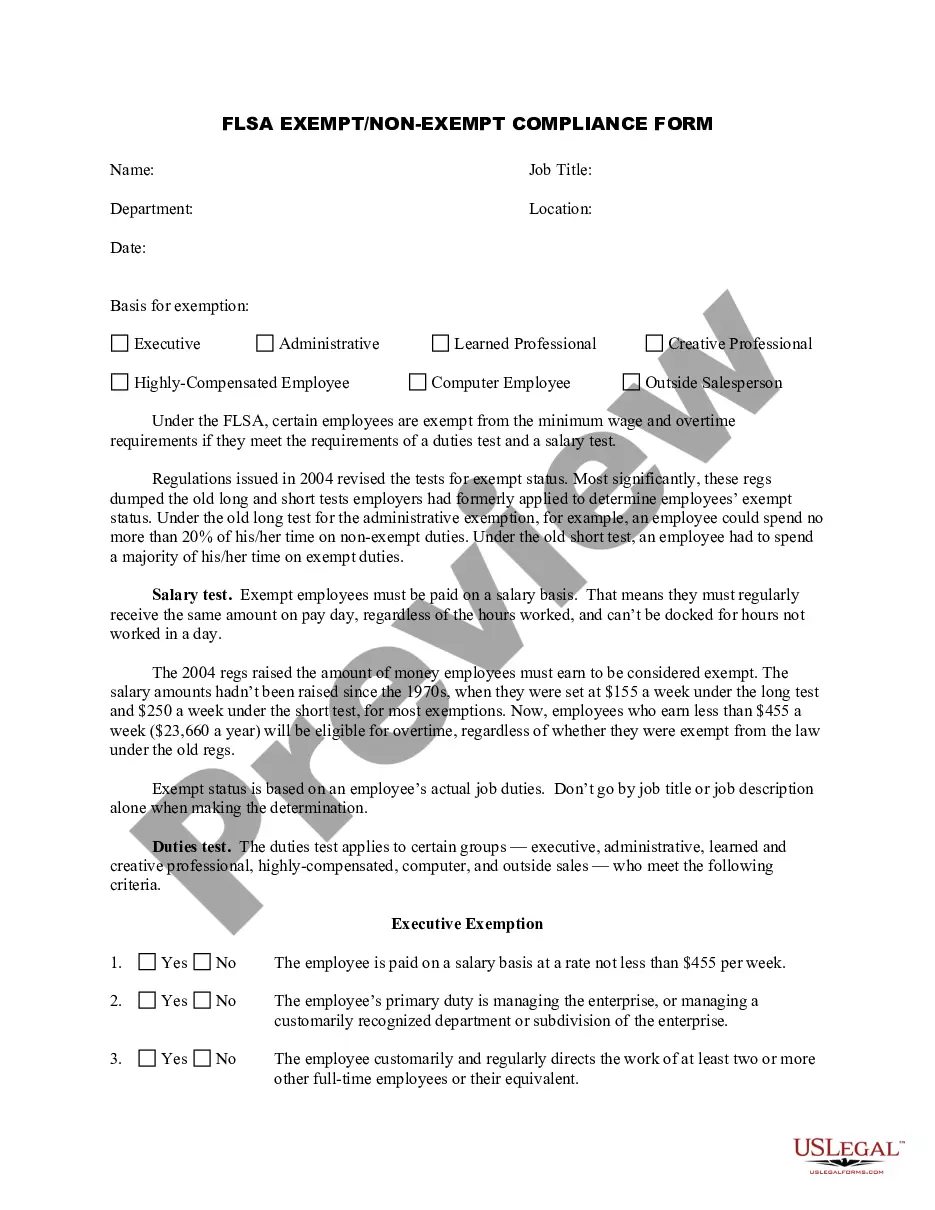
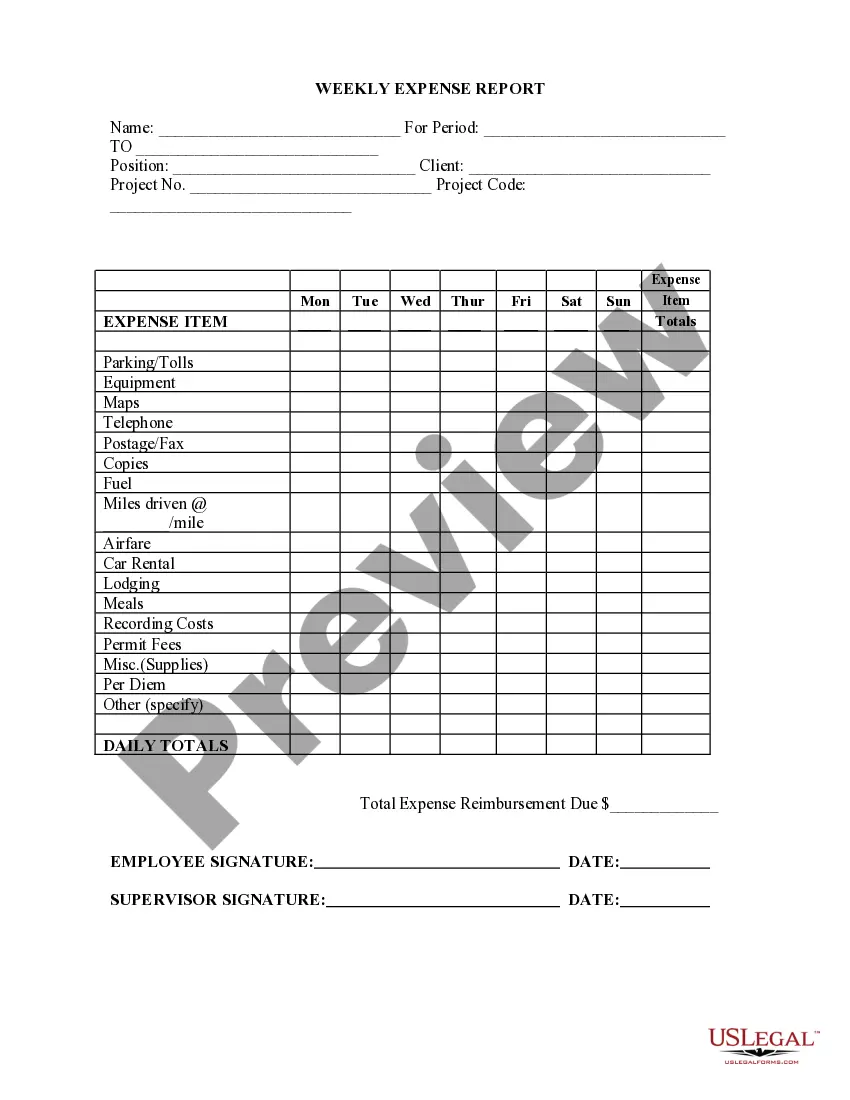
Check the form description to confirm you’ve chosen the right document. If available, utilize the Preview option to view the document template simultaneously.
- If you already have a US Legal Forms account, you can Log In and hit the Download button.
- After that, you can fill out, edit, print, or sign the South Dakota Employee Time Report (Nonexempt).
- Every legal document template you purchase is yours indefinitely.
- To obtain an additional copy of any purchased form, go to the My documents tab and click on the relevant option.
- If you are using the US Legal Forms website for the first time, follow the basic instructions below.
- First, ensure you have selected the correct document template for the state/city of your choice.
Form popularity
FAQ
Overtime can be voluntary (it may be offered or requested by an employer during very busy periods) or compulsory (it can be guaranteed or non-guaranteed). It will depend on the terms and conditions of the contract whether overtime is: voluntary.
"Yes," your employer can require you to work overtime and can fire you if you refuse, according to the Fair Labor Standards Act or FLSA (29 U.S.C. § 201 and following), the federal overtime law. The FLSA sets no limits on how many hours a day or week your employer can require you to work.
Comp time is calculated by multiplying 1.5 times overtime hours worked.
Examples of non-exempt employees include contractors, freelancers, interns, servers, retail associates and similar jobs. Even if non-exempt employees earn more than the federal minimum wage, they still take direction from supervisors and do not have administrative or executive positions.
If the regular hours are less than 40: Add regular rate for each hour up to 40, then pay time and a half for hours over 40. If the regular hours = 40: Pay time and a half for hours over 40.
Overtime PaySouth Dakota has no state labor laws regarding the payment of overtime, so the federal overtime laws apply to covered workers in the state.
Employees can be required to work overtime, whether paid or unpaid, only if this is provided for in their contract of employment.
There are no state-specific overtime laws in South Dakota - instead, overtime rules and exceptions as set in the federal Fair Labor Standards Act apply.
No mandatory compensatory time off is permitted for wage employees or in lieu of FLSA overtime pay.
The FLSA sets the maximum amount of comp time that may be accumulated: nonexempt employees who work in "a public safety activity, emergency response activity, or seasonal activity" may accumulate up to a maximum of 480 hours of comp time, while other employees are limited to 240 hours.