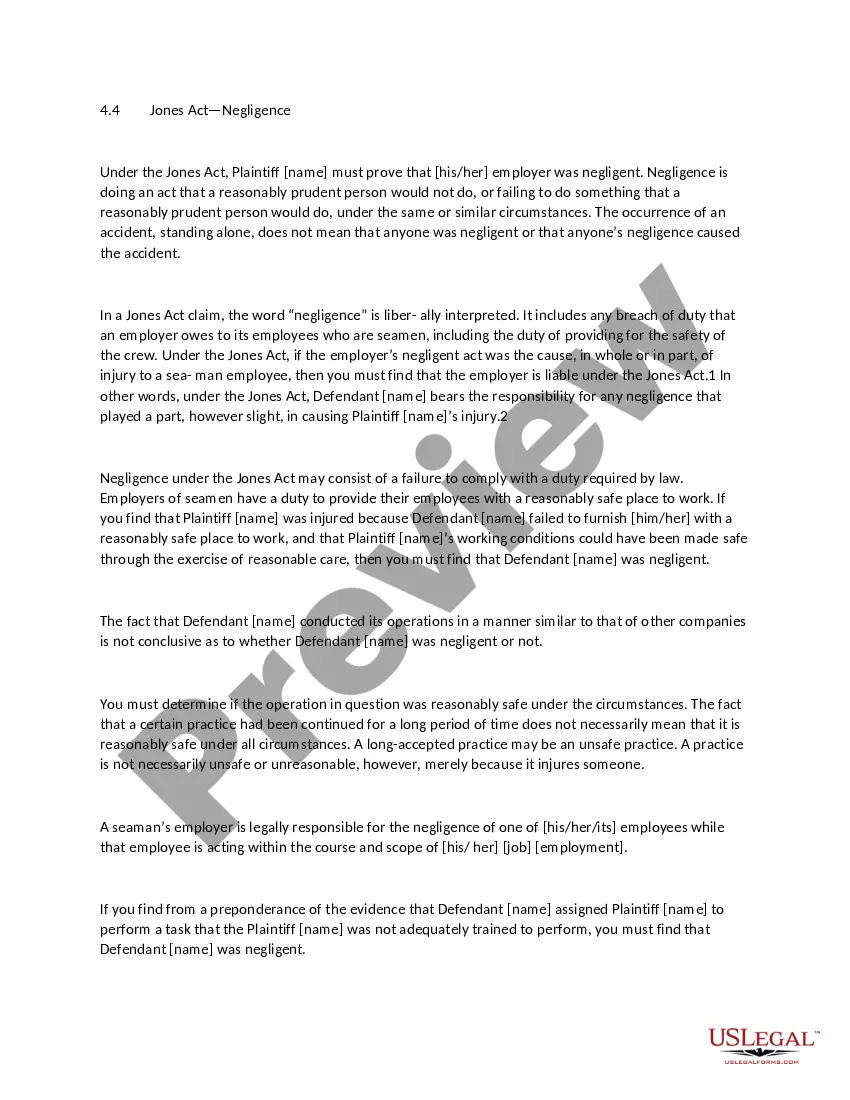
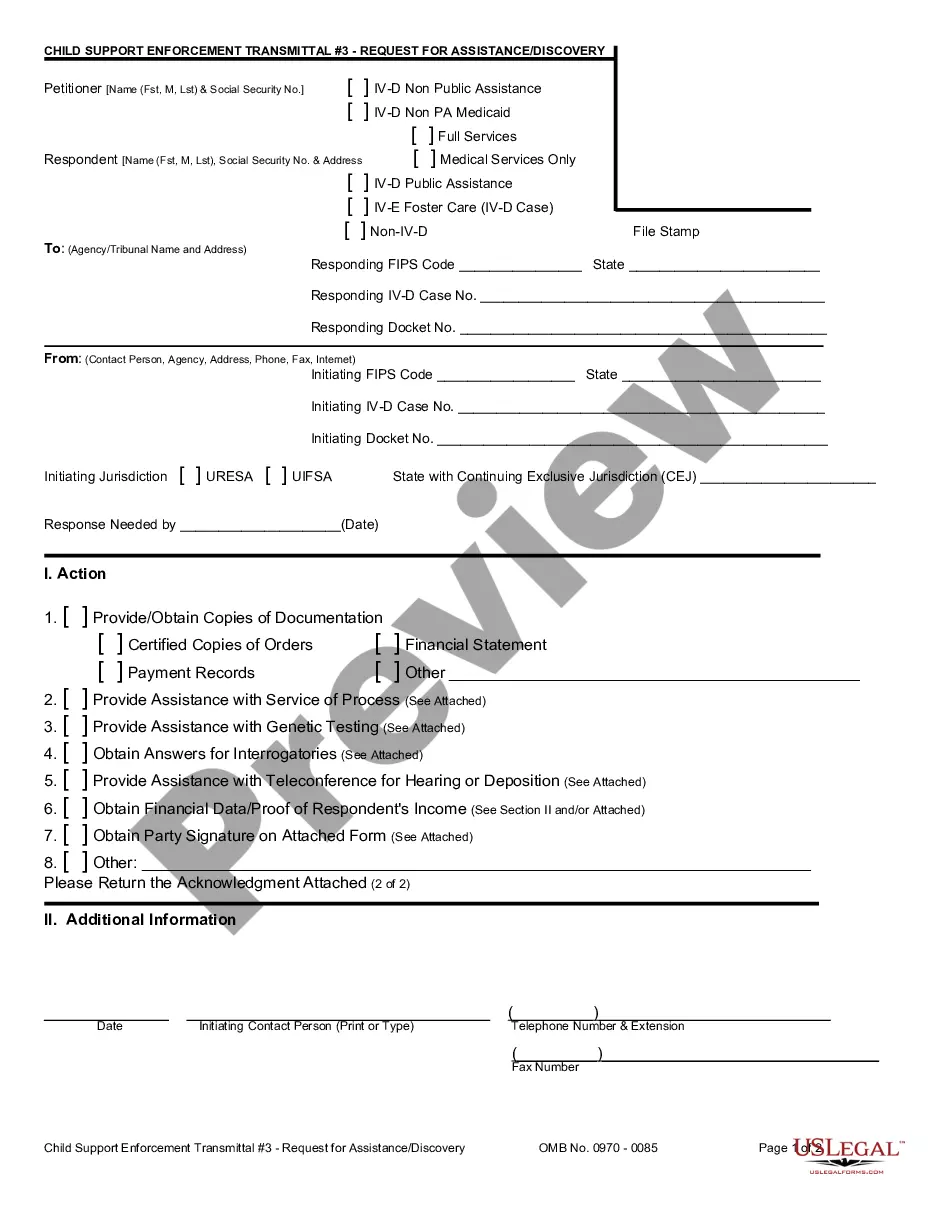
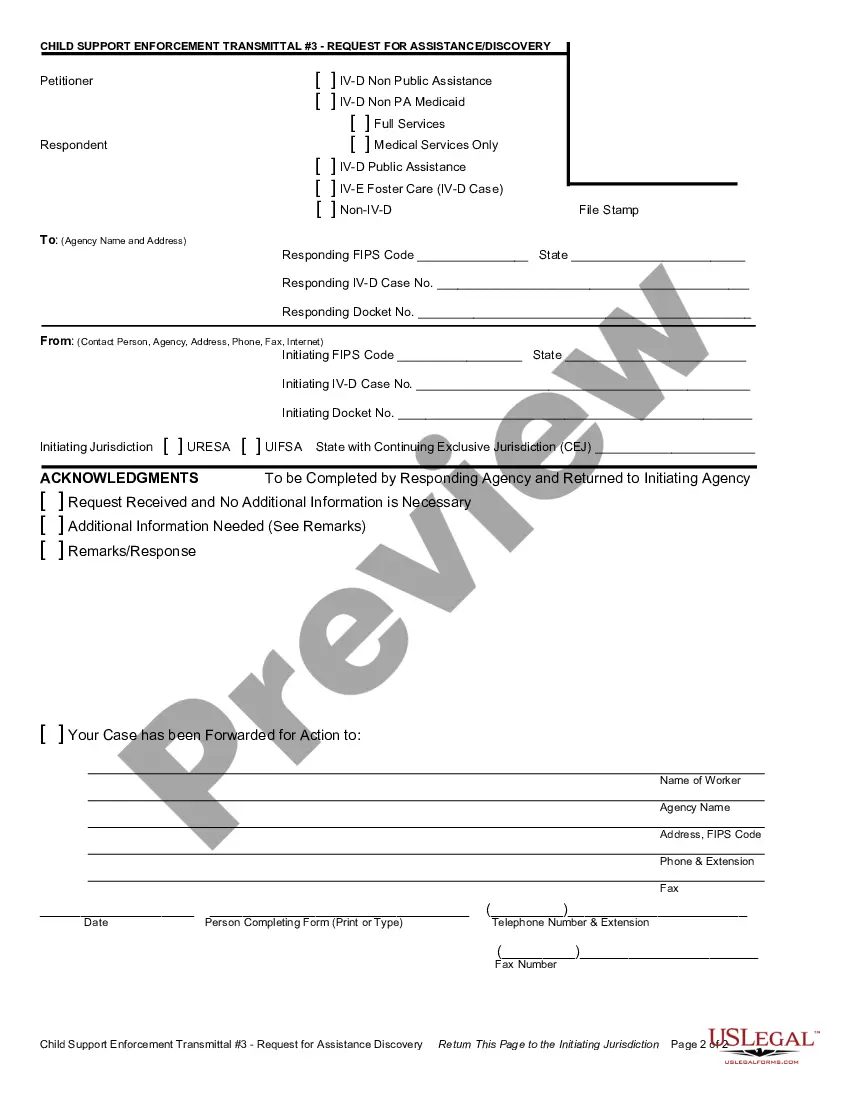
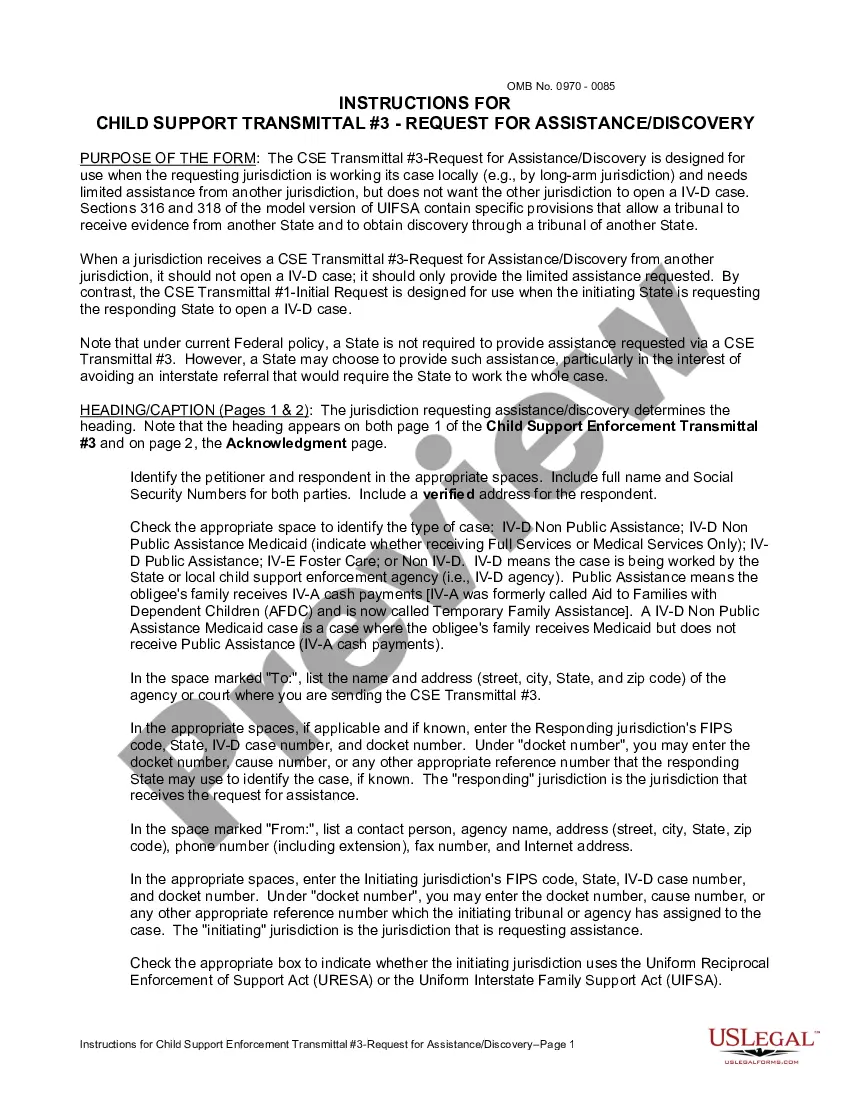
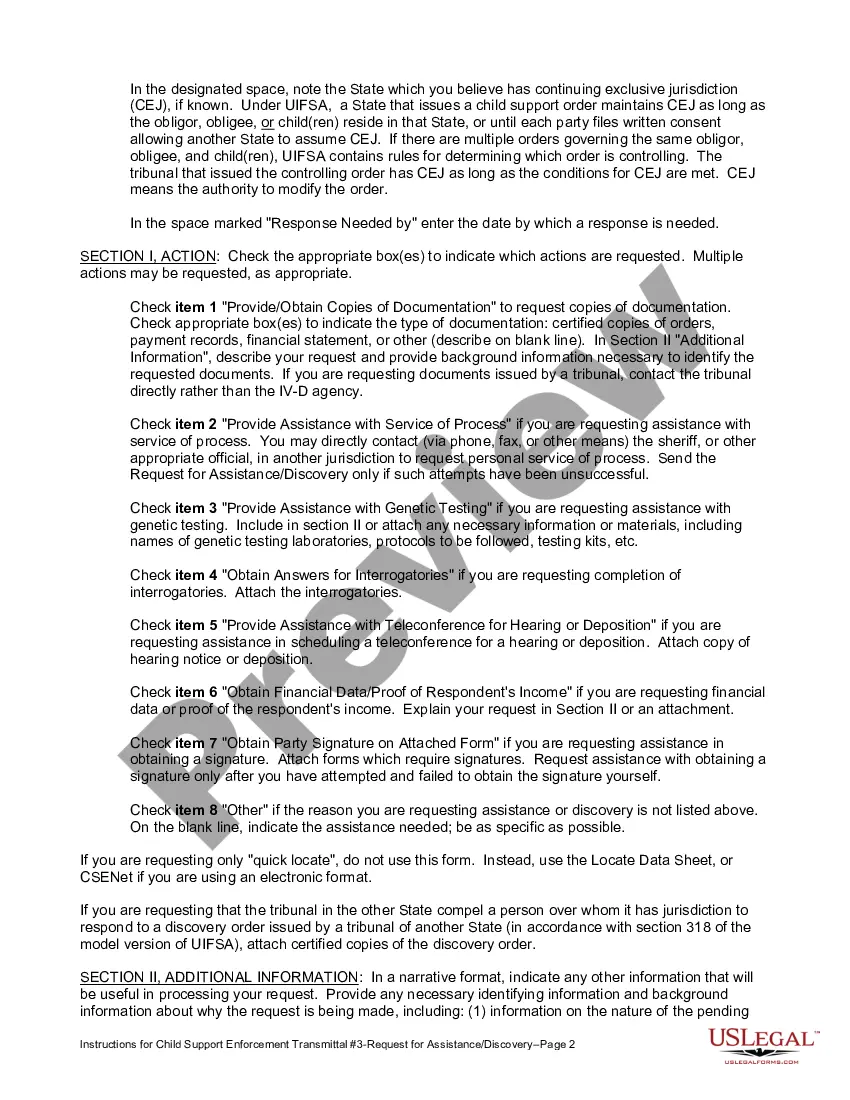
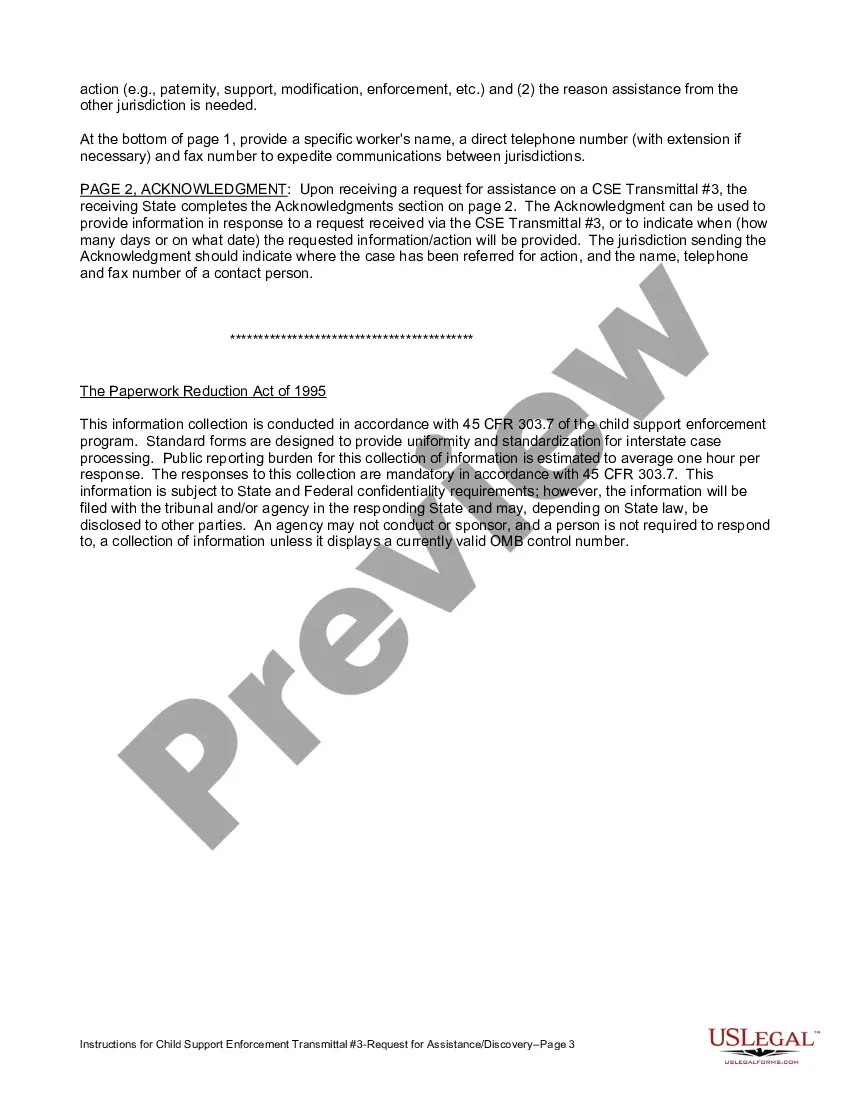
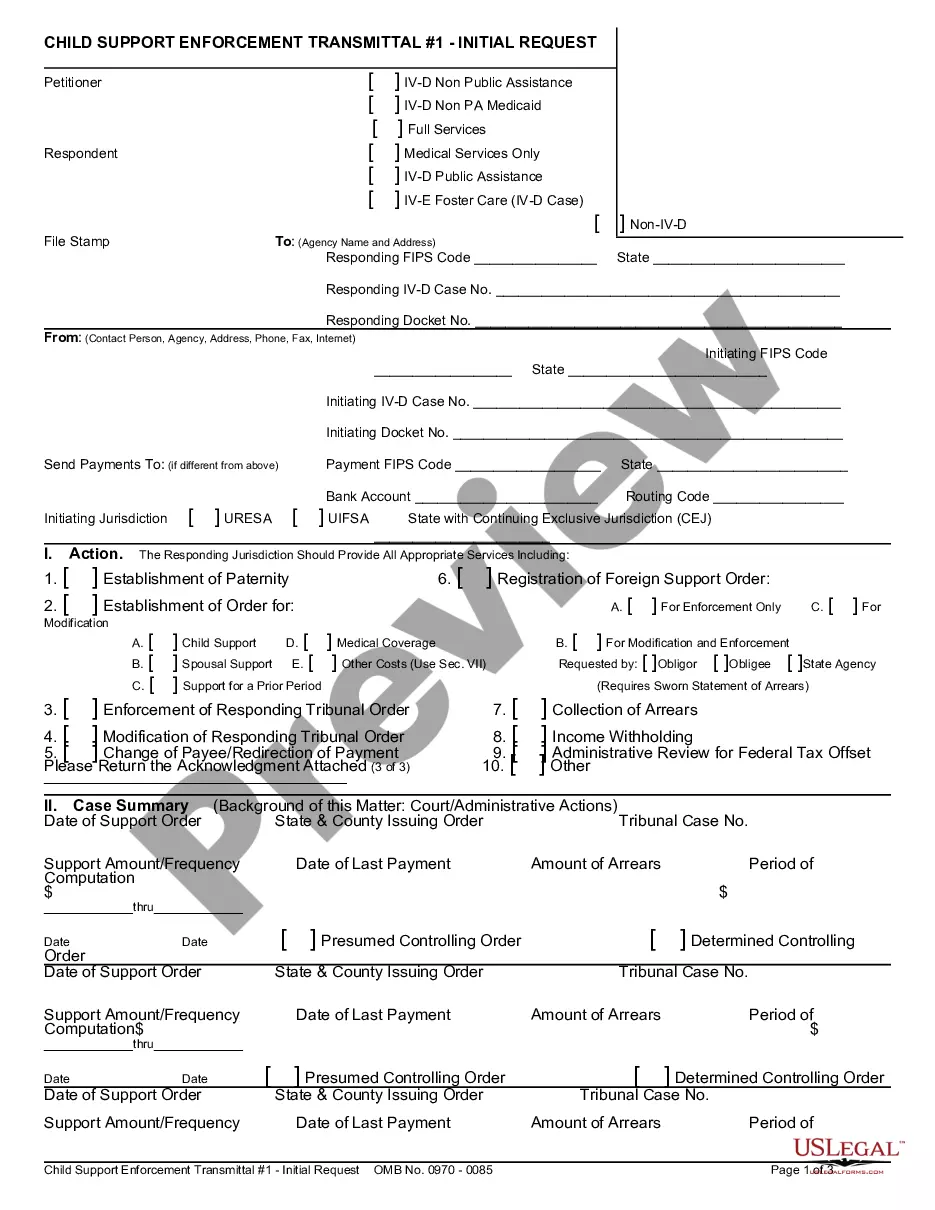
South Dakota Child Support Enforcement Transmittal #3 - Request for Assistance - Discovery and Instructions
Description
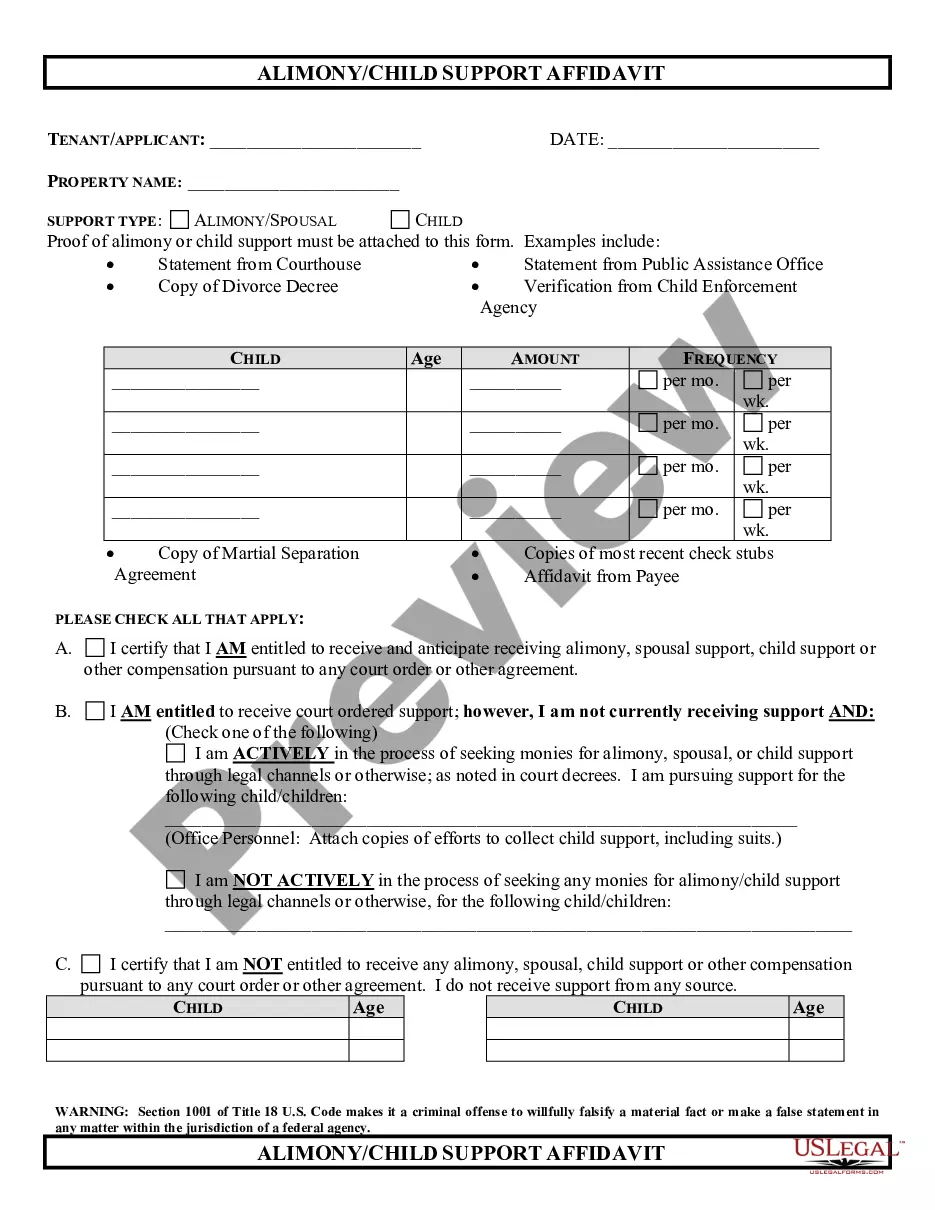
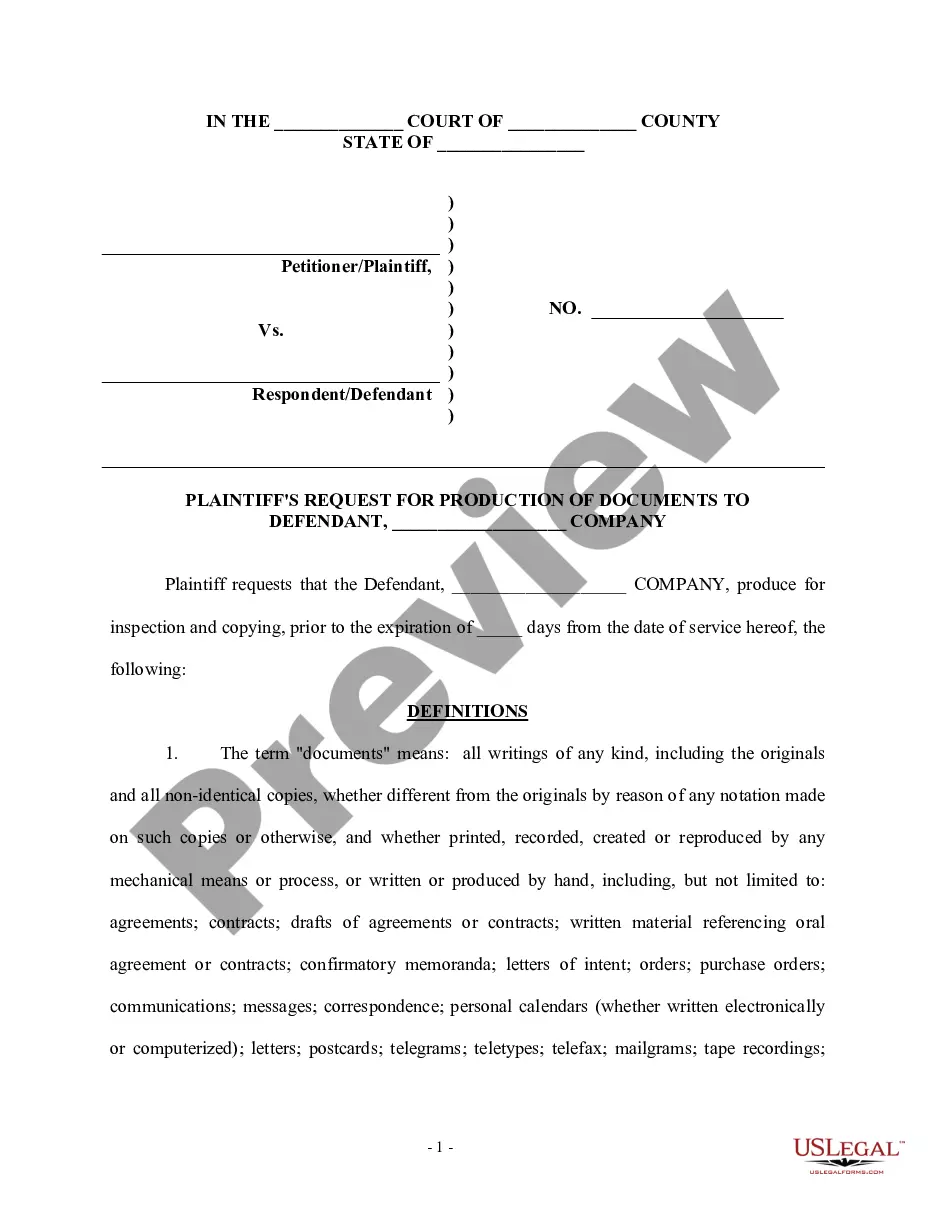
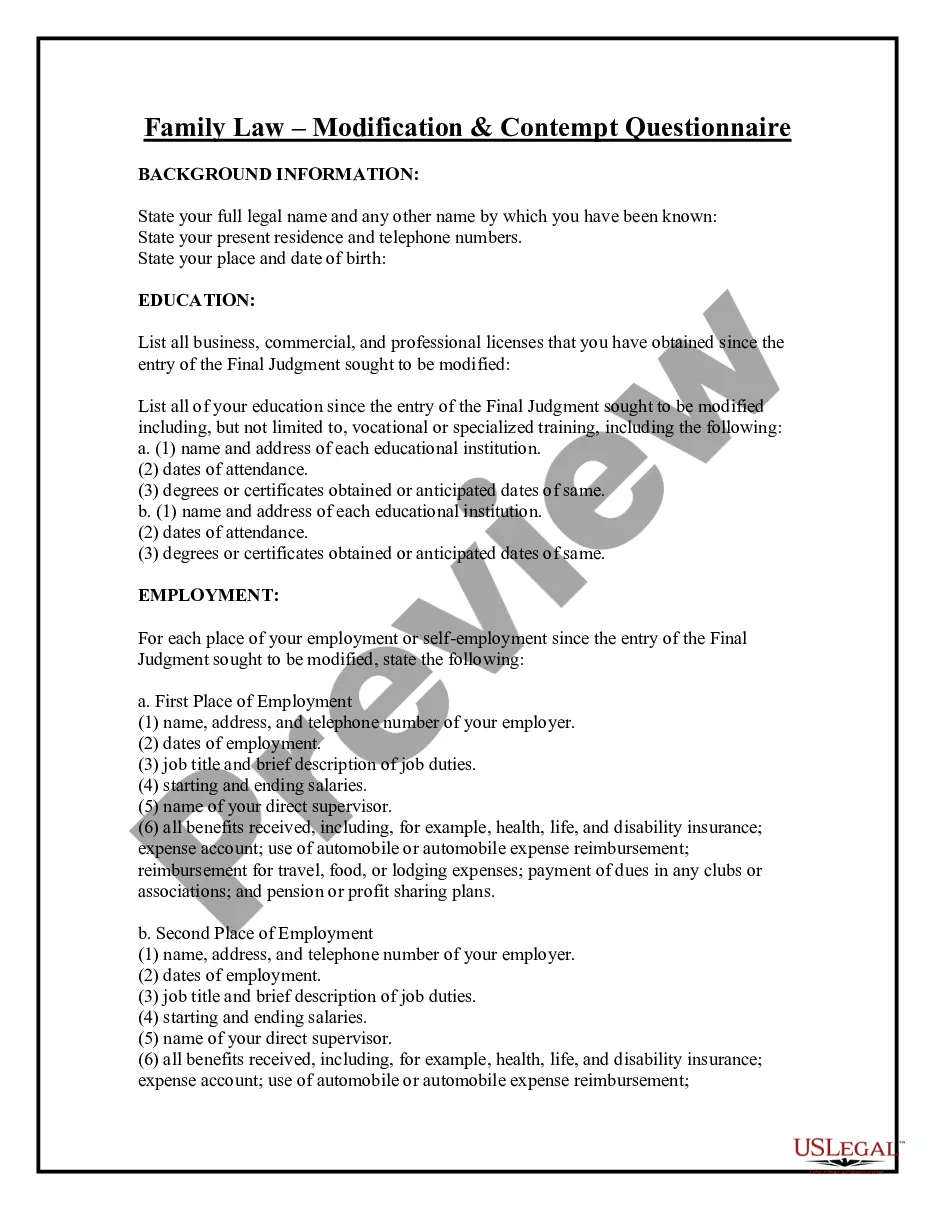
Get your form ready online
Our built-in tools help you complete, sign, share, and store your documents in one place.
Make edits, fill in missing information, and update formatting in US Legal Forms—just like you would in MS Word.
Download a copy, print it, send it by email, or mail it via USPS—whatever works best for your next step.
Sign and collect signatures with our SignNow integration. Send to multiple recipients, set reminders, and more. Go Premium to unlock E-Sign.
If this form requires notarization, complete it online through a secure video call—no need to meet a notary in person or wait for an appointment.
We protect your documents and personal data by following strict security and privacy standards.

Make edits, fill in missing information, and update formatting in US Legal Forms—just like you would in MS Word.

Download a copy, print it, send it by email, or mail it via USPS—whatever works best for your next step.

Sign and collect signatures with our SignNow integration. Send to multiple recipients, set reminders, and more. Go Premium to unlock E-Sign.

If this form requires notarization, complete it online through a secure video call—no need to meet a notary in person or wait for an appointment.

We protect your documents and personal data by following strict security and privacy standards.
Looking for another form?

How to fill out Child Support Enforcement Transmittal #3 - Request For Assistance - Discovery And Instructions?
You can dedicate several hours online searching for the legal document template that fulfills the federal and state requirements you have. US Legal Forms offers a vast selection of legal forms that are reviewed by experts.
It is easy to obtain or create the South Dakota Child Support Enforcement Transmittal #3 - Request for Assistance - Discovery and Instructions from the support.
If you already possess a US Legal Forms account, you may Log In and then click the Acquire button. After that, you can complete, modify, create, or sign the South Dakota Child Support Enforcement Transmittal #3 - Request for Assistance - Discovery and Instructions. Each legal document template you purchase belongs to you indefinitely. To obtain another copy of any purchased form, navigate to the My documents section and click the corresponding button.
Select the format of your document and download it to your device. Make modifications to your document if necessary. You can complete, edit, sign, and print the South Dakota Child Support Enforcement Transmittal #3 - Request for Assistance - Discovery and Instructions. Download and print numerous document templates using the US Legal Forms website, which offers the largest collection of legal forms. Utilize expert and state-specific templates to address your business or personal needs.
- If you are using the US Legal Forms website for the first time, follow the simple instructions below.
- First, ensure that you have selected the correct document template for the area/town of your choice. Check the form description to confirm you have chosen the appropriate form.
- If available, use the Preview button to review the document template as well.
- To find another version of your form, utilize the Search field to locate the template that meets your needs and requirements.
- Once you have found the template you wish to use, click Purchase now to proceed.
- Choose the pricing plan you prefer, enter your details, and create an account on US Legal Forms.
- Complete the transaction. You can use your credit card or PayPal account to pay for the legal form.
Form popularity
FAQ
When does the child support obligation stop? South Dakota law requires child support to be paid until age 18, or until the age of 19 or graduation if the child is a full-time student in a secondary school (high school), whichever occurs first. Example: Child turns 18 on January 15, 2022.
South Dakota Child support workers do have some discretion to negotiate a lump sum settlement of 75% of state-owed arrears. If the parents agree to a lump sum settlement for arrears owed to the family, DCS has a forgiveness of arrears form, which the parties can sign.
The statute of limitations on enforcement of past due child support in South Dakota is 20 years from the date the support is due.
When does the child support obligation stop? South Dakota law requires child support to be paid until age 18, or until the age of 19 or graduation if the child is a full-time student in a secondary school (high school), whichever occurs first. Example: Child turns 18 on January 15, 2022.
The statute of limitations on enforcement of past due child support in South Dakota is 20 years from the date the support is due.
In South Dakota, the Circuit Court is the only entity that can modify a child support obligation. Either parent or a representative (e.g. grandparent, aunt, uncle, a person who has legal custody of a child) may file a petition to modify a child support order.
Either or both of the parties must apply to the court for such a change. The court will review the parties' financial documentation, as well as any other relevant facts. It will then apply the applicable law and will determine whether, and how much, a support order should change.