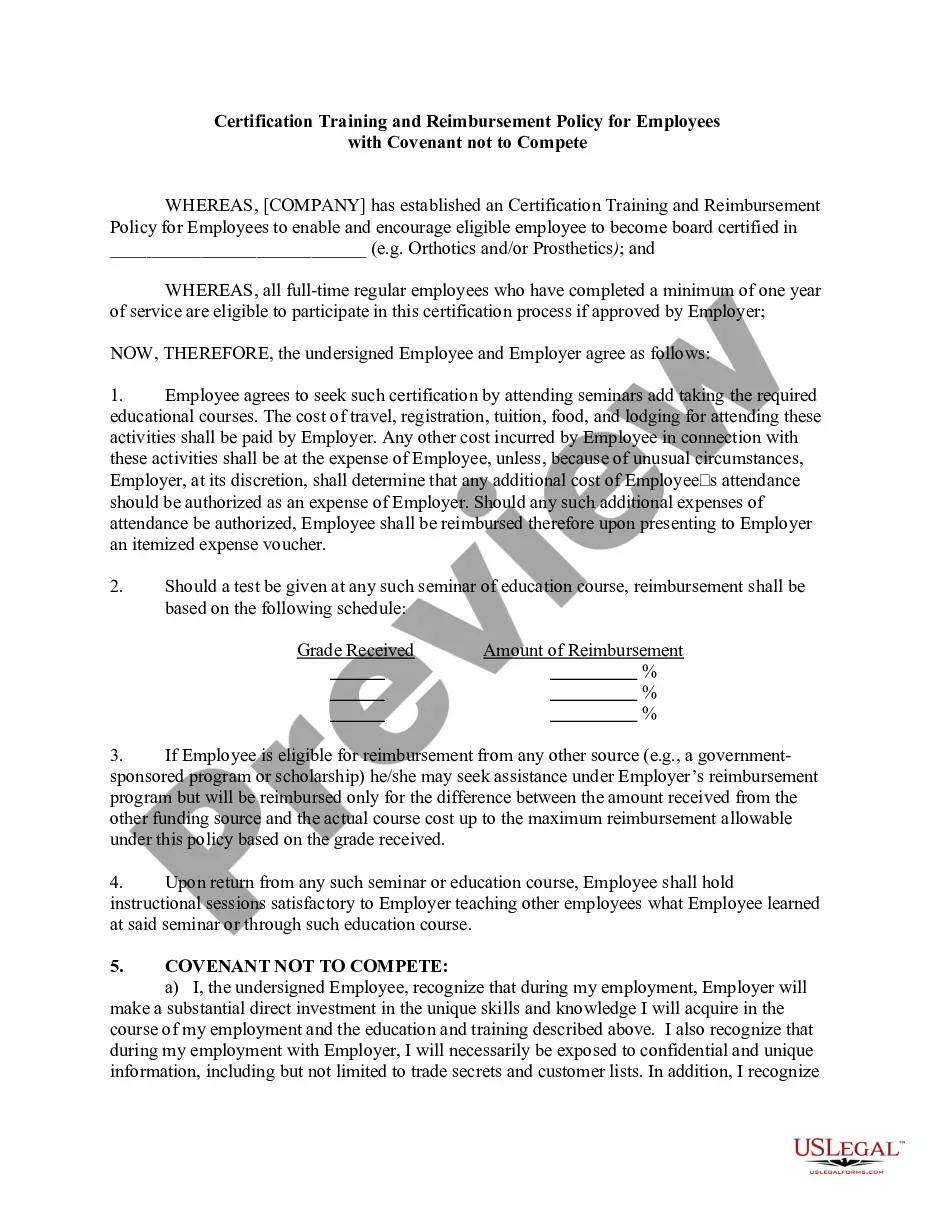
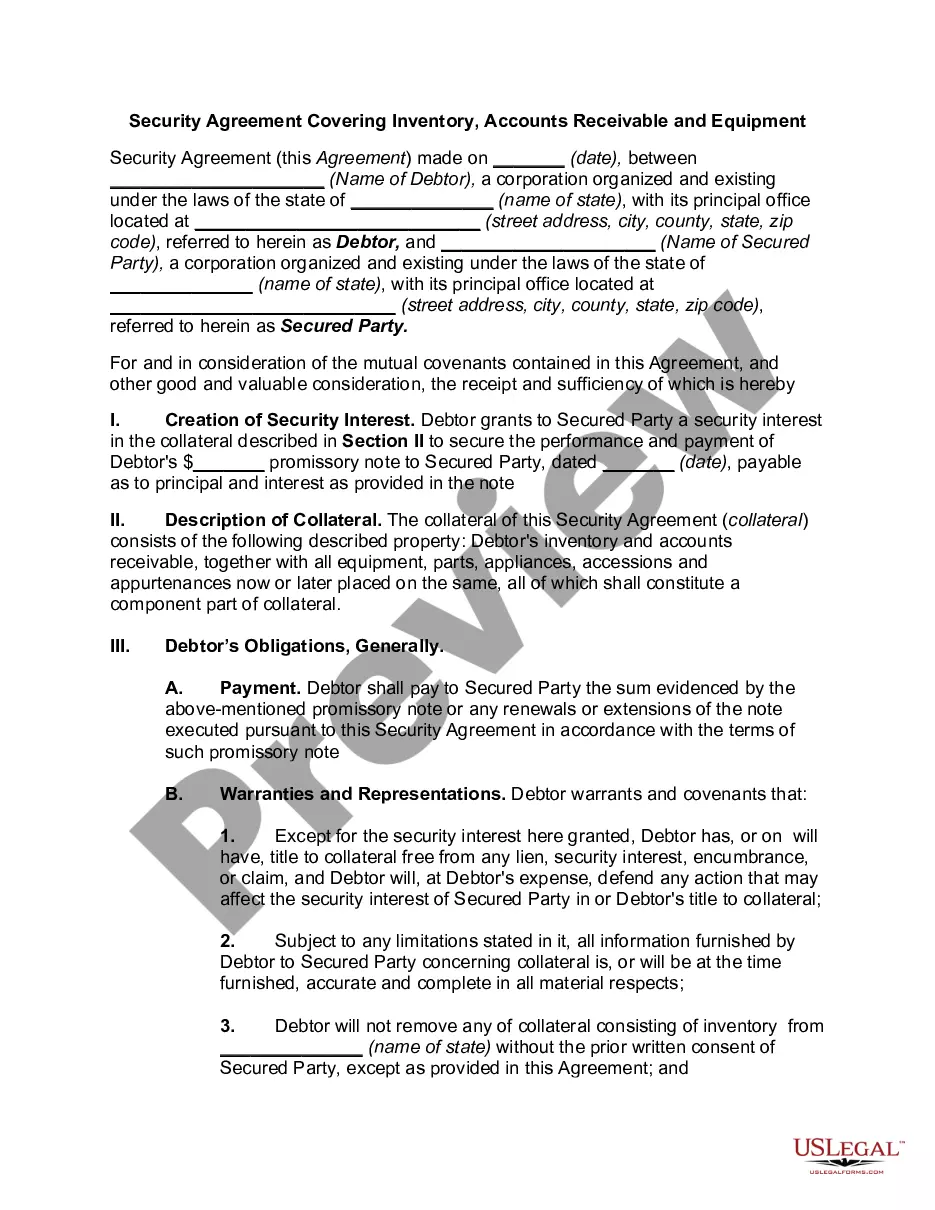
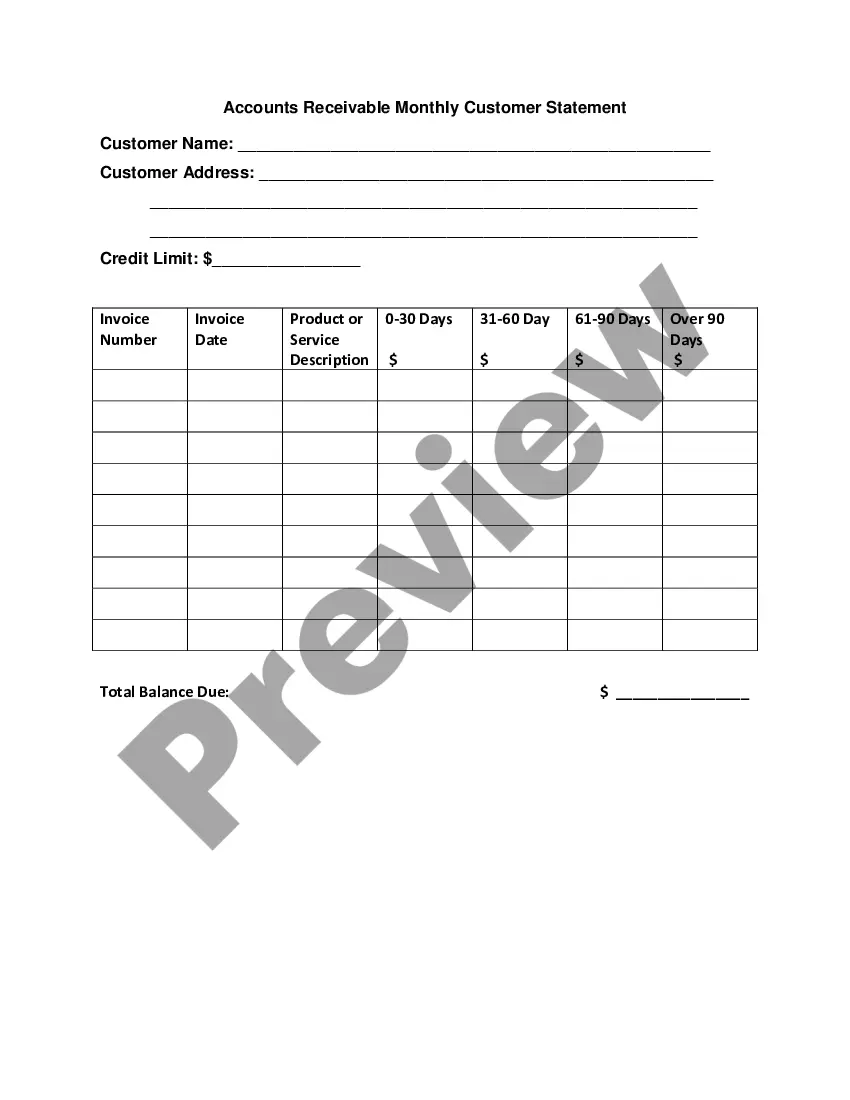
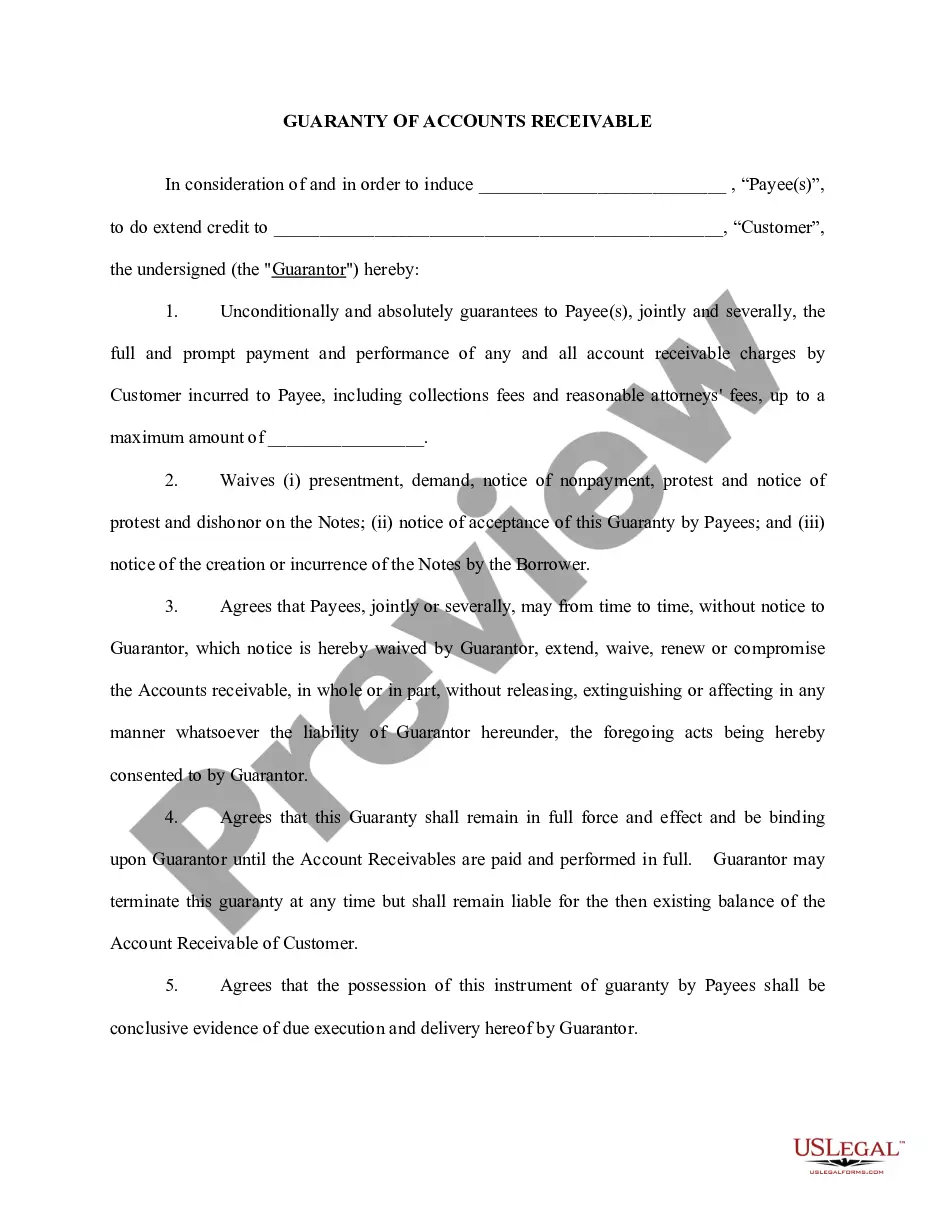
South Dakota Accounts Receivable Monthly Customer Statement
Description


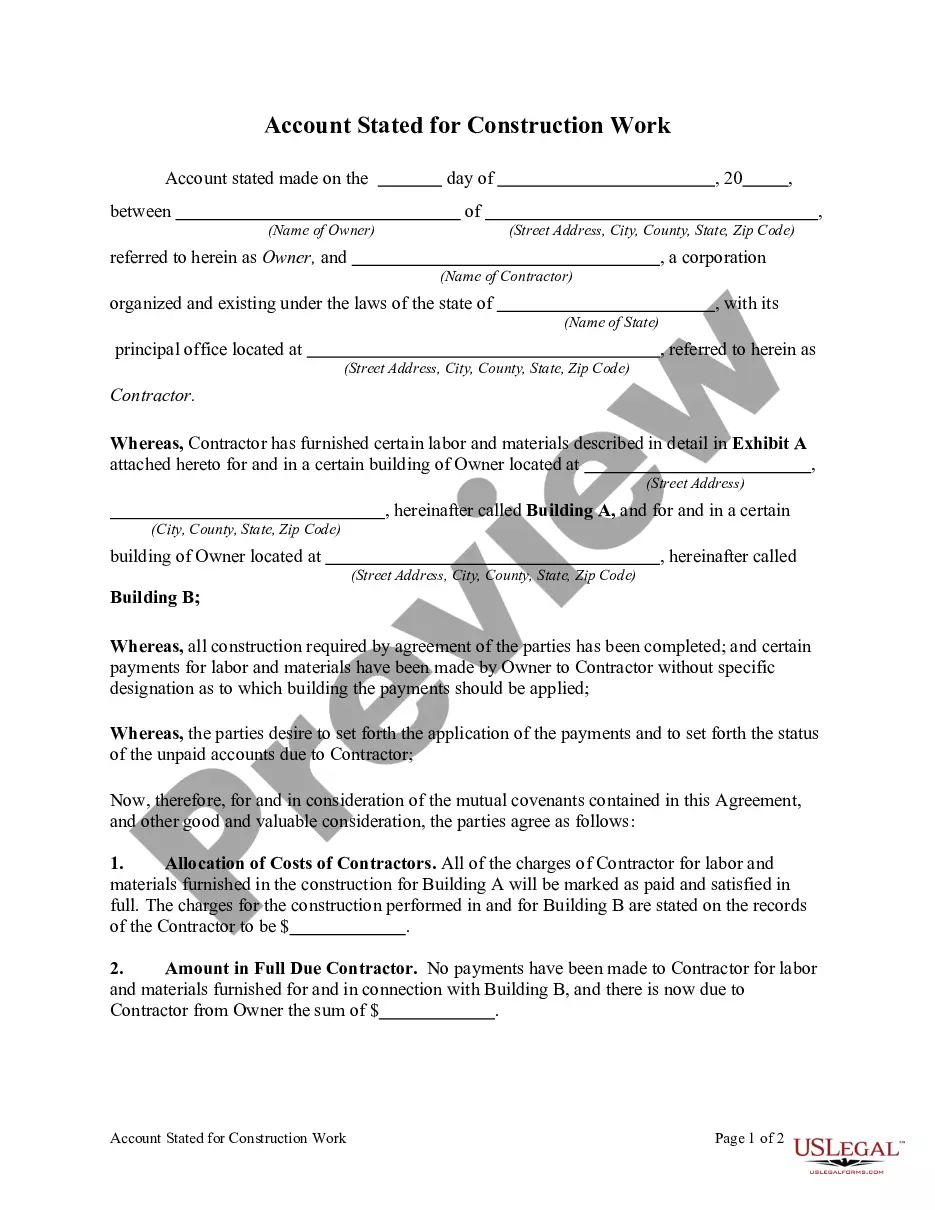
Get your form ready online
Our built-in tools help you complete, sign, share, and store your documents in one place.
Make edits, fill in missing information, and update formatting in US Legal Forms—just like you would in MS Word.
Download a copy, print it, send it by email, or mail it via USPS—whatever works best for your next step.
Sign and collect signatures with our SignNow integration. Send to multiple recipients, set reminders, and more. Go Premium to unlock E-Sign.
If this form requires notarization, complete it online through a secure video call—no need to meet a notary in person or wait for an appointment.
We protect your documents and personal data by following strict security and privacy standards.

Make edits, fill in missing information, and update formatting in US Legal Forms—just like you would in MS Word.

Download a copy, print it, send it by email, or mail it via USPS—whatever works best for your next step.

Sign and collect signatures with our SignNow integration. Send to multiple recipients, set reminders, and more. Go Premium to unlock E-Sign.

If this form requires notarization, complete it online through a secure video call—no need to meet a notary in person or wait for an appointment.

We protect your documents and personal data by following strict security and privacy standards.
Looking for another form?


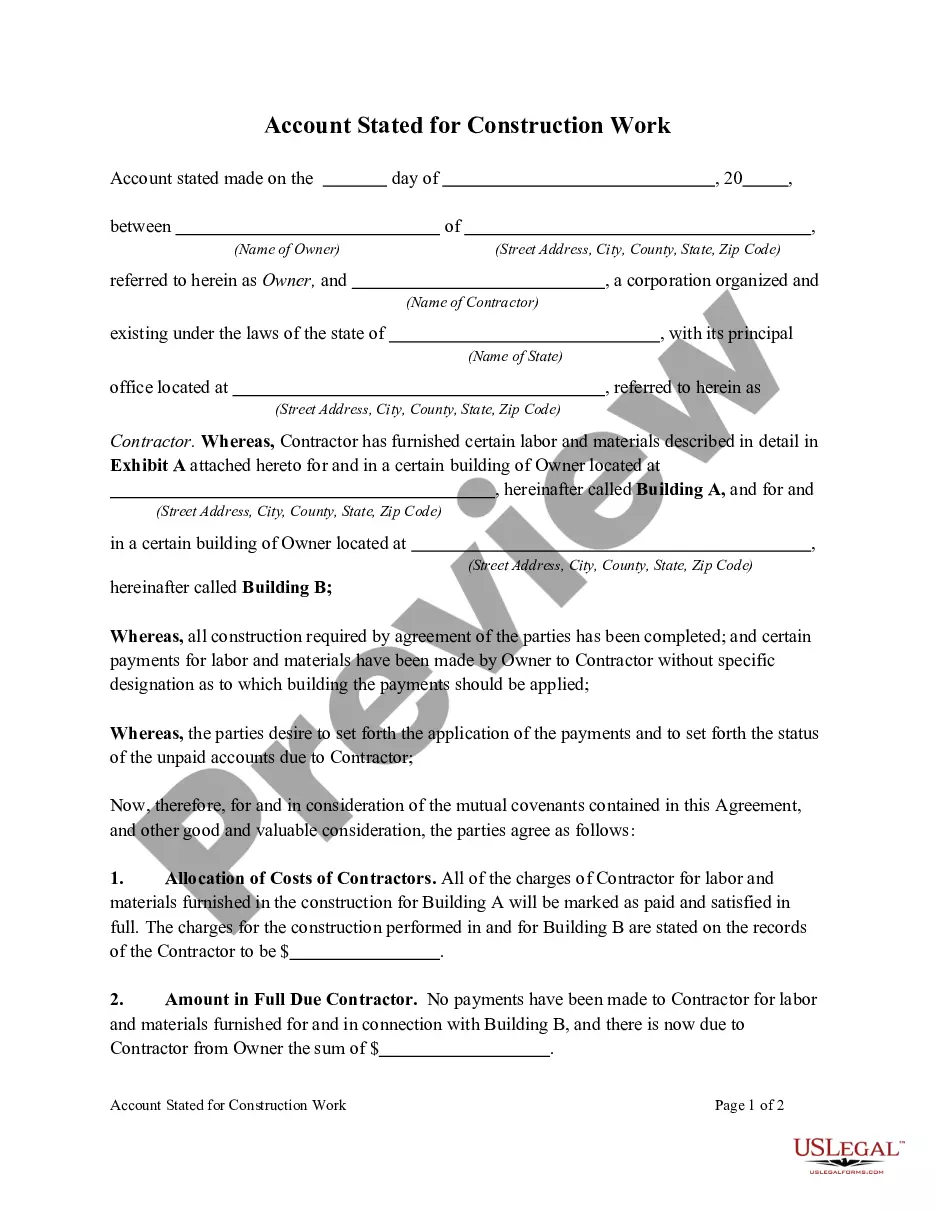


How to fill out Accounts Receivable Monthly Customer Statement?
Are you presently in a circumstance where you need documents for either professional or personal purposes almost constantly.
There are numerous legal document templates available online, but finding trustworthy ones isn't easy.
US Legal Forms offers a vast array of form templates, such as the South Dakota Accounts Receivable Monthly Customer Statement, designed to comply with state and federal regulations.
Once you locate the appropriate form, click Get now.
Choose the pricing plan you prefer, fill in the required details to create your account, and complete your order using PayPal or a credit card. Select a suitable document format and download your copy. Access all the document templates you have purchased in the My documents menu. You can obtain an additional copy of the South Dakota Accounts Receivable Monthly Customer Statement at any time if necessary. Just select the needed form to download or print the document template. Utilize US Legal Forms, one of the most comprehensive collections of legal forms, to save time and avoid errors. The service provides professionally crafted legal document templates that can be used for various purposes. Create an account on US Legal Forms and start simplifying your life.
- If you are already familiar with the US Legal Forms website and possess an account, simply Log In.
- After that, you can download the South Dakota Accounts Receivable Monthly Customer Statement template.
- If you don't have an account and wish to start using US Legal Forms, follow these steps.
- Find the form you need and ensure it is for your correct area/county.
- Use the Preview option to review the form.
- Read the description to ensure you have selected the right document.
- If the form isn't what you're looking for, use the Search field to find the form that meets your needs.
Form popularity
FAQ
The balance sheet is the primary statement that shows accounts receivable. It reflects the amount customers owe your business at any given time. Additionally, generating a South Dakota Accounts Receivable Monthly Customer Statement can help you keep a close eye on these receivables and ensure timely collections.
The accounts receivable are typically shown on the balance sheet and the income statement. The balance sheet provides a snapshot of what your business owns and owes at a specific time. Using a South Dakota Accounts Receivable Monthly Customer Statement can enhance your visibility into customer payments and outstanding balances.
To show accounts receivable, you need to list the amounts owed to your business by customers. Typically, this is done on your balance sheet under current assets. You can also create a South Dakota Accounts Receivable Monthly Customer Statement to provide detailed information on outstanding invoices, helping you manage collections effectively.
The balance sheet is the primary financial statement that shows accounts receivable. This statement outlines your business's assets, liabilities, and equity at a specific point in time. By examining the balance sheet, you can assess how much your customers owe you. For ongoing management, the South Dakota Accounts Receivable Monthly Customer Statement offers a comprehensive overview to help you stay organized.
Accounts receivable does not appear directly on the profit and loss statement. Instead, it influences the revenue reported, as it reflects sales made on credit. While it impacts your overall financial performance, the profit and loss statement focuses on income and expenses over a specific period. For detailed insights, the South Dakota Accounts Receivable Monthly Customer Statement can provide valuable context.
Accounts receivable isn't reported on your income statement, but you will record it in your trial balance and balance sheet ? a helpful financial statement for year-end reporting and getting a full picture of your business's net worth.
You can find your accounts receivable balance under the 'current assets' section on your balance sheet or general ledger. Accounts receivable are classified as an asset because they provide value to your company. (In this case, in the form of a future cash payment.)
What are examples of receivables? A receivable is created any time money is owed to a firm for services rendered or products provided that have not yet been paid. This can be from a sale to a customer on store credit, or a subscription or installment payment that is due after goods or services have been received.
The Accounts Receivables Statements are documents that itemize all invoices, payments, and credits created during a specific time period, and whose intention is to remind the account holder of their account status.
To prepare it, you break down the accounts receivables into age categories and indicate against the names the total outstanding balances for specified periods. Review open invoices. ... Categorize customers ing to the aging schedule. ... Create a list of customers with outstanding invoices.