South Dakota Identity Theft Prevention Package
What this form package covers
The South Dakota Identity Theft Prevention Package is a comprehensive set of documents designed to help individuals protect their identifying information and reduce the risk of identity theft. This unique package offers specific tools that differ from other generic identity theft resources by providing tailored solutions to protect your credit, financial assets, and employment opportunities, while also preventing fraudulent activities such as false arrests or misuse of benefits. It includes detailed forms and a protection guide to aid you in taking proactive measures against identity theft.
Forms included in this package
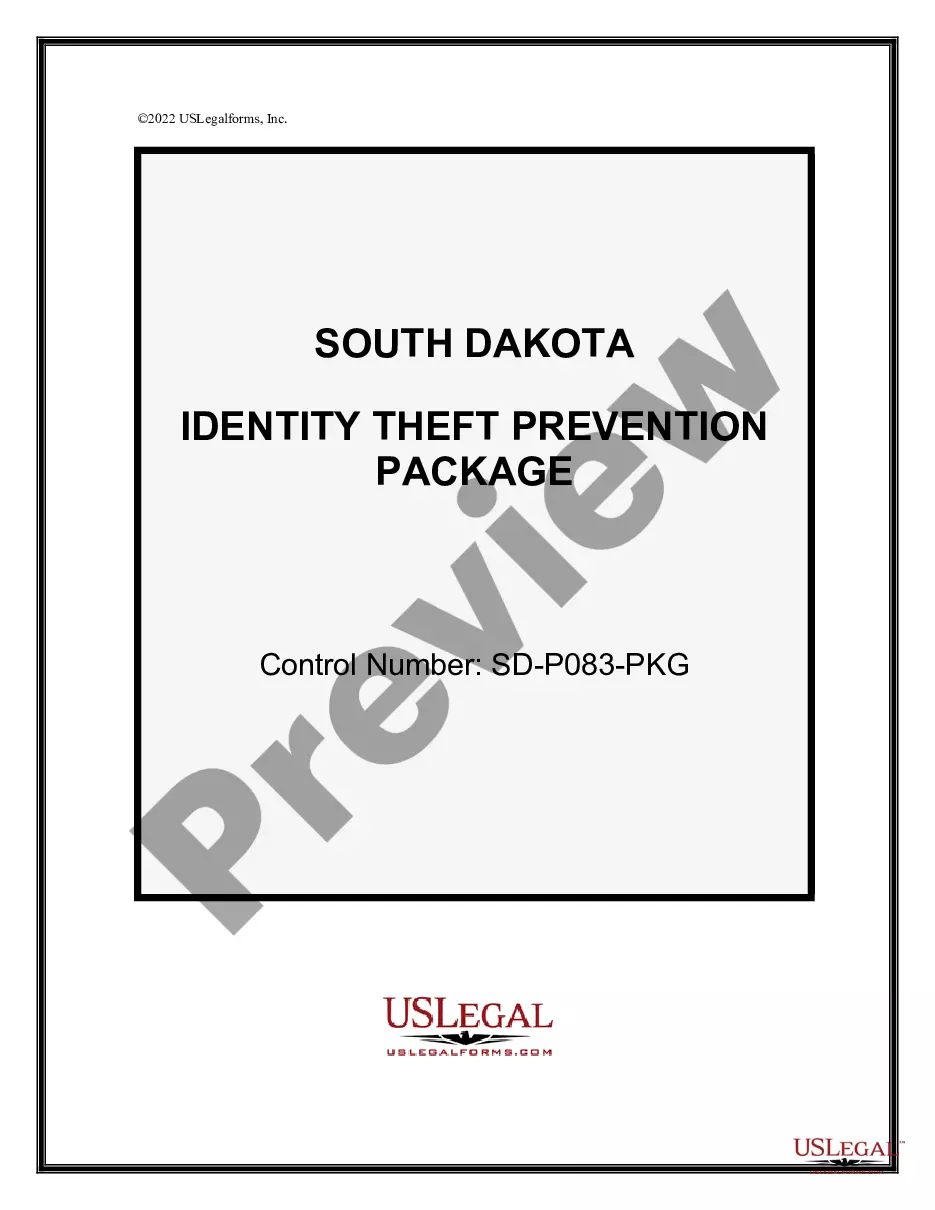
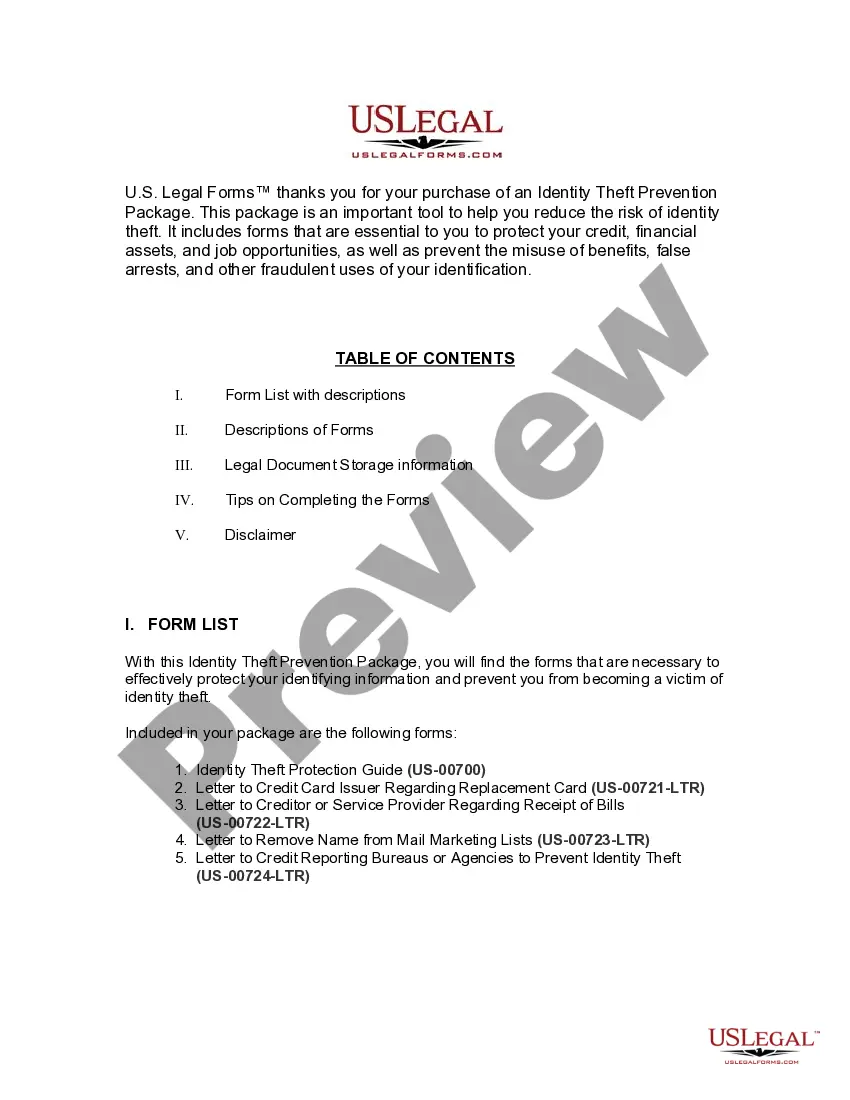
- Identity Theft Protection Guide
- Sample Letter to Credit Card Issuer Regarding Replacement Card
- Sample Letter to Creditor or Service Provider Regarding Receipt of Bills
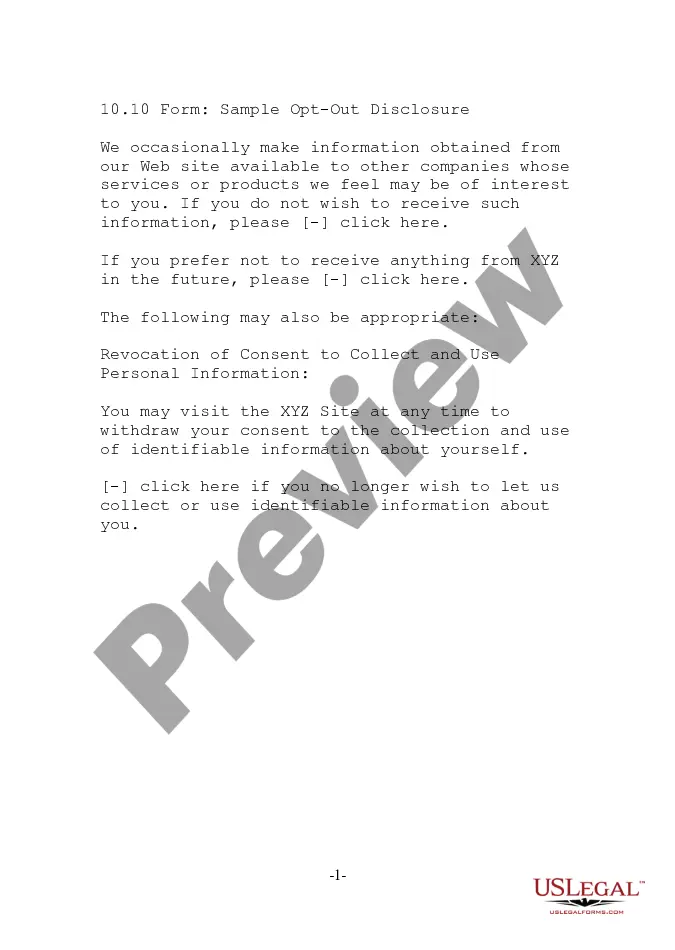
- Sample Letter to Remove Name from Mail Marketing Lists
- Sample Letter to Credit Reporting Bureau or Agency to Help Prevent Identity Theft
When to use this document
This form package is essential when you suspect that your personal information may be compromised or when you want to take preventative measures. Scenarios include:
- Receiving unexpected bills or credit card statements that do not belong to you.
- Noticing discrepancies on your credit report.
- Experiencing a lost or stolen credit card.
- Wanting to reduce junk mail and marketing solicitations that could lead to identity theft.
- Requesting alerts for potential credit inquiries that may indicate theft.
Who can use this document
- Individuals concerned about identity theft.
- Those who have experienced previous identity theft issues.
- People wanting to protect their credit and financial accounts.
- Anyone interested in managing their personal information security.
- Residents of South Dakota looking for state-specific identity theft prevention resources.
Completing these forms step by step
- Review the Identity Theft Protection Guide for context and instructions.
- Fill out each letter template with your personal information and details specific to each situation.
- Use the guide to determine the appropriate recipients for your letters.
- Sign each letter where indicated and make copies for your records.
- Send the letters to the intended recipients, following the guidelines provided in the package.
Notarization guidance for this package
Notarization is generally not required for forms in this package. However, specific circumstances or local laws may require it. You can complete notarization remotely through US Legal Forms, powered by Notarize, with 24/7 availability.
Get your form ready online
Our built-in tools help you complete, sign, share, and store your documents in one place.
Make edits, fill in missing information, and update formatting in US Legal Forms—just like you would in MS Word.
Download a copy, print it, send it by email, or mail it via USPS—whatever works best for your next step.
Sign and collect signatures with our SignNow integration. Send to multiple recipients, set reminders, and more. Go Premium to unlock E-Sign.
If this form requires notarization, complete it online through a secure video call—no need to meet a notary in person or wait for an appointment.
We protect your documents and personal data by following strict security and privacy standards.

Make edits, fill in missing information, and update formatting in US Legal Forms—just like you would in MS Word.

Download a copy, print it, send it by email, or mail it via USPS—whatever works best for your next step.

Sign and collect signatures with our SignNow integration. Send to multiple recipients, set reminders, and more. Go Premium to unlock E-Sign.

If this form requires notarization, complete it online through a secure video call—no need to meet a notary in person or wait for an appointment.

We protect your documents and personal data by following strict security and privacy standards.
Common mistakes
- Not personalizing the letters with accurate details and dates.
- Failing to keep copies of sent letters for your records.
- Overlooking important sections of the Identity Theft Protection Guide.
- Not sending letters via tracked mail to provide proof of submission.
- Assuming that just sending a letter is enough without following up.
Benefits of completing this package online
- Immediate access to professionally drafted legal documents.
- Easy to customize and fill out electronically or by hand.
- Peace of mind knowing the forms are compliant with South Dakota regulations.
- Cost-effective solution, saving up to 40% compared to purchasing forms separately.
- Ability to store important documents securely and access them anytime.
Looking for another form?





Form popularity
FAQ
Go to your local police office with: Tell the police someone stole your identity and you need to file a report.
Sign up for a credit monitoring service, if offered. Tighten security on your accounts. Review your credit reports for mystery accounts. Scan credit card and bank statements for unauthorized charges.
Option 1: Online. You can upload the documentation verifying your identity online along with your request to have the alert removed. Option 2: Mail. You can mail your request to Experian along with copies of documentation verifying your identity.
Check your credit card statements and bank account. If you notice any suspicious activity, alert your bank or credit union right away. Run a credit report. U.S. citizens are entitled to a free one every 12 months. Monitor your finances closely.
Your Name. Your Address. Your Email Address. Your Social Security Number. Official Documents, Like Your Passport or Driver's License. Card Information. Account Information. The Potential Damage.
Coming across suspicious activity on your credit reports, such as new accounts you don't recognize, is a quick way to identify potential fraud. You can get free copies of your credit reports from all three major credit bureaus through AnnualCreditReport.com.
Contact one of the credit reporting agencies' fraud alert departments and place a fraud alert on your credit report. Tell the agency you think your identity has been stolen. One call does it all. Call 1-800-525-6285. Visit www.equifax.com. Call 1-888-397-3742.
You have limited liability for fraudulent debts caused by identity theft. Under most state laws, you're not responsible for any debt incurred on fraudulent new accounts opened in your name without your permission. Under federal law, the amount you have to pay for unauthorized use of your credit card is limited to $50.
You'll be asked to provide personal information, such as name, address, Social Security number and birth date. You'll typically be asked a few questions to verify your identity and then be prompted to create a PIN, which should be kept in a secure location.