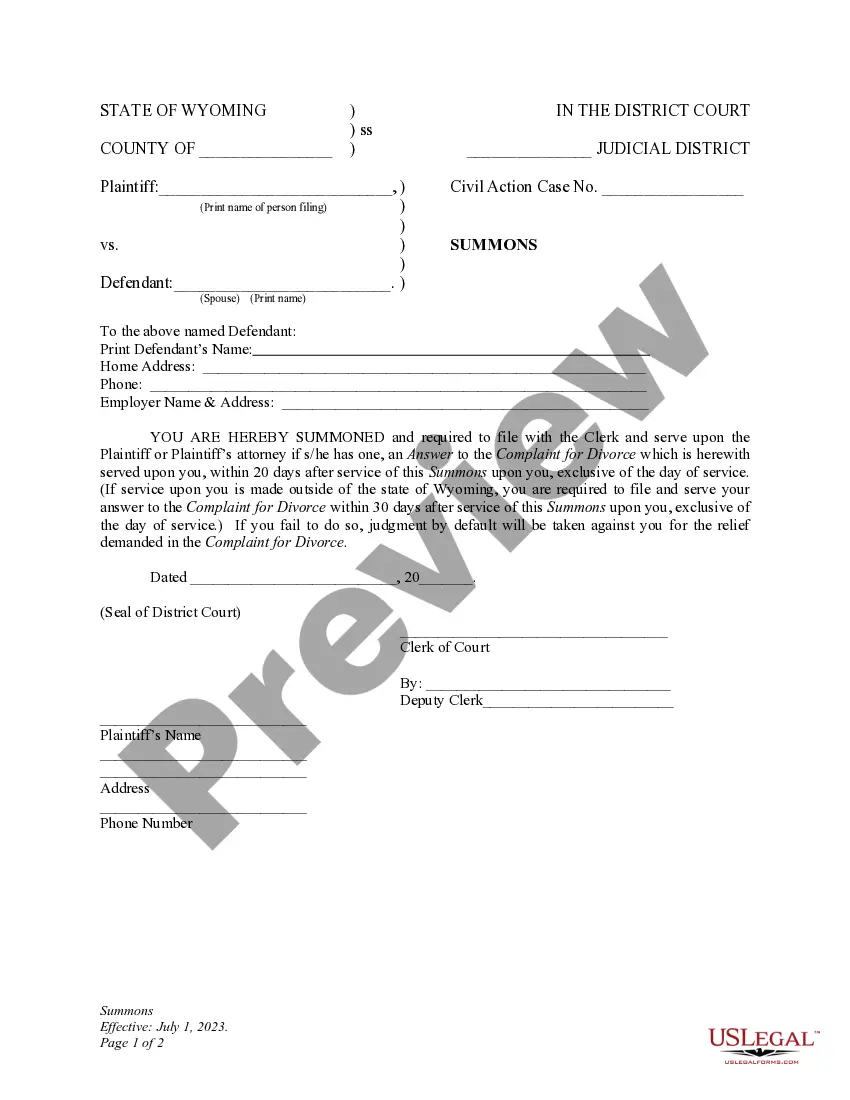
South Dakota Discovery Interrogatories for Divorce Proceeding for either Plaintiff or Defendant
What is this form?
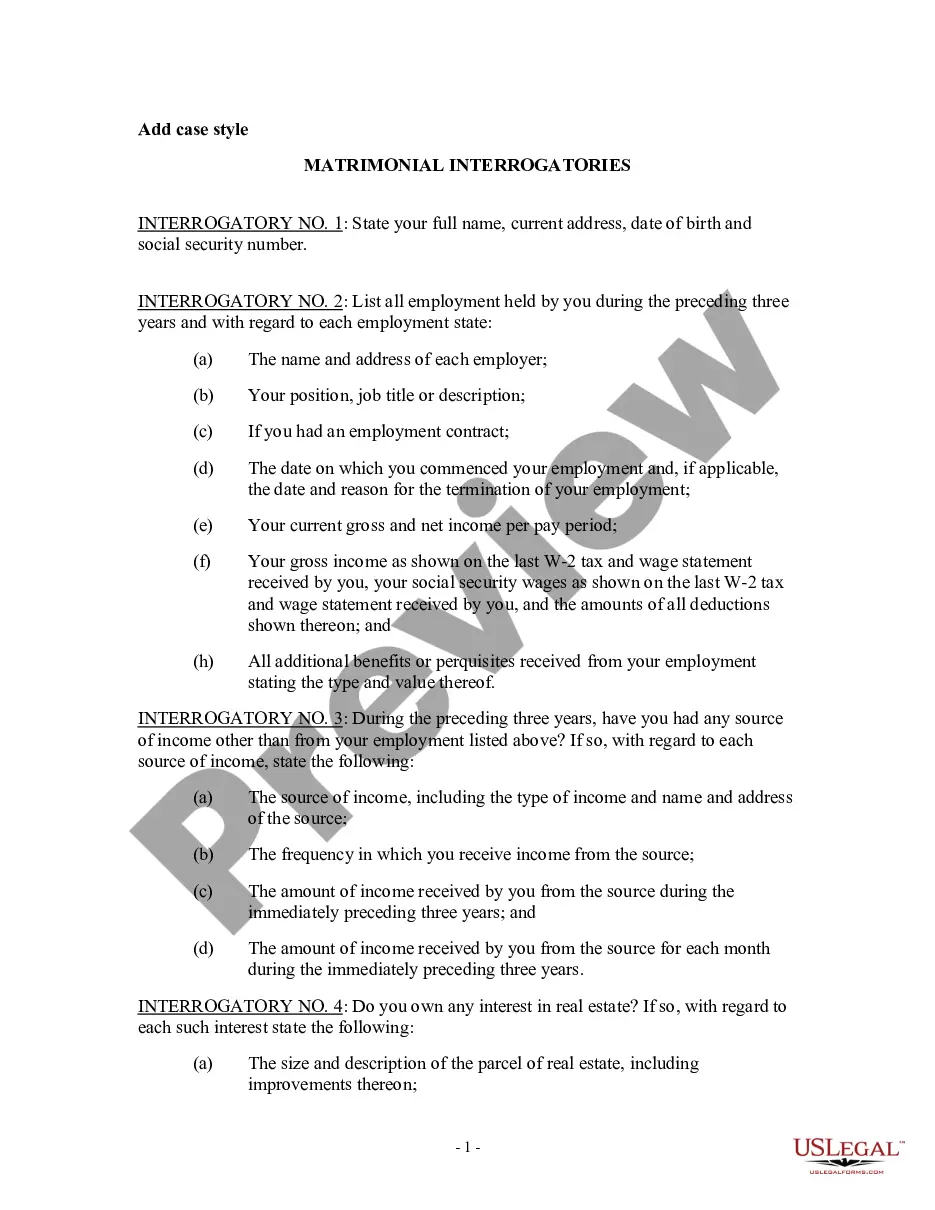
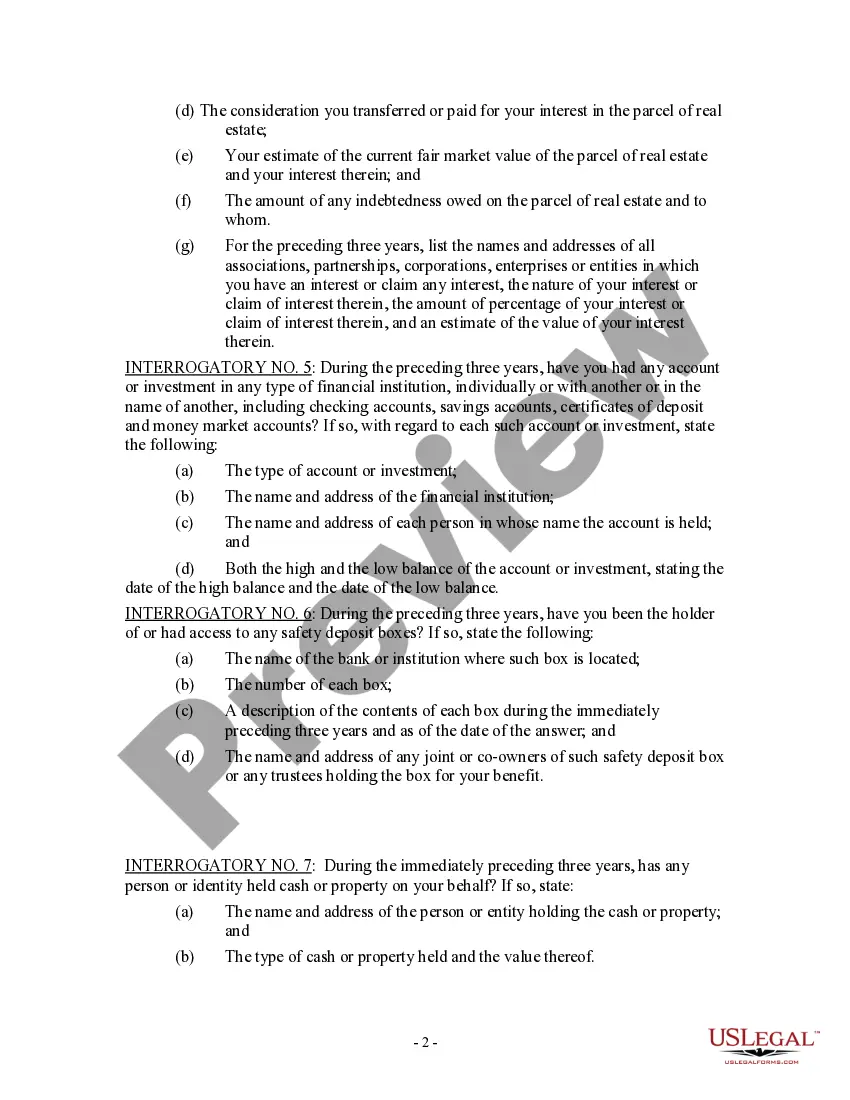
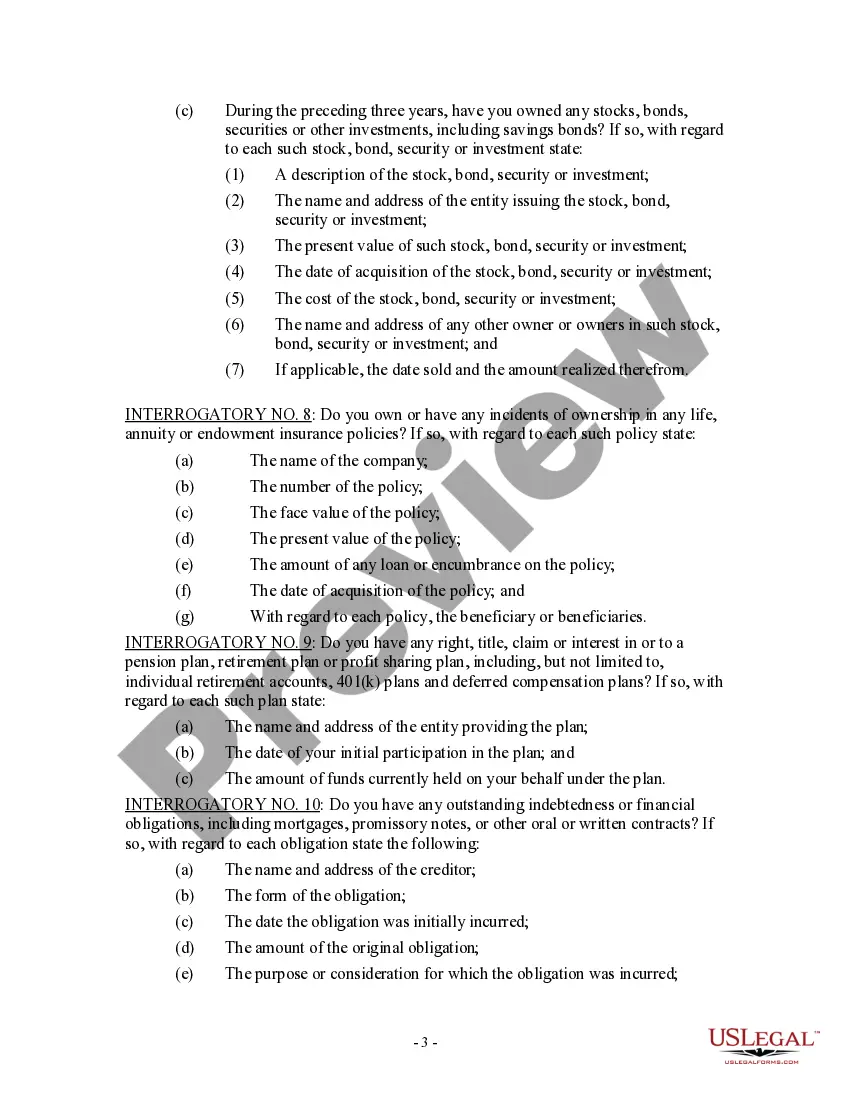
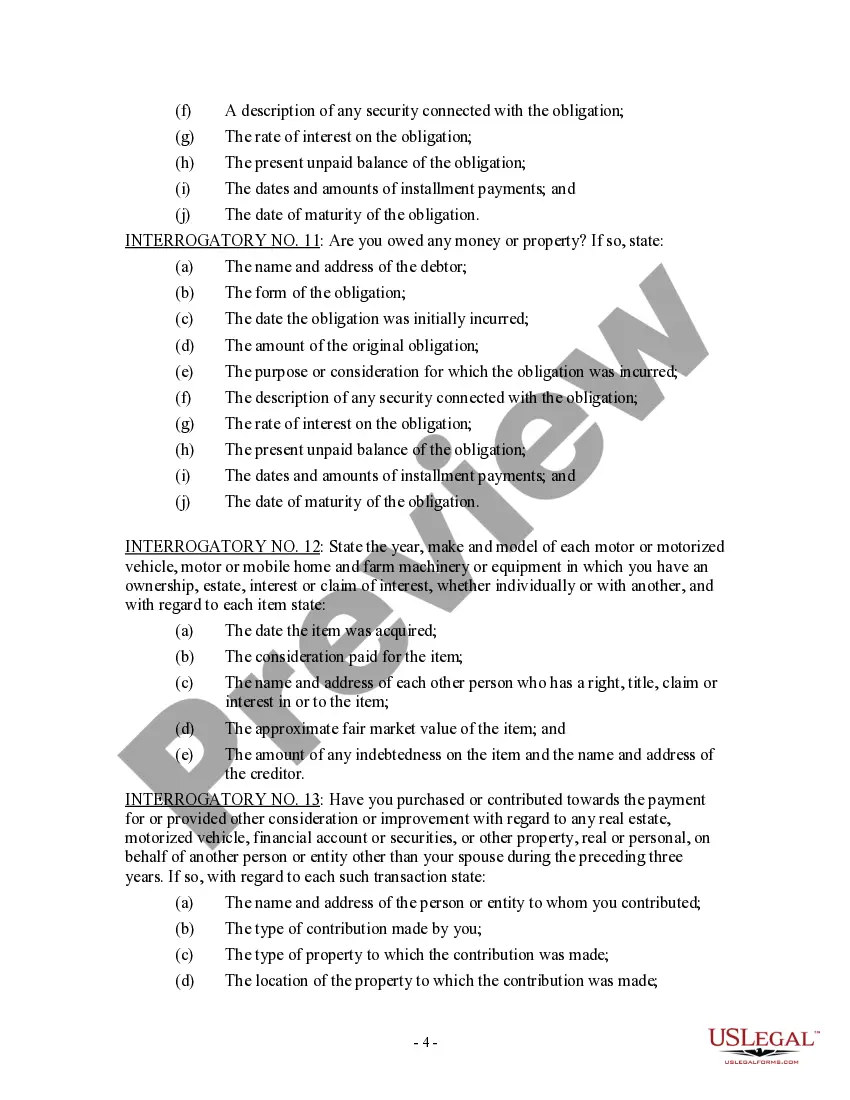
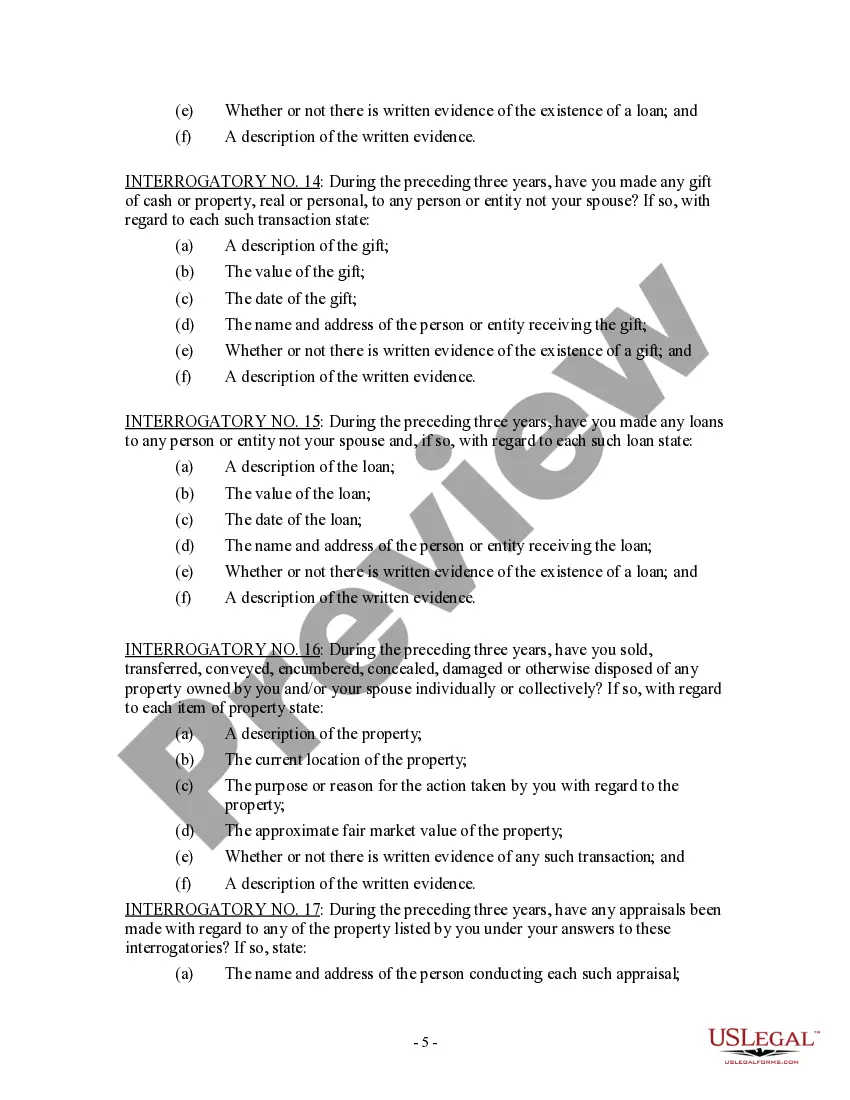
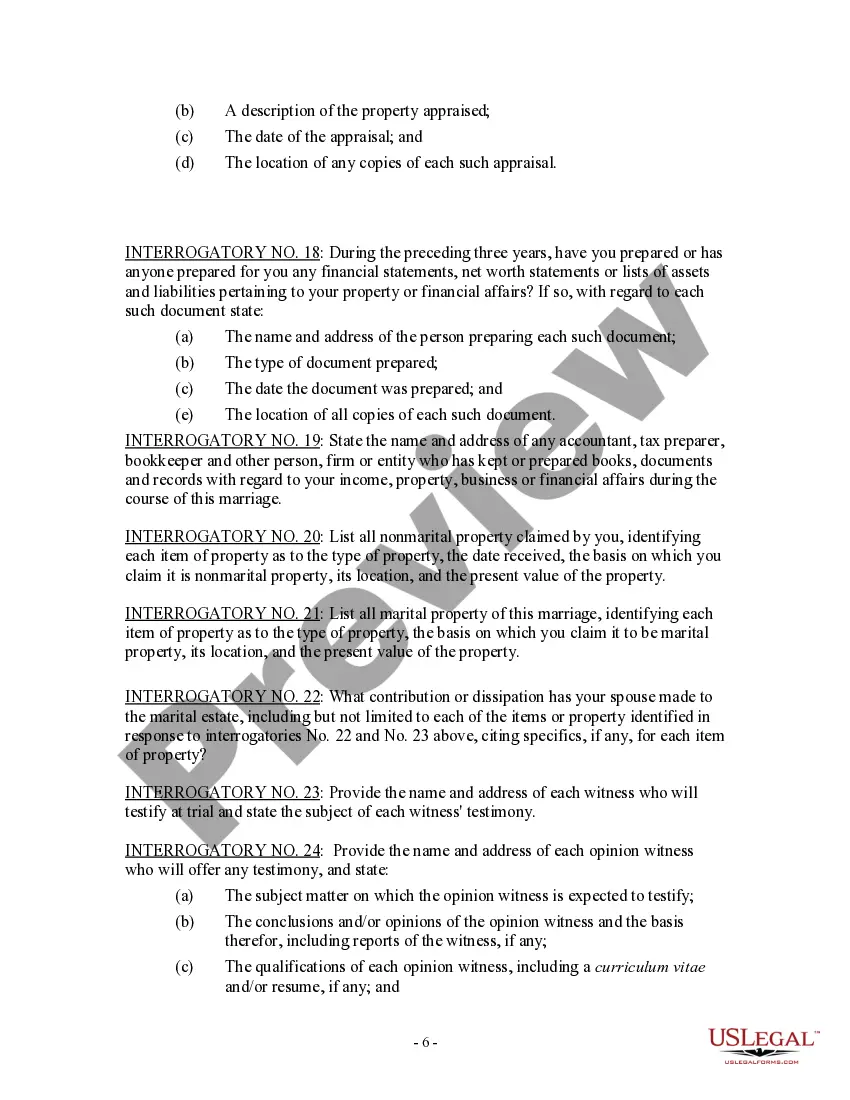
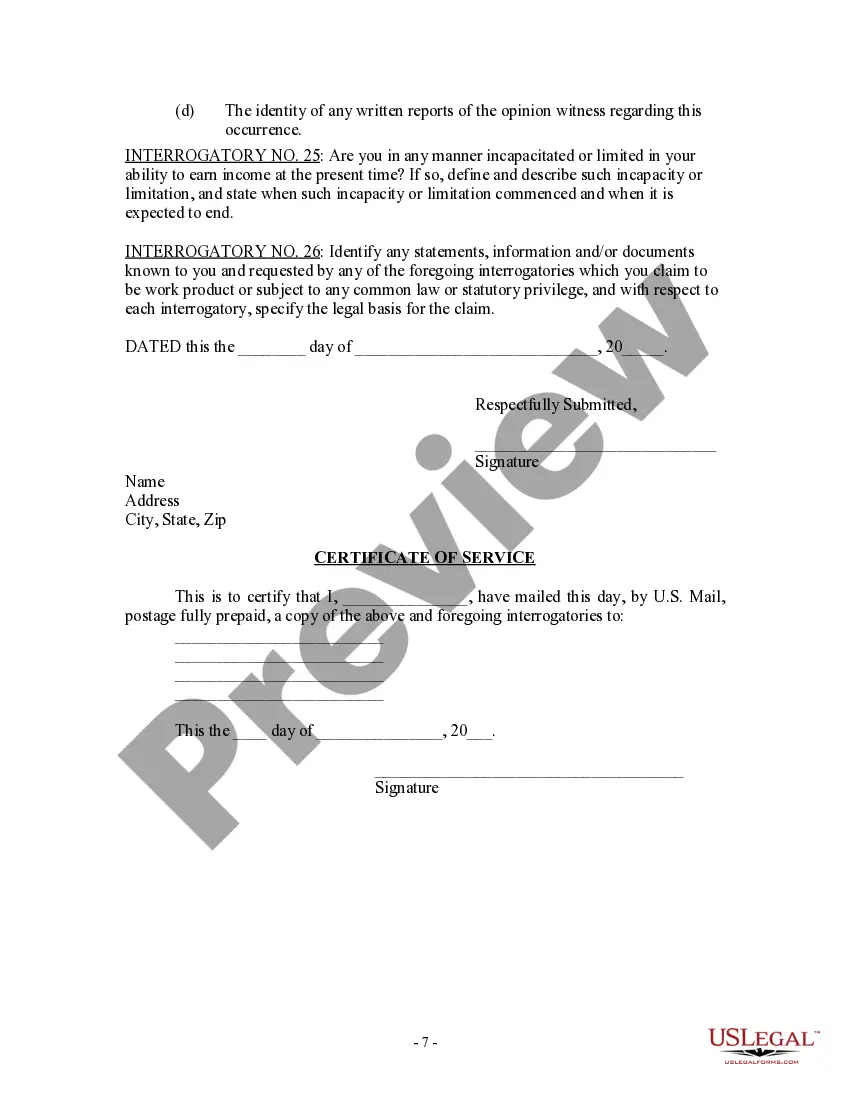
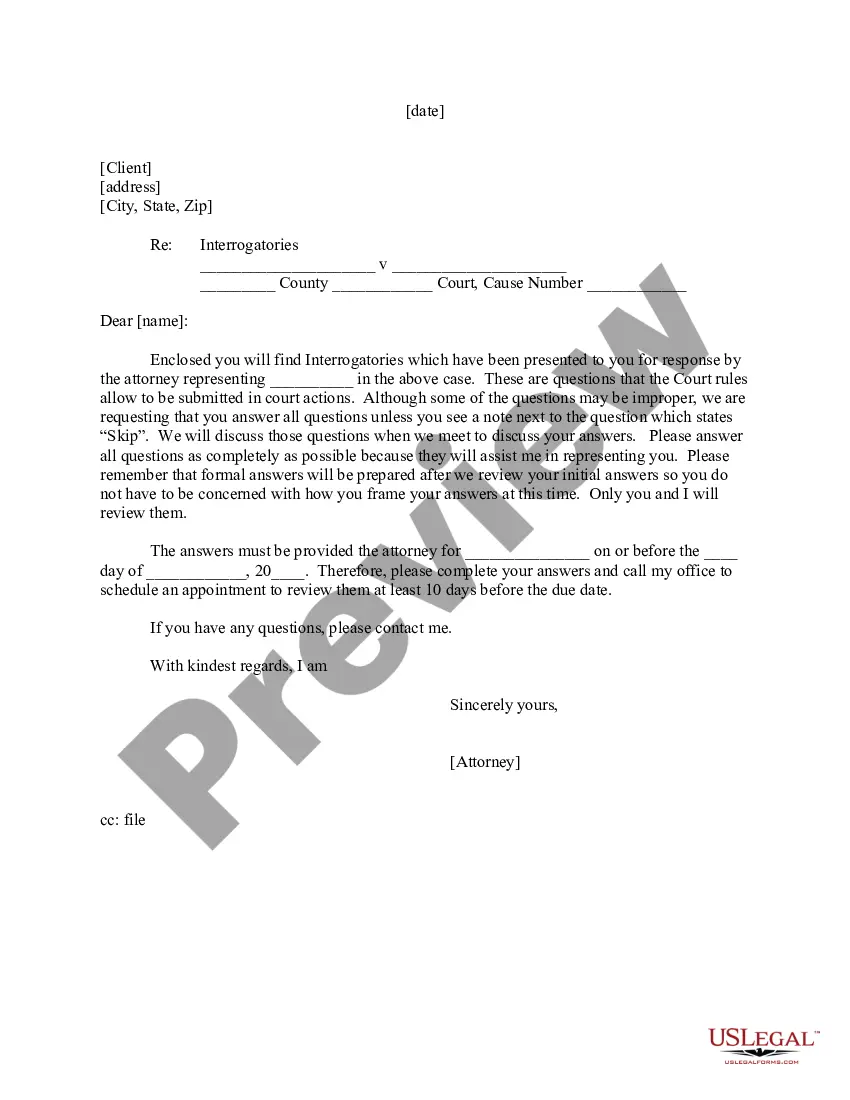
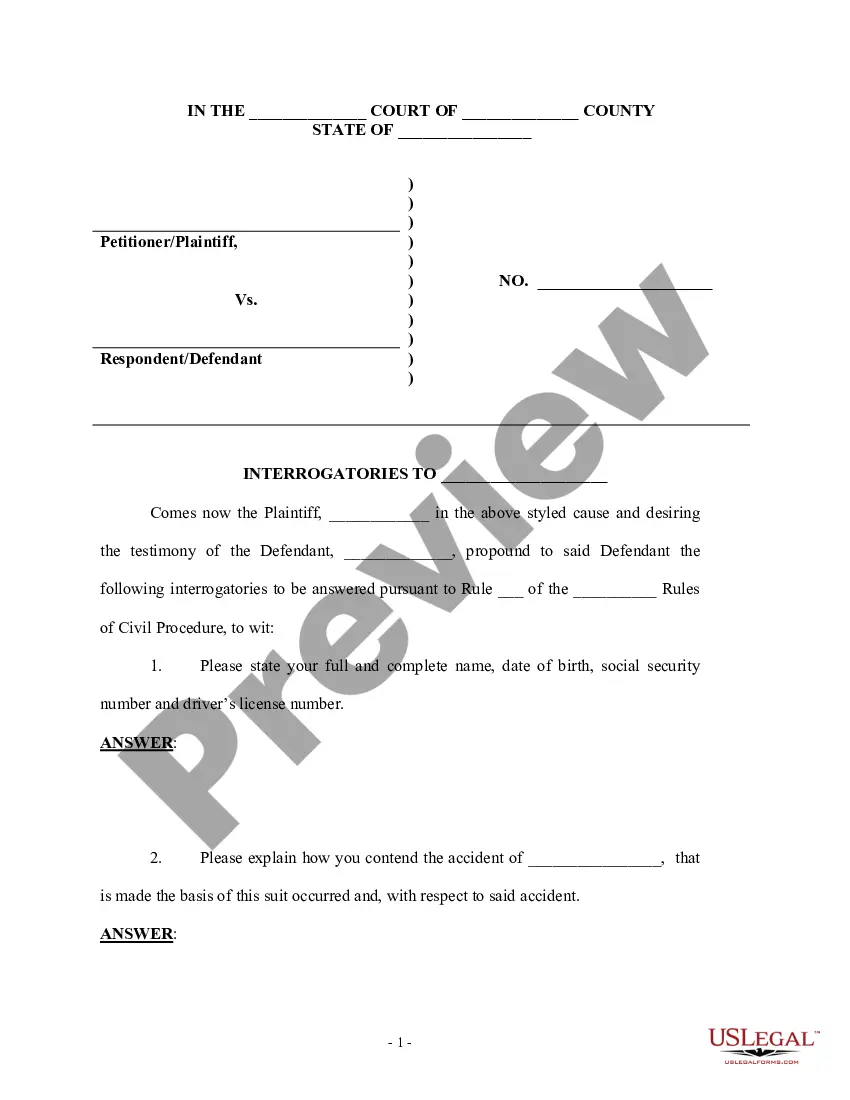
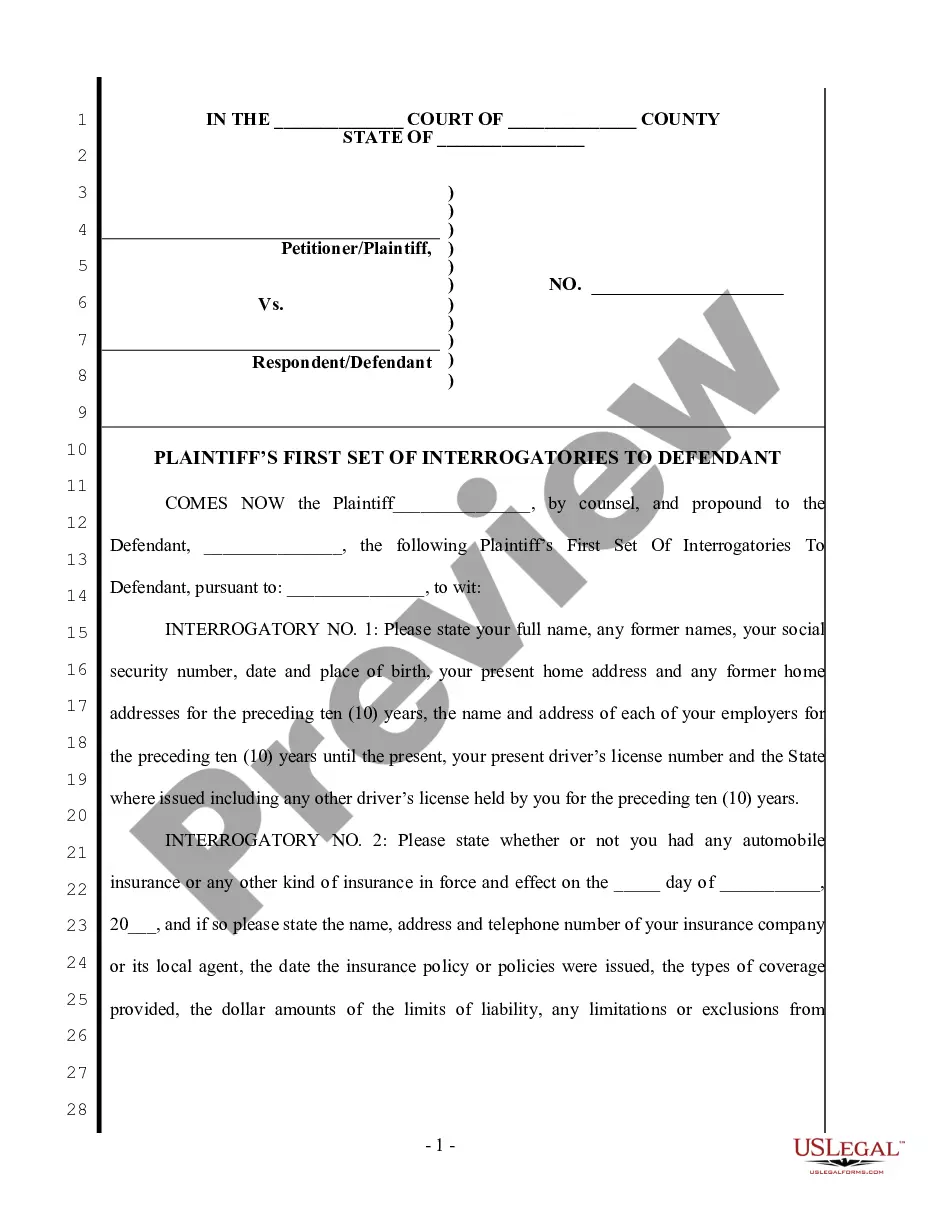
The Discovery Interrogatories for Divorce Proceeding is a legal document used in divorce cases to gather information from the opposing party, either the Plaintiff or Defendant. This form consists of a series of questions that must be answered under oath, allowing both parties to disclose pertinent information about their finances, property, and other relevant matters. Unlike other forms, this one includes a request for the production of documents, making it a comprehensive tool for information gathering in divorce proceedings.
What’s included in this form
- Personal information, including name, address, and date of birth.
- Employment history detailing positions held and income sources.
- Ownership interests in real estate and other properties.
- Financial accounts and investments held during the past three years.
- Details of any debts, loans, or financial obligations.
- Evidence of gifts, loans, or contributions made to third parties.
When this form is needed
This form is essential during the discovery phase of divorce proceedings. It is used when one party needs information about the other party's financial status, assets, liabilities, and any other relevant details to ensure a fair settlement. Situations may include disputes over asset division, spousal support, or custody arrangements where financial transparency is necessary.
Intended users of this form
This form is intended for:
- Individuals involved in a divorce proceeding acting as either the Plaintiff or Defendant.
- Attorneys representing clients in divorce cases seeking detailed disclosures from the opposing party.
- Any party needing to request information that is crucial for determining equitable distribution of assets and liabilities.
Steps to complete this form
- Enter the full names and addresses of both parties at the start of the document.
- Carefully review each interrogatory and provide accurate, truthful answers.
- Gather any requested documents to accompany specific questions where applicable.
- Sign and date the form at the designated space to affirm the truthfulness of your answers.
- File the completed form with the court and serve a copy to the opposing party as required.
Is notarization required?
This form does not typically require notarization to be legally valid. However, some jurisdictions or document types may still require it. US Legal Forms provides secure online notarization powered by Notarize, available 24/7 for added convenience.
Get your form ready online
Our built-in tools help you complete, sign, share, and store your documents in one place.
Make edits, fill in missing information, and update formatting in US Legal Forms—just like you would in MS Word.
Download a copy, print it, send it by email, or mail it via USPS—whatever works best for your next step.
Sign and collect signatures with our SignNow integration. Send to multiple recipients, set reminders, and more. Go Premium to unlock E-Sign.
If this form requires notarization, complete it online through a secure video call—no need to meet a notary in person or wait for an appointment.
We protect your documents and personal data by following strict security and privacy standards.
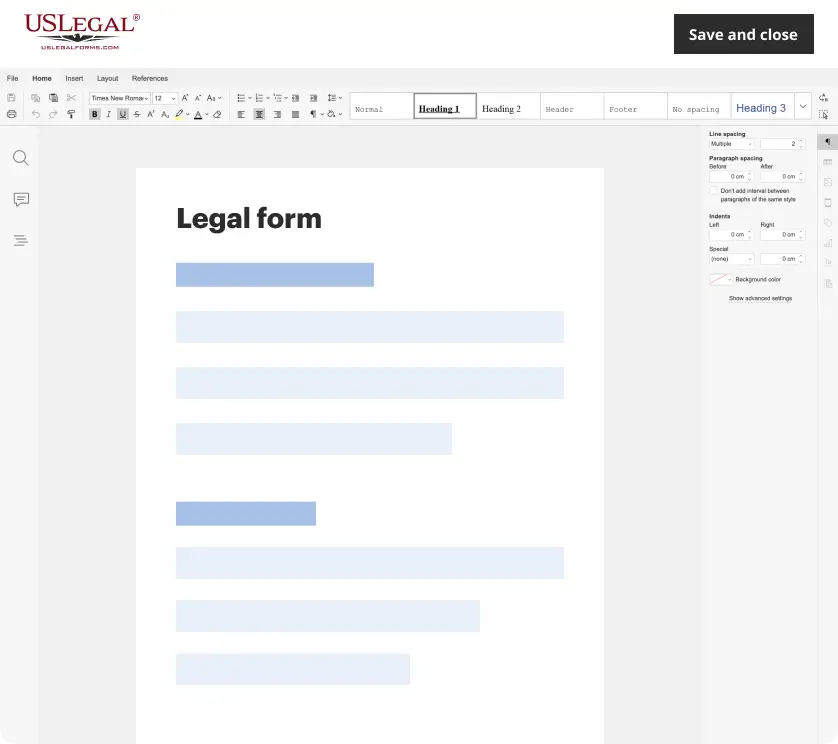
Make edits, fill in missing information, and update formatting in US Legal Forms—just like you would in MS Word.
Download a copy, print it, send it by email, or mail it via USPS—whatever works best for your next step.
Sign and collect signatures with our SignNow integration. Send to multiple recipients, set reminders, and more. Go Premium to unlock E-Sign.

If this form requires notarization, complete it online through a secure video call—no need to meet a notary in person or wait for an appointment.
We protect your documents and personal data by following strict security and privacy standards.
Common mistakes to avoid
- Failing to fully answer all questions, leaving blanks that may lead to legal penalties.
- Using vague or incomplete descriptions of assets and liabilities.
- Not providing necessary documentation that supports your answers.
- Missing the deadline for submitting the form to the court.
Why complete this form online
- Convenience of downloading the form from anywhere, at any time.
- Editable templates that allow users to customize questions to fit their specific needs.
- Access to professionally drafted documents by licensed attorneys, ensuring legal compliance.
- Time-saving process that reduces the need for multiple office visits or consultations.
Looking for another form?
Form popularity
FAQ
You must answer each interrogatory separately and fully in writing under oath, unless you object to it. You must explain why you object. You must sign your answers and objections.
Interrogatories are lists of questions sent to the other party that s/he must respond to in writing. You can use interrogatories to find out facts about a case but they cannot be used for questions that draw a legal conclusion.
Motions to Compel If a party doesn't respond to interrogatories or requests for production, then the party seeking those answers must file a motion to compel with the court. If the court grants the motion to compel, then the party who objected or failed to answer must then do so.
So, can you refuse to answer interrogatories? The answer is, no, you may not.That answer must either permit inspection of the requested information or object to the production of the information for a specific reason.