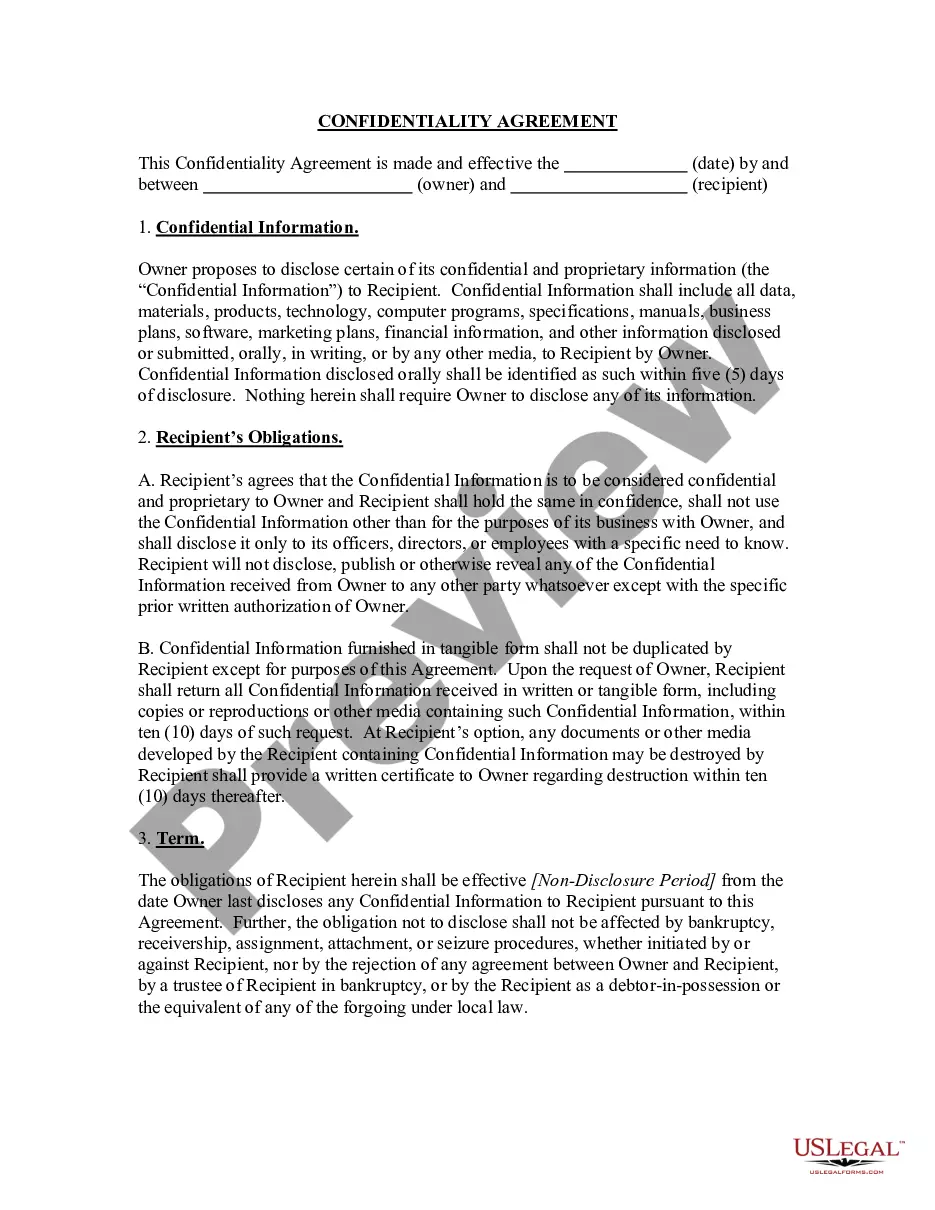
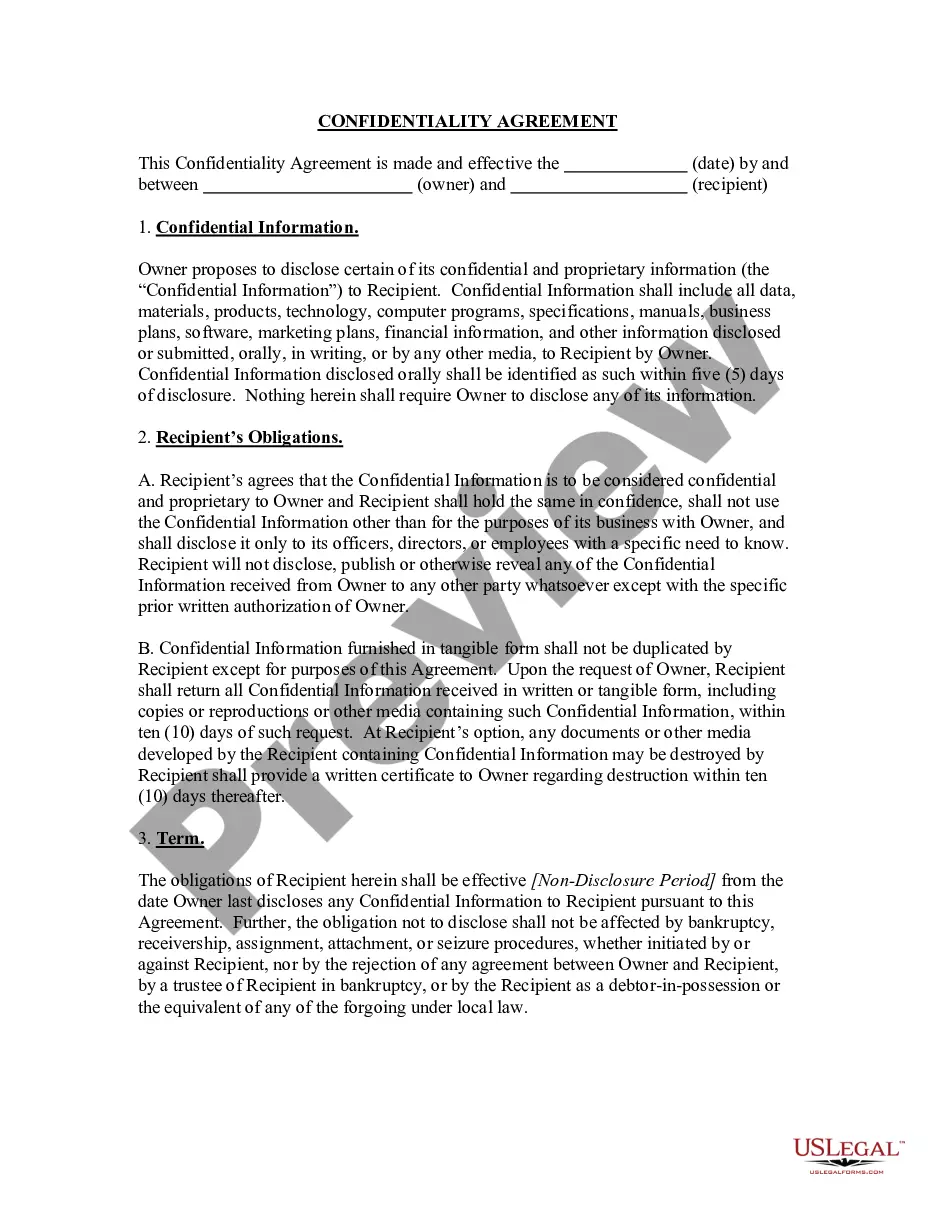
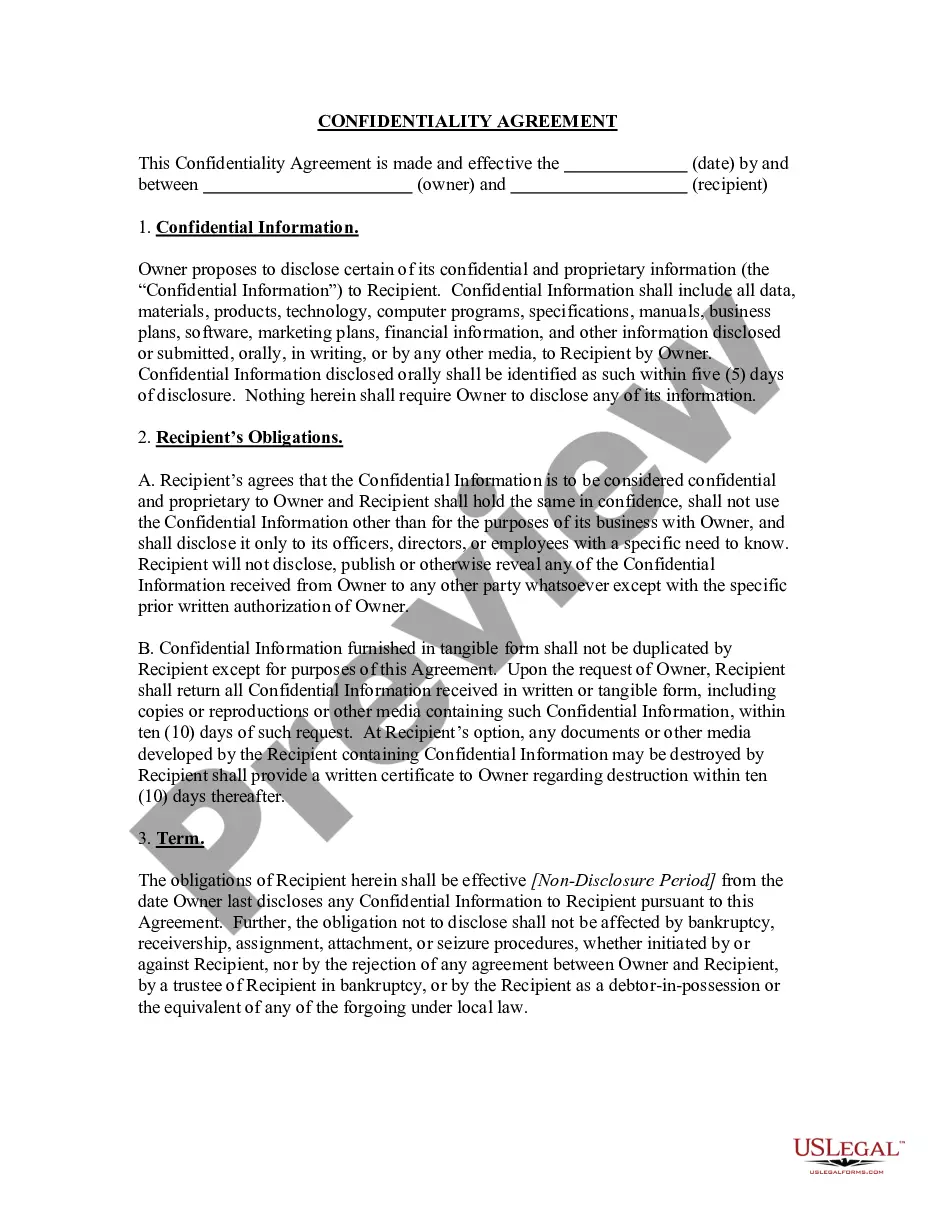
South Carolina Confidentiality Agreement for Therapists
Description
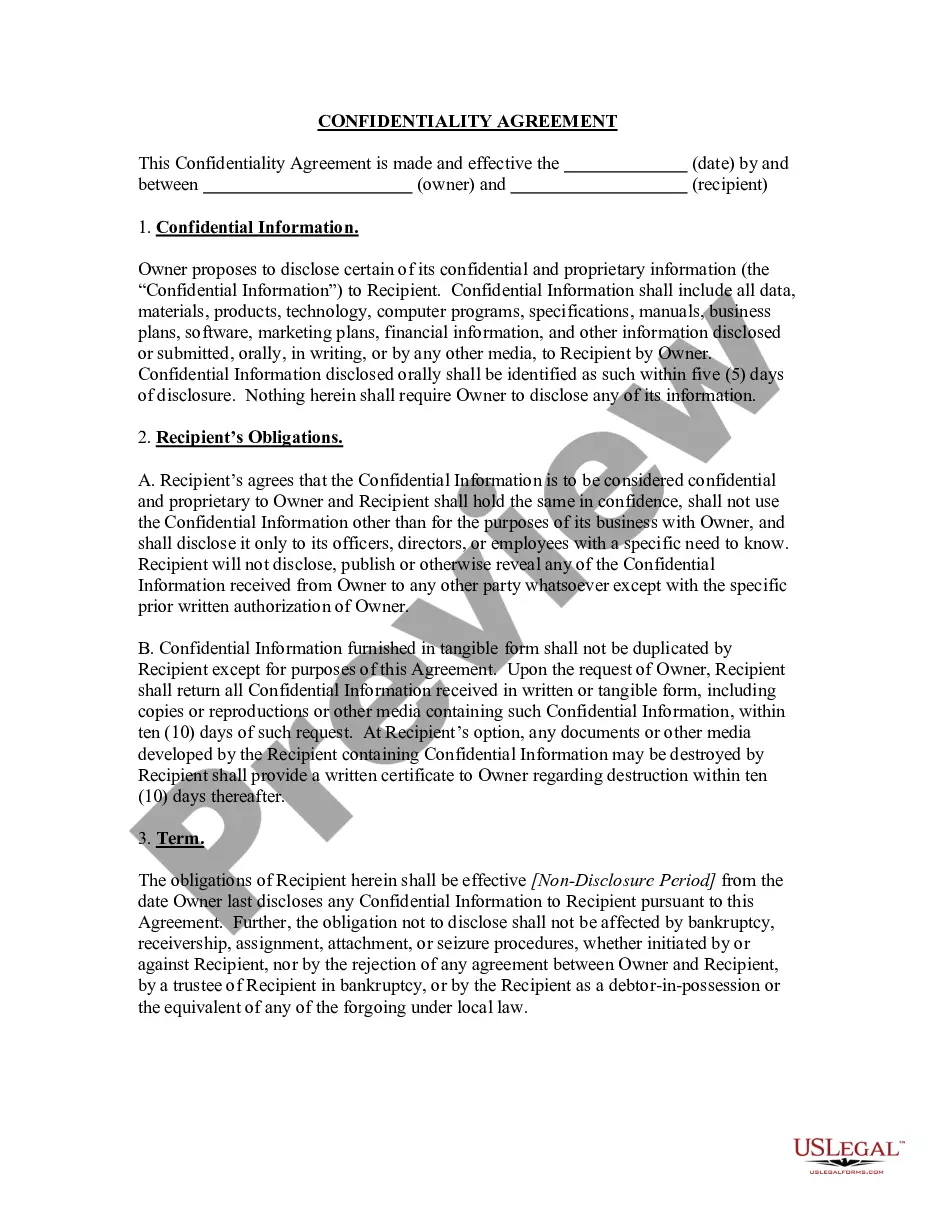
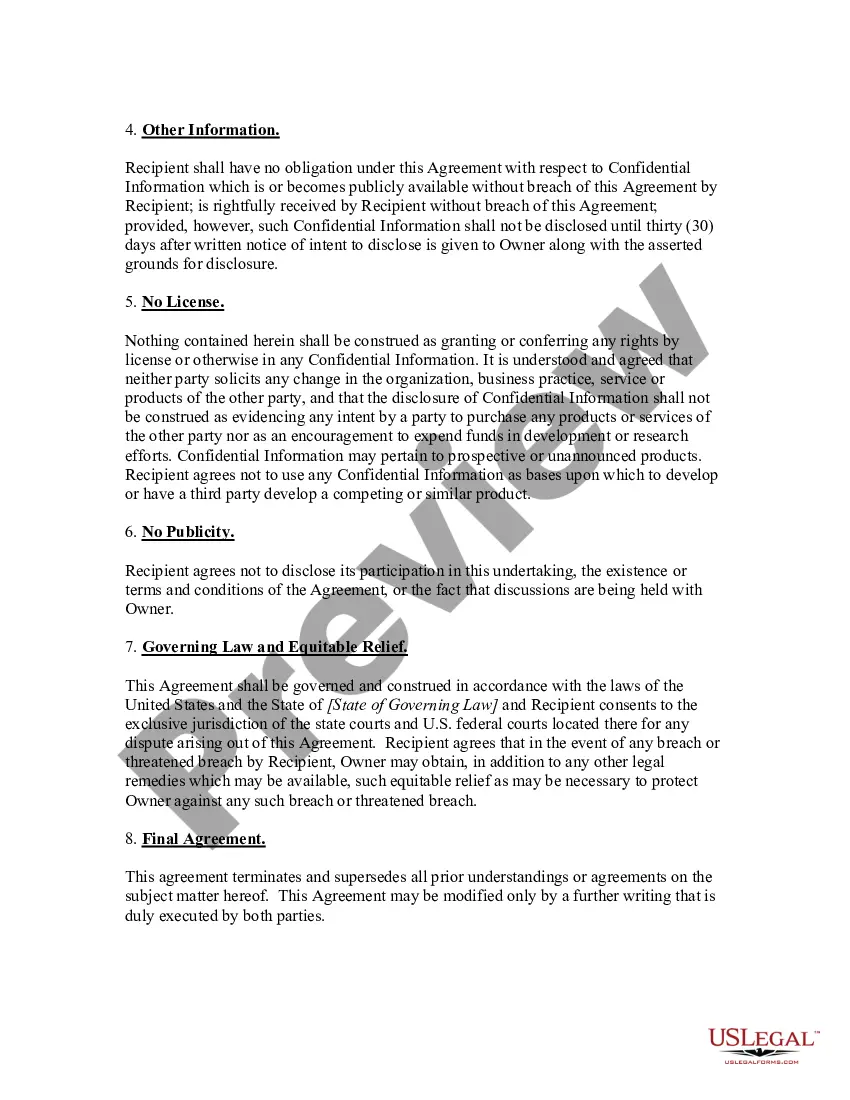
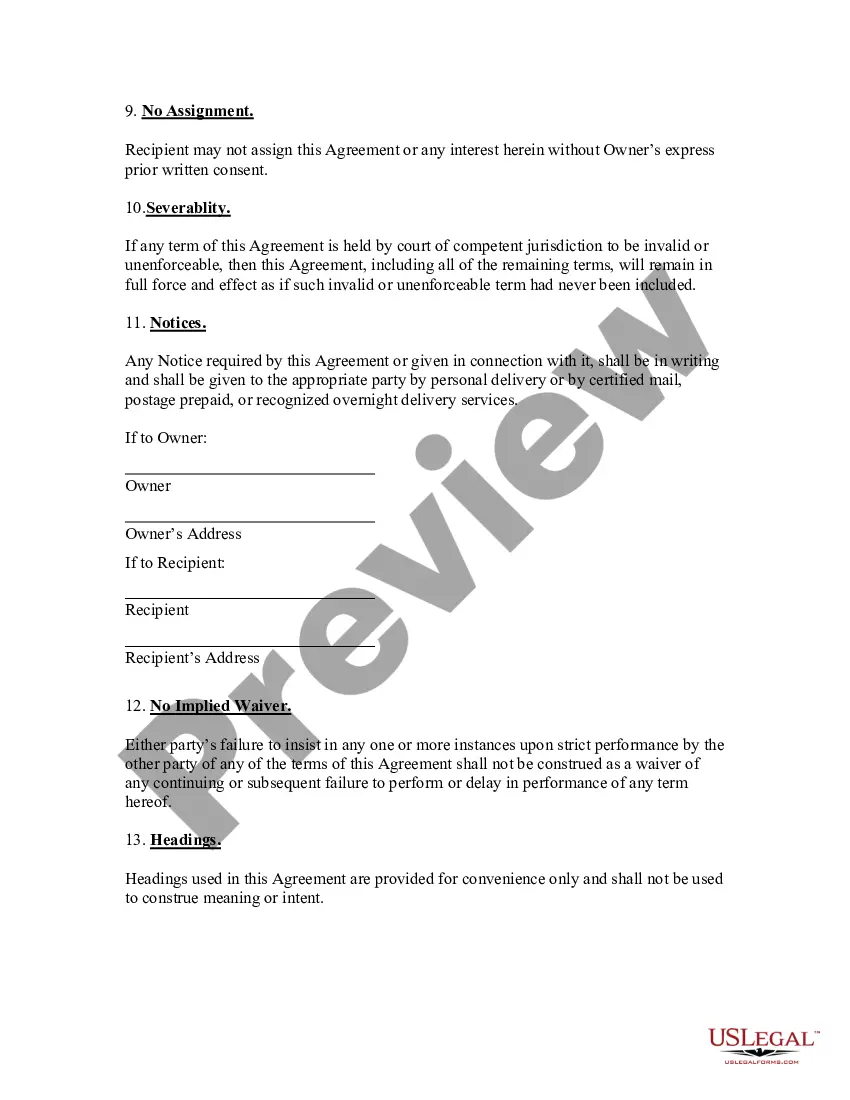

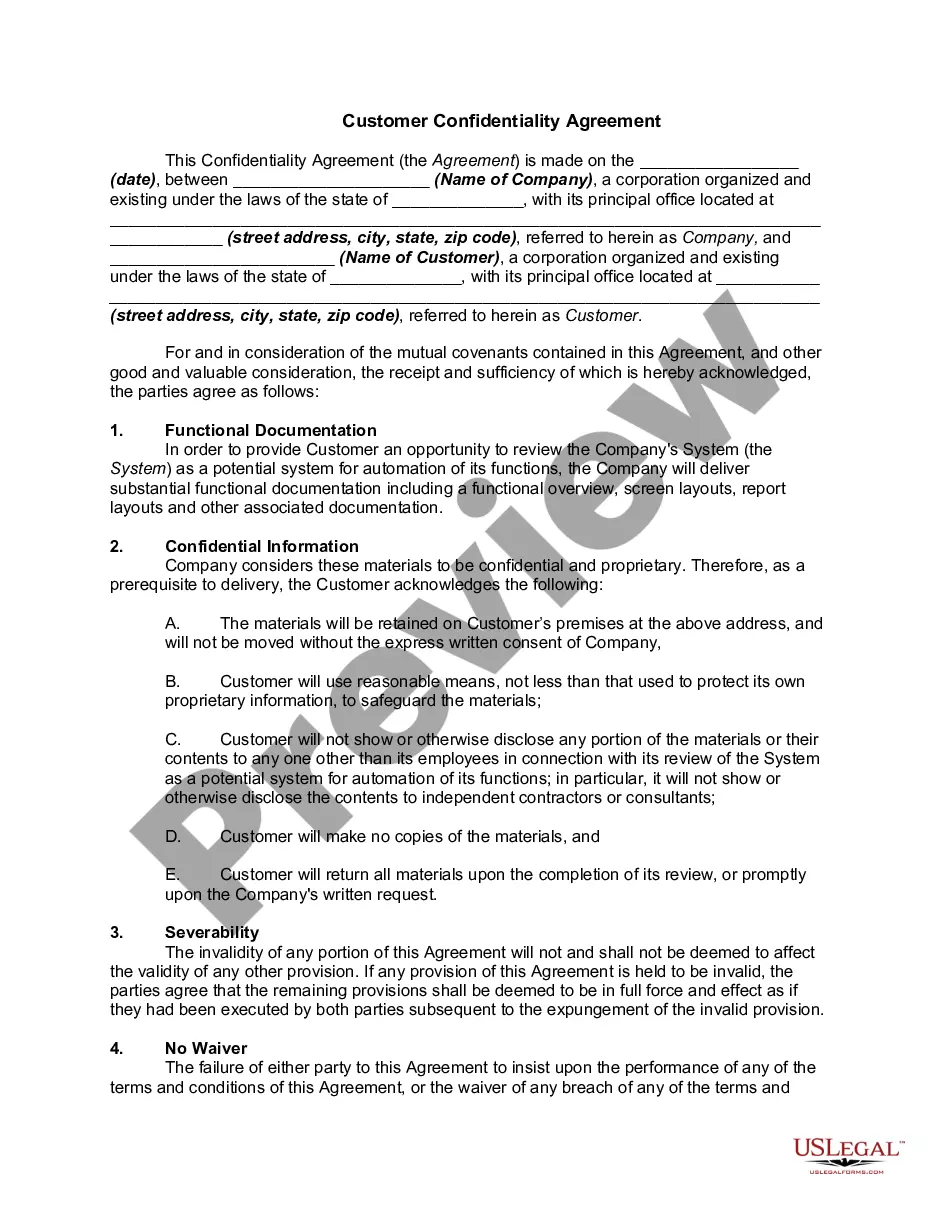
Get your form ready online
Our built-in tools help you complete, sign, share, and store your documents in one place.
Make edits, fill in missing information, and update formatting in US Legal Forms—just like you would in MS Word.
Download a copy, print it, send it by email, or mail it via USPS—whatever works best for your next step.
Sign and collect signatures with our SignNow integration. Send to multiple recipients, set reminders, and more. Go Premium to unlock E-Sign.
If this form requires notarization, complete it online through a secure video call—no need to meet a notary in person or wait for an appointment.
We protect your documents and personal data by following strict security and privacy standards.

Make edits, fill in missing information, and update formatting in US Legal Forms—just like you would in MS Word.

Download a copy, print it, send it by email, or mail it via USPS—whatever works best for your next step.

Sign and collect signatures with our SignNow integration. Send to multiple recipients, set reminders, and more. Go Premium to unlock E-Sign.

If this form requires notarization, complete it online through a secure video call—no need to meet a notary in person or wait for an appointment.

We protect your documents and personal data by following strict security and privacy standards.
Looking for another form?



How to fill out Confidentiality Agreement For Therapists?
Are you situated in a location where you frequently require documentation for either business or personal reasons almost daily.
There is a wide range of legal form templates available online, but finding reliable ones is challenging.
US Legal Forms provides thousands of templates, including the South Carolina Confidentiality Agreement for Therapists, designed to meet local and national regulations.
Choose the pricing plan you prefer, complete the necessary information to create your account, and finalize the purchase using PayPal or a credit card.
Select a convenient format and download your copy. You can access all purchased document templates in the My documents section. You can obtain another copy of the South Carolina Confidentiality Agreement for Therapists at any time if needed. Just select the form to download or print the document template.
- If you are already familiar with the US Legal Forms website and have an account, simply sign in.
- After that, you can download the South Carolina Confidentiality Agreement for Therapists template.
- If you do not have an account and wish to start using US Legal Forms, follow these instructions.
- Find the form you require and ensure it corresponds to the correct city/county.
- Use the Review button to examine the form.
- Read the description to confirm that you have selected the right form.
- If the form does not meet your needs, utilize the Lookup area to find the form that suits your requirements.
- Once you locate the correct form, click Acquire now.
Form popularity
FAQ
You have the right not to disclose any confidential communications between you and your psychotherapist in a California criminal jury trial; and. You have the right to prevent your therapist from disclosing any such confidential communications.
They include reporting child, elder and dependent adult abuse, and the so-called "duty to protect." However, there are other, lesserknown exceptions also required by law. Each will be presented in turn.
When to Break ConfidentialityIf the client may be an immediate danger to themself or another. If the client is endangering another who cannot protect themself, as in the case of a child, a person with a disability, or elder abuse. When required to obtain payment for services. As required by state or federal laws.
(a) Psychologists may disclose confidential information with the appropriate consent of the organizational client, the individual client/patient or another legally authorized person on behalf of the client/patient unless prohibited by law.
Contemporary social workers understand that there are exceptions to clients' confidentiality rights in extraordinary circumstancesfor example, when clients threaten to harm themselves or others or abuse or neglect a child or older person.
Breaching Confidentiality.Confidentiality can be broken for the following reasons:Threat to Self.Threat to Others.Suspicion of Abuse.Duty to Warn.
Mandatory Exceptions To Confidentiality They include reporting child, elder and dependent adult abuse, and the so-called "duty to protect." However, there are other, lesserknown exceptions also required by law.
Confidentiality is an important aspect of counseling. This means that under normal circumstances no one outside the Counseling Center is given any information even the fact that you have been here without your expressed written consent.
The following situations typically legally obligate therapists to break confidentiality and seek outside assistance:Detailed planning of future suicide attempts.Other concrete signs of suicidal intent.Planned violence towards others.Planned future child abuse.Formerly committed child abuse.Experiencing child abuse.More items...?