Alabama Joint Stipulation For Dismissal With Prejudice
What this document covers
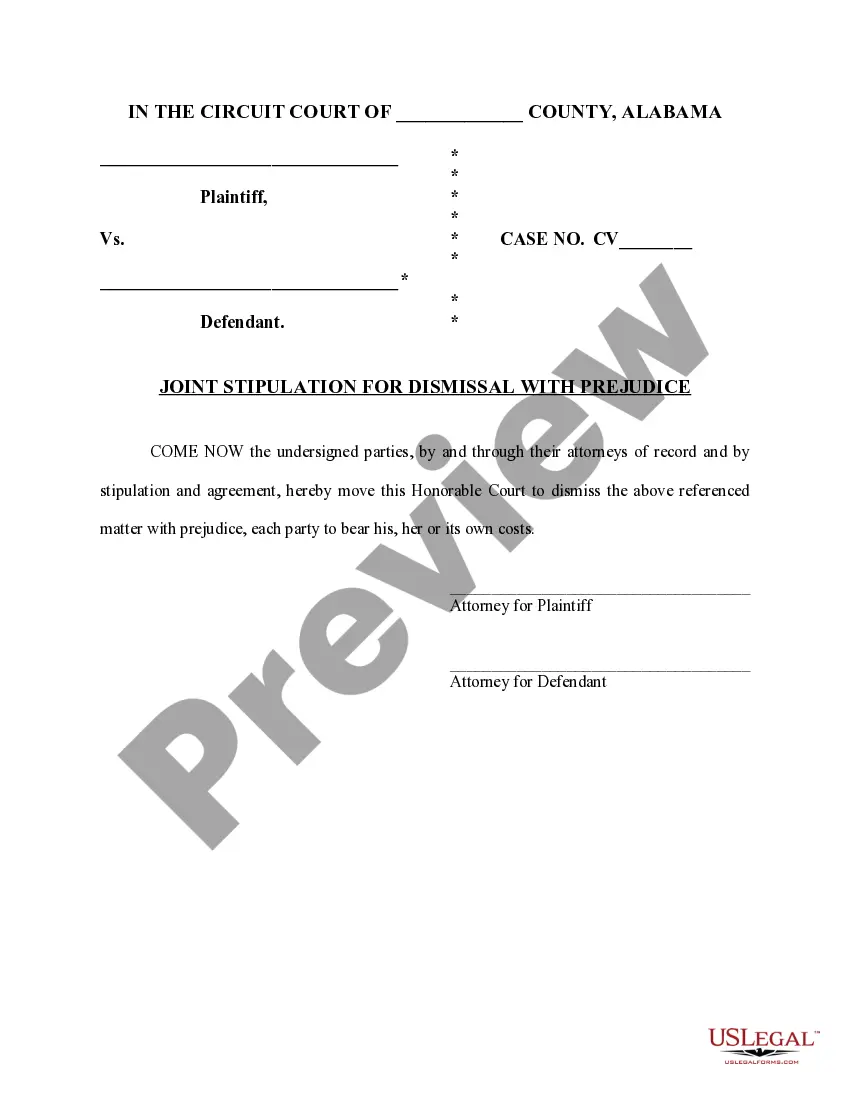
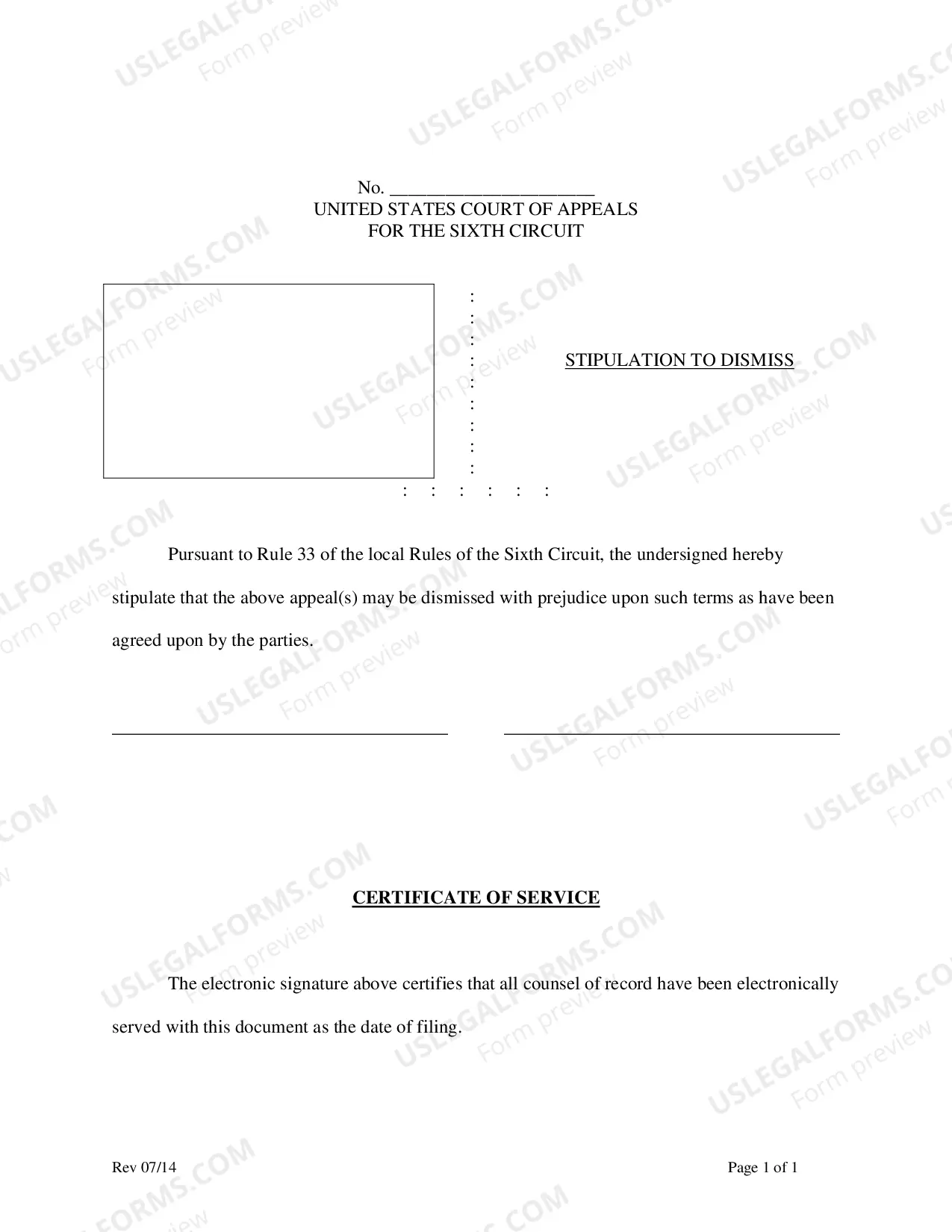
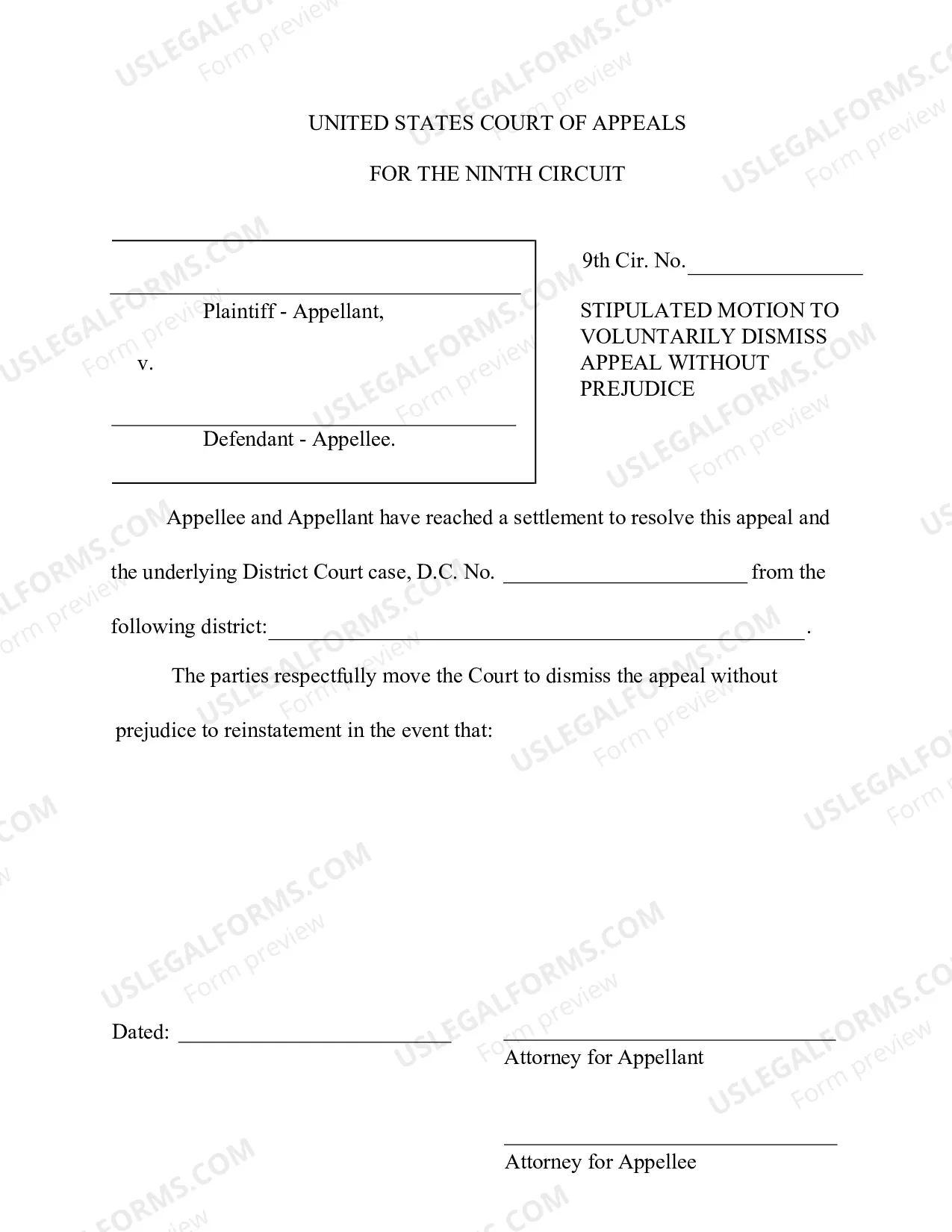
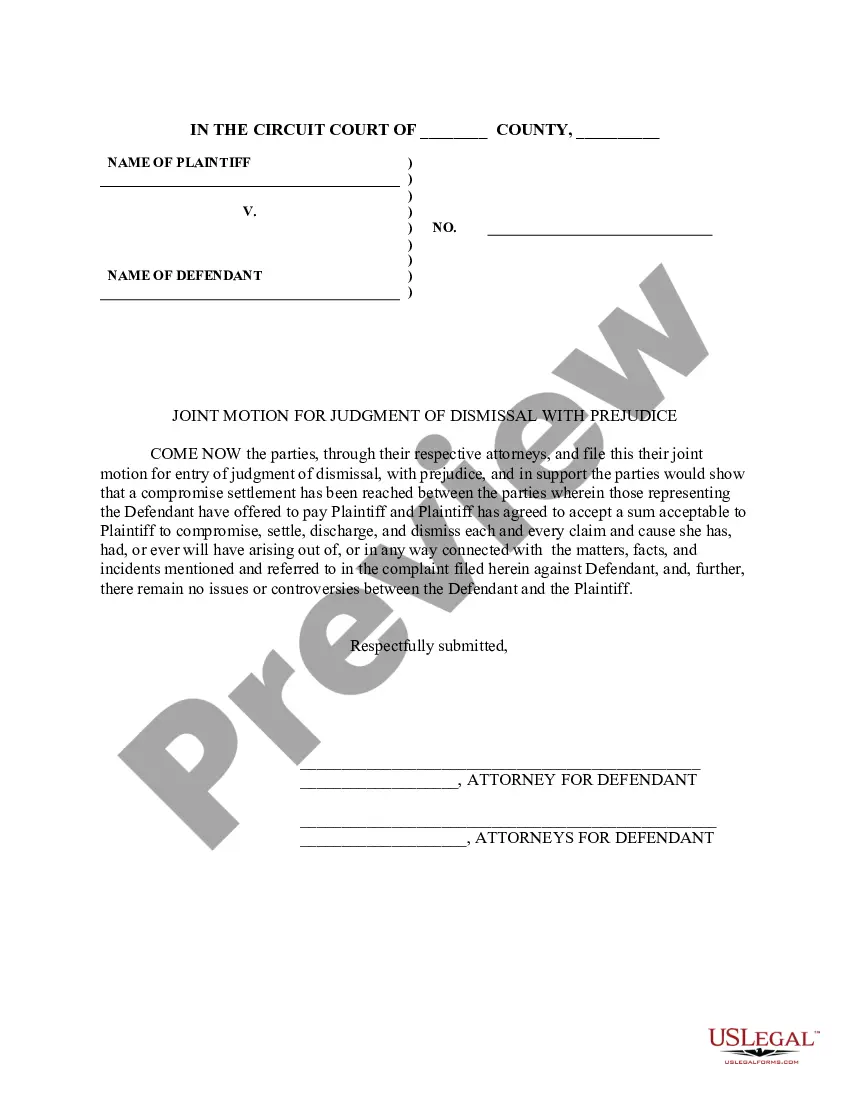
The Joint Stipulation For Dismissal With Prejudice is a legal document used when both parties in a lawsuit agree to dismiss the case with prejudice. This means that the same claim cannot be refiled in the future by either party. This form is essential for finalizing the dismissal of a case in a way that prevents further legal action regarding the same issue, providing closure to both parties involved.
Key components of this form
- Title section: Indicates the nature of the document.
- Parties involved: Space to identify the plaintiff and defendant.
- Case number: Designated area for the court case reference number.
- Dismissal agreement: Statement where both parties agree to the dismissal with prejudice.
- Signatures: Sections for the attorneys representing each party to sign.
Situations where this form applies
This form should be used when both the plaintiff and defendant wish to conclude their lawsuit without any further claims related to the same issue. Common scenarios include settlements outside of court or mutual agreements that a claim is no longer valid or necessary to pursue.
Intended users of this form
- Both parties involved in a civil lawsuit.
- Attorneys representing the plaintiff and defendant.
- Individuals seeking to finalize legal claims with mutual agreement.
How to complete this form
- Identify the parties: Enter the names of both the plaintiff and defendant.
- Include the case number: Fill in the designated case reference number.
- Review the dismissal agreement: Ensure both parties agree to dismiss the case with prejudice.
- Sign the document: Attorneys for both sides need to sign to validate the agreement.
- File the form: Submit the completed form to the appropriate court to finalize the dismissal.
Notarization guidance
Notarization is generally not required for this form. However, certain states or situations might demand it. You can complete notarization online through US Legal Forms, powered by Notarize, using a verified video call available anytime.
Get your form ready online
Our built-in tools help you complete, sign, share, and store your documents in one place.
Make edits, fill in missing information, and update formatting in US Legal Forms—just like you would in MS Word.
Download a copy, print it, send it by email, or mail it via USPS—whatever works best for your next step.
Sign and collect signatures with our SignNow integration. Send to multiple recipients, set reminders, and more. Go Premium to unlock E-Sign.
If this form requires notarization, complete it online through a secure video call—no need to meet a notary in person or wait for an appointment.
We protect your documents and personal data by following strict security and privacy standards.

Make edits, fill in missing information, and update formatting in US Legal Forms—just like you would in MS Word.

Download a copy, print it, send it by email, or mail it via USPS—whatever works best for your next step.

Sign and collect signatures with our SignNow integration. Send to multiple recipients, set reminders, and more. Go Premium to unlock E-Sign.

If this form requires notarization, complete it online through a secure video call—no need to meet a notary in person or wait for an appointment.

We protect your documents and personal data by following strict security and privacy standards.
Typical mistakes to avoid
- Failing to include the case number, which can lead to confusion.
- Not having both parties' attorneys sign the form.
- Misunderstanding the implications of "with prejudice" leading to future legal issues.
Benefits of using this form online
- Convenience: Easily download and fill out the form at your convenience.
- Editability: Make necessary changes quickly without the hassle of physical paperwork.
- Reliable templates: Forms drafted by licensed attorneys to ensure legality and compliance.
Looking for another form?


Form popularity
FAQ
When a lawsuit is dismissed with prejudice, the court is saying that it has made a final determination on the merits of the case, and that the plaintiff is therefore forbidden from filing another lawsuit based on the same grounds. See also: dismiss, dismissal without prejudice.
The courts in California may dismiss a case either with or without prejudice. Cases dismissed with prejudice cannot be reopened.
A case will be dismissed with prejudice if there is reason for the case not to be brought back to court; for example, if the judge deems the lawsuit frivolous or the the matter under consideration is resolved outside of court.
Fill out your court forms. Fill out a Request for Dismissal (Form CIV-110 ). File your forms at the courthouse where you filed your case. Serve the other side with a copy of the dismissal papers. File the Notice of Entry of Dismissal and Proof of Service (Form CIV-120)
A stipulated dismissal is always a voluntary agreement between the parties. After the court makes a determination of how much the defendant should pay, the parties can enter into the agreement and have it entered as an order by the judge.
In the formal legal world, a court case that is dismissed with prejudice means that it is dismissed permanently. A case dismissed with prejudice is over and done with, once and for all, and can't be brought back to court. A case dismissed without prejudice means the opposite.
Dismissal with prejudice is a final judgment and the case becomes res judicata on the claims that were or could have been brought in it; dismissal without prejudice is not.
When a case is dismissed without prejudice, it leaves the plaintiff free to bring another suit based on the same grounds, for example if the defendant doesn't follow through on the terms of a settlement. See: dismiss, dismissal with prejudice.