California Confidentiality Agreement for Staff
Description
Get your form ready online
Our built-in tools help you complete, sign, share, and store your documents in one place.
Make edits, fill in missing information, and update formatting in US Legal Forms—just like you would in MS Word.
Download a copy, print it, send it by email, or mail it via USPS—whatever works best for your next step.
Sign and collect signatures with our SignNow integration. Send to multiple recipients, set reminders, and more. Go Premium to unlock E-Sign.
If this form requires notarization, complete it online through a secure video call—no need to meet a notary in person or wait for an appointment.
We protect your documents and personal data by following strict security and privacy standards.

Make edits, fill in missing information, and update formatting in US Legal Forms—just like you would in MS Word.

Download a copy, print it, send it by email, or mail it via USPS—whatever works best for your next step.

Sign and collect signatures with our SignNow integration. Send to multiple recipients, set reminders, and more. Go Premium to unlock E-Sign.

If this form requires notarization, complete it online through a secure video call—no need to meet a notary in person or wait for an appointment.

We protect your documents and personal data by following strict security and privacy standards.
Looking for another form?

How to fill out Confidentiality Agreement For Staff?
If you desire to complete, download, or create legal document templates, utilize US Legal Forms, the largest compilation of legal forms available online.
Leverage the site's simple and convenient search to find the documents you need.
Various templates for business and personal applications are organized by categories and jurisdictions, or keywords.
Step 4. Once you have found the form you need, click on the Get now button. Choose the pricing plan you prefer and submit your details to register for an account.
Step 5. Complete the purchase. You may use your credit card or PayPal account to finalize the transaction.
- Use US Legal Forms to obtain the California Confidentiality Agreement for Employees in just a few clicks.
- If you are already a US Legal Forms user, sign in to your account and click the Download button to retrieve the California Confidentiality Agreement for Employees.
- You can also access forms you have previously downloaded in the My documents section of your account.
- If you are utilizing US Legal Forms for the first time, follow the instructions listed below.
- Step 1. Ensure you have selected the form for the appropriate city/state.
- Step 2. Utilize the Preview option to review the form's content. Don’t forget to read the description.
- Step 3. If you are dissatisfied with the form, take advantage of the Search bar at the top of the screen to locate other templates within the legal form category.
Form popularity
FAQ
This amendment to Section 12964.5 of the Government Code provides that any agreement that has the purpose or effect of denying an employee the right to disclose information about those acts is against public policy and unenforceable.
This year, a new California law went into effect called Silenced No More, which outlaws confidentiality agreements for settlements involving any form of discrimination or harassment, expanding existing employee protections in the state.
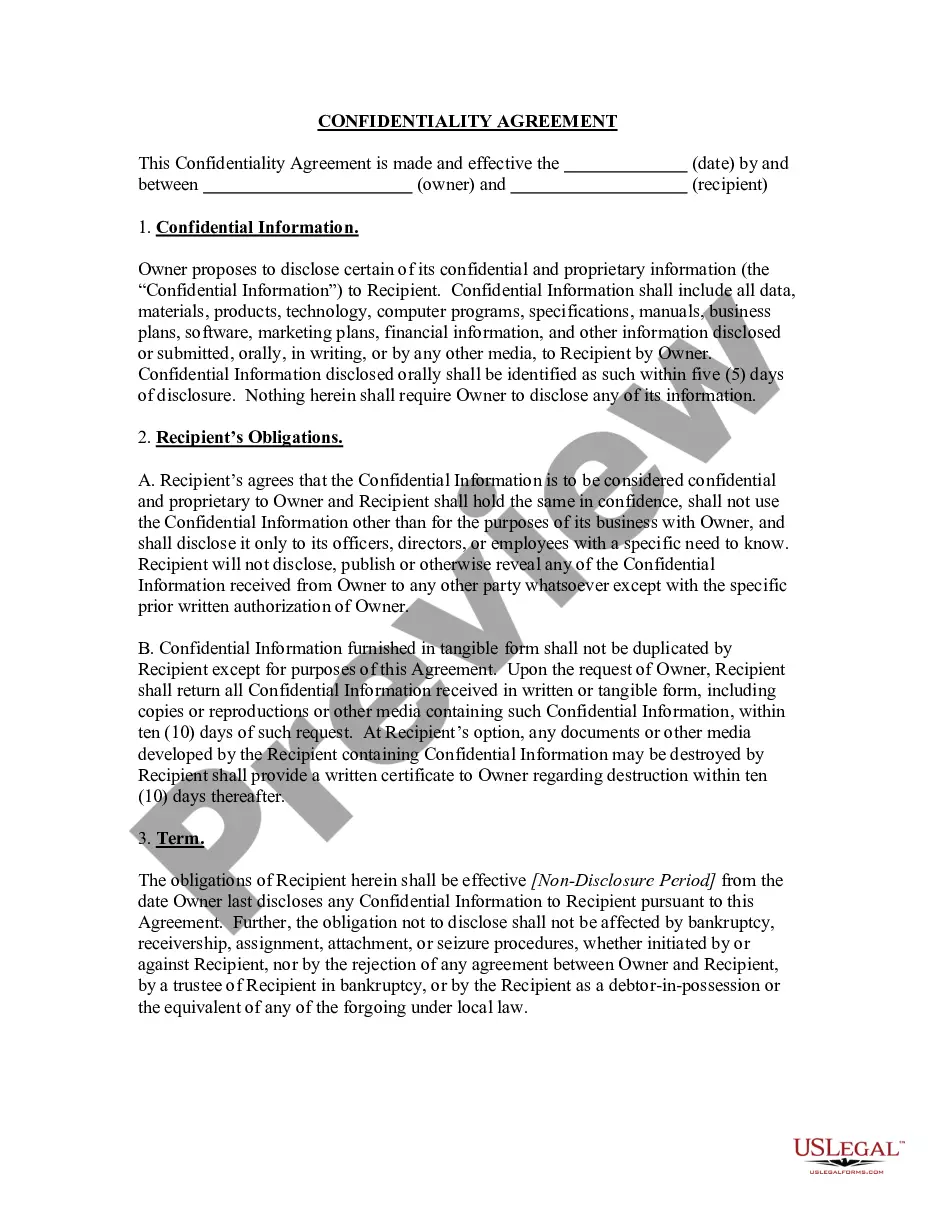
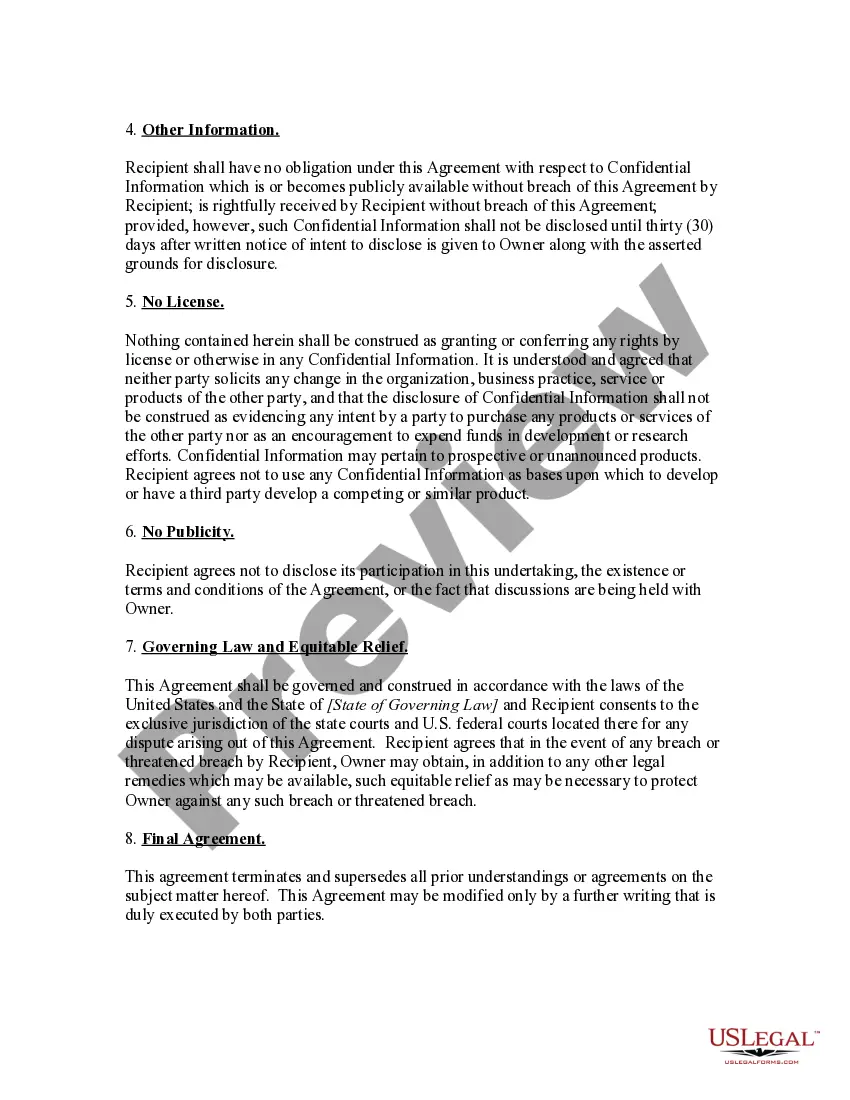
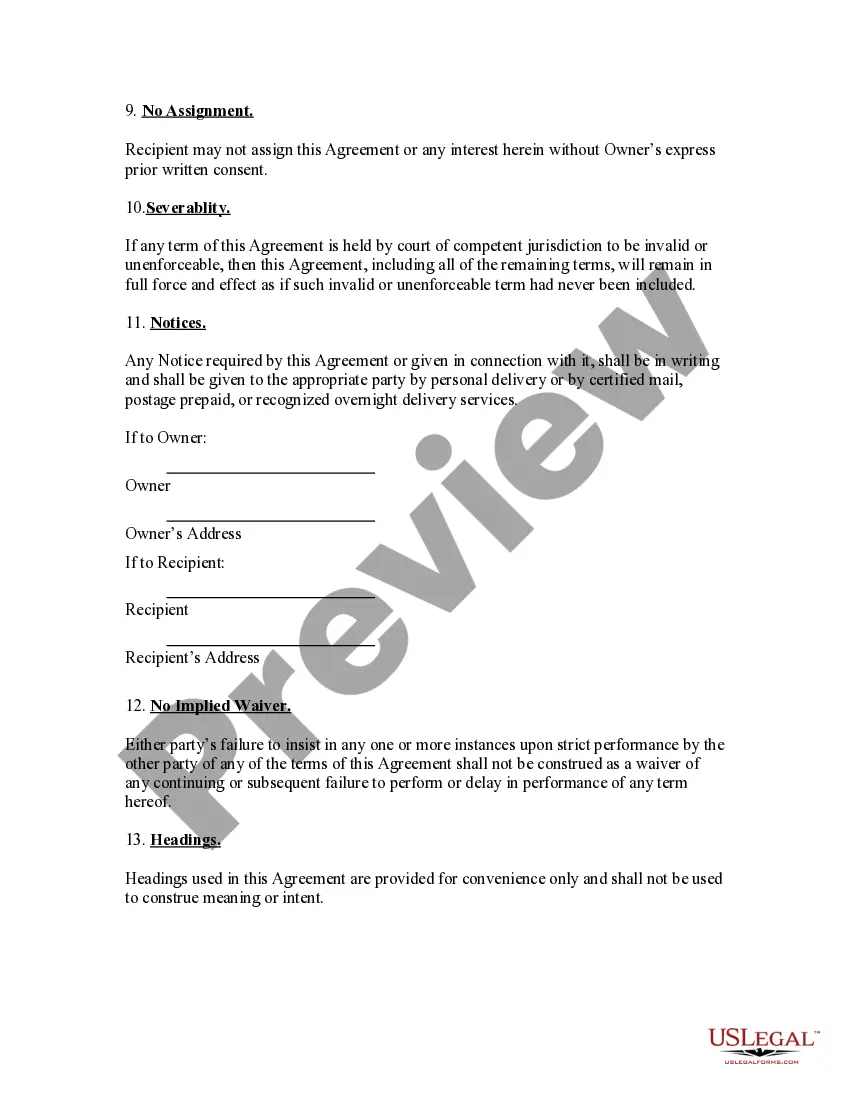
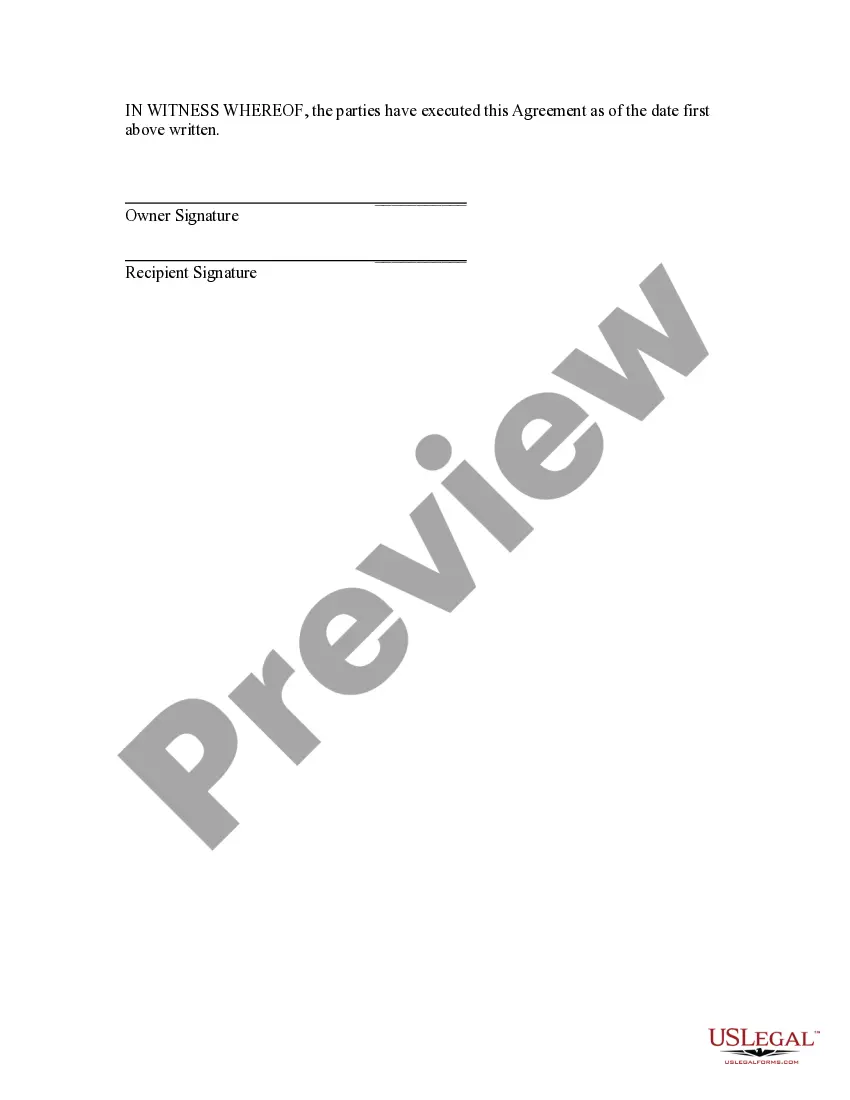
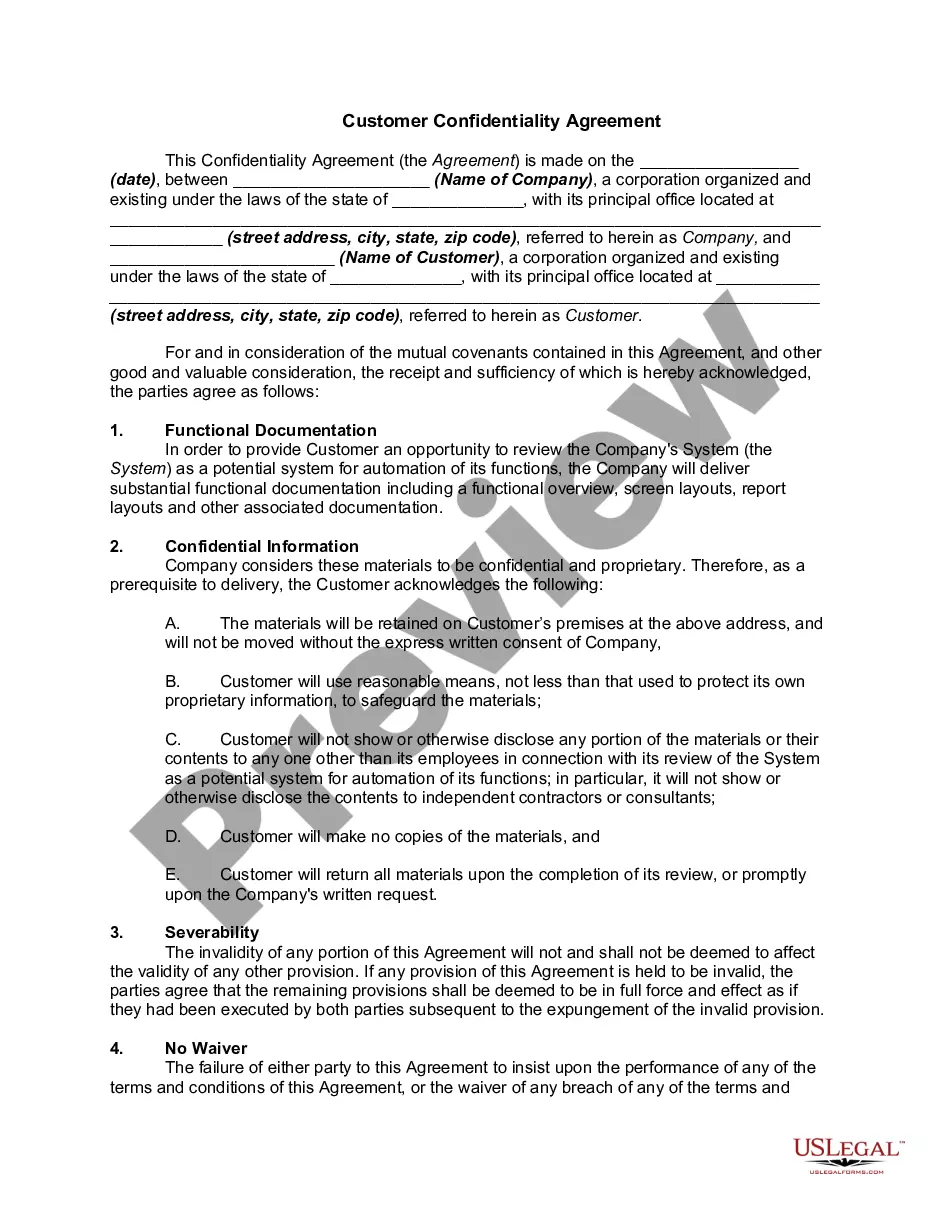
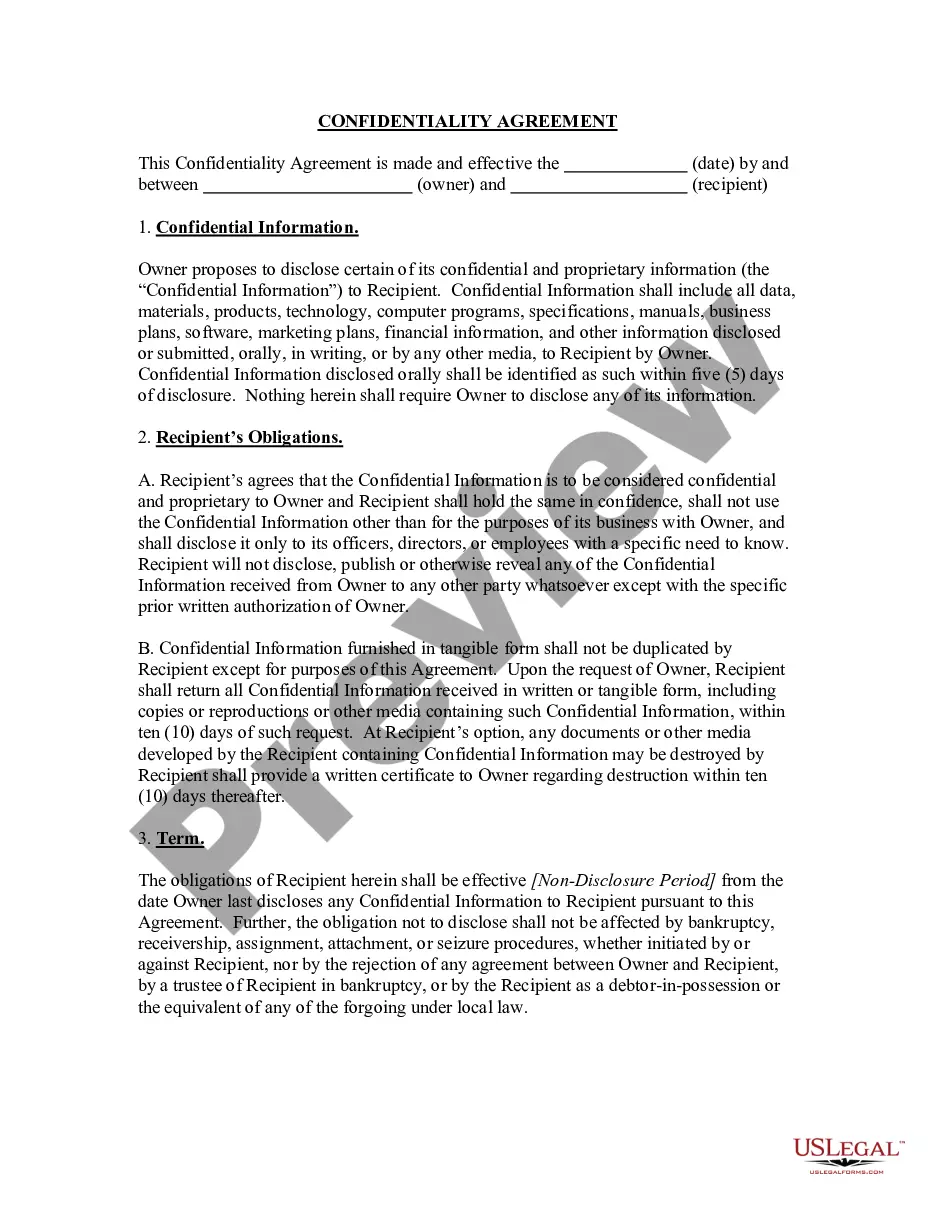
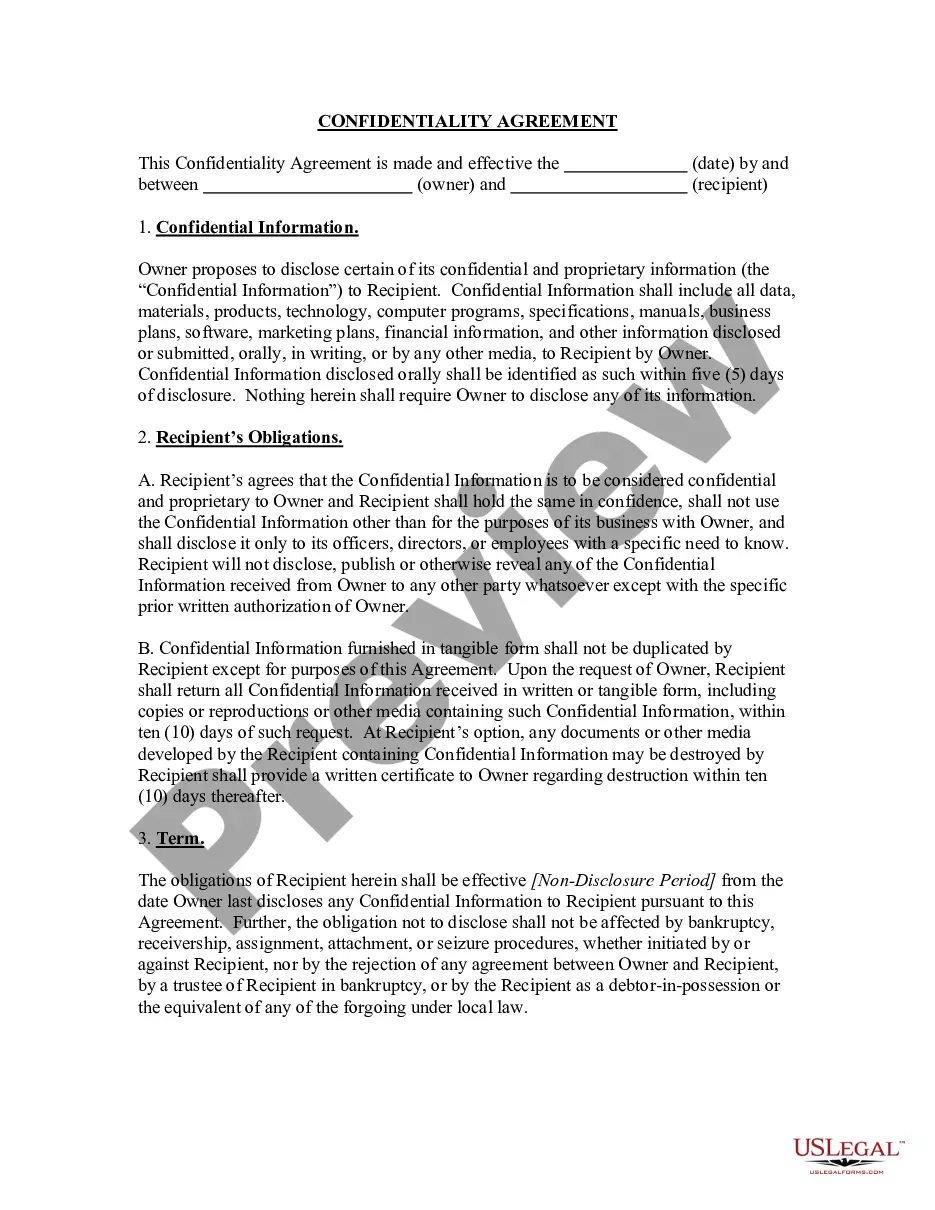
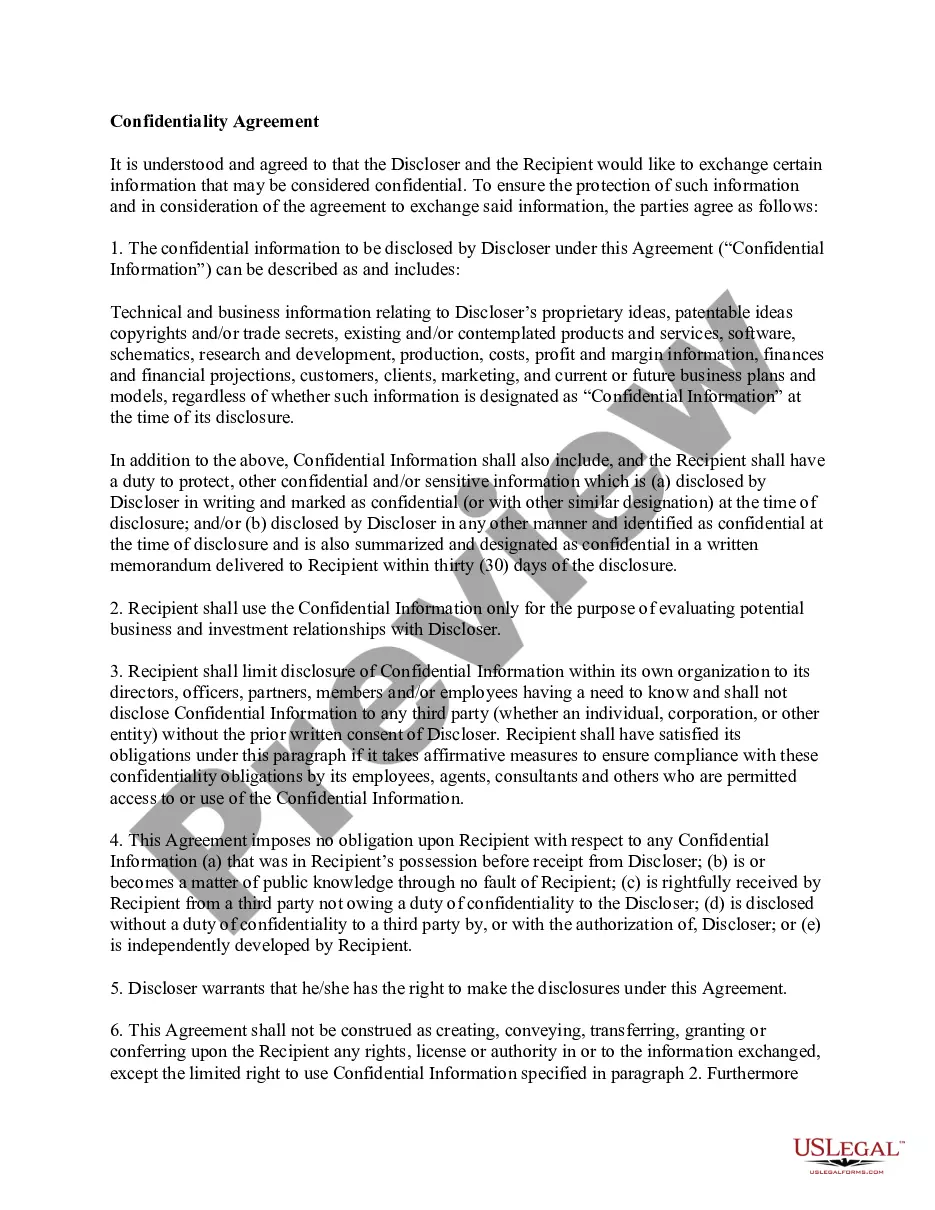
A confidentiality agreement is a written legal contract between an employer and an employee. The confidentiality agreement lays out binding terms and conditions that prohibit the employee from disclosing company confidential and proprietary information.
In California, Employment contracts are legally binding agreements that create the employer-employee relationship. An employment contract can either be created by writing, verbal agreement, or because of implied circumstances.
Generally, confidentiality agreements are enforceable when they meet the general requirements of a contract.
Non-disclosure agreements, or NDAs as they are sometimes called, are legally enforceable agreements between parties that are used to ensure that certain information will remain confidential.
In 2019, California legislation went into effect that prevented employers from imposing non-disclosure agreements (NDAs) as a condition of settlement of a civil or administrative action in which claims of sexual harassment or discrimination based on sex had been asserted.
A confidentiality agreement is a legally binding contract that states two parties will not share or profit from confidential information. A business usually gives a confidentiality agreement to an employee or contractor to make sure its trade secrets or proprietary information remains private.